Source: Kupi.com AI
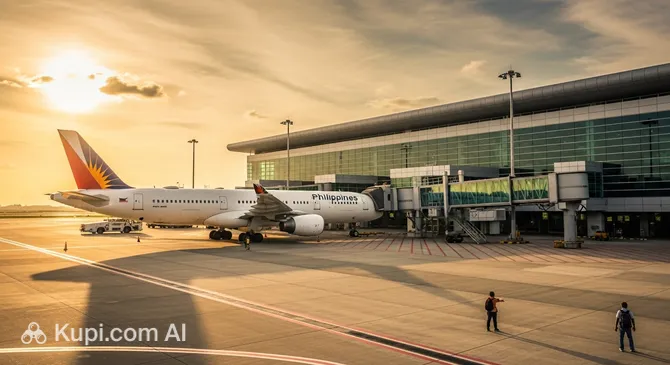
Ninoy Aquino International Airport (NAIA) is not merely a transport hub, but the true beating heart of the Philippines, through which the majority of travellers seeking paradise islands pass. Located just a few kilometres from the historic centre of Manila, this airport immediately immerses guests in the unique atmosphere of Southeast Asia with its humid tropical air and continuous movement. As the main hub for national carriers, it connects the metropolis with thousands of corners of the archipelago, serving tens of millions of tourists from around the world annually.
| Characteristic | Value |
|---|---|
| IATA code | MNL |
| ICAO code | RPLL |
| City | Manila |
| Country | Philippines |
| Time zone | Asia/Manila |
| Popular airlines | Cebu Pacific, Philippine Airlines, Philippines AirAsia, AirSWIFT |
| Schedule | Online timetable |
Features and Useful Information
- Disconnected Terminals: The airport consists of four terminals (T1, T2, T3, T4) which are located far apart and are not connected by internal walkways. To transfer between them, it is necessary to use city roads; therefore, for connecting flights, it is critically important to allocate a minimum of 3–4 hours for transfer using free shuttles or taxis.
- Location within the city: NAIA is located on the border of Pasay and Parañaque cities, providing quick access to popular entertainment districts such as Resorts World Manila (opposite Terminal 3) and the Mall of Asia complex.
- Transport matters: Due to heavy traffic in Manila, tourists are advised to use official yellow metered taxis or the Grab application, for which special counters are allocated in arrival zones. UBE Express buses are also available, running to hotels and central districts.
- Connectivity and Money: Immediately after exiting the "airside" zone, you can purchase tourist SIM cards from local operators (Globe and Smart) and exchange currency. The exchange rate at the airport is generally acceptable for exchanging small amounts for initial expenses.