Support

Mabalacat

About

Welcome to Mabalacat, a dynamic and rapidly growing city located in the province of Pampanga. Known for its strategic location and vibrant atmosphere, this urban center serves as a crucial gateway to Central Luzon. With a population of approximately 293,000 residents, it offers a lively mix of local culture, modern commerce, and natural beauty, making it an interesting stop for travelers exploring the northern regions of the Philippines.

The city derives its name from the indigenous Balacat tree, which once grew abundantly in the area. While it is now a bustling component city, it retains a deep connection to its past. Visitors interested in how this area evolved from a quiet settlement into a major economic hub can delve deeper into the history of Mabalacat, which is marked by its transition through various eras and its resilience.

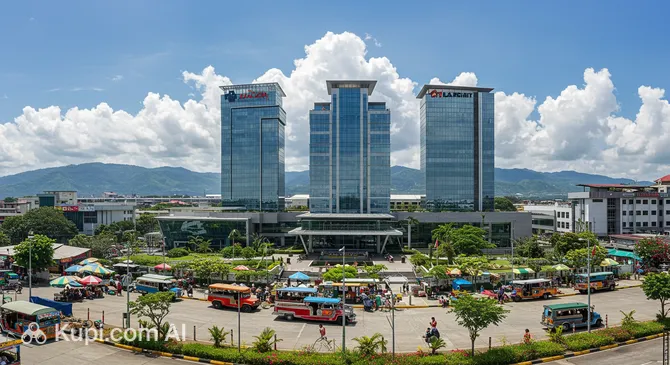
Mabalacat. Source: Kupi.Binoculars

Mabalacat is perhaps best known for hosting a significant portion of the Clark Freeport Zone, a premier destination for leisure, business, and tourism. This area is home to world-class resorts, casinos, and family-friendly attractions like Dinosaurs Island and Aqua Planet water park. Additionally, the city celebrates its unique heritage during the colorful Caragan Festival, a lively event that honors the Aeta people and the region's cultural roots.

Whether you are seeking thrilling adventures in modern theme parks or looking to experience the warm hospitality of Pampanga, Mabalacat offers a welcoming environment for all. It is a destination that seamlessly blends the convenience of urban living with the charm of Filipino tradition, inviting you to discover its many hidden gems.

Weather Overview

Mabalacat generally experiences a tropical climate characterized by consistent warmth and two distinct seasons. Visitors can expect a pattern of hot, relatively dry months early in the year, followed by a humid season with frequent rainfall. The city remains warm year-round, with average temperatures rarely dropping below 24°C, making it a destination suitable for light clothing at any time.

For those looking to avoid the rain, the best time to visit is typically from January to April. During these months, the weather in Mabalacat is at its driest, with February seeing as few as 6 wet days. As the year progresses, temperatures rise, peaking in May with daily highs reaching up to 33.3°C. This period offers plenty of sunshine but can be quite hot, so staying hydrated is essential.

The wet season usually begins in late May and intensifies from July through September. During these months, rainfall becomes very common, with July and August often recording rain on up to 30 days of the month. Despite the wet conditions, the air remains warm, with average temperatures hovering around 27°C. Travelers planning a trip during this time should be prepared for regular showers and pack appropriate rain gear.

Interesting Facts

Beyond its bustling streets and festivals, Mabalacat holds several fascinating secrets and historical footnotes that often surprise visitors exploring the Philippines. This city is not just a gateway to the north but a place with a deep and sometimes unexpected heritage.

  • Birthplace of the Kamikaze: Mabalacat is historically significant as the site where the first organized Kamikaze unit was formed during World War II. The first official mission was launched from the Mabalacat East Airfield, and today, a peace memorial stands at the site to mark this event and advocate for global harmony.

  • The True Host of Clark: While the famous Clark Freeport Zone is frequently associated with neighboring Angeles City, the majority of its land area actually falls within the jurisdiction of Mabalacat. This means the city is the primary home of the international airport and many of the zone's major leisure developments.

  • A Chieftain’s Legacy: The city’s vibrant Caragan Festival is named after a specific historical figure, Caragan, who was an Aeta chieftain. Local lore celebrates him as the traditional founder of the settlement before the Spanish era, highlighting the region's strong indigenous roots.

How to Get There

Reaching Mabalacat is quite convenient due to its proximity to major transportation hubs in Central Luzon. Whether you are arriving from overseas or other parts of the archipelago, you have excellent options for air travel. For a detailed overview of all transport methods, you can read more about how to get to Mabalacat to plan your journey effectively.

The most direct entry point is Clark International Airport (CRK), which is often considered the gateway to the north. Although this airport is officially located in Angeles City, it is situated just 4.4 km from the center of Mabalacat. In fact, parts of the airport complex extend into Mabalacat's territory. A taxi or shuttle ride from the terminal to the city center typically takes about 25 to 30 minutes, making it an incredibly hassle-free option. The airport handles a significant volume of flights, serving millions of passengers annually.

Alternatively, travelers can fly into the country's primary hub, Ninoy Aquino International Airport (MNL), located in Manila. This airport is approximately 91.9 km away from Mabalacat. While it offers the most extensive range of international connections, the transfer to Mabalacat by taxi or bus usually takes around 2.5 to 3 hours, depending on traffic conditions in the metro area.

For clarity, here is a summary of the main airports:

Airport Name City Passenger Traffic Km from City
Ninoy Aquino International Airport Manila Very High 91.9
Clark International Airport Angeles City Medium 4.4
Tuguegarao Airport Tuguegarao Small 295.6
Vigan Mindoro Airport Vigan 259.3

Main Attractions

To tourists, Mabalacat presents a fascinating mix of high-energy leisure parks and poignant historical sites. As the host of a significant portion of the Clark Freeport Zone, the city has developed into a premier entertainment hub in Central Luzon. Whether you are looking for adrenaline-pumping water slides, educational family adventures, or a quiet moment of historical reflection, this destination has something to offer.

Aqua Planet
Widely recognized as one of the largest and most modern water parks in the Philippines, Aqua Planet is a massive 10-hectare facility designed for visitors of all ages. It boasts over 38 water slides and attractions, ranging from the relaxing Wave River to the heart-stopping Aqua Loop, which features a 100-meter free fall. The park is meticulously maintained and uses a cashless payment system, ensuring a hassle-free experience for families and groups looking to beat the tropical heat in style.

Dinosaurs Island
For a unique journey back in time, Dinosaurs Island offers an interactive animatronic theme park experience located within the Clark forest area. The park features a Dino Trail where life-sized, moving dinosaur replicas roar and interact with passersby, providing both education and entertainment. Inside the complex, you can also explore Insectlandia, which showcases giant mechanical insects, and the Unearth Museum, where you can learn about fossils. It is a fantastic stop for families with children who are fascinated by the prehistoric world.

Kamikaze East Airfield
History enthusiasts will find deep significance at the Kamikaze East Airfield. This site marks the location where the first official Kamikaze suicide mission was launched during World War II in October 1944. Today, it serves as a peace memorial, featuring a shrine and a statue of a pilot. Unlike the bustling theme parks nearby, this spot offers a quiet atmosphere for reflection on the complexities of war and the enduring value of peace and reconciliation between nations.

Zoocobia Fun Zoo
Another family-favorite destination is Zoocobia Fun Zoo, which combines a petting zoo with adventure activities. It is not just about viewing animals; visitors can interact with them, feed birds, and enjoy unique rides. One of its most popular attractions is the "Zooc", a gravity car ride similar to a luge, where you can navigate down a paved track. The park also features a garden maze and a barn, making it an engaging day out for those who enjoy nature and playful activities.

Local Cuisine

Because Mabalacat is situated in the province of Pampanga, widely regarded as the "Culinary Capital of the Philippines," visitors can expect a gastronomic journey that is nothing short of exceptional. The local cuisine is defined by its bold flavors, intricate preparation methods, and a deep love for savory, rich dishes. Whether you are dining in a high-end restaurant within the Clark Freeport Zone or grabbing a bite at a roadside eatery, the food here is a central part of the travel experience.

No trip to this region is complete without trying Sisig. While it is now famous worldwide, its roots are deeply planted in Kapampangan soil. In Mabalacat, you will find the authentic version of this sizzling dish: chopped pork (traditionally pig's face and ears) boiled, grilled, and seasoned with calamansi, onions, and chili peppers. Unlike commercial versions elsewhere that use mayonnaise, the locals prefer it served pure and crunchy, often on a sizzling metal plate. Another must-try is Bringhe, often referred to as the local version of paella. Made with glutinous rice, coconut milk, turmeric, chicken, and chorizo, it is a festive and filling dish that showcases the region's Spanish influences mixed with local ingredients.

For the adventurous eater, Mabalacat offers unique exotic delicacies that reflect the resourcefulness of Kapampangan cooking. You might encounter Camaru (mole crickets) cooked adobo-style or fried until crispy, offering a texture similar to shrimp. Another local curiosity is Betute, or stuffed frog, which is deep-fried and known for its distinct, chicken-like taste. These dishes are often found in specialty restaurants and are considered delicacies rather than mere novelty items.

The dessert scene is equally vibrant, featuring sweet treats that make for perfect souvenirs or pasalubong. Look for Tibok-Tibok, a smooth and creamy pudding made from carabao milk and topped with latik (toasted coconut curds). For something crunchy, Turrones de Casoy is a specialty wafer treat filled with honey and cashew nougat, highlighting the abundance of cashew trees in the area.

When it comes to drinks, locals enjoy a variety of refreshments to beat the tropical heat. Fresh fruit shakes made from mango or watermelon are ubiquitous. For a warm, comforting option, especially in the mornings or during the rainy season, traditional Tsokolate de Batirol (hot chocolate made from cacao tablea and peanut) is a beloved classic. In the evenings, the nightlife scene in the Clark area is often accompanied by ice-cold bottles of local beer, which pairs perfectly with the savory appetizers served in bars.

The dining culture in Mabalacat is a mix of two worlds. Inside the Clark Freeport Zone, you will find an array of international restaurants, steakhouses, and cafes catering to a global palate. In contrast, the town proper and the bustling area of Dau offer a more traditional experience with open-air carinderias and grill houses. Here, the atmosphere is casual and communal, allowing tourists to eat alongside locals and experience the genuine warmth of Kapampangan hospitality.

Travel Tips

Planning a trip to Mabalacat offers the exciting prospect of experiencing both the modern amenities of the Clark Freeport Zone and the traditional charm of Pampanga. To help you navigate this unique mix of urban development and provincial heritage, we have compiled a set of practical tips to ensure your visit is smooth and enjoyable.

  1. Clothing and Gear: Given the tropical climate, lightweight and breathable fabrics like cotton or linen are your best bet to stay cool. Comfortable walking shoes are essential, especially if you plan to explore the nature parks or the expansive Clark area. Since the weather can be unpredictable, carrying a compact umbrella is highly recommended for both sudden rain showers and intense sunshine. If you intend to visit religious sites, remember to dress modestly by covering your shoulders and knees.
  2. Transportation: Getting around Mabalacat offers a choice between comfort and local color. Within the Clark Freeport Zone, taxis and ride-hailing apps like Grab are the most convenient and reliable options. In the town proper and residential areas, vibrant jeepneys and motorized tricycles are the primary modes of transport; they are affordable and offer a genuine local experience. Note that the Dau Bus Terminal in Mabalacat is a major transit hub, making it easy to catch buses to Manila or Northern Luzon.
  3. Finances: The official currency is the Philippine Peso (PHP). While credit cards are widely accepted in hotels, malls, and restaurants inside Clark, cash is still king in the town proper, local markets, and smaller eateries. It is advisable to carry smaller bills (20s, 50s, and 100s) for paying tricycle drivers and vendors who often lack change. ATMs are plentiful in commercial areas and near the bus terminal.
  4. Health and Safety: Mabalacat is generally safe for tourists, but standard precautions apply. Avoid walking in poorly lit areas late at night and keep an eye on your belongings in crowded places like the Dau Terminal. Pharmacies such as Mercury Drug and Watsons are easy to find for basic medical supplies. It is best to stick to bottled or purified water rather than drinking from the tap to avoid stomach issues.
  5. Communication: English is one of the official languages and is widely spoken and understood, especially in business establishments and transport hubs. However, the local heart of the city speaks Kapampangan, which is distinct from the national language, Tagalog. Learning a simple phrase like "Mayap a abak" (Good morning) will surely earn you warm smiles from the locals. SIM cards are readily available at convenience stores and malls for easy internet access.
  6. Local Etiquette: Filipinos are known for their hospitality and politeness. When interacting with elders or people in authority, using "Sir" or "Ma'am" is common and appreciated. Patience is a virtue here; relaxed pacing is part of the culture, so avoid rushing service staff. A friendly smile goes a long way in bridging any cultural gaps.
  7. What to Avoid: Avoid losing your temper or raising your voice in public. Public displays of anger are considered shameful and disrespectful, often causing the local person to "lose face." If you encounter a problem, handle it calmly and with a smile; you will find that locals are much more willing to help resolve the issue when approached gently.
  8. Gateway Tip: If you are planning to explore other parts of the Philippines, take advantage of Mabalacat's location. The city sits right at the intersection of major expressways (NLEX and SCTEX). If you are heading to the beaches of Subic or the mountains of Baguio, Mabalacat is the perfect pit stop to refuel and grab a meal before continuing your journey.

By keeping these practical tips in mind, you will be well-prepared to embrace the vibrant energy and warm hospitality of Mabalacat. Whether you are here for the culinary delights, the historical sites, or simply as a transit point, a little local knowledge will make your travel experience significantly more rewarding.

Entertainment & Nightlife

Entertainment and nightlife in Mabalacat offer a fascinating contrast between high-end sophistication and vibrant local culture. The city's nightlife is primarily anchored by the Clark Freeport Zone, which Mabalacat shares with neighboring Angeles City. Here, the atmosphere is polished and international, catering to tourists, business travelers, and expatriates. Outside the zone, particularly in the Dau district, the vibe shifts to a more authentic, energetic Filipino experience characterized by roadside eateries and lively music.

For those seeking a world-class evening out, the Clark Freeport Zone is the place to be. This area is home to premier integrated resorts that feature sprawling gaming floors, luxurious lounges, and fine-dining restaurants that stay open late. Venues like Hann Casino Resort and Royce Hotel and Casino are standout destinations where you can enjoy live bands, DJ sets, and expertly crafted cocktails in a secure, air-conditioned environment. The crowd here is typically well-dressed, and the dress code usually leans towards smart casual. It is an ideal setting for those who appreciate a glitzy, resort-style night out.

In contrast, the nightlife along MacArthur Highway in the Dau area offers a gritty, unpretentious charm. This strip is bustling with activity, featuring open-air bars, local videoke (karaoke) joints, and grill houses. The atmosphere here is loud and festive, with locals gathering to sing their hearts out and enjoy buckets of ice-cold beer at very affordable prices. While it lacks the glamour of the Freeport Zone, it provides a genuine slice of Kapampangan social life. Travelers visiting this area should dress comfortably and be prepared for a humid, lively environment.

When planning your night out, convenience and safety are key. Inside the Clark Freeport Zone, security is strict and visible, making it one of the safest places for night walks in the region. The best way to get around these upscale venues is by booking a Grab car or using hotel shuttles. If you choose to explore the local scene in Dau, traditional tricycles are the main mode of transport, though it is advisable to agree on a fare beforehand. While generally safe, visitors in Dau should remain mindful of their belongings, especially in crowded spots.

Before the sun sets, Mabalacat offers plenty of daytime leisure activities to keep visitors entertained. The city is a haven for golfers, with scenic courses like the Clark Sun Valley Country Club offering challenging rounds amidst rolling hills. Shoppers can indulge in retail therapy at the numerous duty-free shops within the Freeport Zone, known for imported goods at competitive prices. For a more relaxed afternoon, the open spaces and parks in the area provide a pleasant escape before the evening festivities begin.

Parks & Museums

Mabalacat offers a refreshing blend of open green spaces and rich cultural heritage, often surprising visitors who primarily know it for its commercial centers. Beyond the busy streets and the modern developments of the shared Clark Freeport Zone, the city harbors serene nature parks and institutions dedicated to preserving the unique history and landscape of Central Luzon.

Paradise Ranch
Located in the hills of the Clark Sacobia Valley, Paradise Ranch is a nature and conservation park designed to promote environmental awareness. It serves as a sanctuary for rescued animals and features lush gardens, a butterfly sanctuary, and sweeping views of the surrounding landscape. It is an excellent spot for families and nature lovers who want to escape the city heat, offering a cool, breezy climate and the chance to learn about reforestation efforts in the region.

El Kabayo Stables
Situated within the greener expanses of the Clark Freeport Zone, El Kabayo Stables offers a distinct change of pace with its replica of an American Wild West town. This attraction allows visitors to enjoy horseback riding adventures through the nearby forests and grassy trails. It is a favorite among families and outdoor enthusiasts looking for a unique activity that combines leisure with a touch of cowboy culture, all set against the backdrop of the area's preserved natural environment.

Sacobia River Valley
For a raw and immersive experience of the region's geological history, the Sacobia River Valley is a must-see natural feature. The landscape here was dramatically reshaped by the eruption of Mount Pinatubo, creating vast canyons of lahar (volcanic mudflow) that are now covered in patches of greenery. It is a popular destination for trekking and off-road 4x4 adventures, offering a powerful visual testament to the resilience of nature and the community following the 1991 eruption.

Our Lady of Grace Parish Church
Standing as a testament to the city's spiritual heritage, the Our Lady of Grace Parish Church in the Poblacion area is a significant architectural landmark. The church, with its distinct facade and peaceful interior, has served as a center of faith for generations of Mabalacat residents. It offers a quiet respite for travelers and a glimpse into the local religious traditions that have shaped the community's values over the centuries.

Haduan Falls
For an authentic adventure away from the crowds, seek out Haduan Falls. Accessible via a trek through the Sacobia riverbed and passing by an indigenous Aeta community, this hidden gem offers cool, crystal-clear waters and a connection with nature. It is a favorite among local hikers and provides a genuine look at the untouched beauty of Mabalacat's hinterlands, far removed from the commercial resorts.

Getting Around

Navigating Mabalacat requires a bit of local know-how, as the city relies heavily on road-based public transportation rather than a centralized rail or metro system. The most ubiquitous mode of transport is the jeepney. These colorful, elongated vehicles ply specific routes along major thoroughfares, particularly MacArthur Highway, connecting the different barangays and neighboring towns. They are the lifeline of the city's daily commute, offering an open-air experience that is both affordable and culturally immersive.

For shorter distances or trips into residential areas where jeepneys do not pass, motorized tricycles are the standard solution. These are motorcycles with attached sidecars that can carry two to four passengers. Tricycles operate like taxis but for shorter ranges; you can hail them from street corners or find them waiting at designated terminals near markets and malls. They are perfect for "last-mile" connectivity, taking you directly to your hotel or a specific attraction door-to-door.

Within the Clark Freeport Zone, the transport landscape shifts slightly. Here, traffic rules are strictly enforced, and you will find dedicated shuttle buses that loop around key commercial and leisure areas. In addition to these loops, air-conditioned Blue Taxis are widely available and are the preferred mode for tourists moving between hotels, the airport, and golf courses inside the zone. These taxis are metered and generally offer a more comfortable ride compared to the open-air options outside the gates.

The payment system across the city is predominantly cash-based. For jeepneys, passengers pass their coins or small bills to the driver, a practice known locally as "bayad po." Fares are regulated and very affordable, typically starting at a low base rate for the first few kilometers. Tricycles, on the other hand, often have fixed rates for trips within a specific zone, but fares for longer or special trips should be negotiated with the driver before boarding. It is highly advisable to carry smaller denominations, such as 20, 50, and 100 peso bills, as drivers often struggle to break large notes.

For tourists seeking convenience and safety, ride-hailing apps like Grab are fully operational and highly recommended. Using an app eliminates the language barrier and the need to negotiate fares, as the price is fixed upfront. This is particularly useful for travel at night or when moving between Mabalacat and the entertainment districts of neighboring Angeles City. Car rentals are also a popular alternative for those who prefer to drive themselves, especially given the wide, well-maintained roads within the Clark area.

A crucial hub for any traveler in Mabalacat is the Dau Bus Terminal. While primarily a station for long-distance provincial buses heading to Manila or Northern Luzon, it serves as a central landmark and transit point. Operating 24 hours a day, the area around the terminal is always bustling with jeepneys and tricycles ready to ferry arriving passengers to their final destinations within the city. If you are arriving late at night, this is the most reliable place to find transport.

Operating hours for public transport are generally extensive. Jeepneys start running as early as 4:00 AM and continue until late at night, though frequency drops significantly after midnight. Tricycles are available around the clock in busy areas like Dau, but may be harder to find in quieter residential zones after dark. By keeping small change handy and knowing the difference between the "city proper" transport and the "Freeport" system, you will find getting around to be a manageable and authentic part of your travel experience.

Accommodation

Accommodation options in Mabalacat vary significantly depending on which side of the city you choose to stay in. The landscape is broadly divided into two distinct categories: the upscale, resort-style living within the Clark Freeport Zone and the budget-friendly, practical lodgings found in the Dau district and the city proper. This duality ensures that whether you are a luxury traveler seeking world-class amenities or a backpacker on a tight budget, there is a suitable place for you.

For those prioritizing comfort, security, and proximity to major leisure attractions, the Clark Freeport Zone is the premier choice. This area is home to international hotel chains, sprawling golf resorts, and casino hotels. Staying here places you minutes away from Clark International Airport and family destinations like Aqua Planet. The environment is spacious, green, and traffic is well-managed, making it ideal for families, business travelers, and those looking for a staycation experience.

In contrast, the Dau area and the town proper offer a more local and economical experience. This district is bustling with activity and is situated near the major bus terminals, making it a convenient base for travelers in transit to other parts of Luzon. Accommodation here typically consists of mid-range inns, transient houses, and budget hotels. While these options may lack the grandeur of the Freeport Zone, they provide easy access to local markets, street food, and public transportation, allowing for a more authentic immersion into daily Filipino life.

Prices reflect the sharp contrast between the two areas. Hotels inside Clark generally command international rates, often falling into the mid-range to luxury bracket. Conversely, guesthouses in Dau are very affordable, catering to budget-conscious visitors. While major hotels in Clark can be easily booked via international online platforms, some smaller establishments in the town proper may prefer direct bookings or cash payments. A helpful tip for travelers is to book well in advance if your visit coincides with major events like the Hot Air Balloon Festival held nearby or the local Caragan Festival, as rooms across the city fill up quickly during these peak periods.

Nearby Cities

For those looking to explore the surroundings, Mabalacat serves as an excellent base for day trips to several interesting nearby locations:

Angeles City
Located just a few kilometers away, Angeles City is virtually a twin city to Mabalacat. It is historically significant for its well-preserved heritage district, featuring the iconic Holy Rosary Parish Church and the Museo ning Angeles. Known as a culinary hotspot, it is the best place to compare different versions of sisig and enjoy a vibrant nightlife scene that complements the more relaxed vibe of Mabalacat.

San Fernando
A short drive to the south brings you to the provincial capital, San Fernando. Famous globally as the "Christmas Capital of the Philippines," this city is renowned for its dazzling Giant Lantern Festival held in December. Year-round, visitors can explore its rich history through its ancestral houses and sample authentic Kapampangan dishes at its many celebrated restaurants.

Tarlac City
Heading north, travelers can visit Tarlac City, a melting pot of cultures where Pampanga meets the Ilocano and Pangasinan regions. It offers a mix of historical landmarks and modern malls, serving as a gateway to the pilgrimage site of Monasterio de Tarlac in the nearby mountains. It is a great stop for those interested in the broader history of Central Luzon.

City Population Distance (km)
Angeles City 462,928 9
Tarlac City 385,398 28
San Fernando 354,666 20
Mexico 173,403 24
Concepcion 169,953 14

These nearby destinations offer a glimpse into the diverse culture and landscapes of the region.

Shopping & Souvenirs

Shopping in Mabalacat offers a unique contrast between the polished, international atmosphere of the Clark Freeport Zone and the bustling, bargain-filled streets of the Dau district. As a key transit hub in Pampanga, the city has developed a distinct commercial character. Visitors can enjoy tax-free privileges on imported goods in one area and hunt for rare surplus items or affordable local products just a few kilometers away. Whether you are looking for high-end brands, bulk imported chocolates, or authentic Kapampangan delicacies, Mabalacat provides a diverse retail experience.

Dau District
The most famous shopping destination in the city is the lively district of Dau, particularly along MacArthur Highway. For decades, this area has been renowned across the Philippines for "PX goods"—imported items originally sold at U.S. military bases. Today, the strip remains a treasure trove for bargain hunters, offering everything from imported canned goods, chocolates, and toiletries to military surplus gear and motorcycle parts. It is a gritty, energetic place where haggling is common, and you can find high-quality imported items at prices significantly lower than in standard malls.

Clark Freeport Zone
On the other side of the spectrum is the Clark Freeport Zone, which Mabalacat shares with Angeles City. This area is celebrated for its Duty-Free shops. These large retail warehouses offer a wide selection of international products, including wines, spirits, perfumes, electronics, and grocery items, often tax-free. It is a popular stop for tourists who want to stock up on premium goods before heading home. The environment here is air-conditioned, spacious, and organized, providing a comfortable shopping experience similar to international standards.

CityMall Dau
For a more conventional modern shopping experience within the town proper, CityMall Dau serves as a convenient community hub. It features a selection of well-known fast-food chains, a supermarket, and various retail boutiques. It is a great place to cool off and grab essentials without needing to travel far. Additionally, the massive S&R Membership Shopping warehouse is located in the Dau area, catering to those looking for bulk buys and American-style retail (note that a membership card is typically required).

Mabalacat Public Market
To see the local side of commerce, a visit to the Mabalacat Public Market is essential. This is where the residents shop for daily needs. It is vibrant, colorful, and filled with the aroma of fresh produce. Here, you can find the freshest local fruits, vegetables, and meats. It is also a good place to look for traditional woven items or inexpensive household goods, offering a glimpse into the everyday life of the Kapampangan people.

Souvenirs
When it comes to souvenirs, food is the undisputed king in Pampanga. Mabalacat is an excellent place to buy Turrones de Casoy, a specialty wafer treat filled with honey and cashew nougat. Another favorite is Tibok-Tibok, a creamy milk pudding made from carabao milk. For non-food items, the "PX goods" from Dau—such as distinct brands of soap, spam, or chocolates not usually found in local groceries—are considered classic pasalubong (gifts) by Filipino tourists visiting the area.

Opening Hours and Payment
Shopping malls and Duty-Free shops typically operate from 10:00 AM to 9:00 PM. Independent shops in Dau may open earlier, around 8:00 AM, and close by 6:00 PM or 7:00 PM. Payment methods vary by location. Inside the Clark Freeport Zone and modern malls, credit and debit cards are widely accepted. However, in the Dau strip and public markets, cash is essential. Vendors in these areas rarely accept cards, so it is advisable to carry smaller denominations of Philippine Pesos.

Tax-Free Shopping
The Clark Freeport Zone is a designated special economic zone. While many shops are open to the general public, certain tax-exempt privileges apply specifically to the goods sold here. Tourists can enjoy lower prices on imported items compared to the rest of the country. If you are making significant purchases, especially in duty-free outlets, it is a good idea to have your passport handy, as some stores may require identification for specific tax-free transactions.
Reached the end of the page?

That means the route is fully explored