Support

Cauayan

About

Welcome to Cauayan, a vibrant component city in the province of Isabela that proudly bears the title of the "Ideal City of the North." Strategically located in the heart of the Cagayan Valley, this bustling urban hub serves as a vital center for commerce and agriculture in the Philippines. With a population of approximately 130,000, Cauayan offers a unique blend of modern development and rich cultural heritage, making it an intriguing stop for travelers exploring Northern Luzon.

The city's name is derived from the word "kawayan," meaning bamboo, which reflects its humble beginnings among lush bamboo groves. To truly appreciate the deep roots of this community, one should explore the history of Cauayan, which dates back to the Spanish colonial era. This heritage is best experienced at the Our Lady of the Pillar Parish Church, a stunning 18th-century structure that stands as a testament to the city's enduring faith and resilience.

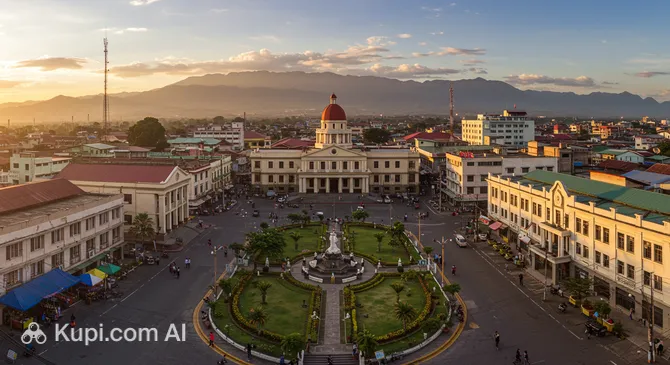
Cauayan. Source: Kupi.Binoculars

For a mix of history and adventure, the Hacienda de San Luis Eco-Tourism Park is a must-visit destination. Once a major tobacco plantation during the colonial period, it has been transformed into a dynamic recreational area featuring a museum, outdoor activities like ziplining, and picturesque views of the Cagayan River. Additionally, Cauayan is gaining recognition as the "Mushroom City of the North," and visitors can tour the Mushroom Center in Barangay Tagaran to learn about local cultivation and taste unique mushroom-based delicacies.

Whether you are passing through on business or seeking to discover the hidden gems of Isabela, Cauayan welcomes you with open arms. Its fascinating combination of historical landmarks, agri-tourism sites, and warm local hospitality makes it a destination worth experiencing on your Philippine journey.

Weather Overview

Cauayan experiences a generally warm and tropical climate year-round, with temperatures that remain conducive to travel regardless of the season. The hottest period typically occurs in May and June, where the average temperature rises to approximately 29.9°C, with daily highs often reaching around 34°C. In contrast, the months of January and December are slightly cooler and more comfortable, with average temperatures settling around 24°C to 25°C.

Rainfall patterns vary significantly throughout the year, heavily influencing the best times for outdoor activities. The dryest period usually falls between March and April, which see the fewest wet days, making them ideal for sightseeing. Conversely, the second half of the year, particularly from July to December, is characterized by frequent rainfall, with precipitation occurring on up to 26 days a month. For the most up-to-date forecasts and specific monthly details, you can consult the weather in Cauayan guide. Overall, visitors can expect warm tropical heat accompanied by regular rain showers, especially during the wetter months.

Interesting Facts

Beyond the main attractions, Cauayan holds many fascinating secrets that showcase its journey from a humble settlement to a bustling urban center. Here are some intriguing details that reveal the unique character of this Isabela gem.

  • A Historic Foundation: Established as a mission in 1740, Cauayan has a deep-rooted history that predates many of its neighbors. Over the centuries, it has transformed from a small riverside settlement into a major economic powerhouse, serving as a vital hub for the province of Isabela.

  • A Record-Breaking Treat: The city takes pride in its local culinary traditions, particularly during the annual Gawagawayan Festival. Locals once garnered attention for creating one of the longest Cassava Rolls in the region, a sweet feat that celebrates the area's rich agricultural harvest.

  • A Commercial Pioneer: Cauayan is often recognized as the commercial heart of the Cagayan Valley. It was a pioneer in bringing modern retail experiences to the region, with establishments like Cauayan City Mall paving the way for the city's status as a top shopping destination.

  • Living Up to Its Name: The city’s name comes from "Kawayan," the local word for bamboo, and the plant remains a vital part of its identity. The local government actively promotes bamboo planting along riverbanks, combining cultural heritage with eco-friendly flood control measures.

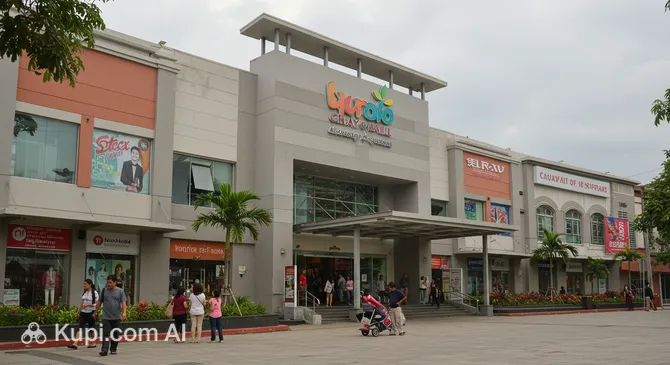
Cauayan City Mall. Source: Kupi.Binoculars

How to Get There

Reaching this bustling city in the Isabela province is an adventure through the scenic landscapes of Northern Luzon. Whether you are coming from within the Philippines or arriving from abroad, there are several routes to consider. For a complete guide on planning your journey, you can read more about how to get to Cauayan and choose the option that best fits your itinerary.

The most convenient and direct way to arrive is via Cauayan Airport (IATA: CYZ), which serves as the primary air gateway to the city. Conveniently located within the city limits, this domestic hub handles regular commercial flights connecting Isabela to Manila. Choosing this route allows travelers to bypass the long land trip and land directly in the heart of the "Ideal City of the North."

For those prioritizing proximity among the alternative hubs, the Tuguegarao Airport (IATA: TUG) is the closest major option listed. Located in the city of Tuguegarao, it is approximately 81 km from Cauayan. Travelers arriving here can expect a travel time of roughly 2.5 hours by taxi or bus to reach the city center. This airport handles a significant volume of regional traffic, making it a reliable entry point for domestic flights.

International visitors often begin their journey at Ninoy Aquino International Airport (IATA: MNL) in Manila. As the primary international gateway to the country, it sits about 280 km away from Cauayan. The overland trip from Manila is quite long, taking approximately 7 to 8 hours, but it offers a chance to see the changing countryside of Luzon. Alternatively, Clark International Airport (IATA: CRK) in Angeles City serves as another excellent option, situated about 232 km away, with a travel time of around 6 hours to Cauayan.

For clarity, here is a summary of the main airports in the wider region:

Airport Name City Passenger Traffic Km from City
Ninoy Aquino International Airport Manila Very Large 279.8
Clark International Airport Angeles City Large 232.2
Tuguegarao Airport Tuguegarao Medium 81.2
Laoag Airport Laoag Small 193.1
Vigan Mindoro Airport Vigan 167.9

Since there are no direct railway services to Cauayan, the most common way to complete the journey from these airports is by road. An extensive network of buses and vans connects the Cagayan Valley to Manila and other major cities, offering travelers a reliable and scenic mode of transport to their final destination.

Main Attractions

Cauayan offers a delightful mix of modern lifestyle hubs, culinary gems, and eco-tourism sites that reflect its status as a growing city in Isabela. While the city is known for its agricultural heritage, its urban center provides visitors with excellent options for dining, shopping, and leisure. Whether you are looking for a place to relax after a day of travel or wanting to taste local flavors, the city has several spots worth visiting.

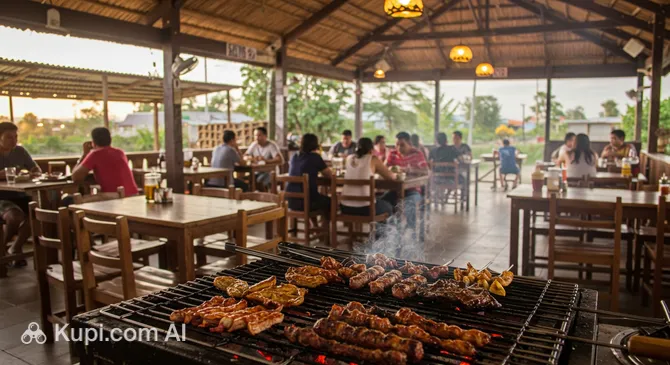
For a taste of authentic Filipino grilled cuisine, Otep's Tinuno is a must-visit dining destination. This restaurant is celebrated for its "tinuno" dishes—an Ilocano term for grilled food—offering a flavorful experience that highlights the region's love for hearty, smoky meals. It is an excellent place for tourists to immerse themselves in the local food culture, enjoying generous servings in a warm and welcoming atmosphere that embodies Filipino hospitality.

Otep's Tinuno. Source: Kupi.Binoculars

Travelers seeking a modern shopping and leisure experience will find everything they need at Cauayan City Mall. As the first major commercial center in the area, it serves as a primary gathering spot for both locals and visitors. Inside, you can explore a variety of retail stores, enjoy diverse dining options, or simply take a break in a comfortable, air-conditioned environment. It stands as a symbol of the city's rapid development and is a convenient stop for stocking up on travel essentials or buying local souvenirs.

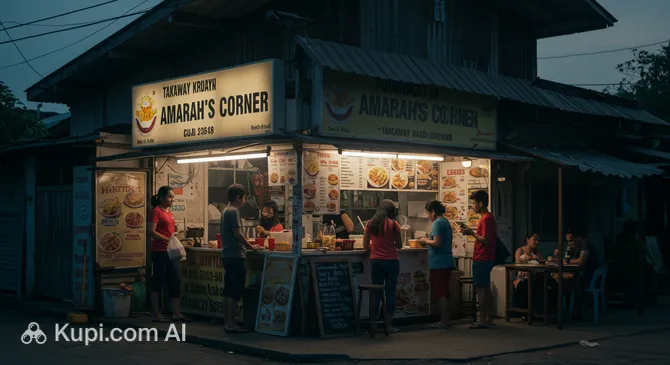
If you are looking for a cozy place to unwind, Amarah’s Corner offers a relaxing ambiance perfect for casual dining. Known for its inviting interiors and a menu that caters to diverse tastes, it is a popular hangout for friends and families. Whether you are in the mood for a heavy meal or just a light snack with a refreshing drink, this spot provides a charming escape from the busy city streets.

Beyond the commercial highlights, the Hacienda de San Luis Eco-Tourism Park remains one of the most culturally significant attractions in Cauayan. This sprawling park blends history with adventure, featuring a museum dedicated to the tobacco industry, an exciting zipline, and scenic riverside views. It offers a perfect contrast to the city center, allowing visitors to connect with nature and learn about the rich heritage of Isabela.

Local Cuisine

The culinary landscape of Cauayan is a delightful reflection of its status as a melting pot in the province of Isabela. Heavily influenced by Ilocano traditions and the region's agricultural abundance, the local food scene offers a mix of hearty rural staples and innovative dishes. As the "Mushroom City of the North," Cauayan takes special pride in its mushroom-based delicacies. Visitors should not miss the opportunity to try unique creations such as mushroom tempura, mushroom sisig, and even mushroom burgers, which are often showcased during local festivals and available in specialty centers.

Beyond mushrooms, the city is a fantastic place to experience the savory richness of Isabela's regional cuisine. A must-try dish is Pancit Cabagan, a noodle dish famous throughout the valley. Characterized by its thick, fresh miki noodles and savory sauce, it is generously topped with crispy lechon kawali (fried pork belly), quail eggs, and fresh vegetables. For those with a sweet tooth, Binallay is a local favorite. This sticky rice cake, wrapped in banana leaves and served with a rich coconut curd sauce called latik, is a traditional comfort food often enjoyed during the Holy Week but available year-round in local markets.

When it comes to beverages, the "Corn Capital of the Philippines" offers something distinct: Corn Coffee. Roasted from local corn varieties, this caffeine-free drink is aromatic and healthy, serving as a popular alternative to traditional coffee beans. For something stronger, adventurous travelers can sample Basi, a fermented sugarcane wine that has been part of the Ilocano culture for centuries. It ranges from sweet to sour and is often consumed during celebrations and gatherings.

Amarah’s Corner. Source: Kupi.Binoculars

The dining culture in Cauayan is a blend of traditional eateries, bustling public markets, and growing modern establishments. Locals love to gather in open-air restaurants that serve "boodle fight" meals, where food is laid out on banana leaves for communal dining. For a more contemporary atmosphere, places like Amarah’s Corner provide a cozy setting where tourists can relax. Whether you are snacking on street food near the city plaza or sitting down for a family meal, the hospitality of Cauayan ensures a satisfying gastronomic experience.

Travel Tips

To ensure a smooth and enjoyable visit to the "Ideal City of the North," a little preparation goes a long way. Whether you are here for business or leisure, these practical tips will help you navigate Cauayan with ease and confidence.

  1. Clothing and Gear: Given the tropical climate, lightweight and breathable fabrics like cotton or linen are your best friends. Since the city experiences a significant wet season from July to December, packing a sturdy umbrella or a raincoat is essential. If you plan to visit religious sites like the Our Lady of the Pillar Parish Church, remember to dress modestly—cover your shoulders and knees out of respect.

  2. Transportation: The most common way to get around the city proper is by tricycle (a motorcycle with a sidecar). They are plentiful and affordable; however, it is wise to ask for the fare matrix or agree on a price before hopping in, especially for longer distances. For travel to neighboring towns in Isabela, jeepneys and vans are available at designated terminals. Car rentals are possible but less common than in major metropolitan areas.

  3. Finances: The local currency is the Philippine Peso (PHP). While credit cards are accepted at major establishments like the city mall and larger hotels, "cash is king" in smaller restaurants, local markets, and for transport fares. ATMs are widely available in the city center, particularly along the main highway and commercial areas. Tipping is not mandatory but is highly appreciated for good service.

  4. Health and Safety: Cauayan is generally safe for tourists, but standard precautions should be taken; avoid poorly lit areas late at night and keep valuables secure. Pharmacies like Mercury Drug and Watsons are easily accessible in the downtown area for basic medical supplies. It is recommended to drink bottled or filtered water rather than tap water to avoid stomach issues.

  5. Communication: English is widely spoken and understood, making communication relatively easy for international travelers. The local language is Ilocano, but Tagalog (Filipino) is also universally used. Buying a local SIM card (Globe or Smart) is easy at convenience stores or the mall, ensuring you have data access for maps and communication apps.

  6. Local Etiquette: Filipinos are known for their warmth and hospitality. A simple smile goes a long way. When greeting elders, a polite nod or the gesture of "pagmamano" (taking the elder's hand to your forehead) is a sign of deep respect. In public, patience is a virtue; lines and services may move at a more relaxed pace than you are used to.

  7. What to Avoid: Avoid public displays of anger or raising your voice, as this causes "loss of face" and is considered very rude in Filipino culture. Also, refrain from taking photos of locals without asking for permission first, especially in rural areas surrounding the city.

  8. Local Insight: Since Cauayan is known as the "Mushroom City of the North," take the opportunity to visit the Mushroom Center in Barangay Tagaran. It is a great place to buy unique souvenirs like crispy mushroom chips or powdered mushroom seasoning, which are much healthier and tastier than typical travel snacks.

By keeping these tips in mind, you will be well-equipped to immerse yourself in the local culture and enjoy everything this dynamic city has to offer. Embrace the laid-back charm of the Philippines and let the friendly spirit of Cauayan make your trip truly memorable.

Entertainment & Nightlife

To experience the nightlife in Cauayan is to embrace the relaxed and communal spirit of the Filipino province. Unlike the high-energy club scenes of major metropolises, the evening entertainment here is centered around connection, good food, and music. The city comes alive after sunset with a variety of restobars, acoustic lounges, and vibrant dining spots, particularly along the bustling Maharlika Highway and within the San Fermin district, which serves as the primary hub for local activity.

For many locals and visitors, a great night out begins with a hearty meal accompanied by live entertainment. Otep's Tinuno is a favorite starting point, known not just for its grilled specialties but also for hosting acoustic sessions in the evenings. It offers a laid-back atmosphere where you can enjoy local tunes while dining al fresco. If you prefer a more modern and cozy setting to chat with friends over coffee or light bites late into the evening, Amarah’s Corner provides a welcoming ambiance that fits the city's chill vibe perfectly.

The atmosphere in Cauayan’s nightlife venues is generally casual and unpretentious. The dress code is relaxed—jeans and t-shirts are the norm—and the crowd is a friendly mix of young professionals, families, and travelers. Karaoke, or "videoke," is a staple of Filipino entertainment, so don't be surprised to hear enthusiastic singing drifting from various establishments. For a more conventional evening of entertainment, the Cauayan City Mall houses modern cinemas where you can catch the latest blockbuster movies before heading out for drinks.

Practical advice for night owls includes planning your transportation in advance. While tricycles are the main mode of transport during the day, they become less frequent late at night. It is advisable to arrange a pick-up or have a local taxi number handy if you plan to stay out past midnight. Prices are very affordable compared to larger cities, with beers and cocktails costing significantly less. As for safety, Cauayan is generally peaceful, but it is always wise to stick to well-lit main roads and commercial areas like the city center and San Fermin when walking at night.

During the daytime, the entertainment shifts towards cultural and outdoor pursuits. Visitors can explore the city's rich heritage at the Hacienda de San Luis, which features an eco-tourism park and a museum, or enjoy a leisurely afternoon at the local parks. Whether you are looking for a quiet evening of acoustic music or a lively night of videoke with the locals, Cauayan offers a warm and authentic experience.

Parks & Museums

While Cauayan is rapidly developing as a commercial hub, it has successfully preserved pockets of greenery and heritage sites that offer a refreshing escape from the urban bustle. The city's commitment to eco-tourism and cultural preservation is evident in its well-maintained parks and historical landmarks, inviting visitors to explore the quieter, more soulful side of Isabela.

The crown jewel of the city's green spaces is the Hacienda de San Luis Eco-Tourism Park. Situated along the banks of the majestic Cagayan River, this expansive area is a seamless blend of history and adventure. It serves as a sanctuary for nature lovers, offering activities such as rock climbing, rappelling, and a thrilling zipline that provides a bird's-eye view of the river. For those preferring a more relaxed pace, the park features landscaped gardens and picnic areas, making it an ideal spot for families to unwind amidst the scenic countryside backdrop.

Another significant space for relaxation is the Cauayan City Plaza, often referred to as the heart of the community. Unlike the rugged nature of the eco-park, this urban square offers a glimpse into the daily life of the locals. It is a well-kept public space where residents gather for morning exercises, afternoon strolls, and community events. The plaza is surrounded by government buildings and landmarks, providing a safe and accessible green lung within the city center where tourists can sit and observe the local culture in motion.

In terms of museums and cultural galleries, the Museo de San Luis stands out as a key institution. Located within the Hacienda de San Luis complex, this museum is housed in a restored building that pays homage to the city's tobacco-producing past. Exhibits here detail the history of the "Tabacalera" era, showcasing artifacts, photographs, and tools that tell the story of the farmers and the industry that once shaped the region's economy. It provides a fascinating educational experience for anyone interested in the colonial economic history of the Philippines.

While not a traditional museum, the Isabela State University - Cauayan Campus often serves as a cultural venue, hosting galleries and exhibitions during university arts festivals. Additionally, the Mushroom Center in Barangay Tagaran functions as a living museum of agriculture. As the "Mushroom City of the North," this facility educates visitors on the science and art of mushroom cultivation. It offers an immersive experience where tourists can see the various stages of production, effectively acting as an agri-tourism gallery that highlights the city's modern identity.

For history enthusiasts, the Our Lady of the Pillar Parish Church is an architectural landmark that shouldn't be missed. Built during the Spanish colonial period, the church features a well-preserved façade that has withstood centuries of natural calamities. Its brick walls and bell tower stand as silent witnesses to the city's evolution from a small mission post to a thriving city, offering a spiritual and historical atmosphere that complements the museum visits.

For a truly authentic experience, try visiting the Cagayan River embankment near the Hacienda de San Luis at sunset. It is a lesser-known spot where you can watch local fishermen return with their catch against the backdrop of a stunning golden sky, offering a peaceful moment of reflection away from the main tourist crowds.

Getting Around

Navigating Cauayan is a distinct experience compared to major metropolitan areas, as the city relies entirely on road-based transportation rather than rail systems like metros or trams. The public transport network is informal yet highly functional, designed to serve the needs of locals moving between the city center, agricultural outskirts, and neighboring towns. For a tourist, getting around is relatively affordable and offers an authentic glimpse into local daily life.

The undisputed "king of the road" in the city is the tricycle. These are motorcycles attached to a sidecar, serving as the primary mode of transport for short to medium distances. They function similarly to taxis but are much smaller and open-air. You will find them everywhere, especially near markets, the city mall, and school zones. For travel between barangays (districts) or to adjacent municipalities, Jeepneys and UV Express Vans are the standard. Jeepneys are colorful, elongated vehicles that follow specific routes, while air-conditioned vans offer a faster, slightly more expensive alternative for longer trips.

The payment system in Cauayan is almost exclusively cash-based. There are no travel cards, digital passes, or ticketing apps for local city transport. Fares are paid directly to the driver in Philippine Pesos (PHP). For tricycles, there are two types of trips: "regular," where you share the ride with other passengers for a fixed low rate, and "special," where you hire the entire vehicle for a private trip at a negotiated price. It is crucial to carry small bills and coins, as drivers often do not have change for large denominations.

Travelers should know that while there are no formal ticket machines, there is a system to the chaos. Jeepneys and vans usually depart from designated terminals, such as the one near the public market or the Grand Terminal, and leave only when full. To pay in a jeepney, you simply pass your money forward to the driver and say "Bayad po" (Here is my payment). Operating hours are generally from early morning (around 5:00 AM) until early evening. After 8:00 PM, public transport becomes scarce, and you may need to rely on hiring a "special" tricycle trip to get around.

Alternatives to public transport are somewhat limited. Unlike larger capital cities, you will not typically find metered taxis roaming the streets or ride-hailing apps like Grab operating within the city limits. Car rentals are available but are usually arranged through local agencies or hotels rather than international chains. However, the city center is relatively compact, making walking a viable and pleasant option for exploring the immediate downtown area, especially around the City Plaza and the mall.

A unique feature of transport here is the design of the tricycles themselves, which can vary slightly in size and style depending on the specific route or association. Riding one is an adventure in itself, as the sidecars are often personalized with colorful art or religious mottos. While it may not be the most luxurious way to travel, it is the most efficient way to weave through traffic and reach destinations that larger vehicles cannot access.

Accommodation

Accommodation in Cauayan is designed primarily to cater to business travelers, transit passengers, and families visiting the province of Isabela. As a developing component city, the hospitality landscape is practical and unpretentious. Visitors will not find ultra-luxury international hotel chains here; instead, the city offers a decent selection of budget-friendly inns, mid-range business hotels, and clean, comfortable lodges. For those seeking a more leisure-oriented stay, there are a few resort-style accommodations located slightly away from the bustling center, offering pools and function halls for events.

The most convenient area to stay is along the Maharlika Highway (National Highway), particularly within the San Fermin district and the city proper (Poblacion). Staying in this area places you within walking distance or a short tricycle ride of major commercial establishments like the Cauayan City Mall, as well as various dining spots and banks. This location is also ideal for travelers arriving by air, as it provides quick and easy access to the airport. For those who prefer a quieter environment, there are smaller transient houses and boutique lodgings tucked away in the residential subdivisions just off the main road.

In terms of pricing, accommodation in Cauayan is generally very affordable compared to major tourist destinations in the Philippines. Most options fall into the budget to lower-mid-range category. While walk-ins are common and usually acceptable at smaller inns, many of the larger, modern hotels are now listed on major online booking platforms. It is worth noting that while established hotels accept credit cards, smaller lodges and transient houses often require payment in cash (Philippine Pesos).

Booking Tip: While room availability is generally good throughout the year, it is highly recommended to book your accommodation in advance if you plan to visit during the Gawagawayan Festival in April. This annual celebration draws large crowds from neighboring towns and provinces, causing hotels in the city center to fill up quickly.

Nearby Cities

For those looking to explore the surroundings, Cauayan serves as an excellent base for day trips to several interesting nearby locations. The region of Isabela offers a rich mix of historical landmarks, natural parks, and bustling commercial hubs, all within a short driving distance.

One of the top destinations is the provincial capital, Ilagan. Located just a quick drive north, it is famous for the Ilagan Sanctuary, a protected forest area that features a mini-zoo, botanical gardens, and adventure activities like ziplining. Visitors can also see the "Giant Butaka," recognized as the largest armchair in the world, symbolizing the city's furniture-making industry.

For those interested in heritage and architecture, Tumauini is a must-visit town. It is home to the San Matias Parish Church, a stunning Ultra-Baroque structure built entirely from red bricks. This National Cultural Treasure is renowned for its unique cylindrical bell tower and intricate brick ornamentation, offering a glimpse into the Spanish colonial past of the Cagayan Valley.

Another vibrant neighbor is Santiago, an independent component city that serves as a major commercial center in the region. Beyond its modern shopping and dining options, it offers scenic spots like Dariuk Hills, where visitors can enjoy a panoramic view of the vast agricultural plains and visit the serene Chapel of the Transfiguration.

City Population Distance (km)
Ilagan 158218 26
Santiago 148580 34
Echague 88410 28
Alicia 73874 16
Tumauini 70743 41

These nearby destinations offer a glimpse into the diverse culture and landscapes of the region.

Shopping & Souvenirs

Shopping in Cauayan offers a vibrant mix of modern convenience and traditional provincial charm. As the commercial center of the Cagayan Valley region, the city serves as a primary trading hub for the province of Isabela. Visitors can expect a diverse retail landscape ranging from large, air-conditioned shopping complexes to bustling local markets that showcase the region's agricultural bounty. Whether you are looking for international brands or unique local handicrafts, the city provides a satisfying retail experience.

The main pulse of commercial activity runs along the Maharlika Highway, particularly the stretch passing through the San Fermin district and the Poblacion (city center). This major thoroughfare is lined with a variety of establishments, including banks, convenience stores, and independent boutiques. Walking along the downtown streets offers a glimpse into local life, where small businesses sell everything from clothing and electronics to farm supplies, reflecting the city's dual identity as an urban and agricultural center.

For a modern retail experience, Cauayan City Mall is the premier destination. As one of the first major commercial centers established in the area, it houses a wide array of fashion boutiques, gadget shops, and grocery stores. It is a favorite gathering spot for locals and provides a comfortable, air-conditioned environment to escape the tropical heat. Additionally, the city is home to other large retail chains like SM City Cauayan, ensuring that tourists have access to familiar brands, department stores, and supermarkets for all their travel necessities.

To truly immerse yourself in the local culture, a visit to the Cauayan Public Market is essential. This is where the city's heart beats the loudest, especially in the early morning. Here, you can find fresh tropical fruits, vegetables, and regional snacks at very affordable prices. It is also a great place to browse for "ukay-ukay" (thrifted clothes) or inexpensive dry goods. The market offers a sensory experience that contrasts sharply with the polished atmosphere of the malls, providing an authentic taste of daily life in Isabela.

When it comes to souvenirs, Cauayan takes pride in its title as the "Mushroom City of the North." The best "pasalubong" (gifts) to bring home are mushroom-based products, such as crispy mushroom chips, mushroom chicharon, and powdered mushroom seasoning, often available at the Mushroom Center in Barangay Tagaran or local trade fairs. Other popular items include Corn Coffee, a healthy caffeine-free alternative made from roasted corn, and Binallay, a sweet native rice cake. You may also find bamboo handicrafts, paying homage to the city's name, which is derived from the local word for bamboo.

Most shopping malls and department stores in Cauayan operate daily from approximately 10:00 AM to 9:00 PM. Independent shops and local markets typically open much earlier, often around 6:00 AM, and may close by sunset. While major malls and hotels accept credit and debit cards, cash is king in smaller boutiques, public markets, and souvenir stalls. It is advisable to carry smaller denominations of Philippine Pesos when exploring the downtown area to make transactions smoother.

Regarding taxes, the prices displayed on goods in the Philippines are generally inclusive of the Value Added Tax (VAT). While the country has recently introduced tax refund schemes for tourists, these are primarily operational in major international gateways and large luxury hubs in Manila. In provincial cities like Cauayan, tax-free shopping is not standard practice, so visitors should expect to pay the marked price, which is already final and tax-inclusive.
Reached the end of the page?

That means the route is fully explored