Support

Tuguegarao

About

Welcome to Tuguegarao, the vibrant capital of the Cagayan province and a major urban center in the northeastern part of the Philippines. Known for its bustling streets and strategic location, the city serves as a primary hub for commerce, education, and culture in the Cagayan Valley region, drawing travelers who are eager to explore Northern Luzon.

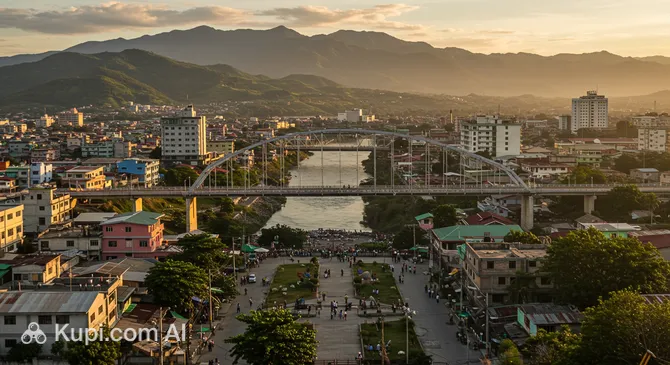
Tuguegarao. Source: Kupi.Binoculars

Geographically, the city is situated in a valley surrounded by the Sierra Madre mountain range to the east and the Cordilleras to the west. It is famously characterized by its warm tropical climate, often recording some of the highest temperatures in the country. With a population of approximately 166,000 residents, Tuguegarao balances the energy of a developing city with the charm of provincial life.

The history of Tuguegarao is rich and visible in its enduring landmarks. A must-visit site is the St. Peter Metropolitan Cathedral, an 18th-century Baroque church renowned for its massive red-brick facade and intricate belfry. Another significant feature is the Buntun Bridge, one of the longest river bridges in the country, which spans the mighty Cagayan River and offers spectacular views, particularly during sunset.

Whether you are using the city as a gateway to the nearby Callao Caves or staying to enjoy its local noodle dish, Pancit Batil Patung, Tuguegarao offers a warm welcome to all. Its blend of historical heritage and lively modern atmosphere makes it an interesting destination for any traveler venturing north.

Weather Overview

Known for being one of the warmest locations in the Philippines, the weather in Tuguegarao is typically tropical with consistent heat throughout the year. The climate is characterized by significant shifts in rainfall frequency and temperature, with the city often recording some of the highest daily temperatures in the country during its peak summer months.

The heat is most intense around May, which sees an average temperature of 29.2°C and highs reaching up to 33.5°C. Travelers visiting during this time should prepare for strong sun and humidity. Conversely, January and February offer the coolest conditions, with average temperatures dipping to around 22.9°C and minimums of 20.2°C, providing a more comfortable atmosphere for outdoor exploration.

Precipitation patterns show a clear distinction between the drier and wetter periods. Months like March and April are relatively dry with fewer wet days, while the second half of the year sees a marked increase in rain frequency. From July to December, rain can occur on up to 27 or 28 days per month, so it is advisable to pack waterproof gear if you plan to visit during this season. Expect hot days year-round with frequent showers dominating the latter months of the calendar.

Interesting Facts

Beyond its bustling streets and famous landmarks, Tuguegarao holds several fascinating details that reveal the unique character of this northern city. From its fiery reputation to its distinct local customs, there is more to discover here than meets the eye.

  • The Hottest City Record: Tuguegarao is officially recognized for holding the highest temperature ever recorded in the Philippines. The mercury hit a scorching 42.2°C (108°F), a record that has solidified its reputation as the hottest major city in the archipelago.

  • A Name Forged in Fire: A popular urban legend suggests that the name "Tuguegarao" is derived from the Ibanag word "Tuggui," which translates to fire. This etymology is widely embraced by locals as it perfectly describes the city's intense tropical climate and the warm hospitality of its people.

  • Everyday Horse-Drawn Commutes: Unlike in other modernizing cities where horse-drawn carriages are reserved for tourists, the calesa remains a legitimate mode of public transportation here. It is common to see these traditional carriages sharing the main roads with tricycles and cars, ferrying residents to markets and schools.

  • Unique Noodle Tradition: The city's famous noodle dish, Pancit Batil Patung, is distinct for its specific use of carabeef (water buffalo meat). Authentic preparation requires it to be served with a side of batil—a beaten egg soup meant to be sipped or poured over the noodles, a custom rarely found in other Filipino noodle dishes.

How to Get There

Reaching the capital of Cagayan is relatively straightforward, with air travel being the fastest method for most visitors. While the city is well-connected by land to the rest of Luzon, flying directly saves significant time. For a complete overview of transportation options, including bus routes, you can read more about how to get to Tuguegarao to plan your journey effectively.

The most convenient entry point is the Tuguegarao Airport (TUG), which is situated directly within the city limits. It is a domestic hub that handles a moderate volume of travelers and is located just 4.0 km from the city center. Upon arrival, a transfer to the downtown area is quick, with a taxi or tricycle ride taking approximately 26 minutes.

For international travelers or those coming from other regions, Clark International Airport (CRK) in Angeles City serves as a major alternative gateway. It is a large facility welcoming millions of passengers annually. However, please note that this airport is located about 296 km away from Tuguegarao. The subsequent journey by land is quite long, taking approximately 7 to 8 hours by private vehicle or bus.

Another regional option is Laoag Airport (LAO), located in the city of Laoag. It is roughly 141 km from Tuguegarao. While closer than Clark, the travel time by road from Laoag is still significant, estimated at around 4 hours.

For clarity, here is a summary of the main airports:

Airport Name City Passenger Traffic Km from City
Clark International Airport Angeles City Large 296.1
Tuguegarao Airport Tuguegarao Medium 4.0
Laoag Airport Laoag Small 141.3
Vigan Mindoro Airport Vigan 145.6

Main Attractions

While Tuguegarao acts as a bustling commercial hub, it is also the perfect jumping-off point for some of the most stunning natural and historical sites in the Cagayan Valley. Visitors can easily access a mix of geological wonders, cultural institutions, and religious landmarks that define the character of Northern Luzon.

Callao Cave is undoubtedly the most famous attraction accessible from the city, located in the nearby municipality of Peñablanca. This massive seven-chambered limestone cave is renowned for its natural cathedral, where a chapel with stone pews has been built inside the largest chamber. The sight of natural light streaming through the rock crevices above the altar creates a spiritual and photogenic atmosphere that draws travelers from all over the world.

For those interested in local history, the Cagayan Provincial Museum and Historical Research Center is a key stop within the city limits. The museum offers a comprehensive look at the region's past, housing an impressive collection of artifacts ranging from Paleolithic fossils and trade ceramics to Spanish-era liturgical heirlooms. It provides fascinating context to the unique Ibanag culture and the archaeological importance of the Cagayan Valley.

A short drive from the city leads to the Basilica of Our Lady of Piat, often called the "Pilgrimage Center of the North." This church is home to the centuries-old image of the Black Virgin Mary, brought to the Philippines in the 16th century. It attracts thousands of devotees and tourists alike, offering a peaceful environment and a glimpse into the deep religious heritage that influences the daily life of the locals.

Nature enthusiasts should not miss the Pinacanauan River, which flows near the Callao Caves. The river is a scenic spot for boating and kayaking, with clean waters framed by dramatic limestone cliffs. A highlight for many visitors is the circadian bat flight at dusk, where thousands of bats emerge from the wilderness and fly across the sky in a synchronized formation, creating a spectacular natural show.

Local Cuisine

The culinary landscape of Tuguegarao is legendary among Filipino travelers, primarily defining itself as the noodle capital of the north. The city's food scene is unpretentious, hearty, and deeply rooted in the use of local ingredients, particularly carabeef (water buffalo meat). For any visitor, exploring the local "panciterias" is not just a meal choice but an essential cultural activity.

The undisputed star of the local table is Pancit Batil Patung. Far richer and more complex than standard Filipino noodles, this dish features miki noodles topped with sautéed carabeef, crushed pork rinds (chicharon), liver, and vegetables. It is crowned with a poached egg—the "patung" or topping. What truly sets it apart is the accompanying bowl of batil, a flavorful soup made from egg and beef stock. Locals typically mix a sauce of soy sauce, vinegar, calamansi, and chopped onions to season the noodles, sipping the hot batil on the side or pouring it over the dish for a saucy consistency.

Beyond its famous noodles, the city offers other unique delicacies centered around the local livestock industry. Carabeef Tapa is a popular breakfast item, offering a distinct, slightly gamey flavor compared to standard beef. For a crunchy snack to eat on the go or to bring home as a souvenir, look for Chicharabao. These are cracklings made from carabao skin, lighter and airier than the pork version, and are widely available in markets and bus terminals.

To complement these savory and often rich meals, locals turn to refreshing beverages, which are a necessity in Tuguegarao's intense heat. While you will find standard sodas and beers, fresh fruit shakes are ubiquitous. Many eateries also serve Gulaman or cucumber lemonades to cleanse the palate after a heavy bowl of pancit. In the mornings, despite the warmth, a strong cup of local corn coffee or barako is a common staple to start the day.

The food culture in Tuguegarao is best experienced in its many Panciterias. These are often small, family-run establishments or garage-style eateries that specialize almost exclusively in noodle dishes. There is no need for formal attire here; the vibe is bustling and casual. Watching the chefs toss ingredients in high-flame woks in open kitchens adds to the excitement, promising a meal that is fresh, hot, and authentically local.

Travel Tips

Preparing for a trip to Tuguegarao requires a bit of specific planning, especially considering its reputation as the hottest city in the Philippines. Here are some practical tips to help you navigate the capital of Cagayan with ease and comfort.

  1. Clothing and Gear: Given the intense tropical heat, pack lightweight, breathable fabrics such as cotton or linen to stay cool. Essential accessories include a wide-brimmed hat, high-SPF sunscreen, and sunglasses. If you plan to visit religious sites like the St. Peter Metropolitan Cathedral, ensure you have clothing that covers your shoulders and knees to respect the dress code.

  2. Transportation: The primary mode of transport within the city is the tricycle. These motorized sidecars are everywhere and can navigate small streets easily. Calesas (horse-drawn carriages) are also available and are a legitimate way to get around. Car rental is generally not necessary for the city itself, but hiring a van is recommended if you plan to visit distant attractions like the Callao Caves.

  3. Finances: The local currency is the Philippine Peso (PHP). While major hotels and shopping centers accept international credit cards, cash is king in Tuguegarao. You will need small bills for tricycle fares, market vendors, and the famous local panciterias. ATMs are widely available in the downtown area. Tipping is not mandatory, but rounding up the fare is a common gesture of goodwill.

  4. Health and Safety: The most significant health risk for tourists is dehydration and heatstroke. Always carry water and try to stay indoors during the hottest part of the day. Pharmacies like Mercury Drug and Watsons are common in the city center if you need medical supplies. The city is generally safe, but exercise standard caution with valuables in crowded public markets.

  5. Communication: English is widely spoken and understood, so language barriers are rarely an issue for international travelers. The local languages are Ibanag and Ilocano, while Tagalog is universally used. You can easily purchase a prepaid SIM card from Globe or Smart at convenience stores to stay connected via mobile data.

  6. Local Etiquette: Tuguegarao locals are warm and hospitable. It is polite to address elders or strangers with "Sir" or "Ma'am." If you are visiting a local home or a small eatery, a friendly attitude and a smile go a long way. When eating Pancit Batil Patung, it is customary to mix your own dipping sauce from the condiments on the table; watching locals do it first is a great way to learn.

  7. What to Avoid: Avoid underestimating the midday sun, typically between 11:00 AM and 3:00 PM. Walking long distances during these hours can be exhausting and dangerous due to the extreme heat. It is also best to avoid drinking tap water; stick to bottled or purified water to prevent stomach issues.

  8. Culinary Insight: Do not look for fancy silverware in traditional noodle houses. In many authentic panciterias, the vibe is casual and rustic. Embrace the local dining style—it is part of the charm. Also, remember that the "batil" soup served with your noodles is meant to be sipped or poured over the dish, not ignored!

By keeping these practical tips in mind, you will be well-equipped to enjoy the vibrant culture and unique atmosphere of Tuguegarao. Stay cool, hydrate often, and get ready to experience the warm hospitality of the North!

Entertainment & Nightlife

As the sun sets and the intense tropical heat subsides, Tuguegarao transitions into a lively hub of evening activity. The nightlife here is distinctively laid-back and unpretentious, catering largely to the city's significant student population and local professionals. Rather than high-octane nightclubs, the scene is dominated by open-air restobars, videoke (karaoke) joints, and casual hangouts where the focus is on good food, live acoustic music, and cold drinks.

The city does not have a single consolidated party district, but you will find clusters of activity along Bonifacio Street and the Diversion Road. These areas are well-lit and accessible, hosting a variety of establishments that stay open late. The atmosphere is generally welcoming and informal; there is rarely a strict dress code, so shorts and t-shirts are perfectly acceptable attire for a night out.

For those looking to experience popular local spots, Troy's Rooftop Bar is a well-regarded venue that offers a breezy atmosphere and a view of the city lights, making it a favorite for relaxation. It is a great place to enjoy the local vibe with a refreshing drink in hand. Another excellent option is Acustico Bar and Grill, known for its live acoustic performances that provide a pleasant backdrop for conversations and dining. These venues typically operate until around 1:00 AM or 2:00 AM, depending on the day of the week.

Food is a major part of the nightlife in Tuguegarao. Beyond the bars, "night markets" and roadside eateries come alive, serving the city's famous Pancit Batil Patung well into the night. It is common for locals to end their evening with a steaming bowl of noodles at a 24-hour panciteria. This offers a safe and authentic way to mingle with residents and enjoy the local culinary heritage after dark.

Regarding logistics and safety, Tuguegarao is generally safe for night walks in main commercial areas, but it is advisable to take a tricycle if you are heading back to your hotel late at night. Tricycles are the primary mode of night transport; be prepared to negotiate the fare as drivers often charge a "special trip" rate during late hours. Taxis are less common, so having a tricycle driver's number or hailing one from a main road is the best strategy.

For daytime entertainment, the city offers modern amenities to beat the heat. SM City Tuguegarao and Robinsons Place Tuguegarao are the primary destinations for families and groups. These malls feature modern cinemas, spacious food courts, and various entertainment arcades. They provide a cool, air-conditioned respite from the midday sun and are excellent places to relax before the evening festivities begin.

Parks & Museums

While Tuguegarao is primarily known as a bustling commercial hub, it offers several refreshing green spaces and cultural venues where visitors can unwind and connect with the region's heritage. The city’s parks provide a glimpse into local daily life, while its museums and historical sites preserve the deep-rooted traditions and geological history of the Cagayan Valley.

Rizal Park is the city's main public square and a favorite leisure spot for locals, located right in the heart of the downtown area. Unlike typical plazas, this park features a unique monument dedicated to the national hero, Jose Rizal, with a column adorned with tobacco leaves—a nod to the crop that once drove the region's economy. It is a peaceful place to take a break from the heat, often filled with students practicing dances or families enjoying the late afternoon breeze.

For a more immersive nature experience, the Pinacanauan River (part of the Peñablanca Protected Landscape) is the premier natural attraction just outside the city limits. Although often associated with the famous caves nearby, the river itself is a stunning destination for boating and kayaking. Its clean, emerald waters are framed by limestone cliffs, and it serves as the stage for the daily spectacle of thousands of bats flying out at dusk, a natural phenomenon that captivates every visitor.

Culture enthusiasts should prioritize a visit to the Cagayan Museum and Historical Research Center. Housed in a restored Spanish-era building that once served as the provincial jail and tribunal, the museum is a treasure trove of the valley's history. Its exhibits range from ethnographic artifacts and religious heirlooms to impressive fossils of prehistoric animals like the Stegodon, which once roamed the valley. It provides essential context to the archaeological significance of Northern Luzon.

Another significant historical site is the Ermita de San Jacinto (St. Hyacinth Church), the oldest brick structure in the city. Dating back to 1604, this chapel has survived centuries of wars and natural disasters. It stands as a quiet testament to the Spanish colonial influence, having served as a headquarters for both Filipino revolutionaries and American soldiers during different periods of history.

For a look at the industrial history of the Spanish period, search for the Horno Ruins in Barangay Bagumbayan. these are the remains of a massive brick kiln used centuries ago to bake the red bricks that built the region's churches and fortress-like houses. Although it is a ruin today, it offers a fascinating look at the engineering methods of the past and is a great stop for history buffs interested in the "behind-the-scenes" of colonial architecture.

Insider Tip: If you visit the Cagayan Museum, take a moment to admire the architecture of the building itself. The thick brick walls and iron bars are remnants of its time as a jail, adding an atmospheric layer to your tour of the exhibits inside.

Getting Around

Navigating the public transport system in Tuguegarao is a unique experience that differs significantly from larger metropolises. There is no metro, tram, or train network within the city. Instead, the streets are dominated by a flexible, road-based system that relies heavily on smaller vehicles. The most ubiquitous mode of transport is the tricycle—a motorcycle with an attached sidecar. These vehicles act as the primary taxis of the city, capable of weaving through traffic and navigating narrow barangay roads to take you exactly where you need to go.

For travel along major avenues and to neighboring municipalities, jeepneys and multicabs are the standard options. These colorful, open-air vehicles follow specific fixed routes and are ideal for longer commutes across the city. They are generally cheaper than tricycles but will only stop at designated loading areas or along the main flow of traffic. Air-conditioned vans, often referred to as UV Express, are also available for inter-town travel, offering a more comfortable ride for distances that go beyond the city center.

A distinctive feature of Tuguegarao's transport landscape is the calesa, or horse-drawn carriage. Unlike in other parts of the Philippines where these are reserved solely for tourism, here they remain a functional part of daily life. You will often see locals using them to transport goods from the market or students heading to school. Riding a calesa offers a slower, more scenic pace and is a charming way to explore the downtown area while supporting a traditional livelihood.

The payment system across all modes of public transport is strictly cash-based. There are no travel cards, tap-to-pay systems, or integrated mobile apps for ticketing. It is essential to carry small bills and coins, as drivers often have difficulty changing large denominations. Fares are generally very affordable. For jeepneys, payment is passed down the line of passengers to the driver. For tricycles, you pay the driver directly upon reaching your destination.

When using tricycles, it is crucial for tourists to understand the difference between a "regular" and a "special" trip. A regular trip means you share the tricycle with other passengers and pay a standard, lower fare per person. A special trip means you hire the entire vehicle for a private ride, which is faster but costs significantly more. As a visitor, drivers may assume you want a special trip, so clarify your preference before boarding. Fares for special trips should be agreed upon in advance to avoid misunderstandings.

Alternatives such as standard sedan taxis are relatively rare compared to major capital cities and are usually found waiting at the airport or major bus terminals rather than cruising the streets. Car-sharing apps are not widely established here, so relying on manual hailing is the norm. While the city center is compact enough for walking, the intense heat often makes this impractical during the day. Renting a private van is recommended only if you plan to visit distant attractions like the Callao Caves; otherwise, the local tricycle network is efficient enough for all your city needs.

Accommodation

Where to Stay:

Finding a place to stay in Tuguegarao is generally straightforward, as the city serves as the primary commercial and educational hub of the region. The accommodation landscape is dominated by practical and functional options rather than high-end luxury resorts. Visitors will mostly find a wide selection of budget inns, backpacker hostels, and mid-range business hotels designed to cater to transient travelers, government employees, and families passing through the province.

For those seeking convenience and accessibility, the Downtown area (Centro) is the most strategic place to base yourself. Staying here puts you within walking distance of the St. Peter Metropolitan Cathedral, the public market, and the famous panciterias. It is the heart of the action, where tricycles are plentiful and the local vibe is strongest. However, it can be quite busy and noisy during the day.

Alternatively, the area along Diversion Road and the major highways leading into the city offers newer and often more spacious accommodations. Hotels in this zone tend to be more modern and are ideal for travelers with private vehicles, as they usually provide ample parking space which is hard to find in the city center. This area is slightly removed from the chaotic traffic of the downtown core, offering a quieter night's rest.

Booking Tip: Since Tuguegarao is known for its intense heat, booking a room with reliable air-conditioning is not just a luxury but a necessity for a comfortable stay. Additionally, the city hosts the Pavvurulun Afi Festival in August; if you plan to visit during this vibrant celebration, it is highly recommended to secure your accommodation several weeks in advance as hotels fill up quickly.

In terms of pricing, the city is very affordable compared to major tourist destinations. Budget travelers can find decent transient rooms and inns for very reasonable rates, often ranging from simple fan rooms to basic air-conditioned suites. Mid-range hotels offer more amenities such as hot showers, Wi-Fi, and in-house restaurants. While walk-ins are generally accepted at smaller establishments, using online booking platforms is advisable for the larger hotels to guarantee your spot.

Nearby Cities

Tuguegarao is strategically located near the borders of several provinces, making it a convenient jump-off point for exploring the wider region. Just across the Buntun Bridge lies the municipality of Solana, which is only about 9 km away. It is a quiet town that often serves as a transit point for pilgrims heading to the nearby religious sites in Piat.

For those interested in the rich culture of the Cordilleras, Tabuk in the province of Kalinga is accessible within a distance of approximately 38 km. As the capital of Kalinga, it offers a distinct change in scenery with its rolling foothills and serves as a gateway to outdoor adventures, including white-water rafting on the Chico River.

To the south, travelers can visit Ilagan, the capital of the Isabela province. Located roughly 55 km from Tuguegarao, this city is known for the Ilagan Sanctuary, a protected forest area that features caves, a mini-zoo, and various recreational activities. Nature lovers should also consider a trip to Baggao, situated about 33 km away, which is gaining popularity for its rugged landscapes, waterfalls, and cave systems.

Below is a list of cities and towns located near Tuguegarao:

City Name Population Distance (km)
Solana 88,445 9
Baggao 87,753 33
Canagatan 1,273,219 35
Tabuk 121,033 38
Ilagan 158,218 55

Shopping & Souvenirs

As the commercial capital of the Cagayan Valley, Tuguegarao offers the most comprehensive shopping experience in the region. While it may not be a high-fashion destination compared to the national capital, it serves as a vital trading hub where travelers can find everything from modern electronic gadgets to authentic regional delicacies. The city provides a convenient mix of air-conditioned malls and bustling traditional markets, making it easy to stock up on supplies or hunt for unique local gifts.

The heart of the city's commercial activity is concentrated along Bonifacio Street and the surrounding downtown area known as "Centro." This district is lined with banks, drugstores, appliance centers, and independent boutiques. Walking through these busy streets offers a glimpse into the daily trade of the city, where small family-owned businesses operate alongside larger chains. It is the best place to find affordable clothing, footwear, and general merchandise.

The retail landscape of the city has been modernized with the arrival of large shopping complexes. SM City Tuguegarao and Robinsons Place Tuguegarao are the two primary lifestyle destinations. These malls feature major domestic and international brands, cinemas, and extensive food courts. They are popular not just for shopping but as cool, air-conditioned sanctuaries where tourists can escape the midday heat while browsing for apparel, books, or travel essentials.

For a more authentic local experience, a visit to the Don Domingo Public Market is essential. This is the city's main trading post for fresh produce, meat, and dry goods. It is a sensory experience filled with the sights and sounds of the province. Here, you can find piles of fresh fruits, local vegetables, and the famous regional spices used in local cuisine. It is lively, chaotic, and the best place to observe the local way of life.

When looking for keepsakes, food items top the list in Tuguegarao. The most iconic souvenir is Chicharabao, a crunchy crackling made from carabao (water buffalo) skin, which is a healthier and airier alternative to pork rinds. Another must-buy is Carabeef Tapa, a cured meat delicacy that makes for a great breakfast gift. You can also look for Alcala Milk Candy, a sweet treat made from fresh carabao milk, often sold in packs at bus terminals and markets.

Major shopping malls typically operate from 10:00 AM to 9:00 PM daily. Independent shops and street stalls in the downtown area usually open earlier, around 8:00 AM, and close by 6:00 PM or 7:00 PM. While credit cards and mobile wallets are widely accepted in malls and supermarkets, cash is strictly required when shopping at public markets, small eateries, or tricycle terminals. ATMs are plentiful in the city center.

Currently, tax-free shopping or VAT refund services for tourists are not standard practice in provincial cities like Tuguegarao. The displayed price on goods is generally the final price, inclusive of all taxes. Visitors should not expect to process tax refunds at local counters, so it is best to budget accordingly.
Reached the end of the page?

That means the route is fully explored