Support

Laoag

About

Welcome to Laoag, the vibrant capital of Ilocos Norte and a captivating gateway to the northern regions of the Philippines. Often celebrated as the "Sunshine City," this bustling urban center offers a unique blend of heritage, adventure, and warm hospitality. It is a place where deep-rooted traditions meet modern progress, creating an atmosphere that is both energetic and inviting for travelers seeking an authentic Filipino experience.

Laoag. Source: Kupi.Binoculars

Geographically, Laoag is situated on the northwestern tip of Luzon, bordered by the West Philippine Sea. This location blesses the city with a distinct tropical climate, characterized by bright, sunny days that are perfect for exploration. With a population of approximately 111,000 residents, the city feels lively without being overwhelming, allowing visitors to easily navigate its streets and interact with the friendly locals.

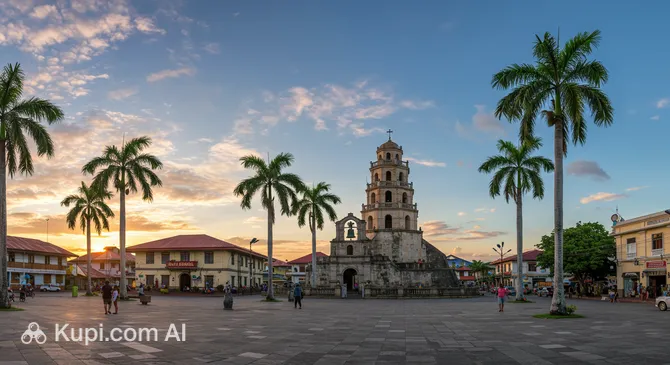
The history of Laoag is visibly etched into its landscape, showcasing a rich Spanish colonial legacy. One of the most intriguing landmarks is the Sinking Bell Tower, a massive structure said to be sinking into the soft sandy ground at a rate of an inch per year. Just a stone's throw away stands the majestic St. William’s Cathedral, known for its Italian Renaissance design, which serves as a spiritual anchor for the community.

For those seeking adventure beyond historical sightseeing, the La Paz Sand Dunes offer a thrilling escape. This unique desert-like terrain stretches along the coast and is famous for heart-pounding 4x4 jeep rides and sandboarding activities. Whether you are a history buff or an adrenaline junkie, Laoag promises a memorable journey filled with discovery and excitement.

Weather Overview

Laoag experiences a tropical climate characterized by consistent warmth and two distinct seasons. To help plan your activities, it is best to consult the detailed guide to the weather in Laoag. The dry season, extending from January to April, is generally considered the best time to visit. During these months, rainfall is minimal, with February seeing virtually 0mm of precipitation, while temperatures remain comfortable, ranging from lows of 22.2°C to highs of 30.8°C.

The wet season begins in May and continues through October, bringing increased humidity and frequent showers. July is typically the rainiest month, recording up to 30 wet days, although the city remains warm with average temperatures hovering around 27°C. By November and December, the rains begin to taper off, and the weather becomes drier again, with pleasant average temperatures dropping slightly to around 25.4°C by year's end.

Expect warm tropical days year-round with a clear shift between the dry, sunny months early in the year and the humid, rainy period from May to October.

Interesting Facts

Beyond the main attractions, Laoag holds many fascinating secrets that offer a deeper glimpse into its culture and history. From cinematic landscapes to unique culinary traditions, the city is filled with surprising details for the curious traveler.
  • The famous La Paz Sand Dunes have served as more than just a tourist playground; they were a filming location for the Hollywood movie Born on the Fourth of July starring Tom Cruise. The arid, desert-like landscape provided the perfect double for the Vietnam War scenes depicted in the film, cementing the area's cinematic legacy.

  • Laoag is home to the Tobacco Monopoly Monument, a rare structure located in the town plaza. Unlike most public monuments that celebrate heroes or battles, this obelisk was erected to commemorate the royal decree that abolished the oppressive tobacco monopoly in 1881, marking a major economic liberation for the Ilocano people.

  • The city shares a unique and strong bond with Honolulu, Hawaii, as its sister city. This relationship stems from the massive wave of Ilocano migration in the early 20th century to work on Hawaiian sugar plantations, creating a lasting cultural bridge that remains vibrant today.

  • Local gastronomy is a major highlight, with specific establishments becoming landmarks in their own right. For instance, La Preciosa is not only celebrated for its authentic Ilocano dishes but has also gained fame for serving a carrot cake so popular that it is often considered a "must-try" attraction itself.

La Preciosa. Source: Kupi.Binoculars

How to Get There

Reaching this northern gem is an adventure in itself, offering travelers scenic routes by land or a quick hop by air. While road trips allow you to witness the changing landscapes of Luzon, flying remains the fastest way to arrive. For a complete breakdown of all transport options, including bus schedules and driving directions, you can read more about how to get to Laoag.

The most convenient entry point is the city's own Laoag Airport (IATA: LAO). Situated just 6.8 km from the city center, it serves as the main hub for travelers flying in from Manila and occasionally international charters. The airport is compact and accessible, with the journey to the downtown area taking only about 15 to 20 minutes by taxi or tricycle shuttle service. With an annual passenger traffic of around 78,000, it is a regional hub that ensures a smooth arrival without the chaos of larger terminals.

If flights to Laoag are unavailable, you might consider landing at Vigan Mindoro Airport (IATA: VGN) in the historic city of Vigan. This airport is located approximately 75.1 km away. From Vigan, you can take a bus or rent a private van to reach Laoag, a journey that typically takes about 1.5 to 2 hours. Another option for those exploring the wider region is the Tuguegarao Airport (IATA: TUG) in Tuguegarao City. It is a busier hub with higher passenger traffic, but it is situated significantly further away, about 135.1 km from Laoag, requiring a longer land transfer of roughly 3 to 4 hours.

For clarity, here is a summary of the main airports:

Airport Name City Passenger Traffic Km from City
Tuguegarao Airport Tuguegarao Medium 135.1
Basco Airport Basco Small 289.1
Laoag Airport Laoag Small 6.8
Vigan Mindoro Airport Vigan 75.1

Currently, there is no operational railway network connecting Manila or other major cities to Laoag. The railway infrastructure in northern Luzon is not developed for passenger travel. Consequently, most travelers who prefer land transport rely on long-distance provincial buses. These buses offer daily trips from Manila, providing a comfortable, albeit longer, alternative to flying. The road trip offers beautiful views of the countryside, making the journey part of the experience.

Main Attractions

While the city's most famous landmarks like the Sinking Bell Tower and the Sand Dunes are well-known, Laoag offers a wealth of other experiences that delve deeper into its rich culture and daily life. Travelers looking to understand the true spirit of Ilocos Norte should venture beyond the postcards to explore its museums, local hangouts, and bustling markets.

A deep dive into the region's heritage begins at the Museo Ilocos Norte. Housed in the restored Tabacalera warehouse, which was historically a tobacco monopoly center, this museum serves as the primary custodian of Ilocano culture. The galleries feature the "Gameng" collection, a curation of national treasures that includes traditional farming tools, intricate handwoven textiles, and authentic recreations of ancestral interiors. It offers a tangible connection to the province's ethnographic roots, providing context that enriches the entire travel experience.

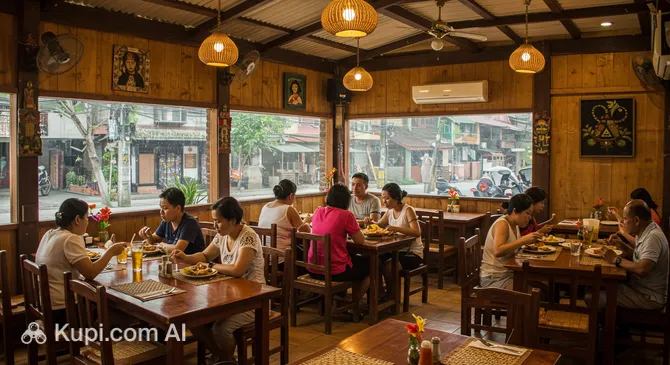
For a vibrant taste of the local social scene, visitors should head to Robinsons Ilocos Grill Bar. This establishment is a favorite among locals and tourists alike for its lively atmosphere. It serves as an excellent spot to unwind after a day of sightseeing, offering a mix of hearty dishes and refreshing drinks that showcase the city's modern hospitality.

Robinsons Ilocos Grill Bar. Source: Kupi.Binoculars

To experience the city's daily rhythm, a visit to Aurora Park is highly recommended. Located in the heart of the city near the Provincial Capitol, this plaza acts as a communal living room where residents gather, offering a relaxing space to people-watch. Just a short distance away lies the Laoag Public Market, a sensory hub of commerce. It is the best place to shop for edible souvenirs, particularly the city's famous garlic longganisa sausages and savory bagnet, allowing you to take the authentic flavors of Laoag home with you.

Local Cuisine

The culinary landscape of Laoag is a distinct adventure for the palate, defined by the bold, savory, and practical flavors of Ilocano cuisine. Unlike the sweet notes found in other Filipino regional dishes, the food here leans towards salty and tangy profiles, heavily influencing the use of fermented ingredients. A dining experience in Laoag is incomplete without the ubiquitous bagoong (fermented fish paste) and the liberal use of native vinegar, which serve as the backbone for many local recipes.

At the top of the must-try list is the legendary Bagnet. This is not your average fried pork; it is pork belly that has been boiled, air-dried, and deep-fried twice to achieve a crackling skin that stays crispy for hours, while the meat remains tender. It is often served as a main dish with rice or used as a topping for vegetable dishes. Another meat staple is the Laoag Longganisa. Unlike the sweet sausages of Manila, this local version is garlicky, salty, and seasoned with local spices, making it a favorite breakfast item usually paired with garlic rice and egg.

For vegetable lovers, Pinakbet is the definitive Ilocano vegetable stew. The authentic version found in Laoag uses bagoong isda (fish sauce) rather than shrimp paste and features locally grown vegetables like bitter melon, eggplant, okra, and string beans. The vegetables are shriveled to a dry consistency, concentrating their natural flavors. Another popular snack or light meal is the Ilocos Empanada. Identifiable by its bright orange, crispy rice flour shell, it is stuffed with grated green papaya, mongo sprouts, a whole egg, and longganisa. It is best eaten piping hot at street stalls, dipped in spiced vinegar.

When it comes to beverages, the region offers unique local options. Basi is a traditional fermented sugarcane wine that has been produced in the Ilocos region for centuries. It has a sweet-sour taste and varies in potency, often enjoyed during festivals or special gatherings. For non-alcoholic refreshments, fresh fruit shakes are popular, particularly those made from Dragon Fruit, as the province is a major producer of this vibrant cactus fruit.

The food culture in Laoag is unpretentious and community-oriented. Locals often dine at open-air eateries or carinderias where food is affordable and authentic. The Laoag Public Market and nearby street stalls are the best places to witness the daily food scene, especially in the evenings when vendors fry fresh empanadas. A key part of the dining ritual is the condiment trio known as KBL (Kamatis, Bagoong, Lasona), a mix of tomatoes, fish paste, and native shallots that accompanies grilled fish or bagnet, allowing diners to customize the flavor intensity of their meal.

Travel Tips

Visiting Laoag is a delightful experience, made even better with a little preparation to navigate the "Sunshine City" comfortably. To ensure your trip to the heart of Ilocos Norte is smooth and hassle-free, here are some practical tips to keep in mind.

  1. Clothing and Gear: Given the city's tropical climate and moniker as the "Sunshine City," pack lightweight, breathable fabrics like cotton or linen to stay cool. Essential accessories include a wide-brimmed hat, high-SPF sunscreen, and sunglasses to protect against the intense midday sun. If you plan to visit religious sites like St. William’s Cathedral, bring a shawl or wear clothing that covers your shoulders and knees to respect the local dress code.
  2. Transportation: The most common way to get around the city center is by tricycle. These motorized sidecars are plentiful and affordable; however, it is wise to ask the driver for the fare before hopping in, as rates can vary based on distance. For travel to neighboring towns, colorful jeepneys are the standard public transport. Ride-hailing apps are not widely established here, so for flexibility—especially when visiting the Sand Dunes—renting a private van or car is recommended.
  3. Finances: The local currency is the Philippine Peso (PHP). While major hotels, malls, and upscale restaurants accept credit cards, cash is absolute king in Laoag. You will need small bills for tricycle fares, souvenir shops, and local eateries (carinderias). ATMs are widely available in the city center and shopping areas. Tipping is not mandatory but is highly appreciated; leaving 10% or rounding up the bill is a generous gesture.
  4. Health and Safety: Laoag is generally a very safe and peaceful city for tourists. Pharmacies like Mercury Drug and Watsons are easy to find in the downtown area, with some branches operating 24/7. Tap water is not potable, so stick to bottled or purified water. It is also advisable to carry mosquito repellent, especially if you plan to be outdoors during dusk or dawn.
  5. Communication: The primary local language is Ilocano, but English and Tagalog (Filipino) are widely understood and spoken, making communication easy for international travelers. A simple "Naimbag nga bigat" (Good morning) will earn you warm smiles. You can easily purchase local SIM cards (Globe or Smart) at the airport or in malls to stay connected, as Wi-Fi is standard in hotels but can be spotty in remote areas.
  6. Local Etiquette: Ilocanos are known for their hospitality and conservative values. When addressing locals, especially those older than you, it is polite to use titles like "Manong" (for men) or "Manang" (for women). A smile goes a long way here. When entering someone's home or a private establishment, a polite greeting is customary.
  7. What to Avoid: Avoid losing your temper or shouting in public, as this causes a "loss of face" and is considered highly rude in Filipino culture. Also, refrain from taking photos of locals without asking for permission first, particularly in rural areas where people might be more private.
  8. Additional Tip: If you plan to try the famous 4x4 ride and sandboarding at the La Paz Sand Dunes, schedule it for early morning (around 5:00 AM) or late afternoon (around 4:30 PM). This allows you to avoid the scorching midday heat and rewards you with a spectacular sunrise or sunset view over the dunes.

Armed with these practical tips, you are ready to immerse yourself in the rich culture and sunny disposition of Laoag. Embrace the local rhythm, indulge in the savory cuisine, and enjoy the warm welcome that awaits you in this northern gem.

Entertainment & Nightlife

Laoag’s nightlife offers a refreshing departure from the chaotic energy of larger metropolises, focusing instead on camaraderie, live music, and excellent food. The city’s evening scene is characterized by a laid-back and welcoming atmosphere, where locals and tourists mingle in open-air venues and cozy establishments. Rather than all-night raves, you can expect acoustic bands playing OPM (Original Pilipino Music) classics, vibrant karaoke (KTV) bars, and bustling night markets that keep the city awake well past midnight.

The downtown area, particularly around the city center and the streets radiating from the Provincial Capitol, serves as the primary hub for evening entertainment. Here, the nightlife is accessible and walkable. One of the go-to spots for a mix of dining and social drinking is Robinsons Ilocos Grill Bar. It is a favorite among those looking to unwind with a cold beer and grilled appetizers while enjoying the local social scene. The vibe here is casual and lively, making it an excellent place to start your night.

For travelers seeking a more refined yet relaxed evening, La Preciosa offers a charming setting. While primarily known as a dining institution, its warm ambiance makes it a lovely spot for a late dinner accompanied by conversation and dessert. Beyond these specific venues, the city is dotted with KTV bars—a national pastime—where you can rent a private room or sing in a public lounge. The dress code across most establishments is casual; shorts and t-shirts are perfectly acceptable, though a smart-casual look is appreciated in hotel bars.

Budget travelers and foodies should not miss the local night market scene. The area near the Laoag Public Market often transforms into a street food haven after sunset. Here, you can sample affordable local delicacies like barbecue skewers and the famous Ilocos empanada. Prices in Laoag are generally very reasonable, with beers and cocktails costing significantly less than in Manila. The best time to head out is around 8:00 PM when the air cools down and the venues start to fill up.

Safety is one of Laoag’s strong suits. The city is generally safe for night walks, especially in well-lit downtown areas. However, as with any travel destination, it is wise to stay aware of your surroundings. Public transportation, primarily tricycles, runs late into the night, though fewer units are available after midnight. If you are staying a bit further from the center, it is advisable to arrange a ride back or keep the contact number of a trusted tricycle driver.

While the nights are for unwinding, daytime entertainment in Laoag offers its own charm. Visitors can explore the city's cultural depth through its museums or catch a movie at the local cinemas located within the modern shopping malls. These venues provide a cool respite from the midday sun and a chance to experience the modern lifestyle of the Ilocanos before the sun sets and the acoustic guitars come out again.

Parks & Museums

Laoag seamlessly blends its urban energy with refreshing green spaces and a profound respect for heritage, offering travelers a variety of spots to unwind and learn. Beyond the bustling streets, the city maintains well-kept parks and world-class museums that narrate the story of the Ilocano people, making it a destination that appeals to both nature lovers and history enthusiasts.

Aurora Park stands as the central green lung of the city, located right in front of the Provincial Capitol. While it serves as a bustling plaza during the day, it transforms into a picturesque promenade in the evening, illuminated by soft lights and the glow of the nearby fountain. It is a significant civic space where the famous Tobacco Monopoly Monument is situated, making it a perfect spot for a leisurely walk that combines relaxation with a touch of history.

For those seeking a more active engagement with nature, the Laoag Eco-Adventure Park (LEAP) in Barangay Santa Monica offers a verdant escape. This forest park is designed for outdoor enthusiasts, featuring towering trees and hilly terrain that provide a natural canopy against the sun. It is a popular destination for locals and tourists alike who want to try ziplining or simply enjoy a picnic in a serene, protected environment away from the city center's traffic.

The city's cultural landscape is anchored by the Museo Ilocos Norte. Housed in a historic brick structure that once served as the Tabacalera warehouse, this institution is widely regarded as one of the best ethnographic museums in the country. It focuses on the "Gameng" or treasures of Ilocos, showcasing the resilience and ingenuity of the locals through interactive exhibits on traditional livelihood, architecture, and music. It is an essential stop for understanding the soul of the province.

Just a short drive from the city center, overlooking the legendary Paoay Lake, lies the Malacañang of the North. Although technically on the border of the neighboring town, it is a staple of the Laoag cultural itinerary. This imposing mansion served as the official residence of the Marcos family in the north and is now a museum. Visitors can tour the grand rooms, which are preserved with period furniture and memorabilia, offering a glimpse into the lifestyle of one of the country's most polarizing political families amidst stunning lake views.

Laoag’s history is also visible in its architectural landmarks. The Ilocos Norte Provincial Capitol is a striking example of American colonial architecture, with its neoclassical columns and pastel yellow facade dominating the city center. Nearby, the Tobacco Monopoly Monument serves as a grim but important reminder of the Spanish colonial era's economic policies. Erected in 1881, this obelisk is unique in the Philippines as it commemorates the abolition of a monopoly rather than a person or a battle, symbolizing the region's hard-won economic freedom.

For a truly authentic experience, take a walk across the Gilbert Bridge during sunset. While not a park, the pedestrian walkways offer one of the best vantage points to see the Padsan River bathed in golden light. It is a quiet, uncurated moment that allows you to observe the daily life of fishermen and the gentle flow of the river that has sustained the city for centuries.

Getting Around

Navigating Laoag is a straightforward and authentic experience, as the city does not rely on complex metro or train systems. Instead, the public transport network is road-based, informal, and deeply woven into the local culture. The primary mode of transportation for getting around the city center and immediate suburbs is the tricycle. These motorized motorcycles with attached sidecars are ubiquitous, nimble, and can take you practically anywhere within the city limits, often dropping you off right at the doorstep of your destination.

For traveling slightly longer distances or moving between nearby towns, the iconic jeepney is the standard choice. These colorful, elongated vehicles follow specific routes, usually displayed on their windshields or sides. They are the backbone of commuter travel in the region, connecting the city proper to neighboring municipalities like San Nicolas, Batac, and Paoay. While there are no trams or trolleybuses, you might spot a Kalesa (horse-drawn carriage). Although less common here than in nearby Vigan, they remain a charming, heritage-style alternative for leisurely short-distance rides around the historic districts.

The payment system in the city is strictly cash-based. There are no travel cards, tap-to-pay systems, or transport apps for public commuting. Fares are extremely affordable. For tricycles, there are generally two types of trips: "regular," where you share the ride with other passengers along a fixed route for a minimal fee, and "special," which functions like a private taxi service where you hire the entire vehicle to take you directly to a specific location. Jeepney fares are fixed based on distance and are paid directly to the driver or the conductor, often by passing your money down the line of passengers.

Travelers should carry smaller denominations of the local currency, such as 20, 50, and 100-peso bills, as well as coins. Drivers rarely have change for large bills like 500 or 1,000 pesos. When riding a jeepney, the local custom to signal a stop is to say "Para po" (Please stop) or simply knock on the roof of the vehicle. Tricycles and jeepneys generally operate from early morning, around 5:00 AM, until roughly 9:00 PM or 10:00 PM. Late-night transport can be scarce, so it is advisable to plan your return trips accordingly.

If you prefer more comfort or autonomy, especially for visiting remote attractions like the sand dunes or beaches, car and van rentals are the best alternatives. While standard taxi cabs are virtually non-existent on the streets, you can arrange for private van hires with drivers through your hotel or local tour operators. Self-drive car rentals are available but are less common than hired services. For short distances within the downtown area, walking is also a viable and pleasant option, allowing you to soak in the local atmosphere at your own pace.

Accommodation

Where to Stay:

Accommodation in Laoag caters to a diverse range of travelers, offering everything from economical backpacker inns to comfortable mid-range hotels and scenic coastal resorts. As a provincial capital, the city does not typically feature ultra-luxury high-rise chains; instead, it provides charming heritage hotels, practical business lodgings, and family-run homestays that reflect the warm hospitality of the Ilocanos. Whether you are here for a quick business trip or a leisurely exploration of the north, you will find a place that suits your needs and budget.

For those who prioritize convenience and culture, the City Center (Poblacion) is the best area to stay. Booking a hotel in the downtown area places you within walking distance of major landmarks like the Sinking Bell Tower, St. William’s Cathedral, and the Provincial Capitol. Staying here also means easy access to the city’s best restaurants, fast-food chains, and the bustling public market. It is the ideal base for travelers relying on public transport, as tricycles and jeepneys are readily available at every corner.

If you prefer a quieter atmosphere closer to nature, consider looking for accommodation near the La Paz Sand Dunes or along the coast. These areas, slightly removed from the busy city center, offer a more resort-like feel with access to beaches and wide-open spaces. Additionally, the neighboring town of San Nicolas, which sits just across the river, has become a commercial hub with newer hotels and modern shopping malls, providing a comfortable alternative just minutes away from downtown Laoag.

Booking Tips and Prices: The price range for accommodation in Laoag is generally affordable compared to major tourist hubs like Manila or Boracay. Budget travelers can find clean inns and hostels starting from around PHP 800 to PHP 1,500 per night. Mid-range hotels, often featuring amenities like swimming pools and breakfast buffets, typically range from PHP 2,000 to PHP 4,500. While walk-ins are possible during the off-peak season, it is highly recommended to book in advance if you are visiting during Holy Week, the Christmas holidays, or the Pamulinawen Festival in February, as rooms fill up quickly during these peak periods. Most established hotels are listed on major online booking platforms, but smaller inns may require direct contact via phone or social media.

Nearby Cities

For those looking to explore the surroundings, Laoag serves as an excellent base for day trips to several interesting nearby locations.

Just a short drive south lies the city of Batac, a destination that rivals Laoag in culinary fame. It is widely renowned for the "Batac Riverside Empanadaan," a dedicated food strip where visitors can savor the town's distinct, orange-hued version of the Ilocos empanada. To the north is the town of Bacarra, home to the iconic "Torre ti Bacarra." This centuries-old domeless bell tower stands as a striking architectural relic and a testament to the region's resilience against earthquakes. Closer to the city center, San Nicolas offers a deep dive into local craftsmanship with its traditional "Damili" pottery industry, where travelers can observe artisans creating intricate clay pots and bricks using techniques passed down through generations.

City Population Distance (km)
Batac 55,484 17
Dingras 40,127 19
San Nicolas 39,778 5
Bacarra 33,496 8
Vintar 33,339 24

These nearby destinations offer a glimpse into the diverse culture and landscapes of the region.

Shopping & Souvenirs

Shopping in Laoag offers a delightful mix of modern convenience and traditional discovery. While the city is not a sprawling metropolis of high-end luxury boutiques, it is an excellent destination for travelers looking to purchase authentic regional products. The shopping scene here is less about international fashion brands and more about local craftsmanship and culinary heritage. Visitors can expect to find high-quality handwoven textiles, pottery, and famous food souvenirs known as pasalubong that reflect the rich culture of Ilocos Norte.

The primary commercial activity is concentrated in the City Center (Poblacion). The streets surrounding the Provincial Capitol and the City Hall are lined with a variety of independent shops, banks, and general merchandise stores. Walking along Rizal Street and its intersecting avenues, you will find establishments selling everything from daily necessities to local handicrafts. This downtown area is bustling and walkable, allowing tourists to hop from one shop to another while soaking in the local atmosphere.

For a modern retail experience, the go-to destination is Robinsons Place Ilocos. Although geographically located just across the river in the neighboring town of San Nicolas, it serves as the premier shopping mall for Laoag and the entire province. Here, travelers can find department stores, supermarkets, gadget hubs, and branded clothing outlets in an air-conditioned environment. It provides a comfortable break from the tropical heat and is a one-stop shop for travel essentials or leisure shopping.

To truly experience the local vibe, a visit to the Laoag Public Market is indispensable. This is the beating heart of the city's commerce, where the sights and smells of Ilocos come alive. It is the best place to purchase fresh produce and local delicacies at local prices. The market has dedicated sections for dry goods and souvenirs, making it a convenient spot to hunt for bargains. Nearby, you may also find smaller satellite markets and roadside stalls specializing in specific regional snacks.

When it comes to souvenirs, Laoag is famous for its distinct local products. Top on the list is Inabel, a traditional handwoven fabric known for its durability and intricate geometric patterns; you can buy it as blankets, table runners, or clothing. Food items are also essential purchases: Bagnet (crispy pork belly), Longganisa (garlic sausages), and Chichacorn (crunchy corn snacks) are favorites to bring home. For something drinkable, look for Basi (sugarcane wine) or pure sukang Iloko (sugarcane vinegar), which are staples in Ilocano kitchens.

Store hours in Laoag typically run from 9:00 AM to 7:00 PM for independent shops, while the large mall usually operates from 10:00 AM to 9:00 PM. The public market opens much earlier, often at dawn, and winds down by early evening. Regarding payment, cash is king in markets, small souvenir shops, and tricycle transport. While the mall and major hotels accept credit cards, it is highly recommended to carry sufficient Philippine Pesos in smaller denominations when exploring the downtown area.

Regarding tax-free shopping, the Philippines has recently introduced policies for a VAT refund scheme for foreign tourists, but its implementation is primarily focused on major international retailers in metropolitan hubs. In a provincial city like Laoag, especially in markets and local souvenir shops, tax-free shopping is generally not available. Travelers should not expect immediate tax refunds at counters and should focus on the affordability of goods which are already reasonably priced.
Reached the end of the page?

That means the route is fully explored