Support

Basco

About

Located at the northernmost tip of the Philippines, Basco serves as the captivating capital of the Batanes province. Unlike the typical tropical imagery associated with the archipelago, this municipality offers a landscape of rolling hills, dramatic cliffs, and sweeping ocean views that are often compared to the sceneries of New Zealand or Scotland. It acts as the primary gateway for travelers seeking to explore the breathtaking islands of the north, providing a serene atmosphere that feels worlds away from the bustling metropolis.

Geographically, Basco is situated on the northern end of Batan Island, the second largest island in the province. Despite being the provincial center, it retains a small-town charm with a population of approximately 9,500 residents. The climate here is distinct, characterized by cooler temperatures and stronger winds compared to the rest of the country, which has shaped both the landscape and the local architecture over centuries.

The town is deeply rooted in the unique Ivatan culture, known for its resilience and adaptation to the typhoon-prone environment. Visitors interested in the history of Basco will appreciate the enduring legacy of the locals, visible in the few remaining traditional limestone houses and the stoic character of the people. This cultural heritage adds a profound layer of depth to the stunning natural surroundings.
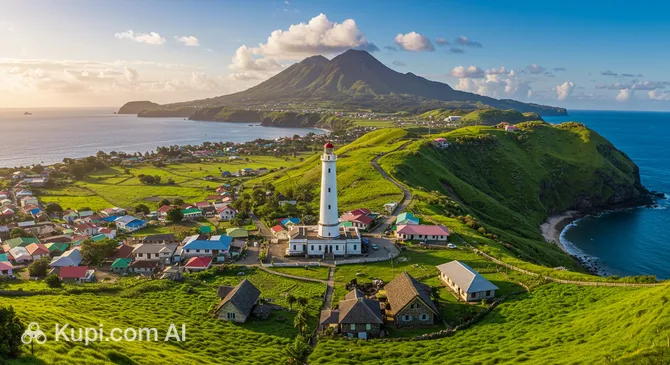
Basco. Source: Kupi.Binoculars

Among the city's most iconic attractions is the Basco Lighthouse, perched atop the Naidi Hills. This 6-story structure offers a panoramic 360-degree view of the West Philippine Sea, Mount Iraya, and the rugged coastline. Another must-visit spot is the Valugan Boulder Beach, famous for its shoreline covered in smooth, massive boulders rather than sand—a testament to the geological forces of the nearby volcano. For those who enjoy hiking, the majestic Mount Iraya serves as a stunning backdrop to the town and offers a challenging trek for adventurers.

Whether you are looking to disconnect from the digital world, immerse yourself in a unique culture, or simply marvel at raw natural beauty, Basco is a destination that promises an unforgettable experience. We invite you to walk its peaceful streets, breathe in the fresh sea breeze, and discover the quiet magic of the Philippines' northern frontier.

Weather Overview

The climate in this northern municipality is distinctively cooler and breezier compared to the rest of the country, thanks to its geographical position. Generally, temperatures remain pleasant year-round, ranging from a comfortable 23°C in the cooler months of January and February to a warm 28.5°C during the peak of summer in June. This moderate heat makes outdoor exploration enjoyable, although the weather can change quite rapidly due to the coastal influence.

Rainfall is a frequent occurrence, with a significant number of wet days observed throughout the year, particularly from June to August and again in November. Travelers should expect warm summers with occasional rain and cooler, breezier conditions in the winter months. For a more comprehensive breakdown of what to expect during your visit, you can view the detailed report on the weather in Basco. March and April tend to be the driest months, making them ideal for sightseeing, while the period from July to September often sees rain on more than 20 days per month.

Interesting Facts

Beyond its breathtaking vistas and famous lighthouse, Basco holds fascinating stories and cultural nuances that reveal the depth of its history. Here are some unique details that make this northern town truly special.

  • Named After a Reformer: The town owes its name to Governor-General José Basco y Vargas, a Spanish official who arrived in the late 18th century. He is widely credited with establishing civil government in the province and introducing the techniques for building the robust limestone houses designed to withstand the region’s frequent typhoons.

  • Hidden Wartime Network: Beneath the scenic Tukon Hills lies the Dipnaysupuan Japanese Tunnel, a historic remnant of World War II. This five-door tunnel system served as a shelter and lookout point for Japanese soldiers, and today, adventurous visitors can explore its chambers which offer a stark contrast to the natural beauty outside.

  • An Artistic Sanctuary: Basco is home to Fundacion Pacita, a stunning lodge that was formerly the studio of the internationally acclaimed Ivatan artist Pacita Abad. Perched on a windswept hill, it serves as a vibrant tribute to her legacy, adorned with her colorful mosaics and artworks that reflect the spirit of the local community.

  • Quirky Road Safety: Driving through the town offers a unique experience due to the iconic "Blow UR Horn" signs found on blind curves. Unlike standard traffic signage, these distinctively phrased warnings have become a humorous and memorable symbol of the local driving culture in the winding terrain.

How to Get There

Reaching the northernmost frontier of the Philippines is a unique journey, primarily undertaken by air due to the province's isolation from the main archipelago. For travelers planning their trip, understanding the specific logistics is crucial, and you can find more detailed information on getting to Basco to ensure a smooth arrival.

The most direct and common entry point is Basco Airport (BSO), which is conveniently located within the town itself. Situated just 2.9 km from the heart of the community, it serves as the lifeline for tourism and commerce in the province. Travel from the terminal to most accommodations in the town center is quick, typically taking around 25 minutes by tricycle or hotel shuttle. While it is a smaller facility with an annual passenger traffic of approximately 100,000, it is the primary hub for visitors exploring these scenic islands.

Geographically, Basco is quite close to Taiwan, which explains why airports such as Kaohsiung International Airport (IATA: KHH) and Taitung Airport (TTT) appear nearby in terms of distance. However, these are located across the channel in the city of Kaohsiung and Taitung respectively, and do not offer direct commercial flights or land transport to Basco. Similarly, Laoag Airport (LAO) serves the city of Laoag on the mainland of Luzon. Travelers flying into these other hubs would still need to arrange a connecting flight to reach Batanes.

For clarity, here is a summary of the main airports in the wider region:

Airport Name City Passenger Traffic Km from City
Kaohsiung International Airport Kaohsiung Large 290.1
Taitung Airport Taitung Medium 269.9
Basco Airport Basco Small 2.9
Laoag Airport Laoag Small 296.6

There are no railway stations in Basco or on the island of Batan. The province is separated from the railway networks of the main Philippine islands by sea. Transportation within the town and around the island is exclusively by road, utilizing tricycles, jeeps, or rented motorcycles and bicycles.

Main Attractions

While Basco is often the starting point for adventures across Batanes, the town itself is home to some of the province's most breathtaking and culturally significant sites. Beyond the famous lighthouse and boulder beaches, visitors can discover a landscape where rolling terrains meet spiritual sanctuaries, offering a travel experience that is both visually stunning and deeply peaceful.

Vayang Rolling Hills offers what is arguably the most iconic scenery in the region. This expansive area features endless waves of verdant grass that slope gently toward the deep blue waters of the West Philippine Sea. It is a favorite spot for travelers seeking the quintessential Batanes photograph, often framed with grazing cattle and the dramatic silhouette of Mount Iraya in the distance. The hills are particularly magical at sunset, providing a front-row seat to a spectacular display of colors over the ocean.

For a blend of local architecture and spiritual reflection, the Mt. Carmel Chapel, popularly known as Tukon Church, is a must-visit. Perched atop a hill, this charming structure was constructed using the traditional Ivatan stone-house style, designed to withstand the region’s powerful storms. Inside, visitors can admire vibrant ceiling paintings created by local artists, which depict provincial patron saints. The chapel’s location also commands a sweeping view of both the Pacific Ocean and the West Philippine Sea, making it a serene retreat for contemplation.

In the heart of the town stands the historic Santo Domingo Cathedral, also known as the Basco Cathedral. As the oldest church in Batanes, originally built in 1783, it serves as a testament to the enduring faith and resilience of the Ivatan people. The structure has been rebuilt and renovated several times following earthquakes and typhoons, yet it retains its classic limestone facade and commanding presence. It remains the center of religious life in Basco and offers tourists a glimpse into the town's colonial past.

Local Cuisine

The culinary landscape of Basco offers a unique gastronomic journey that reflects the resourcefulness and resilience of the Ivatan people. Due to the province's isolation and frequent storms, local cuisine heavily relies on traditional preservation techniques and fresh, locally sourced ingredients. A definitive must-try is Luñis, the Ivatan version of adobo. Unlike the typical Filipino stew with sauce, this dish consists of pork cooked until dry and preserved in its own fat, resulting in a savory, crispy delicacy that pairs perfectly with hot rice.

Seafood lovers will find themselves in paradise, particularly with the abundance of Dibang (flying fish). This local staple is prepared in various ways—dried, smoked, or cooked in vinegar as kinilaw—and is a symbol of the islands' rich marine life. Another intriguing dish is Uved (sometimes called Tabtab), made from the grated pith of a banana stalk mixed with ground meat and minced fish. It has a texture similar to meatballs and offers a savory, comforting flavor that is distinct to the Batanes region.

To complement these savory mains, locals often serve Supas, a festive yellow rice colored with turmeric and cooked with garlic and pork oil. Root crops like sweet potatoes and yams are also common staples, historically serving as reliable food sources during typhoon season. For beverages, adventurous travelers should sample Palek, a native wine made from fermented sugarcane juice. It has a potent kick and is traditionally shared during community gatherings, symbolizing the warm hospitality of the locals.

The dining culture in Basco is unpretentious, intimate, and deeply communal. You won't find major fast-food chains here; instead, the town is dotted with cozy eateries and homestyle restaurants that often feel like dining in a local's kitchen. A quintessential experience is trying a Vunong meal, where food is wrapped in large breadfruit leaves (kabaya), allowing you to enjoy a complete, eco-friendly packed lunch while exploring the outdoors. Whether you are dining near the port or in a hilltop canteen, the food here is fresh, organic, and prepared with heart.

Travel Tips

Visiting Basco requires a bit more preparation than the typical tropical getaway, as its remote location and unique weather patterns demand a specific approach to packing and planning. To help you make the most of your journey to the "Home of the Winds," here are some essential practical tips to ensure a smooth and enjoyable adventure.

  1. Clothing and Gear: Unlike the rest of the Philippines, the weather here can get surprisingly cool and windy, especially from November to February. Bring a windbreaker or a light jacket for the chilly mornings and evenings. Comfortable, sturdy hiking shoes are a must for trekking the rolling hills or walking on the uneven stones of Valugan Boulder Beach. If you plan to visit churches like the Basco Cathedral, remember to dress modestly (cover shoulders and knees).
  2. Transportation: There are no taxis, ride-hailing apps (like Grab), or public buses in Basco. The primary mode of transport is the tricycle; you can hire them for point-to-point trips or daily tours. For those who prefer independence, renting a motorbike or bicycle is a popular and scenic way to explore the town at your own pace.
  3. Finances: Cash is absolute king in Batanes. While there are ATMs (typically Landbank and PNB) in the town proper, they can sometimes be offline or run out of cash. Most small eateries, souvenir shops, and tricycle drivers do not accept credit cards or digital payments, so it is crucial to bring enough Philippine Pesos to cover your entire stay.
  4. Health and Safety: Basco is one of the safest places in the country with a virtually non-existent crime rate, making it safe to walk around even at night. For medical needs, the Batanes General Hospital is located within the town. Pharmacies are available but generally do not operate 24/7, so bring a personal kit with motion sickness medicine (for boat rides) and basic first aid.
  5. Communication: English and Tagalog are widely spoken and understood, so communication is rarely an issue. The local language is Ivatan; learning a simple greeting like "Kapian ka pa nu Dios" (God bless you/Good day) goes a long way. Mobile signal is available for major networks (Smart and Globe), but data speeds can be slow or intermittent, so download offline maps beforehand.
  6. Local Etiquette: The Ivatans are known for their honesty and politeness. It is customary to greet locals with a smile or a nod when you pass them on the street. Always ask for permission before taking close-up portraits of residents, especially the elderly wearing traditional vakul headdresses, to respect their privacy.
  7. What to Avoid: Strictly do not take stones or pebbles from the beaches, particularly Valugan Boulder Beach. This is prohibited by local law to preserve the natural landscape, and luggage is often inspected at the airport for these illegal souvenirs.
  8. Additional Tip: Upon arrival at the airport, you will be required to pay an Eco-Tourism Fee. Keep the official receipt with you at all times, as you may be asked to present it when entering certain tourist sites or registering at municipal halls.

By keeping these practicalities in mind, you can focus entirely on soaking in the serene beauty and rich culture of this northern paradise. Basco is a place to disconnect from the rush of modern life, so embrace the slower pace and enjoy the warm hospitality of the Ivatan people.

Entertainment & Nightlife

Travelers expecting the pulsating beats of nightclubs or the neon glow of bustling entertainment districts will find a different kind of magic in Basco. The nightlife here is defined not by loud parties, but by the tranquility of the province and the warmth of the local community. As the sun sets over the West Philippine Sea, the town settles into a peaceful rhythm where entertainment revolves around hearty meals, casual conversations, and the beloved Filipino pastime of videoke (karaoke). The atmosphere is incredibly laid-back and rustic, offering a rare chance to disconnect from urban noise and enjoy evenings under a canopy of stars.

The center of activity, particularly in the evening, is concentrated within the town proper (Poblacion) and the areas surrounding the airport. There is no specific "bar street," but rather a scattering of cozy restaurants and small local hangouts. The crowd is a mix of friendly locals unwinding after work and tourists sharing stories of their day's adventures. The dress code is universally casual; shorts, t-shirts, and flip-flops are the norm, reflecting the unpretentious island lifestyle. Most establishments operate on "island time," often closing earlier than in major cities, with many kitchens winding down by 8:00 PM or 9:00 PM.

For a relaxed evening with good food and drinks, Casa Napoli is a favorite among visitors. Known for its excellent homemade pizza, it offers a cozy ambiance perfect for enjoying a cold beer and chatting with fellow travelers. Another popular spot is the restaurant at Pension Ivatan, located just across from the airport. It is a staple for those looking to sample traditional Ivatan dishes in a comfortable, sit-down setting that stays open for dinner. If you are in the mood for a more local vibe, you might find small sari-sari stores that set up tables outside for residents to drink gin or brandy, often accompanied by a videoke machine belting out classic ballads into the night.

One of the most unique "nightlife" experiences in Basco is actually found outdoors. A short tricycle ride or a pleasant walk to the Naidi Hills, near the Basco Lighthouse, offers a spectacular venue for stargazing. With minimal light pollution, the sky reveals a breathtaking display of constellations, making it a perfect spot for a quiet, romantic evening or a reflective night walk. It is entirely safe to walk around the town and these scenic spots at night, as the crime rate is virtually non-existent, though bringing a flashlight is recommended as street lighting can be sparse in some areas.

Practical planning is essential for a night out in Batanes. Tricycles, the main mode of transport, stop running relatively early, often becoming scarce after 8:00 PM. If you plan to stay out late, it is best to arrange a pick-up with a driver beforehand or be prepared to walk back to your accommodation. Prices are generally affordable, but remember that establishments operate on a cash-only basis, so ensure you have enough Philippine Pesos on hand. Safety is rarely a concern, but navigating unlit roads requires caution due to uneven terrain.

While the nights are quiet, the daytime offers its own cultural entertainment. Visitors can explore the National Museum Batanes Branch to gain deeper insights into the region's history and geology. Art enthusiasts should not miss the chance to visit the galleries that showcase local talent, often inspired by the dramatic landscapes. Whether exploring museums by day or singing karaoke by night, entertainment in Basco is all about embracing the slow, soulful pace of island life.

Parks & Museums

Basco offers a refreshing blend of open green spaces and cultural repositories that allow visitors to connect deeply with both the land and the people. The town's parks are not manicured gardens but rather rugged, windswept landscapes that showcase the raw beauty of Batanes, while its museums serve as intimate gateways into the resilient history and artistic soul of the Ivatan community.

Naidi Hills stands as the town's premier open space, offering more than just the iconic lighthouse view. Historically the site of an old American telegraph facility, this rolling green terrain provides a perfect setting for leisurely walks and picnics. The gentle slopes are covered in grass and offer an unobstructed 360-degree view of the town, the sea, and the towering Mount Iraya. It is an accessible natural park where locals and tourists alike gather to watch the sunset paint the sky in vibrant hues of orange and purple.

For a distinct natural experience, Valugan Boulder Beach is a geological marvel that functions as a natural gallery of nature's power. Unlike typical sandy shores, this stretch is carpeted with smooth, massive andesite rocks, polished over centuries by the rough Pacific tides. While swimming is not possible here due to the strong waves, it is an exceptional spot for meditation, photography, and appreciating the sound of the ocean crashing against the stones. It stands as a silent monument to the volcanic origins of the island.

Delving into the cultural heritage, the National Museum of the Philippines - Batanes Branch is a must-visit institution. Uniquely housed in the former US Coast Guard LORAN station, the museum itself is a piece of history. Inside, visitors can explore well-curated exhibits that detail the ethnography of the Ivatan people, the unique geology of the archipelago, and the biodiversity of the region. It provides essential context to the stone houses and traditions you see around the island.

Art enthusiasts should make their way to Yaru Nu Artes Ivatan, a vibrant art gallery located near the Basco port. This space is run by a collective of local artists and serves as the creative heart of the town. The gallery showcases paintings and sculptures that depict scenes of everyday life, local legends, and the dramatic landscapes of Batanes. It is not just a place to view art but a venue to meet local creators and understand their perspective on island living.

For a touch of history amidst nature, the Dipnaysupuan Japanese Tunnel offers a glimpse into the events of World War II. Located in the Tukon Hills, this network of tunnels was carved out of volcanic rock to serve as a shelter and command post. Today, it is an explorable historical site surrounded by lush vegetation, allowing adventurous visitors to walk through the chambers and emerge to panoramic views of the coastline.

Insider Tip: If you enjoyed Valugan but prefer a quieter atmosphere, seek out Chadpidan Boulder Beach on the western side of the island. It features similar impressive rock formations but is often less frequented by tour groups, offering a more solitary and serene experience with the West Philippine Sea.

Getting Around

Navigating Basco is a refreshing departure from the complex transit networks of major metropolitan areas. Tourists should be aware that there are no metros, trams, trains, or standard city buses operating within the town. instead, the public transport system is simple, rustic, and heavily reliant on smaller, more flexible vehicles suited to the island's terrain. The pace here is slow, and getting around is often part of the scenic experience rather than just a commute.

The primary mode of transportation for both locals and visitors is the tricycle. These are motorcycles with attached sidecars, similar to auto-rickshaws found elsewhere in Asia, but often built sturdier to withstand the coastal winds. Tricycles function as the town's taxis. You can hail them from the roadside for short trips within the town proper, or hire them for "special trips" to specific attractions outside the center. They are readily available during the day, particularly around the airport, the market, and the town plaza.

For travel to neighboring towns on Batan Island, such as Mahatao, Ivana, or Uyugan, jeepneys are the main option. These iconic Filipino vehicles depart from designated terminals in Basco, usually waiting until they are full before leaving. However, schedules can be irregular and trips are less frequent later in the day. Because of this, many tourists prefer to hire a tricycle for a "pakyaw" (chartered) service, where you rent the vehicle and driver for a half-day or full-day tour to explore the island at your own pace.

Payment and Tickets: The transport system in Basco operates exclusively on a cash-only basis. There are no travel cards, mobile payment apps, or digital ticketing systems. Fares are generally affordable and are paid directly to the driver upon reaching your destination. For standard point-to-point trips within the town, there is usually a fixed minimum fare. For chartered tours, rates are standard and regulated by the local tourism office, but it is always wise to confirm the price with the driver before starting your journey to avoid misunderstandings. Ensure you carry smaller denominations of the local currency, as drivers may not always have change for large bills.

Alternatives and Rentals: Given the scenic nature of the roads and the light traffic, renting a motorbike or scooter is an extremely popular alternative for those who can drive. This option offers the ultimate freedom to stop at viewpoints whenever you please. Bicycles are also widely available for rent and are perfect for exploring the compact town center or taking a leisurely ride to the nearby lighthouse. There are no car-sharing services or ride-hailing apps like Uber or Grab in the area.

Practical Advice: Transport services tend to wind down early. Tricycles can become scarce after 8:00 PM, so if you plan to dine out late or watch the stars at a distant spot, it is crucial to arrange a pick-up time with a driver beforehand. Additionally, while the town is the provincial capital, it is small enough that walking is often the most pleasant way to get around the Poblacion (town center), allowing you to admire the stone houses and local life up close.

Accommodation

Accommodation in Basco is characterized by its warmth and simplicity, mirroring the rustic lifestyle of the province itself. You will not find sprawling luxury resorts or international hotel chains here. Instead, the town specializes in cozy homestays, family-run inns, and charming lodges. These options offer a more intimate experience, often allowing guests to interact with local hosts and gain a deeper appreciation of the renowned Ivatan hospitality. Some lodgings even incorporate traditional architectural elements, such as limestone walls, blending seamlessly with the landscape.

Most travelers choose to stay within the Poblacion (Town Proper). This area is incredibly convenient as it is within walking distance of the airport, the main plaza, and the majority of restaurants and souvenir shops. It is the best choice for those who want easy access to amenities without needing constant transport. For those seeking a more scenic and secluded retreat, there are accommodations located on the hillsides or outskirts of the town. These spots often command breathtaking views of the West Philippine Sea and Mount Iraya, offering a peaceful atmosphere that feels worlds away from civilization.

Booking Tip: Due to the limited number of flights and rooms, it is highly recommended to book your accommodation several months in advance. This is particularly important if you plan to visit during the summer peak season (March to June) or the cooler winter months, as the best spots fill up quickly and walk-in availability can be extremely scarce.

In terms of cost, prices in Basco can be slightly higher than in other rural parts of the Philippines due to the remote location and logistics. Options generally range from budget-friendly homestays to mid-range lodges that offer more modern comforts like air conditioning and private bathrooms. When it comes to payment, it is crucial to remember that cash is king. While some establishments may accept online bank transfers, credit card terminals are rare and often unreliable due to connectivity issues. Always confirm payment methods before your arrival to ensure a hassle-free stay.

Nearby Cities

For those looking to explore the surroundings, Basco serves as an excellent base for day trips to several interesting nearby locations:

Just a short drive south of the capital lies the municipality of Mahatao. Often a favorite among travelers, it is home to the picturesque Tayid Lighthouse and the historic San Carlos Borromeo Church, a National Cultural Treasure. Visitors can enjoy a peaceful afternoon at the Diura Fishing Village, where traditional fishing rituals are still practiced, or marvel at the calm waters of the Mahatao Boat Shelter Port.

Further along the coastal road is the charming town of Ivana, known for its rich history and unique attractions. Here, you can visit the famous Honesty Coffee Shop, a self-service store that relies entirely on the integrity of its customers, and the House of Dakay, the oldest surviving stone house in Batanes. Ivana also serves as the jump-off point for a boat ride to Sabtang Island, where time seems to stand still amidst well-preserved stone villages like Chavayan and the stunning natural arch at Morong Beach.

City Population Distance (km)
Santa Ana 203598 223
Aparri 68839 236
Gattaran 58874 265
Claveria 52478 227
Lal-lo 48733 256

These nearby destinations offer a glimpse into the diverse culture and landscapes of the region.

Shopping & Souvenirs

Shopping in Basco is a delightful reflection of the town's simple and rustic lifestyle. You will not find sprawling shopping complexes, luxury boutiques, or international fashion chains here. Instead, the retail experience is intimate and community-focused, centered around small, family-owned establishments that offer essential goods and unique local handicrafts. For tourists, shopping is less about consumerism and more about discovering the rich cultural heritage of the Ivatan people through their traditional crafts and locally produced delicacies.

The main hub for commerce is located within the Poblacion, or the town proper. Walking through the streets surrounding the municipal hall and the plaza, visitors will find a variety of "sari-sari" stores (small convenience shops) and general merchandise establishments. These streets are the lifeline of the town, where you can buy everything from basic toiletries and snacks to hardware supplies. It is a laid-back environment where there is no rush, and shopkeepers often engage in friendly conversation with their customers.

Travelers looking for large shopping malls will need to adjust their expectations, as there are no shopping malls in Basco or the entire province of Batanes. The closest equivalents are medium-sized grocery stores or trading centers that stock a wider range of imported goods and household items. These establishments serve the practical needs of the residents and are sufficient for restocking travel supplies, but they do not offer the leisure shopping experience found in big cities.

For a taste of local life, a visit to the Basco Public Market is essential. While it is relatively small, it is the best place to see the day's fresh catch, including the famous flying fish (dibang) and dorado. The market also features stalls selling fresh organic vegetables and root crops like sweet potatoes and yams, which are staples of the local diet. It is a vibrant spot in the mornings, offering a genuine glimpse into the daily routine of the islanders.

When it comes to souvenirs, Basco offers truly unique items that you cannot find anywhere else. The most iconic purchase is the Vakul, the traditional headgear made from vuyavuy palm fiber used by Ivatan women to protect against the sun and rain. For men, the equivalent vest is called the Kanayi. Other popular keepsakes include magnet and keychain replicas of stone houses, T-shirts with Batanes prints, and local food products like turmeric powder, garlic, and camote cookies. There are several souvenir shops located near the airport and within the town center that specialize in these goods.

Store hours in Basco are generally limited compared to urban centers. Most shops open around 8:00 AM and close by 6:00 PM or 7:00 PM. It is rare to find 24-hour convenience stores, so it is wise to buy what you need during the day. regarding payment, cash is the absolute standard. Credit cards and digital wallets are rarely accepted in small shops, markets, or souvenir stalls. Visitors should ensure they have enough Philippine Pesos on hand, as ATMs can occasionally be offline.

Regarding tax-free shopping, the Philippines offers a VAT refund scheme for international tourists, but this is typically applicable only in large authorized retailers in major metropolitan areas like Manila or Cebu. In a remote town like Basco, small local vendors do not participate in this program, so tourists should not expect to claim tax refunds on their purchases here.

Reached the end of the page?

That means the route is fully explored