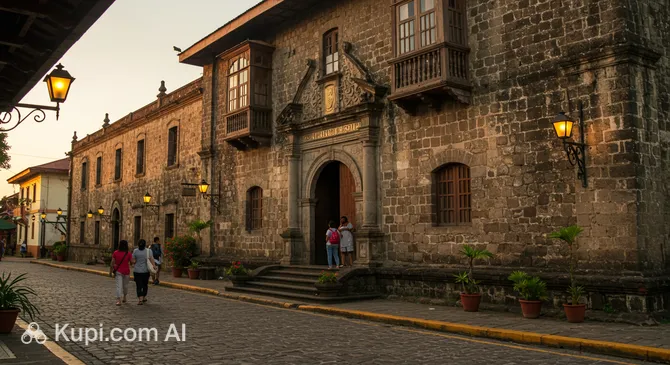
Support

Vigan

About

Vigan is a captivating city that offers a unique glimpse into the past, renowned for being one of the best-preserved Spanish colonial towns in Asia. Distinguished by its cobblestone streets and fusion of architectural styles, it stands out as a cultural treasure in the Philippines. This UNESCO World Heritage site exudes an atmosphere of nostalgia and romance, transporting visitors to a bygone era where East meets West.

Located in the province of Ilocos Sur on the western coast of the island of Luzon, the city sits at the delta of the Abra River, facing the South China Sea. With a population of approximately 54,000 residents, it maintains a charming, small-town feel despite its global fame. The local climate is typically tropical, with a dry season that makes exploring the open-air heritage sites particularly enjoyable.

The history of Vigan is deeply woven into its streets and structures, reflecting a time when it was an important trading post before the colonial era. Unlike many other heritage cities that were destroyed during World War II, Vigan miraculously survived, preserving its ancestral houses and unique urban plan. This exceptional preservation allows travelers to walk through centuries of heritage, observing the distinct "Earthquake Baroque" architecture and traditional Bahay na Bato houses.
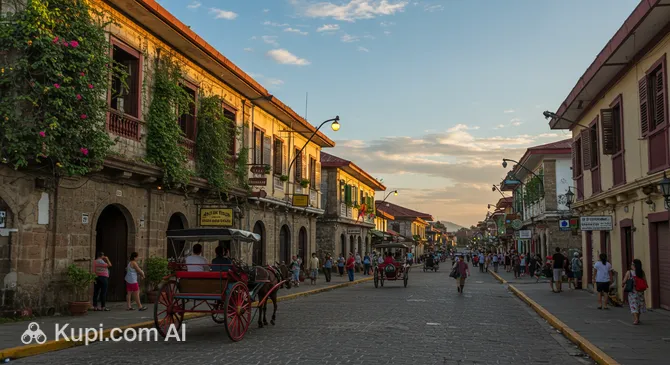
Vigan. Source: Kupi.Binoculars

A visit to Vigan is incomplete without strolling down the famous Calle Crisologo. This pedestrian-only street is lined with heritage mansions and illuminated by antique lamps, creating a magical ambiance, especially at dusk. Visitors can enhance the experience by taking a ride in a kalesa, a traditional horse-drawn carriage that clatters rhythmically along the stone pavements. Other notable spots include the majestic St. Paul's Metropolitan Cathedral and the Bantay Bell Tower, which offers panoramic views of the surrounding area.

Whether you are a history buff, an architecture enthusiast, or simply seeking a peaceful retreat, Vigan promises an unforgettable journey. Its blend of cultural richness, delicious local cuisine—such as the famous Vigan empanada—and warm hospitality makes it a must-visit destination for anyone exploring the northern region.
Weather Overview

Understanding the weather in Vigan is key to planning the perfect trip to this heritage city. The climate is generally tropical, characterized by fairly consistent temperatures year-round but with a marked difference in rainfall between the two main seasons.

The dry season, typically spanning from January to April, offers the most comfortable conditions for exploring the cobblestone streets. During these months, rainfall is minimal—often recorded at 0mm or 1mm—particularly in February and March. Average temperatures during this pleasant period hover around 25°C to 27°C, making it an ideal time for walking tours and outdoor activities.

From May to October, the region enters its wet season. Rainfall increases significantly, peaking in July and August, which can experience rain on nearly every day of the month. Despite the frequent downpours, the air remains warm, with average temperatures reaching their highest in May at roughly 28.0°C. Travelers visiting during this period should come prepared for heavy showers and high humidity.

Overall, you can expect warm weather throughout the year with average temperatures generally ranging from lows of about 23°C in the cooler months to highs of nearly 30°C in the summer, accompanied by a distinct shift from dry winters to rainy summers.

Interesting Facts

Beyond its picturesque cobblestone streets and colonial charm, Vigan holds many fascinating secrets that reveal its resilience and deep cultural roots. From its geological origins to miraculous wartime survival stories, the city’s history is far more dramatic than what meets the eye.
  • Vigan was once an island. Long before it became the coastal city we know today, Vigan was separated from the mainland of Luzon by the waters of the Abra, Mestizo, and Govantes rivers. Over centuries, the silting of the Mestizo River eventually connected the "Isla de Bigan" to the mainland, transforming its geography entirely.

  • It survived World War II through a "miracle." Vigan is one of the few Spanish colonial towns in the Philippines that was not destroyed during the war. Local lore attributes this to a romantic twist: a Japanese commander, Captain Fujiro Takahashi, reportedly fell in love with a local woman and agreed to spare the town from burning upon his retreat, while American pilots called off a bombing run after seeing white flags waving from the rooftops.

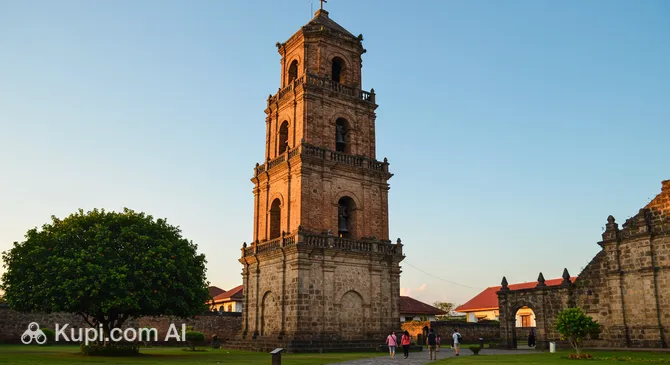
  • The Bantay Watchtower was built to spot pirates. While it now serves as a bell tower for the nearby church, this structure was originally constructed in 1591 as a military lookout. The name "Bantay" literally means "guard," and the tower was crucial for warning the townspeople of approaching pirates and enemies from the South China Sea.

  • Carabaos are the secret to its famous pottery. At the traditional Vigan Jar Factory, the clay used to make the sturdy burnay jars is not kneaded by machine or hand, but by carabaos. These water buffaloes repeatedly trample the raw clay to achieve the perfect texture needed for these jars, which are prized for fermenting local vinegar, fish paste, and wine.

  • The city is named after a giant plant. The name "Vigan" is derived from the Ilocano word "Kabigaan," which refers to a place abundant in biga. The biga is a giant taro plant with large leaves that once grew profusely along the riverbanks where the city now stands.

Bantay Watchtower. Source: Kupi.Binoculars

How to Get There

Reaching this heritage city is an adventure in itself, typically involving a scenic road trip through the northern provinces. While land travel is the most common method, air travel options are available for those looking to shorten the journey. You can find detailed routes and schedules on the page dedicated to how to get to Vigan.

The city of Vigan does not have a large commercial hub, but it is served by Vigan Mindoro Airport (VGN), located just 3.6 km from the city center. While convenient, with a travel time of only about 25 minutes to the heart of the city, it primarily handles smaller aircraft and charter flights. For regular commercial schedules, travelers often fly into Laoag Airport (LAO) in the city of Laoag, which is approximately 69 km away. The transfer from Laoag to Vigan by bus or taxi typically takes around 2 hours. Another major entry point is Clark International Airport (CRK) in Angeles City. Although it is a significant international hub, it is situated about 264.5 km from Vigan, requiring a land transfer of approximately 7 hours.

For clarity, here is a summary of the main airports:

Airport Name City Passenger Traffic Km from City
Clark International Airport Angeles City Large 264.5
Tuguegarao Airport Tuguegarao Medium 143.0
Laoag Airport Laoag Small 69.0
Vigan Mindoro Airport Vigan 3.6

The city of Vigan does not have a railway station, and there are no active train lines servicing the Ilocos region. Travelers preferring land transport typically rely on long-distance buses, which are the primary mode of public transportation connecting Vigan to Manila and other provinces. Several bus companies operate on this route, offering various classes of service for the journey.

Main Attractions

No trip to this historic city is complete without walking down Calle Crisologo. This iconic cobblestone street is the crown jewel of Vigan's heritage, lined with centuries-old Spanish colonial houses that have been remarkably preserved. Closed to motorized vehicles, it allows visitors to wander freely or take a ride in a horse-drawn kalesa, soaking in the nostalgic atmosphere. The street is particularly enchanting at dawn or dusk when the warm glow of lamps illuminates the intricate architectural details, making it a photographer's paradise.

Calle Crisologo. Source: Kupi.Binoculars

For a change of pace from historical sights, the Baluarte Resort and Mini Zoo offers a unique interactive experience with nature. Located just a short drive from the city center, this zoological park allows guests to get up close with various animals, including tigers, ostriches, and deer, often roaming freely in designated areas. It also features a butterfly garden and a gallery showcasing hunting trophies, making it a popular destination for families and animal lovers looking for entertainment and education in one place.

History enthusiasts should visit the Crisologo Museum, an ancestral house converted into a repository of local history. This museum offers a glimpse into the life of a prominent political family in the region and displays a wide array of memorabilia, antique furniture, and historical artifacts. Walking through its rooms provides a tangible connection to the past, telling the story of the city's political and social evolution through the lens of one of its most influential clans.

In the evening, the city center comes alive at the Plaza Salcedo Musical Dancing Fountain. Situated right in front of the cathedral and the provincial capitol, this plaza hosts a spectacular water and light show that captivates audiences of all ages. It is the first of its kind in the region, using laser lights and synchronized music to create a vibrant display, offering a modern contrast to the city's old-world charm.

Local Cuisine

The culinary landscape of Vigan is as rich and historic as its architecture, offering a distinct flavor profile that sets it apart from the rest of the country. Heavily influenced by Ilocano traditions and Spanish colonial history, the local food is defined by its bold use of native garlic and sugarcane vinegar. For foodies, exploring the city is a savory adventure where every meal tells a story of the region's agricultural abundance and cultural fusion.

At the heart of the local breakfast table is the famous Vigan Longganisa. Unlike the sweet sausages found elsewhere in the Philippines, this local version is small, plump, and packed with garlic and spices. It is best enjoyed with garlic rice and a dipping sauce of Ilocos vinegar. Another culinary heavyweight is Bagnet, a slab of pork belly boiled and deep-fried until it achieves a crackling crispness. This sinful delight is often served as a main dish or used as a topping for vegetable dishes like Pinakbet, a stew of bitter melon, eggplant, and okra seasoned with fermented fish paste.

For a taste of authentic street food, travelers should head to Plaza Padre Jose Burgos. This bustling square is famous for its open-air food stalls serving the iconic Vigan Empanada. Distinct for its bright orange rice-flour crust, this deep-fried turnover is stuffed with grated green papaya, egg, and longganisa. Watching the vendors skillfully assemble and fry these treats is part of the experience, and they are best eaten piping hot, drizzled with vinegar, while sitting on the plaza benches.

Plaza Padre Jose Burgos. Source: Kupi.Binoculars

When it comes to beverages, the region takes pride in Basi, a traditional fermented sugarcane wine. It has a sweet yet potent kick and has been produced in the area for centuries, often stored in earthen jars. For those preferring non-alcoholic options, fresh sugarcane juice is a refreshing choice to beat the tropical heat. To finish off a meal, one must try Royal Bibingka, a sticky rice cake that is chewy, cheesy, and sweet, perfect for a light snack or dessert.

Dining in Vigan is not just about the food but also the atmosphere. Many restaurants are housed within ancestral homes, allowing guests to dine amidst antique furniture and capiz-shell windows. Whether you are grabbing a quick bite at a market stall or enjoying a slow dinner in a heritage house, the city's food scene offers a genuine taste of Ilocano hospitality.

Travel Tips

Visiting Vigan is like stepping into a living museum, where history breathes through every cobblestone and colonial structure. To ensure your journey through this UNESCO World Heritage site is as seamless and enjoyable as possible, here are some practical tips to help you navigate the city like a pro.

  1. Clothing and Gear: The weather in Vigan is typically hot and humid, so pack light, breathable fabrics like cotton or linen. Since the charm of the city lies in its paved streets, particularly along Calle Crisologo, wearing comfortable walking shoes is non-negotiable; heels or stiff soles can make walking on the uneven cobblestones difficult. If you plan to visit St. Paul’s Cathedral or other religious sites, remember to dress modestly, covering your shoulders and knees.

  2. Transportation: The city center is compact and best explored on foot, which allows you to appreciate the architectural details up close. For longer distances, tricycles are the most common and affordable mode of public transport; simply flag one down and negotiate the fare if it's a special trip. For a quintessential Vigan experience, hire a kalesa (horse-drawn carriage) for a tour of the heritage village, but agree on the hourly rate with the driver beforehand.

  3. Finances: The local currency is the Philippine Peso (PHP). While some hotels and upscale restaurants accept credit cards, cash is king in Vigan, especially for buying souvenirs, riding tricycles, or enjoying street food like empanada. ATMs are widely available around Plaza Salcedo and the commercial center, but it is wise to carry smaller bills for easier transactions with local vendors.

  4. Health and Safety: Vigan is generally a very safe city for tourists, but standard precautions apply. Pharmacies like Mercury Drug are available near the town plaza for basic medical needs. The sun can be intense, so stay hydrated and carry a bottle of water, sunscreen, and a hat. It is advisable to drink bottled or purified water rather than tap water to avoid any stomach issues.

  5. Communication: The primary local languages are Ilocano and Tagalog, but English is widely spoken and understood, making communication easy for international travelers. You can purchase local SIM cards at convenience stores or the airport to stay connected. Most hotels and cafes offer Wi-Fi, though speeds can vary, so having mobile data is a good backup for navigation apps.

  6. Local Etiquette: Filipinos are known for their warmth, and a smile goes a long way. When interacting with elders, being polite is highly valued. If you are taking photos of locals or inside private ancestral houses that are open to the public, it is polite to ask for permission first. Respect the solemnity of the heritage district, especially early in the morning or late at night when residents are resting.

  7. What to Avoid: Do not litter. Vigan takes great pride in its cleanliness and heritage preservation, and strict ordinances are in place against littering. Also, avoid walking in the middle of the street on Calle Crisologo when kalesas are passing; the horses have the right of way, and it is safer to stick to the sides to avoid accidents.

  8. Golden Hour Tip: To capture the most magical photos of the heritage streets without the crowds, wake up early. Exploring Calle Crisologo at sunrise (around 5:30 AM to 6:00 AM) offers a serene atmosphere and soft lighting that is perfect for photography, long before the souvenir shops open and the day-trippers arrive.

By keeping these practical tips in mind, you can focus less on logistics and more on soaking in the old-world charm and vibrant culture of the city. Vigan is a place that rewards the prepared traveler with unforgettable sights, tastes, and experiences.

Entertainment & Nightlife

Nightlife in Vigan is less about thumping bass and neon strobe lights, and more about soaking in the romantic, old-world atmosphere under the stars. The city offers a laid-back evening scene where entertainment revolves around acoustic sessions, al fresco dining, and cultural displays. Travelers looking for a relaxing night out will find the heritage district the perfect backdrop for unwinding after a day of exploration.

The epicenter of evening activity is undoubtedly Calle Crisologo. As the sun sets, this historic street transforms from a busy thoroughfare into a charming dining strip. Restaurants and restobars line the cobblestones, setting up tables outside where guests can enjoy local beer and grilled dishes. The atmosphere here is lively yet intimate, often accompanied by the sound of acoustic bands playing classic hits. It is the ideal spot to sip a cocktail or a cold San Miguel beer while admiring the illuminated Spanish-era mansions.

For a spectacular start to the evening, visitors should head to the Plaza Salcedo Musical Dancing Fountain. Located in the town center, this attraction draws crowds with its mesmerizing display of water, lights, and music. The show typically starts around 7:30 PM, making it a perfect pre-dinner entertainment option. It is a family-friendly venue where locals and tourists gather to watch the synchronized performance, which is free for everyone to enjoy.

Plaza Salcedo Musical Dancing Fountain. Source: Kupi.Binoculars

If you prefer a more casual and bustling vibe, Plaza Padre Jose Burgos is the place to be. Known for its vibrant night market atmosphere, this square is famous for its food stalls serving Vigan empanada, okoy, and barbecue until late at night. It is a favorite haunt for locals looking for affordable bites and a lively crowd. The dress code throughout the city is casual; shorts and comfortable sandals are perfectly acceptable everywhere, even in the restobars along the heritage street.

Most establishments in Vigan close relatively early compared to big metropolises, with many bars and restaurants winding down by 10:00 PM or 11:00 PM, though some near the plazas may stay open until midnight on weekends. The city is incredibly safe for night walks, with well-lit streets and a visible police presence. Getting around is easy via tricycles, which are plentiful even at night. A short ride within the city center typically costs a nominal fee, but it is always best to agree on the price before hopping in.

While the nights are magical, the city offers plenty of daytime diversions as well. Before the evening sets in, you might spend your afternoon exploring the Crisologo Museum to understand the local history or visiting the Vigan Jar Factory to see traditional pottery in action. These cultural experiences provide a deep appreciation for the heritage that lights up so beautifully once the sun goes down.

Parks & Museums

While the city is best known for its cobblestone streets, it also offers refreshing open spaces and rich cultural repositories that provide a deeper understanding of its heritage. Beyond the bustling heritage district, visitors can find green sanctuaries for relaxation and museums that preserve the stories, artifacts, and traditions of the region's storied past.

The heart of the city's outdoor life is Plaza Salcedo. Located between the majestic St. Paul’s Cathedral and the Provincial Capitol, this expansive square is more than just a meeting place; it is a historical landmark where the revolutionary heroine Gabriela Silang was executed. Today, it serves as a peaceful park during the day and transforms into the vibrant venue for the Plaza Salcedo Musical Dancing Fountain at night. Just adjacent to the cathedral is the smaller yet equally charming Plaza Padre Jose Burgos. Named after the martyr priest, this plaza is a favorite local hangout, offering a shaded respite where visitors can watch the world go by or enjoy local street food in a relaxed, open-air setting.

Baluarte Resort and Mini Zoo. Source: Kupi.Binoculars

For a more immersive nature experience, the Baluarte Resort and Mini Zoo is a must-visit. Situated just a few minutes from the city center, this sprawling property owned by Chavit Singson features rolling green terrains and open fields. It functions as an interactive wildlife sanctuary where visitors can encounter animals like deer and ostriches roaming freely. The resort also includes a butterfly garden and offers pony rides, making it an excellent green escape for families seeking a break from the historical tours.

The city's museums are treasure troves of history, offering an intimate look into the lives of the Ilocano elite during the Spanish era. The Crisologo Museum is one of the most visited cultural sites. Housed in the ancestral home of the prominent Crisologo family, it displays a vast collection of memorabilia, including antique furniture, family portraits, and historical documents. It provides a fascinating narrative of the local political history and the lifestyle of a bygone era.

Crisologo Museum. Source: Kupi.Binoculars

Another significant cultural venue is the Syquia Mansion, often referred to as the "Malacañang of the North." This grand stone house was the residence of former Philippine President Elpidio Quirino. Visitors can admire its high ceilings, capiz-shell windows, and extensive collection of Asian artifacts and European furniture. Additionally, the Father Burgos House, a satellite of the National Museum, offers a glimpse into the childhood of the martyr priest Jose Burgos, showcasing Ilocano textiles, dioramas, and archival photographs.

Historical landmarks define the landscape of Vigan. The most iconic is, of course, Calle Crisologo, a living monument to the city's colonial past. Walking here feels like traveling back in time, surrounded by centuries-old houses that have withstood wars and natural calamities. A short distance from the center stands the Bantay Watchtower. Perched on a hill, this brick structure offers panoramic views of the area and served as a crucial lookout point against pirates during the Spanish colonial period.

For a unique cultural experience that involves craftsmanship, a visit to the Vigan Jar Factory is highly recommended. Here, tourists can watch local artisans create burnay (earthen jars) using age-old techniques that date back to pre-colonial times. For an insider tip, seek out the Hidden Garden in the Katipunan district. What started as a private garden is now a lush restaurant and landscape area filled with tropical plants and clay pots, offering a serene dining experience tucked away from the main tourist crowds.

Getting Around

Navigating Vigan is refreshingly simple and distinct from the hustle of larger metropolises. The city does not have a metro, tram, or train system. Instead, the primary mode of public transportation is the tricycle—a motorcycle with an attached sidecar. These agile vehicles rule the streets and can take you almost anywhere within the city limits and immediate outskirts. For travel to neighboring towns or municipalities, jeepneys are the standard option, typically found at designated terminals or passing through major roads.

A unique and celebrated feature of the local transport landscape is the kalesa, a traditional horse-drawn carriage. While often viewed as a tourist attraction, it is a legitimate and historic way to get around the heritage district. Riding a kalesa is not just about transportation; it is an immersive experience that complements the colonial architecture. These carriages are usually found waiting near the plazas or along the cobblestone streets, ready to take visitors on a slow, scenic tour of the major landmarks.

When it comes to payment, cash is the only accepted method. There are no travel cards, tap-to-pay systems, or mobile transport apps for public transit here. You will need to pay the driver directly in Philippine Pesos. It is highly advisable to carry coins and small bills (such as 20, 50, or 100 peso notes), as drivers often do not have change for large denominations. Fares are generally very affordable, with standard tricycle rides costing a nominal fee per person for short distances.

For tourists, understanding the pricing structure is helpful. Tricycle trips are often categorized as "regular" (sharing the ride with other passengers along a route) or "special" (hiring the entire tricycle for a private direct trip). A "special" trip will cost more, and the price should be agreed upon before you hop in. Kalesa rides typically operate on a fixed hourly rate, which is regulated by the local tourism office. Most transport operates from early morning until around 10:00 PM or 11:00 PM, though finding a ride late at night might be harder outside the city center.

Alternatives like taxi cabs are virtually non-existent for intra-city travel, and ride-hailing apps are not active in the area. However, the city center is incredibly compact and pedestrian-friendly. Walking is arguably the best way to explore the heart of the heritage zone, particularly since motorized vehicles are banned from the famous Calle Crisologo. For those planning to explore the wider province of Ilocos Sur, renting a van or a car with a driver is a popular and convenient choice.

Accommodation

Accommodation in Vigan is as distinctive as its history, offering travelers a wide spectrum of choices that range from budget-friendly homestays to luxurious heritage hotels. What sets the city apart is the opportunity to stay in converted ancestral houses, allowing guests to experience the colonial lifestyle firsthand. For those preferring modern comforts, there are also standard hotels, transient houses, and resorts located just outside the city center.

The most popular area to stay is undoubtedly within the Heritage Village, particularly near the iconic Calle Crisologo. Staying here puts you within walking distance of the major museums, plazas, and restaurants, immersing you completely in the old-world charm. For travelers seeking a quieter environment or amenities like swimming pools, the areas slightly removed from the dense city center offer excellent resort-style options while still being just a short tricycle ride away from the main attractions.

A unique feature of Vigan's hospitality scene is the abundance of heritage hotels. These are centuries-old Spanish colonial mansions that have been lovingly restored and transformed into accommodations. Guests can expect to sleep in spacious rooms with high ceilings, wooden floorboards, and four-poster beds, surrounded by antique furniture. It is an experience that complements the historical tour of the city, effectively letting you live in a museum for a few nights.

Booking Tip: Vigan is a prime tourist destination, especially during the dry season and major holidays like Holy Week or the Viva Vigan Festival of the Arts. It is highly recommended to book your accommodation several weeks or even months in advance if you plan to visit during these peak periods, as the most sought-after heritage hotels fill up quickly.

In terms of pricing, the city caters to all budgets. Backpackers and budget travelers can find affordable transient homes and inns, while mid-range and luxury travelers can splurge on boutique hotels that offer premium services and historical ambiance. Most accommodations can be booked through major online travel platforms, though some smaller, family-run transient houses may prefer direct booking via social media or phone.

Nearby Cities

For those looking to explore the surroundings, Vigan serves as an excellent base for day trips to several interesting nearby locations.

Just a short drive north lies Santo Domingo, a town celebrated for its rich heritage and religious significance. It is home to the St. Dominic de Guzman Parish Church, a National Cultural Treasure that showcases distinct Baroque architecture, offering a quieter but equally historic atmosphere compared to Vigan. Venturing inland, travelers can visit Bangued, the capital of the neighboring province of Abra. This town provides a scenic change of pace with its rolling landscapes and the Victoria Park at Casamata Hill, which offers panoramic views of the Abra River valley.

Heading south, the city of Candon is a worthy stop, particularly for those with a sweet tooth. While known historically as a center for trade and tobacco, it is famous among locals and tourists alike for its calamay, a sticky, sweet delicacy made from coconut milk and brown sugar. The town also features its own collection of ancestral houses and a vibrant local market.

City Population Distance (km)
Candon 61,432 43
Santo Domingo 61,092 9
Bangued 50,382 26
Narvacan 46,234 16
Cabugao 38,884 25

These nearby destinations offer a glimpse into the diverse culture and landscapes of the region.

Shopping & Souvenirs

Shopping in Vigan is a delightful experience that focuses less on sprawling modern malls and more on heritage, craftsmanship, and local delicacies. The city is a treasure trove for travelers looking to take home a piece of history, with shops often housed in the ground floors of centuries-old ancestral houses. From intricate handwoven textiles to sturdy pottery, the items you find here are deeply rooted in the region's culture.

The primary destination for souvenir hunting is the iconic Calle Crisologo. As you wander along this cobblestone street, you will find rows of antique shops and souvenir stalls displaying a wide array of local crafts. One of the most popular items to buy here is Abel Iloco, a traditional handwoven fabric known for its durability and intricate geometric designs. Visitors often purchase these as blankets, table runners, or even fashionable accessories, supporting the local weavers who keep this age-old tradition alive.

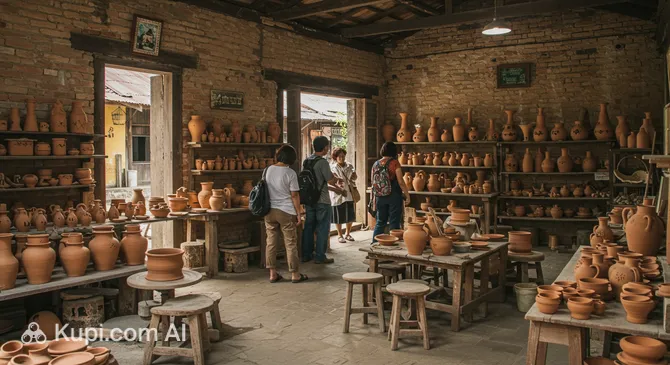
For a unique keepsake that showcases the city's industrial heritage, a visit to the Pagburnayan district is essential. This area is famous for the production of Burnay, or earthen jars, which are crafted using pre-colonial methods. At the Vigan Jar Factory, you can not only buy these rustic jars—ranging from small decorative pieces to massive garden pots—but also watch the potters skillfully mold the local clay by hand and wheel. These jars are traditionally used for fermenting fish paste and vinegar, making them a symbol of Ilocano culinary culture.

Vigan Jar Factory. Source: Kupi.Binoculars

No trip to Vigan is complete without shopping for pasalubong (food souvenirs). The Vigan Public Market is the best place to find authentic local delicacies at local prices. Here, you can buy strings of the garlicky Vigan Longganisa and kilos of Bagnet (crispy pork belly) to cook at home. Another favorite snack to bring back is Chichacorn, a crunchy corn snack that comes in various flavors like garlic, cheese, and barbecue. For those with a sweet tooth, boxes of Royal Bibingka—a chewy, cheesy rice cake—are a must-buy.

Beyond crafts and food, the city is also renowned for its furniture industry. The skill of Ilocano woodworkers is evident in the beautifully carved furniture sold in various shops around the city center. Whether you are looking for a small wooden statuette or a grand rocking chair made from high-quality hardwood, the craftsmanship found in Vigan is among the finest in the country.

Reached the end of the page?

That means the route is fully explored