Support

Santa Maria

About

Santa Maria is a vibrant and rapidly growing municipality located in the province of Bulacan. Known for its dynamic economy and rich cultural heritage, it offers a unique blend of urban convenience and provincial charm, making it an interesting stop for travelers exploring the Philippines. As part of the Greater Manila Area, the town serves as a bustling gateway to the northern provinces of the country.
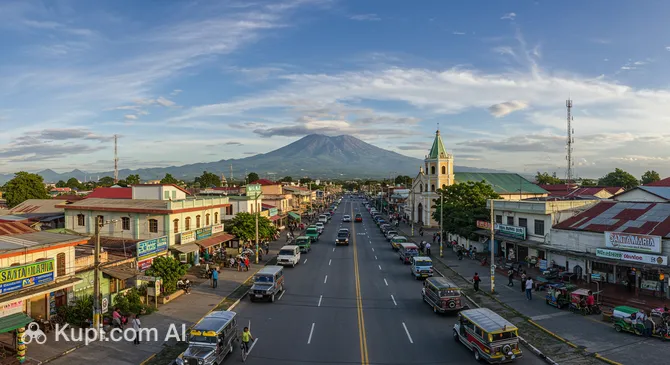
Santa Maria. Source: Kupi.Binoculars

Geographically, Santa Maria is situated on the banks of the Santa Maria River and enjoys a tropical climate typical of Central Luzon. With a population of approximately 290,000 residents, it is one of the most populous and thriving towns in the region. Its strategic location makes it easily accessible from the capital, contributing to its lively atmosphere and continuous development.

The town has deep roots that date back to the Spanish colonial era. Visitors interested in the past can explore the fascinating history of Santa Maria through its enduring landmarks. A centerpiece of local heritage is the La Purisima Concepcion Parish, a beautiful church founded by Franciscan friars that stands as a testament to the town's long-standing religious traditions.

For many tourists, Santa Maria is synonymous with its culinary fame as the "Chicharon Capital" of the country. The local industry produces high-quality pork cracklings that are a must-try delicacy for any visitor. Additionally, the town is home to a portion of the Philippine Arena, the world's largest mixed-use indoor theater, which attracts massive crowds for international concerts and major events.

Whether you are visiting to taste the famous local snacks, attend a world-class event, or appreciate historical architecture, Santa Maria welcomes you with warm hospitality. It is a destination that perfectly captures the energetic spirit of Bulacan.

Weather Overview

Santa Maria experiences a tropical climate characterized by consistently warm temperatures and distinct wet and dry seasons. Travelers planning a trip can generally expect pleasant warmth throughout the year, with average monthly temperatures ranging from approximately 25°C to 30°C. The coolest months are typically January and February, offering comfortable conditions for exploring the town.

For a more detailed forecast, it is helpful to check the weather in Santa Maria before your arrival. The dry season usually spans from January to April, with March and April being the hottest months, where maximum temperatures can reach up to 33°C. In contrast, the period from June to October brings frequent rainfall, with July and August seeing rain on almost every day of the month, although the air remains warm and humid.

Interesting Facts

Beyond its reputation as a bustling suburban hub, Santa Maria holds a treasure trove of cultural history and curious nicknames that few visitors know about. From being a cradle of legendary Filipino artists to its surprising agricultural past, the town offers fascinating stories waiting to be discovered.
  • A Haven for Artistic Giants: Santa Maria is the proud hometown of two titans of Philippine arts. It was the stomping ground of Jose Corazon de Jesus, also known as "Huseng Batute," the legendary "King of Balagtasan" and lyricist of the patriotic anthem Bayan Ko. Furthermore, it is the birthplace of Francisco Santiago, the celebrated "Father of Kundiman Art Song," making the town a significant, though often overlooked, center of Filipino musical and literary heritage.

  • The Former "Egg Basket": Long before it became famous as the "Chicharon Capital," Santa Maria was known as the "Egg Basket of the Philippines." This title was largely due to the efforts of a former mayor, Dr. Teofilo Santiago, who was affectionately dubbed "Dr. Kamoteng Kahoy" (Dr. Cassava) for his unique campaign to promote poultry raising and cassava planting as a means of food security during challenging times.

  • A Festival of Crunch: The town takes its title as the "Chicharon Capital" seriously, celebrating it with an annual Chicharon Festival every February. During this event, local culinary creativity shines as chefs and residents present wild innovations, incorporating the crunchy pork cracklings into unexpected dishes like kare-kare, pizza toppings, and even experimental desserts.

  • The "Blacksmith" Connection: In its early history, the town was known as Santa Maria de Pandi. The suffix "Pandi" is believed to be derived from the Kapampangan word pande, meaning "blacksmith," suggesting that the area was once a hub for metalworkers and industrious tradesmen before it was officially established as an independent municipality by Franciscan friars in 1793.

How to Get There

Reaching this bustling municipality in Bulacan is relatively straightforward due to its proximity to the National Capital Region. Visitors typically arrive via the major road networks connecting Central Luzon to Metro Manila. For those traveling from further away or overseas, the journey usually begins at one of the region's major aviation hubs, followed by a land transfer. You can find more detailed information and specific directions on how to get to Santa Maria to plan your route effectively.

The city of Santa Maria does not have its own airport, but it is conveniently located near the country's primary gateway. The closest and most significant option is the Ninoy Aquino International Airport (IATA: MNL), located in Manila. It sits approximately 38 km away from the town center. Depending on traffic conditions, a taxi or private car ride from here typically takes around 1 hour and 20 minutes. As the main international hub, it handles a massive volume of passengers and offers connections to destinations worldwide.

Another viable option, especially for those exploring the northern parts of Luzon, is the Clark International Airport (IATA: CRK). Situated in Angeles City, roughly 59 km from Santa Maria, this airport serves as a less congested alternative. The travel time by road from Clark is approximately 1 hour and 50 minutes. It is a modern facility that accommodates both international and domestic flights, making it a strategic entry point for travelers avoiding the heavy traffic of Manila.

For clarity, here is a summary of the main airports:

Airport Name City Passenger Traffic Km from City
Ninoy Aquino International AirportManilaVery High38.0
Clark International AirportAngeles CityMedium58.7
Naga AirportPiliLow283.9

Currently, there is no active railway station serving Santa Maria directly. The most common method of public transport for reaching the town is by bus or jeepney. Several bus lines operate from Metro Manila with routes passing through or terminating in Santa Maria, typically utilizing the North Luzon Expressway (NLEX). Travelers are advised to check local bus schedules from terminals in Cubao or Divisoria for the most direct connections.

Main Attractions

Santa Maria offers a delightful mix of historical landmarks, modern entertainment venues, and relaxing resorts, making it a diverse destination for travelers. From centuries-old religious sites to record-breaking architectural marvels, the town provides interesting stops for those exploring the province of Bulacan.

One of the most significant historical sites is the La Purisima Concepcion Parish Church. Founded by Franciscan friars in the late 18th century, this church is a stunning example of colonial baroque architecture. It is not only a place of worship but also a cultural cornerstone, having survived wars and earthquakes. Tourists visit to admire its intricate facade and to experience the peaceful atmosphere that reflects the town's deep religious roots.

For a taste of modern grandeur, the Philippine Arena is a must-see landmark. Recognized as the world's largest mixed-use indoor theater, this massive structure dominates the landscape near the border with Bocaue. It hosts major international concerts, sports competitions, and religious gatherings. Even when there are no events, the sheer scale and futuristic design of the arena make it an impressive sight for visitors passing through the area.

Travelers looking for leisure and family fun often head to the Sitio Lucia Resort. This resort is famous for its unique "Jurassic" theme, featuring large, lifelike dinosaur sculptures scattered throughout the property. It offers multiple swimming pools and lush gardens, providing a playful and refreshing escape from the city heat, which is particularly popular among families with children.

Another excellent spot for relaxation is the 4K Garden Resort. This facility is well-regarded for its clean amenities and inviting swimming pools. It serves as a great venue for day trips and group gatherings, offering a comfortable environment to unwind. With its well-maintained grounds and recreational facilities, it highlights the local hospitality and the town's growing reputation as a leisure destination near Metro Manila.

Local Cuisine

Santa Maria is unequivocally defined by its title as the "Chicharon Capital" of the Philippines. A trip here is incomplete without tasting the town's signature Chicharon (pork cracklings). Unlike generic varieties found elsewhere, the local version is celebrated for its exceptional crunch and quality. Visitors can choose from various types, including chicharon laman (with savory meat attached) or the lighter, airy skin-only version. It is best enjoyed dipped in spicy vinegar with garlic to cut through the richness.

Beyond the savory cracklings, the town shares the province of Bulacan's reputation for exquisite sweets and native delicacies. You should look for authentic Pastillas de leche, soft milk candies traditionally made from fresh carabao milk, which are creamy and melt in your mouth. Another local favorite is Ensaymada, a fluffy brioche topped with butter, sugar, and generous amounts of cheese. These treats are often sold in "pasalubong" centers, intended to be brought home as gifts for family and friends.

To wash down the rich flavors, locals often enjoy refreshing tropical drinks. Sago't Gulaman, a sweet, ice-cold beverage made with brown sugar syrup, tapioca pearls, and jelly, is a popular choice to beat the midday heat. Fresh Buko juice (coconut water) is also widely available from roadside stalls. For those looking for something stronger in the evenings, ice-cold beer is the standard social drink, reflecting the laid-back and convivial nature of the residents.

The food culture in Santa Maria is a vibrant mix of bustling street vibes and family-oriented dining. The streets are frequently lined with vendors selling freshly fried snacks and barbecue, creating an aromatic atmosphere in the late afternoons. While there are modern establishments, the heart of the culinary scene lies in the local karinderyas (eateries) and specialty shops dedicated to pork products. It is a place where food is unpretentious, hearty, and deeply rooted in the agricultural history of the region.

Travel Tips

To ensure your visit to Santa Maria is as smooth as it is enjoyable, we have compiled a set of practical guidelines to help you prepare. These tips are designed to help you navigate the local lifestyle, from getting around the busy streets to engaging respectfully with the friendly residents of Bulacan.

  1. Clothing and Gear: Given the tropical climate, pack light, breathable fabrics like cotton or linen to stay cool in the heat. A sturdy umbrella is an essential accessory, protecting you from both the intense midday sun and sudden rain showers. If you plan to visit religious sites like the La Purisima Concepcion Parish, remember to dress modestly; sleeveless tops and short skirts or shorts are generally discouraged inside the church.
  2. Transportation: The most common way to get around the town center and nearby barangays is by tricycle. These motorized sidecars are agile and plentiful, but you should agree on the fare before starting your journey if it’s a "special" (private) trip. For travel along the main highways or to neighboring towns, colorful jeepneys are the standard and affordable option. Ride-hailing apps like Grab may have limited availability compared to Metro Manila, so do not rely on them exclusively.
  3. Finances: The local currency is the Philippine Peso (PHP). While major fast-food chains and supermarkets in the town proper accept credit cards, cash is king in Santa Maria. You will need small bills and coins for tricycle fares, local eateries, and buying chicharon from roadside vendors. ATMs are widely available in the Poblacion (town center) area, particularly near the municipal hall and public market.
  4. Health and Safety: Santa Maria is generally a safe place for travelers, but it is wise to practice standard precautions like keeping an eye on your belongings in crowded market areas. Pharmacies such as Mercury Drug and Watsons are easy to find in the town center for any medical necessities. Always stick to bottled or purified water to avoid stomach issues, as tap water is not potable.
  5. Communication: The primary language is Tagalog, but English is widely understood and spoken, especially in businesses and by younger generations. You will have no trouble communicating basic needs. For mobile data, you can easily purchase a prepaid SIM card (Globe or Smart) at ubiquitous convenience stores like 7-Eleven or local loading stations to stay connected.
  6. Local Etiquette: Filipinos are known for their warmth, and a smile goes a long way. When speaking with locals, especially those older than you, it is polite to use the words "po" and "opo" to show respect. If you are invited to a local's home, it is customary to take off your shoes at the door unless told otherwise.
  7. What to Avoid: Avoid losing your temper or raising your voice in public. Public displays of anger are considered culturally offensive and cause a "loss of face" for everyone involved. It is always better to handle frustrations or misunderstandings with patience and a calm demeanor.
  8. Shopping Tip: Since you are in the "Chicharon Capital," buying pork cracklings is a must. For the freshest quality, ask locals for their recommended pasalubong centers or buy directly from established factories rather than generic stalls. Be mindful that chicharon is fragile; if you are packing it in your luggage, use a hard container to prevent it from being crushed.

By keeping these practicalities in mind, you can focus less on logistics and more on soaking up the local culture and flavors. Santa Maria is a welcoming community, and a little preparation will ensure you have a hassle-free and memorable experience in this bustling Bulacan town.

Entertainment & Nightlife

Nightlife in Santa Maria is characterized by a laid-back and convivial atmosphere, distinct from the high-energy clubbing scenes of major metropolises. The town's evening entertainment revolves primarily around "chillnuman"—a local term for relaxing drinking sessions accompanied by good food and music. Instead of flashy discotheques, you will find a variety of open-air grills, cozy restobars, and KTV (karaoke) venues where friends and families gather to unwind after a long day.

The most bustling areas for evening activities are typically found within the Poblacion (town center) and along the Santa Maria Bypass Road. These districts are lined with establishments that come alive as the sun sets, offering everything from live acoustic bands to hearty servings of pulutan (bar chow). The crowd is generally local and welcoming, creating a safe and friendly environment for visitors to experience the authentic provincial vibe of Bulacan.

For those looking to experience the local scene, Pepper's Grill is a popular choice known for its vibrant setting and delicious grilled specialties. Another excellent spot is Ysmael Kitchen x Bar x Café, which offers a more modern ambiance suitable for both dining and casual drinking. If you prefer a place with a rustic charm, Villa Celene Resto Bar provides a relaxing backdrop for enjoying cold beverages and conversations. Most of these venues operate until around midnight or 1:00 AM, especially on weekends.

When planning a night out, Friday and Saturday evenings are naturally the liveliest times to visit. The dress code is almost exclusively casual; shorts, t-shirts, and sandals are perfectly acceptable in most bars and grills. Prices are very affordable compared to Metro Manila, with a bucket of beer and a platter of food costing significantly less. It is highly recommended to carry cash, as many smaller establishments may not accept credit cards.

Safety in Santa Maria is generally good, and the town is considered safe for night walks in well-lit, populated areas. However, standard travel precautions should always be observed. Public transportation at night relies heavily on tricycles, which are readily available near major establishments. Ride-hailing apps can be unreliable late at night in this area, so it is wise to arrange your transport in advance or get the contact number of a trusted tricycle driver if you plan to stay out late.

Beyond the nightlife, the town offers modest daytime entertainment options. Movie buffs can catch the latest blockbusters at the cinemas in Walter Mart Santa Maria, which provide a comfortable and modern viewing experience. While the town lacks large amusement parks, the nearby resorts and the massive Philippine Arena on the outskirts occasionally host daytime events and conventions that draw visitors from all over the region.

Parks & Museums

While Santa Maria is rapidly urbanizing, it retains charming pockets of greenery and living history that offer a refreshing break from the bustling town center. The municipality does not rely on vast traditional museums but rather wears its heritage on its sleeve, with historical markers and religious sites serving as open-air galleries that tell the story of its illustrious past. Visitors can expect a blend of community-focused parks and significant architectural landmarks that reflect the soul of Bulacan.

Ricardo Nicolas Park, often referred to as the town plaza, serves as the beating heart of the local community. Located near the municipal hall, this green space is lined with lush shade trees and features paved pathways perfect for leisurely afternoon strolls. It is a family-friendly destination equipped with a playground where children can run freely, while adults enjoy the cool breeze. In the evenings, especially during the holiday season, the park transforms into a vibrant spectacle adorned with twinkling lights, making it a favorite spot for locals to gather and unwind.

For those seeking a more spiritual connection with nature, the Grotto of Our Lady of Lourdes offers a serene escape. This quiet sanctuary is designed for reflection and prayer, surrounded by well-maintained gardens that provide a peaceful contrast to the town's busy streets. It is a popular stop for pilgrims and tourists alike who wish to enjoy a moment of silence amidst verdant surroundings. Additionally, nature lovers often venture slightly further afield to the Bustos Dam and Eco Park, a shared treasure of the region that offers picturesque views of the water and ample space for picnics and outdoor recreation.

Santa Maria may not have a large, centralized museum, but its rich history is immortalized through significant landmarks and shrines. The La Purisima Concepcion Parish Church stands as the town's most impressive historical repository. Recognized as a National Historical Landmark, this 18th-century baroque structure is a masterpiece of colonial architecture. Its weathered stone facade and intricate interiors function as a living museum, preserving centuries of religious art and community resilience against wars and natural calamities.

Art and history enthusiasts will find great interest in the town's "open-air" historical tributes located around the plaza area. Santa Maria is the hometown of two giants of Philippine culture, and their legacies are honored with prominent historical markers. Visitors can visit the monuments dedicated to Jose Corazon de Jesus (Huseng Batute), the legendary poet and "King of Balagtasan," and Francisco Santiago, the renowned "Father of Kundiman Art Song." These sites offer a glimpse into the town's golden era of arts and literature, serving as educational stops for those keen on Filipino heritage.

For a truly authentic experience, try to visit during February to catch the Grand Marian Exhibit, often held in the church or nearby halls. This seasonal event showcases a stunning collection of religious statues and iconography, reflecting the deep devotion of the townspeople. It provides a rare opportunity to see intricate local craftsmanship up close, which is otherwise kept in private collections throughout the year.

Getting Around

The public transport system in Santa Maria is predominantly road-based, offering an authentic and immersive experience of local life. Unlike major metropolises that rely heavily on rail networks, this town operates on a hierarchy of vehicles perfectly suited to its suburban layout. The most iconic and ubiquitous mode of transport is the jeepney, which serves as the primary means for moving between barangays and neighboring towns along major thoroughfares. These open-air vehicles are the backbone of the daily commute, running frequently along fixed routes.

For short distances and navigating the narrower streets of residential subdivisions where jeepneys do not venture, tricycles are the undisputed kings of the road. These motorcycles with attached sidecars are plentiful and operate somewhat like affordable taxis for short hops. They are often found waiting at designated terminals near markets, shopping malls, and street corners, ready to take passengers directly to their doorsteps. They can be hired for a "special" trip (private ride) or a shared ride with other passengers for a lower fare.

For longer journeys, particularly for those heading towards the metropolitan capital or other parts of the province, buses and UV Express vans are the standard choices. Several bus terminals are located within the town proper, offering comfortable, air-conditioned rides that typically utilize the nearby expressways for faster travel. UV Express vans act as shared taxis, providing a point-to-point service that is generally faster than buses and highly popular among daily commuters looking for efficiency.

The payment system in Santa Maria is refreshingly simple and traditional: cash is king. There are no complex zone maps, ticket machines, or electronic travel cards required for local transit within the town. Passengers pay the driver directly or pass their fare down the line of passengers in a jeepney. It is crucial for tourists to carry smaller denominations of the local currency, specifically coins and small bills, as drivers often struggle to break large banknotes for short trips. Fares are fixed based on distance and are very affordable.

Navigating the system is straightforward once you know the local etiquette. To catch a jeepney or bus, you generally just need to stand by the side of the road and wave your hand to flag one down, although using designated stops is safer and encouraged in busy areas. When you are ready to disembark, a loud and clear "Para po!" (Please stop!) signals the driver to pull over. Transport services start very early in the morning, often before dawn, and run until late at night, though the frequency of jeepneys decreases significantly after 10:00 PM.

While the traditional systems are efficient, modern alternatives like ride-hailing apps are present but can be less reliable than in the main capital region. Grab and similar car-booking services can sometimes be accessed, but availability may be limited depending on the time of day and exact location. Taxis are not commonly seen roaming the streets for hailing; they are usually found at specific stands or must be booked in advance. Consequently, most visitors find that a combination of walking within the compact town center and using tricycles is the most practical way to get around.

A unique feature of the local transport scene is the aesthetic of the jeepney itself. Often painted with vibrant colors, adorned with eclectic decorations, and blasting upbeat music, these vehicles are more than just utility; they are moving pieces of folk art. Riding one offers a breezy journey that provides an unfiltered look at the local street life, making even a short commute an interesting cultural encounter that you won't find in many other parts of the world.

Accommodation

Where to Stay:

Accommodation in Santa Maria differs from the high-rise hotel landscape of major metropolitan cities. The town primarily offers resort-style accommodations, small inns, and budget-friendly hotels. You will not find international luxury chains here; instead, the options are geared towards domestic travelers, families looking for weekend leisure getaways, and visitors needing practical, short-term lodging.

For those prioritizing convenience and accessibility, the Poblacion (town center) and the areas along the Santa Maria Bypass Road are the most strategic locations. Staying in these zones places you within walking distance of fast-food chains, local markets, and public transport terminals. Conversely, travelers seeking a more relaxing environment often choose properties located in the outer barangays, such as Pulong Buhangin, where the town's larger garden resorts and event venues are situated.

Many visitors choose to stay at local resorts that offer overnight facilities. Sitio Lucia Resort is a well-known establishment that combines leisure with accommodation, offering hotel rooms and dormitories alongside its famous dinosaur-themed park and swimming pools. Another popular option is 4K Garden Resort, which provides comfortable rooms and cottages, making it an excellent choice for guests who wish to combine their stay with recreational activities like swimming.

Booking Tip: If you plan to visit during the dry summer months (March to May) or the December holiday season, it is highly recommended to book your room in advance. These are peak times for local tourism, and resort accommodations often reach full capacity due to family reunions and company outings.

In terms of pricing, Santa Maria is generally very affordable, with most options falling into the budget to mid-range category. While some of the larger resorts may be listed on major online booking aggregators, many smaller inns and local establishments still rely on direct bookings through phone calls or social media pages. Travelers should also be prepared to pay in cash, as credit card terminals may not be available at all front desks.

Nearby Cities

For those looking to explore the surroundings, Santa Maria serves as an excellent base for day trips to several interesting nearby locations:

Just a short distance away lies Marilao, a municipality that draws thousands of visitors primarily for its religious significance. It is home to the National Shrine of the Divine Mercy, a major pilgrimage site known for its peaceful atmosphere and beautiful architecture. For travelers interested in spiritual retreats or simply admiring local religious heritage, Marilao offers a serene escape within minutes of Santa Maria.

Another noteworthy destination is San Jose del Monte, often referred to as the "Balcony of the Metropolis." This city offers a blend of suburban development and scenic landscapes, sitting on the foothills of the Sierra Madre mountain range. It is famous for its own Grotto of Our Lady of Lourdes, which is a replica of the one in France, and provides visitors with cooler air and elevated views of the surrounding province.

For those willing to venture slightly further into the urban hustle, Valenzuela serves as a vibrant gateway to Metro Manila. The city has developed impressive public spaces such as the Valenzuela City People’s Park, which is perfect for families. History buffs will also appreciate the Museo Valenzuela, which offers deep insights into the life of Dr. Pio Valenzuela and the revolutionary history of the region.

City Population Distance (km)
Caloocan 1,661,584 12
Valenzuela 714,978 16
San Jose del Monte 651,813 11
Marilao 254,453 9
Meycauayan 225,673 11

These nearby destinations offer a glimpse into the diverse culture and landscapes of the region.

Shopping & Souvenirs

Shopping in Santa Maria offers a delightful mix of modern convenience and traditional provincial charm. While the town is not known for high-end luxury fashion or sprawling mega-malls, it provides an authentic glimpse into the daily life of Bulacan. The retail scene here is practical and vibrant, focused largely on community needs, local craftsmanship, and, most notably, its thriving food industry. Visitors will find that the best purchases are often edible, reflecting the town's reputation as a culinary hub within the province.

The commercial heart of the municipality lies in the Poblacion (town center). This area, particularly around the vicinity of the municipal hall and the public market, is a bustle of activity from dawn until dusk. The streets are lined with independent boutiques, textile shops, and general merchandise stores that sit side-by-side with fast-food chains. Walking through these busy thoroughfares allows tourists to experience the energetic local commerce, where bargaining is still a common practice in smaller stalls.

For a more comfortable and air-conditioned experience, Walter Mart Santa Maria is the primary shopping destination. Located along the main highway, this community mall serves as a one-stop shop for residents and visitors alike. It houses a supermarket, a department store for clothing and essentials, various dining outlets, and a cinema. It is a convenient place to restock on travel supplies or enjoy a break from the tropical heat while browsing for standard retail goods.

To see the town's trade in its rawest form, a visit to the Santa Maria Public Market is essential. This is where the local agricultural bounty comes to life. It is a wet and dry market where vendors sell fresh produce, meats, and household items. For tourists, the dry goods section is particularly interesting for finding affordable clothing, footwear, and local handicrafts. The atmosphere is loud and lively, offering a sensory experience that contrasts sharply with the quiet order of the malls.

When it comes to souvenirs, Santa Maria is synonymous with Chicharon (pork cracklings). You cannot leave the town without buying several packs of this famous delicacy. There are numerous specialty stores and "pasalubong" centers dedicated entirely to pork products, offering varieties ranging from the classic skin-only crunch to the savory "back fat" version. Apart from chicharon, look for boxes of pastillas de leche (milk candies) and fluffy ensaymada, which are popular sweet treats to bring back home.

Most shopping establishments, particularly malls and supermarkets, operate from around 10:00 AM to 9:00 PM. However, the public market starts much earlier, with activity peaking in the morning hours. While the mall and larger chain stores accept major credit cards, cash is the preferred mode of payment in the public market, tricycle terminals, and smaller souvenir shops. Tourists are advised to carry smaller denominations of Philippine Pesos for smoother transactions. Regarding tax-free shopping, this service is generally not available in the local establishments of Santa Maria, as it is typically reserved for major duty-free zones and participating international retailers in the capital.

Reached the end of the page?

That means the route is fully explored