Support

Del Carmen

About

Welcome to Del Carmen, a captivating municipality located on the western coast of Siargao Island. Known for its serene atmosphere and commitment to eco-tourism, this town offers a peaceful retreat for travelers seeking to connect with nature. It is situated in the province of Surigao del Norte in the Philippines and serves as a vital gateway to some of the region's most pristine aquatic environments.

Geographically, Del Carmen is defined by its vast coastal wetlands and rolling hills. With a population of approximately 20,000 residents, it maintains a friendly, small-town charm while accommodating a growing number of visitors. The climate is tropical, making it a lush destination year-round, though it is best enjoyed during the dry season when the waters are calm and clear.
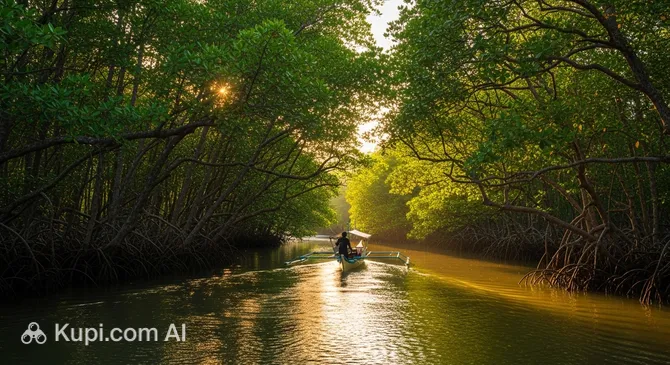
Del Carmen. Source: Kupi.Binoculars

The town is not only rich in natural resources but also in heritage. It is one of the oldest settlements on the island, founded in the early 17th century. Visitors interested in the past can explore the history of Del Carmen, formerly known as Numancia, to learn about its significance as a religious and administrative center during the Spanish colonial era.

Today, the area is most famous for the Del Carmen Mangrove Reserve, which boasts one of the largest contiguous blocks of mangrove forests in the country. This ecological treasure protects the coast and provides a habitat for diverse wildlife. Another unmissable attraction is the stunning Sugba Lagoon, a labyrinth of emerald waters surrounded by limestone cliffs, where guests can enjoy paddleboarding, swimming, and diving in a truly surreal setting.

Whether you are navigating the winding river channels or relaxing by the lagoon, Del Carmen promises a refreshing escape from the busier tourist spots. It is an essential stop for anyone wishing to experience the raw, preserved beauty of Siargao Island.

Weather Overview

Travelers visiting this part of Siargao Island can expect a tropical climate that remains warm and humid throughout the year. For a more detailed forecast to help plan your daily activities, you can consult the guide to the weather in Del Carmen. The consistent temperatures make it a year-round destination, although being prepared for frequent showers is advisable.

The heat is quite stable, with average monthly temperatures staying within a comfortable range of 26°C to 28°C. August is typically the warmest month, seeing averages around 27.9°C and highs reaching up to 29°C. Even during the slightly cooler months like February, the average temperature rarely dips below 26.2°C, ensuring that the water remains inviting for swimming and lagoon tours at any time.

Rainfall patterns here are characterized by a high frequency of wet days rather than heavy downpours. Data indicates that rain occurs on 21 to 30 days per month, with December and January being the wettest periods. Despite the frequency, the precipitation often comes in short bursts, keeping the surrounding mangroves lush and vibrant without necessarily washing out an entire day of exploration.

Interesting Facts

Beyond the main attractions and scenic boat rides, Del Carmen holds fascinating secrets that reveal its importance to the entire island of Siargao. Here are some unique insights into this historic and ecological gem.

  • The Island's True Gateway: Many travelers assume the airport is near the popular surfing spots, but Sayak Airport is actually located in Del Carmen. This means that practically every visitor to Siargao starts and ends their journey in this municipality, often without realizing it.

  • Ancient Roots: Del Carmen is home to the oldest parish on Siargao Island. Long before the region became a global tourism destination, this town served as the primary center of faith and administration during the Spanish colonial period, originally established by Jesuit missionaries.

  • Hidden Inhabitants: The sprawling mangrove forest, one of the largest in the country, is a protected habitat for the Saltwater Crocodile. While these creatures are elusive and rarely seen by tourists, their presence is a testament to the pristine and healthy state of this massive wetland ecosystem.

How to Get There

Reaching this tropical haven is quite straightforward, primarily due to the presence of a local airport that serves the entire island. For a detailed breakdown of routes, schedules, and transport tips, you can check all ways to reach the city to plan your journey effectively.

The most convenient entry point is Sayak Airport (Siargao) (IAO), which is strategically located within the municipality of Del Carmen itself. It is the main gateway for tourists visiting Siargao Island, connecting it to major hubs like Manila and Cebu. Since the airport is situated just about 4.2 km from the town center, the transfer is quick and easy; a ride by van or tricycle typically takes around 25 minutes. This accessibility makes Del Carmen an ideal starting point for your island adventure.

For travelers exploring the wider region, Surigao Airport (SUG) in Surigao City is another option, located approximately 56 km away. However, please note that Surigao City is on a different island, so arriving there requires a subsequent ferry ride to reach Siargao. Similarly, Butuan Airport (BXU) in Butuan serves as a significant regional hub on the mainland, about 116 km away, offering connections for those traveling through Northern Mindanao before catching a ferry to the island.

For clarity, here is a summary of the main airports:

Airport Name City Passenger Traffic Km from City
Sayak Airport (Siargao) Del Carmen Medium 4.2
Surigao Airport Surigao Small 56.2
Butuan Airport Butuan Medium 116.1
Mambajao Mambajao Small 155.8
D. Z. Romualdez Airport Tacloban Large 182.4

Main Attractions

Del Carmen is a treasure trove of natural wonders and historical landmarks, offering visitors a perfect blend of adventure and culture. While it is often the entry point to Siargao, the town itself holds some of the island's most spectacular sights that warrant a dedicated day of exploration.

Sugba Lagoon is undoubtedly the crown jewel of the municipality. Tucked away amidst a maze of mangroves and limestone cliffs, this secluded lagoon features mesmerizing emerald-green waters that are calm and perfect for swimming. A two-story pontoon house serves as the main docking area, where visitors can rent paddleboards, kayaks, or test their courage by jumping off the famous diving board. The journey to the lagoon is an attraction in itself, requiring a scenic boat ride through the winding waterways.

For nature enthusiasts, the Del Carmen Mangrove Reserve offers an immersive eco-tourism experience. Spanning thousands of hectares, it is one of the largest contiguous mangrove forests in the Philippines. Guided boat tours allow travelers to glide silently through the brackish waters, observing the complex root systems and the diverse birdlife that calls this habitat home. It is a peaceful escape that highlights the importance of environmental conservation in the region.

Just a short boat ride from the lagoon lies Kawhagan Island, a pristine sandbar that offers a stark contrast to the lush greenery of the mangroves. This small, uninhabited island is fringed with coconut trees and features powdery white sand meeting crystal-clear waters. It is a popular stop for lunch picnics and sunbathing, often included as part of the island-hopping itinerary in Del Carmen.

Those interested in heritage should visit the Our Lady of Mount Carmel Parish. As the site of one of the oldest settlements on Siargao, the church stands as a testament to the town's rich colonial history. The structure and its grounds provide a quiet space for reflection and offer a glimpse into the religious past of the municipality, which was formerly known as Numancia.

Local Cuisine

The culinary scene in Del Carmen is a direct reflection of its rich coastal environment, offering a gastronomic experience that is fresh, simple, and deeply connected to the sea. Unlike the bustling restaurant strips found elsewhere on the island, the food culture here is more traditional and community-oriented, focusing on the bounty provided by the town’s expansive mangrove forests and fertile waters.

The undisputed star of the local menu is the Mangrove Crab (alimango). Thanks to the vast mangrove reserves surrounding the municipality, these crabs are abundant and renowned for their impressive size and sweet meat. A must-try dish is Ginataang Alimango, where the crab is stewed in rich, creamy coconut milk with spices and local vegetables. Another staple is Kinilaw, the Filipino version of ceviche, prepared with the freshest catch of the day—usually tanigue or tuna—marinated in vinegar, calamansi, ginger, and chili peppers.

To complement the savory seafood, locals and visitors alike turn to refreshing tropical drinks. Fresh Buko (coconut water) is available everywhere and is the perfect way to hydrate after a boat tour. For those looking to try something with a bit of a kick, ask for Tuba, a traditional fermented coconut wine that is widely consumed in the rural provinces. It has a unique, slightly sweet and sour profile that offers a true taste of local life.

Dining in Del Carmen often happens outdoors or in casual settings. The public market near the wharf is a great place to see the day's catch and enjoy affordable street food snacks. However, the most memorable dining experiences usually occur during island-hopping tours. On stops like Kawhagan Island, boatmen often prepare a Boodle Fight—a communal feast served on banana leaves featuring grilled fish, pork liempo, rice, and fresh fruits—allowing you to enjoy a delicious meal with your hands while surrounded by nature.

Travel Tips

Preparing for a trip to Del Carmen requires a bit of planning to fully enjoy its natural splendor without hiccups. Here are some essential tips to help you navigate this serene municipality on Siargao Island with ease and confidence.

  1. Clothing and Gear: Light, breathable fabrics are best for the humid tropical climate. Since most activities involve water, bring aqua shoes to protect your feet from sharp rocks and corals. A dry bag is absolutely essential to keep your electronics and valuables safe during boat rides to the lagoon.
  2. Transportation: The most common way to get around the town is by tricycle or habal-habal (motorcycle taxi). If you prefer independence, renting a scooter is a popular option on Siargao, but ensure you have a valid driver's license and always wear a helmet while navigating the winding coastal roads.
  3. Finances: While there are a few ATMs in the area, they can sometimes be offline or out of cash. It is highly recommended to carry sufficient Philippine Pesos (PHP) in cash, especially small bills for tricycle fares, market snacks, and environmental fees. Credit cards are rarely accepted outside of major resorts.
  4. Health and Safety: Del Carmen is generally very safe, but standard travel precautions apply. Pharmacies are available in the town center but may close early, so bring a basic personal first-aid kit. Be sure to pack ample insect repellent to protect against mosquitoes, especially when exploring the mangrove forests.
  5. Communication: English is widely spoken and understood, so you will have no trouble communicating with locals. However, mobile data signals can be spotty in remote areas like Sugba Lagoon. Buying a local SIM card (Smart or Globe) at the airport is advisable for navigation and staying connected.
  6. Local Etiquette: The locals are warm and friendly, and a simple smile goes a long way. When visiting the town proper or the historic church, dress modestly; save the bikinis and shirtless look for the beach or lagoon to show respect for the local community standards.
  7. What to Avoid: Do not leave any trash behind, especially in the Mangrove Reserve or Sugba Lagoon. The municipality is strict about environmental conservation, and littering is considered highly disrespectful and can incur fines. Avoid single-use plastics whenever possible.
  8. Timing Tip: To make the most of your visit to Sugba Lagoon, try to arrive at the wharf as early as possible (around 7:00 AM). This allows you to enjoy the serenity of the emerald waters and take photos before the larger tour groups arrive later in the morning.

With these practical tips in mind, you are all set for an unforgettable adventure in Del Carmen. Embrace the laid-back island life, respect the pristine nature, and enjoy every moment of your journey in this beautiful corner of the Philippines.

Entertainment & Nightlife

Entertainment in Del Carmen is defined by its close relationship with nature and the local community rather than high-energy nightlife or commercial amusement parks. Visitors coming here should expect a laid-back atmosphere where the primary activities revolve around appreciating the serene environment, cultural immersion, and "slow travel" experiences that are distinct from the surfing crowds elsewhere on the island.

One of the most magical evening activities available in the area is firefly watching. The municipality's extensive mangrove forests, which are among the healthiest in the Philippines, provide the perfect habitat for these bioluminescent creatures. Guided boat tours usually head out just after sunset, allowing travelers to drift silently through the dark river channels illuminated only by thousands of flickering lights dancing among the trees. It is a tranquil and romantic experience that highlights the ecological richness of the town.

For those interested in local culture, the town fiesta is the highlight of the social calendar. Celebrated annually around July 16th in honor of Our Lady of Mount Carmel, this event transforms the usually quiet town into a vibrant hub of activity. The streets come alive with parades, traditional dances, and a "perya" (local fair) featuring carnival games and food stalls. It is the best time to witness the warm hospitality of the residents and enjoy the communal spirit that defines rural Filipino life.

Nightlife in Del Carmen is modest and centers around relaxation. Unlike the bustling bars of General Luna, the evening scene here typically involves a quiet dinner at a local eatery or hanging out at the municipal wharf to watch the sunset. However, like most towns in the country, the love for singing is strong. You can often find a local videoke (karaoke) machine at small canteens where you can join the locals for a song and a cold drink, offering a genuine slice of daily life in the province.

Shopping is generally limited to essentials and local produce, but a visit to the Del Carmen Public Market offers its own form of entertainment. Early mornings are bustling with activity as fishermen bring in their fresh catch and farmers sell tropical fruits. It is an excellent place to observe the local trade, try native snacks, and perhaps purchase simple souvenirs or dried seafood to take home.

Parks & Museums

Del Carmen offers a unique blend of ecological wonders and deep-rooted heritage, where the "parks" are often vast expanses of protected wetlands and the "museums" are living testaments to the town's history and conservation efforts. Visitors here will not find typical city gardens or large art galleries; instead, they will discover spaces that celebrate the magnificent mangrove forests and the legacy of one of the oldest settlements in the region.

Del Carmen Mangrove Boardwalk is the town's premier green space, functioning as an immersive nature park. This 1.8-kilometer elevated wooden path winds directly through the Philippines' largest contiguous mangrove forest. It allows visitors to walk amidst the ancient trees without disturbing the ecosystem, offering a peaceful setting for birdwatching and photography. The boardwalk is particularly magical during sunrise or sunset when the light filters through the dense canopy, highlighting the complex root systems that protect the island.

For a more community-centered experience, Marian Park serves as the central gathering spot in the town proper. Located near the municipal hall and the church, this modest plaza provides a breezy, open space where locals relax and children play. It is a great place to observe daily life in the province, often serving as the venue for town fiestas and cultural events, surrounded by the historic atmosphere of the old settlement.

Although technically a natural attraction, Sugba Lagoon functions as a vast aquatic park for adventure and relaxation. Enclosed by limestone hills that shield it from strong winds, the lagoon offers calm, emerald waters perfect for bamboo rafting and paddleboarding. It is a natural sanctuary where the "greenery" consists of lush cliffs plunging into the sea, providing a serene escape that feels worlds away from the busy surf spots of the island.

Mangrove Protection and Information Center (MPIC) acts as the town's primary educational museum. Dedicated to the conservation of the local environment, this facility showcases the importance of the mangrove ecosystem through various displays and educational materials. Its most famous exhibit is the preserved skeleton of a massive saltwater crocodile, which serves as a reminder of the rich and wild biodiversity that thrives in the surrounding wetlands. It is an essential stop for travelers wishing to understand the ecological significance of Del Carmen.

The Our Lady of Mount Carmel Parish and its grounds serve as an open-air historical museum. As the site of one of the oldest parishes in the region (formerly known as Numancia), the complex features remnants of Spanish-era architecture. Visitors can see blocks of limestone that were once part of the old fortifications used to defend against pirate raids centuries ago. The site offers a tangible connection to the colonial past and the resilience of the local community.

For a truly authentic experience, take a quiet morning walk along the Mangrove Boardwalk before the tour groups arrive. If you are lucky, you might spot endemic birds such as the Mindanao Hornbill in their natural habitat, offering a rare glimpse into the thriving wildlife that this town works so hard to protect.

Getting Around

Public transport in Del Carmen is informal and adapted to the rural, island setting, distinct from the complex systems found in major metropolitan areas. There are no metros, trams, or large city buses here. Instead, the primary mode of transportation for getting around the town center and nearby barangays is the tricycle. These are motorcycles with attached sidecars that can accommodate a few passengers and their luggage. They are readily available on the main streets and near the port area, serving as the most convenient way to travel short distances.

For longer journeys or travel to other municipalities on the island, the habal-habal (motorcycle taxi) is the most common option. These modified motorcycles can traverse rougher terrain and are faster than tricycles. For groups or those carrying more luggage, shared vans and multicabs ply the main circumferential road, connecting the town to the airport and other key destinations like Dapa and General Luna. While there are no designated bus stops, these vehicles can usually be flagged down along the highway.

The payment system is strictly cash-based. There are no travel cards, mobile apps, or electronic ticketing machines. Passengers pay the driver directly upon reaching their destination. Fares for tricycles within the town proper are generally low and fixed per person, while hiring a tricycle or habal-habal for a "special trip" (private charter) to a specific tourist spot requires negotiating the price beforehand. It is essential to carry Philippine Pesos in smaller denominations (coins and bills like 20s, 50s, and 100s), as drivers often do not have change for large bills.

Since Del Carmen is a gateway to marine sanctuaries, boats function as a vital form of public transport for island hopping and visiting the famous lagoon. Motorized outrigger boats, locally known as bancas, are stationed at the tourism wharf. These are typically rented for fixed rates regulated by the local tourism office rather than per-seat fares, so it is often more economical to travel as a group.

For tourists who prefer flexibility, motorbike and scooter rentals are the most popular alternative. Rental shops are available in the town and near the airport, allowing visitors to explore the coastal roads at their own pace. Taxis in the traditional sense (sedans with meters) are virtually non-existent; however, van transfers can be arranged through hotels or tour operators for a more comfortable, air-conditioned ride.

A practical tip for navigating the local transport is to always confirm the fare before starting your journey, especially with tricycles and habal-habals, to avoid misunderstandings. Transport services typically operate from early morning until sunset. After dark, finding a ride becomes significantly more difficult, so it is advisable to arrange evening transport in advance if you plan to stay out late.

Accommodation

Accommodation in Del Carmen is characterized by its simplicity, affordability, and close connection to the local community. Unlike the bustling tourist hub of General Luna on the other side of Siargao Island, this municipality offers a quieter, more authentic experience. The options here primarily consist of modest homestays, budget-friendly inns, and small eco-lodges that cater to travelers seeking a peaceful retreat rather than luxury resort amenities.

The most convenient area to stay is within the Poblacion (town center). staying here places you within walking distance of the municipal wharf, which is the jumping-off point for tours to the famous Sugba Lagoon and the Mangrove Reserve. This central location also offers easy access to the public market, the historic church, and local eateries, allowing visitors to immerse themselves in the daily life of the town without needing to rent a vehicle for basic errands.

Another strategic area for accommodation is the vicinity of Sayak Airport. Since the airport is located within the municipality's jurisdiction, there are several transit inns and guesthouses nearby. These are particularly practical for travelers with very early morning flights or those arriving late at night who prefer to rest immediately rather than traveling 45 minutes to the main tourist areas. While these spots are often basic, they offer unmatched convenience for transit purposes.

In terms of pricing, Del Carmen is generally more affordable than the popular surf spots on the island. Most accommodations fall into the budget to mid-range category. Travelers can find comfortable air-conditioned rooms or fan-cooled cottages at very reasonable rates. It is worth noting that high-end luxury resorts are not the norm here; the luxury lies in the silence of the mangroves and the hospitality of the hosts.

Booking Tip: While some of the larger inns are listed on major online booking platforms, many smaller homestays and local guesthouses operate informally or through social media pages. It is advisable to book your accommodation in advance, especially during the town fiesta in July or the peak summer months, as the limited number of rooms can fill up quickly. Additionally, always carry enough cash, as many smaller establishments may not accept credit cards.

Nearby Cities

For those looking to explore the surroundings, Del Carmen serves as an excellent base for day trips to several interesting nearby locations.

One of the most popular excursions from the municipality is to Socorro, located on the neighboring Bucas Grande Island. This area is famous for the Sohoton Cove National Park, a breathtaking labyrinth of limestone islets, caverns, and emerald waters. It offers a unique eco-adventure where visitors can swim with stingless jellyfish and explore hidden lagoons, making it a perfect complement to the nature-focused vibe of Del Carmen.

For travelers seeking a more urban experience or a gateway to further adventures, Surigao acts as the provincial capital and a vital transport hub. Known as the "City of Island Adventures," it provides access to a wider range of amenities, shopping, and historical sites. While it requires a ferry ride to reach, it serves as the connecting point to the mainland and other island groups in the region.

City Population Distance (km)
Surigao 171107 54
Loreto 43880 67
Socorro 41585 29
Basilisa 36911 47
Cantilan 34060 66

These nearby destinations offer a glimpse into the diverse culture and landscapes of the region, ranging from pristine protected reserves to bustling coastal cities.

Shopping & Souvenirs

Shopping in Del Carmen is a modest and authentic experience, quite different from the commercialized retail scenes found in larger cities or even the busier tourist hubs of Siargao. Visitors here should not expect sprawling shopping malls or luxury boutiques. Instead, the town offers a selection of small, locally-owned establishments that cater primarily to the daily needs of the community. The shopping atmosphere is laid-back, personal, and deeply connected to the town's identity as a fishing and agricultural municipality.

The main commercial activity is concentrated in the Poblacion, or the town center. Here, along the streets surrounding the municipal hall and the church, you will find a variety of "sari-sari" stores (small convenience shops), bakeries, and hardware stores. These establishments are the best places to purchase basic travel essentials, toiletries, snacks, and drinks. It is a functional shopping district where you can interact with friendly locals and observe the slow-paced rhythm of island life.

Travelers looking for large shopping complexes will find that there are no shopping malls in Del Carmen. The retail landscape is devoid of international chains or department stores. For those who require specialized gear, branded clothing, or extensive grocery options, it is advisable to bring these items with you before arriving. The nearest significant shopping centers are located in Surigao City on the mainland or, to a lesser extent, in the town of Dapa on Siargao Island, which has slightly larger grocery warehouses.

The heartbeat of the local trade is undoubtedly the Del Carmen Public Market. Located near the wharf, this market is bustling in the early morning hours. It is the go-to place for fresh produce, including tropical fruits like mangoes and bananas, as well as vegetables grown in the province. More importantly, it is the best spot to see the day's catch from the surrounding waters. Even if you are not planning to cook, a walk through the market offers a colorful glimpse into the local culinary culture.

When it comes to souvenirs, Del Carmen is famous for its food products rather than handicrafts. The town is renowned for its high-quality mud crabs (alimango) and other seafood harvested from the mangrove forests. While fresh crabs might be difficult to transport long distances, you can find dried fish and squid, which are popular pasalubong (gifts) for Filipino travelers. Additionally, small stalls near the tourism center or the wharf may sell simple items like T-shirts, keychains, and ref magnets featuring Siargao or the famous Sugba Lagoon.

Store hours in the municipality are generally limited. Most shops and market stalls open early, around 6:00 AM or 7:00 AM, and tend to close by sunset, around 6:00 PM to 7:00 PM. Only a few small convenience stores may remain open a bit later into the evening. It is best to complete any necessary purchases during the daylight hours.

Cash is king in Del Carmen. The vast majority of shops, market vendors, and eateries do not accept credit cards or digital payments. While there are a few ATMs in the town, they can occasionally be offline or out of cash. Therefore, it is highly recommended to carry sufficient Philippine Pesos in smaller denominations to cover your expenses. Tax-free shopping is not applicable in this small municipality, as it is typically reserved for major accredited retailers in large international airports or malls.

Reached the end of the page?

That means the route is fully explored