Support

Davao City

About

Davao City is often celebrated as the "Crown Jewel of Mindanao" and stands as one of the most significant urban centers in the Philippines. Known for its harmonious blend of modern urban amenities and breathtaking natural landscapes, this bustling metropolis offers a unique atmosphere that is both dynamic and relaxed. It serves as a major hub for commerce and tourism, attracting travelers who seek a safe and organized environment amidst the tropical beauty of the south.

Geographically, the city is located in the Davao Region and holds the distinction of being one of the largest cities in the world in terms of land area. With a population of over 1.7 million residents, it is a vibrant and diverse community. Visitors interested in the roots of this region can delve into the fascinating history of Davao City, which reveals a rich tapestry of indigenous cultures, colonial pasts, and modern development.
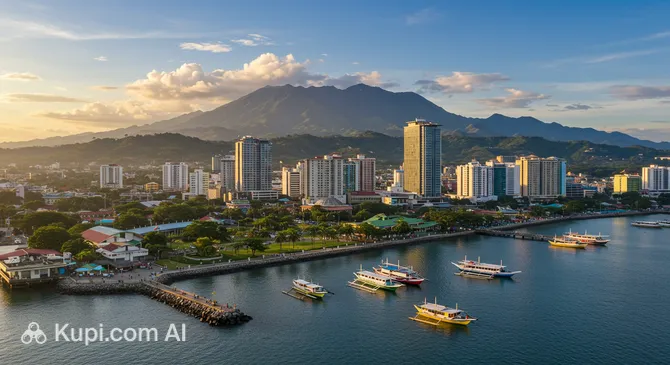
Davao City. Source: Kupi.Binoculars

The city is a gateway to remarkable outdoor adventures, most notably serving as the primary base for climbing Mount Apo, the country's highest peak. Nature enthusiasts should not miss the Philippine Eagle Center, a vital sanctuary dedicated to the conservation of the majestic national bird. Additionally, Davao is famous as the "Durian Capital," offering culinary adventurers the chance to taste this distinctive fruit fresh from the source.

Whether you are seeking thrilling eco-tourism experiences or a peaceful urban getaway, Davao City welcomes you with open arms. It is a destination that promises memorable encounters with nature, culture, and warm local hospitality, making it a must-visit spot on your travel itinerary.

Weather Overview

Davao City experiences a consistent tropical climate, ensuring warm and humid weather for travelers no matter when they visit. The average temperature remains steady throughout the year, generally ranging from 25.4°C in January to 27.0°C in May. Days are typically warm with highs peaking around 30.3°C in April, while evenings are milder, with minimum temperatures settling near 22.6°C during the cooler months.

Precipitation is a regular part of the local weather pattern, and visitors should be prepared for frequent showers. To help plan your activities around the rain, you can consult the detailed guide to the weather in Davao City. The period from June to October sees the highest frequency of precipitation, often recording up to 28 wet days per month. In contrast, March is typically the driest month, offering the lowest chance of rain with about 15 wet days.

Interesting Facts

Beyond the main attractions and bustling streets, Davao City holds many fascinating secrets that surprise even seasoned travelers. Here are some intriguing details that make this southern metropolis truly unique.
  • The city is geographically massive, ranking as one of the largest in the world by land area. Its territory is so expansive that it encompasses dense urban centers, agricultural plantations, and protected rainforests all within the same city limits.

  • Davao was the first city in Asia to implement a 911 emergency response system. Modeled after the version in the United States, this service provides free and immediate assistance, contributing significantly to the city's reputation for safety.

  • Hidden within the city is the D' Bone Collector Museum, an unusual educational facility founded by an American enthusiast. It houses over 700 specimens, including rare skeletal remains of whales and dolphins, making it one of the most comprehensive collections of its kind in the country.

  • The beloved People's Park is not just a green space but a cultural tribute, featuring gigantic sculptures by renowned Mindanaoan artist Kublai Millan. Interestingly, this vibrant 4-hectare park was transformed from an old, dilapidated sports ground into the lush tropical rainforest it is today.

  • Local tap water is widely celebrated for its quality and safety. Unlike many other tropical destinations, the city's water supply is tested to be potable and clean enough to drink directly from the faucet, a source of great pride for the locals.

People's Park. Source: Kupi.Binoculars

How to Get There

Reaching this major economic hub in Mindanao is convenient thanks to its well-connected transport infrastructure. Most travelers choose to arrive by air, but there are various routes depending on your starting point. You can find more about how to get to Davao City and plan your journey in detail.

The most direct way to arrive is via Francisco Bangoy International Airport (DVO), commonly known as Davao International Airport. It is the busiest airport in Mindanao and serves as the main gateway to the region. Located within Davao City itself, the airport is situated just 6.9 km from the city center. A taxi or transfer from the terminal to the downtown area typically takes approximately 30 minutes, ensuring a quick transition from your flight to your accommodation.

For those exploring the wider region, an alternative option is General Santos International Airport (GES), located in the city of General Santos. This airport is approximately 115 km away from Davao City. While it requires a longer transfer, the overland journey offers a chance to see the scenic landscapes of the south. Travel time by taxi or bus from General Santos to Davao City is estimated to be around 3 hours and 15 minutes.

For clarity, here is a summary of the main airports serving the region:

Airport Name City Passenger Traffic Km from City
Francisco Bangoy International Airport Davao City High 6.9
Laguindingan International Airport Cagayan de Oro Medium 212.5
General Santos International Airport General Santos Medium 114.8
Butuan Airport Butuan Small 208.2
Awang Airport Cotabato City Small 155.1

Main Attractions

For those looking to immerse themselves in the local culture and history, the Museo Dabawenyo is an essential stop. This museum offers a comprehensive look into the region's rich heritage, featuring galleries dedicated to the indigenous tribes of Davao, historical photographs, and local arts. It is widely praised for its informative displays and is an excellent starting point for understanding the diverse identity of the city.

Museo Dabawenyo. Source: Kupi.Binoculars

Nature lovers and families will find plenty of excitement at the Davao Crocodile Park. While the name suggests a focus on reptiles, this attraction is actually a diverse conservation center housing tigers, exotic birds, and butterflies. It provides an educational experience regarding wildlife preservation and offers entertaining shows that demonstrate the natural behaviors of the animals, making it a hit with visitors of all ages.

Davao Crocodile Park. Source: Kupi.Binoculars

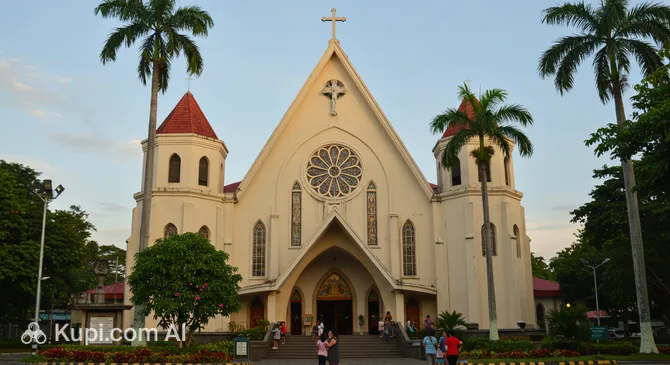
Another architectural and spiritual landmark is the San Pedro Metropolitan Cathedral. As the city's oldest church, it stands as a testament to the enduring faith of the community. Tourists are often drawn to its distinctive modern design, particularly the curved roof which is said to resemble the prow of a vinta, a traditional boat from Mindanao. It serves as a peaceful sanctuary amidst the busy city streets.

San Pedro Metropolitan Cathedral. Source: Kupi.Binoculars

Finally, to experience the local vibe and enjoy the sea breeze, a visit to Ramon Magsaysay Park is highly recommended. This coastal park is a favorite hangout spot for locals and is famous for the large statue of the former president. Just outside the park, you will find a row of fruit stands that are perfect for tasting Davao’s legendary durian, pomelo, and other tropical delights in an authentic setting.

Ramon Magsaysay Park. Source: Kupi.Binoculars

Local Cuisine

Davao City is a true paradise for food enthusiasts, particularly those who love fresh seafood and exotic fruits. As a coastal city, it is famous for its high-quality tuna, which serves as the foundation for one of its most iconic dishes, Kinilaw. This local version of ceviche features cubes of fresh raw tuna cured in vinegar and calamansi, often spiced with chilies, ginger, and onions. Another must-try delicacy is Sinuglaw, a mouthwatering fusion that combines the acidity of kinilaw with the smoky flavor of sinugba (grilled pork belly), creating a perfect balance of textures and tastes.

No culinary journey here is complete without experiencing the city's reputation as the "Fruit Basket of the Philippines." The polarizing Durian is the undisputed king here; while its strong scent is legendary, its custard-like flesh is creamy and sweet. For those who find the aroma too intense, the local Pomelo is a delightful alternative, known for its sweet, pink juicy pulp. These fruits are widely available at street stalls and markets throughout the city, often sold fresh or processed into candies and desserts.

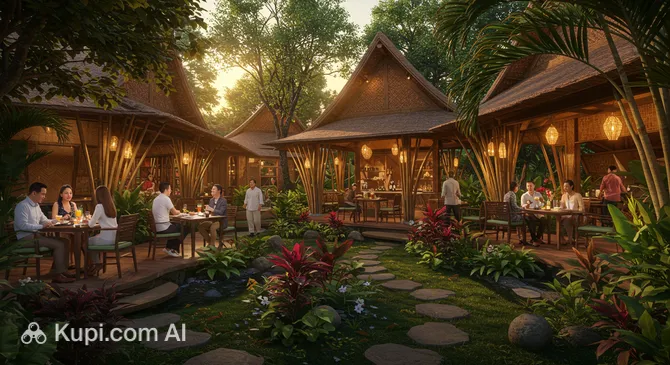
Garden Bay Restaurant & Resort. Source: Kupi.Binoculars

The dining scene in Davao is a mix of relaxed outdoor eateries and modern establishments. For a casual meal with a view, locals and tourists often head to seaside spots where they can enjoy the ocean breeze while dining. Places like Garden Bay Restaurant & Resort offer a comfortable setting to savor Filipino classics and fresh seafood dishes by the water. If you prefer a wide variety of international and local cuisines in one place, the Luxury Buffet SM Lanang provides an extensive spread that caters to all palates.

When it comes to beverages, fruit shakes are a staple refreshment to beat the tropical heat. A Durian shake is a rich, creamy treat that even hesitant first-timers might enjoy. Davao is also a growing hub for coffee lovers, producing its own high-quality Arabica and Robusta beans from the nearby mountains. For evening relaxation, the city has a vibrant but laid-back nightlife scene. You can unwind with a cold drink or a cocktail at establishments like Spoonful Dvo, which offers a cozy atmosphere to end your day of gastronomic exploration.

Travel Tips

Welcome to Davao City! To ensure your trip to this vibrant destination in the Philippines is as seamless and enjoyable as possible, we have compiled a list of essential practical tips that will help you navigate local customs and logistics with ease.

  1. Clothing and Gear: Given the tropical climate, pack lightweight and breathable clothing like cotton or linen to stay cool. Since rain showers can occur unexpectedly, especially in the afternoons, carrying a compact umbrella or a light raincoat is highly recommended. Comfortable walking shoes are a must for exploring parks, and if you plan to visit religious sites, remember to dress modestly by covering your shoulders and knees.
  2. Transportation: Getting around is an adventure in itself. Jeepneys are the most popular and affordable mode of public transport for short distances; simply look for the route painted on the side. For a more comfortable ride, taxis in the city are famous for being safe, honest, and strictly metered. Ride-hailing apps like Grab are also widely available. If you rent a car, be very mindful of the strictly enforced speed limits.
  3. Finances: The local currency is the Philippine Peso (PHP). While major malls, hotels, and upscale restaurants accept credit cards, cash is essential for small vendors, local markets, and public transport. ATMs are plentiful in commercial areas. Tipping is not mandatory but is appreciated for good service; rounding up the bill or leaving a small amount is common practice.
  4. Health and Safety: Davao City is renowned for its Central 911 emergency response system, which provides free medical, fire, and police assistance. Pharmacies like Mercury Drug and Watsons are easy to find, with some branches open 24/7. Uniquely, the city's tap water is tested and considered safe to drink, although travelers with sensitive stomachs may still prefer bottled water.
  5. Communication: English is widely spoken and understood, making communication easy for most international travelers. The primary local language is Cebuano (Bisaya), though Tagalog is also common. Learning a few basic phrases like "Maayong buntag" (Good morning) or "Salamat" (Thank you) will go a long way in connecting with the friendly locals. SIM cards are readily available at the airport and convenience stores.
  6. Local Etiquette: Davaoeños are known for their discipline and hospitality. A smile and a polite greeting are always well-received. When interacting with elders, it is respectful to be polite. In public spaces, maintain a moderate volume and orderly conduct, as the city values peace and order highly.
  7. What to Avoid: Be extremely mindful of the city's strict Anti-Smoking Ordinance. Smoking is prohibited in almost all public places, including streets, parks, and vehicles; only designated smoking areas are allowed, and violators face stiff fines. Also, avoid bringing durian fruit into hotels or enclosed public transport, as its strong smell is often banned in these confined spaces.
  8. Additional Tip: If you wish to buy local fruits like pomelo or durian to take home as gifts, head to the stalls near Magsaysay Park or the Bankerohan Public Market. The vendors there are experienced in packaging these fruits properly for travel, ensuring they stay fresh and meet airline requirements.

By keeping these practical tips in mind, you will be well-prepared to enjoy everything Davao City has to offer. Embrace the local culture, respect the city's unique rules, and you are sure to have a memorable and hassle-free vacation.

Entertainment & Nightlife

Davao City offers a nightlife experience that is distinctively different from the frantic energy of Manila or Cebu. Here, the evening scene is defined by a disciplined yet vibrant atmosphere, focusing heavily on live music, al fresco dining, and relaxed socializing. The city is famous for its safety, allowing tourists to explore popular entertainment districts with peace of mind well into the night.

One of the primary hubs for evening entertainment is Torres Street, a strip lined with numerous bistros, coffee shops, and bars that cater to a mix of young professionals and students. It is the perfect place for bar hopping or enjoying a casual dinner. Another local favorite is Matina Town Square (MTS), a sprawling open-air complex known for its nightly live bands performing everything from acoustic sets to reggae and pop. For a more bustling and authentic local vibe, the Roxas Night Market is a must-visit. While it is an alcohol-free zone, it comes alive every night with rows of street food vendors, grilled barbecue stalls, and affordable massage services right on the sidewalk.

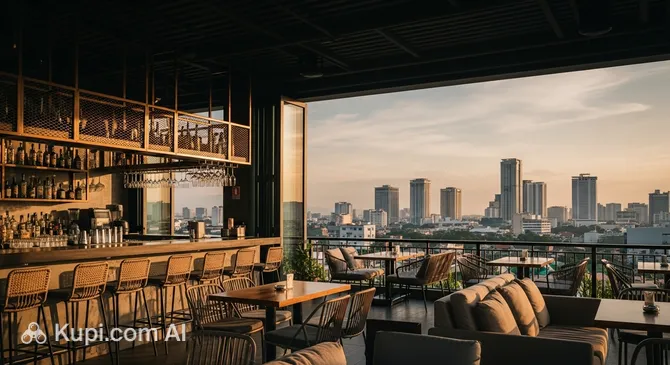
For travelers seeking a sophisticated spot to enjoy a drink with a view, Upstairs Rooftop Bar Kitchen provides a breezy ambiance and a great vantage point of the city lights. It is an ideal venue for a sunset cocktail or a relaxed evening with friends. If you prefer a more energetic setting with DJ sets and dancing, Club Echelon stands out as one of the premier nightclubs in the city, situated within the G-Pod area, attracting a stylish and lively crowd.

Upstairs Rooftop Bar Kitchen. Source: Kupi.Binoculars

When planning your night out, it is crucial to be aware of the city's liquor ban. The sale and consumption of alcohol in public establishments are prohibited after 1:00 AM. Consequently, most bars and clubs close earlier than in other major Philippine cities, typically winding down by 1:00 or 2:00 AM. Prices are generally affordable, with beers and cocktails costing significantly less than in the capital. The dress code is usually casual, though shorts and flip-flops might not be permitted in upscale clubs.

Beyond the nightlife, daytime entertainment in Davao is equally diverse. The city is dotted with modern shopping complexes that serve as leisure hubs for families. Lanang Mall, for instance, is not just for shopping but features a premier cinema, a bowling center, and the SMX Convention Center, often hosting events and concerts. For a touch of culture, visitors can explore local art galleries or catch performances at university theaters.

Getting around at night is safe and convenient. Taxis are the recommended mode of transport for tourists; Davao taxi drivers are nationally renowned for their honesty and for always giving exact change. Ride-hailing apps are also widely available and reliable. While the city is very safe, it is always advisable to stay in well-lit, populated areas and keep your valuables secure.

Parks & Museums

Davao City is a destination where urban development and nature coexist harmoniously, offering visitors a wealth of green spaces and cultural institutions to explore. From manicured public plazas in the heart of the downtown area to educational museums that preserve the region's heritage, the city provides ample opportunities to relax and learn about the local identity without leaving the city limits.

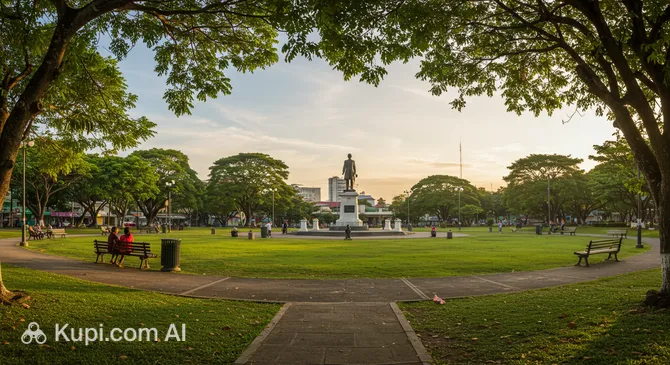
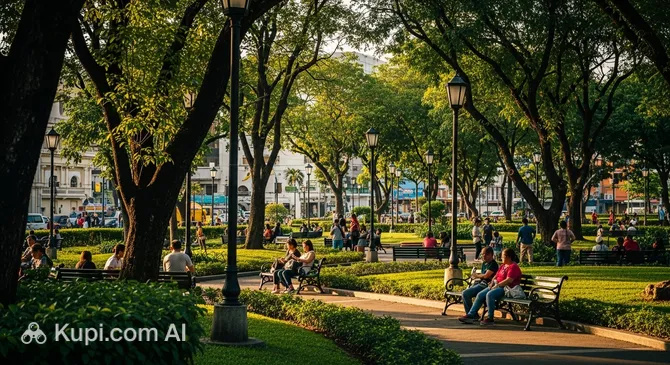
One of the most accessible and significant green spaces in the city center is Rizal Park. Located adjacent to the City Hall, this park serves as the symbolic heart of the city and a central gathering spot for locals. It is a great place to sit and observe the daily rhythm of the city, surrounded by well-maintained landscapes and the iconic statue of the national hero, Dr. Jose Rizal. In the evenings, the park is often illuminated, creating a pleasant atmosphere for a casual stroll, while during the day, it offers a respite for office workers and tourists alike who seek a moment of calm amidst the bustling streets.

Rizal Park. Source: Kupi.Binoculars

Just a short walk away lies Osmeña Park, one of the oldest parks in the city with a rich historical background. Steeped in heritage, it was the site of an early settlement and now features historical markers detailing the area's past, including the settlement of the early Davaoeños. The park offers a quieter, more shaded environment with large, mature trees providing welcome relief from the tropical sun. It is famously known as a favorite spot for local chess players who gather daily to compete, offering a glimpse into the relaxed and communal lifestyle of the residents.

Osmeña Park. Source: Kupi.Binoculars

For a deep dive into the natural history of the region and beyond, the D' Bone Collector Museum is a truly unique attraction that stands out in Southeast Asia. Unlike typical museums, this facility focuses entirely on skeletal preservation and education about wildlife conservation. Visitors can marvel at a vast collection of assembled skeletons, ranging from small reptiles and birds to massive whales and dolphins. It is an eye-opening experience that highlights the biodiversity of the Philippines and emphasizes the critical importance of protecting marine and terrestrial life from environmental threats like plastic pollution.

D' Bone Collector Museum. Source: Kupi.Binoculars

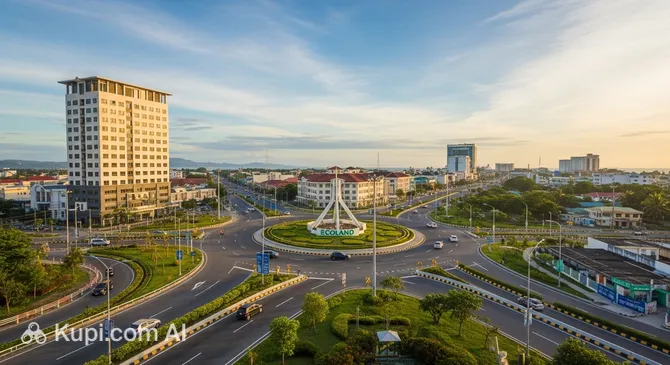
For a local insider tip on where to enjoy open spaces and sea views, consider visiting the Coastal Road Roundabout (Ecoland) during the late afternoon. This area has emerged as a popular recreational space where residents go to jog, cycle, and enjoy the cooling sea breeze. It offers a stunning, unobstructed view of the sunset over the Davao Gulf, providing a simple yet authentic way to end a day of sightseeing. The spacious promenade allows for leisurely walks, making it a perfect spot for families and photographers looking to capture the scenic beauty of the city's coastline.

Coastal Road Roundabout (Ecoland). Source: Kupi.Binoculars

Getting Around

Navigating Davao City is an adventure in itself, with a public transport system that is both colorful and efficient. The most iconic and ubiquitous mode of transport is the Jeepney. These vibrant, elongated vehicles ply specific routes throughout the city, which are clearly painted on their sides or displayed on signboards on the windshield. They are the lifeblood of local commuting, running 24 hours a day on major thoroughfares, although frequency decreases late at night. For tourists, they offer an authentic and inexpensive way to see the city like a local.

For those seeking more comfort and privacy, taxis are a widely recommended option. Davao City is renowned across the region for the honesty and discipline of its taxi drivers. Unlike in many other metropolitan areas, drivers here strictly use the meter and are known for returning exact change to the passenger. You can easily hail one on the street or find them waiting at designated stands near malls and hotels. Ride-hailing apps like Grab are also fully operational and popular, providing a convenient alternative if you prefer booking a ride via your smartphone with a fixed price.

For shorter distances, particularly within residential subdivisions or on side streets where jeepneys do not pass, you will encounter tricycles (motorcycles with sidecars) and trisikads (pedicabs). These are ideal for "last-mile" trips. They usually operate on a shared-ride basis with a fixed fare for short distances, but you can also hire them for a "special" trip where you occupy the entire vehicle for a slightly higher fee. Note that these are generally not allowed on major national highways for safety reasons.

The payment system in the city is predominantly cash-based. There are no universal travel cards or tap-and-go systems for the general public transport network yet. When riding a jeepney, payment is passed manually to the driver—a practice known as "bayad po." It is highly advisable to carry smaller bills and coins, as drivers may have difficulty changing large denomination notes. Fares are very affordable, with jeepney rides starting at a low base rate for the first few kilometers.

Recent modernization efforts have introduced modern buses on select routes, offering air-conditioned comfort and more organized stops compared to traditional jeepneys. These buses are part of the city's shift towards a more structured transport system. If you plan to explore the coastal areas or visit nearby islands, water taxis and ferries are available at the wharves, operating regularly during daylight hours. Whether you choose the rustic charm of a jeepney or the convenience of a modern taxi, getting around is generally safe and straightforward.

Accommodation

Davao City offers a diverse array of accommodation options that cater to every type of traveler, from backpackers seeking budget-friendly hostels to luxury seekers looking for world-class resorts. The city's hospitality landscape is well-developed, providing a comfortable stay whether you are here for business, leisure, or a mix of both. Visitors can choose from modern high-rise hotels in the commercial districts, cozy inns in the heart of the city, or exclusive beachside retreats just a short boat ride away.

When choosing where to stay, location is key. The Poblacion (Downtown) area is perfect for those who want to be within walking distance of historical landmarks, parks, and local markets. For travelers who prefer a more modern, upscale environment, the Lanang district is a popular choice; it is close to the airport and home to large shopping malls and convention centers. Meanwhile, those yearning for a tropical escape often opt for the nearby coastal areas or the island resorts that are easily accessible from the city proper.

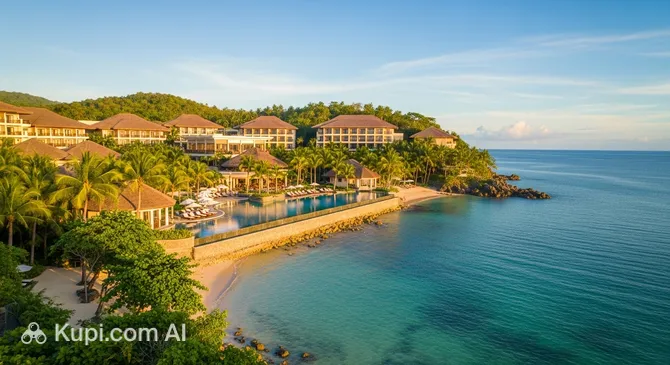
For a truly luxurious experience that combines modern amenities with stunning natural surroundings, Discovery Samal is a top-tier choice. Although situated on the neighboring island, it is a premier destination for Davao visitors, offering expansive pools, elegant rooms, and commanding views of the Davao Gulf. It serves as a perfect sanctuary for those wishing to disconnect and relax in style.

Discovery Samal. Source: Kupi.Binoculars

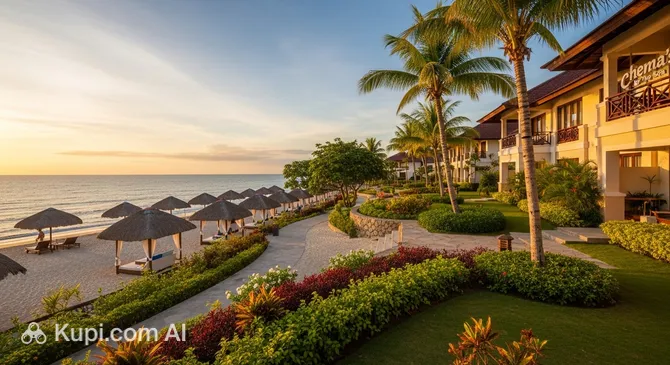
Travelers seeking a more intimate and nature-centric atmosphere might prefer Chema's by the Sea. This boutique resort is renowned for its rustic charm and serene ambiance, providing a quiet respite from the urban bustle. It is an excellent option for couples or small families looking for a personalized touch and direct access to the water.

Chema's by the Sea. Source: Kupi.Binoculars

Booking Tips: It is highly recommended to book your accommodation in advance, especially if you plan to visit during major events like the Kadayawan Festival in August or the Christmas season, when the city welcomes a high influx of tourists. During these peak times, hotels can fill up months ahead.

Price Range and Booking: Accommodation prices in Davao are generally reasonable compared to the capital. Budget travelers can find decent rooms for as low as $20 to $30 USD per night, while mid-range hotels typically range from $50 to $80 USD. Luxury resorts and high-end hotels can go upwards of $150 USD. Most established hotels and resorts are listed on major online booking platforms, which is often the most convenient way to secure a reservation, though smaller local inns may prefer direct inquiries via social media or phone.

Nearby Cities

For those looking to explore the surroundings, Davao City serves as an excellent base for day trips to several interesting nearby locations:

City Population Distance (km)
Tagum 296202 47
Panabo 209230 27
Digos 188376 47
Kidapawan 160791 58
Island Garden City of Samal 116771 12

Among these, the Island Garden City of Samal is the most popular choice for a quick getaway. Located just a short ferry ride across the gulf, it is renowned for its pristine beaches, snorkeling spots, and the world-record-holding Monfort Bat Sanctuary. It offers a perfect tropical retreat just minutes away from the urban center.

Another notable destination is Tagum, often referred to as the "Palm City of the Philippines." Situated to the north, it is admired for its disciplined governance, wide avenues lined with royal palm trees, and vibrant cultural festivals. It serves as a bustling commercial hub with a relaxed atmosphere.

To the south lies Digos, known for producing some of the sweetest mangoes in the country. Nestled between the sea and the foothills of Mount Apo, it provides scenic views and serves as a jump-off point for mountaineers and nature lovers exploring the province's rugged landscapes.

These nearby destinations offer a glimpse into the diverse culture and landscapes of the region.

Shopping & Souvenirs

Shopping in Davao City offers a delightful mix of modern convenience and traditional charm, catering to both luxury seekers and bargain hunters. The city is a major commercial hub in Mindanao, meaning you will find everything from sprawling, air-conditioned complexes to vibrant open-air markets. It is particularly famous for its high-quality agricultural produce, making it one of the best places in the country to buy fresh tropical fruits and locally made delicacies.

For a contemporary shopping experience, the city boasts several world-class malls that rival those in the capital. Lanang Mall is one of the premier destinations, featuring an upscale selection of international brands, diverse dining options, and entertainment facilities. It is an architectural landmark in itself, often hosting events and exhibitions. Another key spot is City Davao Mall, which is a favorite among locals for its wide range of retail stores, department outlets, and family-oriented activities. These malls provide a cool respite from the tropical heat and are one-stop shops for fashion, electronics, and leisure.

Lanang Mall. Source: Kupi.Binoculars

If you are looking for a more authentic local experience, the city's markets are vibrant centers of trade. The Bankerohan Public Market is the main source for fresh produce; it is the best place to find Davao’s famous pomelos, durians, and mangosteens at wholesale prices. For those interested in thrift shopping or "ukay-ukay," the streets come alive at night, particularly along Roxas Avenue, where rows of vendors sell second-hand clothes, shoes, and accessories at incredibly low prices.

When it comes to souvenirs, Davao City has a unique array of products that reflect its cultural heritage. The most popular items to bring home are durian-flavored treats, such as candies, tarts, and jams, which allow you to share the city's signature flavor with friends. Beautifully woven fabrics like the T'nalak (woven by the T'boli people) and Malong are also highly sought after. For handicrafts, pearl jewelry, and brassware, visitors often head to the dedicated souvenir sections in the city center, particularly around the Poblacion district.

Most shopping malls and department stores operate daily from 10:00 AM to 9:00 PM. While major establishments and hotels accept credit and debit cards, cash is still the preferred mode of payment in public markets, smaller boutiques, and souvenir stalls. It is advisable to carry smaller denominations of the Philippine Peso (PHP) when exploring local markets to make transactions smoother.

Tourists visiting the Philippines may be eligible for a Value Added Tax (VAT) refund on goods purchased from participating retailers, provided the total purchase meets a minimum threshold. Look for stores displaying the "Tax Free" signage and be sure to ask for the necessary refund forms and receipts at the point of sale to claim your refund at the airport upon departure.

Reached the end of the page?

That means the route is fully explored