Support

Ozamiz

About

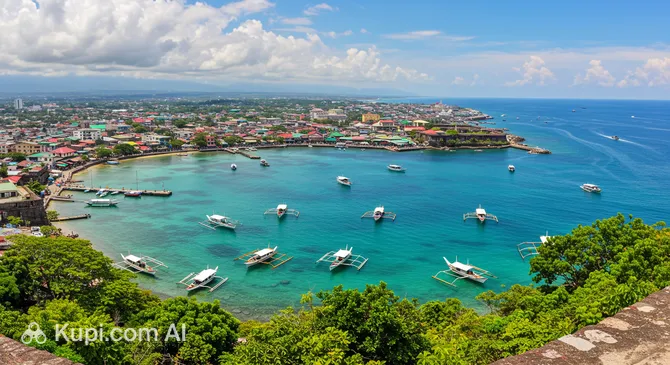
Welcome to Ozamiz, a vibrant and historically significant city located in the province of Misamis Occidental. As a major hub in Northern Mindanao, this bustling city serves as a gateway to the region and offers a unique blend of urban energy and traditional charm. Situated in the southern part of the Philippines, Ozamiz sits strategically at the entrance of Panguil Bay, making it an important center for commerce and transportation with a population of approximately 140,000 residents.

Ozamiz. Source: Kupi.Binoculars

The city is renowned for its deep cultural roots and architectural landmarks that tell the stories of its past. Exploring the history of Ozamiz reveals a fascinating timeline dating back to the Spanish colonial era. One of the most iconic attractions is the Fuerte de la Concepcion y del Triunfo, commonly known as Cotta Fort, which has stood guard over the coast for centuries. Adjacent to the fort is the revered Cotta Shrine, a pilgrimage site that draws devotees and visitors alike.

Beyond its historical treasures, Ozamiz delights travelers with its natural beauty and warm hospitality. Visitors can head to Bukagan Hill to enjoy a panoramic view of the city, the bay, and the neighboring provinces. Whether you are passing through on a larger journey or stopping to appreciate the local heritage, Ozamiz invites you to experience its distinct character and friendly atmosphere.

Weather Overview

Ozamiz enjoys a consistently warm tropical climate, making it a pleasant destination for travelers who appreciate steady temperatures throughout the year. The city generally sees average temperatures hovering between 25°C and 27°C. May tends to be the warmest month with highs reaching approximately 29.9°C, while January and February are slightly cooler, offering a comfortable atmosphere for exploration.

Rainfall is a regular occurrence in this region, with a high number of wet days recorded across all seasons. Even in the months with the fewest rainy days, such as April, precipitation is frequent, so it is wise to pack rain gear regardless of when you visit. For a comprehensive forecast to help you plan your daily activities, you can consult the detailed guide on the weather in Ozamiz. Expect warm days year-round with a persistent chance of showers, particularly from October to December.

Interesting Facts

Beyond the main attractions and bustling streets, Ozamiz holds many fascinating secrets that add depth to its character. From miraculous shrines to heavy bells that found an unexpected home, the city's stories are as captivating as its landscapes.

  • The city was not always known by its current name; it was originally called Misamis. It was officially renamed to honor José Ozámiz, a Philippine senator and World War II hero who played a significant role in the resistance movement against the Japanese occupation in the region.

  • The revered image of the Virgin Mary at the Cotta Shrine is unique because it is carved directly into the coral stone wall of the ancient Spanish fort. Local urban legends persist that the image has miraculously grown in size over the decades and cannot be removed, having survived bombings during the war.

  • At the top of Bukagan Hill, visitors will find four massive church bells with a curious backstory. These bells were originally purchased for the Immaculate Conception Cathedral in the city center, but upon their arrival, they were deemed too heavy and large for the church's belfry, leading to their installation on the hill instead.

  • Ozamiz is home to one of the oldest lush forests in the city, found within the Naomi's Botanical Garden. This site is not just a garden but a result of a local family's dedication to pottery and plants, creating a rare green sanctuary that produces world-class ceramics used by resorts across the country.

How to Get There

Reaching this bustling city in Misamis Occidental is relatively straightforward, thanks to its strategic location and accessible transport hubs. Whether you are flying in from Manila, Cebu, or other major hubs, you have several options to choose from depending on your schedule and budget. For a comprehensive guide on all available routes and transportation modes, you can read more about how to get to Ozamiz to plan your journey effectively.

The most convenient entry point is Labo Airport (OZC), also known as Ozamiz Airport. It is located directly in the city of Ozamiz, just 3.6 km from the city center. This community airport serves daily flights from major hubs like Manila and Cebu. Upon arrival, the travel time to the downtown area is very short, taking approximately 25 minutes by taxi or tricycle. Although it is a smaller airport with medium passenger traffic, its proximity makes it the top choice for travelers heading specifically to this destination.

Another major gateway for travelers is Laguindingan International Airport (CGY), located in the city of Cagayan de Oro. While it is about 84.6 km away from Ozamiz, it is a much larger hub with high passenger traffic, offering more flight frequencies and airline options. From Laguindingan, you can take a bus or rent a van to reach Ozamiz; the journey typically takes around 2 hours and 30 minutes via land and ferry connections across Panguil Bay.

Travelers may also consider flying into Pagadian Airport (PAG), situated in the nearby city of Pagadian. It is approximately 54.9 km from Ozamiz. This airport serves as a viable alternative if flights to Ozamiz are fully booked. The land trip from Pagadian to Ozamiz usually takes about 1 hour and 45 minutes by bus or taxi.

For clarity, here is a summary of the main airports serving the region:

Airport Name City Passenger Traffic Km from City
Laguindingan International Airport Cagayan de Oro High 84.6
Awang Airport Cotabato City Medium 115.7
Labo Airport Ozamiz Medium 3.6
Pagadian Airport Pagadian Medium 54.9
Dipolog Airport Dipolog Medium 74.8

Main Attractions

Ozamiz offers a delightful mix of historical landmarks, spiritual sites, and natural escapes that reflect its rich heritage and coastal charm. Visitors can explore centuries-old fortifications, enjoy panoramic views, or immerse themselves in the local arts and culture. Here are some of the top attractions to visit in the city.

Fuerte de la Concepcion y del Triunfo (Cotta Fort)
Standing as the city's most iconic historical structure, this 18th-century stone fort was originally built to protect the area from pirates. Today, it serves as a window into the past, with its weathered coral stone walls still standing strong against the sea. It is a favorite spot for tourists to take a leisurely walk along the ramparts, offering a breezy atmosphere and stunning views of Panguil Bay, particularly during sunset.

Cotta Shrine
Located on the exterior wall of the Cotta Fort, this shrine is a deeply significant pilgrimage site. The image of the Virgin of the Immaculate Conception is carved directly into the fort's stone, and it is believed by many locals to be miraculous. Visitors are drawn here not only for its religious importance but also to experience the serene atmosphere as devotees light candles and offer prayers in this unique open-air sanctuary.

Bukagan Hill
For those seeking the best vantage point in the city, this hill is the place to go. It is famous for housing four massive church bells that were installed here after being deemed too heavy for the local cathedral's belfry. Beyond the curiosity of the bells, the hill offers a spectacular panoramic view of Ozamiz City, the bay, and the distant provinces, making it an excellent location for photography and sightseeing.

Immaculate Conception Cathedral
Situated in the heart of the city, this cathedral is a modern architectural landmark and the center of Catholic faith in the province. It is particularly renowned for housing the second-largest pipe organ in the Philippines, a rare musical treasure that attracts culture and music enthusiasts. The church provides a peaceful respite from the busy city streets and showcases beautiful interior design.

Naomi's Botanical Garden
A short distance from the city center, this garden offers a lush, green retreat for nature lovers. It is a sprawling property filled with fruit-bearing trees and ornamental plants, perfect for a relaxing stroll. The site is also known for its pottery workshop, where visitors can watch local artisans craft high-quality ceramics, making it a great place to pick up unique souvenirs.

Local Cuisine

The culinary landscape of Ozamiz offers a delightful journey for the palate, deeply influenced by its coastal location and the rich traditions of Northern Mindanao. Food here is unpretentious, flavorful, and often meant to be shared. The city is particularly famous for its Lechon (roasted pig), which locals proudly claim rivals the best in the country. Unlike other versions, the lechon in Ozamiz is known for its perfect balance of crispy skin and tender, savory meat that requires no sauce to enjoy, making it a centerpiece of Sunday lunches and festive gatherings.

Given its proximity to Panguil Bay, fresh seafood is a staple in the local diet. Visitors should not miss trying Kinilaw, a Filipino style ceviche made with fresh raw fish marinated in vinegar, calamansi, ginger, onions, and chili peppers. For those who enjoy a bit of heat, Halang-halang is a must-try dish. This spicy soup, usually made with beef or chicken and coconut milk, gets its name from the local word for "spicy" or "hot," offering a comforting yet fiery kick that is perfect for rainy days.

Breakfast and snack times in Ozamiz have their own distinct charm, often centering around native delicacies. A popular morning combination is Puto Maya (steamed sticky rice with ginger and coconut milk) paired with a steaming cup of Sikwate (rich local hot chocolate made from pure cacao tablea). Another sweet treat to look out for is Suman, a sticky rice cake wrapped in banana or palm leaves. The region is renowned for producing various flavors of suman, often served with ripe mangoes or a sprinkle of sugar, making it a favorite pasalubong (souvenir) for travelers.

When it comes to beverages, the city offers refreshing options to beat the tropical heat. Fresh Buko juice (young coconut water) is widely available and is the perfect thirst-quencher. For those interested in local spirits, Tuba is a traditional coconut wine harvested from the sap of coconut palms. It is a sweet, slightly tart alcoholic drink that is commonly enjoyed by locals during social gatherings in the late afternoon.

The food culture in Ozamiz is vibrant and accessible, with a strong emphasis on street food and casual dining. As the sun sets, the streets often come alive with barbecue stalls and open-air eateries where you can enjoy grilled pork, chicken, and seafood at very affordable prices. Tourists will find that dining here is a relaxed affair, often enjoyed at simple tables near the market or the bay, providing an authentic taste of the local lifestyle and the warm hospitality of the people.

Travel Tips

To ensure your visit to the historical and vibrant city of Ozamiz is as smooth and enjoyable as possible, we have compiled a list of essential travel advice. These practical tips will help you navigate local customs, transportation, and daily logistics so you can focus on exploring the rich heritage of Misamis Occidental.

  1. Clothing and Gear: Given the tropical climate, lightweight and breathable fabrics like cotton or linen are your best bet for staying comfortable in the heat. Since rainfall can occur frequently throughout the year, packing a compact umbrella or a light raincoat is highly recommended. If you plan to visit religious sites like the Cotta Shrine or the Immaculate Conception Cathedral, remember to dress modestly; avoid sleeveless tops and short shorts to show respect.

  2. Transportation: The most common and convenient way to get around Ozamiz is by tricycle (a motorcycle with a sidecar). They are abundant and can take you to almost any point in the city. For short distances within the downtown area, "sikads" (pedicabs) are also available. Ride-hailing apps are not widely used here compared to major metropolises like Manila, so it is best to rely on these local rides. Always carry small change for fares.

  3. Finances: The local currency is the Philippine Peso (PHP). While major hotels and shopping centers in the city center may accept credit cards, cash is definitely king in Ozamiz. You will need cash for tricycles, local markets, and small eateries. ATMs are readily available around the city proper and near the malls, but it is wise to withdraw enough money before heading to more remote areas.

  4. Health and Safety: Ozamiz is generally safe for tourists, but standard precautions apply; keep an eye on your belongings in crowded places like the public market. Pharmacies such as Mercury Drug and Watsons are easy to find in the city center for any medical supplies. It is advisable to drink bottled or filtered water rather than tap water to avoid stomach issues. Don't forget mosquito repellent, especially if you plan to visit nature spots like Naomi's Botanical Garden.

  5. Communication: English is widely understood and spoken, especially in business and tourism sectors, so you will have no trouble communicating. The local language is Cebuano (often referred to as Bisaya). Learning a few local phrases like "Salamat" (Thank you) or "Maayong Buntag" (Good morning) goes a long way in building rapport with locals. SIM cards from major networks (Globe and Smart) are easily purchasable at the airport or local convenience stores for internet access.

  6. Local Etiquette: Filipinos are known for their hospitality, and the people of Ozamiz are no exception. A smile is the best greeting. When interacting with elders, the gesture of "pagmamano" (taking the elder's hand and pressing it to your forehead) is a sign of respect, though a polite nod is sufficient for tourists. Be respectful of silence and prayer when visiting the Cotta Shrine, as it is a deeply active place of worship.

  7. What to Avoid: Avoid losing your patience or raising your voice in public, as this causes "loss of face" and is considered very rude in Filipino culture. Also, try not to refuse food offered by locals if you are invited to a gathering, as sharing a meal is a significant gesture of friendship; even a small taste is appreciated.

  8. Local Insight: Wake up early to visit the Cotta Fort and Shrine. Not only will you beat the midday heat, but you will also witness the local devotees starting their day with prayers, offering a truly authentic glimpse into the city's spiritual life. Afterward, stop by a local stall to try hot Sikwate (chocolate) and sticky rice for breakfast.

Armed with these tips, you are ready to immerse yourself in the unique culture and warmth of Ozamiz. Whether you are lighting a candle at the ancient fort or enjoying the local cuisine, a little preparation will go a long way in making your trip a memorable adventure.

Entertainment & Nightlife

Entertainment and nightlife in Ozamiz are defined by a laid-back and friendly atmosphere rather than a high-energy clubbing scene. The city’s evening culture revolves around "chill-numan"—local slang for relaxing with drinks, good food, and conversation. Most venues are open-air restobars or cozy indoor lounges where the main attraction is live acoustic music. The crowd is typically a mix of locals unwinding after work and travelers enjoying the warm tropical nights. The dress code is generally casual; shorts and t-shirts are acceptable in almost all establishments, though a bit more polish is appreciated in hotel bars.

For a lively night out, Gat's Bar is a top choice among locals and visitors alike. Known for its vibrant atmosphere, this venue regularly features live bands playing acoustic sets, making it a fantastic spot to enjoy a cold beer and local appetizers while soaking in the music. It offers a genuine slice of the city's social life, where the energy is upbeat but welcoming. Another popular option for a more refined evening is the restaurant and lounge area at the Royal Garden Hotel. Here, you can enjoy cocktails and dinner in a quieter, air-conditioned setting, making it ideal for couples or those seeking a relaxed conversation away from the crowds.

If you prefer an authentic street-side experience, the area near the port and the Cotta Fort becomes a bustling hub of activity after sunset. This district is famous for its night market-style barbecue stalls. Locals flock here to enjoy grilled pork, chicken, and seafood served with "puso" (hanging rice). It is an affordable and vibrant way to spend the evening, with the cool sea breeze from Panguil Bay adding to the ambiance. Prices in Ozamiz are very reasonable compared to major cities; a night out with food and drinks can cost as little as 300 to 500 PHP per person.

When it comes to safety and logistics, Ozamiz is generally safe for night walks in well-lit, populated areas like the city center and the Cotta waterfront. However, it is always wise to stay vigilant and avoid poorly lit alleys late at night. The primary mode of transportation is the tricycle. They are readily available until around midnight, but fares may slightly increase during late hours. If you are staying at a hotel, the front desk can usually arrange a ride for you to ensure safety.

While the city is quieter during the day, there are still entertainment options for those looking to escape the heat. Geege Mall is a key destination for modern entertainment, housing Geege Cinemas, where you can catch the latest local and international films in comfort. For a dose of culture, visitors can explore the small museum located inside the Cotta Fort complex. It displays artifacts relevant to the city's history, offering a quick but interesting educational diversion before the evening festivities begin.

Parks & Museums

While Ozamiz is primarily known as a center of commerce and transport, the city also offers serene green spaces and deep cultural repositories that allow visitors to pause and appreciate its heritage. From lush botanical sanctuaries to historical exhibits housed within ancient walls, the parks and museums here provide a meaningful glimpse into the local lifestyle and the region's storied past.

Naomi's Botanical Garden is the premier green escape within the city limits. Spanning roughly 13 hectares, this expansive property is more than just a collection of plants; it is a dedicated space for fruit-bearing trees, ornamental flowers, and local pottery. Tourists can enjoy a peaceful walk through the shaded pathways, admire the variety of tropical flora, or simply relax in the quiet atmosphere away from the downtown noise. It serves as a perfect picnic spot and a testament to the local appreciation for nature and craftsmanship.

For those willing to venture a bit further for nature, the Mt. Malindang Range Natural Park is a significant ecological treasure located nearby in the province. While the park encompasses a vast area, it is accessible for day trips from Ozamiz. It is an ASEAN Heritage Park known for its rich biodiversity, waterfalls, and crater lake. Visitors often use Ozamiz as a base to explore the foothills of this majestic range, which offers hiking opportunities and a chance to experience the raw beauty of Misamis Occidental’s rainforests.

Bukagan Hill serves as another key natural viewpoint. While often visited for its famous bells, the area functions as a scenic park offering fresh air and panoramic vistas. The journey to the top takes you through lush vegetation, and the summit provides a breezy open space where families and friends gather to watch the sunset over Panguil Bay. It is a simple yet refreshing spot that combines nature with a unique piece of local history.

In terms of cultural preservation, the Ozamiz City Historical Museum is the most prominent institution. Uniquely situated inside the ancient Fuerte de la Concepcion y del Triunfo (Cotta Fort), the museum occupies rooms that once served as an arsenal. It houses a modest but meaningful collection of artifacts, including Spanish-era remnants, historical photographs of the city, and religious items associated with the revered Virgin of the Cotta. It provides essential context to the stone walls that surround it, helping visitors understand the strategic and spiritual importance of the fort.

The Cotta Fort itself acts as an open-air museum. Beyond the indoor exhibits, the entire structure is a gallery of colonial military architecture. Walking along the ramparts allows tourists to touch the weathered coral stones and observe the layout of a Spanish fortress designed to repel pirate attacks. The integration of the Cotta Shrine on the outer wall adds a living cultural dimension, where history and modern-day devotion intersect seamlessly.

For a unique cultural experience, look for the pottery workshops often held at Naomi's Botanical Garden. This isn't a traditional museum, but it functions as a living gallery where the art of ceramics is preserved and showcased. Watching local artisans mold clay into the famous "Ozamiz pottery" offers an intimate look at a local industry that has gained recognition across the country.

Insider Tip: When visiting the museum inside the Cotta Fort, try to go in the late afternoon. After exploring the exhibits, you can step out onto the fort walls just in time to catch the sunset, which paints the bay in stunning colors, offering a perfect end to your cultural tour.

Getting Around

Navigating Ozamiz is a unique experience compared to larger metropolises, as the city does not rely on trains, trams, or large city buses for internal transit. Instead, the public transport system is dominated by smaller, versatile vehicles that can easily maneuver through the streets. The undisputed king of the road here is the Motorized Tricycle (often simply called a "tricycle" or "motorcab"). These are motorcycles attached to a covered sidecar, designed to carry several passengers at once. They function similarly to taxis but on a shared-ride basis, picking up and dropping off passengers along the way.

For shorter distances, particularly within residential neighborhoods or the immediate downtown area, you will find the Sikad-Sikad (pedicab). These are bicycles with a sidecar, powered solely by the driver's pedaling. They are slower and quieter than tricycles, making them an ideal eco-friendly option for traveling a few blocks to the local market or a nearby cafe. For travel to the outskirts of the city or neighboring towns, Jeepneys and Multicabs are the standard. These larger vehicles follow fixed routes and are the most affordable way to travel longer distances.

The payment system in Ozamiz is strictly cash-based. There are no travel cards, tap-to-pay systems, or mobile ticketing apps for local transport. Fares are very affordable; a standard tricycle ride within the city center typically starts at around 10 to 15 PHP per person for a shared ride. If you wish to hire the vehicle for a private trip (known locally as a "pakyaw" or "special" ride), you must negotiate the price with the driver beforehand, which usually ranges from 50 to 100 PHP depending on the distance.

Tourists should be aware that drivers rarely carry large amounts of change. It is highly practical to carry coins and small bills (20s and 50s) when using public transport. You generally pay the driver upon reaching your destination. Operating hours are quite flexible, with tricycles running from early morning until late at night. However, availability decreases significantly after midnight, so it is wise to plan your return trip in advance if you are out late.

Regarding alternatives, taxis are not commonly found roaming the streets for flags-down service. They are mostly stationed at the airport or the seaport to ferry arriving passengers. Ride-hailing apps are generally not available in the city, so you will need to rely on hailing tricycles from the street side. Car rentals are available but are typically arranged through local travel agencies or hotels rather than international chains.

A special feature of the city's transport network is its bustling Port of Ozamiz. While primarily for inter-island travel, the ferry system across Panguil Bay acts as a vital commuter link for many locals working or trading in neighboring provinces. Watching the constant flow of ferries and vessels provides a glimpse into the city's role as a major maritime hub in the region.

Accommodation

Accommodation in Ozamiz is characterized by its practicality and affordability, catering primarily to business travelers, transit passengers, and cultural tourists. The city does not host sprawling luxury resorts or five-star international chains; instead, it offers a solid selection of budget-friendly inns, pension houses, and mid-range business hotels. Visitors can expect clean, comfortable, and no-nonsense lodging that provides excellent value for money, often accompanied by the warm hospitality for which the region is known.

The most convenient area to stay is undoubtedly the City Center (Poblacion). Staying downtown places you within walking distance of major landmarks like the Immaculate Conception Cathedral and the public market, as well as the bustling port area. This location is ideal for travelers who want easy access to tricycles, fast-food chains, and local eateries. For those who prefer a quieter environment, there are a few establishments located slightly away from the main streets, offering a more relaxed atmosphere while still being just a short tricycle ride away from the action.

For travelers seeking reliable amenities, the city features several well-known establishments. Royal Garden Hotel is a popular choice for those looking for a mix of comfort and convenience, often favored for its central location and dining facilities. Another common option is Asia Novo Boutique Hotel, which offers modern, standardized rooms suitable for short stays. Smaller, family-run inns are also scattered throughout the city, providing a more homelike experience for backpackers and budget-conscious visitors.

Booking and Prices:
Accommodation rates in Ozamiz are generally very reasonable. Budget rooms can be found for as low as 800 to 1,200 PHP per night, while mid-range hotels typically charge between 1,500 and 3,000 PHP. While the larger hotels are listed on major online booking platforms, many smaller pension houses still rely on direct bookings via phone or social media pages. It is highly recommended to book in advance if you are visiting during major religious festivals, such as the Feast of Our Lady of Triumph in July or the December holiday season, as rooms can fill up quickly. Additionally, keep in mind that while larger hotels accept credit cards, smaller inns often prefer cash payments.

Nearby Cities

Ozamiz serves as a strategic gateway to the wider region of Misamis Occidental and neighboring provinces. Its location makes it an excellent base for short trips to surrounding towns, each offering its own distinct atmosphere. Just a short distance away is Tangub, widely celebrated as the "Christmas Symbols Capital of the Philippines" for its spectacular holiday light displays. Across the bay lies Tubod, the capital of Lanao del Norte, which acts as a vital link between the two provinces.

For those interested in exploring the local geography and communities, here is an overview of the cities and towns located near Ozamiz:

City Name Population Distance (km)
Tubod 50,073 17
Tangub 68,389 19
Lala 73,425 24
Kapatagan 62,571 29

Shopping & Souvenirs

Shopping in Ozamiz is a practical and down-to-earth experience, reflecting the city's role as a commercial hub for the province. While you will not find high-end luxury fashion boutiques, the city offers a convenient mix of modern shopping malls and traditional markets. Visitors can easily find daily necessities, travel supplies, and authentic local products at reasonable prices. The retail scene is centered around the downtown area, making it easy to explore various stores on foot or by a short tricycle ride.

The city's main commercial activity is concentrated along Rizal Avenue and its intersecting streets. This bustling district is lined with banks, pharmacies, hardware stores, and independent boutiques selling clothing and electronics. It is the heartbeat of the city's trade, where locals go for their everyday needs. Walking through this area offers a glimpse into the daily life of the residents and provides plenty of options for budget-friendly shopping.

For a more modern retail experience with air-conditioning, Gaisano Capital Mall Ozamiz is the primary destination. It is the largest shopping complex in the city, featuring a department store, a supermarket, and various food outlets. It is a one-stop shop for clothes, groceries, and household items. Another notable spot is Geege Mall, which focuses more on lifestyle and entertainment. It houses a selection of specialty shops and is a popular hangout spot for younger crowds looking to shop and dine in comfort.

To experience the local culture, a visit to the Ozamiz City Public Market is essential. This vibrant market is the best place to find fresh produce, including tropical fruits like marang, durian, and lanzones when in season. It is also a hub for dried goods, particularly dried fish (bulad), which is a staple in the region. The market atmosphere is lively and chaotic in a charming way, offering a stark contrast to the quiet aisles of the malls.

When it comes to souvenirs, Ozamiz and the surrounding province are famous for Suman (sticky rice cakes). The local variety, often referred to as Suman sa Clarin (from the nearby town but widely available in Ozamiz), is renowned for its delicate texture and is usually served with sweet mangoes or hot chocolate. Another unique item to bring home is locally crafted pottery. Visitors can purchase vases, jars, and decorative items directly from local artisans, particularly at places like Naomi's Botanical Garden, which showcases the region's skill in ceramics.

Most shops and malls in Ozamiz typically open around 9:00 AM and close between 8:00 PM and 9:00 PM. The public market starts much earlier, with activity peaking in the early morning hours. Cash is king in Ozamiz. While the major malls and some larger hotels accept credit cards, smaller boutiques, market stalls, and tricycle drivers operate exclusively with cash. It is highly advisable to carry smaller bills and coins for smooth transactions.

Tourists should note that tax-free shopping or VAT refund schemes are generally not available in Ozamiz, as these are typically reserved for major international tourist hubs in the country. Prices are already quite affordable, and bargaining is common practice in the public market and smaller stalls, allowing you to get great value for your money without formal tax rebates.
Reached the end of the page?

That means the route is fully explored