Support

Zamboanga City

About

Welcome to Zamboanga City, a vibrant metropolis often affectionately referred to as "Asia's Latin City." This unique designation comes from its deep Hispanic heritage, most notably preserved in the local Chavacano language, a Spanish-based creole that is widely spoken here. As a cultural melting pot, the city offers a fascinating blend of traditions, cuisine, and architecture that sets it apart from other destinations in the region.
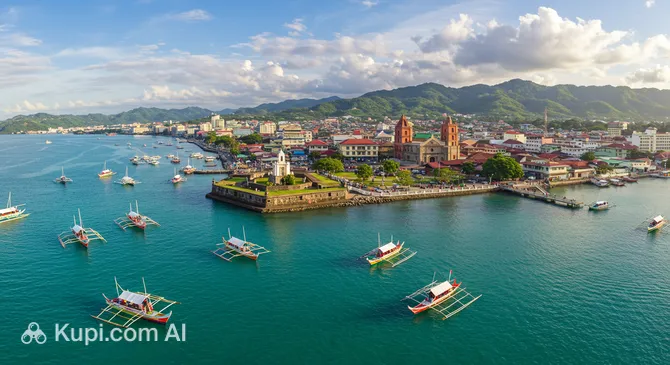
Zamboanga City. Source: Kupi.Binoculars

Located at the southernmost tip of the Zamboanga Peninsula, this bustling urban hub serves as a major gateway to the southern Philippines. With a population approaching one million, it is a center of commerce and trade, enjoying a tropical climate that provides warm weather throughout the year. The city's strategic coastal position has made it a significant maritime port for centuries.

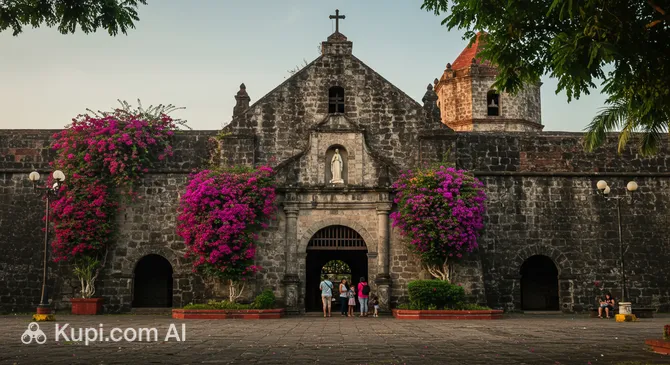
The history of Zamboanga City is etched into its landmarks, particularly the iconic Fort Pilar. Originally built as a defense fortress in the 17th century, it now stands as a beloved open-air shrine and a regional museum. Beyond its historical walls, the city is famous for its natural wonders, such as the Great Santa Cruz Island, renowned for its rare pink sand beach resulting from crushed red organ-pipe coral. Visitors are also often captivated by the sight of traditional vinta boats with their colorful, geometric sails gliding over the waters.

Whether you are eager to taste the famous local crab dish known as curacha or simply wish to experience a distinctive cultural atmosphere, Zamboanga City invites you to explore its many charms. It is a destination where the past and present coexist beautifully, offering a memorable journey for every traveler.

Weather Overview

Travelers planning a trip to this region can expect a consistent tropical climate with warm conditions prevailing throughout the year. The weather in Zamboanga City is characterized by steady temperatures and a high frequency of rainy days, although the overall rainfall volume remains relatively low. This stability makes the city accessible year-round, with no drastic seasonal shifts in temperature.

Temperatures are remarkably constant, typically ranging from daily lows of around 24.7°C to highs of approximately 28.7°C. May tends to be the warmest month with an average temperature of 27.0°C, while months like July and January are slightly cooler, averaging around 26.1°C to 26.2°C. Visitors should be prepared for warm days and mild nights regardless of when they choose to visit.

Rainfall is a frequent occurrence, so carrying an umbrella is advisable. The number of wet days varies, with February being the driest month, recording about 16 wet days. In contrast, October is the wettest in terms of frequency, with rain occurring on up to 29 days of the month. Despite the high number of wet days, the recorded precipitation levels are often light, suggesting frequent but brief showers rather than heavy downpours.

Interesting Facts

Beyond the main attractions, Zamboanga City holds many fascinating secrets and historical distinctions that surprise even seasoned travelers. Here are some intriguing details about this vibrant southern metropolis:
  • Inside the lush Pasonanca Park stands a unique tree house originally constructed in 1960 to accommodate a visiting American official. It has become a symbol of the city's hospitality, and to this day, visitors can request a special permit to spend a night in this elevated shelter surrounded by nature.

  • The city is home to the Zamboanga Golf Course and Beach Park, which is widely recognized as the oldest golf course in the Philippines. Established in 1910 during the American colonial period, it was founded by General John "Black Jack" Pershing, whose legacy is also marked by Plaza Pershing in the city center.

  • While the city is famous for its Spanish heritage, its name likely has floral origins. Many historians believe "Zamboanga" evolved from the Malay word Jambangan, meaning "Garden of Flowers," reflecting the region's abundance of blooming tropical flora long before foreign influence.

  • Zamboanga City hosts a dedicated Yakan Weaving Village, where artisans from the indigenous Yakan tribe preserve their intricate textile traditions. Unlike other weaving styles, Yakan fabrics are created using a backstrap loom and are renowned for their bold, geometric patterns inspired by nature, with some complex designs taking weeks to complete.

Pasonanca Park. Source: Kupi.Binoculars

How to Get There

Reaching this southern metropolis is most convenient by air, as it serves as the primary gateway to the region. For a complete overview of all travel options, including land and sea routes, you can consult our detailed guide on how to get to Zamboanga City. The city is well-connected to major hubs like Manila and Cebu, ensuring accessibility for domestic and international travelers alike.

The most direct entry point is Zamboanga International Airport (IATA: ZAM), which is conveniently located within the city limits, just 2.1 km from the center. It is a major transport hub with frequent daily flights. Due to its proximity to downtown, the transfer is very quick; a taxi or tricycle ride typically takes around 25 minutes depending on traffic conditions. This is by far the most practical option for the vast majority of visitors.

If flights to Zamboanga are unavailable, the nearest alternative is Pagadian Airport (IATA: PAG) in the city of Pagadian. However, travelers should be aware that this airport is approximately 182 km away. The journey from Pagadian to Zamboanga City by bus or private van is substantial, taking about 5 hours. Another distant option is Awang Airport (IATA: CBO) in Cotabato City, located roughly 237 km away, which would require an even longer overland trip of over 6 hours.

For clarity, here is a summary of the main airports serving the region:

Airport Name City Passenger Traffic Km from City
Zamboanga International AirportZamboanga CityHigh2.1
Awang AirportCotabato CityMedium237.0
Labo AirportOzamizMedium239.1
Pagadian AirportPagadianMedium182.7
Dipolog AirportDipologSmall232.1

Zamboanga City does not have a railway station, and there are no active train services connecting it to other parts of the Zamboanga Peninsula or Mindanao. Rail travel is not a viable mode of transport in this specific region. Visitors who do not arrive by plane typically travel by long-distance bus or ferry from nearby islands and provinces.

Main Attractions

A visit to this vibrant city is incomplete without exploring the Fort Pilar Shrine. Originally built in 1635 as a military defense fortress to protect the region, it has since been transformed into a revered open-air sanctuary dedicated to Our Lady of the Pillar. The site is a fascinating blend of colonial history and spiritual devotion, where visitors can admire the weathered coral stone walls and observe the deep faith of the locals who come to light candles and pray.

Fort Pilar Shrine. Source: Kupi.Binoculars

Just a short distance from the shrine lies Paseo del Mar, a sprawling waterfront promenade that serves as the city's leisure hub. It is the perfect place to enjoy the refreshing sea breeze and catch a stunning view of the sunset over the Basilan Strait. The area comes alive in the late afternoon and evening, offering a variety of dining options where you can taste local delicacies while watching colorful vinta boats sail nearby.

Paseo del Mar. Source: Kupi.Binoculars

For those interested in delving deeper into the region's heritage, the Fort Pilar National Museum offers an educational experience right within the historic fort complex. This branch of the National Museum of the Philippines showcases a diverse collection of artifacts, including geological specimens, botanical displays, and ethnographic items that highlight the rich culture of the indigenous peoples of the Zamboanga Peninsula.

Travelers looking for a modern contrast to the historical sites should head to KCC Mall de Zamboanga. As one of the largest shopping centers in the region, it provides a comfortable, air-conditioned environment to escape the tropical heat. The mall features a wide array of retail shops, entertainment facilities, and restaurants, making it a popular spot for both locals and tourists to shop, dine, and relax.

Local Cuisine

The culinary landscape of Zamboanga City is a flavorful reflection of its rich cultural history, blending Spanish, Malay, and indigenous influences. Known as the "Sardines Capital of the Philippines," the city offers an abundance of fresh seafood, but it is the bold use of spices and coconut milk that truly sets the local cuisine apart from other regions in the country.

Food enthusiasts should not miss the opportunity to try the famous Curacha, a deep-sea crab unique to these waters. It is traditionally served with the signature Alavar sauce, a rich mixture of coconut milk, crab fat, and spices. Another local favorite is Satti, a spicy breakfast dish featuring grilled beef or chicken skewers submerged in a thick, sweet-spicy sauce and served with rice cakes. For dessert, the refreshing Knickerbocker—a mix of fresh fruits and gelatin topped with strawberry ice cream—is the perfect way to cool down.

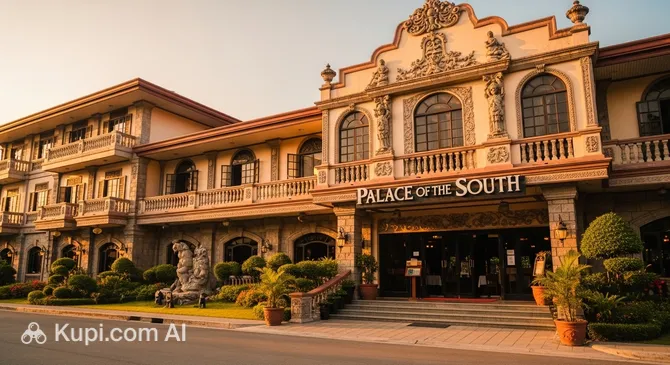
When looking for a place to dine, travelers can visit the Palace of the South. This establishment is known for its extensive menu and comfortable setting, making it a suitable choice for families and groups wishing to experience local hospitality.

Palace of the South. Source: Kupi.Binoculars

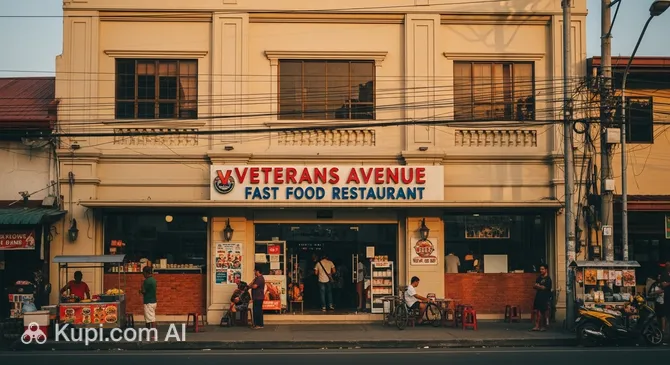
For a quick and convenient meal, the Veterans Avenue Fast Food Restaurant is another available option in the city. Exploring these dining venues allows visitors to taste the authentic flavors that make Zamboanga a distinct gastronomic destination.

Veterans Avenue Fast Food Restaurant. Source: Kupi.Binoculars

Travel Tips

To ensure your visit to "Asia's Latin City" is as smooth and enjoyable as possible, we have compiled a list of essential travel advice. These practical tips will help you navigate the unique culture, climate, and daily rhythm of Zamboanga City with confidence.

  1. Clothing and Gear: Given the tropical climate, pack light, breathable fabrics like cotton or linen to stay cool in the heat. Since rain showers can occur unexpectedly, bringing a compact umbrella or a light raincoat is highly recommended. If you plan to visit religious sites like the Fort Pilar Shrine or local mosques, dress modestly; cover your shoulders and knees to show respect. Comfortable walking shoes are a must for exploring the city center and parks.

  2. Transportation: The most iconic and convenient way to get around the city is by tricycle. These motorized rickshaws are everywhere and can take you to almost any destination within the city limits; just be sure to agree on the fare before hopping in. Jeepneys are available for longer routes along main avenues. Taxis are present but less numerous than in the capital, and while some ride-hailing apps operate, availability can vary, so having cash for traditional transport is essential.

  3. Finances: The local currency is the Philippine Peso (PHP). While major hotels, malls like KCC, and upscale restaurants accept credit cards, cash is king in Zamboanga. You will need small bills and coins for tricycles, local markets, and small eateries. ATMs are widely available in commercial areas and shopping centers, but it is wise to carry enough cash when venturing to islands like Great Santa Cruz or more remote spots.

  4. Health and Safety: Pharmacies such as Mercury Drug and Watsons are common in the city center and malls, with some operating late or 24/7. As a general precaution, drink bottled or purified water rather than tap water. Zamboanga is generally safe for tourists in main areas, but it is advisable to stay within well-lit, populated zones at night and follow the guidance of local tourism officers when visiting outlying islands.

  5. Communication: Zamboanga is unique for speaking Chavacano, a Spanish-based creole. You will often hear locals greeting with "Buenas dias" (Good morning). However, English is widely understood and spoken, making communication easy for international travelers. Tagalog and Cebuano are also common. SIM cards from major networks (Globe and Smart) are easily purchasable at the airport and malls for mobile data.

  6. Local Etiquette: Zamboangueños are known for their warmth and hospitality. A smile and a polite greeting go a long way. The culture is relatively conservative, so public displays of affection should be kept modest. When interacting with elders, being polite and respectful is highly valued. If you are invited to a local's home, removing your shoes before entering is a common practice unless told otherwise.

  7. What to Avoid: Do not make jokes about security, bombs, or safety inspections, especially at checkpoints, the airport, or the port; this is taken very seriously by authorities. Avoid taking photographs of military or police personnel and secure government facilities without explicit permission.

  8. Shopping Tip: Don't leave without visiting the Canelar Barter Trade Center. It is the best place to buy local souvenirs, including authentic Yakan woven fabrics, Malaysian and Indonesian goods, and local delicacies. It is customary to haggle politely here to get the best price for your pasalubong (gifts).

By keeping these tips in mind, you will be well-prepared to embrace the vibrant charm and heritage of Zamboanga City. Enjoy the delicious food, the colorful sights, and the warm hospitality that make this southern gem truly special.

Entertainment & Nightlife

Entertainment in Zamboanga City transitions seamlessly from cultural exploration by day to a relaxed, social atmosphere by night. Unlike the high-octane clubbing scenes found in some larger capitals, the nightlife here is characteristically laid-back, centered around "chill" vibes, live acoustic music, and al fresco dining. The local culture places a high value on socializing with family and friends, making the evening scene welcoming and community-oriented.

The undisputed hub for evening activity is Paseo del Mar. As the sun sets, this sprawling waterfront promenade transforms into a lively gathering spot. Locals and tourists alike flock here to enjoy fresh seafood, listen to live bands playing everything from reggae to pop, and soak in the cool sea breeze. It offers a safe, well-lit environment where you can enjoy a cold drink while watching the lights reflect off the nearby Basilan Strait.

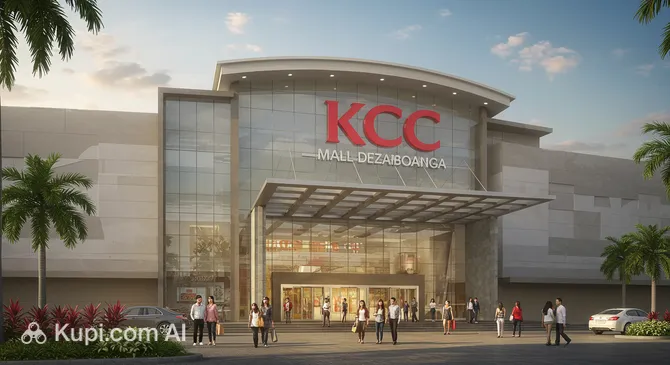
For those seeking indoor entertainment or a late-night movie, the city's modern shopping complexes are the go-to destinations. KCC Mall de Zamboanga is a popular spot that stays bustling into the evening, offering a wide range of dining options and a modern cinema complex. It serves as a convenient meeting point for groups looking to start their night with dinner and a show.

KCC Mall de Zamboanga. Source: Kupi.Binoculars

Another notable venue for evening leisure is City Mindpro. Located in the heart of the downtown area, it is one of the pioneers of entertainment in the city, featuring cinemas and a food court that attracts a steady crowd. For a more street-side experience, travelers can explore the stretch along Gov. Camins Avenue and Nuñez Extension. These areas are lined with various resto-bars and grills where the atmosphere is casual, and the music is often performed by talented local bands.

Practical Advice for Nightlife:
Most venues operate with a casual dress code; shorts and sandals are generally acceptable, though some upscale hotel bars may require closed shoes. The peak time for nightlife is typically between 8:00 PM and 11:00 PM, with most establishments closing by 1:00 AM or 2:00 AM. Prices are very affordable compared to Manila or Cebu, with a bucket of beer and appetizers costing significantly less.

Safety and Transport:
Zamboanga City is generally safe for tourists at night, especially in popular zones like Paseo del Mar and the mall areas. However, it is advisable to stay in well-lit, populated streets and avoid wandering into unlit alleys. For transportation, tricycles are the primary mode of travel. Be aware that fares may be slightly higher at night, and fewer units are available after midnight. Taxis are also an option and can be booked via hotels or hailed in major commercial districts.

During the day, the city offers a different kind of entertainment. Visitors can immerse themselves in history at the museums within the Fort Pilar complex or enjoy a peaceful afternoon at Pasonanca Park. Whether you prefer the educational value of a museum tour or the lively energy of a night market, the city provides a balanced mix of activities to fill your itinerary.

Parks & Museums

Zamboanga City is not only a bustling trade hub but also a destination rich in verdant landscapes and preserved heritage. The city takes pride in its well-maintained public spaces and cultural institutions, offering visitors a chance to relax amidst nature or delve deeper into the region's fascinating history and artistic traditions.

One of the city's most celebrated green spaces is Pasonanca Park, often hailed as the "Little Baguio of the South" due to its cooler microclimate and lush vegetation. Located a few kilometers from the city center, this expansive area is famous for its three natural swimming pools, which are fed by fresh, flowing spring water. The park also features a dedicated flower garden known as Jardin Maria Clara, named after the heroine of Dr. Jose Rizal's novel, where visitors can admire a colorful array of orchids and roses in a serene setting.

For those interested in historical landmarks within the urban core, Plaza Pershing offers a glimpse into the city's colonial past. Situated right in the heart of the downtown area, this open city square was named after General John "Black Jack" Pershing. It features a picturesque gazebo and well-manicured lawns, serving as a peaceful retreat for locals amidst the busy streets. It is an excellent spot to sit, observe the daily life of Zamboangueños, and appreciate the surrounding heritage architecture.

Plaza Pershing. Source: Kupi.Binoculars

To truly understand the cultural depth of the Zamboanga Peninsula, a visit to the Fort Pilar National Museum is essential. Housed within the historic walls of the fort, this museum is a treasure trove of information regarding the region's natural and cultural history. The galleries display a wide range of artifacts, including preserved marine life specimens found in local waters, geological collections, and intricate ethnographic items that showcase the artistry of the Yakan, Subanen, and Sama-Bajau peoples.

Fort Pilar National Museum. Source: Kupi.Binoculars

Another significant cultural venue is the Yakan Weaving Village. While not a traditional museum, this living cultural center provides an immersive experience where tourists can watch master weavers create intricate textiles using traditional backstrap looms. It offers a unique opportunity to witness the preservation of indigenous craftsmanship firsthand and learn about the stories woven into every pattern.

For a unique insider experience, look for the butterfly sanctuary located within the Pasonanca Park complex. It is a quiet, enclosed garden teeming with various local butterfly species, offering a magical and photogenic stop that many hurried visitors often overlook.

Getting Around

Navigating Zamboanga City is a unique experience that relies entirely on road-based transportation, as there are no metro systems, trams, or operational railways in the region. The city's public transport network is informal yet highly functional, dominated by colorful local vehicles that add to the vibrant atmosphere of the streets. For most tourists, getting around involves a mix of motorized tricycles, traditional jeepneys, and taxis.

The most ubiquitous mode of transport is the tricycle. These are motorcycles attached to a covered sidecar, designed to carry two to four passengers. They are the primary choice for short-distance travel and can navigate narrow streets that larger vehicles cannot access. Tricycles operate somewhat like taxis but without meters; they can be hailed from almost any street corner. For longer distances along main avenues and highways, jeepneys are the standard. These elongated, open-air vehicles follow specific routes displayed on their windshields and are the most affordable way to travel between the city center and outlying districts like Pasonanca or Tetuan.

For those seeking more comfort, especially in the tropical heat, air-conditioned taxis are available, though they are less numerous than tricycles. They are typically found at major transport hubs, such as the airport, large shopping malls, and hotel lobbies. While some taxi units use meters, it is not uncommon for drivers to propose a fixed rate for specific destinations, so it is advisable to clarify the fare before starting the journey. Unlike in the capital, ride-hailing apps are not widely established here, so relying on traditional hailing methods is the norm.

The payment system in Zamboanga City is strictly cash-based. There are no travel cards, tap-to-pay systems, or mobile ticket apps for public transit. Fares for jeepneys and tricycles are very low, often costing just a few coins for short trips. It is essential to carry smaller denominations of the local currency (coins and 20 or 50 peso bills), as drivers often do not have change for large banknotes. In a jeepney, payment is passed manually to the driver, often with the help of fellow passengers, a practice known locally as "bayad po."

Tourists should be aware that public transport operating hours are generally from early morning until around 9:00 PM or 10:00 PM. After this time, finding a jeepney becomes difficult, and tricycle availability drops significantly. If you plan to stay out late, it is wise to arrange transportation in advance or have a hotel reception assist you in booking a taxi. To stop a jeepney, simply wave your hand at the driver; to get off, say "para" or tap your coin on the metal handrail to signal the driver to stop.

While walking is an option for short distances within the compact city center (Pueblo), the heat often makes motorized transport preferable. Car rentals are available but are generally not recommended for short-term visitors unfamiliar with local driving habits and traffic patterns. For excursions to nearby islands, such as Great Santa Cruz Island, travel is conducted via motorized outrigger boats organized by the local tourism office at the Paseo del Mar, which serves as the designated jump-off point.

Accommodation

Finding a place to stay in Zamboanga City is generally straightforward, with options that cater primarily to practical travelers, business visitors, and families. The accommodation landscape is dominated by mid-range business hotels, budget-friendly inns, and pension houses. While the city does not have an extensive array of ultra-luxury resorts compared to other major Philippine tourist hubs, visitors will find plenty of clean, comfortable, and affordable establishments that offer warm Zamboangueño hospitality.

For most tourists, the most convenient area to stay is the City Proper (Pueblo). Staying in the downtown district places you within walking distance of key historical landmarks, such as the city hall and the port, as well as the bustling waterfront promenade. Another popular area is along Gov. Camins Avenue and the district of Canelar. These locations are strategically situated near the airport and major shopping centers, making them ideal for travelers who prioritize easy access to transportation and modern conveniences.

Travelers seeking a quieter environment might consider looking for accommodation towards the Pasonanca area. Known for its greenery and cooler temperatures, this district offers a more relaxed atmosphere away from the busy city center, though it requires a short commute to reach the main commercial spots. Regardless of where you choose to stay, most hotels in the city provide essential amenities such as air conditioning, Wi-Fi, and in-house dining.

Booking and Prices:
Accommodation prices in Zamboanga City are generally very reasonable. Budget rooms can be found for a modest fee, while mid-range hotels offer excellent value for money with higher standards of comfort. Online booking platforms are widely used and are the most convenient way to secure a room. However, it is highly recommended to book in advance if you plan to visit during October, when the city celebrates the vibrant Zamboanga Hermosa Festival, as hotels tend to fill up quickly during this peak season.

Nearby Cities

For those looking to explore the surroundings, Zamboanga City serves as an excellent base for day trips to several interesting nearby locations:

Just a short ferry ride across the strait lies Isabela City. It is frequently visited by travelers seeking a quick tropical escape, primarily for the stunning Malamawi White Beach. With its fine white sand and clear turquoise waters, it offers a relaxing island atmosphere that contrasts with the busy urban pace of the mainland. The city is easily accessible via fast craft, making it a convenient option for a morning-to-afternoon excursion.

Nearby is the city of Lamitan, which is celebrated for its unique natural landscapes and cultural heritage. One of its main draws is the picturesque Bulingan Falls, famous for its distinct cubic rock formations that create a visual spectacle unlike typical waterfalls. Visitors to Lamitan can also explore local traditions and witness the vibrant community life that characterizes this part of the archipelago.

For those interested in a road trip further up the peninsula, Ipil serves as a key gateway to the province of Zamboanga Sibugay. Located approximately three hours away by land, it is a bustling hub known for its iconic rotunda and lively market areas. It offers a different perspective of the region's geography and acts as a central connecting point for travelers venturing deeper into Mindanao.

City Population Distance (km)
Isabela City13037927
Lamitan10015029
Ipil89401111
Titay53994119
Siocon4852483

These nearby destinations offer a glimpse into the diverse culture and landscapes of the region, providing enriching experiences just a short distance from the city center.

Shopping & Souvenirs

Shopping in Zamboanga City provides a fascinating mix of experiences, ranging from bustling traditional markets to modern, air-conditioned lifestyle centers. Whether you are looking for imported goods, authentic local handicrafts, or standard retail brands, the city has diverse options to satisfy every shopper's needs.

For a unique retail adventure, the Canelar Barter Trade Center is the undisputed highlight. This vibrant market is famous throughout the region for selling goods sourced from neighboring Malaysia and Indonesia. Visitors can find colorful batik fabrics, woven malongs, and imported coffee and chocolates at prices significantly lower than in other parts of the country. It is also the best place to purchase authentic Yakan weavings, known for their intricate geometric patterns and cultural significance.

Those preferring a modern shopping environment should head to KCC Mall de Zamboanga. As the largest mall in the peninsula, it offers a comprehensive selection of fashion boutiques, electronics stores, and a well-stocked supermarket. It serves as a one-stop destination where travelers can enjoy comfortable amenities, dine at various restaurants, and find everything from daily essentials to travel gear.

Located centrally in the downtown area, City Mindpro is another convenient option for quick purchases and leisure. It features a department store, a supermarket, and a cinema, making it a popular hub for locals. Its accessibility makes it an easy stop for tourists exploring the city center who need to grab supplies or enjoy a break from sightseeing.

[IMAGE entity="attraction" id="153441"]

Before leaving, do not miss the chance to buy local delicacies as pasalubong (gifts). Zamboanga is renowned for its preserved seafood, particularly bottled sardines and the savory Alavar sauce. Local treats like baulo (native cookies) and durian candies are also popular choices that capture the distinct flavors of the region.

Reached the end of the page?

That means the route is fully explored