Support

Dipolog

About

Welcome to Dipolog, a captivating destination often referred to as the "Gateway to Western Mindanao." Known for its clean streets, disciplined traffic, and friendly atmosphere, this city offers a refreshing escape for travelers seeking both relaxation and adventure. As the capital of the province of Zamboanga del Norte, it serves as a bustling hub of commerce and culture while maintaining a serene and welcoming vibe.

Located on the northwestern coast of the Philippines, Dipolog enjoys a tropical climate that makes it a pleasant destination year-round. With a population of approximately 138,000 residents, it strikes a perfect balance between a developing urban center and a close-knit community. The city is geographically blessed with rolling hills to the southeast and the Sulu Sea to the north, providing stunning natural backdrops.
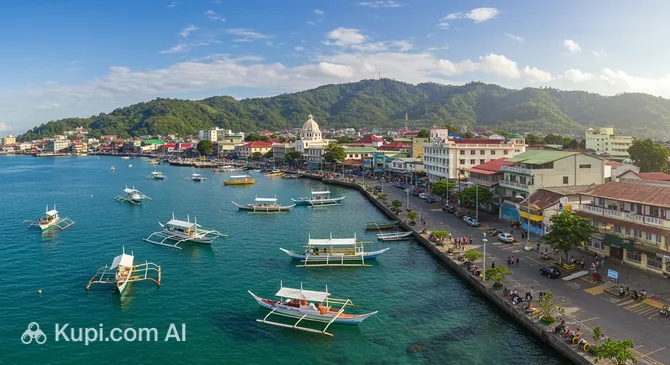
Dipolog. Source: Kupi.Binoculars

The history of Dipolog is deeply rooted in its transformation from a humble settlement into a vibrant city. Over the years, it has grown significantly while preserving its unique heritage and local traditions. Today, it stands as a testament to the resilience and industry of its people, blending modern progress with historical charm.

Visitors are often drawn to the famous Dipolog Sunset Boulevard, a picturesque esplanade stretching along the coast that is perfect for evening strolls and enjoying breathtaking sunsets. The city is also renowned as the "Bottled Sardine Capital of the Philippines," making the local sardine industry a unique cultural and culinary highlight. For nature lovers and fitness enthusiasts, a hike up the 3,003 steps of Linabo Peak offers a rewarding panoramic view of the city and the sea.

Whether you are here to explore the outdoors, taste the local cuisine, or simply unwind by the sea, Dipolog promises a memorable experience. Its unique combination of natural beauty, urban amenities, and warm hospitality makes it a destination truly worth visiting.
Weather Overview

Dipolog generally enjoys a warm, tropical climate throughout the year, making it a welcoming destination for sun-seekers, though travelers should always be prepared for frequent showers. The city experiences very stable temperatures, with monthly averages consistently hovering between 25.9°C and 27.4°C. The warmest period typically peaks in May, where maximum temperatures can reach up to 29.0°C, while the coolest months like January and February still offer pleasant lows around 24.6°C.

Rainfall is a significant part of the local climate, with a high number of wet days recorded across the calendar. The most favorable time for outdoor exploration is usually from February to April, which marks the relatively drier season with about 19 wet days per month and lower precipitation levels. In contrast, the rest of the year sees frequent rain, particularly in October, which can have up to 29 wet days. To help plan your activities around the rain, you can check the current weather in Dipolog before your trip.

Interesting Facts

Beyond the main attractions and its reputation for sardines, Dipolog holds many fascinating secrets that deepen its charm for travelers. Here are some unique insights into the culture and geography of this inviting city.
  • Dipolog is affectionately known as the "Orchid City of the South." This title stems from the abundance of wild orchids, particularly the Waling-waling, that were once commonly found growing in the area's lush forests and backyard gardens.

  • The Dipolog Boulevard Walkway is not merely a scenic coastal road; it is recognized as one of the longest foreshore boulevards in Mindanao. Stretching extensively along the coastline, it serves as a massive recreational park and a protective barrier against storm surges.

  • While the 3,003 steps of Linabo Peak are a well-known challenge, fewer visitors realize that the trail serves as a "Via Crucis" or Way of the Cross. The path is lined with life-sized statues depicting the passion of Christ, transforming the hike into a spiritual pilgrimage, especially during the Holy Week.

  • The city's name has linguistic roots in the Subanen word "Di-pag," which translates to "across the river." This refers to the historical settlement's location on the opposite bank of the Dipolog River, which early residents had to cross to reach the town center.

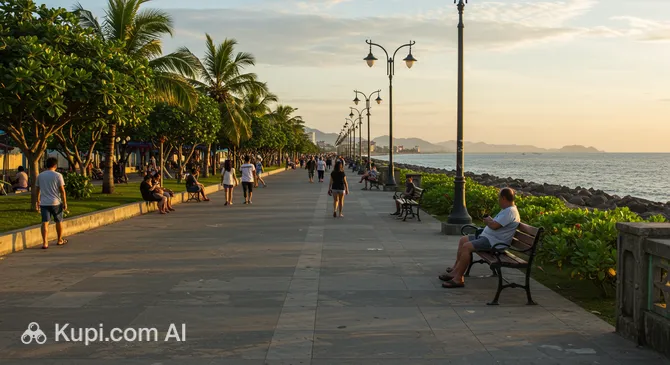
Dipolog Boulevard Walkway. Source: Kupi.Binoculars

How to Get There

Reaching this charming city is relatively straightforward, with air travel being the most convenient option for the majority of visitors. You can find more about how to get to Dipolog and plan your journey accordingly depending on your starting point.

The city is served directly by Dipolog Airport (IATA: DPL), which is conveniently located just 1.4 km from the city center. As the principal gateway to the province, it handles a steady flow of travelers connecting from major hubs like Manila and Cebu. Because the airport is situated within the city limits, the transfer to downtown is quick and easy, typically requiring just a short drive by taxi or local transport.

If you are exploring the wider region or cannot find a direct flight, you might consider arriving at Labo Airport (IATA: OZC) in the city of Ozamiz. It is located about 71.4 km from Dipolog. The journey by land from Ozamiz involves a scenic drive that usually takes several hours. Another alternative is Dumaguete Airport (IATA: DGT) in Dumaguete, roughly 82.7 km away; however, traveling from there typically involves a ferry crossing to reach the Zamboanga peninsula.

For clarity, here is a summary of the main airports in the vicinity:

Airport Name City Passenger Traffic Km from City
Bohol-Panglao Tagbilaran High 118.9
Dumaguete Airport Dumaguete Medium 82.7
Labo Airport Ozamiz Medium 71.4
Pagadian Airport Pagadian Small 84.7
Dipolog Airport Dipolog Small 1.4

Main Attractions

Dipolog City may be known for its sardines and orchids, but its charm extends far beyond these local icons. The city offers a delightful mix of urban recreational spaces, natural wonders, and historical landmarks. Whether you are looking for a vigorous hike, a relaxing afternoon by the sea, or a touch of history, the local attractions provide a perfect itinerary for any traveler.

One of the most popular spots in the city is the Dipolog Boulevard Walkway. This expansive esplanade is the heartbeat of the city's leisure life, stretching along the coast and offering uninterrupted views of the sea. It is a favorite gathering place for locals and tourists alike, coming alive in the late afternoon as people arrive to jog, bike, or simply watch the sunset. The area is also famous for its street food stalls, where you can try local favorites while enjoying the cool ocean breeze.

Dipolog Boulevard Walkway. Source: Kupi.Binoculars

For those seeking adventure and a panoramic perspective of the region, Linabo Peak is a must-visit destination. Standing as the highest elevation in the city, it is famous for the "3,003 Steps" that lead to the summit. The climb is a popular fitness challenge for residents and a rewarding trek for visitors. Once you reach the top, you are treated to a breathtaking 360-degree view of Dipolog, the neighboring city of Dapitan, and the vast Sulu Sea. The trail also features the Stations of the Cross, adding a spiritual dimension to the physical journey.

Nature lovers will appreciate a trip to the Cogon Eco-Tourism Park. Located in the hinterlands of the city, this extensive forest park is a testament to successful reforestation efforts. It serves as a sanctuary for various species of birds and plants, offering a serene environment for camping, trekking, and communing with nature. The park provides a cool and quiet retreat away from the busy city center, making it an ideal spot for picnics and family outings.

In the heart of the city stands the Holy Rosary Cathedral, a significant historical and religious landmark. Built by Spanish friars in the late 19th century, the church has undergone several renovations but remains the center of the Catholic faith in the province. Its altar, designed with intricate details, and the peaceful atmosphere make it a worthy stop for those interested in architecture and local history. It stands as a silent witness to the city's growth from a small settlement to the bustling capital it is today.

Local Cuisine

The culinary landscape of Dipolog is deeply intertwined with its coastal geography and its reputation as the "Bottled Sardine Capital of the Philippines." Food here is fresh, flavorful, and unpretentious, reflecting the abundance of the Sulu Sea and the simple yet hearty tastes of the locals. Visitors cannot leave the city without trying its famous Spanish-style sardines. While these are often bought as souvenirs (pasalubong), they are also a staple in local households and restaurants, served with rice or pasta for a savory meal.

Beyond sardines, the city offers an exceptional array of fresh seafood. Kinilaw, a local version of ceviche made with raw fish cured in vinegar and spiced with ginger, onions, and chili, is a must-try appetizer. Grilled dishes, particularly tuna belly and squid, are also popular, showcasing the natural sweetness of the fresh catch. For a truly local experience, look for restaurants serving "Dayok," a fermented fish intestine condiment that adds a unique, salty kick to dishes, though it is an acquired taste for some.

The heart of the city's street food culture beats strongest at the Dipolog Boulevard Walkway. As the sun sets, this area transforms into a vibrant dining hub filled with smoke and delicious aromas. Here, you can enjoy barbecue sticks of pork, chicken, and dried squid (pusit) grilled right before your eyes. Another local favorite found here is "tempura," which in this region refers to deep-fried fish cakes served with a sweet and spicy sauce, rather than the battered shrimp dish found in Japanese cuisine.

For breakfast or a mid-afternoon snack, the combination of Puto Maya and Sikwate is a beloved tradition. Puto Maya is a sticky rice cake steamed with ginger and coconut milk, often served with a slice of ripe mango. It is best paired with Sikwate, a rich and hot chocolate drink made from pure cacao tablea. This comforting duo can be found in the public market and various local cafes, offering a warm and sweet introduction to the flavors of Zamboanga del Norte.

Travel Tips

To ensure your visit to the "Orchid City of the South" is as enjoyable and stress-free as possible, we have compiled a list of essential travel advice. These practical tips will help you navigate local customs, logistics, and daily life in Dipolog with the ease of a seasoned traveler.

  1. Clothing and Gear: Given the tropical climate, pack lightweight, breathable fabrics like cotton or linen to stay cool. Since rain can occur frequently, especially later in the year, carrying a compact umbrella or a light rain jacket is highly recommended. If you plan to hike up Linabo Peak or explore the Philippines' lush outdoors, bring sturdy, comfortable walking shoes. For visits to religious sites like the Holy Rosary Cathedral, remember to dress modestly, covering your shoulders and knees.

  2. Transportation: The most common and convenient way to get around Dipolog is by tricycle (a motorcycle with a sidecar). They are affordable and readily available throughout the city. For trips within the city center, fares are standard, but for longer distances, it is wise to agree on the price beforehand. Walking is also a pleasant option, particularly along the scenic Boulevard. Ride-hailing apps are generally not the primary mode of transport here compared to major metropolises.

  3. Finances: The local currency is the Philippine Peso (PHP). While major hotels and some restaurants in the city center accept credit cards, cash is absolute king for tricycles, public markets, and street food stalls. ATMs are widely available in the downtown area and near the city hall. It is advisable to carry smaller bills and coins for easier transactions with local vendors.

  4. Health and Safety: Dipolog is known for being one of the more peaceful and disciplined cities in the region. However, standard travel precautions apply: keep your valuables secure and stay aware of your surroundings. Pharmacies are easily found in the city center for basic medical supplies. To avoid stomach issues, stick to bottled or purified water rather than drinking from the tap, and use insect repellent to protect against mosquitoes, especially during the wetter months.

  5. Communication: English is widely understood and spoken, making communication relatively easy for international tourists. The main local language is Cebuano (also known as Bisaya). Learning a few local phrases like "Maayong buntag" (Good morning) or "Salamat" (Thank you) will be warmly received by the locals. SIM cards from major networks like Globe and Smart are available at the airport and local convenience stores for internet access.

  6. Local Etiquette: The people of Dipolog are known for their friendliness and hospitality. A smile goes a long way here. When interacting with elders, it is polite to speak softly and respectfully. The city prides itself on cleanliness and discipline, so be sure to follow local ordinances, such as crossing streets only at designated pedestrian lanes and disposing of trash properly.

  7. What to Avoid: Avoid littering or smoking in non-designated areas, as the local government strictly enforces sanitation and anti-smoking laws. Also, refrain from taking photos of people without their permission, although most locals are happy to pose if asked politely.

  8. Local Insight: Do not leave the city without buying its famous bottled sardines. They are cheaper here than anywhere else in the country and make for excellent souvenirs. For the best local experience, time your visit to the Dipolog Boulevard around 5:00 PM to catch the spectacular sunset and enjoy the lively street food scene that follows.

Armed with these practical tips, you are ready to fully embrace the charm and warmth of Dipolog. Enjoy the stunning sunsets, delicious flavors, and the friendly smiles that make this city a truly special destination.

Entertainment & Nightlife

While Dipolog is often celebrated for its peaceful daytime charm, the city transforms as the sun dips below the horizon, offering a nightlife scene that is vibrant yet pleasantly laid-back. Unlike the frenetic energy of larger metropolises, the evening entertainment here is characterized by open-air venues, cool sea breezes, and a strong sense of community. The atmosphere is generally casual, where locals and visitors mingle freely, enjoying everything from acoustic sessions to lively dance floors.

The undisputed heart of the city's nightlife is the Dipolog Boulevard Walkway. By day, it is a scenic esplanade, but by night, it becomes a bustling epicenter of activity. The area is famous for its "Barbecue Strip," where smoke from grilling stations fills the air and families gather for affordable alfresco dining. Just steps away, within the Boulevard Commercial Complex, you will find a concentration of bars and restobars that cater to different crowds. This area is perfect for bar-hopping without needing to travel far, as you can easily walk from a quiet dinner spot to a venue with live music.

For those seeking specific venues to experience the local vibe, Big Boss located along the Boulevard is a popular stop for drinks and socializing in a central location. If you are looking for a more upscale atmosphere, Cove Bar and Cocktail Lounge has gained a reputation as a stylish gastropub, offering a sophisticated setting for cocktails and conversation. Meanwhile, for travelers who want to dance or experience a more energetic club setting, WE Club is a well-known destination in the city that stays open late, often featuring DJs and themed party nights.

Most nightlife establishments in Dipolog operate from around 6:00 PM until 1:00 AM or 2:00 AM, particularly on weekends. The dress code is largely casual; shorts, t-shirts, and sandals are perfectly acceptable at most outdoor and boulevard venues, though you might want to dress up a bit ("smart casual") if you plan to visit indoor clubs or hotel lounges. Prices are very reasonable compared to major cities like Manila or Cebu, with a bucket of local beer or a cocktail costing a fraction of what you might expect elsewhere.

Getting around at night is safe and convenient. The primary mode of transport is the motorized tricycle. Drivers are generally honest and accustomed to tourists, but it is always a good idea to agree on the fare before hopping in, especially if you are heading to a destination slightly outside the city center. Dipolog is widely regarded as one of the safest cities in the region, and walking along the well-lit Boulevard late at night is a common and secure activity for tourists.

Before the sun sets, the city offers modest but enjoyable daytime entertainment options. You can catch the latest movies at the cinema in CityMall Dipolog or explore the local heritage at the Zamboanga del Norte Museum. For a relaxing afternoon, many visitors head to the various inland resorts or simply enjoy a picnic at the Cogon Eco-Tourism Park before heading back to the coast for the evening festivities.

Parks & Museums

Dipolog offers a refreshing mix of well-maintained green spaces and venues that preserve its rich cultural narrative. The city seamlessly integrates nature into its urban planning, providing residents and visitors with ample areas to relax, while its cultural institutions offer a glimpse into the heritage of Zamboanga del Norte.

Parks and Nature

The crown jewel of the city's outdoor spaces is the Dipolog Boulevard Walkway. While it serves as a coastal defense and a fitness hub, it functions primarily as a massive linear park. Stretching for kilometers along the shoreline, it features landscaped pockets, playgrounds for children, and open paved areas perfect for skating or group exercises. It is the city's communal living room, where the fresh sea breeze and the sound of waves create a naturally therapeutic environment.

For a more immersive nature experience, the Cogon Eco-Tourism Park is an essential stop located in the lush hinterlands of Barangay Cogon. This sprawling forest reserve is a haven for biodiversity, featuring mature trees, trekking trails, and camping grounds. It serves as a sanctuary for local bird species and offers a cool, shaded retreat from the tropical heat. The park is managed with a focus on environmental conservation, making it an excellent spot for eco-conscious travelers to enjoy picnics and forest walks.

In the heart of the downtown area lies Magsaysay Park (Plaza Magsaysay), situated directly in front of the City Hall. This classic town plaza serves as a green lung in the business district, shaded by century-old acacia trees. It is a favorite spot for locals to take a break, read a book, or simply watch the slow pace of provincial life unfold.

Museums and Culture

To understand the region's diverse heritage, a visit to the Zamboanga del Norte Museum (often referred to as the Zanorte Museum) is highly recommended. Located near the Provincial Capitol, this facility houses a collection of artifacts that trace the history of the province. Exhibits often highlight the culture of the indigenous Subanen people, as well as the Spanish and American colonial influences that shaped the city. It also serves as a venue for local art exhibits, showcasing the talent of contemporary artists from the region.

Another significant cultural site is the Dipolog City Center for Culture and Arts, housed in the historic Casa Bernedo. This ancestral house, built by the Bernedo family in the early 20th century, has been preserved and repurposed to promote local arts. The architecture itself is a museum piece, featuring traditional Filipino-Spanish design elements like large windows and wooden latticework, offering visitors a tangible connection to the lifestyle of Dipolog's prominent families in the past.

Historical Landmarks

Beyond the museums, the city's history is etched into its landmarks. The Pagsalabuk Circle is a distinct monument located at a major rotunda. It features a fountain and statues representing the three diverse cultures living harmoniously in the region: the Subanens (Lumads), the Muslims, and the Christians. The monument stands as a symbol of unity and peace, which is central to the city's identity.

Insider Tips

For a quieter beach experience away from the central Boulevard, locals often head to the shores of Sicayab or Galas. These areas offer a more rustic beach vibe where you can watch local fishermen bring in their daily catch. Additionally, if you visit the Pagsalabuk Circle at night, the fountain is beautifully illuminated, making it a great backdrop for photos after an evening stroll.

Getting Around

Navigating Dipolog is a unique experience compared to larger metropolitan areas, as the city does not rely on trains, metros, or large bus networks for internal transit. Instead, the public transport system is small-scale, informal, and heavily reliant on road vehicles. The primary mode of transportation that you will see everywhere is the motorized tricycle. These three-wheeled vehicles are the kings of the road here, functioning essentially as shared taxis that can take you door-to-door within the city center and immediate suburbs.

For destinations located in the outskirts or in hilly areas where tricycles might struggle, such as the base of Linabo Peak, Habal-habal (motorcycle taxis) are the standard alternative. These are modified motorcycles capable of carrying passengers over rougher terrain or steeper inclines. While they are faster and more agile, they are less weather-proof than tricycles. For travel outside the city limits to neighboring towns, you will find multicabs, jeepneys, and vans stationed at the Integrated Bus Terminal, but these are rarely used for short trips within the downtown area itself.

The payment system in Dipolog is strictly cash-based. There are no travel cards, tap-to-pay systems, or mobile ticketing apps for public transport. You must pay the driver directly in Philippine Pesos (PHP). It is crucial to carry smaller denominations, such as 20, 50, or 100 peso bills and coins, as drivers often do not have enough change for large bills. Fares are generally regulated for standard distances within the city proper, but prices can vary if you are traveling to the outskirts.

When using tricycles, there are two main ways to ride: "regular" and "pakyaw" (charter). A regular ride means you pay a fixed, low rate per person, but the driver may stop to pick up other passengers along the way. If you prefer a direct ride without stops, or if you have luggage, you can negotiate a "pakyaw" rate, which essentially hires the entire vehicle for your trip. This is often the best option for tourists who want convenience and privacy. Always agree on the fare before starting the journey to avoid misunderstandings.

Operating hours for tricycles are generally from early morning (around 5:00 AM) until late evening (around 10:00 PM). In the very late hours, finding a ride can be more difficult, and fares may slightly increase. The main transport hub for inter-city travel is the Dipolog City Integrated Bus Terminal, located a bit further from the city center; you will likely need to take a tricycle to get there if you plan to catch a bus to other parts of the province.

As for alternatives, walking is a highly viable and pleasant option, especially within the downtown area and along the Dipolog Boulevard. The city is compact, the sidewalks are relatively pedestrian-friendly, and the traffic is disciplined. Taxis are virtually non-existent for street hailing; you might find private car rentals with drivers or airport transfer services, but they are not used for daily commuting. Car-sharing apps and bike rentals are not widely established, so relying on tricycles or your own two feet remains the most practical way to explore the city.

Accommodation

Accommodation in Dipolog caters primarily to practical travelers, offering a range of comfortable and affordable options rather than ultra-luxury resorts. The city is well-served by a variety of establishments, ranging from budget-friendly pension houses and hostels to mid-range business hotels. The hospitality scene here is characterized by its personalized service and "home away from home" atmosphere, reflecting the friendly nature of the locals.

For the most convenient stay, travelers often choose hotels located near the Dipolog Boulevard or along Rizal Avenue in the city center. Staying in these areas places you within walking distance of the best dining spots, the sunset views by the sea, and major transport terminals. Since the city is relatively compact, almost any accommodation within the downtown area offers easy access to the airport and main attractions via a short tricycle ride.

The price range for accommodation in Dipolog is generally very reasonable compared to major tourist hubs in the Philippines. Budget travelers can find clean and basic rooms in pension houses for a very low cost, while mid-range hotels offer modern amenities such as air conditioning, hot showers, and Wi-Fi at competitive rates. While some larger hotels are listed on major international booking platforms, many smaller local establishments and pension houses may still rely on direct bookings via phone or social media pages.

Booking Tip: While it is usually easy to find a room upon arrival, it is highly recommended to book your accommodation in advance if you are visiting during major local events like the Pagsalabuk Festival in May or the Dahunog Festival in October. During these peak times, the best-located hotels tend to fill up quickly with both tourists and returning locals.

Nearby Cities

Dipolog serves as an excellent base for exploring the wider Zamboanga Peninsula, with several interesting cities and municipalities located within a short drive. The most prominent neighbor is Dapitan, situated just 7 kilometers to the north. Often referred to as the "Twin City" of Dipolog, Dapitan is historically significant as the place of exile for the national hero, Jose Rizal. The close proximity allows travelers to easily visit both cities in a single day, enjoying the contrast between Dipolog's bustling commercial vibe and Dapitan's historic charm.

Traveling further along the coast or inland reveals other vibrant communities. To the southwest lies Sindangan, a major trading hub in Zamboanga del Norte known for its busy fishing port and agricultural trade. If you head east towards the province of Misamis Occidental, you will reach Oroquieta, a quiet coastal city known for its cleanliness. For those venturing inland towards Zamboanga del Sur, the towns of Dumingag and Molave offer a glimpse into the lush, mountainous landscapes and agricultural heartland of the region.

Below is a table of nearby cities and towns to help you plan your itinerary, including their distance from Dipolog and population size:

City/Town Distance (km) Population
Dapitan 7 85,202
Dumingag 44 48,881
Oroquieta 52 72,301
Sindangan 53 103,952
Molave 56 53,140

Shopping & Souvenirs

Shopping in Dipolog offers a pleasant mix of modern convenience and traditional charm. While the city is not a sprawling retail metropolis, it provides everything a traveler might need, from air-conditioned malls to bustling public markets. The shopping scene here is less about high-end luxury brands and more about discovering local products, affordable clothing, and regional delicacies that define the province of Zamboanga del Norte.

The heart of the city's commercial activity runs along Rizal Avenue. This major thoroughfare is lined with a variety of establishments, including banks, pharmacies, hardware stores, and independent boutiques. Walking down this street gives visitors a feel for the local daily life, with numerous shops selling electronics, garments, and general merchandise. It is the busiest part of town and a good place to find essentials or bargain for lower-priced items.

For a more modern retail experience, travelers can visit the city's main shopping centers. CityMall Dipolog is a popular destination, offering a clean and comfortable environment with a selection of well-known fast-food chains, a supermarket, and a cinema. Another key establishment is Lee Plaza City Central, a department store that caters to a wide range of needs, from fashion and beauty products to groceries and home goods.

To truly experience the local culture, a visit to the Dipolog Central Public Market is essential. This vibrant hub is where locals go for fresh produce, meat, and seafood. It is also an excellent place to find dried fish and other preserved goods that are staples of the region. The market atmosphere is lively and colorful, offering a stark contrast to the quiet order of the malls.

When it comes to souvenirs, Dipolog is famous across the Philippines for one specific product: bottled Spanish-style sardines. The city is known as the "Bottled Sardine Capital of the Philippines," and buying a few jars is practically mandatory for visitors. Brands like Montaño and Mendoza are household names, and their factory outlets or specialty shops are often included in city tours. Besides sardines, you can also find locally made handicrafts and "pasalubong" (gift) items at stalls along the Dipolog Boulevard Walkway, especially in the late afternoon.

Store hours in Dipolog generally follow standard provincial schedules. Shopping malls and supermarkets typically open from 9:00 AM to 8:00 PM or 9:00 PM. Smaller independent shops and stalls along Rizal Avenue may close a bit earlier, usually around 6:00 PM or 7:00 PM. The public market is active very early in the morning, which is the best time to see the freshest catch.

Regarding payment methods, cash is king in Dipolog. While malls, hotels, and larger restaurants accept credit and debit cards, smaller vendors, tricycle drivers, and market stall owners deal exclusively in Philippine Pesos (PHP). It is advisable to carry enough cash, particularly in smaller denominations, for your daily transactions. Tax-free shopping or VAT refund services are generally not available in the city's local establishments, so the price you see on the tag is the final price you pay.

Reached the end of the page?

That means the route is fully explored