Support

Pagadian

About

Welcome to Pagadian, a vibrant city often affectionately referred to as the "Little Hong Kong of the South" due to its distinctive hilly terrain and scenic topography. As the capital of the province of Zamboanga del Sur, this bustling urban center serves as a gateway to the stunning Zamboanga Peninsula in the Philippines.
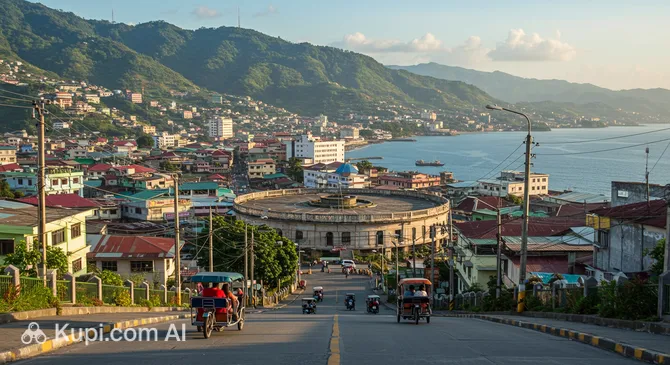
Pagadian. Source: Kupi.Binoculars

Perched along the northern shores of Illana Bay, the city offers breathtaking views where the mountains meet the sea. With a population of approximately 210,000 residents, it is a lively hub of commerce and culture. To understand how this former trading settlement transformed into a major regional center, you can explore the history of Pagadian, which traces its development through the decades.

One of the most iconic features of the city is its unique public transport: the inclined tricycle. Designed specifically to navigate the steep streets, which can reach angles of up to 40 degrees, these vehicles are a sight you won't find elsewhere in the country. Visitors also frequently visit the Rotunda, a hilltop park that provides a panoramic vantage point for viewing the cityscape and the sparkling waters of the bay, especially beautiful at sunset.

Whether you are here to experience the local culture, enjoy the coastal breeze, or simply marvel at the unique landscape, Pagadian offers a warm and memorable welcome. It is a destination that perfectly blends urban energy with the laid-back charm of coastal living, making it a must-visit stop on your journey.
Weather Overview

Travelers to this part of Zamboanga del Sur can expect a warm, tropical climate year-round. The temperatures in the city are remarkably consistent, with average highs generally hovering between 28°C and 31°C, while nights cool down to a comfortable 23°C. To help plan your daily activities, it is helpful to check the current weather in Pagadian.

Rainfall is a common occurrence, contributing to the region's lush greenery. The months of February through April are typically the driest, though you should still be prepared for about 15 to 20 rainy days per month. The rest of the year, particularly from June to October, sees a significant increase in precipitation frequency, with rain likely occurring on most days. It is always a good idea to carry an umbrella or light raincoat regardless of when you visit.

Interesting Facts

Beyond the main attractions and its famous hilly landscape, Pagadian holds many fascinating secrets that offer a deeper glimpse into its local culture. Here are some interesting facts about the city that go beyond the guidebooks:
  • The name "Pagadian" is widely believed to be derived from the Iranun word "Pangadye-an", which translates to a place for prayer. Local oral history suggests that early settlers would climb the high terrain to pray for protection and deliverance from malaria, which was once prevalent in the area.

  • The city is a significant hub for the dried fish industry in the region. Travelers often seek out the local markets to purchase high-quality dried fish, or bulad, which is known for being fresher and more affordable here compared to many other parts of the archipelago.

  • Pagadian hosts the vibrant Megayon Festival, a cultural celebration held every September. Derived from a Subanen word meaning "unity," the festival honors the harmonious coexistence of the province's three main cultural groups: the indigenous Subanens, the Muslim communities, and the Christian settlers.

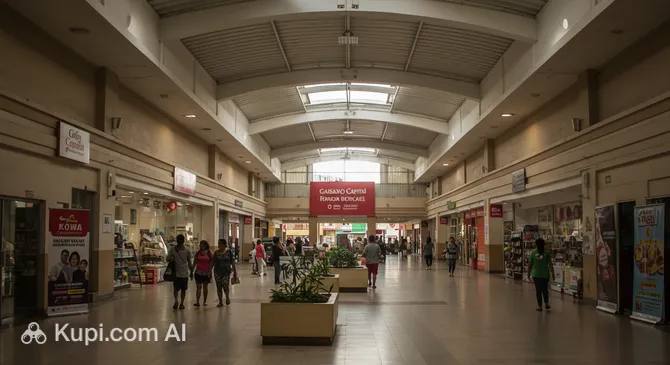
  • Despite its challenging topography, the city serves as the primary commercial center for the entire province of Zamboanga del Sur. It features modern lifestyle destinations like Gaisano Capital Pagadian, which stands as a testament to the city's rapid economic growth amidst its mountainous backdrop.

Gaisano Capital Pagadian. Source: Kupi.Binoculars

How to Get There

Reaching this scenic city in Zamboanga del Sur is relatively straightforward, with air travel being the most popular and time-efficient option for most tourists. To help you organize your trip, you can find more about how to get to Pagadian and the various transport connections available.

The most convenient entry point is the city's own Pagadian Airport (PAG). Located just 2.7 km from the downtown area, it offers a hassle-free arrival experience. The transfer to the city center is very quick, taking approximately 25 minutes by tricycle or taxi. Although it is a smaller domestic hub, it connects the city directly to major centers like Manila and Cebu.

If flights to Pagadian are unavailable, a common alternative is to fly into Labo Airport in the city of Ozamiz. Situated about 59 km away, this airport serves as a key gateway for the region. From Ozamiz, you can take a bus or van to Pagadian, with the journey taking roughly 1 hour and 50 minutes. For those looking for more flight options, Laguindingan International Airport (CGY) in Cagayan de Oro is a major regional hub located approximately 142 km away. While the travel time from there is longer—around 4 hours by land—it handles a significantly larger volume of passenger traffic and offers more frequent connections.

For clarity, here is a summary of the main airports serving the region:

Airport Name City Passenger Traffic Km from City
Laguindingan International Airport Cagayan de Oro High 142.0
Awang Airport Cotabato City Medium 112.1
Labo Airport Ozamiz Medium 59.4
Pagadian Airport Pagadian Medium 2.7
Dipolog Airport Dipolog Medium 86.5

Aside from air travel, Pagadian is well-connected by land and sea. Buses from neighboring cities and provinces frequently arrive at the integrated bus terminal, offering a scenic route through the Zamboanga Peninsula. Additionally, the city's port accommodates ferries, making it accessible for those traveling by sea from nearby islands or major ports in the Visayas and Mindanao regions.

Main Attractions

While Pagadian is known for its steep terrain and bustling streets, it also boasts a variety of attractions that cater to nature lovers, sightseers, and urban explorers alike. From panoramic viewpoints to serene islands, the city and its surrounding areas offer memorable experiences for every traveler.

One of the most visited spots is the Pagadian City Rotunda, located on the high ground of Bulatoc. This circular park is not just a traffic landmark but a popular recreational area that offers the best vantage point in the city. Tourists flock here to enjoy the refreshing breeze and take in the sweeping views of the urban landscape cascading down to Illana Bay. It is particularly enchanting at night when the city lights twinkle below, making it a perfect spot for evening strolls.

For those seeking a beach escape, the Dao Dao Islands are a must-see gem located within Illana Bay, just a short boat ride from the city proper. Composed of Dao Dao Dako (Big) and Dao Dao Gamay (Small), these islets appear as a single landmass during low tide. The crystal-clear waters and coral reefs make it an excellent destination for swimming, boating, and simply relaxing away from the city noise.

Nature enthusiasts often take a short trip to Pulacan Falls, situated in the nearby town of Labangan but widely considered part of the Pagadian tourism circuit. The waterfall is distinct for its terraced rock formations and lush green surroundings. It serves as a peaceful retreat where visitors can enjoy picnics and the soothing sound of cascading water, offering a refreshing break from the tropical heat.

If you are looking for a modern shopping and dining experience, Gaisano Capital Pagadian is the premier destination in the city center. As one of the largest malls in the province, it provides a comfortable, air-conditioned environment where tourists can shop for local souvenirs, enjoy a variety of food options, or catch a movie. It stands as a symbol of the city's modernization and is a convenient stop for travelers needing to restock on supplies.

Local Cuisine

The culinary scene in Pagadian is a delightful reflection of its coastal location and diverse cultural heritage. As a city perched on the edge of Illana Bay, seafood plays a central role in the local diet, offering visitors some of the freshest catch in the region. The food culture here is unpretentious and hearty, characterized by a blend of indigenous Subanen, Muslim, and Christian influences that result in unique and flavorful dishes.

One dish you simply must try while in the Zamboanga Peninsula is Satti. This popular breakfast staple consists of skewers of beef or chicken grilled to perfection and submerged in a thick, spicy, bright red peanut-based sauce. It is typically served with puso, or hanging rice wrapped in coconut leaves. The combination of the spicy sauce and the neutral rice makes for an energizing start to the day, and you will often find locals gathering at small Satti houses early in the morning.

Given the city's reputation as a hub for the dried fish industry, tasting the local Bulad (dried fish) is essential. While it is often bought as a souvenir, it is also a favorite comfort food when fried until crispy and dipped in spicy vinegar. For a more substantial meal, look for Sinugba, or grilled seafood. Whether it is tuna, squid, or the famous local crabs, the grilling process highlights the natural sweetness of the fresh seafood, usually accompanied by soy sauce, calamansi, and chili.

To quench your thirst in the tropical heat, fresh fruit shakes are widely available and incredibly refreshing. Mango and avocado shakes are perennial favorites, often made with condensed milk for a rich, creamy texture. For a more traditional option, fresh Buko juice (young coconut water) is sold by street vendors and is the perfect way to hydrate after a walk around the hilly streets. In the evenings, locals often enjoy a cold beer or simple mixed drinks at seaside establishments.

Dining in Pagadian ranges from casual street food stalls near the wharf to comfortable air-conditioned restaurants. The street food scene is vibrant, especially at night when barbecue stands light up their grills. For tourists looking for a variety of dining options in one convenient location, Gaisano Capital Pagadian offers a selection of restaurants and food stalls that cater to different tastes, providing a modern contrast to the traditional eateries found elsewhere in the city.

Travel Tips

Planning a trip to Pagadian is an exciting endeavor, but navigating its unique hilly terrain and local customs requires a bit of preparation to ensure a smooth journey. Here is a set of practical tips to help you feel at home and make the most of your visit to this charming city in Zamboanga del Sur.

  1. Clothing and Gear: Due to the tropical climate, pack light, breathable fabrics like cotton or linen. Since Pagadian is built on sloping terrain, comfortable walking shoes with good grip are absolutely essential for exploring the city center. Always carry a foldable umbrella or a light raincoat, as sudden showers are common throughout the year. If you plan to visit religious sites, dress modestly by covering your shoulders and knees.

  2. Transportation: The most iconic way to get around is the inclined tricycle, a vehicle unique to Pagadian designed specifically to navigate streets that slant up to 40 degrees. These are affordable and readily available. For longer distances outside the city center, jeepneys and vans are the standard options. Ride-hailing apps are not widely used here, so it is best to rely on these local modes of transport.

  3. Finances: The local currency is the Philippine Peso (PHP). While major establishments like hotels and the Gaisano Capital mall accept credit cards, cash is king for tricycles, public markets, and small eateries. ATMs are plentiful in the downtown area, but it is wise to carry smaller bills and coins for transport fares and small purchases.

  4. Health and Safety: To ensure a healthy trip, stick to drinking bottled or purified water rather than tap water. Pharmacies are easily accessible in the city center, with major chains operating extended hours. Pagadian is generally safe for tourists, but as with any travel destination, keep your valuables secure and remain aware of your surroundings, especially in crowded areas.

  5. Communication: English is widely understood and spoken, making communication convenient for international travelers. The primary local language is Cebuano (Visayan), though Tagalog is also spoken. Learning a simple phrase like "Maayong Buntag" (Good morning) will be warmly received by locals. SIM cards from major networks like Globe and Smart are available at the airport and local shops for reliable mobile data.

  6. Local Etiquette: Filipinos are known for their hospitality and friendliness. A smile is the universal greeting here. It is polite to address people with "Sir" or "Ma'am" when asking for directions or ordering food. If invited into a local home, it is customary to take off your shoes before entering unless told otherwise.

  7. What to Avoid: Avoid losing your temper or raising your voice in public, as this is considered very rude and causes "loss of face" for everyone involved. Also, avoid taking photographs of locals without asking for permission first, particularly in more traditional neighborhoods.

  8. Navigating the Terrain: Be physically prepared for the city's topography. Walking just a few blocks can feel like a workout due to the steep inclines. If you are prone to motion sickness, be aware that riding in the inclined tricycles might feel unusual at first due to the angle, but it is a safe and authentic part of the Pagadian experience.

With these practical tips in mind, you are well-equipped to explore the "Little Hong Kong of the South" with confidence and ease. Embrace the unique ride on an inclined tricycle, enjoy the panoramic views, and soak in the warm hospitality that makes Pagadian a truly memorable destination.

Entertainment & Nightlife

Nightlife in Pagadian offers a refreshing change of pace from the frantic energy of larger metropolises. As the sun dips below the horizon, the city's hilly landscape lights up, creating a stunning visual backdrop that has earned it the nickname "Little Hong Kong of the South." The evening scene here is defined by a laid-back, friendly vibe where the main attractions are good conversation, live acoustic music, and the ever-popular videoke (karaoke) sessions.

The heart of the city's evening entertainment can often be found along the Pagadian City Boulevard. This coastal stretch is perfect for travelers who enjoy an open-air atmosphere with a cool sea breeze. It is lined with various restobars and grills where you can enjoy fresh seafood and cold drinks. Another bustling district is the area around F.S. Pajares Avenue and the city center, which remains active well into the night with a mix of dining spots and KTV bars catering to locals and visitors alike.

For a modern start to your night out, Gaisano Capital Pagadian serves as a convenient anchor in the city. It is an excellent spot to enjoy a comfortable dinner at a restaurant or perhaps catch a movie before exploring the local bar scene. If you are looking to experience the local party culture, venues like Sentro Sports Bar are popular for their energetic crowd and sports screenings, while places like Tiki Bar on the boulevard offer a more relaxed, al fresco setting to unwind with friends.

The atmosphere in Pagadian is distinctly casual. You won't need to dress up; jeans, shorts, and t-shirts are the standard attire, making it easy to feel at home. Most bars and entertainment venues open their doors around 5:00 PM and stay lively until midnight or 1:00 AM, particularly on Fridays and Saturdays. Prices are very wallet-friendly, allowing you to enjoy a bucket of local beer and a plate of sisig or grilled meat without overspending.

Beyond the bars, the city offers other forms of evening leisure. Plaza Luz often buzzes with activity, hosting night market stalls where you can sample affordable street food in a safe, family-oriented environment. While daytime entertainment focuses more on nature and shopping, the transition to night brings a communal spirit to the streets that is well worth experiencing.

Practical Tips for the Night: Pagadian is generally safe for tourists, especially in busy areas like the Boulevard and downtown. However, standard travel safety applies: stick to well-lit main roads and keep your valuables secure. For transportation, the city's iconic inclined tricycles run late into the night. They are easy to flag down, though drivers may ask for a slightly higher fare during late hours, which is a common practice. Always agree on the price before hopping in.

Parks & Museums

Parks and Museums:

While Pagadian is celebrated more for its bustling trade and unique topography than for a wide array of traditional indoor museums, the city offers several open-air spaces and architectural landmarks that provide insight into local culture. The "Little Hong Kong of the South" invites visitors to explore its scenic viewpoints, public plazas, and government centers, which serve as the primary venues for historical appreciation and community life.

The most iconic green space in the city is the Pagadian City Rotunda. Perched on a high elevation, this circular promenade serves as a central axis for the city's sloping streets. Rather than just a point of transit, it acts as a communal balcony where the cool sea breeze is constant. Visitors come here to witness the city's unique layout from above, offering a clear perspective of how the urban landscape flows down towards the shimmering waters of Illana Bay. It is a favored location for watching the sunset and observing the daily rhythm of the locals.

In the downtown district, Plaza Luz offers a different kind of atmosphere. Located in close proximity to the cathedral, this public square functions as a serene sanctuary amidst the commercial activity. It is characterized by its shaded walkways and sense of quiet, making it a popular pause point for students and shoppers. Unlike the sweeping views of the Rotunda, the plaza provides an intimate setting for conversation and is often used for small-scale local events that highlight the community's close-knit nature.

For travelers seeking a dedicated nature park experience, Pulacan Falls in the neighboring municipality of Labangan is a designated eco-tourism destination that complements a visit to Pagadian. Distinct from a simple roadside attraction, this site features a developed park area with camping grounds and trekking paths. The water here tumbles down unique rock tiers, creating a refreshing mist that cools the surrounding forest. It is an ideal spot for those looking to immerse themselves in the region's natural environment beyond the city limits.

The Zamboanga del Sur Provincial Capitol Complex is arguably the most significant architectural site for those interested in heritage and civic pride. Renowned for its grandeur, the complex is designed with a sprawling, park-like environment featuring manicured lawns and impressive government buildings. It serves as a cultural anchor for the province, frequently hosting the Megayon Festival's exhibitions which display the traditions of the Subanen people, alongside Muslim and Christian settlers, effectively acting as a living museum of the province's diversity.

Another pillar of local history is the Santo Niño Cathedral. As the spiritual heart of the Roman Catholic Diocese of Pagadian, the structure itself is a blend of modern design and solemn reverence. While primarily a place of worship, it houses significant religious iconography that narrates the story of the local faith community. The cathedral stands as a quiet testament to the spiritual resilience and history of the people in Zamboanga del Sur.

For a more rugged encounter with nature, Mount Palpalan offers an adventure that goes beyond the typical park visit. Standing at over 600 feet, it provides a raw, unmanicured environment rich in local flora. The hike to the summit rewards adventurers with a complete 360-degree panorama of the Zamboanga Peninsula. It is a destination for those who prefer the sounds of the forest over the city hum, offering a perspective of the region that is both wild and awe-inspiring.

Getting Around

Navigating Pagadian is a unique experience that differs significantly from larger metropolises. The city does not have a metro, tram, or extensive public bus system for inner-city travel. Instead, the "King of the Road" here is the iconic tricycle. Due to the city's steep, hilly terrain, these vehicles are custom-built with the sidecar inclined upwards by about 25 to 40 degrees. This distinct design allows the passenger cabin to remain level even when the motorcycle is climbing sharp ascents, making it the most practical and popular way to get around.

For longer distances or travel along the main highways and flatter areas, multicabs and jeepneys are the standard modes of transport. These vehicles follow fixed routes and are generally cheaper than hiring a private tricycle. They are often used by locals commuting between the city center (poblacion) and outlying barangays or neighboring towns. While they don't have the door-to-door convenience of a tricycle, they are reliable and offer a glimpse into local daily life.

The payment system in Pagadian is strictly cash-based. There are no travel cards, tap-to-pay systems, or mobile ticketing apps for local public transport. Passengers pay the driver directly in Philippine Pesos (PHP). Fares are regulated, but they can vary depending on the distance and the steepness of the route. It is highly recommended to carry small bills and coins, as drivers often do not have change for large denominations.

When using tricycles, there are two types of service: "regular" and "special." A regular trip means you share the ride with other passengers and pay a standard fixed rate per person. A special trip means you hire the entire vehicle for a private ride to your specific destination, for which you will pay a higher, negotiated fee. Tourists should confirm the price with the driver before boarding, especially for "special" trips, to avoid misunderstandings.

Transport services generally operate from early morning, around 5:00 AM, until late evening. However, availability decreases significantly after 9:00 PM or 10:00 PM. If you plan to stay out late, ensure you have a way to get back to your accommodation, or arrange for a pickup in advance. Unlike major capital cities, ride-hailing apps and taxi services are not standard here; the inclined tricycle remains the primary and most reliable option for tourists.

For those wishing to explore the surrounding province of Zamboanga del Sur, the Integrated Bus Terminal in the Bulatoc district serves as the hub for buses and vans (V-hires). These connect Pagadian to major cities like Ozamiz, Dipolog, and Zamboanga City. While car rentals are not as ubiquitous as in tourist hotspots, some local operators and hotels can arrange private van rentals with drivers for day trips.

Accommodation

Finding a place to stay in Pagadian is relatively easy, with options ranging from budget-friendly inns to comfortable mid-range hotels suitable for both business and leisure travelers. While the city does not typically feature high-end international luxury chains, it prides itself on warm local hospitality and clean, practical accommodations that serve as excellent bases for exploring the province of Zamboanga del Sur.

Most travelers choose to stay in the downtown area (Poblacion). Being in the city center places you within walking distance or a short tricycle ride of key landmarks, bustling markets, and shopping centers like Gaisano Capital Pagadian. Hotels in this zone are particularly convenient for those who want to experience the city's lively atmosphere and have immediate access to dining options and the famous inclined tricycles.

For those seeking scenic vistas, look for accommodations situated on the higher elevations of the city. Due to Pagadian's unique hilly topography, several hotels and lodges offer rooms with balconies or rooftop terraces that provide sweeping views of the urban landscape cascading down to Illana Bay. These spots are perfect for enjoying the cool breeze and watching the sunset after a day of sightseeing.

Budget-conscious travelers and backpackers will find numerous pension houses and inns scattered throughout the city. These establishments offer basic but essential amenities such as air conditioning and private bathrooms at very affordable rates. If you are arriving late or have an early flight, there are also transient houses and smaller hotels located near the airport and the Integrated Bus Terminal, ensuring a hassle-free transit experience.

When planning your stay, it is advisable to book in advance if you are visiting during major local events like the Megayon Festival in September, as rooms can fill up quickly. While larger hotels generally accept credit cards, many smaller inns and pension houses may prefer cash payments, so it is wise to have Philippine Pesos on hand upon arrival.

Nearby Cities

For those looking to explore the surroundings, Pagadian serves as an excellent base for day trips to several interesting nearby locations:

One of the most popular destinations for a short trip is Tangub City, located approximately 41 kilometers away. It is famously known as the "Christmas Symbols Capital of the Philippines." While it is most vibrant during the holiday season when the entire city lights up with elaborate decorations and festivals, it remains a charming cultural stop in the neighboring province of Misamis Occidental throughout the year.

Closer to home within Zamboanga del Sur is the bustling municipality of Molave. Situated about 32 kilometers from Pagadian, it serves as a significant commercial hub for the region. A visit here offers a look at the daily trade and life of the province's rice-producing areas, providing a flatter and distinct landscape compared to the hilly terrain of the capital.

For travelers interested in sustainable living and nature, Dumingag is a unique destination worth the drive. Known for its strong commitment to organic agriculture, this town offers a refreshing green escape. It allows visitors to experience the "organic way of life" promoted by the local community, making it an inspiring stop for eco-conscious tourists.

City Population Distance (km)
Lala 73,425 38
Tangub 68,389 41
Kapatagan 62,571 38
Molave 53,140 32
Dumingag 48,881 43

These nearby destinations offer a glimpse into the diverse culture and landscapes of the region.

Shopping & Souvenirs

Shopping in Pagadian offers a delightful mix of modern convenience and authentic local commerce. While the city is not a sprawling metropolis filled with high-end luxury boutiques, it provides a genuine glimpse into the daily life of Zamboanga del Sur. Visitors can expect a blend of air-conditioned shopping centers and bustling traditional markets, making it easy to find both travel essentials and unique regional products.

The primary commercial activity is concentrated in the downtown area, locally referred to as the Poblacion. Here, the streets are lined with a variety of standalone shops, pharmacies, and general merchandise stores. Walking through this district allows you to experience the city's energetic vibe, with vendors selling everything from clothing and electronics to fresh produce right along the sidewalks.

For a more contemporary shopping experience, Gaisano Capital Pagadian is the city's main anchor. As the largest shopping mall in the area, it serves as a one-stop destination for locals and tourists alike. Inside, you will find a well-stocked supermarket, a department store featuring fashion and home goods, and various specialty shops. It is the perfect place to cool off and purchase supplies in a comfortable environment.

However, the true heart of Pagadian's trade lies in its markets. The Pagadian City Public Market is a must-visit for anyone looking to immerse themselves in local culture. This is the best place to find fresh seafood, tropical fruits, and native delicacies at bargain prices. The market is lively, colorful, and offers a sensory experience that modern malls simply cannot replicate.

When it comes to souvenirs, the city is famous for its high-quality dried fish, or bulad. Pagadian is known as a major hub for this industry, and you can find a vast array of dried seafood—from squid to danggit—packed and ready for travel. These make for excellent pasalubong (gifts) to bring back home. Additionally, you may find locally woven mats and malongs, which reflect the rich cultural heritage of Mindanao.

Most shops and malls in the city typically operate from 9:00 AM to 8:00 PM, though the public market starts bustling as early as sunrise. While the mall and larger establishments accept credit cards, cash is king in Pagadian. It is highly recommended to carry smaller denominations of Philippine Pesos when shopping in smaller boutiques, the public market, or when buying from street vendors.

Regarding taxes, the prices displayed on items are generally inclusive of VAT (Value Added Tax). While the Philippines has mechanisms for tourist tax refunds in major international hubs, this service is not typically available in provincial cities like Pagadian. Visitors should expect the price on the tag to be the final price to pay.

Reached the end of the page?

That means the route is fully explored