Support

Puerto Princesa

About

Welcome to Puerto Princesa, a vibrant coastal city often celebrated as the "City in a Forest." Serving as the capital of the island province of Palawan, it is renowned for its commitment to environmental cleanliness and sustainable tourism. This bustling urban center offers a unique blend of city comforts and raw natural beauty, making it a favorite destination for nature lovers and adventure seekers alike.

Geographically, the city is situated in the western region of the Philippines, acting as the primary gateway to the stunning archipelago of Palawan. With a population of approximately 307,000 residents, it covers a vast land area lush with tropical rainforests and edged by scenic coastlines. The climate here is typically tropical, featuring distinct wet and dry seasons that sustain the lush landscapes surrounding the urban area.
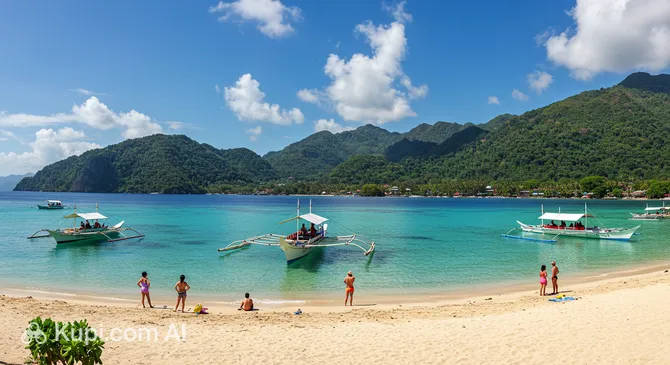
Puerto Princesa. Source: Kupi.Binoculars

Beyond its natural splendor, the city possesses a rich cultural heritage. Exploring the history of Puerto Princesa reveals a fascinating past, from its founding during the Spanish colonial era to its strategic importance in World War II. Landmarks like the Immaculate Conception Cathedral and the Plaza Cuartel stand as silent witnesses to the city's journey through time, offering visitors a glimpse into the local heritage.

Tourists are primarily drawn here to witness the world-famous Puerto Princesa Subterranean River National Park, a UNESCO World Heritage Site and one of the New 7 Wonders of Nature. For those who prefer sun and sand, Honda Bay offers excellent island-hopping opportunities with white sandy beaches and clear waters perfect for snorkeling. Whether you are navigating the mystical underground river or enjoying fresh seafood by the bay, the city promises an unforgettable experience.

If you are looking for a destination that harmonizes urban living with ecological preservation, Puerto Princesa is the perfect choice. Its friendly atmosphere, accessible location, and proximity to some of the world's most beautiful natural wonders make it an essential stop on any travel itinerary.
Weather Overview

Puerto Princesa enjoys a tropical climate characterized by consistent warmth throughout the year, ensuring that it never gets truly cold. Visitors can generally expect average temperatures to hover comfortably between 26°C and 28°C. The warmest period typically peaks in May, with maximum temperatures reaching around 30.1°C, while the coolest month, January, still maintains a pleasant average of 26.6°C.

The city experiences distinct variations in rainfall, dividing the year into drier and wetter phases. Expect sunny skies and fewer showers from February to April, which are the driest months with as few as 11 to 12 wet days. Conversely, the second half of the year brings frequent rain, particularly in October, which can see precipitation on up to 30 days of the month. For a more comprehensive look at what to expect during your visit, you can consult the guide to the weather in Puerto Princesa.

Interesting Facts

Beyond the popular island-hopping tours and the famous underground river, Puerto Princesa holds fascinating stories and unique features that often escape the casual observer. Here are some intriguing facts that reveal the deeper character of this "City in a Forest."

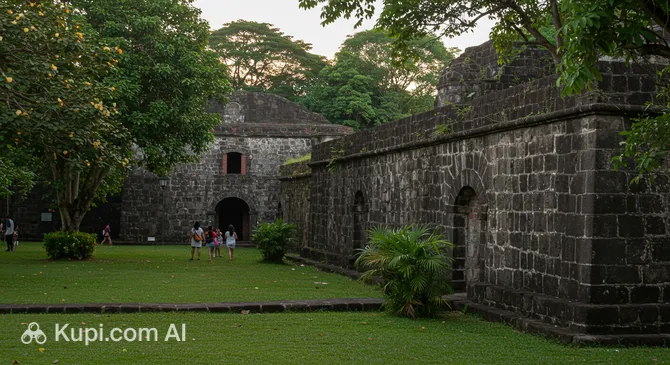
Plaza Cuartel. Source: Kupi.Binoculars
  • The serene Plaza Cuartel conceals a somber history beneath its peaceful exterior. During World War II, this site was a military garrison that became the setting for the tragic Palawan Massacre, where nearly 150 American prisoners of war were burned by occupying forces, with only 11 survivors escaping to tell the tale.

  • Puerto Princesa is home to the Iwahig Prison and Penal Farm, famously known as a "prison without walls." Established during the American colonial period, this facility allows minimum-security inmates to live in a village setting with their families, farm the land, and create handicrafts, offering a unique approach to rehabilitation.

  • The city is geographically one of the largest in the country by land area, yet it rigorously maintains its reputation as the cleanest and greenest in the Philippines. Strict anti-littering ordinances are actively enforced, and the local culture deeply values environmental stewardship, keeping the streets remarkably free of trash.

  • For culinary adventurers, the city offers a rare exotic delicacy: crocodile sisig. While the Palawan Wildlife Rescue and Conservation Center is primarily a research facility for endangered species, it also supplies meat for this popular local dish, which is prepared with spices and calamansi similar to the traditional pork version.

How to Get There

Reaching this tropical haven is relatively straightforward, as it serves as the primary gateway to the province of Palawan. Most visitors choose to fly directly into the city, but there are other entry points on the island for those planning a longer adventure. For a comprehensive guide on all travel options, including ferries and land transport, you can read more about how to get to Puerto Princesa.

The most convenient way to arrive is via Puerto Princesa International Airport (IATA: PPS), which is located right within the city limits. Situated just 2.7 km from the city center, the airport is incredibly accessible. A taxi or tricycle ride to the downtown area typically takes about 25 minutes. As the main aviation hub for the region, it handles a large volume of passengers and offers frequent connections to Manila and other major hubs.

Alternatively, travelers planning to explore the northern part of Palawan first might fly into El Nido airport (IATA: ENI). However, it is important to note that this airport is located in the municipality of El Nido, approximately 175 km away from Puerto Princesa. The journey by van or bus from El Nido to Puerto Princesa is a scenic road trip that takes roughly 5 hours.

For clarity, here is a summary of the main airports in the region:

Airport Name City Passenger Traffic Km from City
Puerto Princesa International Airport Puerto Princesa High 2.7
El Nido El Nido Medium 175.2
Busuanga Airport Busuanga Medium 299.8

There are no railway stations in Puerto Princesa or on the island of Palawan. Public transportation is primarily road-based, consisting of tricycles for short distances within the city, and jeepneys, vans, and buses for travel between towns and municipalities.

Main Attractions

While the subterranean river is undoubtedly the crown jewel of the region, the city itself offers a variety of fascinating sites that showcase local culture, history, and leisure. Visitors spending time in the city center will find plenty of engaging spots to explore, from scenic promenades to panoramic viewpoints.

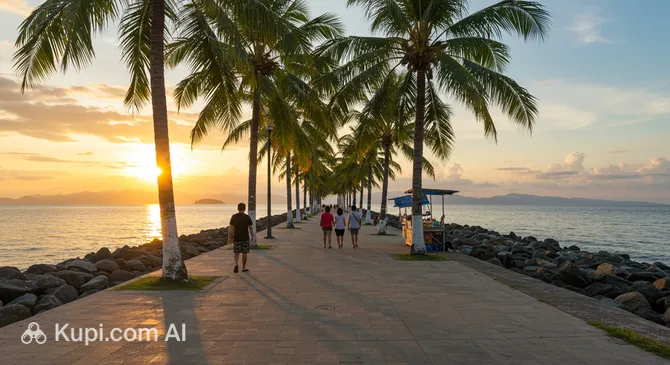
One of the most popular gathering spots for both locals and tourists is the Puerto Princesa Baywalk Park. Stretching along the coastline, this open-air promenade is lined with palm trees and offers unobstructed views of the bay. It is particularly interesting in the late afternoon and evening when the area comes alive with food vendors serving fresh seafood and local snacks. It is the perfect place to enjoy a leisurely stroll, rent a bicycle, or simply watch a stunning sunset over the water.

Puerto Princesa Baywalk Park. Source: Kupi.Binoculars

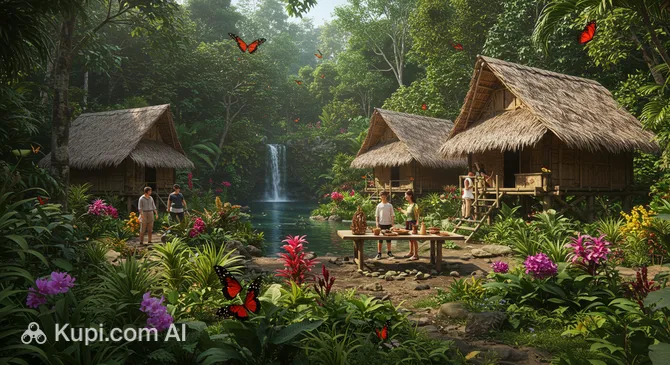
For a blend of nature and cultural immersion, the Palawan Butterfly Ecological Garden and Tribal Village is a must-visit. This attraction allows you to walk among hundreds of fluttering butterflies and observe various endemic insects and rescued animals. Beyond the wildlife, the site features a cultural village where you can interact with members of the indigenous Pala'wan tribe. This unique combination makes it an educational experience where visitors can learn about the region's biodiversity and its original inhabitants in one stop.

Palawan Butterfly Ecological Garden and Tribal Village. Source: Kupi.Binoculars

Travelers seeking a change of perspective should head to Mitra's Ranch, located on the hills of Sta. Monica. Famous for its sprawling green grounds and pyramid-shaped building, this destination offers a relaxing escape with fresh air and wide-open spaces. The main draw here is the viewing deck, which provides a breathtaking panoramic view of Honda Bay and the surrounding islands. It is an excellent spot for families to enjoy a picnic, try horseback riding, or simply take in the scenery away from the city noise.

Mitra's Ranch. Source: Kupi.Binoculars

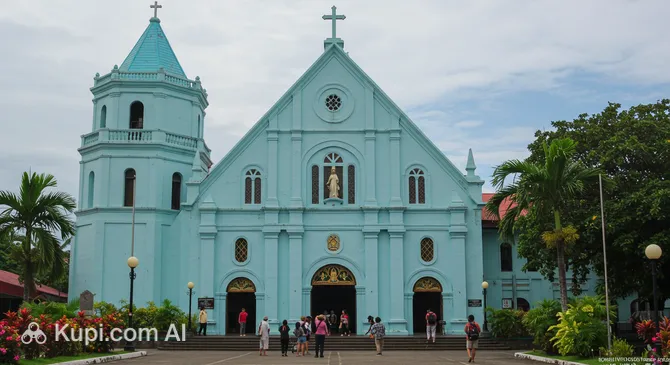
In the heart of the city stands the striking Immaculate Conception Cathedral. This historical landmark is easily recognizable by its unique angular architecture and light blue facade, which mirrors the colors of the sea and sky. It serves as the primary center of Catholic faith in Puerto Princesa and dates back to the Spanish colonial era, though the current structure is more modern. Tourists appreciate the cathedral for its peaceful atmosphere and its significance as a spiritual and community anchor for the residents.

Immaculate Conception Cathedral. Source: Kupi.Binoculars

Local Cuisine

The culinary scene in Puerto Princesa is a delightful reflection of its coastal location and diverse cultural influences. As a seaside city, the foundation of the local diet is incredibly fresh seafood. Visitors can indulge in a daily catch of crabs, shrimps, squid, and fish like tanigue (Spanish mackerel) or lapu-lapu (grouper), often grilled simply to highlight their natural sweetness or cooked in savory sour broths known as sinigang.

For the adventurous eater, the city offers unique delicacies that have become famous across the Philippines. A must-try for the brave is Tamilok, often described as a woodworm but actually a mollusk harvested from mangrove trees. It is typically served raw as a ceviche (kinilaw), marinated in vinegar, chili, and onions. Another exotic specialty is Crocodile Sisig, a local variation of the popular sizzling pork dish. The meat is lean, tender, and seasoned with aromatic spices, offering a flavorful experience that is surprisingly palatable.

A distinct feature of Puerto Princesa's food culture is the widespread popularity of Chaolong. This savory beef stew noodle dish is a culinary legacy left by Vietnamese refugees who once sought asylum in the province. Served with fresh herbs, bean sprouts, and often paired with a French baguette, it has evolved into a beloved comfort food for locals. You will find numerous "Chaolong houses" throughout the city, perfect for a filling and affordable meal.

To accompany these rich flavors, locals often turn to refreshing fruit shakes. With an abundance of tropical produce, mango and buko (coconut) shakes are staples in almost every dining establishment. Palawan is also known as the "Cashew Capital of the Philippines," so visitors should not miss trying roasted kasuy (cashews) or buying cashew-based pastries and desserts to take home as souvenirs.

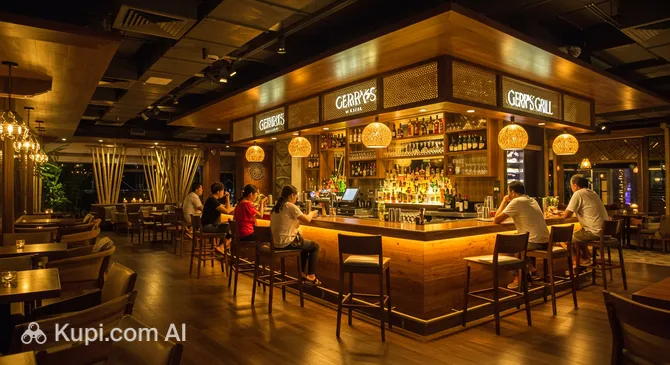
The dining atmosphere in the city ranges from casual street eats to comfortable restaurants. The Puerto Princesa Baywalk Park is a prime spot for an authentic al fresco dinner, where vendors grill fresh seafood right before your eyes as you enjoy the sea breeze. For those seeking a more familiar setting or a place to enjoy a cold drink, Gerry's Grill SM Palawan offers a reliable menu of Filipino favorites and grilled specialties in a comfortable environment.

Gerry's Grill SM Palawan. Source: Kupi.Binoculars

Travel Tips

Planning a trip to Puerto Princesa is exciting, but a few insider tips can make your journey through this eco-friendly city much smoother. Here is some practical advice to help you navigate the local culture, climate, and logistics with ease.

  1. Clothing and Gear: Pack lightweight, breathable fabrics like cotton or linen to handle the tropical heat and humidity. Since many activities involve water, bring aqua shoes to protect your feet from sharp corals during island hopping, and don't forget a waterproof dry bag for your gadgets. A good insect repellent is also essential, especially when exploring the forested areas or the Underground River.

  2. Transportation: The most common way to get around the city center is by tricycle. These motorized rickshaws are everywhere; just remember to agree on the fare before hopping in or check the tariff sheet displayed inside. For longer trips outside the city proper, such as to the Underground River, renting a van or joining a group tour is the most convenient option, as public jeepneys can be slower and less frequent.

  3. Finances: The local currency is the Philippine Peso (PHP). While major hotels, malls, and some restaurants accept credit cards, cash is absolute king here, especially for tricycles, market vendors, and small "Chaolong" eateries. ATMs are widely available in the city center and shopping malls, but it is wise to withdraw enough cash before heading to remote areas or islands where machines are non-existent.

  4. Health and Safety: Puerto Princesa is generally very safe for tourists, but standard precautions like keeping an eye on your belongings apply. Tap water is not potable, so always stick to bottled or purified water. Pharmacies are common in the town center, but for any serious medical concerns, there are private and government hospitals available within the city limits.

  5. Communication: English is widely spoken and understood throughout Palawan, so you will have no trouble communicating with locals. If you want to connect with friends back home, you can easily buy a local prepaid SIM card (Globe or Smart) at the airport or malls for mobile data. Wi-Fi is available in most hotels and cafes, though speeds can vary.

  6. Local Etiquette: Filipinos are known for their warmth and hospitality, so a smile goes a long way. When interacting with locals, it is polite to be patient and avoid public displays of anger or raising your voice, as this causes a "loss of face." If you visit religious sites, dress modestly by covering your shoulders and knees.

  7. What to Avoid: Do not litter. Puerto Princesa takes its reputation as the "Cleanest and Greenest City" very seriously. Strict anti-littering ordinances are enforced, and you can be fined for dropping even a cigarette butt or a candy wrapper on the street. Always dispose of your trash in designated bins or keep it with you until you find one.

  8. Advance Booking: If you plan to visit the famous Underground River, secure your permits and tour bookings weeks in advance. There is a strict daily cap on the number of visitors allowed to enter the cave system, and slots fill up quickly, especially during the peak travel season.

By keeping these practical tips in mind, you can focus less on logistics and more on enjoying the stunning natural beauty of Palawan. Have a wonderful and hassle-free adventure in Puerto Princesa!

Entertainment & Nightlife

The nightlife scene in Puerto Princesa is a reflection of the city's overall character: laid-back, friendly, and unpretentious. Unlike the high-energy party districts of Manila or the beach raves of Boracay, the evening entertainment here focuses on relaxation, good conversation, and live music. The atmosphere is generally casual, with locals and tourists mingling in open-air bars and restaurants to enjoy the tropical breeze after sunset.

The epicenter of evening activity is undoubtedly Rizal Avenue, the city's main thoroughfare. This strip is lined with numerous bars, KTVs (karaoke joints), and restaurants that stay open late. Just a short distance away, the Puerto Princesa Baywalk Park transforms at night into a bustling social hub. While it is a popular attraction during the day, the evening brings a different energy with colorful lights, night breezes, and rows of food stalls offering grilled seafood and cold drinks. It is an excellent place to start your night with a casual walk and a cheap bite to eat.

For those looking for a classic drinking experience with reliable food and service, Gerry's Grill SM Palawan is a popular choice. Located within the mall complex, it offers a comfortable setting to enjoy local beers and sizzling plates while listening to music. It represents the modern side of the city's nightlife, providing a cool, air-conditioned respite from the humid outdoor air.

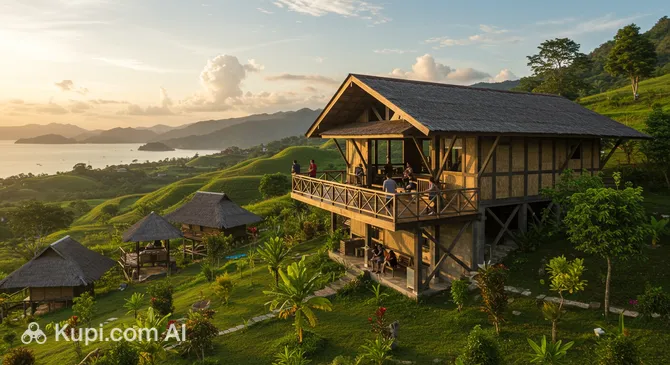
If you prefer a more serene evening away from the city center's noise, consider visiting Panja Resort Palawan. Situated on a hill, this venue offers a rooftop bar with spectacular views of Honda Bay and the surrounding greenery. It is a perfect spot for a romantic sunset cocktail or a quiet nightcap under the stars, offering a more upscale and tranquil ambiance compared to the downtown bars.

Panja Resort Palawan. Source: Kupi.Binoculars

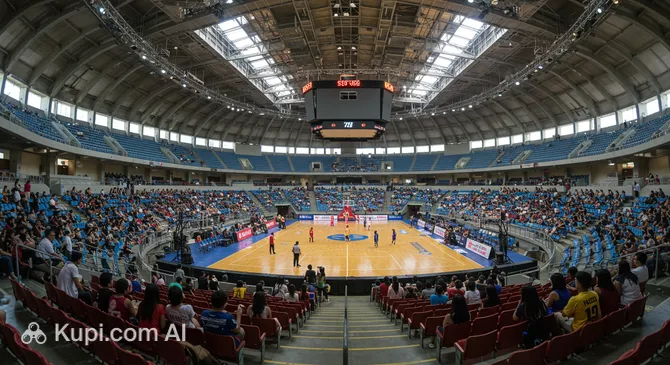
Entertainment in the city isn't limited to bars. The Puerto Princesa City Coliseum serves as the premier venue for large-scale events. Depending on the schedule, you might catch a basketball game, a local concert, or a cultural festival here. It is the heartbeat of major public gatherings in Palawan and offers a glimpse into the local community spirit.

Puerto Princesa City Coliseum. Source: Kupi.Binoculars

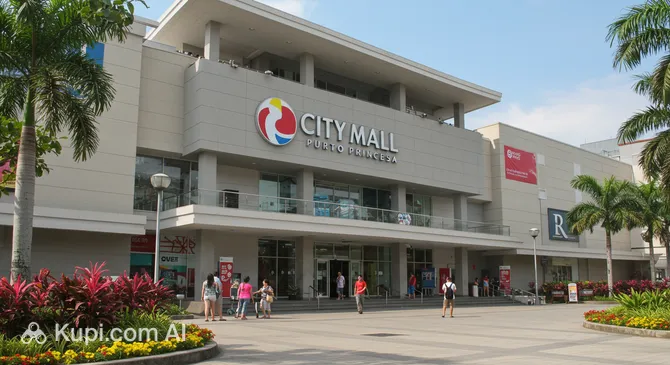
For daytime and early evening leisure that involves air-conditioning and modern amenities, the city's shopping centers are the go-to destinations. City Mall Puerto Princesa and Palawan Mall feature cinemas where you can catch the latest local and international films. These malls also house various arcades and family entertainment centers, making them suitable for travelers with children who need a break from outdoor adventures.

City Mall Puerto Princesa. Source: Kupi.Binoculars

Practical Tips for Nightlife:

  • Safety: Puerto Princesa is widely considered one of the safest cities in the Philippines. Walking around the main tourist areas like Rizal Avenue and the Baywalk at night is generally safe. However, standard precautions apply—avoid poorly lit alleys and keep your valuables secure.

  • Transport: Tricycles are the primary mode of transport and run late into the night. If you are staying far from the center, ensure you have an arrangement with a driver or ask your hotel/venue to call one for you. Fares may be slightly higher at night.

  • Dress Code: The dress code is very casual. Shorts, t-shirts, and sandals are acceptable in almost all bars and clubs.

  • Costs: Nightlife here is very affordable. A bottle of local beer typically costs between 60 to 100 PHP in bars, and cocktails are reasonably priced.

Parks & Museums

Puerto Princesa is not only a gateway to natural wonders but also a city deeply rooted in history and culture. While it is famous for its lush forests and seascapes, the urban center offers several green spaces and cultural institutions that allow visitors to connect with the local heritage and enjoy a slower pace of life.

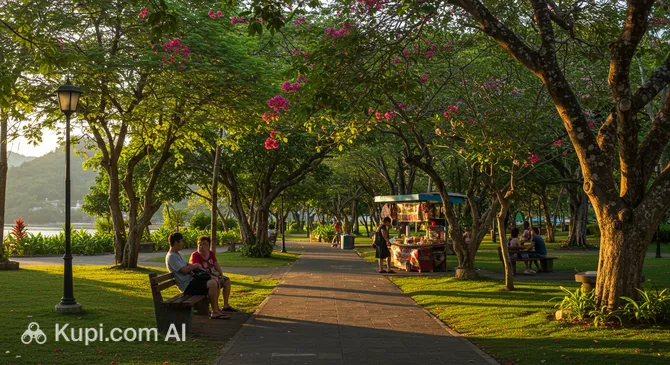
One of the most accessible green spaces in the city proper is Mendoza Park. Located along Rizal Avenue, this park serves as a tribute to Dr. Higinio Mendoza, a local war hero who resisted Japanese forces during World War II. It is a popular spot for locals to gather, featuring a children's playground, shaded benches, and a small amphitheater that often hosts community events. The park provides a refreshing break from the bustling streets and offers a glimpse into the daily lives of the residents.

Mendoza Park. Source: Kupi.Binoculars

For a site that combines open space with profound historical significance, Plaza Cuartel is an essential stop. This beautifully landscaped park sits on the ruins of an old Spanish garrison and was the site of a tragic event during the Second World War. Today, it stands as a peaceful memorial garden with markers explaining its history, overlooking the sea. It is a solemn yet serene place to reflect on the past while enjoying the ocean breeze and the well-maintained gardens.

While not a traditional city park, the Puerto Princesa Subterranean River National Park deserves mention as the region's most significant protected natural area. Although located about 80 kilometers north of the city center, it is the crown jewel of Puerto Princesa's environmental efforts. This UNESCO World Heritage Site features a spectacular limestone karst landscape and an 8.2-kilometer navigable underground river, showcasing a full "mountain-to-sea" ecosystem that is unique in the world.

To deepen your understanding of the region's culture, a visit to the Palawan Museum is highly recommended. Situated near Mendoza Park, this institution houses a collection of artifacts that trace the history, anthropology, and biology of Palawan. Exhibits include porcelain jars traded with Chinese merchants centuries ago, traditional musical instruments of indigenous tribes, and preserved specimens of local flora and fauna. It provides a comprehensive overview of what makes the province culturally and ecologically distinct.

Another excellent venue for cultural immersion is the Palawan Heritage Center. Unlike traditional museums, this facility offers a more interactive and modern approach to storytelling. Through dioramas, touchscreens, and guided tours, visitors can learn about the province's political history, economic development, and the vibrant traditions of its indigenous communities. It is an engaging educational stop, particularly for families and those interested in the social fabric of the island.

For a unique insider experience, try visiting the Palawan Special Battalion WW2 Memorial Museum. Run by the family of a local veteran, this private museum is packed with authentic war memorabilia, including weapons, vehicles, and uniforms. The passionate curators often provide personal anecdotes that bring the exhibits to life, offering a raw and intimate perspective on the city's wartime history that you won't find in larger institutions.

Getting Around

Public transportation in Puerto Princesa is distinct from what you might find in major global metropolises. The city does not have a metro, tram, or train system. Instead, the streets are dominated by road-based transport, offering a more localized and authentic travel experience. The most iconic and ubiquitous vehicle you will encounter is the tricycle, which serves as the primary way to navigate the city center and nearby barangays.

Tricycles are motorcycles with attached sidecars, capable of carrying two to four passengers. They function similarly to taxis but on a smaller scale. You can flag them down almost anywhere on the street. For longer distances along main avenues, Multicabs and Jeepneys are the standard. These are larger shared vehicles that follow fixed routes, typically displayed on the side or windshield of the vehicle. They are an affordable way to travel between the city center and the suburbs or the main transport terminal.

The payment system across all forms of public transport is strictly cash-based. There are no electronic travel cards, tap-to-pay apps, or ticket machines for local transit. Passengers pay the driver directly. In Jeepneys and Multicabs, payment is usually passed forward to the driver by other passengers. It is crucial to carry the local currency in smaller denominations, such as coins and bills of 20, 50, or 100, as drivers often do not have change for large banknotes.

Fares are generally regulated, but it is important to understand the difference between a "regular" and a "special" trip when taking a tricycle. A regular trip means you share the ride with other passengers and pay a standard low rate per person for a short distance. A special trip means you hire the entire vehicle for a private ride to a specific destination, for which you must agree on a price with the driver before boarding. This is common for tourists going to hotels or specific attractions.

For those planning to travel outside the city limits to other municipalities, the San Jose Terminal is the main hub. Located a few kilometers north of the city center, this is where you will find buses and vans (V-hires) departing for long-distance journeys. While buses are larger and cheaper, vans are generally faster and air-conditioned, though they can be more cramped.

Self-driving is a popular alternative for visitors who prefer independence. Motorbike and scooter rentals are widely available and offer a convenient way to explore the city and its surrounding beaches at your own pace. Car rental services are also present, often including a driver, which can be arranged through hotels or travel agencies. Taxis are less common on the streets compared to tricycles and are mostly found queuing at the airport or booked specifically for tours.

Public transport typically operates from early morning until around 9:00 PM or 10:00 PM. After this time, finding a Jeepney becomes difficult, and tricycles may charge higher night rates. To ensure a smooth experience, always confirm the fare before starting your journey, keep your belongings secure, and don't hesitate to ask locals for help—they are generally very friendly and willing to point you to the right vehicle.

Accommodation

Where to Stay:

Finding the perfect place to stay in Puerto Princesa is relatively easy, as the city offers a wide spectrum of accommodation options to suit every travel style and budget. Whether you are a backpacker looking for a social hostel, a family seeking a comfortable mid-range hotel, or a couple desiring a luxurious retreat, the city has plenty to offer. The hospitality sector here is well-developed, catering to the steady influx of tourists heading to the underground river and nearby islands.

Most visitors choose to stay in the City Proper (Poblacion). This area is incredibly convenient as it is close to the airport, major dining spots, and transport hubs for tours. Staying here means you are just a short tricycle ride away from the Baywalk and local markets. For those seeking tranquility and a closer connection to nature, accommodations located on the outskirts or on the hills overlooking Honda Bay provide a peaceful escape from the city bustle, often featuring larger grounds and scenic views.

Among the notable options for a relaxing stay is Panja Resort Palawan. Located away from the noise of the downtown area, this resort is well-regarded for its hilltop location which offers sweeping panoramic views of the bay and the surrounding islands. It is an excellent example of the mid-to-high-range properties available in the city that combine modern amenities with the natural beauty of Palawan.

Booking Tips: Since Puerto Princesa is a major tourist hub, the best accommodations can fill up quickly, especially during the peak dry season from December to May. It is highly recommended to book your room at least a few weeks in advance to secure your preferred location and rate.

Price Range and Booking: Accommodation prices are generally affordable compared to other major global destinations. Budget travelers can find hostels and guesthouses ranging from $10 to $25 per night. Mid-range hotels typically cost between $30 and $70, while high-end resorts can go upwards of $100 per night. Most properties are listed on major online booking platforms, which is often the easiest way to compare prices and read reviews, though some smaller family-run inns may also accept direct bookings via social media or phone.

Nearby Cities

For those looking to explore the surroundings, Puerto Princesa serves as an excellent base for day trips to several interesting nearby locations:

One of the most accessible destinations for a day trip is Narra, located roughly 75 kilometers south of the city. Known as the "Rice Granary of Palawan," this municipality offers a refreshing escape into nature. Its main attraction is Estrella Falls, celebrated for its cool, crystal-clear waters that flow from Mount Victoria. It is a popular spot for picnics and swimming, providing a relaxing break from the coastal heat.

For travelers planning a short visit or an extension to their itinerary, Coron is a world-class destination situated to the north. While it is further away and typically requires a ferry or flight rather than a simple road trip, it is renowned for its stunning limestone karst landscapes, turquoise lagoons like Kayangan Lake, and historic World War II shipwrecks that attract divers from around the globe.

Another interesting option for those heading south is Brookes Point. This town is rich in agriculture and history, often serving as a jumping-off point for eco-tourism adventures. It offers a glimpse into the more rural and traditional side of Palawan, away from the typical tourist trail.

City Population Distance (km)
Batarasa 85,439 201
Narra 77,948 75
Brookes Point 73,994 147
Coron 65,855 296
Sibalom 63,833 380

These nearby destinations offer a glimpse into the diverse culture and landscapes of the region, ranging from cascading waterfalls and agricultural hubs to world-famous island paradises.

Shopping & Souvenirs

Shopping:

While Puerto Princesa is primarily known for its natural wonders, the city offers a delightful shopping experience that focuses more on local craftsmanship and authentic souvenirs than high-end luxury fashion. The retail scene here is a mix of modern conveniences and traditional markets, providing tourists with ample opportunities to purchase daily essentials, beach gear, and unique gifts that reflect the culture of Palawan.

The main commercial artery of the city is Rizal Avenue. This bustling street runs through the heart of the downtown area and is lined with a variety of establishments, from banks and pharmacies to souvenir shops and clothing boutiques. Walking along this avenue gives you a feel for the local commerce, and it is the best place to find travel necessities or withdraw cash before heading out to the islands.

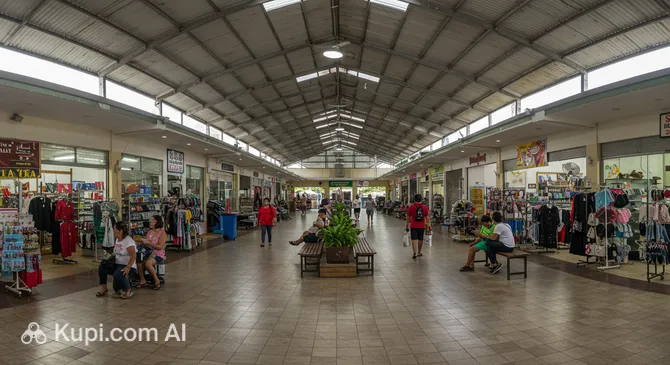
For a modern shopping experience with air-conditioning, the city has several large malls that rival those found in Manila. Palawan Mall is one of the established shopping centers where visitors can find department stores, supermarkets, and a range of local dining options. It serves as a convenient one-stop shop for travelers needing to restock supplies. Another popular spot is City Mall Puerto Princesa, which offers a compact but comprehensive selection of retail outlets, a cinema, and a food court, making it a favorite hangout for families and young locals.

Palawan Mall. Source: Kupi.Binoculars

To truly experience the local vibe, a visit to the Old Public Market is essential. This is the best place to hunt for bargains, particularly for dried goods and local delicacies. The market bustle is part of the charm, and it is here that you will find the widest selection of fresh seafood, tropical fruits, and the famous dried fish (danggit) that many visitors bring back home.

When it comes to souvenirs, Puerto Princesa is famous for a few specific items. Top of the list are South Sea Pearls and freshwater pearls. You will find numerous stalls at the market and specialty shops selling pearl jewelry at prices significantly lower than in other parts of the world. Another must-buy is Cashew nuts (Kasuy). Palawan is the cashew capital of the Philippines, and you can find them roasted, fried with garlic, or even candied. For handicrafts, look for woven items like bags and mats made from indigenous fibers, which support local artisan communities.

Most shopping malls and large department stores operate daily from approximately 10:00 AM to 9:00 PM. While credit cards are widely accepted in malls, hotels, and established restaurants, cash is still king in public markets, small souvenir stands, and for tricycle fares. It is advisable to carry smaller denominations of Philippine Pesos when shopping in traditional markets to make transactions smoother. Value Added Tax (VAT) is generally included in the marked price of goods, so the price you see is usually the price you pay.

Reached the end of the page?

That means the route is fully explored