Support

Gorontalo

About

Gorontalo is a captivating destination situated on the northern arm of Sulawesi, known for its distinct cultural identity and serene atmosphere. As the capital of the province with the same name, this city serves as a vital gateway to some of the most pristine natural wonders in Indonesia. With a population of approximately 190,000 residents, it offers a harmonious blend of urban convenience and the relaxed pace of a coastal town, making it an inviting stop for travelers exploring the archipelago.

Travelers are often drawn to the city's unique charm, which is reflected in its well-preserved colonial-style buildings and rich local traditions. Exploring the history of Gorontalo reveals a fascinating narrative of trade and resilience that has shaped the region over centuries. Beyond its heritage, the city is famous for being a jumping-off point for incredible marine adventures. Just a short drive away, visitors can experience the rare and magical opportunity to swim with gentle whale sharks in the waters of Botubarani or explore the vibrant coral reefs of the Olele Marine Park.

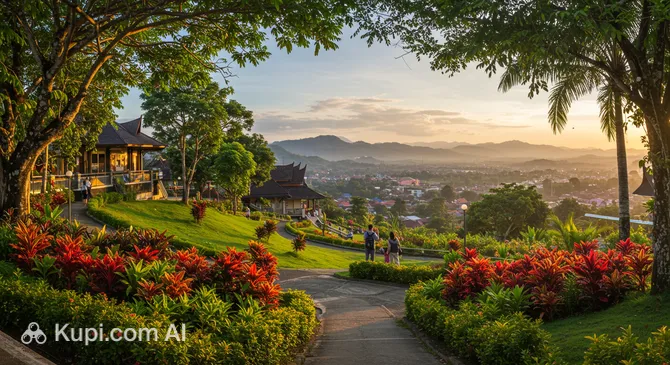
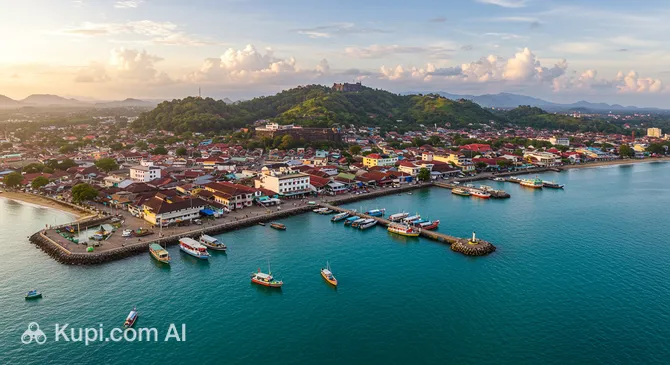
Gorontalo. Source: Kupi.Binoculars

For those interested in land-based sights, a visit to the ancient Otanaha Fortress is essential. Perched on a hill, this historical site offers breathtaking panoramic views of the majestic Lake Limboto and the surrounding lush landscapes. Whether you are a diving enthusiast, a history buff, or simply looking for a peaceful getaway off the beaten path, Gorontalo promises an unforgettable experience filled with warm hospitality and stunning scenery.

Weather Overview

Gorontalo experiences a consistent tropical climate, making it a warm destination to visit at any time of the year. Temperatures remain stable regardless of the season, with daily averages hovering around 26°C. During the day, the heat typically peaks at about 30°C, while nights offer a mild cool-down with lows around 23°C. This steady warmth provides a comfortable environment for exploring the city and its surrounding natural attractions.

Travelers should be prepared for frequent precipitation, as the region records a high number of wet days throughout the year. Those looking into the detailed weather in Gorontalo will find that rain occurs on approximately 18 to 29 days per month. The months of August and September tend to be slightly drier in terms of frequency, whereas December and May often see the highest number of rainy days. Despite the frequency of wet weather, the rainfall volume is generally recorded as light, suggesting that showers may be brief or intermittent rather than heavy downpours.

Interesting Facts

Beyond the main attractions, Gorontalo holds many fascinating secrets and local legends that surprise even seasoned travelers. This city is not just a transit point but a place with a distinct identity and curious features that set it apart from its neighbors.

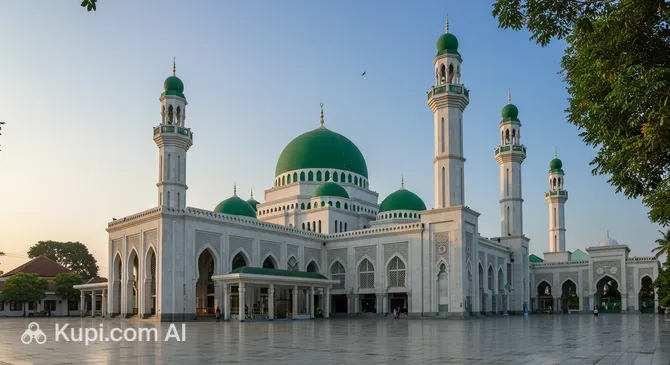
Baiturrahim Grand Mosque Gorontalo. Source: Kupi.Binoculars
  • The city is affectionately known as the "Veranda of Medina" (Serambi Madinah). This nickname highlights the region's deeply rooted Islamic traditions and philosophy, which have shaped the local culture and daily life for centuries, distinguishing it within the diverse tapestry of the archipelago.

  • The streets are dominated by a unique mode of transport called the "Bentor" (motorized pedicab). While similar vehicles exist elsewhere, the distinct design found here—where the driver sits behind a cabin that often features colorful decorations and loud sound systems—is considered a local invention and an icon of the city's urban pulse.

  • The historic Baiturrahim Grand Mosque Gorontalo is celebrated for its miraculous durability. Established around 1728, this architectural landmark has withstood several devastating earthquakes that leveled surrounding structures, standing firm as a symbol of the community's resilience.

  • When visiting the scenic Tangga 2000 Park, visitors often look for a massive staircase, but the name is slightly misleading. The "2000" actually commemorates the year the park was inaugurated at the turn of the millennium, creating a popular gathering spot to watch the sun set over the mouth of the Bone River.

How to Get There

Reaching this part of Sulawesi is an adventure in itself, with air travel being the most practical option for most visitors. For those who want to learn more about how to get to Gorontalo, the city is well-connected to major Indonesian hubs. The primary gateway is Tolotio Airport (GTO), located approximately 26 km from the city center. This airport, often referred to locally as Jalaluddin Airport, handles a steady flow of domestic flights. The journey from the airport to downtown typically takes about 1 hour by taxi or shuttle bus, offering a scenic introduction to the region's landscapes.

For international travelers or those looking for more flight connections, Sam Ratulangi International Airport (MDC) is a significant alternative. It is important to note that this airport is not in Gorontalo but in the city of Manado, which is roughly 236 km away. While it is a major entry point for North Sulawesi with higher passenger traffic, the overland journey to Gorontalo is substantial, taking approximately 6 hours. This route is often chosen by travelers planning to explore the northern peninsula of Sulawesi extensively.

For clarity, here is a summary of the main airports serving the region:

Airport Name City Passenger Traffic Km from City
Sam Ratulangi International Airport Manado High 236.2
Tolotio Airport Gorontalo Medium 26.1
Bubung Airport Luwuk Low 176.7
Tojo Una Una (Tanjung Api) Ampana Low 222.2

Main Attractions

Gorontalo offers a delightful mix of cultural landmarks, recreational spots, and modern conveniences that cater to various interests. While the city is often a transit point for marine adventures, its urban attractions provide a deeper insight into the local lifestyle and heritage.

One of the most prominent landmarks in the city is the Baiturrahim Grand Mosque Gorontalo. Situated in the heart of the city, this mosque is not only a place of worship but also an architectural icon. Visitors are often captivated by its serene atmosphere and the elegant design that stands as a testament to the region's Islamic heritage. It is a perfect stop for those wishing to appreciate the local culture and find a moment of peace amidst their travels.

For a lively evening experience, travelers should head to Tangga 2000 Park. Located on the banks of the Bone River, this waterfront promenade is a favorite local hangout. The area offers picturesque views of the river meeting the sea and is lined with vendors selling local snacks, including the popular grilled corn. It provides a relaxing environment where tourists can mingle with residents and enjoy the cool river breeze.

Tangga 2000 Park. Source: Kupi.Binoculars

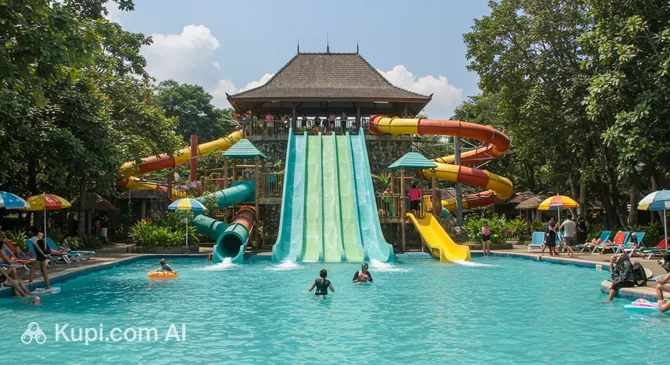
Families and those seeking a fun escape from the tropical heat will enjoy a visit to Planet Waterboom. This water park features a variety of pools and slides suitable for all ages, making it a refreshing destination for recreation. It is a great place to unwind and enjoy a day of splashing fun in a safe and well-maintained environment.

Planet Waterboom. Source: Kupi.Binoculars

For a taste of modern life in the province, Citimall Gorontalo serves as the city's primary lifestyle hub. Whether you are looking to shop for local and international brands, catch a movie at the cinema, or enjoy a meal at one of the many restaurants, this mall offers a comfortable retreat. It is an excellent spot to experience the contemporary side of the city and enjoy some indoor leisure time.

Local Cuisine

The culinary landscape of Gorontalo is a vibrant reflection of its coastal geography and rich agricultural resources. Known for its bold flavors, the local cuisine heavily features fresh seafood, corn, and a generous use of spices, particularly chili. Food lovers will find that dishes here are often savory, spicy, and enhanced by the zest of lime and the aroma of lemon basil, creating a distinct taste profile that separates it from other regions in Sulawesi.

One dish that stands out as the culinary icon of the city is Binte Biluhuta, also known as Milu Siram. This comforting corn soup is a staple for locals and is typically prepared with shredded coconut, shrimp or fish, and a mix of fragrant herbs. It offers a perfect balance of sweet, savory, and spicy notes. Another unique delicacy to try is Ilabulo, a savory snack made from sago flour mixed with chicken liver or gizzards, cooked with coconut milk and spices, and wrapped in banana leaves. For seafood enthusiasts, the grilled tuna served with spicy dabu-dabu sambal is a must-try, showcasing the freshness of the catch from Tomini Bay.

When it comes to beverages, the heat of the day is often countered with refreshing, sweet drinks rather than alcohol, which is less common in traditional settings due to local customs. A favorite local treat is Es Brenebon, a shaved ice dessert featuring red beans, condensed milk, and syrup. It provides a delightful and cooling end to a spicy meal. Coffee culture is also growing, with many locals enjoying a strong cup of brewed coffee accompanied by traditional cakes.

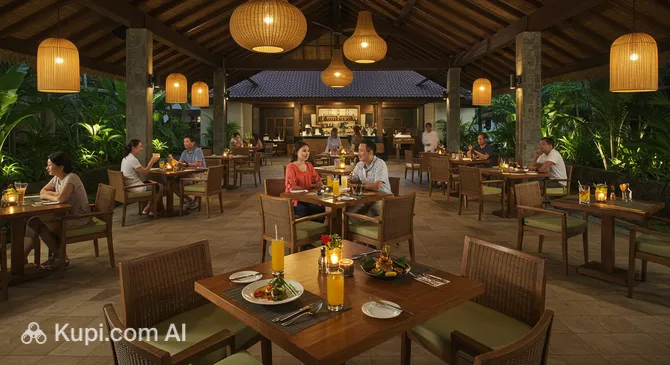
The dining culture in Gorontalo is laid-back and accessible, ranging from bustling night markets to comfortable sit-down venues. Street food stalls are the best places to experience the authentic pulse of the city, especially in the evenings when vendors sell grilled corn and skewers. For those seeking a more formal dining atmosphere, the Gorontalo Hotel & Villas Restaurant offers a variety of dishes in a relaxed setting, making it a convenient stop for travelers.

Gorontalo Hotel & Villas Restaurant. Source: Kupi.Binoculars

If you are looking for a quick snack or something sweet to take with you, Extra Bakery is a well-known spot in town. Here, visitors can find a selection of freshly baked breads and pastries that are perfect for a light breakfast or an afternoon treat while exploring the city.

Travel Tips

Welcome to Gorontalo! To ensure your visit to this charming city and its surrounding natural wonders is as smooth as possible, here is a collection of practical advice to help you navigate local customs and logistics with ease.

  1. Clothing and Gear: Given the tropical climate, lightweight and breathable fabrics like cotton or linen are essential to handle the heat and humidity. Since Gorontalo is a conservative region known as the "Veranda of Medina," it is important to dress modestly; cover your shoulders and knees when exploring the city or visiting villages. Bring comfortable slip-on shoes, as you will frequently need to remove them when entering homes or mosques, and don't forget a universal travel adapter (Type C or F) for your electronics.
  2. Transportation: The most iconic and convenient way to get around the city is by Bentor (motorized pedicab). They are everywhere, but remember to negotiate the fare before you hop in, as they do not use meters. For longer distances or day trips to the coast, renting a car with a driver is the most reliable option. Ride-hailing apps like Grab or Gojek may be available but can be less reliable here than in larger Indonesian cities.
  3. Finances: The official currency is the Indonesian Rupiah (IDR). Cash is absolute king in Gorontalo, especially for paying Bentor drivers, eating at street stalls, or shopping in traditional markets. While Citimall Gorontalo and major hotels accept credit cards, smaller establishments do not. ATMs are widely available in the city center, but it is wise to carry enough cash when venturing to beaches or remote areas.
  4. Health and Safety: Gorontalo is generally very safe for tourists, but standard precautions apply. Tap water is not safe for drinking; always stick to sealed bottled water. Pharmacies, known locally as Apotek, are easy to find in the city center for basic medical supplies. Since this is a tropical area, carrying strong insect repellent is highly recommended to protect against mosquitoes, especially during the evenings.
  5. Communication: Bahasa Indonesia is the primary language, and English proficiency among locals can be limited outside of major hotels and the airport. It is highly beneficial to download an offline translation app and learn a few basic phrases like Terima kasih (Thank you) and Pagi (Morning). For internet access, purchasing a local SIM card (Telkomsel usually offers the best coverage in Sulawesi) is the most reliable way to stay connected.
  6. Local Etiquette: Politeness is highly valued here. Always use your right hand for eating, giving, or receiving items, as the left hand is considered unclean. When greeting locals, a smile and a slight nod go a long way; handshakes are often soft, and some people may touch their chest after shaking hands as a sign of respect. Public displays of affection should be avoided to respect local norms.
  7. What to Avoid: Do not wear revealing swimwear, such as bikinis, at public beaches frequented by locals, as this can be seen as disrespectful; save standard swimwear for designated resort areas or diving spots. Additionally, avoid raising your voice or showing outward anger in public, as causing a scene is considered embarrassing and rude in Indonesian culture.
  8. Whale Shark Tip: If you plan to visit the whale sharks at Botubarani, timing is everything. Arrive as early as possible, ideally around 6:00 AM. The water is calmer, the crowds are thinner, and the sharks are more likely to be close to the shore before they move to deeper waters later in the day.

By keeping these tips in mind, you will be well-prepared to embrace the authentic lifestyle of Gorontalo. The locals are known for their warmth and friendliness, so don't hesitate to ask for help or share a smile as you explore this beautiful corner of Sulawesi.

Entertainment & Nightlife

Gorontalo offers a nightlife experience that is distinctively laid-back and centered around social connection rather than high-energy clubbing. As a city known for its conservative values and friendly community, the evening entertainment scene here is defined by "nongkrong"—the local art of hanging out. As the sun sets, the heat of the day dissipates, and locals flock to coffee shops, open-air eateries, and parks to enjoy the cooler air. Travelers will find that the atmosphere is welcoming and casual, perfect for those who appreciate relaxed conversations over live acoustic music or a late-night snack.

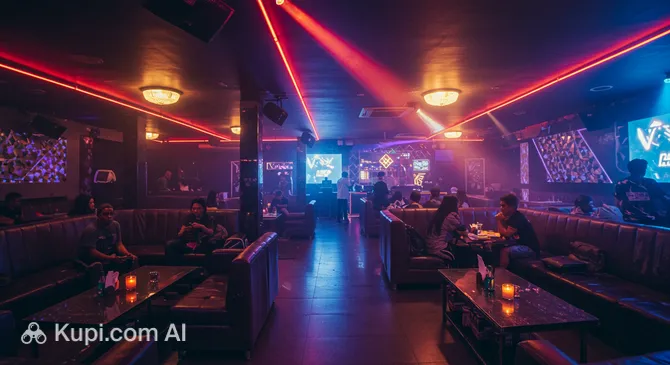
One of the most popular forms of evening entertainment in the city is karaoke. It is a favorite pastime for residents of all ages, serving as a primary outlet for nightlife. Vizta Karaoke is a prominent venue where friends and families gather to sing their hearts out in private rooms. These establishments are modern, well-equipped, and offer a fun, safe environment for tourists to unwind. They typically stay open late, providing a lively escape where you can enjoy food and drinks while showcasing your vocal talents.

Vizta Karaoke. Source: Kupi.Binoculars

For those who prefer a mix of shopping, dining, and entertainment, the city's malls become bustling hubs in the evening. Karsa Utama is a well-known shopping center that remains active well into the night. It is a great place to observe local life, browse for goods, or simply enjoy a walk in a climate-controlled environment. Additionally, Citimall Gorontalo offers a comprehensive lifestyle experience, housing the city's main cinema complex. Catching a movie here is a popular activity for couples and groups, offering a familiar modern entertainment option amidst the traditional setting of the region.

Karsa Utama. Source: Kupi.Binoculars

When exploring the nightlife, practicalities are simple but important. The primary mode of transport, the motorized pedicab known as the Bentor, operates into the night, though availability may decrease after 10:00 PM. It is advisable to agree on a price before starting your journey, as night fares can be slightly higher. The city is generally very safe for evening walks, particularly in busy areas like the mall districts or near the waterfront. However, visitors should be aware that alcohol is not widely served in public restaurants due to local customs; it is mostly found in specific hotel bars or karaoke venues. Dress codes are casual but modest, respecting the local culture.

While the nights are calm, daytime entertainment in Gorontalo offers its own charm. Beyond the natural attractions, visitors can explore local culture through museums and historical sites that narrate the province's rich heritage. The city also features recreational spots like amusement centers within the malls, providing fun diversions for families and travelers looking to escape the midday sun before the evening social scene begins.

Parks & Museums

While Gorontalo is famous for its marine biodiversity, the city and its surroundings also offer green spaces and cultural institutions that provide a deeper understanding of the region's heritage. Visitors looking to explore beyond the beaches will find parks that serve as community hubs and museums that preserve the unique history and traditions of this province on Sulawesi.

For those interested in the local history and culture, the Popa Eyato Provincial Museum is a must-visit. This museum houses a comprehensive collection of artifacts that tell the story of the region, ranging from geological specimens to historical items from the colonial era. A highlight for many tourists is the display of Karawo, the traditional intricate hand embroidery that is a source of pride for the local people. It is an excellent place to gain insight into the artistic skills and daily life of the Gorontaloan ancestors.

Another significant cultural site is the Museum Pendaratan Soekarno, located near the majestic Lake Limboto. This historic house commemorates the visits of Indonesia's first president, Soekarno, to the region. The museum preserves the original furniture, photographs, and memorabilia from that era, offering a glimpse into the nation's post-independence history. Its location by the lake also allows visitors to combine a history lesson with scenic views of one of the island's largest freshwater bodies.

In terms of green spaces within the city, Taruna Remaja Square stands out as the central gathering point for locals. Dominated by the statue of the national hero Nani Wartabone, this open square is surrounded by colonial architecture and shaded by trees. It is a popular spot for jogging in the morning or simply sitting in the afternoon to watch the world go by. The park serves as a testament to the local patriotism and community spirit.

Nature enthusiasts willing to venture just outside the city limits should explore the Bogani Nani Wartabone National Park. This vast protected area is a biodiversity hotspot within the Wallacea region. While exploring the edges of the park, visitors might catch a glimpse of endemic wildlife, such as the spectral tarsier or the iconic Maleo bird. It offers a raw and immersive jungle experience that contrasts sharply with the urban environment of the city center.

For a relaxing escape close to nature, consider a trip to the Lombongo Hot Springs. Nestled in a lush valley, this recreational park features natural hot spring pools alongside cool river water pools. It is a favorite weekend retreat for families and offers a refreshing way to unwind surrounded by the dense tropical forest.

Getting Around

The public transport system in Gorontalo is distinctively different from what travelers might encounter in major metropolitan areas. There are no subways, trams, or large city bus networks operating within the city center. Instead, the transportation landscape is informal, flexible, and dominated by smaller vehicles that navigate the streets with ease. For tourists, getting around is generally straightforward, provided you are comfortable with a more hands-on approach to hailing rides and negotiating fares.

The undisputed king of the road in this city is the Bentor (motorized pedicab). These unique vehicles are a hybrid of a motorcycle and a carriage, where the passenger sits in a cabin at the front while the driver steers from behind. They function essentially as taxis, offering door-to-door service to any destination within the city. You can find them on nearly every street corner, and they are the most convenient way to travel short to medium distances. While they are a fun and breezy way to see the sights, they do not operate on fixed routes or schedules.

For those looking for a fixed-route option, Mikrolets (public minibuses) are available, though they are less prominent here than in other Indonesian cities. These blue or yellow vans ply specific routes connecting the city center with outlying districts and the ferry terminal. They are the most budget-friendly option, with set fares that are very low. However, there are no official maps or timetables; passengers simply wait by the roadside and flag one down, asking the driver if they are heading in the desired direction.

When it comes to payment, cash is the only accepted method for Bentors and Mikrolets. There are no travel cards, electronic passes, or tap-to-pay systems for public transit. It is crucial for tourists to carry small denominations of the local currency, as drivers often do not have change for large bills. For Bentors, the fare is not fixed and must be negotiated before you get in. A short trip within the city typically costs a modest amount, but prices can increase at night or for longer distances.

Modern ride-hailing apps, such as Grab and Gojek, have established a presence in Gorontalo. These apps offer a convenient alternative for those who prefer fixed pricing and the ability to book a car or motorcycle taxi without the need for negotiation. You can pay via the app or in cash. However, availability can sometimes be sporadic compared to larger cities, especially during heavy rain or late at night.

For travelers planning to explore attractions outside the city limits, such as the whale shark sites or remote beaches, renting a car is a popular alternative. Self-driving is less common due to local traffic habits; instead, most tourists opt to rent a car with a driver for a daily fee. This provides the freedom to create your own itinerary with the safety and local knowledge of a resident driver.

Operating hours for transport are generally aligned with the daily rhythm of the locals. Bentors and Mikrolets are most active from early morning until around 9:00 PM or 10:00 PM. After this time, finding a ride on the street becomes significantly harder, so if you are out late, it is advisable to have a ride-hailing app ready or arrange transport in advance.
Accommodation

Accommodation in Gorontalo is primarily functional, catering to a mix of business travelers, transiting tourists, and divers. While the city does not currently boast the extensive array of high-end luxury resorts found in Indonesia's major tourist hubs, it offers a solid selection of clean, comfortable, and highly affordable options. Visitors can typically choose from standard mid-range hotels, budget-friendly guesthouses (often referred to locally as "wisma" or "penginapan"), and a growing number of homestays that provide a warm, authentic experience.

For most travelers, the most convenient area to stay is the City Center. Choosing a hotel in the downtown area places you within walking distance or a short Bentor ride of essential amenities, including shopping centers, banks, and a variety of local restaurants. This location is ideal for those who want easy access to the city's evening culinary scene. Alternatively, visitors focused on marine activities might prefer the coastal area of Leato or the southern district near the port. These areas offer proximity to the ferry terminals and whale shark sighting spots, providing a quieter atmosphere with sea views, though they are slightly removed from the town's main commercial buzz.

Prices in Gorontalo are generally very wallet-friendly compared to other parts of the archipelago. Budget travelers can often find basic rooms for approximately $15 to $25 USD per night, while more comfortable mid-range hotels typically range from $30 to $60 USD. When it comes to booking, major online travel platforms are reliable for securing rooms at the larger, well-known hotels. However, many smaller guesthouses and homestays may not have an online presence. For these, it is often possible to find a room upon arrival, but if you are visiting during Indonesian public holidays or peak diving season, booking your accommodation in advance is highly recommended to ensure availability.

Nearby Cities

Nearby Cities:

While Gorontalo serves as an excellent base for exploring the northern arm of Sulawesi, the island is home to several other distinct urban centers that are worth visiting. Travelers willing to venture further afield will find cities that offer a different pace of life, ranging from bustling provincial capitals to cooler highland towns. These destinations provide a broader perspective on the diverse cultures and landscapes of the region.

The most prominent neighbor is Manado, the capital of North Sulawesi. Located approximately 224 km away, it is a major economic and tourism hub known for its vibrant atmosphere and spicy cuisine. Manado is world-famous as the gateway to the Bunaken National Marine Park, a diver's paradise. Just a bit further east from Manado lies Bitung, a key port city that grants access to the Tangkoko Nature Reserve, home to the tiny tarsier and the black crested macaque.

To the west, across the mountainous terrain, travelers can find Palu. As the capital of Central Sulawesi, it sits in a unique valley location and offers a mix of coastal and mountain scenery. Closer to Gorontalo, the city of Kotamobagu offers a refreshing change of climate. Nestled in the highlands, it is known for its cooler temperatures and coffee plantations, making it a pleasant stop for those traveling overland between Gorontalo and Manado.

Below is a list of nearby cities, along with their distance from Gorontalo and population estimates, to help you plan your journey across Sulawesi:

City Distance (km) Population
Manado 224 461,636
Palu 388 359,350
Bitung 257 218,520
Kotamobagu 142 120,597
Paleng 204 109,319

Shopping & Souvenirs

Shopping in Gorontalo offers a modest yet authentic experience that contrasts with the bustle of Indonesia's larger metropolises. While you will not find high-end luxury boutiques or sprawling mega-malls here, the city provides a charming mix of modern conveniences and traditional commerce. The shopping scene is centered around practical needs and local craftsmanship, making it an excellent place to find unique cultural souvenirs and observe the daily rhythm of the local people.

For a contemporary shopping experience, Citimall Gorontalo stands as the city's premier lifestyle hub. Located on a main thoroughfare, this mall offers a cool, air-conditioned retreat from the tropical heat. It houses a department store, a supermarket for daily necessities, and various national fashion and food chains. It is the go-to destination for travelers needing to restock on supplies or looking for familiar brands in a comfortable setting.

Citimall Gorontalo. Source: Kupi.Binoculars

Another staple of the local retail scene is Karsa Utama. This shopping complex functions more like a large traditional department store and is deeply ingrained in the local community. It is a bustling spot where residents shop for clothing, shoes, and household goods at affordable prices. Visiting here offers a glimpse into the shopping habits of the locals and is a good place to find budget-friendly items.

To truly understand the local culture, a visit to the Central Market (Pasar Sentral) is essential. This traditional market is a sensory adventure, filled with the aroma of exotic spices, fresh seafood from the Tomini Bay, and vibrant tropical fruits. It is the heart of the city's commerce, where bargaining is part of the experience. Wandering through the stalls, you can find everything from fresh produce to traditional snacks, providing a colorful backdrop for photography and cultural immersion.

When it comes to souvenirs, Gorontalo is famous for Karawo, a stunning traditional hand embroidery that is unique to this region. The intricate designs are created by painstakingly removing threads from the fabric and tying the remaining ones to form patterns. It is a labor of love and a source of immense local pride. You can find Karawo applied to shirts, dresses, and fans in specialized boutiques and souvenir shops throughout the city. Another distinctive item is the Upiya Karanji, a traditional rimless cap woven from mint stems (rattan-like material), which is not only a cultural symbol but also very comfortable to wear in the heat. For edible gifts, boxes of Pia Gorontalo (flaky pastry with various fillings) make for a delicious treat to bring home.

Most shops in Gorontalo operate from around 9:00 AM to 9:00 PM, though the malls may stay open until 10:00 PM. Traditional markets are best visited in the early morning when the produce is freshest. Regarding payment, cash is the primary mode of transaction, especially in markets, small souvenir shops, and for transport. While Citimall Gorontalo and larger establishments accept credit cards, it is highly advisable to carry sufficient Indonesian Rupiah (IDR) for most of your shopping needs. Tax-free shopping (VAT refund) is generally not available for tourists in Gorontalo, as this service is typically limited to major international gateways and luxury retailers in Jakarta or Bali.

Reached the end of the page?

That means the route is fully explored