Support

Tolitoli

About

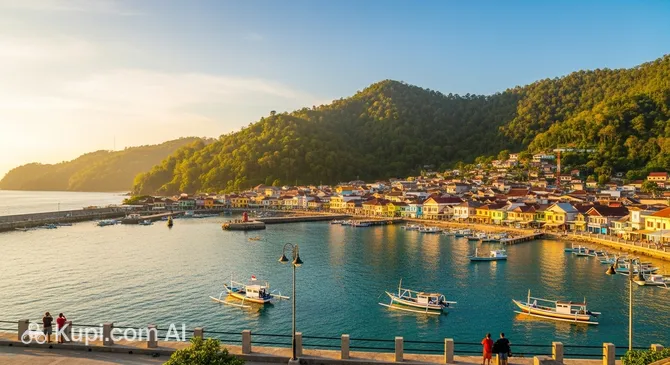
Welcome to Tolitoli, a scenic coastal town situated in the province of Central Sulawesi. Known for its laid-back atmosphere and stunning natural surroundings, this destination offers travelers a glimpse into the authentic lifestyle of Indonesia. Nestled between lush green hills and the sparkling Celebes Sea, the city serves as a gateway to some of the region's most beautiful marine environments.

Tolitoli. Source: Kupi.Binoculars

With a population of approximately 90,000 residents, Tolitoli is a bustling yet welcoming community. The city enjoys a warm tropical climate year-round, making it an ideal spot for beach lovers and outdoor enthusiasts. Culturally, the area is significant as a major producer of spices, earning it the nickname "The City of Cloves." For those keen on understanding the roots of this unique region, the history of Tolitoli reveals a fascinating tapestry of local traditions and maritime heritage.

Visitors are often drawn to the area's pristine natural attractions. Lutungan Island, located just a short boat ride from the harbor, is a highlight for snorkeling and diving, offering vibrant coral reefs and crystal-clear waters. On the mainland, Lalos Beach provides a perfect setting for relaxation with its golden sands and gentle waves. Whether you are exploring the local markets or watching the sunset over the bay, Tolitoli promises a memorable and refreshing escape from the ordinary.

Weather Overview

The climate in Tolitoli is characteristically tropical, maintaining a very stable and warm atmosphere throughout the year. Regardless of when you visit, you can anticipate consistent heat, with average temperatures hovering steadily between 25°C and 26°C. For travelers looking to plan their trip around specific conditions, checking the detailed weather in Tolitoli is recommended to prepare for the local elements.

Temperature fluctuations are minimal, with daily highs peaking around 28°C in months like May and October, and nighttime lows generally staying above 23°C. This makes the region ideal for those who enjoy warmth, as there are no cold winters to worry about. However, the humidity and cloud cover are constant factors to consider when packing for your journey.

Rainfall is a frequent occurrence in this part of Central Sulawesi. The data suggests a high number of wet days each month, ranging from 24 to 29 days with precipitation. Consequently, visitors should expect warm temperatures year-round accompanied by a very high likelihood of daily rain showers, making waterproof gear just as essential as summer clothing.

Interesting Facts

Beyond the scenic beaches and spice plantations, Tolitoli holds a collection of fascinating stories and natural wonders that often escape the casual eye. Delving deeper into the local lore reveals a destination rich in history and mythical charm.

  • A Sacred Resting Place: While Lutungan Island is popular for diving, it is also a site of deep spiritual importance. It houses the tomb of the 17th King of Tolitoli, Syaifuddin Bantilan. Locals frequently visit the island to offer prayers and pay their respects to the ancestral ruler, adding a layer of cultural reverence to the island's natural beauty.

  • The Legend of the Stone Ship: Near the coastline, visitors can find a unique rock formation known as Batu Bagga. According to local folklore, this rock was once a large ship belonging to a rebellious son who was cursed by his father, freezing his vessel in time as a permanent stone monument.

  • Guardian of Ancient Wildlife: The region is home to the Mount Dako Nature Reserve, a biodiversity hotspot that protects some of the island's most distinct species. It serves as a habitat for the Maleo, a unique bird that incubates its eggs in geothermal soil, and the Anoa, a small wild buffalo endemic to the forests of Sulawesi.

How to Get There

Reaching this part of Central Sulawesi requires a bit of planning, as the region is known for its rugged terrain and scenic, winding roads. For a detailed breakdown of routes and transport options, you can read more about how to get to Tolitoli. While direct access might be limited depending on your point of origin, several regional transport hubs serve as gateways to the area.

Travelers often choose to fly into major airports in neighboring cities and complete the journey by land. One of the primary options is Mutiara Airport (IATA: PLW), located in the city of Palu. This airport handles a significant volume of passengers and is situated approximately 240 km from Tolitoli. From Palu, the overland journey through the mountainous landscape is a long adventure, typically taking around 10 to 12 hours by taxi or bus. Another viable entry point is Tolotio Airport (IATA: GTO) in Gorontalo. Although it is located about 230 km away, it serves as an alternative hub for visitors exploring the northern arm of Sulawesi. For those seeking a closer connection, flights are also available to the local Sultan Bantilan Airport (TLI), though flight frequencies can vary compared to the larger hubs.

For clarity, here is a summary of the main airports in the wider region:

Airport Name City Passenger Traffic Km from City
Mutiara Airport Palu High 240.7
Tolotio Airport Gorontalo Medium 230.8
Tojo Una Una (Tanjung Api) Ampana Small 230.4

Main Attractions

One of the most captivating spots in the region is Sabang Beach, located in the Galang district. Often confused by name with the famous city in Aceh, this local gem offers its own unique charm with pristine white sands and crystal-clear waters. The beach is distinguished by two small, exotic islands sitting just offshore, creating a picturesque backdrop that is perfect for photography. Uniquely, a freshwater river flows from the nearby mountains directly into the sea here, allowing visitors to experience both cool river currents and the warm ocean waves in a single visit.

For those seeking panoramic views from above, Desa Teluk Jaya has become a favorite stop for travelers and photography enthusiasts. Often referred to by locals as "Puncak Surga" or the Peak of Paradise, this area offers breathtaking vistas of the coastline and the lush, rolling hills of Central Sulawesi. Located along the winding trans-Sulawesi route, it serves as a perfect rest stop where visitors can enjoy the cool mountain breeze and capture stunning images of the landscape that defines this rugged part of the island.

In the heart of the town, Taman Kota Tolitoli (City Park) provides a lively yet relaxing space where tourists can mingle with the local community. This green open space is a hub for social activities, jogging, and family gatherings, especially in the late afternoon. It offers a glimpse into the everyday life of the residents and is often the venue for local events and festivals. The park's proximity to the waterfront means you can enjoy a pleasant walk while watching the sun dip below the horizon, painting the sky in vibrant tropical colors.

Another coastal highlight is Lalos Beach, which remains a top destination for both relaxation and recreation. While known for its golden sands and calm waves, it is also well-equipped for a comfortable day trip, featuring rows of gazebos and local food stalls selling fresh coconut and traditional snacks. The beach's atmosphere is often compared to the laid-back vibes of Bali, making it an excellent spot for swimming, sunbathing, or simply unwinding under the shade of coastal trees after a day of exploring the city.

Local Cuisine

The local cuisine of Tolitoli is a vibrant reflection of its coastal geography and its reputation as a "City of Cloves." Food here is heavily influenced by the abundance of fresh seafood and the rich spices grown in the surrounding hills. Travelers can expect meals that are savory, often spicy, and deeply rooted in the traditions of Central Sulawesi. The culinary scene is unpretentious but full of flavor, offering a genuine taste of the region's maritime culture.

A true signature dish that every visitor must try is Ambal. Often described by locals as a traditional form of pizza, this delicacy is made from sago flour and cooked in a clay pan. It is typically topped with shredded fish (abon ikan) or spicy tuna, creating a unique texture that is crispy on the outside and chewy on the inside. Another staple is Sinole, a simple yet delicious comfort food made from roasted sago mixed with grated coconut, often eaten as a substitute for rice or as a hearty snack.

Given its location on the Celebes Sea, seafood is the star of most main courses. Ikan Bakar (grilled fish) is ubiquitous here, usually served fresh from the day's catch. What makes it special is the accompaniment of Dabu-Dabu, a fiery local condiment made from chopped chilies, shallots, tomatoes, and a squeeze of calamansi lime. The combination of the smoky, tender fish and the fresh, zesty heat of the sambal is a defining flavor of the Tolitoli dining experience.

To wash down the spicy meals, locals often turn to Saraba, especially in the evenings. This traditional warm beverage is made from ginger, brown sugar, and coconut milk, sometimes enriched with egg yolk or condensed milk. It is believed to boost stamina and warm the body. For a refreshing option during the hot tropical days, fresh Es Kelapa Muda (young coconut water) is widely available along the beaches and roadsides, serving as the perfect natural thirst quencher.

The food culture in Tolitoli is best experienced in its casual eateries and open-air stalls known as warungs. In the evenings, the area around the waterfront and public spaces often transforms into a lively culinary hub. Here, tourists can join locals at simple tables to enjoy grilled corn, fried snacks, and fresh seafood while soaking in the relaxed, community-focused atmosphere of this charming coastal town.

Travel Tips

Visiting Tolitoli offers a unique opportunity to experience the authentic charm of Central Sulawesi, but its remote location and distinct culture require a bit of preparation. To help you navigate your journey smoothly and make the most of your time in the "City of Cloves," here are some essential practical tips.

  1. Clothing and Gear: Given the region's high rainfall throughout the year, waterproof gear is non-negotiable. Pack a lightweight raincoat, a sturdy umbrella, and quick-drying clothes. Since the climate is tropical and humid, breathable fabrics like cotton or linen are best. Tolitoli is a fairly conservative area, so it is respectful to dress modestly when exploring the town or visiting villages; ensure your shoulders and knees are covered, especially near religious sites.

  2. Transportation: The most common and convenient way to get around the city is by Bentor (a motorized pedicab). They are ubiquitous and perfect for short distances. Motorcycle taxis, known as Ojek, are also available. Public buses are generally for inter-city travel rather than getting around town. Ride-hailing apps may not be as reliable or available as in Jakarta or Bali, so it is best to rely on local transport and agree on a fare before starting your trip.

  3. Finances: The local currency is the Indonesian Rupiah (IDR). While there are ATMs in the town center (typically BNI, BRI, or Mandiri), they can occasionally be out of service or run out of cash. Credit cards are rarely accepted outside of major hotels or large supermarkets. It is highly advisable to carry sufficient cash, particularly in smaller denominations, for paying at warungs (food stalls), markets, and transport.

  4. Health and Safety: Tolitoli is generally safe, but standard travel precautions apply. Tap water is not potable; always stick to bottled or boiled water. As a tropical destination, mosquitoes are common, so bring a strong insect repellent to prevent bites. Pharmacies, marked as Apotek, are available in the city center for basic supplies, but if you have specific prescription needs, bring them with you.

  5. Communication: English is not widely spoken outside of the airport or government offices. Learning a few basic phrases in Bahasa Indonesia—such as "Selamat pagi" (Good morning) and "Terima kasih" (Thank you)—will go a long way in connecting with locals. For mobile data, Telkomsel usually offers the most reliable coverage in this part of Sulawesi; you can purchase a SIM card at local counters in town.

  6. Local Etiquette: The people of Tolitoli are known for their friendliness. A smile and a nod are universal greetings here. When entering a local home or some traditional guesthouses, always remove your footwear at the door. It is also polite to avoid standing with your hands on your hips, as this can be interpreted as a sign of arrogance or anger in Indonesian culture.

  7. What to Avoid: Never use your left hand to give or receive money, eat, or shake hands, as it is considered unclean in local culture. Additionally, avoid public displays of affection, such as kissing or hugging, as this is frowned upon in the conservative local society.

  8. Market Tip: Wake up early to visit the traditional markets. Since Tolitoli is famous for its clove production, you can often find high-quality spices at excellent prices. It’s a great place to buy authentic souvenirs while observing the daily rhythm of local life before the midday heat sets in.

By keeping these tips in mind, you will be well-equipped to embrace the laid-back pace and warm hospitality of Tolitoli. A little preparation allows you to focus less on logistics and more on the stunning sunsets, spicy cuisine, and friendly faces that make this coastal town so special.

Entertainment & Nightlife

Entertainment in Tolitoli is defined by its relaxed, community-focused atmosphere rather than a high-energy clubbing scene. As the sun sets over the Celebes Sea, the town transitions into a laid-back social hub where the nightlife revolves around "nongkrong"—the Indonesian art of hanging out with friends for hours. Instead of disco lights and loud dance floors, you will find cozy coffee shops, open-air food courts, and lively public parks where locals gather to enjoy the cool evening breeze, acoustic music, and conversation.

The heart of the evening action is undoubtedly Taman Kota Tolitoli (City Park). Located near the waterfront, this public space comes alive after dark, especially on weekends ("Malam Minggu"). It serves as a bustling district where families, teenagers, and travelers mingle. The area is lined with local food stalls selling grilled corn, fresh juices, and traditional snacks. It is the perfect place to immerse yourself in the local culture, watch impromptu musical performances, or simply observe the friendly rhythm of life in this coastal town.

For a more modern nightlife experience, the city's burgeoning café culture offers excellent venues that stay open late. The Kiom district is particularly popular among the younger crowd, known for its aesthetic waterfront spots and outdoor seating areas that take advantage of the tropical evening air. It is a great spot to try local dishes like Nasi Ayam Rempa while enjoying a casual vibe. Other popular venues can be found at strategic intersections throughout the town, offering trendy settings for coffee enthusiasts and often featuring live acoustic bands, making them some of the liveliest spots to spend an evening.

Travelers looking for a comfortable indoor environment might prefer the various modern eateries scattered around the city center. With air-conditioned rooms and extensive menus, these establishments provide a slightly more upscale yet affordable setting for dinner and late-night drinks (mostly non-alcoholic). The crowd is usually a mix of professionals and groups of friends, and the dress code is casual but neat. Most of these venues operate until around 11:00 PM or midnight, winding down earlier than in big metropolises.

When venturing out at night, Tolitoli is generally very safe, but the streets can be dimly lit away from the center. The best way to get around is by hailing a Bentor (motorized pedicab), which are readily available and offer a breezy ride through the town. Fares should be agreed upon in advance. As the town is conservative, modest clothing is recommended even for night outs; a t-shirt and long pants are appropriate for both men and women.

Before the sun goes down, the entertainment options are centered on nature and exploration. Daytime activities typically involve boat trips to the pristine Lutungan Island for snorkeling or relaxing on the golden sands of Lalos Beach. For a touch of culture, a visit to the local bustling markets in the morning offers a colorful contrast to the serene and social atmosphere that takes over the city at night.

Parks & Museums

While the region is primarily celebrated for its stunning coastlines and natural beauty, the city of Tolitoli preserves its rich heritage through significant cultural landmarks and inviting public spaces. Visitors interested in the local history should head to the Rumah Adat Tolitoli, also known as Bale Masigi. Located in the Nalu district, this striking structure is a replica of the royal palace that once served as the seat of the Tolitoli Kingdom. Its architecture is a fine example of traditional design, featuring a wooden stilt structure and a distinctive roof that reflects the area's Islamic influences.

The palace serves as a cultural repository, offering insights into the legacy of the local monarchy and the customs of Indonesia's diverse ethnic groups in Central Sulawesi. It stands as a symbol of pride for the community, often hosting traditional ceremonies and serving as an educational site for those wishing to understand the historical roots of the "City of Cloves."

For a relaxing break within the city limits, Taman Kota Gaukan Muhammad Bantilan (City Park) is the premier green space. Situated right along the waterfront, it offers a refreshing open-air environment where sea breezes mix with the shade of tropical trees. While it is a popular social hub, the park also functions as a scenic promenade perfect for afternoon walks. From here, visitors can enjoy unobstructed views of the bay and the distant islands, making it an excellent spot for photography or simply unwinding after a day of exploration.

Another unmissable landmark is the Tugu Cengkeh, or Clove Monument. As cloves are the region's most valuable agricultural commodity, this monument stands as a tribute to the spice that drives the local economy. Located at a key intersection, it is an iconic photo stop that encapsulates the identity of Tolitoli as a major spice producer in the archipelago.

Getting Around

Navigating Tolitoli is a unique experience that differs significantly from large metropolitan areas. There is no metro, tram, or large city bus network here. Instead, the public transport system relies heavily on informal, small-scale vehicles that are well-suited to the town's compact size and road structure. For visitors, this means embracing a more traditional and personal way of getting around, where flagging down a driver is the norm rather than waiting at a designated stop.

The most popular and ubiquitous mode of transport is the Bentor (a portmanteau of becak and motor). These are motorized pedicabs consisting of a motorcycle pushing a covered seating cabin at the front. They function like taxis but are much more affordable and open to the air. You will see them on almost every street corner. They are perfect for short to medium distances within the city and offer a scenic, breezy way to view the local streets.

Another common option is the Ojek, or motorcycle taxi. These are faster than Bentors and are ideal for solo travelers or those in a hurry. Unlike in major capital cities where uniformed app-based drivers are common, Ojeks in this region are often informal. You can usually find them waiting at key intersections, markets, or near the harbor. For slightly longer distances or travel between districts, you might encounter Mikrolets (public minibuses), locally known as Angkot. These follow specific routes and are color-coded, but their schedules can be irregular, waiting until the vehicle is full before departing.

The payment system across all these modes of transport is exclusively cash. There are no travel cards, passes, or tap-to-pay systems. It is essential to carry Indonesian Rupiah in small denominations (such as 2,000, 5,000, or 10,000 notes), as drivers often do not have change for large bills. For Mikrolets, the fare is generally fixed and very cheap. However, for Bentors and Ojeks, there are no meters. You must negotiate and agree on the fare with the driver before you get into the vehicle to avoid misunderstandings upon arrival.

Ride-hailing apps, which are popular elsewhere, have limited or inconsistent availability in this specific region. While you might check for their presence, it is best not to rely on them as your primary means of travel. Instead, rely on the local method: simply stand by the side of the road and wave your hand to hail a passing Bentor. They operate from early morning until late evening, though availability drops significantly after 9:00 PM.

For those who prefer more independence or comfort, car rentals are available but typically come with a driver. This is a recommended option if you plan to explore attractions outside the city limits, such as distant beaches or highland viewpoints, as the roads can be winding and challenging for those unfamiliar with local driving habits. Within the town center, particularly around the waterfront and City Park, walking is a viable and pleasant alternative, allowing you to soak in the atmosphere at your own pace.

Accommodation

Accommodation in Tolitoli primarily consists of budget-friendly guesthouses, small inns, and mid-range local hotels. Unlike major tourist hubs in Indonesia like Bali or Jakarta, you will not find large international luxury chains or five-star resorts here. Instead, the options are modest, clean, and offer a genuine sense of local hospitality. Most properties are designed to cater to business travelers and families, providing essential amenities such as air conditioning and private bathrooms, often with a simple breakfast included.

For the most convenient stay, travelers generally choose the Baolan district, which serves as the city center. staying in this area places you within walking distance of the local markets, the waterfront, and the main harbor, making it easy to find food and transport. If you prefer a quieter environment closer to nature, there are a few accommodations located slightly outside the town center near the coastal areas, offering easier access to spots like Lalos Beach and a more relaxed atmosphere.

Among the well-known establishments in the city, Hotel Fikry Toli Toli is a popular choice for visitors seeking reliable service and comfort. It is often praised for its strategic location and provides standard facilities like Wi-Fi and parking. Another frequently recommended option is Hotel Graha Fila, which is known for its friendly service and often caters to travelers looking for a comfortable base to explore the region. These hotels represent the upper end of the local market, offering a blend of modern convenience and traditional warmth.

When planning your trip, it is advisable to book your accommodation in advance, especially if you are visiting during local holidays or government events when rooms can fill up quickly. While some of the larger hotels are listed on major online booking platforms, many smaller guesthouses (known locally as penginapan) may not have an online presence. In such cases, calling ahead or simply walking in upon arrival is a common and accepted practice.

The price range for staying in Tolitoli is generally very affordable, fitting well within a budget to mid-range category. Most nightly rates are quite reasonable compared to larger Indonesian cities. Payment methods are predominantly cash-based, particularly at smaller establishments. While the main hotels may accept credit cards, it is highly recommended to carry sufficient Indonesian Rupiah to cover your stay and incidental expenses to avoid any inconvenience.

Nearby Cities

For those looking to explore the surroundings, Tolitoli serves as an excellent base for day trips to several interesting nearby locations:

City Population Distance (km)
Palu 359,350 240
Mamuju 278,764 426
Gorontalo 191,897 256
Berau 170,000 332
Bontang 161,413 386

Given the rugged geography of Central Sulawesi, some of these destinations are best suited for a short visit or an extended weekend trip rather than a quick return journey. Palu, the provincial capital, offers a vibrant mix of urban amenities and natural beauty. Visitors can explore the scenic Talise Beach or venture further to Lore Lindu National Park, which is famous for its ancient megaliths and diverse wildlife. It serves as the primary gateway for travelers moving deeper into the island.

Another captivating option is Gorontalo, located on the northern arm of the island. Known for its calm atmosphere and colonial-style architecture, it is a favorite stop for history buffs and nature lovers alike. The city is globally renowned for the whale sharks that frequent the waters of Botubarani, offering a once-in-a-lifetime opportunity to swim alongside these gentle giants just a short distance from the shore.

These nearby destinations offer a glimpse into the diverse culture and landscapes of the region.

Shopping & Souvenirs

Shopping in Tolitoli offers a distinctly local and authentic experience, far removed from the glitz of high-end luxury retail. Instead of sprawling commercial complexes, visitors will find a town driven by traditional commerce, where small family-run businesses and bustling markets define the retail landscape. The shopping scene here is an excellent opportunity to immerse yourself in the daily life of Central Sulawesi, allowing you to discover unique regional products, fresh produce, and humble everyday goods at very affordable prices.

The primary hub for commercial activity is located in the Baolan district, which functions as the city center. The streets here are lined with rows of "ruko" (shophouses) that sell everything from clothing and electronics to household items. The area surrounding the main harbor is also lively, catering to both locals and travelers arriving by sea. Walking through these streets provides a glimpse into the town's trade culture, where friendly bargaining is common in smaller shops and personal interaction is part of every transaction.

Travelers expecting large, modern shopping malls will not find them in this coastal town. Tolitoli does not have international department stores or mega-malls. Instead, the modern retail needs are met by local supermarkets and smaller shopping plazas that provide essential groceries, toiletries, and standard clothing. For convenience, national mini-market chains are scattered throughout the city, offering air-conditioned comfort and fixed prices for snacks and drinks.

To truly experience the local flavor, a visit to the traditional markets is essential. The Pasar Susumbolan is the most prominent market in the city and a center of activity, especially in the early morning. Here, the "City of Cloves" lives up to its name, with the scent of spices often lingering in the air. It is a sensory overload of fresh fish caught from the Celebes Sea, tropical fruits, and locally grown vegetables. This is the best place to observe the vibrant interactions of the local community and to purchase fresh ingredients if you are self-catering.

When it comes to souvenirs, the region's agricultural heritage takes center stage. As a major producer of spices, cloves (cengkeh) are the ultimate keepsake; you can buy them dried and whole directly from the markets. Processed seafood products are also popular, particularly Abon Ikan (spicy shredded fish), which is a savory delicacy perfect for bringing home. Additionally, look for traditional snacks made from sago, such as Bagea, or locally produced coconut oil, which is known for its high quality in this part of Indonesia.

Store hours in Tolitoli generally run from around 8:00 AM to 9:00 PM, though traditional markets operate much earlier, often starting before sunrise and winding down by midday. Payment methods are overwhelmingly cash-based. While some larger supermarkets or hotels may accept credit cards, small shops, market stalls, and souvenir vendors deal exclusively in Indonesian Rupiah. It is highly advisable to carry sufficient small notes to facilitate smoother transactions.

Regarding tax refunds, Tolitoli is not a destination that supports the VAT refund scheme for tourists. The tax-free shopping facilities found in major international airports or luxury districts in Jakarta and Bali do not exist here. Visitors should assume that the price listed is the final price, inclusive of any local taxes, with no option for a refund upon departure.
Nearby cities

Reached the end of the page?

That means the route is fully explored