Support

Kendari

About

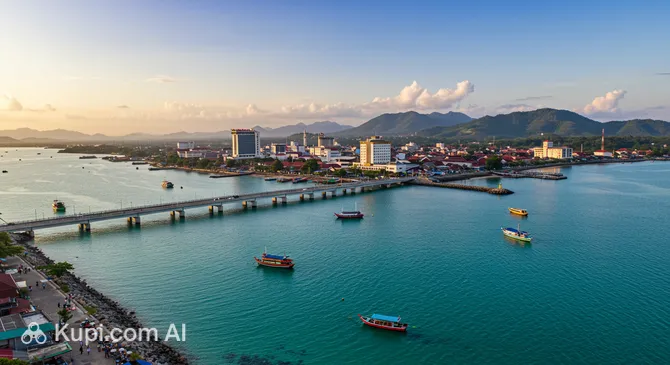
Welcome to Kendari, the charming capital of the Southeast Sulawesi province. Located on the southeastern peninsula of Indonesia, this coastal city offers a unique blend of bustling urban life and serene natural landscapes. It serves as a vital hub for travelers exploring the region and is celebrated for its stunning bay views and warm local hospitality.

Geographically, the city is built around the picturesque Kendari Bay, providing a scenic waterfront backdrop to daily life. With a population of over 330,000 residents, it is a lively center of commerce and culture in the region. The tropical climate ensures warm weather year-round, making it an inviting destination for sun-seekers and nature enthusiasts alike.
Kendari. Source: Kupi.Binoculars

While modern development is evident, the city retains deep roots. Visitors interested in the past can delve into the fascinating history of Kendari, which details its evolution from a strategic trading post to a thriving provincial capital. Culturally, the city is renowned for its intricate silver filigree crafts, known locally as "Kendari Werk," which represent a proud artistic tradition and make for exquisite souvenirs.

Among the top attractions, the Al-Alam Mosque stands out; often referred to as the floating mosque, it sits majestically in the middle of the bay, creating a surreal reflection on the water. For those seeking relaxation, Nambo Beach offers soft white sands and calm waters perfect for a leisurely afternoon. Additionally, the impressive Kendari Bay Bridge has become an iconic landmark, illuminating the skyline at night and offering spectacular panoramic views of the city.

Whether you are passing through on your way to the famous Wakatobi islands or planning a dedicated stop, Kendari promises a memorable experience. Its combination of cultural heritage, delicious seafood cuisine, and scenic beauty makes it a destination truly worth visiting.
Weather Overview

Travelers visiting Kendari can expect a consistent tropical climate characterized by steady warmth and high humidity year-round. The city enjoys stable temperatures, with monthly averages generally hovering between 25°C and 28°C. Daytime highs typically reach up to 29°C or 30°C, while the evenings remain pleasant with minimum temperatures rarely dropping below 23°C.

Rainfall is a significant part of the local weather pattern, occurring frequently throughout the year. The months from January through June are particularly wet, often seeing rain on nearly a daily basis. For those preferring slightly drier conditions, the period from August to October offers fewer rainy days, though showers are still possible. To help plan your trip around these patterns, you can view more specific details about the weather in Kendari before you pack.

Interesting Facts

Beyond the famous bay views and bustling port activity, Kendari holds several fascinating cultural and geographical secrets that define its unique character. This coastal capital offers more than just transit points; it is a place where deep-rooted traditions and nature seamlessly blend with modern urban life.
  • The city's name is steeped in local maritime lore. It is widely believed to have evolved from the word "Kandai," which refers to a traditional bamboo tool used by cartographers or the bamboo rafts that were historically common in the area, highlighting the region's long-standing relationship with the sea.

  • Kendari is the home of "Sinonggi," a unique culinary staple of the indigenous Tolaki tribe. Unlike typical rice dishes, this sticky, translucent meal is made from sago starch and is traditionally eaten using special wooden sticks called "gului," symbolizing unity and togetherness among diners.

  • The city's urban planning often integrates its natural coastal environment. A prime example is Kampung Bakau Restaurant, where the dining experience is built directly into a protected mangrove forest, allowing visitors to enjoy local seafood while surrounded by a thriving ecosystem.

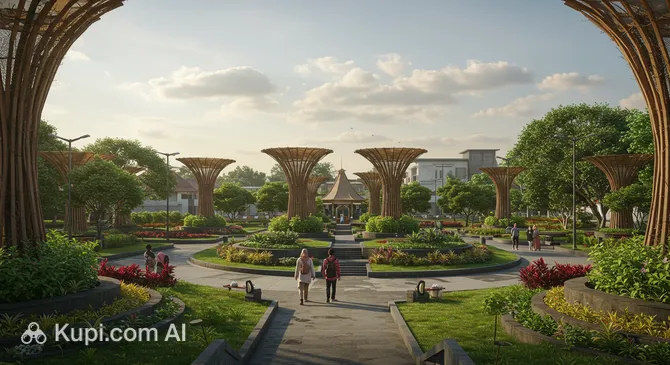
  • Despite being a growing commercial hub, the city maintains significant green lungs for public recreation. Kendari City Park serves as a central social gathering spot, known for its vibrant atmosphere where residents practice morning aerobics and enjoy the cool tropical evenings.

Kendari City Park. Source: Kupi.Binoculars

How to Get There

Reaching the capital of Southeast Sulawesi is relatively straightforward, with air travel being the most convenient method for the majority of visitors. As the main economic and administrative hub of the province, the city is well-connected to other major Indonesian destinations. For a comprehensive overview of all transport options, you can read more about how to get to Kendari to plan your journey effectively.

The primary gateway for travelers is Haluoleo Airport (KDI), which is situated directly in Kendari. It is a significant regional hub handling over a million passengers annually, connecting the city with flights from Jakarta, Makassar, and other key locations. The airport is located approximately 14.4 km from the city center. A trip by taxi or bus from the terminal to downtown typically takes around 45 minutes, making it a quick and easy transfer upon arrival.

For those exploring the wider region, there are other airports in the province, though they are considerably further away. Kolaka (Sangia Nibandera) (KXB) is located in the city of Pomala, about 116 km from Kendari. Travelers might also arrive via Baubau Airport (BUW) in Baubau, which is approximately 165 km away. However, due to the significant distances and logistics involved, flying directly into Haluoleo is highly recommended for those whose main destination is Kendari itself.

For clarity, here is a summary of the main airports in the vicinity:

Airport Name City Passenger Traffic Km from City
Haluoleo Airport Kendari Medium 14.4
Kolaka (Sangia Nibandera) Pomala Small 116.2
Baubau Airport Baubau Small 164.7
Morowali Kolonodale Small 219.9

Main Attractions

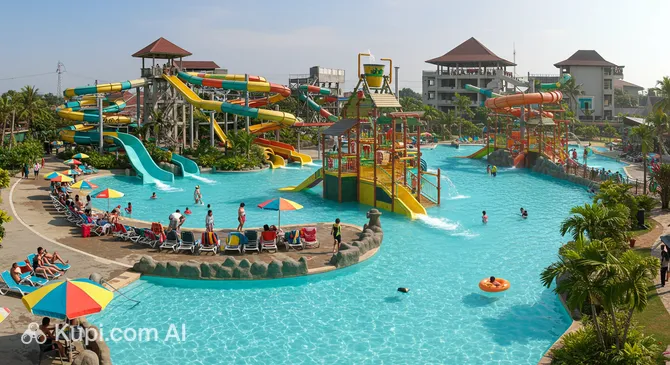
For families and those looking for a fun day out, CitraLand Waterpark is a top destination. Located within a modern residential area, this Caribbean-themed park features a variety of water slides and pools suitable for all ages. It serves as a refreshing escape from the tropical heat and is a popular recreational spot for both locals and visitors.

CitraLand Waterpark. Source: Kupi.Binoculars

To dive deeper into the region's rich heritage, a visit to the Southeast Sulawesi Provincial Museum is highly recommended. This cultural institution houses an extensive collection of artifacts, including traditional wedding costumes, historical tools, and crafts from the Tolaki, Buton, and Muna tribes. It provides a fascinating insight into the diverse traditions that shape the local identity.

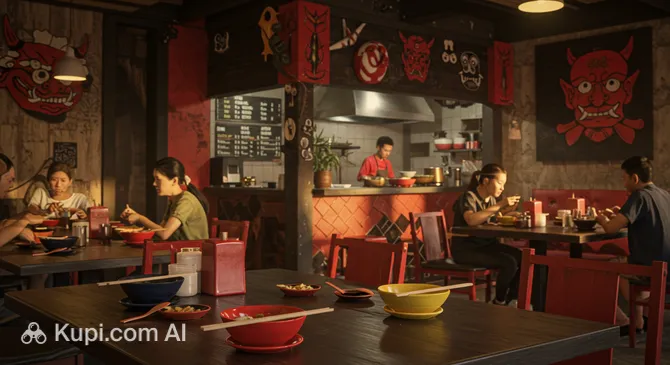
For a taste of popular Indonesian street food culture in a modern setting, Mie Gacoan Kendari is a bustling spot worth checking out. Famous for its spicy noodle dishes and affordable dim sum, this restaurant attracts a lively crowd of young locals. It offers a great opportunity to mingle with residents and enjoy the vibrant culinary trends of the city.

Mie Gacoan Kendari. Source: Kupi.Binoculars

Another striking landmark in the city is the MTQ Square, dominated by the towering Tugu Religi Sultra. This architectural marvel is a symbol of the province and serves as a central venue for major events and festivals. In the evenings, the square becomes a communal hub where visitors can enjoy a leisurely stroll and admire the illuminated tower against the night sky.

Local Cuisine

The culinary landscape of Kendari is deeply influenced by its coastal location, making it a true paradise for seafood lovers. Fresh catches from the surrounding waters arrive daily, ensuring that fish, crabs, and prawns are the stars of the local dining scene. The cuisine here is characterized by rich, savory flavors, often enhanced with fresh spices and herbs that reflect the diverse cultural heritage of Southeast Sulawesi.

The most iconic dish you must try is Sinonggi. Regarded as the pride of the Tolaki tribe, this unique staple is made from sago starch and has a sticky, glue-like consistency. It is rarely eaten alone; instead, it serves as a vessel for soaking up flavorful broths. Locals typically enjoy it with Palumara, a tangy and spicy fish soup cooked with turmeric and tamarind, creating a perfect balance of textures and tastes that defines the traditional Kendari meal.

Another local favorite is Sate Pokea, a delicious clam satay that is specific to this region. These small clams are skewered, grilled, and smothered in a rich, spicy peanut sauce. It is commonly served with gogos, a type of roasted sticky rice wrapped in banana leaves. For those who enjoy grilled seafood, fresh Ikan Bakar served with spicy chili pastes is ubiquitous and offers a simple yet unforgettable gastronomic experience.

When it comes to beverages, the evenings in Kendari are best enjoyed with a glass of Sarabba. This traditional warm drink is made from ginger, coconut milk, palm sugar, and spices like pepper and cinnamon. It is widely believed to boost stamina and warm the body, making it a popular choice at night hangouts. For a refreshing daytime option, tropical fruit juices and fresh young coconut water are readily available throughout the city.

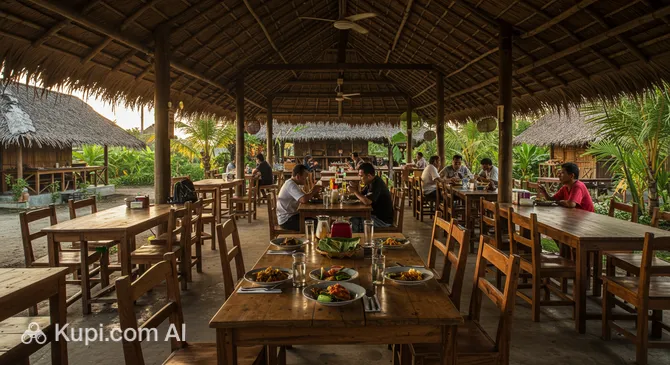
The dining culture in Kendari ranges from casual street stalls to unique eco-friendly establishments. The "Kendari Beach" area comes alive at night with numerous vendors selling local snacks and seafood by the bay. For a more immersive dining experience, you can visit Kampung Bakau Restaurant. Here, guests can savor authentic local dishes on wooden platforms built amidst a lush mangrove forest, blending delicious food with the tranquility of nature.

Kampung Bakau Restaurant. Source: Kupi.Binoculars

Travel Tips

To ensure your journey to Kendari is as smooth and enjoyable as possible, we have compiled a set of essential travel guidelines. These practical tips will help you navigate the local customs, climate, and logistics, allowing you to focus on exploring the beauty of Southeast Sulawesi.

  1. Clothing and Gear: Given the tropical climate, pack lightweight, breathable fabrics like cotton or linen to stay cool. Since rain is frequent, especially from January to June, a compact umbrella or a light raincoat is indispensable. Kendari is a somewhat conservative city, so it is respectful to dress modestly; cover your shoulders and knees, particularly when visiting religious sites like the Al-Alam Mosque or rural areas.

  2. Transportation: The most convenient way to get around the city is by using ride-hailing apps like Grab or Gojek, which offer both car and motorbike taxi options at fixed prices. Local public minivans, known as pete-pete or angkot, are available and very cheap, but their routes can be confusing for first-time visitors. For day trips to beaches or outlying areas, renting a car with a local driver is highly recommended.

  3. Finances: The official currency is the Indonesian Rupiah (IDR). While credit cards are accepted in major hotels, shopping malls, and modern restaurants, cash is king in Kendari. You will need small denominations for street food vendors, local transport, and traditional markets. ATMs are widely available throughout the city, but it is wise to withdraw cash before heading to more remote coastal areas.

  4. Health and Safety: Kendari is generally safe, but standard precautions apply. Stick to drinking bottled water and avoid tap water. Since it is a tropical region, bring effective mosquito repellent and sunscreen. Pharmacies (look for "Apotek") are common in the city center, and chains like Kimia Farma often have long opening hours if you need basic medical supplies.

  5. Communication: The primary language is Indonesian (Bahasa Indonesia). English is spoken by staff in high-end hotels and the airport, but proficiency may be limited among local drivers and shopkeepers. Buying a local SIM card (Telkomsel has the best coverage in Sulawesi) is advisable for maps and translation apps. Learning basic phrases like "Terima kasih" (Thank you) will go a long way.

  6. Local Etiquette: Politeness is highly valued here. Always use your right hand for giving or receiving items, eating, and shaking hands, as the left hand is considered unclean. When entering someone's home or a mosque, remember to remove your shoes. A smile is the universal greeting in Indonesia and is always warmly reciprocated.

  7. What to Avoid: Avoid public displays of affection, such as kissing or excessive hugging, as this can be seen as offensive in the local culture. Also, refrain from touching people on the head, including children, as the head is considered the most sacred part of the body.

  8. Local Insight: For an authentic evening experience, head to the Kendari Beach area (often called "Kebil") after sunset. It transforms into a vibrant culinary center where locals hang out. It is the perfect place to try Pisang Epe (grilled banana) or fresh seafood from street stalls while enjoying the sea breeze.

By keeping these tips in mind, you will be well-prepared to embrace the warmth and culture of Kendari. Have a safe trip and enjoy every moment of your adventure in this captivating corner of Indonesia!

Entertainment & Nightlife

While Kendari is often celebrated for its serene bays and daytime nature, the city comes alive after sunset with a blend of laid-back local hangouts and energetic modern venues. The nightlife here is generally more relaxed than in Indonesia's larger metropolises, focusing heavily on social dining, live acoustic music, and karaoke, though there are pockets of higher energy for those looking to dance.

The most authentic way to experience the local evening culture is to visit Kendari Beach, affectionately known as "Kebil." Stretching along the waterfront, this area transforms into a vibrant night market and social hub as the sun goes down. Hundreds of "lesehan" (traditional floor-seating) stalls line the promenade, offering a casual atmosphere where friends and families gather. It is the perfect place to enjoy the cool sea breeze, sample local snacks, and listen to street musicians performing popular Indonesian hits.

For travelers seeking a more dynamic party atmosphere, the city offers a few dedicated nightlife spots. Scorpion Bar in the Wua-Wua district is a well-known venue that provides a classic club experience with live DJ sets, a dance floor, and a spirited crowd. It is a popular destination for those wanting to enjoy cocktails and music late into the night. Additionally, the area around Hollywood Square on Jalan Saranani is a bustling entertainment district featuring karaoke lounges and eateries that stay open late, catering to the local love for singing and socializing.

If you prefer a more low-key evening, catching a movie is a favorite pastime in the city. Modern cinemas like The Park Kendari XXI and Cinepolis Lippo Plaza offer a comfortable escape with the latest international and domestic films. These malls also serve as evening destinations in their own right, hosting amusement centers and late-night dining options that remain busy until closing time.

Practical Nightlife Tips:

  • Getting Around: Public transportation becomes limited after dark. The safest and most convenient way to travel between venues is by using ride-hailing apps like Grab or Gojek, which are widely available and affordable.

  • Dress Code: While street food areas are very casual, bars and clubs typically expect "smart casual" attire. It is best to avoid flip-flops and singlets if you plan to enter licensed venues.

  • Safety: Kendari is generally safe for night walks in popular areas like the bayfront. However, stick to well-lit main streets and avoid unlit alleyways. Solo travelers should use taxis rather than walking long distances at night.

Parks & Museums

While Kendari is rapidly developing as a modern provincial capital, it has successfully preserved pockets of greenery and cultural institutions that offer a respite from urban life. The city's layout integrates natural landscapes with public spaces, while its museums and landmarks provide a window into the rich heritage of the Tolaki, Buton, and Muna ethnic groups that call this region home.

For those seeking a breath of fresh air in the city center, Kendari City Park is the primary green lung and a favorite gathering spot for residents. Known locally as "Tamkot," this open space features paved jogging tracks, shaded seating areas, and monuments that reflect local history. It is particularly lively in the late afternoon when families come to relax and community groups practice sports, offering tourists a chance to observe the authentic daily rhythm of the city.

Nature enthusiasts willing to venture slightly further should explore the Kendari Botanical Garden (Kebun Raya Kendari). Situated in the Nambo district, this vast conservation area is designed to protect the unique flora of Sulawesi, particularly the ultramafic soil plants. The garden is traversed by a scenic stream and offers camping grounds, making it an excellent location for eco-tourism and hiking amidst dense tropical vegetation.

In terms of cultural education, the Southeast Sulawesi Provincial Museum (Museum Negeri Provinsi Sulawesi Tenggara) is the most significant institution in the city. The museum complex features traditional architecture on its grounds, including replicas of indigenous houses. Inside, visitors can view extensive collections ranging from biological specimens to ethnographic treasures like traditional textiles, wedding attire, and ancient ceramic trade goods found in the region.

Another venue dedicated to the arts is the Taman Budaya Sulawesi Tenggara (Cultural Park). This facility often hosts traditional dance performances, art exhibitions, and cultural festivals. It serves as a creative hub where the distinct artistic traditions of the province are kept alive, providing a space for local artists to showcase their work to the public.

Architecturally, the city is defined by the stunning Al-Alam Mosque. Built upon the waters of Kendari Bay, its four minarets and striking blue dome mimic the colors of the sea and sky, earning it the nickname "The Floating Mosque." Nearby, the MTQ Square features the iconic Tugu Religi tower, a soaring structure that pierces the skyline and represents the spiritual devotion of the populace.

For a different kind of recreational park experience, CitraLand Waterpark offers a fun-filled alternative with its themed pools and slides, perfect for cooling off on a hot day. For a more serene and lesser-known natural escape, consider visiting the Bungkutoko Mangrove Track. This wooden boardwalk winds through a dense mangrove forest near the port, offering a quiet atmosphere for birdwatching and photography away from the city crowds.

Getting Around

Public transport in Kendari relies entirely on road-based vehicles, as the city does not have a metro, tram, or train system. For visitors, navigating the city involves a mix of traditional minibuses and modern digital transport solutions. The system is relatively informal compared to major international capitals, but it covers the city center and surrounding districts effectively, offering an authentic local experience.

The backbone of the public transportation network is the fleet of minibuses locally known as pete-pete (often called angkot or mikrolet in other parts of the region). These blue or variously colored vans follow specific route numbers and ply the main streets. They do not have fixed schedules or designated bus stops; instead, passengers simply wave a hand to hail one from the side of the road and ask the driver to stop anywhere along the route to disembark. While they are the most affordable way to travel, the routes can be confusing for newcomers without local assistance.

For tourists, the most convenient and popular alternative is the use of ride-hailing applications. Services like Grab, Gojek, and Maxim are widely available throughout the city. You can book a car (taxi) or a motorbike taxi (ojek) directly from your smartphone. This option eliminates the language barrier regarding directions and provides a fixed price before the journey begins, making it a stress-free choice for getting from hotels to attractions like the Al-Alam Mosque or the beaches.

Regarding payment, cash is the primary medium for traditional transport. If you take a pete-pete, you pay the driver directly upon exiting; there are no tickets, travel cards, or validation machines. Fares are very low, typically a few thousand rupiahs per trip. For ride-hailing apps, you can link a credit card or digital wallet, but paying the driver in cash at the end of the trip is also standard and widely accepted. It is essential to carry small denominations of the local currency, as drivers often do not have change for large bills.

Operating hours for public transport vary. Pete-pete generally run from early morning, around 6:00 AM, until late afternoon or early evening. After sunset, their frequency drops significantly, and they may disappear entirely from certain routes. Ride-hailing services operate 24/7, though availability might be lower in the very early hours of the morning or in remote outskirts.

For those planning to explore the wider region or visit destinations outside the city center, renting a car is a viable option. In Kendari, car rentals almost exclusively come with a local driver. This is highly recommended as it allows you to relax while a local navigates the traffic. Traditional motorcycle taxis (ojek pangkalan) can also be found at street corners, but you will need to negotiate the fare in advance, which requires some knowledge of reasonable rates.

Accommodation

Accommodation in Kendari caters primarily to business travelers and domestic tourists, offering a practical range of options that fit various budgets. Visitors can find everything from economical homestays and traditional "wisma" (guesthouses) to modern mid-range hotels and a few upscale establishments. While the city does not typically feature ultra-luxury international resorts, the standard of hospitality is warm and welcoming, with many properties providing essential amenities like air conditioning and Wi-Fi to ensure a comfortable stay.

For the best experience, choosing the right location is key. The area around Kendari Bay is particularly popular among tourists due to its scenic waterfront views and proximity to evening culinary spots. Staying here allows for a relaxing atmosphere with easy access to the coast. Alternatively, the city center is convenient for those who prefer being close to shopping districts and government offices. A central location also places you within reach of recreational green spaces like Kendari City Park, making it a strategic base for those who want to observe the local urban rhythm.

Booking accommodation in Kendari is relatively straightforward and wallet-friendly compared to Indonesia's major tourist hubs like Bali or Jakarta. Most recognized hotels can be secured via major international and local online travel platforms, which often offer the best rates. However, for smaller, family-run guesthouses, payment is often in cash, and bookings might be made directly or upon arrival. As a general tip, it is advisable to book your room in advance if you are visiting during major regional festivals or national holidays, as the top-rated hotels can fill up quickly.

Nearby Cities

For those looking to explore the surroundings, Kendari serves as an excellent base for day trips to several interesting nearby locations:

While some of the major cities in the wider region require a longer journey, there are exceptional spots suitable for day excursions or short overnight visits. Baubau, located on the nearby Buton Island, is a fascinating destination accessible by a fast ferry or a short flight. It is renowned for the majestic Buton Palace Fortress (Benteng Keraton Buton), which is considered one of the broadest fortresses in the world and offers spectacular views over the straits.

For nature lovers seeking a true day trip closer to Kendari, the Moramo Waterfall is a top choice. Situated in the Tanjung Peropa Nature Reserve, this stunning attraction features cascading tiers of water flowing over granite rocks into natural bathing pools, surrounded by lush tropical rainforest. Another perfect getaway is Bokori Island, a tiny islet with white sandy beaches and clear waters, ideal for swimming, relaxing, and enjoying the coastal scenery just a short boat ride from the mainland.

City Population Distance (km)
Tana Toraja 450,000 324
Pinrang 182,731 320
Palopo 180,130 280
Baubau 152,143 167
Parepare 129,542 320

These nearby destinations offer a glimpse into the diverse culture and landscapes of the region.

Shopping & Souvenirs

Shopping in Kendari offers a pleasant mix of modern convenience and traditional charm. While the city may not be a sprawling metropolis of high-end luxury boutiques, it provides a satisfying retail experience for travelers. Visitors can explore air-conditioned shopping centers for branded goods or dive into bustling local markets to discover indigenous crafts and regional produce.

The commercial heart of the city is largely centered around Jalan MT Haryono and Jalan Ahmad Yani. These thoroughfares are lined with a variety of shophouses, independent boutiques, and convenience stores. It is a lively area where tourists can find everything from daily necessities and electronics to local fashion items, making it a convenient stop for restocking supplies.

For a comfortable and modern shopping experience, the city features several key establishments. Lippo Plaza Kendari is a favorite among locals, housing a cinema, supermarket, and various national restaurant chains. Another prominent destination is Informa Furnishings Kendari, a large retail space dedicated to lifestyle goods and home decor, often visited by those looking for high-quality products in a modern setting. Additionally, for technology enthusiasts, Multimedia Kendari serves as a primary hub for electronic gadgets and accessories.

Informa Furnishings Kendari. Source: Kupi.Binoculars

To truly understand the local culture, a visit to the traditional markets is essential. Pasar Basah Mandonga (Mandonga Wet Market) is the largest in the city, offering a vibrant atmosphere filled with fresh seafood, tropical fruits, and aromatic spices. For a more relaxed open-air experience, the stalls that pop up along the Kendari Bay waterfront in the evenings sell affordable clothes, accessories, and local snacks under the night sky.

Kendari is famous for its exquisite craftsmanship and local delicacies, making souvenir hunting a delight. The most iconic keepsake is Kendari Silver (Kendari Werk), known for its intricate filigree designs that are handcrafted into jewelry, brooches, and decorative items. Food lovers should definitely pick up Kacang Mete (cashew nuts), as Southeast Sulawesi is a major producer; they are available in various flavors like salted, spicy, or caramelized. Traditional woven fabrics, known as Tenun Tolaki, are also excellent gifts that showcase the region's heritage.

Modern shopping malls and department stores generally operate from 10:00 AM to 10:00 PM daily. Traditional markets start much earlier, often bustling from dawn until the afternoon. While malls and larger stores readily accept credit cards and digital payments, cash is essential when visiting traditional markets, small souvenir shops, or street vendors.

Tax-free shopping facilities (VAT refund) are generally not available in Kendari, as they are typically reserved for major international tourist hubs in Indonesia like Bali or Jakarta. Visitors should expect to pay the listed price inclusive of local taxes.

Nearby cities

Reached the end of the page?

That means the route is fully explored