Support

Baubau

About

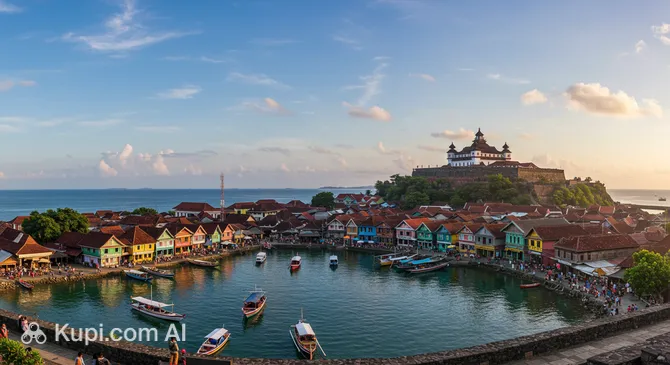
Welcome to Baubau, the main gateway to the enchanting Buton Island in Southeast Sulawesi. This vibrant port city offers a unique blend of cultural heritage and coastal beauty, making it a fascinating destination for travelers exploring Indonesia. With its strategic location overlooking the Buton Strait, Baubau serves as an important hub for trade and transportation in the region, while maintaining a welcoming and laid-back atmosphere.

Baubau. Source: Kupi.Binoculars

Geographically, the city is characterized by its hilly terrain, which provides spectacular vantage points across the town and the sea. Home to a population of approximately 150,000 people, Baubau is lively enough to offer modern conveniences but small enough to preserve a strong sense of community. The climate is tropical, ensuring warm weather year-round, perfect for exploring the outdoors.

The city is perhaps best known for its illustrious past as the capital of the Buton Sultanate. Visitors can delve into the rich history of Baubau by visiting the magnificent Buton Palace Fortress (Benteng Keraton Buton). Recognized as one of the broadest fortresses in the world, its massive limestone walls encircle a historic settlement that still houses descendants of the nobility. Walking along the ramparts offers not only a lesson in history but also panoramic views of the harbor and surrounding islands.

Beyond its historical landmarks, Baubau is blessed with natural attractions. Nirwana Beach is a local favorite, featuring powdery white sand and crystal-clear turquoise waters that are ideal for swimming and watching the sunset. Whether you are a history buff eager to explore ancient fortifications or a nature lover looking for pristine shores, Baubau invites you to discover its many treasures.

Weather Overview

Travelers planning a trip to this region can expect a tropical climate with consistent warmth throughout the year. The weather in Baubau remains fairly stable in terms of temperature, generally hovering between 24°C and 30°C, making it a suitable destination for sun-seekers at almost any time.

While the heat is steady, rainfall patterns vary significantly across the seasons. The months from December to March tend to see the highest frequency of wet days, often reaching up to 30 days of precipitation in a single month. In contrast, August and September are typically the driest months, with significantly fewer rainy days, offering the most reliable conditions for outdoor exploration and beach activities.

Interesting Facts

Beyond the main attractions, Baubau holds many fascinating secrets that reveal the depth of its cultural and historical significance. Here are some intriguing facts about this unique city that often surprise visitors:

  • A World Record Holder: The Buton Palace Fortress (Benteng Keraton Buton) is not just a local landmark; it is recognized by the Guinness World Records as the broadest fortress in the world. Covering an area of approximately 23 hectares with a perimeter of roughly 3 kilometers, its sheer scale is a testament to the architectural prowess of the Buton Sultanate.

  • A Living Monument: Unlike many historical fortifications that stand as empty museums, the fortress in Baubau is a vibrant, living community. Thousands of residents, many of whom are descendants of the original nobility, still live within its massive limestone walls, maintaining traditions that have survived for centuries.

  • A Unique Linguistic Connection: In a surprising cultural twist, the local Cia-Cia ethnic group in the Baubau area gained international attention for adopting the Korean Hangul script to write their language. Since the Cia-Cia language did not have a written form of its own, this adoption created a rare and fascinating linguistic bridge between Southeast Sulawesi and Korea.

  • The Dragon Legend: Local legend suggests that the shape of the fortress walls resembles a resting dragon. Visitors exploring the ramparts might hear stories about the specific sections representing the dragon's head, tail, and body, symbolizing the strength and protection of the former kingdom.

How to Get There

Reaching this coastal city is an adventure in itself, often involving a scenic flight over the Indonesian archipelago. Most travelers choose to fly, as it is the fastest method to reach the island. For a complete overview of routes and transport options, you can read more about how to get to Baubau.

The most direct entry point is Baubau Airport (BUW), also known as Betoambari Airport. Located conveniently within the city limits, it is the primary hub for visitors arriving directly. The airport is situated just 3.8 km from the city center, making the transfer very quick. A taxi or car ride to your accommodation typically takes around 26 minutes. While it is a smaller facility, it offers the easiest access to the city's attractions without the need for long overland travel.

Another option for travelers is to fly into Haluoleo Airport (KDI) in the city of Kendari. This is a larger airport serving the province of Southeast Sulawesi and handles significantly more passenger traffic. However, it is located approximately 159 km away from Baubau. If you choose this route, be prepared for a longer onward journey. The estimated travel time by road is around 4 hours and 20 minutes, although in reality, many travelers combine the trip with a fast ferry service from Kendari to Baubau to save time.

For clarity, here is a summary of the main airports:

Airport Name City Passenger Traffic Km from City
Haluoleo Airport Kendari Medium 158.8
Kolaka (Sangia Nibandera) Pomala Small 175.2
Baubau Airport Baubau Small 3.8

Main Attractions

Baubau is a destination where history and nature converge seamlessly, offering visitors a chance to explore ancient fortifications in the morning and relax on pristine beaches by the afternoon. The city’s attractions range from significant cultural landmarks to hidden natural gems, ensuring a varied itinerary for every traveler.

The most iconic site is undoubtedly the Buton Palace Fortress (Benteng Keraton Buton). While its massive walls are famous, the interior of the fortress holds its own treasures. Visitors should not miss the Great Mosque of Keraton Buton (Masjid Agung Keraton Buton), a historical wooden mosque built in the 18th century that stands as a symbol of the Sultanate's Islamic heritage. Within the complex, you can also find the Batu Popaua, a sacred stone historically used for the coronation of the Sultans, and antique cannons pointing out toward the sea, guarding the city as they have for centuries.

For a change of pace, Nirwana Beach offers a slice of tropical paradise just a short drive from the city center. True to its name, which means "paradise," this beach features calm, shallow waters with distinct gradations of blue and turquoise. The absence of strong currents makes it an excellent spot for swimming and snorkeling, while the rows of coconut trees provide ample shade for a relaxing picnic on the white sand.

Nature enthusiasts looking for adventure should explore Lakasa Cave (Gua Lakasa). Located in the Sulaa area, this limestone cave is renowned for its stunning stalactites and stalagmites. Deep inside, visitors will discover a crystal-clear underground spring with cool, refreshing water. The descent into the cave provides a thrilling experience and a welcome escape from the tropical heat outside.

Another scenic spot is Wantiro, a popular waterfront area located on a cliff edge. It is the perfect place to unwind in the late afternoon. Locals and tourists alike gather here to enjoy the panoramic views of the Buton Strait and passing ships. As the sun sets, the area comes alive with food vendors selling local delicacies, making it an ideal spot to savor the atmosphere of Baubau while enjoying a cool sea breeze.

For those willing to venture a bit further into the lush surroundings, Samparona Waterfall awaits. Reaching this secluded waterfall involves a trek through verdant forests, but the reward is a majestic cascade plunging into a serene pool. It is a peaceful retreat that showcases the raw natural beauty of Southeast Sulawesi away from the bustling city streets.

Local Cuisine

The culinary scene in Baubau is a delightful reflection of its coastal geography and cultural history. As a port city, fresh seafood dominates the local menu, but what truly sets the cuisine apart is the unique use of cassava as a staple food. Visitors will find that the flavors here are bold, often characterized by fresh, sour, and spicy notes that perfectly complement the humid tropical climate.

The undisputed star of the local table is Parende, a savory fish soup that is considered a must-try for any visitor. Typically made with fresh snapper or trevally, the broth is seasoned with turmeric giving it a rich yellow hue, and tamarind or starfruit (belimbing wuluh) which adds a refreshing sour kick. It is best enjoyed with Kasuami, a cone-shaped dish made from grated and steamed cassava. While rice is available, locals often prefer the dense texture of Kasuami to soak up the flavorful Parende broth, creating a perfect gastronomic pairing.

For those looking to snack like a local, look for Tuli-Tuli. This fried treat is also made from cassava, shaped into a figure-eight or a small ring, and is typically served with a side of spicy sambal for dipping. Another traditional delicacy is Nasu Wolio, a chicken dish often reserved for special occasions or royal feasts. The chicken is grilled or smoked before being simmered in a rich coconut milk sauce, offering a smoky and creamy flavor profile that speaks to the heritage of the Buton Sultanate.

To experience the local food culture firsthand, head to the Pantai Kamali (Kamali Beach) area in the evening. As the sun sets, this waterfront promenade transforms into a bustling night market filled with food stalls and "lesehan" (floor seating) dining spots. It is the perfect place to mingle with residents while enjoying grilled fish or street snacks. For a more relaxed atmosphere, visit Wantiro, a cliffside spot popular for watching the sunset. Here, you can sip on a warm glass of Saraba—a traditional ginger drink mixed with palm sugar and milk—while enjoying the cool sea breeze and panoramic views of the strait.

Travel Tips

To ensure your journey to Baubau is as seamless as it is memorable, it helps to be prepared for the specific nuances of travel in Southeast Sulawesi. While the city is welcoming and relatively modern, navigating daily life here requires a bit of local know-how, especially regarding logistics and cultural expectations.

  1. Clothing and Gear: Given the tropical humidity, pack lightweight, breathable fabrics like cotton or linen. While beachwear is fine at Nirwana Beach, the city itself—and particularly the historic Buton Palace Fortress area—is conservative. You should bring modest clothing that covers your shoulders and knees for visiting cultural sites and mosques. Comfortable walking shoes are essential for exploring the hilly fortress ramparts and caves.
  2. Transportation: Public transport consists mainly of pete-pete (blue minibuses), which follow specific routes but can be confusing for first-time visitors. The most convenient way to get around is by ojek (motorcycle taxi) or by renting a scooter, which gives you the freedom to explore at your own pace. Ride-hailing apps may have a presence, but availability can be inconsistent compared to Java or Bali, so always have a backup plan.
  3. Finances: The local currency is the Indonesian Rupiah (IDR). While major hotels may accept credit cards, Baubau is very much a cash-based economy. Ensure you carry sufficient cash for local eateries, markets, and transport. ATMs from major national banks (like BNI, BRI, and Mandiri) are widely available in the city center, but it is wise to withdraw money before heading to more remote beaches or waterfalls.
  4. Health and Safety: Baubau is generally a safe city for tourists, but standard precautions apply. Pharmacies (known as Apotek) are available in the town center for basic supplies. Tap water is not potable; always stick to bottled or filtered water to avoid stomach issues. Since this is a tropical region, bringing strong insect repellent is highly recommended to protect against mosquitoes, especially during the evenings or when trekking in nature.
  5. Communication: Bahasa Indonesia is the primary language spoken. English proficiency is not widespread outside of airport staff and some hotel personnel, so downloading a translation app or learning a few basic phrases like terima kasih (thank you) and permisi (excuse me) will go a long way. For mobile data, Telkomsel usually offers the most reliable coverage in this region of Sulawesi.
  6. Local Etiquette: The people of Buton are known for their politeness and respect for hierarchy. Always use your right hand for eating, giving, or receiving items, as the left hand is considered unclean. When greeting locals, a smile and a slight nod are appreciated. If you are invited into a local home or entering a mosque, remember to remove your footwear before stepping inside.
  7. What to Avoid: Avoid public displays of affection, which are frowned upon in this conservative society. Additionally, refrain from walking around the city center or residential areas in swimwear or shirtless; save that attire strictly for the beach to avoid offending local sensibilities.
  8. Local Insight: Life in Baubau often slows down significantly during the heat of the mid-day. Many smaller shops and local businesses may take a break in the early afternoon. Plan your outdoor activities, like visiting the fortress, for the early morning or late afternoon to escape the peak heat and enjoy the stunning sunsets that the city is famous for.

By keeping these practical tips in mind, you will be well-equipped to navigate the city with confidence and respect. Baubau is a place that rewards those who take the time to understand its rhythm, offering a truly authentic Indonesian experience in return.

Entertainment & Nightlife

Entertainment and nightlife in Baubau offer a distinctively local experience that contrasts sharply with the high-energy clubbing scenes found in Indonesia's larger metropolitan areas. Here, the night is less about thumping bass and neon lights, and more about community, cool sea breezes, and open-air socializing. The city comes alive after sunset, with residents and visitors flocking to waterfront promenades and elevated viewpoints to unwind after a hot day.

The epicenter of the city's evening activity is undoubtedly Pantai Kamali (Kamali Beach). Located right in the heart of the city near the port, this area transforms into a vibrant night market and social hub as dusk falls. It is bustling with energy, featuring rows of food stalls, children's rides, and the iconic dragon statue (Kepala Naga) which lights up at night. The atmosphere is incredibly casual and family-friendly; you will see people of all ages sitting on mats enjoying dinner, chatting, and soaking in the lively portside ambiance.

For a slightly more relaxed vibe with a view, Wantiro is the place to be. Perched on a cliffside, this venue is famous for its "lesehan" style seating where you can enjoy traditional drinks like Saraba (ginger milk) while looking out over the dark waters of the Buton Strait. It is a favorite spot for young couples and groups of friends to hang out until late. Another popular area is Kotamara, a spacious waterfront public park that offers a breezy setting for evening walks and casual gatherings, often populated by local youth enjoying the open space.

If you are looking for indoor entertainment, karaoke is the most popular pastime in Baubau. Several "Family Karaoke" establishments are scattered around the city, offering private rooms where you can sing your heart out in air-conditioned comfort. These venues typically serve snacks and non-alcoholic beverages, though some may offer beer. They are generally open until midnight or 1:00 AM and provide a fun, safe environment for groups.

Practical Advice for a Night Out:

  • Best Time: The city starts to buzz around 7:00 PM. Most outdoor venues and food stalls wind down by 11:00 PM or midnight, though karaoke joints may stay open a bit longer.
  • Dress Code: The style is casual but modest. T-shirts and jeans are standard. Avoid overly revealing clothing, as the local culture is conservative.
  • Getting Around: Public transport (pete-pete) becomes scarce late at night. The best way to get around is by ojek (motorcycle taxi). You can hail them on the street or arrange one through local contacts. Ensure you agree on a price before hopping on.
  • Safety: Baubau is generally very safe for night walks, especially in well-lit areas like Pantai Kamali and Kotamara. However, it is always wise to stay in populated zones and avoid unlit alleyways.

While the nightlife is low-key, daytime entertainment in Baubau is rich in culture and history. The city functions as an open-air museum, particularly within the walls of the Buton Palace Fortress. While there are no large-scale amusement parks, the cultural immersion offered by exploring the heritage sites, visiting the local museums housing sultanate artifacts, and interacting with the weaving communities provides a fulfilling daytime itinerary that perfectly complements the relaxed evenings.

Parks & Museums

Baubau offers a captivating mix of open green spaces and deep-rooted cultural heritage, allowing visitors to seamlessly transition from relaxing seaside walks to immersive historical tours. The city’s public areas are designed to celebrate its coastal geography, while its museums and galleries are largely integrated into the living history of the Buton Sultanate, offering a tangible connection to the past.

For a taste of local life and fresh sea air, Kotamara is the city's premier public space. Located along the waterfront, this expansive park is a favorite gathering spot for residents, particularly in the late afternoon. It features a large statue of the national hero Oputa Yi Koo and offers paved paths perfect for jogging or a leisurely stroll. With the ocean on one side and the city skyline on the other, it provides a scenic setting to watch the sunset and observe the daily rhythm of Baubau.

Nature lovers seeking a unique landscape should visit Batu Sori. Situated just a short drive from the city center, this natural attraction is famous for its striking rock formations that rise from the sea. The area has been developed into a recreational park where visitors can walk among the coral rocks, explore small caves, and enjoy the cool breeze. It is an excellent spot for photography, especially when the tide is high and the rocks appear to be floating on the turquoise water.

When it comes to museums, the Museum Kebudayaan Wolio (Wolio Cultural Museum) is an essential stop for history enthusiasts. Located within the fortress complex, this museum houses a collection of artifacts from the Buton Sultanate era. Visitors can view royal heirlooms, ancient weapons, ceramic tableware, and historical manuscripts that tell the story of the kingdom's glorious past. It provides crucial context to the massive fortifications that surround the city.

Another architectural gem that serves as a cultural repository is the Malige Palace (Istana Malige). This traditional wooden structure is a masterpiece of Butonese architecture, constructed without the use of nails. Standing on stilts, the palace offers a glimpse into the domestic life of the nobility. The intricate wood carvings and the ingenious interlocking design of the beams are a testament to the advanced craftsmanship of the local builders centuries ago.

Beyond the museums, the entire Buton Palace Fortress area functions as an open-air historical site. Notable landmarks include the Kasulana Tombi, a historic flagpole that dates back to the 17th century and stands as a symbol of the Sultanate's sovereignty. Nearby, the Great Mosque of Keraton Buton remains a spiritual center, featuring simple yet profound architecture that has withstood the test of time.

For a truly authentic experience, take a detour to the Sulaa or Topa neighborhoods to witness the art of Tenun Buton (Buton weaving). Unlike a formal gallery, these areas allow you to see local women weaving vibrant fabrics using traditional handlooms on their front porches. It is a wonderful opportunity to interact with artisans and perhaps purchase a sarong or scarf directly from the maker, ensuring a unique and meaningful souvenir.

Getting Around

Navigating Baubau is a relatively straightforward experience, though it differs significantly from the structured public transport systems found in major global capitals. The city does not have a metro, tram, or large bus network. Instead, the local transport system relies heavily on informal, road-based vehicles that are flexible and affordable. For most tourists, getting around involves a mix of local minibuses, motorized rickshaws, and motorcycle taxis.

The backbone of public transportation in the city is the Pete-pete (also known as Mikrolet). These are modified blue minibuses that follow specific routes connecting the city center, the port, and outlying residential areas. While there are no official bus stops, you can hail a Pete-pete from virtually anywhere along its route simply by raising your hand. To get off, just say "Kiri" (left) or tap on the roof to signal the driver to stop. They are the most economical way to travel, though they can be cramped and warm during the midday heat.

For shorter distances or trips into neighborhoods not served by minibuses, the Bentor (motorized rickshaw) is a popular local favorite. Unlike the traditional pedal-powered becak found in other parts of Indonesia, the Bentor consists of a cabin attached to the front of a motorcycle. They are ubiquitous in Baubau and offer a breezy way to travel. They are particularly useful if you are carrying groceries or luggage, as they offer more space than a motorcycle taxi but can navigate narrow streets easily.

The payment system for all local public transport is strictly cash-based. There are no travel cards, passes, or electronic ticket machines. For a Pete-pete ride, the fare is fixed and very low; you simply hand the money to the driver when you exit. For Bentors and Ojeks (motorcycle taxis), the price is not fixed and must be negotiated before you start your journey. It is essential to carry small denominations of the local currency, as drivers often struggle to provide change for large bills.

In recent years, ride-hailing apps have started to establish a presence in Baubau, offering a modern alternative to street-hailing. Apps like Grab or Maxim may be available for booking cars or motorcycle taxis, providing the convenience of fixed pricing and eliminating the need to haggle. However, availability can be inconsistent compared to larger Indonesian cities, especially late at night or in remote areas, so it is always wise to have a backup plan.

For travelers who prefer independence, renting a scooter is often the most practical solution. Rental shops are available near the port and city center, and having your own vehicle allows you to explore attractions like the Buton Palace Fortress or Nirwana Beach at your own pace. Be aware that traffic can be chaotic, and helmets are mandatory. If you choose to drive, ensure you are comfortable with local driving habits and have an international driving permit.

A crucial tip for using public transport here is to be mindful of operating hours. The Pete-pete fleets generally operate from early morning until the early evening. After sunset, around 6:00 PM or 7:00 PM, public minibuses become very scarce. If you plan to enjoy the nightlife at Pantai Kamali or have a late dinner, you will likely need to rely on a Bentor, an Ojek, or a pre-arranged taxi to get back to your accommodation.

Accommodation

Where to Stay:

Accommodation in Baubau is primarily designed to cater to local business travelers and adventurous tourists. The city does not yet boast international luxury hotel chains or sprawling 5-star resorts. Instead, visitors will find a good selection of functional and comfortable mid-range hotels, as well as numerous budget-friendly guesthouses and "losmen" (small inns). The hospitality here is warm, and while amenities are often simple, they are sufficient for a pleasant stay.

When choosing where to stay, location is key. The most convenient area for most travelers is the city center, particularly near the port and the main commercial streets. Staying here places you within walking distance of the night market at Pantai Kamali, various dining options, and transport hubs. For those seeking a quieter, more scenic experience, there are accommodation options located near Nirwana Beach. These properties often offer bungalow-style rooms and direct access to the sea, making them perfect for a relaxing getaway, though they are a bit further from the city's historical attractions.

Booking accommodation in Baubau is relatively easy, but methods vary depending on the type of establishment. The larger, modern hotels are listed on major international and Indonesian online booking platforms, allowing for secure reservations in advance. However, many smaller homestays and budget inns still operate offline; for these, it is often best to call ahead or simply find a room upon arrival. Prices are generally very affordable compared to Bali or Jakarta, with even the better hotels offering competitive rates. It is advisable to book ahead if you are visiting during major holidays like Eid, as the best rooms fill up quickly.

Nearby Cities

For those looking to explore the surroundings, Baubau serves as an excellent base for day trips to several interesting nearby locations. While the city itself is rich in history, the wider region of Southeast Sulawesi and the neighboring islands offer unique cultural and natural experiences that are well worth the journey.

Just a short drive from Baubau lies Pasarwajo, the capital of the Buton Regency. It is famous globally for its natural asphalt deposits, but for travelers, the real draw is the authentic culture of the Bajo people living in floating villages along the coast. A trip here offers a chance to see traditional weaving and enjoy the serene atmosphere of the bay, making it a perfect day trip destination that captures the essence of Buton Island life beyond the city walls.

For a more bustling change of scenery, a visit to Kendari is a popular option for a short trip. As the provincial capital of Southeast Sulawesi, it offers a mix of urban amenities, markets, and the beautiful Kendari Bay. Although it requires a ferry ride or a short flight to reach, it serves as the primary gateway to the rest of the province and offers a different perspective on local development compared to the historic charm of Baubau.

Travelers interested in nature might also consider crossing the strait to Raha on Muna Island. This area is renowned for its prehistoric caves featuring ancient wall paintings and the enchanting Napabale Lake, a saltwater lagoon connected to the sea via a natural tunnel. It provides a peaceful retreat for those looking to immerse themselves in nature and archaeology.

City Population Distance (km)
Makassar 1,338,663 352
Kendari 331,013 167
Pinrang 182,731 379
Palopo 180,130 384
Parepare 129,542 369

These nearby destinations offer a glimpse into the diverse culture and landscapes of the region, ranging from bustling provincial hubs to quiet coastal villages.

Shopping & Souvenirs

Shopping in Baubau offers a distinct mix of traditional charm and emerging modern convenience. While the city is not a major retail metropolis like Jakarta or Surabaya, it provides a genuine glimpse into the local way of life. Visitors will not find rows of high-end luxury boutiques here; instead, the shopping scene is dominated by bustling traditional markets, local shophouses, and a few modern establishments that cater to daily needs. It is an excellent destination for finding unique regional handicrafts and experiencing the vibrant trade culture of a port city.

The main commercial activity in Baubau is concentrated around the city center and the areas adjacent to the port. Streets such as Jalan Jenderal Sudirman and Jalan Yos Sudarso are lined with various "Ruko" (shophouses) selling everything from electronics and clothing to groceries. These districts are lively during the day, with pedestrians navigating between small stores and street vendors. For a more relaxed walking experience, the area around Pantai Kamali transforms in the evening, offering small stalls selling accessories, toys, and local snacks.

For those seeking a modern shopping experience with air conditioning and familiar brands, Lippo Plaza Buton is the primary destination. As the largest and most comprehensive shopping mall in the city, it houses a department store, a supermarket for stocking up on supplies, and a cinema. It serves as a popular hangout spot for locals and is the best place to go if you need specific travel essentials, branded clothing, or a break from the tropical heat.

To truly understand the pulse of the city, a visit to the traditional markets is essential. Pasar Wameo is the most famous and vibrant market in Baubau. Located right by the sea, it is a sensory experience filled with the smell of fresh ocean produce and the sound of bargaining. Here, you can find fresh fish caught that morning, local fruits, and vegetables. It is also a good place to hunt for affordable textiles and household goods, offering a stark contrast to the quiet atmosphere of the modern mall.

When it comes to souvenirs, Baubau is renowned for its exquisite traditional weaving known as Tenun Buton. These hand-woven fabrics feature distinctive geometric patterns and vibrant colors, often using silver or gold threads. They are available as sarongs, scarves, or raw fabric and make for a meaningful cultural keepsake. Additionally, Southeast Sulawesi is a major producer of cashew nuts (kacang mete). You can find them roasted, fried, or flavored in many local shops, making them a delicious and easy-to-pack gift to bring home.

Opening hours in Baubau vary depending on the type of establishment. The modern mall typically operates from 10:00 AM to 10:00 PM daily. Traditional markets like Pasar Wameo start very early, often before sunrise around 4:00 AM, and are busiest in the morning, though some sections remain open until late afternoon. Independent shops usually open around 9:00 AM and close by 8:00 PM or 9:00 PM.

Regarding payment, cash is king in Baubau. While the mall and some larger hotels accept credit and debit cards, the traditional markets, street vendors, and smaller souvenir shops deal almost exclusively in Indonesian Rupiah (IDR). It is highly recommended to carry sufficient cash, especially in smaller denominations, when exploring local markets. ATMs are widely available in the city center for withdrawals.

Tax-free shopping or VAT refunds are generally not available in Baubau. The tax refund scheme in Indonesia is typically limited to specific registered retailers in major international tourist hubs and requires processing at international airports. Since Baubau is a domestic destination for most travelers, you should not expect to claim tax refunds on your purchases here.
Nearby cities

Reached the end of the page?

That means the route is fully explored