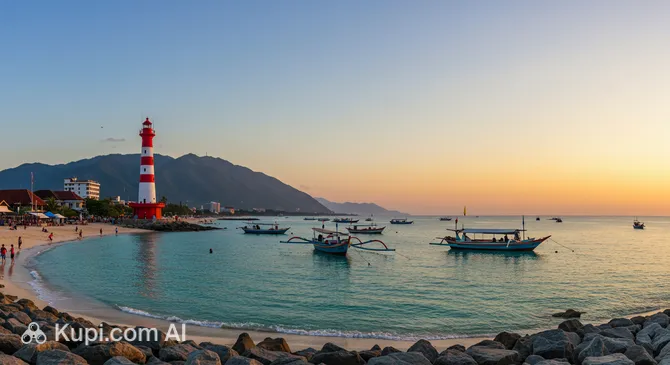
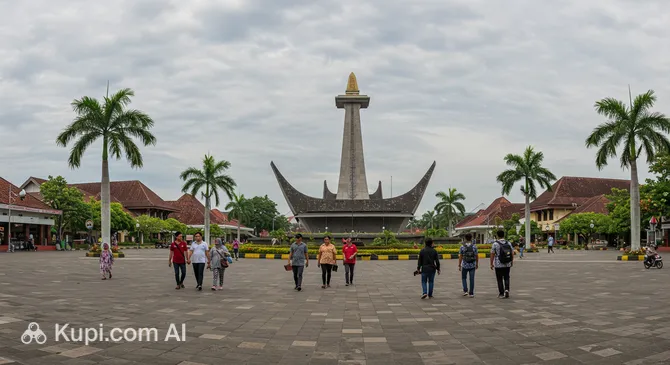
Makassar, formerly known as Ujung Pandang, stands as the vibrant capital of the South Sulawesi province. As a primary gateway to Eastern Indonesia, this bustling port city offers a dynamic blend of modern urban life and deep-rooted cultural traditions. With a population exceeding 1.3 million people, it serves as a crucial economic and transportation hub for the entire region.
The city is strategically situated on the southwest coast of the island of Sulawesi, facing the Makassar Strait. This location has historically made it a significant maritime center. Visitors interested in the history of Makassar will find that its legacy as a trading port is still evident in its diverse architecture and multicultural atmosphere. The climate is tropical, generally warm and humid, with distinct wet and dry seasons that influence the rhythm of daily life.
Makassar. Illustration.
Source: Kupi.com AI
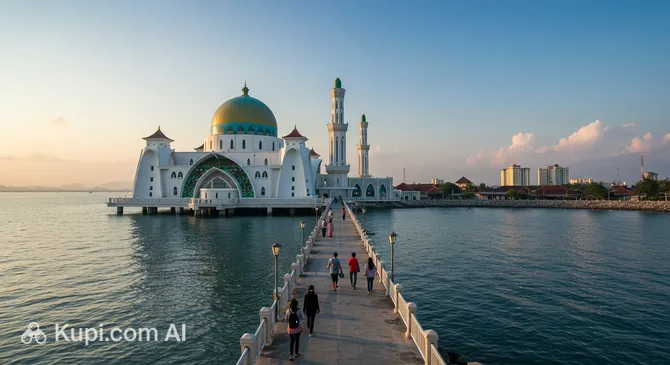
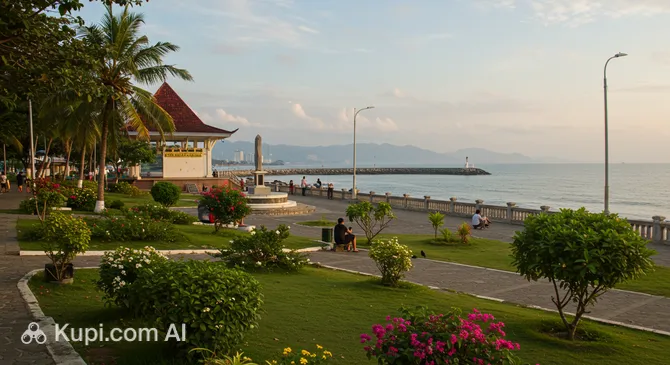
Travelers are often drawn to the iconic Losari Beach, a waterfront promenade famous for its stunning sunsets and the sight of the floating 99 Domes Mosque. It is also a culinary hotspot where one can taste local delicacies like Pisang Epe (grilled banana). Another must-visit site is Fort Rotterdam, a well-preserved example of Dutch colonial architecture that now houses a museum showcasing the area's rich heritage.
Whether you are passing through on your way to the highlands of Tana Toraja or staying to explore the city's unique charm, Makassar offers a memorable experience. Its welcoming atmosphere, combined with its renowned culinary scene—featuring dishes like the savory Coto Makassar—makes it a destination well worth discovering.
Weather Overview
Makassar experiences a tropical climate characterized by consistent warmth and distinct seasonal rainfall patterns. Temperatures remain fairly stable throughout the year, with average daily values hovering between 26.5°C and 27.8°C. October is typically the warmest month, while the humidity often makes the air feel balmy regardless of the season.
The city has a clearly defined wet season, with January and February being the rainiest months, featuring up to 30 wet days per month. Conversely, the middle of the year brings drier conditions; August is usually the driest month with only about 8 days of rain. To help plan your activities around the rain, it is helpful to review the current weather in Makassar. Expect warm days year-round, with frequent showers early in the year and sunnier skies from July through September.
Average monthly temperature
Average monthly precipitation
Interesting Facts
Beyond the main attractions, Makassar holds many fascinating secrets that reveal its deep maritime soul and historical significance. These unique details provide a glimpse into the city's rich heritage and its pivotal role in the scientific and cultural history of the archipelago.
Amirul Mukminin Floating Mosque. Illustration.
Source: Kupi.com AI
Traveller photos:
The Turtle Fortress: Fort Rotterdam is one of the best-preserved colonial buildings in Indonesia, but few notice its unique geometry. The structure was originally designed to resemble a turtle crawling down to the sea, a symbol chosen by the Gowa Kingdom to represent the ability to live and fight on both land and water.
A Mosque Above the Waves: The Amirul Mukminin Floating Mosque is widely celebrated as the first floating mosque in the country. Built on concrete piles over the waters of Losari Beach, it creates the illusion of hovering above the sea at high tide, allowing worshippers to pray accompanied by the sound of ocean waves.
UNESCO Maritime Heritage: The city is the spiritual home of the Phinisi schooners, majestic wooden vessels crafted by the Bugis-Makassar people. These ships are built without modern nautical charts or nails, relying entirely on ancient oral traditions and instinct—a mastery recognized by UNESCO as Intangible Cultural Heritage.
The Wallace Line Connection: The renowned naturalist Alfred Russel Wallace used Makassar as a primary base during his exploration of the Malay Archipelago. It was here that he collected thousands of specimens and formulated key parts of his theories on biogeography, observing the distinct boundary between Asian and Australian wildlife known today as the Wallace Line.
How to Get There
Reaching Makassar is relatively straightforward as it serves as the primary transportation hub for Eastern Indonesia. Whether you are arriving from domestic locations or international destinations, the city is well-connected by air and sea. For a comprehensive guide on planning your journey, you can read more about how to get to Makassar and the various transport options available.
The most convenient way to arrive is via Sultan Hasanuddin International Airport (UPG), which is located approximately 15.6 km from the city center. As a major gateway handling a large volume of passengers annually, it offers extensive facilities and frequent flights. The journey from the airport to downtown Makassar typically takes around 45 minutes by taxi or bus, depending on traffic. While there are other airports in the wider province, such as Kolaka (Sangia Nibandera) in Pomala and Tampa Padang Airport in Mamuju, they are situated significantly further away—roughly 248 km and 288 km respectively. Due to these long distances, which would require hours of overland travel, they are generally not used as entry points for visiting Makassar itself.
For clarity, here is a summary of the main airports in the region:
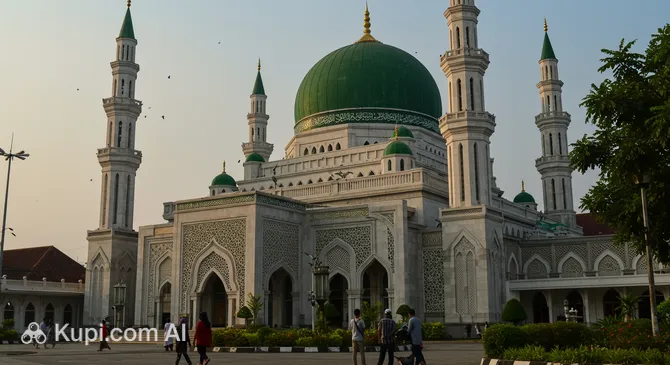
While the waterfront is popular, the city's spiritual heart can be found at the Great Mosque of Makassar (Masjid Raya). As one of the most prominent religious sites in South Sulawesi, this grand structure is admired for its modern Islamic architecture and spacious design. Built originally in 1949 and later renovated, the mosque serves as a central gathering place for the community and offers a peaceful atmosphere for visitors to observe the local religious culture.
Great Mosque of Makassar. Illustration.
Source: Kupi.com AI
Traveller photos:
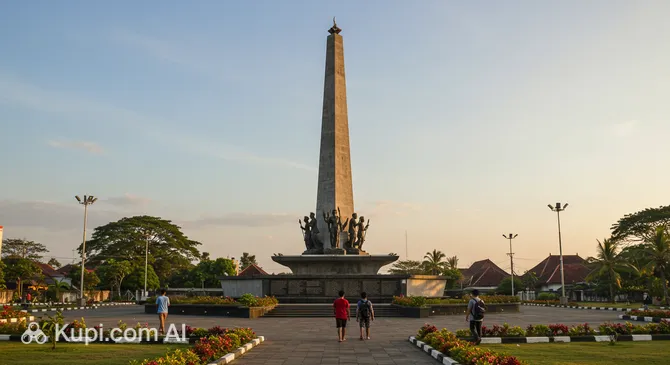
For those interested in the region's struggle for independence, the Monument of the Sacrifice of 40,000 Souls is a significant historical landmark. Located in a quiet park setting, this site is dedicated to the victims of the conflicts during the Indonesian National Revolution. The monument features a large statue and relief carvings that depict the resilience of the local people, providing a solemn and educational experience regarding the city's past.
Monument of the Sacrifice of 40,000 Souls. Illustration.
Source: Kupi.com AI
Traveller photos:
Families and nature lovers often head to Gowa Discovery Park, located just south of the main city area. This recreational complex offers a mix of leisure activities, combining a water park with a bird park. Visitors can enjoy water slides and pools or take a walk through the aviaries to see various bird species, making it an excellent spot for a fun day out away from the urban bustle.
Gowa Discovery Park. Illustration.
Source: Kupi.com AI
Traveller photos:
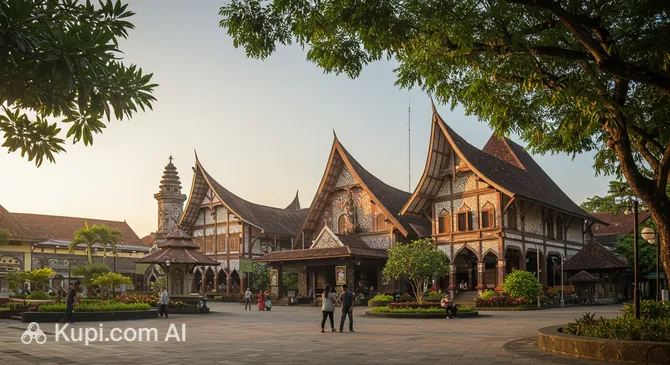
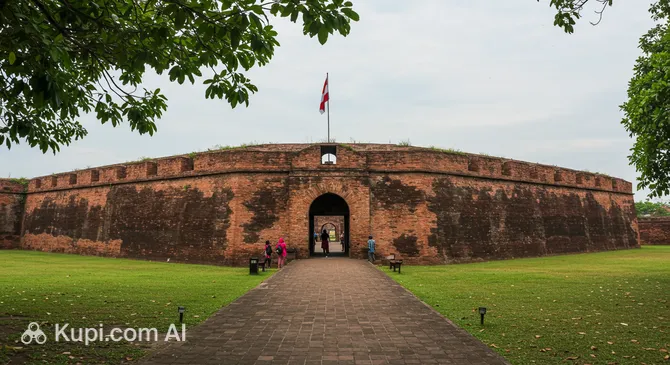
Another cultural gem is Fort Somba Opu. Once a stronghold of the Gowa Sultanate, the site has been transformed into an open-air museum known as "Mini Sulawesi." Here, you can explore traditional houses (Rumah Adat) representing the diverse ethnic groups of the province, including the Bugis, Makassar, Mandar, and Toraja styles. It offers a unique opportunity to compare the distinct architectural traditions of the island in one location.
Fort Somba Opu. Illustration.
Source: Kupi.com AI
Traveller photos:
Local Cuisine
Makassar is widely regarded as one of the culinary capitals of Indonesia, offering a gastronomic adventure that is bold, spicy, and deeply satisfying. The city's location as a major port ensures a steady supply of fresh seafood, while its rich history has cultivated a unique palette of spices and cooking techniques. For food enthusiasts, the streets of Makassar are a treasure trove of flavors waiting to be discovered.
The undisputed king of local dishes is Coto Makassar. This rich, savory beef soup is thickened with ground peanuts and seasoned with a complex blend of spices. It is typically served in small bowls alongside ketupat or buras (rice cakes wrapped in palm or banana leaves). Another hearty favorite is Konro, a dark beef rib soup flavored with the black keluak nut, which gives it a distinctive taste and color. For those who prefer a drier version, Konro Bakar (grilled ribs) served with peanut sauce is an absolute must-try.
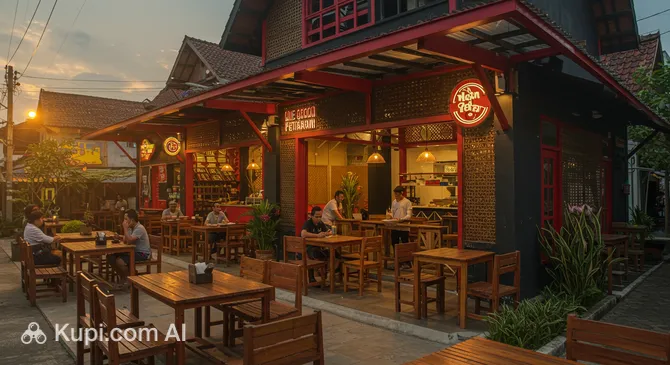
Given its coastal location, seafood is a staple of the local diet. Freshly caught fish, such as red snapper or grouper, is often grilled over charcoal and slathered in parape sauce—a delicious mixture of sweet soy sauce, chili, and aromatic spices. Visitors looking to experience the local dining atmosphere can visit popular spots like Mie Gacoan Pettarani, which is famous for its spicy noodles and bustling energy, reflecting the modern food culture of the city.
Mie Gacoan Pettarani. Illustration.
Source: Kupi.com AI
Traveller photos:
When it comes to sweets and snacks, the culinary journey often leads to the waterfront. As the sun sets, the promenade fills with vendors selling Pisang Epe, a dish made from pressed grilled bananas topped with a sauce of melted brown sugar, durian, or chocolate. For a refreshing treat during the heat of the day, try Es Pisang Ijo, featuring steamed bananas wrapped in green dough, served with shaved ice, syrup, and coconut milk.
To wash it all down, locals often turn to Sarabba, a traditional warm beverage made from ginger, brown sugar, coconut milk, and pepper. It is believed to boost stamina and is particularly popular in the evenings. Whether you are dining in a high-end restaurant or grabbing a quick bite at a roadside warung, the food in Makassar offers a perfect blend of tradition and taste.
Travel Tips
Welcome to Makassar, a bustling port city known for its warm hospitality and rich maritime heritage. To help you navigate the local customs and make the most of your journey through South Sulawesi, here are some practical tips designed for a smooth and enjoyable experience.
Clothing and Gear: Makassar has a hot and humid tropical climate, so pack lightweight, breathable fabrics like cotton or linen. As the city is predominantly Muslim and socially conservative, it is respectful to dress modestly; avoid overly revealing outfits and ensure your shoulders and knees are covered, especially when visiting religious sites or traditional markets. Don't forget comfortable walking shoes, a universal travel adapter, and high-SPF sunscreen.
Transportation: The most convenient way for tourists to get around is by using ride-hailing apps like Grab or Gojek, which offer both car and motorbike taxi options at fixed prices. Bluebird taxis are also reliable and use meters. For a truly local experience, you can try the bright blue minibuses known as pete-pete, though the routes can be confusing for first-time visitors without local language skills.
Finances: The local currency is the Indonesian Rupiah (IDR). While credit cards are accepted in hotels, malls, and upscale restaurants, cash is essential for street food, traditional markets, and small transport fares. ATMs are widely available throughout the city. Tipping is not strictly mandatory but is appreciated; rounding up the bill or leaving small change is a kind gesture for good service.
Health and Safety: Makassar is generally safe, but standard precautions apply; keep an eye on your belongings in crowded areas like Losari Beach. Pharmacies, known as Apotek (e.g., Kimia Farma or K-24), are easy to find and often open 24/7. Stick to drinking bottled or filtered water to avoid stomach issues, and carry mosquito repellent, particularly if you plan to be outdoors in the evening.
Communication: The main language is Bahasa Indonesia, and while staff at major hotels may speak English, it is less common among street vendors and drivers. Learning a few basic phrases like "Terima Kasih" (Thank you) and "Pagi" (Good morning) will go a long way. It is highly recommended to buy a local SIM card (Telkomsel has the best coverage in Sulawesi) or an eSIM for reliable internet access and navigation.
Local Etiquette: The people of Makassar are famously friendly and welcoming. Always use your right hand for eating, shaking hands, or giving and receiving money, as the left hand is considered unclean. When entering a local home or a mosque, remember to remove your shoes. A warm smile is the universal language here and is the best way to start any interaction.
What to Avoid: Avoid public displays of affection, such as kissing or excessive hugging, as this is frowned upon in local culture. Also, be mindful that alcohol is not as freely available or socially acceptable in public spaces as it might be in other parts of Indonesia like Bali; stick to licensed bars or hotels if you wish to drink.
Early Morning Adventure: For a unique glimpse into the city's soul, visit the Paotere Harbor in the early morning (around 6:00 AM). Watching the traditional Phinisi schooners unload their catch and witnessing the energetic fish auction provides an authentic and unforgettable start to your day.
By keeping these practical tips in mind, you will be well-prepared to embrace the vibrant culture and dynamic energy of Makassar. Enjoy the delicious culinary adventures and the stunning sunsets that make this coastal city a true gem of Indonesia!
Entertainment & Nightlife
Entertainment and Nightlife:
Nightlife in Makassar offers a vibrant mix of experiences, ranging from laid-back waterfront dining to energetic nightclubs pulsing with live music. Unlike the beach club culture found in other parts of Indonesia, the evening scene here is heavily centered around live bands, karaoke, and social dining. The transition from day to night typically begins at the waterfront, where locals and tourists alike gather to watch the sunset before heading out for entertainment.
The heart of the city's evening activity is undoubtedly the area around Losari Beach (Pantai Losari). As the sun dips below the horizon, the promenade transforms into a bustling night market filled with food stalls (kaki lima) and street performers. It is the perfect place to start your evening with a casual stroll, enjoying the cool sea breeze and the lively local atmosphere. For a more sophisticated experience with panoramic views, rooftop lounges are increasingly popular.
One of the premier spots to enjoy the city lights is the Gravity Sky Lounge. Located on the upper floors of a major hotel, this venue offers a sleek, modern ambiance where you can sip cocktails while overlooking the harbor and the cityscape. It is an ideal choice for those seeking a more upscale environment, often featuring jazz or acoustic performances that allow for conversation.
Gravity Sky Lounge. Illustration.
Source: Kupi.com AI
Traveller photos:
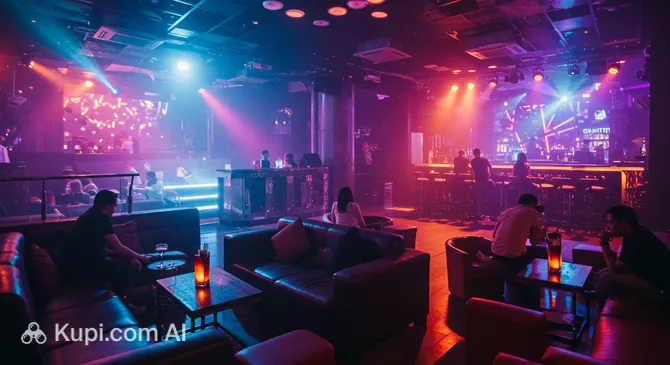
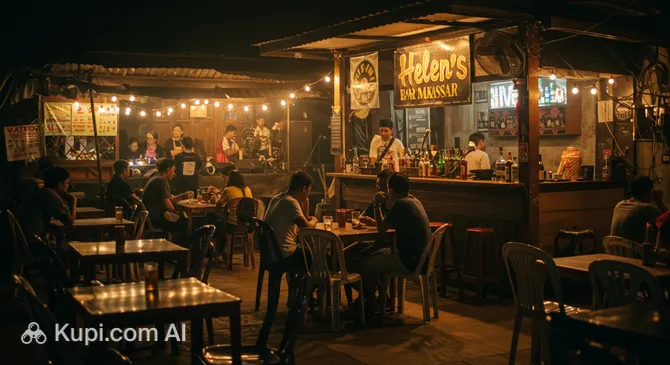
For those looking to dance or enjoy high-energy live music, the city has several dedicated venues. Zona Cafe is a legendary name in the local nightlife scene, frequently hosting popular Indonesian bands and DJs. It attracts a mixed crowd of young locals and expatriates. Another excellent option for live entertainment is Helen's Live Bar Makassar, which is known for its impressive sound system and talented resident bands playing Top 40 hits and rock anthems well into the night.
Helen's Live Bar Makassar. Illustration.
Source: Kupi.com AI
Traveller photos:
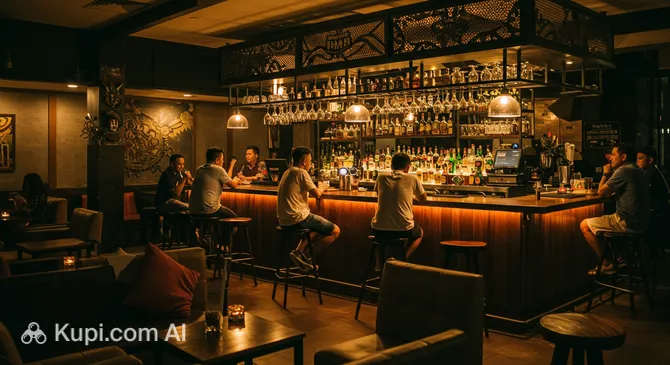
If you prefer a pub-style atmosphere with good food, R&B Grill Makassar offers a cozy setting that bridges the gap between a restaurant and a bar. It is a great place to enjoy a hearty meal followed by drinks, often accompanied by live music that isn't too overpowering. The dress code for most bars and clubs is "smart casual"—men should avoid wearing sleeveless shirts or flip-flops, while women generally dress stylishly but comfortably.
R&B Grill Makassar. Illustration.
Source: Kupi.com AI
Traveller photos:
Practical Advice and Safety: Most nightclubs and bars start filling up around 10:00 PM and stay open until 2:00 AM or 3:00 AM. Prices for drinks are generally lower than in Jakarta or Bali, but imported alcohol can still be pricey due to taxes. The safest and most convenient way to get around at night is by using ride-hailing apps like Grab or Gojek. Avoid walking alone in dimly lit alleys or the port area late at night; sticking to main roads and bustling districts like Losari or the hotel zones is recommended.
While the nights are lively, Makassar also offers plenty of daytime entertainment. Visitors can explore the city's rich history at various museums or escape the heat in modern shopping centers like Nipah Mall, which features open-air architecture and green spaces. Whether you are interested in historical exhibits or catching a movie, the city provides ample options to fill your day before the nightlife begins.
Parks & Museums
Beyond its bustling port and culinary delights, Makassar offers a variety of green spaces and cultural institutions that provide a deeper understanding of the city's heritage and daily life. Visitors can find respite in the city's well-maintained parks or step back in time by exploring museums that house centuries of maritime and royal history.
For those seeking fresh air and outdoor activities, Pakui Sayang Park is a favorite among locals. Located near the civic center, this green open space is equipped with jogging tracks, tennis courts, and ample seating areas, making it a perfect spot for a morning run or a relaxing afternoon. Another charming green area is Tiger Park (Taman Macan), named after the statue of a tiger that stands guard within the grounds. It offers a shady retreat with mature trees, providing a cool escape from the tropical heat in the heart of the city.
Pakui Sayang Park. Illustration.
Source: Kupi.com AI
Traveller photos:
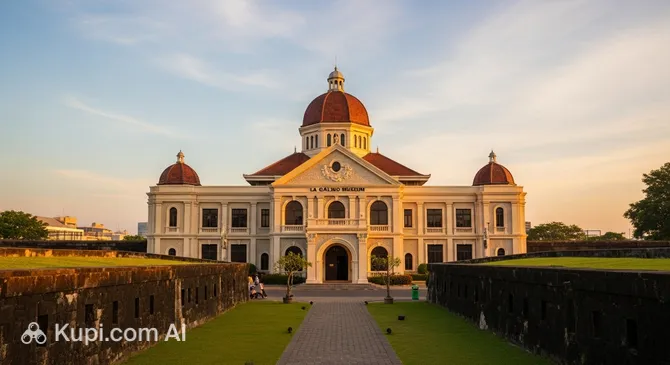
To truly appreciate the rich culture of South Sulawesi, a visit to the La Galigo Museum is essential. Housed within the historic walls of Fort Rotterdam, this museum showcases an extensive collection of artifacts, including traditional musical instruments, ancient manuscripts, and models of the famous Phinisi boats. It serves as a comprehensive guide to the Bugis-Makassar civilization. Nearby, the Makassar Museum occupies a colonial-era building and focuses specifically on the city's administrative history, displaying period photographs, coins, and ceramics that trace the urban development of the region.
La Galigo Museum. Illustration.
Source: Kupi.com AI
Traveller photos:
Architectural landmarks also punctuate the city's skyline, recounting stories of the past. The Mandala Monument is a towering structure that commemorates a pivotal moment in Indonesia's military history. Standing 75 meters tall, its triangular shape is a distinct feature of the city center, and the relief carvings at its base depict the struggle for national sovereignty. For a more spiritual historical experience, the Al-Hilal Old Mosque of Katangka stands as the oldest mosque in South Sulawesi. Built in the early 17th century, its architecture is a unique fusion of Javanese, Chinese, and European influences, reflecting the diverse interactions of the Gowa Kingdom.
Mandala Monument. Illustration.
Source: Kupi.com AI
Traveller photos:
For a lesser-known cultural experience, take a moment to explore the area around the Red Bridge. While often overlooked by hurried tourists, the surrounding district offers a glimpse into the everyday life of the city, away from the main tourist trail. Additionally, visiting the royal tombs located near the Katangka Mosque provides a quiet, reflective atmosphere and a direct link to the lineage of the Gowa sultans.
Getting Around
Public transport in Makassar is primarily road-based, as the city does not currently operate a metro, tram, or trolleybus system. The most iconic and ubiquitous vehicle on the streets is the pete-pete, a local minibus (mikrolet) that functions as the backbone of urban mobility. These modified vans, typically painted blue, traverse the city on various routes. While they offer a truly authentic local experience, the route system can be somewhat confusing for newcomers, as there are no official maps and the destination is usually indicated only by a code or a shout from the driver.
For a more modern and comfortable commuting experience, the city has introduced the Trans Mamminasata bus service (often associated with the "Teman Bus" program). These buses are air-conditioned and operate on fixed corridors that connect major districts, including routes to the airport and the harbor. Unlike the informal minibuses, these buses stop only at designated shelters and adhere to a more structured schedule, making them a reliable option for visitors who prefer a predictable journey.
The payment system depends entirely on the mode of transport you choose. For the traditional pete-pete, cash is king. Fares are very affordable, and you pay the driver directly upon reaching your destination; it is highly recommended to carry small change to avoid difficulties. In contrast, the modern Trans Mamminasata buses operate on a strictly cashless basis. To ride, you will need a prepaid electronic money card (such as E-Money, Flazz, or TapCash) or a mobile banking app that supports QRIS payments, which you tap or scan upon boarding.
For tourists, the most practical and stress-free alternative is often the use of ride-hailing apps. Services like Grab and Gojek are widely available and extremely popular. They allow you to book either a car or a motorbike taxi (ojek) at a fixed price, eliminating the need to negotiate or understand complex route networks. If you prefer conventional taxis, Bluebird is the most reputable operator in the city; their vehicles are equipped with meters, and drivers are generally known for their reliability.
For short trips within neighborhoods or a leisurely sightseeing pace, you can try the becak (traditional pedicab) or bentor (motorized rickshaw). These three-wheeled vehicles are excellent for navigating narrow streets but are not suitable for long distances. Be aware that these do not have meters, so you must negotiate and agree on a fare with the driver before starting your trip. Public transport generally operates from early morning, around 06:00, until roughly 21:00 or 22:00, after which options become limited mostly to online taxis.
Accommodation
Where to Stay:
Travelers visiting Makassar will find a diverse array of accommodation options suited to every budget and travel style. As a major commercial hub, the city provides everything from economical homestays and backpacker hostels (often known locally as wisma) to modern business hotels and luxurious seaside resorts. The hospitality standards are generally high, with warm service being a hallmark of the region.
For those who want to be close to the action, the area surrounding Losari Beach is the most popular choice. Staying here puts you within walking distance of the waterfront promenade, culinary hotspots, and key historical sites like Fort Rotterdam. Alternatively, the Panakkukang district serves as a bustling commercial center with large shopping malls and modern conveniences, making it an excellent option for travelers who prioritize shopping and easy access to business facilities.
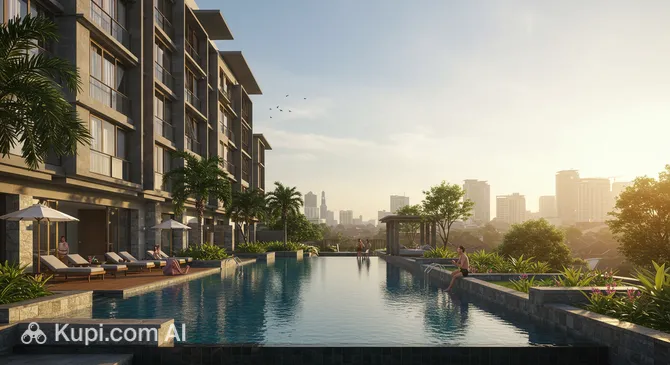
If you are looking for a property that combines comfort with a distinct style, you might consider the MaxOne Hotel & Resort Makassar. Establishments in this category often feature unique thematic designs and extensive amenities, such as swimming pools and gardens, providing a relaxing oasis amidst the urban energy.
MaxOne Hotel & Resort Makassar. Illustration.
Source: Kupi.com AI
Traveller photos:
Booking Tip: Although accommodation is generally plentiful, Makassar frequently hosts large conferences and regional events. It is advisable to book your room in advance, particularly if you are traveling during Indonesian public holidays or the peak dry season, to ensure availability and secure the best rates.
Price Range and Booking: Prices are generally very competitive compared to Western standards. Budget travelers can find clean and comfortable rooms for under $20 USD per night, while mid-range hotels typically range between $30 and $60 USD. Luxury stays are also available at affordable rates. Most properties can be easily booked through major international online travel platforms, as well as popular local Indonesian booking apps.
Nearby Cities
For those looking to explore the surroundings, Makassar serves as an excellent base for day trips to several interesting nearby locations. While some destinations may require an overnight stay due to the travel time, they offer unique experiences that complement the urban energy of the provincial capital.
One of the most culturally significant destinations in the region is Tana Toraja. Famous worldwide for its elaborate funeral ceremonies, ancient cave graves, and distinct boat-shaped traditional houses known as Tongkonan, this highland area offers a fascinating glimpse into indigenous traditions that have survived for centuries. Although it is a longer journey from the coast, the stunning mountain scenery and rich cultural heritage make it a top priority for a short visit.
For travelers interested in coastal landscapes and maritime history, Majene provides a scenic escape. Located in the neighboring West Sulawesi province, it is known for its beautiful beaches and as a center of the Mandar culture, famous for their seafaring skills and traditional Sandeq boats. Closer to Makassar, Pinrang offers a different vibe with its vast expanses of lush rice paddies and agricultural charm, representing the fertile heartland of the peninsula.
City
Population
Distance
Barru
38,333
84 km
Watampone
81,629
120 km
Parepare
129,542
129 km
Rappang
27,116
152 km
Pinrang
182,731
153 km
These nearby destinations offer a glimpse into the diverse culture and landscapes of the region, ranging from high mountain peaks to serene coastal towns.
Shopping & Souvenirs
Shopping:
Shopping in Makassar offers a delightful mix of traditional charm and modern convenience, reflecting its status as a major trading hub in Eastern Indonesia. Visitors can explore everything from bustling street markets filled with local crafts to contemporary shopping centers that host international brands. The city is particularly renowned for its high-quality gold and silver work, as well as its unique silk textiles, making it a rewarding destination for those looking to bring home authentic Indonesian treasures.
For a quintessential local shopping experience, Jalan Somba Opu (Somba Opu Street) is the place to be. Located near the waterfront, this famous district is lined with souvenir shops and jewelry stores. It is the primary destination for tourists seeking traditional handicrafts, including the intricate gold and silver jewelry for which the city is famous. The street is also a hub for purchasing locally produced silk fabrics and various snacks that are unique to South Sulawesi.
If you prefer a modern retail environment, the city boasts several impressive shopping complexes. Nipah Mall is a standout destination, celebrated for its unique semi-outdoor architectural design that incorporates industrial elements with lush greenery. It offers a wide range of fashion outlets, dining options, and entertainment facilities, providing a comfortable escape from the tropical heat.
Nipah Mall. Illustration.
Source: Kupi.com AI
Traveller photos:
For those specifically looking for fashion accessories, gadgets, and trinkets, Bintang Accessories Store – Alauddin is a well-known local favorite. This store is often packed with a vast assortment of affordable items, ranging from hair accessories to phone cases, making it a fun stop for budget-friendly shopping. Additionally, the Panakkukang area serves as another major commercial district, home to large malls like Mall Panakkukang which are popular with local residents.
Bintang Accessories Store – Alauddin. Illustration.
Source: Kupi.com AI
Traveller photos:
Traditional markets play a vital role in the daily life of the locals and offer an immersive experience for adventurous travelers. Markets such as Pasar Terong or Pasar Sentral are bustling hives of activity where you can find fresh produce, spices, and textiles at bargain prices. These markets are excellent places to observe the local culture, though they can be crowded and chaotic compared to the air-conditioned malls.
When it comes to souvenirs, there are several "must-buy" items that represent the region. Toraja Coffee, grown in the nearby highlands, is world-famous and makes for a perfect gift. Another popular local product is Markisa syrup (passion fruit syrup), which is sweet, refreshing, and widely available. For textiles, look for Tenun Sengkang, a vibrant hand-woven silk fabric that is characteristic of the Bugis people. Minyak Tawon, a traditional medicinal oil produced in Makassar, is also a legendary souvenir believed to cure various ailments.
Most shopping malls and modern stores operate daily from 10:00 AM to 10:00 PM. While credit and debit cards are widely accepted in malls, supermarkets, and established souvenir shops on Somba Opu Street, cash is essential when visiting traditional markets or smaller roadside stalls. ATMs are plentiful throughout the city, so withdrawing cash is rarely an issue.
Regarding tax refunds, Indonesia offers a Value Added Tax (VAT) refund scheme for international tourists, known as the VAT Refund for Tourists. To be eligible, you must spend a minimum amount in a single receipt at stores displaying the "VAT Refund for Tourists" logo. While this is more common in Jakarta and Bali, some major retailers in Makassar may participate. You can claim the refund at the tax refund counter in the international departure area of the airport upon leaving the country.
We use cookies and services to collect user information. This is essential for the functioning of the site and for marketing purposes. You can find out more in .