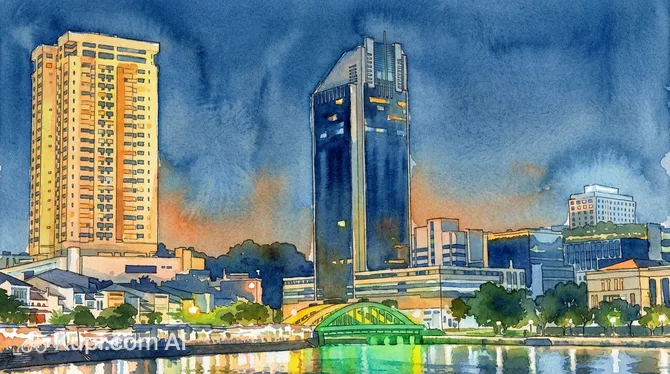
Welcome to Singapore, a dazzling city-state that perfectly blends futuristic architecture with lush greenery. Often referred to as the "Garden City," this island nation in Southeast Asia offers a unique travel experience where diverse cultures, world-class dining, and cutting-edge innovation coexist harmoniously. It is a place where tradition meets modernity, creating an atmosphere that is both dynamic and welcoming.
Located just one degree north of the equator, the city enjoys a warm, tropical climate year-round, making it a popular destination at any time. With a population of approximately 6 million people, it serves as a bustling global hub for finance, trade, and tourism. Despite its gleaming skyline, the deep-rooted history of Singapore is evident in its well-preserved colonial buildings and vibrant heritage districts.
Singapore. Illustration.
Source: Kupi.com AI
Travelers are often captivated by iconic landmarks such as the futuristic Gardens by the Bay, famous for its towering Supertrees and cloud forest. The majestic Marina Bay Sands offers breathtaking views of the cityscape, while cultural enclaves like Chinatown and Little India provide an immersive look into the local way of life. Whether you are seeking urban adventures or a relaxing escape on Sentosa Island, this incredible city promises an unforgettable journey for every visitor.
Weather Overview
Singapore experiences a tropical climate characterized by consistent warmth and high humidity throughout the year. Because the city is located so close to the equator, there are no distinct seasons like summer or winter; instead, the weather in Singapore remains relatively uniform, making it a year-round destination. Travelers should be prepared for warm days and the possibility of rain at any time, regardless of when they visit.
The temperature typically hovers around a comfortable average of 27°C to 28°C, with daily highs reaching up to 30.5°C in March and lows rarely dropping below 24°C. Rainfall is a frequent occurrence, with "wet days" ranging from about 16 days in February to as many as 29 days in November and May. Expect warm, humid conditions year-round with frequent showers, so packing an umbrella or a light raincoat is always a good idea.
Average monthly temperature
Average monthly precipitation
Interesting Facts
Beyond its gleaming skyscrapers and bustling hawker centers, Singapore holds a treasure trove of fascinating secrets waiting to be discovered. This dynamic island nation is full of surprises that go far beyond its reputation as a global financial hub.
While often thought of as a single island, the country actually consists of 63 offshore islands surrounding the main one, including the popular leisure destination of Sentosa and the rustic Pulau Ubin.
Nature lovers might be surprised to learn that the Singapore Botanic Gardens is the country's first UNESCO World Heritage Site and the only tropical garden in the world to receive this prestigious honor.
The city is home to the world's tallest indoor waterfall, the mesmerizing HSBC Rain Vortex, which cascades 40 meters down through the center of Jewel Changi Airport.
The national icon, the Merlion, is a mythical creature with a lion's head and a fish's body, symbolizing the city's humble origins as a fishing village and its original name, Singapura, meaning "Lion City."
Singapore is one of only three surviving city-states in the world, alongside Monaco and the Vatican City, meaning it has no separate capital city because the country itself is the capital.
Jewel Changi Airport. Illustration.
Source: Kupi.com AI
Traveler photos:
How to Get There
Reaching this vibrant island nation is straightforward, thanks to its status as a major global transport hub. Most international travelers arrive by air, landing at one of the world's most renowned airports. For those looking for detailed information on all available routes, including land and sea connections, you can read more about how to get to Singapore.
The primary entry point is Changi International Airport (IATA: SIN), located within Singapore itself, approximately 19 km from the city center. It is a massive international hub handling millions of passengers annually. A trip to the downtown area by taxi or shuttle generally takes around 50 minutes, depending on traffic.
Travelers can also consider flying into Senai Airport (IATA: JHB) in the neighboring city of Johor Bahru, Malaysia. Situated about 36 km from Singapore, this airport serves as a regional alternative. The journey involves crossing the border and typically takes about 75 minutes by road. Another option is Hang Nadim International Airport (IATA: BTH) in Batam, Indonesia, located roughly 42 km away. Access from here requires a combination of land transport and a ferry ride.
For clarity, here is a summary of the main airports:
Singapore is a city that constantly reinvents itself, offering visitors a stunning array of sights that range from futuristic architectural marvels to immersive wildlife experiences. Whether you are a nature lover, a thrill-seeker, or a culture enthusiast, the city's diverse attractions provide something memorable for everyone.
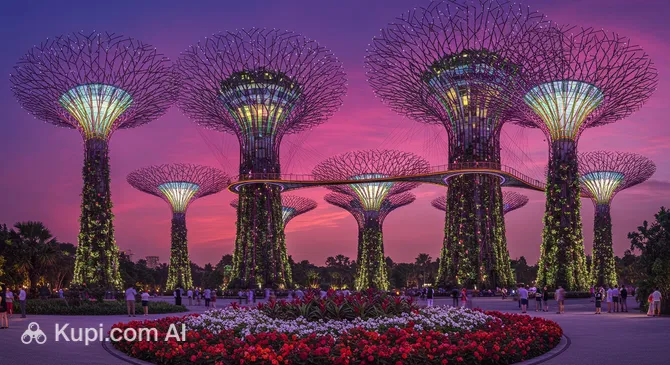
One of the most iconic destinations is Gardens by the Bay, a horticultural wonderland that spans 101 hectares in the heart of the city. This award-winning park is famous for its massive Supertrees, which come alive with a dazzling light and sound show at night. Visitors can explore the cooled conservatories—the Flower Dome and the Cloud Forest—to see exotic plants and one of the world's tallest indoor waterfalls. It is a perfect blend of nature and technology that defines the city's modern identity.
Gardens by the Bay. Illustration.
Source: Kupi.com AI
Traveler photos:
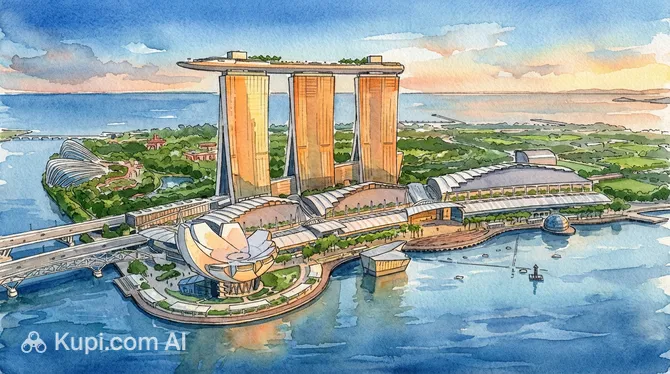
Just across the way stands the majestic Marina Bay Sands, an integrated resort that dominates the skyline with its three cascading towers topped by a boat-shaped sky park. While the famous infinity pool is reserved for hotel guests, the observation deck offers breathtaking panoramic views of the bay and the city grid. The complex also houses a luxury shopping mall, a museum, and a wide variety of celebrity chef restaurants, making it a central hub for entertainment and leisure.
Marina Bay Sands. Illustration.
Source: Kupi.com AI
Traveler photos:
For families and adrenaline junkies, Universal Studios Singapore on Sentosa Island is a must-visit. As Southeast Asia's first Hollywood movie theme park, it features exhilarating rides, interactive shows, and themed zones based on blockbuster films like Transformers and Jurassic Park. It provides a full day of excitement and is conveniently located near other attractions on the island.
Universal Studios Singapore. Illustration.
Source: Kupi.com AI
Traveler photos:
Those seeking a closer encounter with nature should head to the Singapore Zoo, renowned worldwide for its "open concept" rainforest environment. Animals here roam in spacious, naturalistic enclosures separated from visitors by moats and hidden barriers rather than cages. The zoo is celebrated for its conservation efforts and offers unique experiences, such as breakfast with orangutans, making it one of the best family-friendly wildlife parks in the region.
Local Cuisine
Singapore is widely regarded as one of the world's greatest destinations for food lovers, offering a culinary landscape that is as diverse as its population. The local cuisine is a mouthwatering melting pot of Chinese, Malay, Indian, and Peranakan influences, creating unique flavors that can be found everywhere from humble street stalls to high-end restaurants. Eating is a national pastime here, and exploring the city's food scene is an essential part of any itinerary.
No culinary journey in Singapore is complete without trying the national dish, Hainanese Chicken Rice. It consists of succulent poached chicken served with fragrant rice cooked in chicken broth, accompanied by chili sauce and ginger paste. Another iconic favorite is Chilli Crab, a messy but delicious dish where stir-fried crab is coated in a sweet and savory tomato-chili sauce, best enjoyed with fried mantou buns to soak up the gravy. For a spicy kick, try Laksa, a rich noodle soup with a coconut milk base, flavored with dried shrimp and sambal.
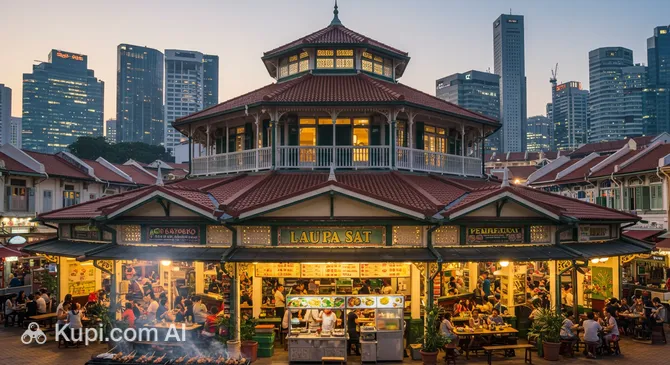
The heart and soul of the local dining culture lies in its hawker centers. These open-air food courts offer a huge variety of affordable and hygienic local dishes. A prime example of this vibrant culture is Lau Pa Sat, a historic market housed in a stunning Victorian-era building in the financial district. By night, the street outside transforms into "Satay Street," where the air fills with the aroma of grilled meat skewers, making it a perfect spot for an atmospheric dinner.
Lau Pa Sat. Illustration.
Source: Kupi.com AI
Traveler photos:
To wash down these savory meals, locals often turn to traditional beverages. Teh Tarik, or "pulled tea," is a frothy, sweet milk tea that is poured back and forth between two cups to cool it down and create a foam. Coffee lovers should order Kopi, a strong local coffee usually roasted with butter and sugar. On the alcoholic side, the city is the birthplace of the famous Singapore Sling, a gin-based cocktail developed in the early 20th century, which remains a popular choice for tourists seeking a taste of colonial history.
Beyond street food, the city boasts a sophisticated dining scene with numerous Michelin-starred establishments and trendy riverside eateries. Areas like Clarke Quay come alive in the evenings, offering a plethora of restaurants and bars along the Singapore River. Whether you are enjoying a simple breakfast of Kaya Toast—coconut jam on toasted bread with soft-boiled eggs—or a lavish seafood dinner by the water, the gastronomic features of this island nation promise to delight every palate.
Travel Tips
Planning a trip to the Lion City is an exciting adventure, but knowing a few local nuances can make your journey much smoother and more enjoyable. From navigating the tropical climate to understanding the unique laws that keep the city pristine, these practical tips will help you explore Singapore with confidence.
Clothing and Gear: Due to the year-round hot and humid tropical climate, pack lightweight, breathable fabrics like cotton or linen. However, indoor spaces like malls and trains often have powerful air conditioning, so carrying a light cardigan or jacket is essential. Comfortable walking shoes are a must, as is a compact umbrella for sudden showers. If you plan to visit temples or mosques, remember to dress modestly, covering your shoulders and knees.
Transportation: The Mass Rapid Transit (MRT) system is world-class—fast, clean, and covers almost every part of the city. You do not need to rent a car. For payment, you can simply use your foreign contactless credit or debit card (Visa or Mastercard) directly at the fare gates, or buy a stored-value EZ-Link card. Ride-hailing apps like Grab and Gojek are excellent alternatives to traditional taxis.
Finances: The currency is the Singapore Dollar (SGD). While credit cards are widely accepted in malls, restaurants, and attractions, cash is still king at traditional hawker centers and smaller "mom-and-pop" shops. ATMs are easy to find. Tipping is not a standard practice here; most restaurants add a 10% service charge to the bill, so extra tips are not expected.
Health and Safety: Singapore is incredibly safe, and you can walk alone at night in most areas without worry. Tap water is perfectly safe to drink, so bring a refillable bottle to stay hydrated and save money. Pharmacies like Watsons and Guardian are ubiquitous for minor ailments. Be aware that drug laws are extremely strict, carrying severe penalties.
Communication: English is the primary language used in business, signs, and schools, so communication is rarely an issue. You may hear locals speaking "Singlish" (a colloquial mix of English and local dialects), but they will generally speak standard English with tourists. Prepaid SIM cards with generous data packages are readily available at Changi Airport and convenience stores like 7-Eleven.
Local Etiquette: Order and courtesy are highly valued. On escalators, always stand on the left and walk on the right. When dining at a hawker center, if you see a packet of tissue paper on an empty table, do not sit there—this means the seat has been "choped" (reserved) by a local while they order food. Also, always return your tray to the designated return stations after eating.
What to Avoid: To avoid hefty fines, strictly observe local laws. Do not litter, jaywalk, or chew gum (the import and sale of gum are banned). Crucially, eating and drinking (even plain water) are strictly prohibited inside MRT trains and stations; this rule is enforced, and offenders can be fined.
Additional Tip: Don't let the heat stop you from exploring, but try to plan outdoor activities like the Botanic Gardens or the Zoo for the early morning or late afternoon. Use the midday heat as an excuse to explore the air-conditioned museums or enjoy a long lunch in a cool shopping mall.
By keeping these simple guidelines in mind, you will be well-prepared to experience the best of this dynamic city-state. Whether you are indulging in street food or marveling at futuristic architecture, Singapore promises a hassle-free and unforgettable vacation.
Entertainment & Nightlife
When the sun sets and the tropical heat subsides, Singapore transforms into a vibrant playground of lights, music, and entertainment. The city's nightlife scene is sophisticated and diverse, catering to everyone from party-goers and cocktail connoisseurs to families seeking a relaxing evening by the water. Unlike many other global cities, the nightlife here is incredibly safe, allowing visitors to explore different districts with peace of mind well into the early hours.
The epicenter of the party scene is undoubtedly Clarke Quay. Located along the historic Singapore River, this district is a bustle of restored warehouses that have been converted into energetic clubs, bars, and restaurants. The atmosphere here is electric, with live music spilling out onto the streets and neon lights reflecting off the water. It is the perfect place to bar-hop, enjoy a riverside dinner, or dance the night away. Most venues here stay open late, often until 3:00 AM or 4:00 AM on weekends.
Clarke Quay. Illustration.
Source: Kupi.com AI
Traveler photos:
For those who prefer a more refined evening, the city boasts a world-class cocktail scene, frequently ranking high on global "best bars" lists. A prime example is Jigger & Pony, known for its classic hospitality and innovative drink menus. The dress code in such establishments is typically "smart casual"—shorts and flip-flops are generally frowned upon in high-end bars and clubs, so it is wise to dress up a bit. Be prepared for premium prices, as alcohol taxes in the country are relatively high; however, many places offer "Happy Hour" deals in the early evening.
If you are looking for cultural entertainment or a scenic night out, Esplanade – Theatres on the Bay is a stunning architectural icon resembling a durian fruit. It hosts a variety of performances, from free outdoor concerts at the waterfront theatre to world-class symphonies and plays in its concert halls. Nearby, you can enjoy a more laid-back vibe at a rooftop bar overlooking the Marina Bay, offering spectacular views of the nightly light and water shows.
Esplanade – Theatres on the Bay. Illustration.
Source: Kupi.com AI
Traveler photos:
Getting around at night is straightforward. While the Mass Rapid Transit (MRT) system usually stops running around midnight, taxis and ride-hailing services like Grab are plentiful and safe to use at any hour. There are no dangerous "no-go" zones for tourists, making night walks along the river or through the illuminated streets a pleasant experience. Just remember that surcharges apply for taxi rides late at night.
While the nightlife is thrilling, the city offers equally engaging entertainment during the day. Culture vultures can explore the National Museum of Singapore to dive into the country's rich heritage, or visit the lotus-shaped ArtScience Museum, which blends art, science, and technology in mesmerizing exhibitions. For a panoramic perspective of the island, a ride on the Singapore Flyer provides stunning views that stretch as far as Malaysia and Indonesia on a clear day.
Parks & Museums
Parks & Museums:
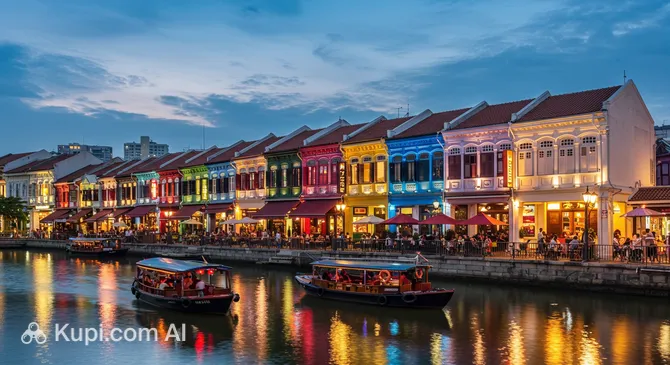
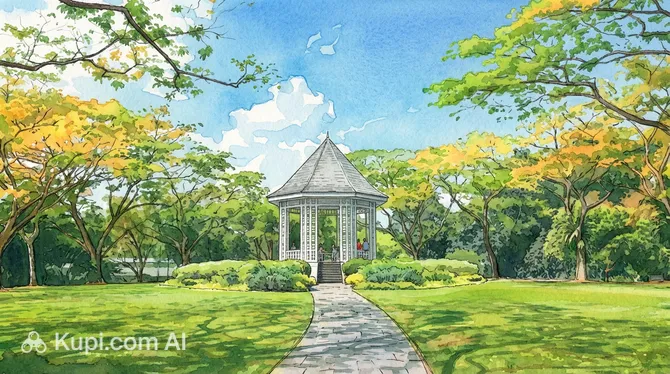
While the city is famous for its futuristic skyline, it is equally renowned as a "City in a Garden," offering an abundance of lush green spaces and rich cultural institutions. A prime example is the historic Singapore Botanic Gardens, the country's first UNESCO World Heritage Site. Unlike the modern Supertrees, this 160-year-old tropical garden provides a serene escape with its swan-filled lakes, rolling lawns, and the spectacular National Orchid Garden, which houses the world's largest display of tropical orchids.
Singapore Botanic Gardens. Illustration.
Source: Kupi.com AI
Traveler photos:
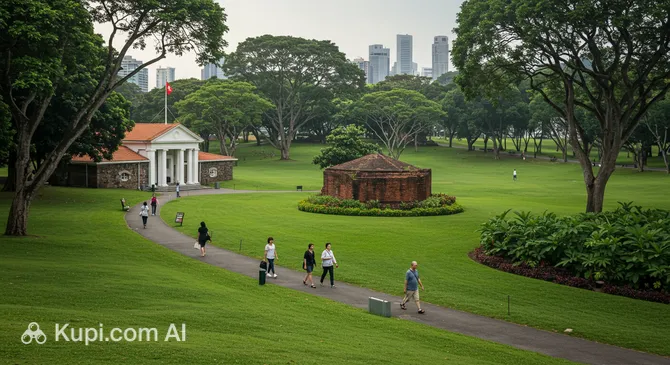
For history buffs and nature lovers alike, Fort Canning Park is an essential stop. Situated on a hill in the city center, this landmark has witnessed Singapore's evolution from Malay royalty to a British colonial trading post. Today, it is a tranquil park featuring nine historical gardens and walking trails. On the eastern coast, East Coast Park offers a completely different vibe, serving as a breezy recreational hub where locals gather for cycling, rollerblading, and seaside barbecues along the sandy beach.
Fort Canning Park. Illustration.
Source: Kupi.com AI
Traveler photos:
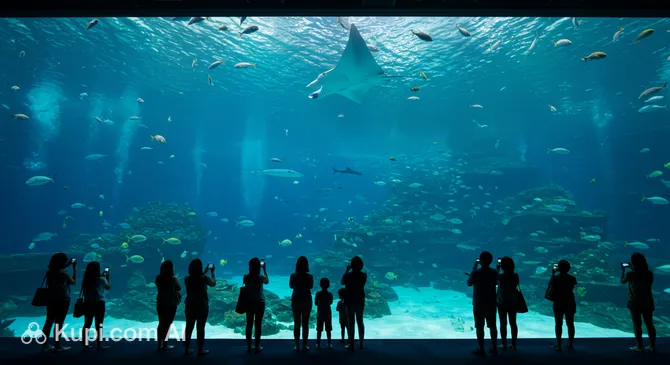
Wildlife enthusiasts have plenty to explore beyond the famous zoo. The S.E.A. Aquarium on Sentosa Island is one of the world's largest aquariums, immersing visitors in the underwater world with majestic manta rays and hammerhead sharks. Recently, the city also welcomed Bird Paradise, a stunning new bird park featuring immersive walk-through aviaries that replicate different global habitats, from African rainforests to Australian eucalyptus landscapes.
S.E.A. Aquarium. Illustration.
Source: Kupi.com AI
Traveler photos:
The city's museum scene is equally vibrant, offering deep dives into art, science, and heritage. The National Museum of Singapore stands as the oldest museum in the country, using cutting-edge technology to retell the nation's history in an engaging way. For a more hands-on experience, the Singapore Discovery Centre provides interactive exhibits that explore the nation's challenges and future, making it an educational visit for families and curious travelers.
Getting Around
Navigating Singapore is a breeze thanks to its world-class public transport network, which is widely regarded as one of the most efficient, clean, and affordable systems globally. The backbone of the city's transit is the Mass Rapid Transit (MRT) system. This extensive train network covers almost every key district and tourist attraction, offering a fast and comfortable way to beat the tropical heat. The trains are frequent, automated, and impeccably maintained, with color-coded lines that make navigation intuitive even for first-time visitors.
Complementing the trains is a comprehensive public bus network that reaches corners of the island not accessible by rail. Buses here are modern, air-conditioned, and often double-decker, providing a scenic way to view the city streets while moving between destinations. For shorter distances within residential neighborhoods, you might also encounter the Light Rail Transit (LRT), a smaller automated train system that acts as a feeder service to the main MRT lines, though tourists will mostly stick to the main rail network.
Paying for rides is incredibly convenient for travelers. The system uses a distance-based fare structure, and you do not need to purchase single-trip tickets for every journey. Most visitors simply use their contactless foreign bank cards (Visa or Mastercard) or mobile wallets like Apple Pay and Google Pay directly at the fare gates. This "SimplyGo" system eliminates the need for queuing or buying a local card. However, if you prefer a dedicated travel card, you can purchase a stored-value EZ-Link card at MRT stations or convenience stores like 7-Eleven. For those planning extensive travel, the Singapore Tourist Pass offers unlimited rides on buses and trains for one, two, or three days.
To ensure a smooth journey, always remember to tap your card or phone on the reader both when entering and exiting the bus or train station; failing to tap out can result in the maximum fare being charged. Public transport typically operates from around 5:30 AM until midnight, with slight variations depending on the line. Navigating routes is easy with apps like Citymapper or Google Maps, which provide real-time updates and fare estimates. A crucial rule to remember is that eating, drinking (even plain water), and smoking are strictly prohibited in stations and on trains, with heavy fines enforced to maintain cleanliness.
If you prefer a more direct route or are traveling late at night, taxis and ride-hailing services are excellent alternatives. Taxis are safe, metered, and can be flagged down on the street or found at designated stands outside malls and hotels. Alternatively, apps like Grab, Gojek, and Tada are widely used to book rides, offering fixed fares upfront. Keep in mind that surcharges apply for taxis during peak hours, late nights, and for trips originating from the airport or central business district.
For a unique travel experience, the city offers special modes of transport that double as attractions. The Singapore Cable Car is a scenic joyride that connects the main island to Sentosa, offering panoramic aerial views of the harbor and skyline. Once on Sentosa Island, the Sentosa Express monorail and free beach shuttles make getting around the resort area effortless. Whether you choose the speed of the subway or the views from a bus, getting around this dynamic city is a seamless part of the travel experience.
Accommodation
Finding the perfect place to stay in Singapore is effortless, as the city offers a diverse spectrum of accommodation options to suit every traveler's needs and budget. The choices range from futuristic capsule hotels and vibrant backpacker hostels to charming heritage boutique hotels and some of the most opulent luxury resorts in the world. Whether you are looking for a room with a spectacular skyline view or a quiet retreat tucked away in nature, this island nation delivers high standards of hospitality and cleanliness across the board.
For those who want to be in the heart of the action, the Marina Bay and Civic District areas are top choices, placing you within walking distance of major museums and the waterfront. Shopaholics often prefer staying along the famous Orchard Road, where malls and hotels stand side by side. Budget-conscious travelers will find excellent value in cultural enclaves like Chinatown, Little India, and Kampong Glam. These neighborhoods offer affordable hostels and mid-range hotels housed in beautifully restored shophouses, surrounded by delicious street food and local history.
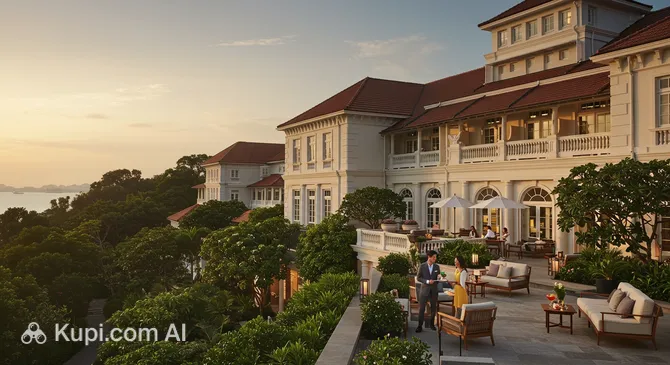
Travelers seeking a resort-style experience often head to Sentosa Island, known for its beaches and entertainment hubs. Here, you can find world-class properties that promise a memorable stay. Resorts World Sentosa is a massive integrated resort perfect for families, offering direct access to theme parks and attractions. For a more tranquil and exclusive experience, Capella Singapore offers a luxurious sanctuary blending colonial heritage with modern design, set amidst lush rainforests.
Capella Singapore. Illustration.
Source: Kupi.com AI
Traveler photos:
Regarding costs, accommodation prices in the city are generally higher than in neighboring Southeast Asian countries, reflecting its status as a global financial hub. Budget options typically start from SGD 40-80 per night for a hostel bed, while mid-range hotels range from SGD 150 to SGD 300. Luxury stays can easily exceed SGD 500 per night. Booking is usually done via major online travel platforms or directly through hotel websites.
Booking Tip: Singapore is a year-round destination with a busy events calendar. It is highly recommended to book your accommodation at least a few months in advance, especially if you plan to visit during major holidays or high-profile events like the Formula 1 Grand Prix, when room rates spike and availability becomes scarce.
Nearby Cities
Located at the crossroads of Southeast Asia, Singapore serves as an excellent gateway for exploring neighboring countries. Just a short trip away, travelers can discover a different pace of life in Malaysia and Indonesia, making international day trips or weekend getaways incredibly convenient and popular among both locals and tourists.
The closest destination is Johor Bahru in Malaysia, situated just across the Straits of Johor. Connected by the Causeway and the Second Link, it is easily accessible by bus, train, or car, often taking less than an hour depending on border traffic. Visitors flock to "JB" primarily for its fantastic value, offering a haven for shopping, affordable dining, and cafe hopping. It is a favorite spot to enjoy authentic Malaysian street food and explore vibrant night markets at a fraction of the cost found in the city-state.
For a quick island escape, Batam in Indonesia is a top choice. A comfortable ferry ride from Singapore's ferry terminals takes approximately 45 to 60 minutes, transporting you to a more relaxed coastal atmosphere. Batam is widely known for its affordable spa treatments, fresh seafood feasts served in traditional kelongs (overwater platforms), and water sports. It provides a laid-back contrast to the urban bustle, with plenty of beach resorts and golf courses catering to short-term visitors.
Travelers seeking pristine beaches and luxury resorts often head to Bintan, another Indonesian island accessible via a short ferry ride. It is renowned for its high-end resorts and crystal-clear waters, making it perfect for a relaxing retreat. Alternatively, history enthusiasts can take a bus or coach north into Malaysia to visit Malacca (Melaka). As a UNESCO World Heritage site, it offers a rich tapestry of colonial history, antique shops, and the famous Jonker Street Night Market, making it well worth the slightly longer journey for a cultural deep dive.
Shopping & Souvenirs
Shopping in Singapore is often described as a national pastime, and for good reason. The city is a retail paradise that caters to every budget and style, offering a seamless mix of high-end luxury, trendy street fashion, and unique local crafts. From air-conditioned mega-malls connected by underground tunnels to bustling open-air markets, the shopping experience here is diverse, convenient, and incredibly exciting.
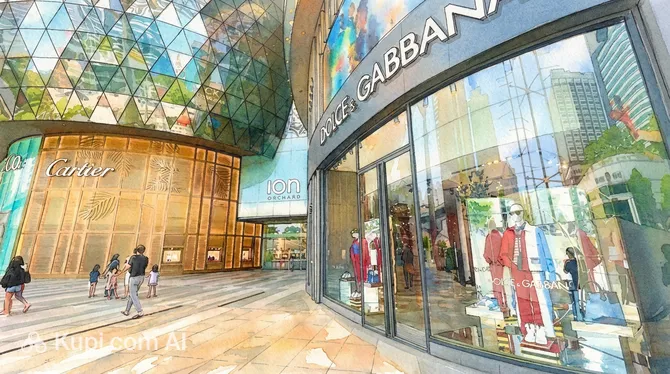
The undisputed heart of the city's retail scene is Orchard Road, a 2.2-kilometer boulevard lined with gleaming department stores and upscale boutiques. It is the place to be for international flagship stores and luxury labels. A standout landmark here is ION Orchard, an architectural marvel that houses everything from high-street fashion to exquisite dining options. Walking down this tree-lined avenue, visitors can easily hop from one mall to another, making it a convenient one-stop destination for serious shoppers.
ION Orchard. Illustration.
Source: Kupi.com AI
Traveler photos:
Beyond the city center, you will find some of the island's most impressive retail complexes. VivoCity, located at the HarbourFront precinct, holds the title of Singapore's largest shopping mall. It features vast open spaces, a rooftop amphitheater, and a direct monorail link to Sentosa, making it a perfect family-friendly stop. For a shopping experience unlike any other, Jewel Changi Airport offers a stunning fusion of nature and retail, allowing you to browse international brands amidst an indoor forest and a majestic waterfall.
VivoCity. Illustration.
Source: Kupi.com AI
Traveler photos:
For a more traditional and chaotic atmosphere, the city's markets are not to be missed. Bugis Street Market is a favorite among youth and bargain hunters, offering a labyrinth of stalls selling affordable clothes, accessories, and electronics. Meanwhile, the streets of Chinatown are lined with shophouses selling traditional wares, while the nearby complex offers a wide array of affordable goods. These areas provide a stark contrast to the polished malls and are great places to practice your bargaining skills.
When it comes to souvenirs, there are plenty of iconic items to take home. Popular choices include Kaya (a sweet coconut jam), bottles of the famous Singapore Sling mix, or Tiger Balm, a locally developed herbal ointment. For something more decorative, look for gold-plated orchid jewelry or merchandise featuring the Merlion. Foodies might appreciate vacuum-packed bakkwa (sweet barbecued pork jerky) or premium tea blends from local luxury tea brands.
Most shops generally open from 10:00 AM to 10:00 PM daily. Payment is incredibly easy for tourists, with major credit cards and contactless payments widely accepted even for small purchases. However, it is always wise to carry some cash if you plan to visit smaller market stalls or hawker centers where digital payments might not be available.
Tourists can also benefit from the Tourist Refund Scheme (TRS), which allows you to claim a refund on the Goods and Services Tax (GST) paid on your purchases. To qualify, you usually need to spend a minimum of SGD 100 at participating retailers. Be sure to ask for a refund transaction or receipt at the store, and you can process the claim electronically at the airport before your departure.