Support

Dumai

About

Dumai is a dynamically developing coastal city located in Riau province on the eastern coast of Sumatra in Indonesia. As the second-largest city in the province, it serves as a vital industrial and logistics hub, with its life inextricably linked to the sea and energy resources. Since gaining independent municipality status at the end of the 20th century, the city has transformed from a modest settlement into a major center for oil refining and international trade.

The city's geographical position on the shores of the Strait of Malacca defines its unique character. It is home to about 350,000 people, and its territory covers more than two thousand square kilometers. Dumai is often called the "oil capital" of the region due to the presence of giants like Chevron and Pertamina, whose production facilities shape the city's industrial landscape. Despite its strictly business status, the city possesses a peculiar charm as a port hub, where work is constantly humming and Southeast Asian trade routes intersect.
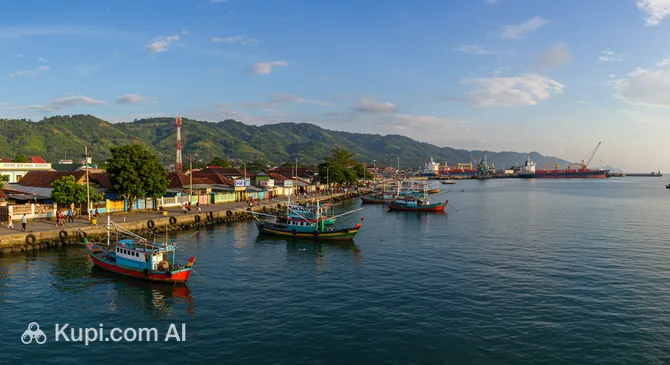
Dumai. Illustration.
Source: Kupi.com AI

In the history of Dumai, the key date was 1999, when it officially became an independent administrative center. Although the city is not a classic tourist resort, it attracts those who want to see the "real" industrial Indonesia. Local features include the endless rows of pipelines that have become part of the urban landscape and the busy port connecting Sumatra with Malaysia. A visit to this city is an opportunity to look behind the scenes of the global economy surrounded by a tropical climate.

We invite you to discover this unusual city, which serves as a bridge between countries and cultures. Dumai is ideal as a starting point for a journey through Sumatra or as a convenient transit point on the way to the shores of neighboring Malaysia.
Weather Overview

The climate of Dumai is typical for the equatorial regions of Sumatra: eternal summer reigns here with high humidity and abundant rainfall. Throughout the year, the air temperature remains stable, ranging from 24°C at night to 31–32°C during the day. Proximity to the Strait of Malacca brings sea breezes, however, high humidity makes the heat feel more intense for unaccustomed travelers.

Rainfall in the city occurs regularly, and there is practically no clearly defined dry season. Nevertheless, the wettest period is considered to be the end of the year, especially November and December, when rainfall can exceed 300–350 mm per month. During this time, rains often take the form of intense but short-lived tropical downpours. More detailed information is available in the weather in Dumai section, where you can track current changes.

It is worth considering that the industrial status of the city and the operation of oil refineries can affect the state of the atmosphere. During periods of calm, a light haze may be observed over some areas. When planning a visit, it is better to aim for the period from June to August, when there are slightly fewer wet days, and sunny weather allows you to comfortably use ferry crossings and walk along the coast.

Average monthly temperature

Average monthly precipitation

Interesting Facts

  • Young Status: Dumai became an administratively independent city only in 1999; before that, it was a small settlement with a population of just over 15,000 people.

  • Industrial Landscape: The city is unique in that you can see hundreds of oil drilling rigs and huge networks of pipelines coming to the surface right on its streets.

  • Maritime Gateway: The city's port is one of the key hubs for connecting Indonesia with Malaysia; ferries to Malacca cover the distance across the strait in just a few hours.

  • Gastronomic Street: At night, Ombak Street turns into a magnet for all foodies, offering a huge selection of authentic Indonesian food at very affordable prices.

  • Energy Giant: The local oil refineries are so large that their lights and flares are visible from many points in the city, creating a specific "technogenic" glow at night.

How to Get There

Dumai is a vital transit hub on the eastern coast of Sumatra, providing links between the region and other parts of the country as well as neighboring Malaysia. Due to its status as a major industrial center, the city has a developed transport infrastructure, including air, sea, and road connections. Details about routes can be found in the how to get to Dumai section.

The city's air gateway is Pinang Kampai Airport (IATA: DUM). This airport primarily serves domestic and regional flights, connecting Dumai with Jakarta and Pekanbaru. A flight from the provincial capital takes only about 45 minutes, which saves significant time compared to ground transport. For tourists, the airport is convenient due to its proximity to the main industrial zones and the city center.

AirportPassenger trafficDistance
Malacca International Airport23 489115 km
Kuala Lumpur International Airport57.1 mln124 km
Sultan Syarif Kasim II International Airport2.9 mln133 km
Sultan Abdul Aziz Shah Airport1.4 mln163 km
Senai Airport4.3 mln253 km

Rail service in this part of Sumatra is less developed than in Java, so buses and private cars remain the main ground transportation. The road from Pekanbaru to Dumai is about 188 km, but due to heavy traffic from trucks and oil tankers, the trip can take from 4 to 6 hours. Nevertheless, regular bus services remain the most budget-friendly way to reach the city from other parts of the island.

StationPassenger trafficDistance
KL Sentral Station36.5 mln165 km

The port of Dumai is of particular importance. It is one of the few cities in Indonesia with regular ferry services to Malaysia. Comfortable vessels operate between Dumai and cities such as Malacca, Port Dickson, and Port Klang. Travel time across the Strait of Malacca is usually 4 to 6 hours, making the city a popular point for international travelers.

Main Attractions

Although Dumai is primarily known as an industrial giant, travelers can find several interesting locations for relaxation here. One of the most popular spots by the sea is Teluk Makmur beach. This is an excellent place to watch the sunset or sunrise with a view of the Strait of Malacca, observing the huge tankers and merchant ships passing in the distance. The atmosphere here is calm, allowing for a brief escape from the city noise.

The city's architectural appearance is complemented by majestic religious buildings. The Masjid Raya Dumai (Grand Mosque) and the Al-Badar mosque deserve special attention, as they are spiritual centers for local residents. Their elegant minarets and domes stand out brightly against the modern buildings, representing the traditional Islamic art of the Riau region.

For those interested in gastronomic attractions who want to try something unusual in a comfortable setting, it is worth stopping by Mie Gacoan. This establishment is popular among young people and is famous for its original noodle dishes. Another notable spot is Seafood 25 Dumai Restaurant, where you can taste the freshest seafood prepared according to local recipes.

Natural corners around the city include Lake Bunga Tujuh and Pelintung Cave, which is shrouded in local legends. History buffs will find it interesting to visit the Putri Tujuh (Seven Princesses) graves—a monument associated with folklore about the city's founding. Although these sites do not always have developed tourist infrastructure, they convey the authentic spirit of this part of Sumatra.

Local Cuisine

The gastronomic character of Dumai is shaped by its coastal location and multi-ethnic population. The main treasure of the local cuisine is the freshest seafood. In numerous "warungs" (small family cafes) and restaurants along the coast, you will be offered grilled fish, shrimp in spicy sauces, and tender squid caught in the waters of the Strait of Malacca. One of the iconic places for lovers of such delicacies is Seafood 25 Dumai Restaurant.

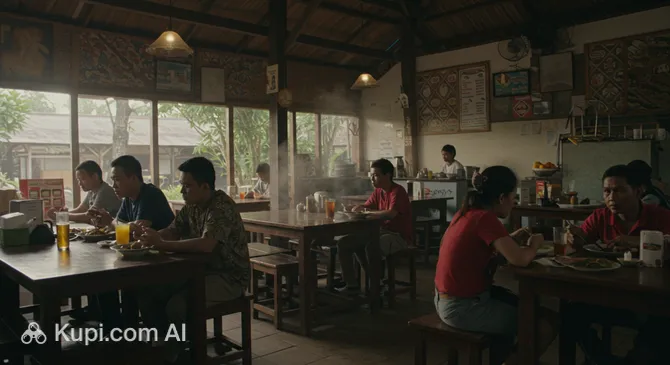
For those looking for modern interpretations of Indonesian dishes, Mie Gacoan is a must-visit. This establishment is famous for its spicy noodles with various toppings, which have become a real hit among locals. Simple but incredibly delicious food is served here in a lively and friendly atmosphere, reflecting the spirit of the modern city.

Mie Gacoan. Illustration.
Source: Kupi.com AI

Traveler photos:

Dumai's street food is equally interesting. At nightfall, stalls with traditional Indonesian dishes appear on the streets: fragrant fried rice nasi goreng, thick soups, and satay (miniature skewers). The food culture here is very democratic—locals love to gather in large groups outdoors, enjoying food and conversation. For drinks, you should try the local coffee, which in Sumatra is known for being particularly strong and rich, as well as refreshing juices from tropical fruits.

The general character of the local gastro scene can be described as authentic and straightforward. You will rarely encounter fine dining in the European sense, but instead, you can get acquainted with the honest, vibrant flavors of traditional Indonesia, where every dish is seasoned with hospitality and a pinch of local spices.

Travel Tips

Preparing for a trip to the industrial heart of Sumatra requires considering some local peculiarities. These tips will help make your stay in Dumai comfortable and safe.

  1. Clothing and Essentials: Choose light clothing made from natural fabrics—the climate here is equatorial, very hot, and humid. Don't forget comfortable closed-toe shoes for walking through industrial zones and insect repellent. When visiting mosques, such as Masjid Raya, be sure to follow the dress code: shoulders and knees must be covered.
  2. Transport: The fastest way to get around is by motorbike taxi (ojek), which can be summoned via the Grab or Gojek apps. This will help avoid traffic jams created by trucks. For intercity travel, use official bus companies.
  3. Finances: The main currency is the Indonesian Rupiah. Shopping centers accept cards, but always have cash for markets and transport fares. ATMs are available in the center, but their number is limited, so it's better to withdraw money in advance.
  4. Health and Safety: Dumai is a port city with its own specifics. Avoid walking alone in the outskirts after dark. Drink only bottled water and use sunscreen. Pharmacies can be found around the central streets.
  5. Communication: The primary language is Indonesian. English is understood by staff in major hotels and by young people, but it's useful to learn a few phrases: "Terima kasih" (thank you) and "Berapa?" (how much?). For connectivity, buy a local SIM card at the airport or in city shops.
  6. Local Etiquette: Indonesians are very friendly but value politeness. Always use your right hand when passing money or food. Try to remain calm and smile in any situation—it's the key to successful communication.
  7. What to Avoid: Do not point at people or objects with your foot and do not touch the heads of local residents, as this is considered offensive. It is also not recommended to publicly criticize local customs or religion.
  8. Additional Tip: Use Dumai as an excellent hub for a trip to Malaysia. Be sure to check ferry schedules in advance, as they can change depending on the weather in the Strait of Malacca.

May your journey to this unusual corner of Sumatra be filled with interesting discoveries and only positive emotions!

Entertainment & Nightlife

The entertainment scene in Dumai differs significantly from resort towns and is concentrated around the daily leisure of local residents. Nightlife here is not represented by loud clubs, but rather expressed through the culture of evening strolls and late dinners. The main point of attraction after sunset is Jalan Ombak, which turns into an improvised open-air food court. Here you can find dozens of stalls with fragrant street food and feel the true rhythm of the night city.

For those who prefer a more familiar format of relaxation, the Ramayana shopping center is open. It is not only a place for shopping but also a center for family leisure, featuring game zones and cafes. If you fancy a more refined dinner in a calm atmosphere, Seafood 25 Dumai Restaurant, specializing in seafood dishes, is an excellent choice.

Daytime entertainment often includes visiting local parks, such as Dumai City Park. This is a small green oasis among the industrial landscapes, where city dwellers relax in the shade of trees. Establishments with fast and delicious food, such as Mie Gacoan, are also popular and always have a lively atmosphere.

Mie Gacoan. Illustration.
Source: Kupi.com AI

Traveler photos:

It is worth considering that for large-scale entertainment, such as major concerts or theatrical productions, locals often head to the provincial capital, Pekanbaru. For safe nighttime travel around Dumai, it is recommended to use official taxi services or popular ride-hailing apps for motorbikes, which ensure comfort and a fixed fare.

Parks & Museums

The park infrastructure of Dumai is currently undergoing active development. The main spot for city residents to relax is Dumai City Park. This is a small but cozy green corner that serves as a rescue from the tropical heat and industrial landscapes. The park is popular among families with children and morning joggers; local holidays and community events are often held here, allowing tourists to observe the daily life of local residents.

Natural areas outside the dense urban development offer a wilder experience. It is worth mentioning the "Forest Tour" project, which introduces the flora and fauna of the Riau region. While these areas are not classic parks with attractions, they provide an idea of the pristine nature of Sumatra that has been preserved near the industrial center. For those seeking peace by the water, the coastline in the Teluk Makmur area can serve as an alternative to the park.

In terms of cultural and historical sites, Dumai does not have large state museums, but the city's history is carefully preserved in its shrines and memorial sites. One such object is the Putri Tujuh memorial complex. This place is connected to the legend of the seven princesses and is considered an important historical artifact reflecting the folklore heritage and the period of the city's formation.

Modern cultural spaces, often combined with popular establishments, may also be of interest to tourists. For example, visiting places like Mie Gacoan or large commercial areas allows you to feel the pulse of modern Indonesian culture, which is closely intertwined here with gastronomy and socializing.

Getting Around

The public transport system in Dumai reflects its status as a working and port city. The primary means of travel for local residents are angkots—brightly colored minibuses that run on fixed routes. This is the most affordable way to get from one end of the city to the other or to reach the port. The fare is fixed and low, but it's worth noting that during peak hours, the drivers' English may be limited, and the cabins can be overcrowded.

Motorbike taxis (ojek) and their modern versions, called through mobile apps (Gojek or Grab), are immensely popular. This is an ideal option for maneuvering through dense urban traffic, especially on busy streets like Jalan Sudirman. Car taxis are also available and recommended for trips with luggage or to Pinang Kampai Airport. It's best to agree on a price in advance or ensure the meter is turned on.

A specific feature of Dumai is the heavy movement of trucks and fuel tankers related to the oil industry. This often leads to traffic jams on the main highways, so tourists are advised to allow extra time for travel, especially if they need to catch a ferry or a flight. Pedestrian infrastructure is poorly developed, so it is better to rely on wheeled transport for comfortable movement.

Cash is used to pay for travel in angkots, so it is always useful to have small bills with you. In online ride-hailing services, you can link an international card or pay the driver in cash. Renting a car or motorbike is possible but requires confident driving skills in chaotic Indonesian traffic conditions and a valid license.

Accommodation

The real estate and hospitality market in Dumai is primarily oriented toward business travelers and transit passengers. You won't find luxury beach resorts here, but the city offers a decent selection of mid-range hotels and budget guesthouses. The main part of the hotels is concentrated in the central district, near Jalan Sudirman, as well as close to the seaport, which is convenient for those planning an early ferry departure.

For specialists working in the energy sector and expats, apartment rentals and residential complexes with extended services are available in the city. If your goal is a short stopover before departing for Malaysia or deeper into Sumatra, consider small private hotels. Accommodation prices in Dumai remain very affordable compared to more popular tourist destinations in Indonesia.

When planning a trip, it is recommended to book accommodation in advance, especially if your visit coincides with major business events or holiday periods. In the city center, you can find establishments with a good level of comfort, air conditioning, and Wi-Fi. For those who value proximity to quality food, staying near popular restaurants like Mie Gacoan or street food hubs is a great option.

Booking is usually done through international services or directly through the websites of local hotel chains. Note that in areas adjacent to oil refineries, the atmosphere may be more industrial, so for relaxation, it is better to choose hotels in greener or more central neighborhoods of Dumai.

Nearby Cities

Dumai is an excellent starting point for exploring the eastern coast of Sumatra and nearby islands. Although the city itself lives at an industrial pace, its surroundings offer travelers the chance to see both the administrative centers of the region and the historical sites of neighboring Malaysia. Convenient ferry and road connections make day trips quite feasible and interesting.

One of the most popular destinations is the city of Pekanbaru, the capital of Riau province. Here you will find more developed urban infrastructure, large shopping centers, and the magnificent An-Nur Great Mosque, often compared to the Taj Mahal for its elegance. The bus journey takes several hours, but it is worth it to experience the cultural heart of the region.

A unique feature of Dumai is the opportunity to take an international trip to the Malaysian city of Malacca. This city is listed as a UNESCO World Heritage site and enchants with its colonial architecture, narrow streets, and rich history. Regular ferries across the strait connect the two ports, turning an ordinary trip into a small sea adventure.

It is also worth noting colorful places like Sungai Pakning and the fishing village of Bagan Siapi-api, known for its traditions and seafood. Exploring these destinations will allow you to see the diversity of life in the strait and feel the contrast between the industrial giant and cozy provincial towns.

CityPopulationDistance
Sungai Pakning25 00083 km
Bagan Siapi-api73 36085 km
Data Inconsistent - Review Required1 230 09791 km
Malacca455 300111 km
Pekanbaru983 356128 km

We encourage you not to limit yourself to only the city blocks and to boldly set out to explore the surroundings. Each of these directions will add new colors to your journey through Southeast Asia and help you better understand this unique region.

Shopping & Souvenirs

Shopping in Dumai is a fascinating immersion into the life of a typical Indonesian port city. The main commercial activity is concentrated along the main street, Jalan Sudirman. Here you will find everything from small electronics shops to clothing stores. For those who prefer more comfortable, air-conditioned conditions, the Ramayana shopping center is the main destination. Opened in 2007, it remains a key infrastructure object where you can purchase international and local brand goods, as well as visit a food court or cinema.

To find authentic goods and local delicacies, it is best to head to the street markets. Special attention should be paid to the seafood markets, where life begins to bustle from early morning. Dumai market is a place where you can not only see the incredible variety of the Malacca Strait's bounty but also experience the real flavor of a port city. Evening markets are also interesting, selling inexpensive clothing, accessories, and various household knick-knacks.

Traditional Indonesian textiles (batik), wood carvings, and, of course, local products are usually brought back as souvenirs from Dumai. Pay attention to Sumatran coffee and various tropical fruit sweets. If you are looking for something modern and youth-oriented, you can check out the areas near Mie Gacoan, where small independent boutiques often open.

Most shops in the city are open from 10:00 to 21:00 or 22:00. Major shopping centers accept credit cards, but in markets and small shops, you will definitely need cash (Indonesian Rupiah). Although Dumai is not a Tax-Free zone in the classic sense for tourists, the low prices on many categories of goods make shopping here quite profitable.

Reached the end of the page?

That means the route is fully explored