Support

Medan

About

Welcome to Medan, the vibrant capital of North Sumatra and a bustling economic hub that serves as the primary gateway to the western part of the archipelago. As the third-largest city in Indonesia, it offers a dynamic blend of cultures, commerce, and colonial charm. Known for its chaotic yet captivating energy, Medan is a melting pot where diverse ethnic groups live side by side, creating a unique social fabric that is deeply reflected in the city's atmosphere and lifestyle.

Geographically, the city is situated on the northern coast of the island of Sumatra, bordered by the Deli River. With a population exceeding 3.6 million people, it is a major metropolis that thrives in a tropical rainforest climate, ensuring warm and humid weather year-round. This strategic location has historically made it a crucial trading port, fostering connections with neighboring countries and regions.
Medan. Source: Kupi.Binoculars

The city's architectural landscape tells a story of its past. The history of Medan is visibly preserved in its heritage buildings, which showcase a fascinating mix of Dutch colonial, Malay, Chinese, and Indian styles. Visitors can admire the grandeur of the Maimun Palace (Istana Maimun), a symbol of the Deli Sultanate's royal heritage, or marvel at the intricate design of the Great Mosque of Medan (Masjid Raya Al-Mashun), which stands as one of the most impressive mosques in the region.

Beyond its historical landmarks, Medan is celebrated as a culinary paradise. Food enthusiasts flock here to taste legendary local dishes, from savory curries to the famous Bika Ambon cake. Whether you are exploring the elegant Tjong A Fie Mansion or using the city as a starting point for an adventure to the majestic Lake Toba or the orangutan sanctuary in Bukit Lawang, Medan promises an unforgettable experience for every traveler.
Weather Overview

Travelers to this city should prepare for a tropical climate that remains warm and humid year-round. The average daily temperature stays remarkably consistent, typically ranging from a comfortable 26°C to highs of around 31.5°C. Even during the cooler evening hours, temperatures rarely drop below 23°C, ensuring a balmy atmosphere at any time of day.

Rainfall is a constant companion in this region, with precipitation occurring frequently throughout the year. The weather in Medan is notably wet, with rain recorded on approximately 22 to 30 days each month. November tends to be the wettest month in terms of frequency, so packing a raincoat or umbrella is essential for exploring the city comfortably.

Interesting Facts

Beyond the main attractions, Medan holds many fascinating secrets and cultural quirks that surprise even seasoned travelers. From its unique architectural fusions to its status as a culinary heavyweight, the city offers layers of history and local color waiting to be peeled back.
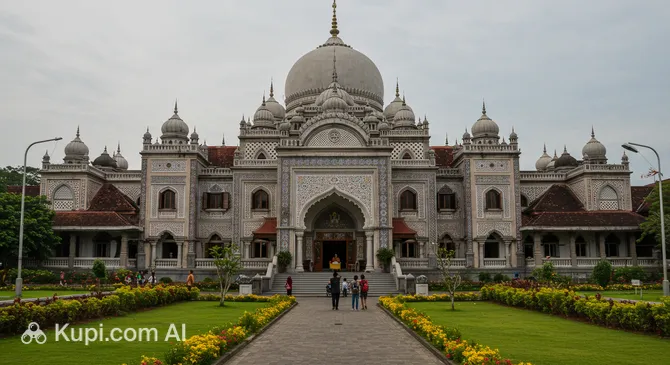
Graha Maria Annai Velangkanni. Source: Kupi.Binoculars
  • One of the most visually confusing yet beautiful structures in the city is Graha Maria Annai Velangkanni. Although it looks strikingly like an Indo-Mogul Hindu temple with its vibrant colors and towering tiers, it is actually a Catholic church dedicated to Our Lady of Good Health, showcasing the city's deep intercultural harmony.

  • During the colonial era, Medan was widely known as "Parijs van Sumatra" or the Paris of Sumatra. This nickname was bestowed upon the city due to its meticulous urban planning, wide tree-lined boulevards, and the immense wealth generated by the surrounding tobacco, rubber, and tea plantations.

  • Medan is arguably the only place in the world where durian season never ends. While the "King of Fruits" is seasonal elsewhere, local supply chains ensure that fresh durian is available 24 hours a day, 365 days a year, making the city a pilgrimage site for lovers of this pungent fruit.

  • The city's streets are ruled by a unique form of transport known as the motorized becak. Unlike rickshaws in other parts of Indonesia, the driver in Medan sits beside the passenger in a sidecar configuration, often powered by vintage motorcycles or modified bikes that add a distinct roar to the city's traffic.

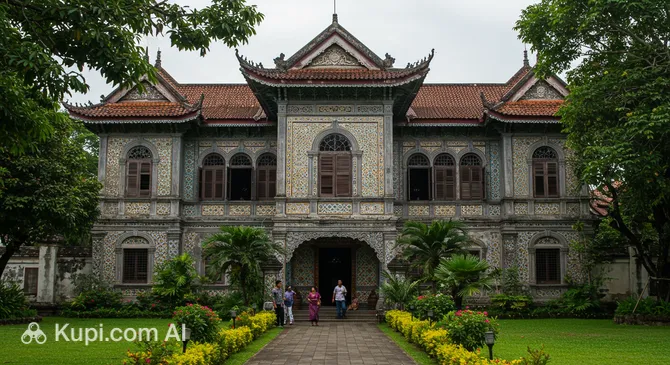
  • The influential Tjong A Fie Mansion was built by a Hakka merchant who was so respected that he was appointed as the "Major of the Chinese" by the Dutch authorities. His home features a rare architectural blend where Chinese, Malay, and European Art Deco styles coexist seamlessly, reflecting the cosmopolitan nature of early 20th-century Medan.

How to Get There

Reaching the capital of North Sumatra is quite convenient, as it serves as a primary gateway to the western Indonesian archipelago. Most international and domestic travelers arrive by air, utilizing the region's modern aviation facilities. For a detailed overview of all transportation modes and routes, you can read more about how to get to Medan to help plan your journey effectively.

The most direct and common way to arrive is via Kuala Namu International Airport (IATA: KNO). Located approximately 23 km from the city center, this is a major international facility welcoming millions of passengers each year. It replaced the old Polonia airport and offers modern amenities and transport connections. A trip from the airport to downtown Medan by taxi or bus typically takes around 55 minutes, though travel times can vary depending on traffic. The airport also features a dedicated rail link that offers a faster alternative to the city center.

For those planning a broader itinerary that includes the famous Lake Toba, Sisingamangaraja XII Airport (IATA: DTB) in the city of Siborongborong is another option. Although it is situated about 152 km from Medan, it is a key regional hub. The road journey from here to Medan is substantial, taking roughly 4 hours, but it places you closer to the highlands. Additionally, international travelers often connect through Penang International Airport (IATA: PEN) in George Town, Malaysia. While it is about 259 km away across the strait, it serves as a significant transit point with frequent short flights connecting to Sumatra.

For clarity, here is a summary of the main airports in the vicinity:

Airport Name City Passenger Traffic Km from City
Kuala Namu International Airport Medan Large 22.9
Penang International Airport George Town Large 259.1
Sisingamangaraja XII Airport Siborongborong Medium 152.0
Gunungsitoli Airport Gunungsitoli Small 289.3
Ferdinand Lumban Tobing Airport Sibolga Small 226.8

Main Attractions

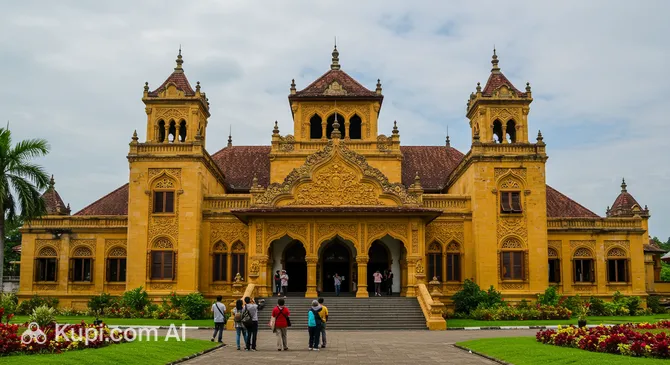
A visit to this city would be incomplete without stepping into the grandeur of the Maimun Palace (Istana Maimun). Built in the late 19th century by the Sultan of Deli, this architectural gem is a stunning fusion of Malay, Islamic, Spanish, Indian, and Italian influences. Its vibrant yellow color, representing Malay royalty, stands out beautifully against the tropical sky. Inside, visitors can explore the throne room, admire the intricate interior designs, and even rent traditional royal costumes for a memorable photo opportunity, offering a tangible connection to the region's aristocratic past.

Maimun Palace. Source: Kupi.Binoculars

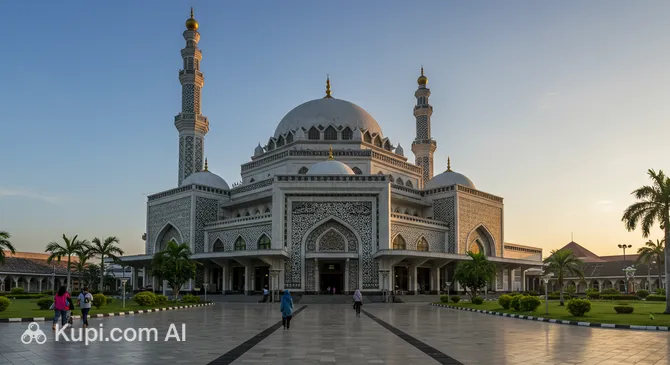
Just a short distance away stands the majestic Great Mosque of Medan (Masjid Raya Al-Mashun). Completed in 1909, this octagonal masterpiece was designed by a Dutch architect and features a unique blend of Middle Eastern, Mogul, and Spanish styles. The mosque is renowned for its imported construction materials, including Italian marble and stained glass from China, creating a serene and awe-inspiring atmosphere. It remains a primary place of worship and a symbol of the city's religious heritage, welcoming visitors to admire its towering domes and elegant corridors.

For a glimpse into the life of a wealthy colonial-era merchant, the Tjong A Fie Mansion is an essential stop. This historical two-story house was built by a prominent Hakka tycoon who played a significant role in the city's development. The mansion is a well-preserved example of Peranakan architecture, combining Chinese, Malay, and Victorian Art Deco elements. Walking through its 35 rooms, courtyards, and gardens feels like stepping back in time, with original furniture and family photographs telling the story of multicultural harmony in early 20th-century Medan.

Tjong A Fie Mansion. Source: Kupi.Binoculars

Nature and wildlife enthusiasts will find the Rahmat International Wildlife Museum & Gallery to be a fascinating educational destination. It houses one of the most comprehensive collections of taxidermy in Asia, displaying thousands of preserved animals from around the world in realistic habitats. From African savannahs to Indonesian rainforests, the exhibits aim to raise awareness about biodiversity and conservation. It is a particularly engaging spot for families, offering a rare chance to see diverse species up close in a single location.

Another spiritual landmark worth visiting is the Gunung Timur Temple (Vihara Gunung Timur), one of the largest Taoist temples in the city. Located near the Babura River, this vibrant complex is dedicated to traditional Chinese beliefs and is adorned with intricate dragon sculptures and colorful murals. The temple provides a peaceful retreat from the city's bustle, where the scent of burning incense and the rhythmic chanting of prayers create a deeply atmospheric experience for observers.

Local Cuisine

Medan is widely revered as one of the culinary capitals of Indonesia, offering a gastronomic landscape that is as diverse as its population. The local cuisine is a flavorful melting pot of Malay, Chinese, Minangkabau, Batak, Indian, and Javanese influences, resulting in dishes that are rich in spices and distinct in character. Food here is not just sustenance; it is a way of life, with eateries open from early morning until late at night to cater to the city's insatiable appetite.

One of the absolute must-try dishes is Soto Medan. Unlike the clear versions found elsewhere in the archipelago, this soup features a thick, savory broth made from coconut milk and a blend of aromatic spices like cumin and turmeric. It is typically served with shredded chicken or beef, potato cakes (perkedel), and rice or rice cakes. Another breakfast staple is Lontong Medan, a dish of compressed rice cakes served with various curries, vegetables, boiled eggs, and topped with crunchy crackers and anchovies.

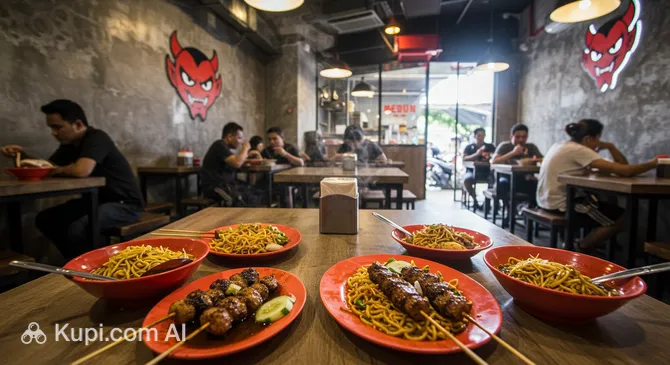
For noodle enthusiasts, the city offers the legendary Bihun Bebek, a duck vermicelli soup known for its intense herbal broth and generous portions of tender duck meat. If you are looking for a spicy kick that is popular with the younger crowd, you might encounter spots like Mie Gacoan, which serves spicy noodle dishes that have become a modern favorite. The city is also famous for its sweets, particularly Bika Ambon, a chewy, honeycomb-textured cake that originated here and serves as the perfect souvenir.

Mie Gacoan. Source: Kupi.Binoculars

When it comes to beverages, the region's fertile soil produces excellent fruits. A signature local drink is Jus Martabe, a refreshing mix of passion fruit (Markisa) and tamarillo (Terong Belanda) that offers a perfect balance of sweet and sour. Coffee culture is also deeply rooted in Medan, thanks to the nearby Sumatran coffee plantations. You can find traditional kedai kopi (coffee shops) on almost every corner, serving robust Sidikalang or Gayo coffee.

The dining scene in Medan ranges from bustling street food stalls known as warungs to elegant restaurants. For a unique dining experience that blends history with modern trends, visitors can explore Pos Bloc Medan. Housed in the city's historic post office building, this creative hub features a variety of food tenants and communal spaces. For those seeking a lively atmosphere with food and drinks in the evening, venues like Bistronomix offer a mix of international and local menus in a stylish setting.

Travel Tips

To help you navigate the bustling streets and vibrant culture of Medan with ease, we have compiled a set of essential guidelines. These practical tips are designed to make your journey through North Sumatra's capital smoother, safer, and more enjoyable, allowing you to focus on the incredible food and heritage.

  1. Clothing and Gear: Given the tropical heat and humidity, pack lightweight, breathable fabrics like cotton or linen. Since rain can occur unexpectedly, a compact umbrella or a light poncho is a must-have. When visiting religious sites like the Great Mosque of Medan or various temples, dress modestly; men and women should cover their shoulders and knees. Comfortable walking shoes are essential for navigating the uneven city sidewalks.
  2. Transportation: Traffic in Medan can be chaotic, so the most convenient way to get around is by using ride-hailing apps like Grab or Gojek, which offer both car and motorbike taxi options at fixed prices. For a truly local experience, try a motorized becak (rickshaw), but be sure to negotiate the fare before hopping in. The Railink train is the fastest and most comfortable option for traveling between Kualanamu International Airport and the city center.
  3. Finances: The official currency is the Indonesian Rupiah (IDR). While credit cards are accepted in malls, hotels, and upscale restaurants, cash is king in traditional markets and street food stalls (warungs). ATMs are widely available throughout the city. Tipping is not strictly mandatory but is appreciated; rounding up the bill or leaving a small amount for good service is a common gesture.
  4. Health and Safety: Tap water is generally not safe for direct consumption; always stick to bottled or filtered water. Pharmacies, known locally as Apotek (chains like Kimia Farma or Guardian), are easy to find and often located in shopping malls. When crossing the street, be extremely cautious and confident, as local drivers rarely stop for pedestrians—raising your hand to signal your intent to cross is a helpful local habit.
  5. Communication: The main language is Bahasa Indonesia. While English is understood in major hotels and tourist attractions, it is less common among street vendors and drivers. Learning a few basic phrases like "Terima kasih" (Thank you) and "Berapa?" (How much?) will go a long way. For mobile data, it is best to purchase a SIM card (e.g., Telkomsel) at the airport upon arrival to ensure your phone's IMEI is properly registered for use in Indonesia.
  6. Local Etiquette: Medan is a culturally diverse city with strong religious values. Always use your right hand for eating, giving money, or shaking hands, as the left hand is considered unclean. It is polite to remove your shoes when entering someone's home and many places of worship. A smile is the universal greeting here; locals are generally very friendly and curious about visitors.
  7. What to Avoid: Avoid public displays of affection, such as kissing or excessive hugging, as this is considered inappropriate in local culture. Also, do not lose your temper or shout in public if things go wrong; maintaining "face" and composure is important in social interactions here.
  8. Culinary Insight: Medan is unique in Indonesia for its distinct separation of food scenes due to its diverse population. You will frequently see signs for "Halal" (permissible for Muslims) and non-Halal (often serving pork, popular among the Batak and Chinese communities). Always check or ask before dining if you have specific dietary restrictions, as the city is famous for both its pork dishes and its halal curries.

Armed with these tips, you are ready to embrace the energetic rhythm of Medan. Whether you are hunting for the best durian late at night or marveling at the city's architectural contrasts, a little preparation ensures that your adventure in this Sumatran metropolis will be a memorable one.

Entertainment & Nightlife

As the sun sets over the bustling streets of North Sumatra's capital, the city transitions from a commercial hub into a lively playground for night owls. The nightlife scene in Medan is vibrant and diverse, catering to those who enjoy energetic live music, relaxed lounges, and the local favorite pastime: karaoke. While the city doesn't have a single concentrated nightlife district like some other Southeast Asian metropolises, many of the best venues are clustered around the city center, particularly near major hotels and the business district, making them easily accessible by taxi.

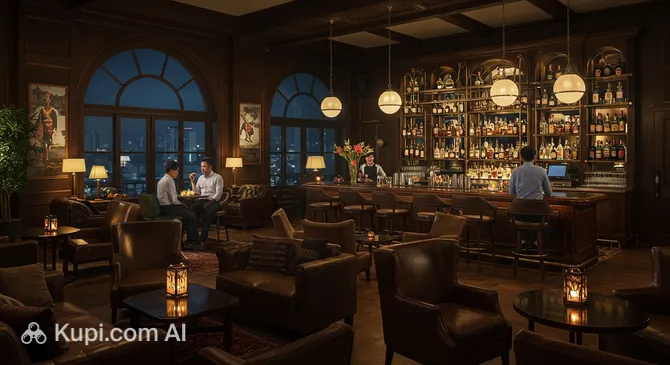
Live music is the heartbeat of evening entertainment here. Locals love bands that play everything from Top 40 hits to classic rock, and the atmosphere is often electric. A staple in the local scene is The Traders Restaurant. Known for its high-energy live bands and crowd-pleasing menu, it is a place where the party often spills from the tables to the dance floor. The venue typically attracts a mix of expatriates and trendy locals, offering a spirited environment to enjoy cocktails and conversation.

The Traders Restaurant. Source: Kupi.Binoculars

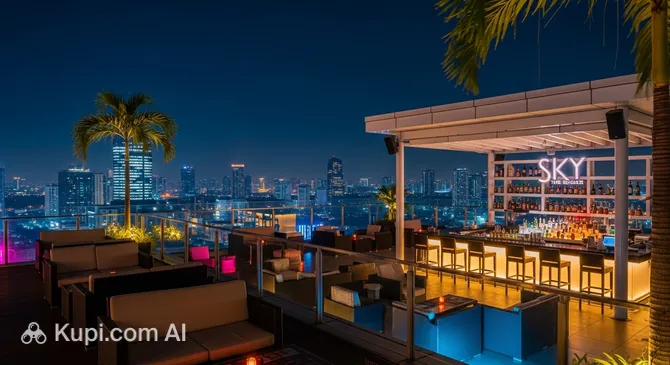
For those seeking a more elevated experience with panoramic views of the glittering skyline, SKY the Oasis Rooftop Bar & Lounge is an excellent choice. Situated on the upper levels of a hotel, this venue offers a sophisticated ambiance perfect for a romantic evening or a chill night out with friends. The dress code in such establishments is generally smart casual—avoiding flip-flops and sleeveless shirts for men is recommended. It is the perfect spot to feel the tropical breeze while sipping on a signature drink.

SKY the Oasis Rooftop Bar & Lounge. Source: Kupi.Binoculars

Karaoke is a serious affair in Indonesia, and Medan is no exception. Families and groups of friends frequently book private rooms to sing their hearts out in comfort. Happup Karaoke Iskandar Muda is a popular family-friendly chain that provides clean, modern facilities and an extensive song list. It’s a fun, safe, and affordable way to spend the evening, usually open until late. Prices for nightlife in the city are generally reasonable compared to Jakarta or Bali, though imported alcohol can be pricier due to taxes.

When navigating the city at night, safety and convenience should be your priorities. The most reliable way to get around is by using ride-hailing apps like Grab or Gojek, or by hailing a Bluebird taxi. Avoid walking alone in dimly lit or quiet areas late at night; sticking to busy main roads and venues with security is best. The city is generally safe for tourists who exercise common sense, but keeping an eye on your belongings in crowded places is always wise.

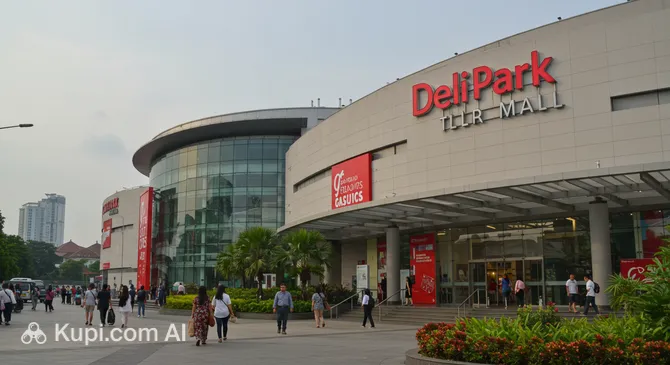
Before the sun goes down, the city offers plenty of daytime diversions beyond historical sightseeing. Shopaholics will find paradise in the modern DeliPark Mall, a massive lifestyle complex featuring an outdoor park and upscale retail brands. For a dose of culture and history, the State Museum of North Sumatra (Museum Negeri) provides deep insights into the region's ethnic diversity. Meanwhile, families looking for fun in the water can head to Merci Waterpark and Resto, a themed park that offers a refreshing escape from the tropical heat.

DeliPark Mall. Source: Kupi.Binoculars

Parks & Museums

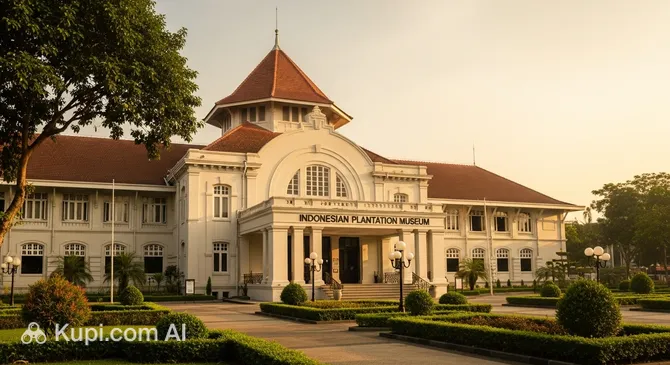
Beyond its bustling markets and culinary delights, the city offers several fascinating museums and green spaces that provide insight into the region's rich heritage and natural beauty. A great starting point for understanding the city's economic roots is the Indonesian Plantation Museum (Museum Perkebunan Indonesia). Housed in a historical colonial building, this museum chronicles the development of the tobacco and rubber industries that transformed Medan into a wealthy commercial hub during the Dutch era. Exhibits include vintage farming tools, photographs, and dioramas that narrate the story of the "Planter" lifestyle.

Indonesian Plantation Museum. Source: Kupi.Binoculars

For those interested in the diverse cultural fabric of the province, the State Museum of North Sumatra (Museum Negeri) is an essential stop. It features an extensive collection of artifacts representing the various ethnic groups of the region, including the Batak, Nias, and Malay communities. Visitors can admire traditional textiles like Ulos, ancient weaponry, and intricate stone carvings. Another notable historical site is the TNI Struggle Museum, which preserves military memorabilia and weapons from the war for independence, offering a glimpse into the local spirit of resistance.

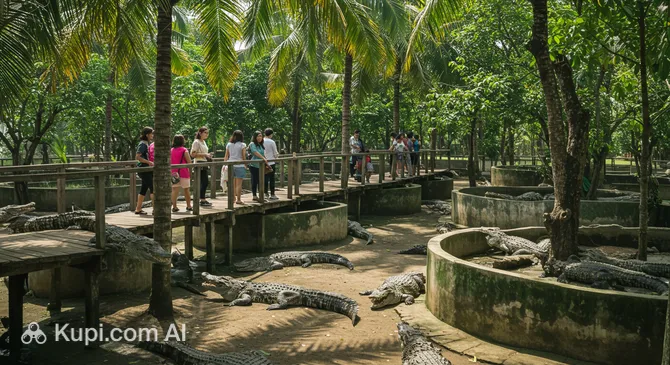
Nature enthusiasts looking for a unique experience within the city limits should visit the Asam Kumbang Crocodile Farm. Located in a residential area, this is one of the largest reptile sanctuaries in the country. It is home to thousands of crocodiles of different ages and sizes, living in a large swampy enclosure. It offers a rare opportunity to observe these ancient predators up close in a controlled environment.

Asam Kumbang Crocodile Farm. Source: Kupi.Binoculars

For a more serene escape, Sri Deli Park offers a slice of history across from the Great Mosque. Once the private garden of the Sultan of Deli, it features a pool and relaxing walkways, serving as a quiet refuge from the city's traffic. Bird watchers will be delighted by the Cemara Asri Bird Park. Situated within a housing complex, this open sanctuary attracts thousands of wild egrets and herons. The best time to visit is at dusk, when flocks of birds return to their nests, creating a mesmerizing natural spectacle.

Although it requires a journey outside the city, Medan is the primary gateway to the world-renowned Gunung Leuser National Park. A UNESCO World Heritage site, this dense tropical rainforest is one of the last refuges for the critically endangered Sumatran orangutan. Day trips or longer trekking expeditions can be arranged from the city to Bukit Lawang, the park's main entry point, offering an unforgettable adventure into the heart of the jungle.

Gunung Leuser National Park. Source: Kupi.Binoculars

Getting Around

Navigating Medan offers a distinct choice between modern convenience and traditional adventure. The city's public transport system has recently been upgraded with the introduction of the Trans Metro Deli, a modern bus service that provides a comfortable and reliable way to travel between major districts. These buses are air-conditioned, have designated stops, and operate on fixed routes, making them the most tourist-friendly option for getting around the main thoroughfares. They are easily recognizable by their green and red livery and offer a stark contrast to the chaotic traffic surrounding them.

For a more local and authentic experience, you will see thousands of colorful minivans known as Sudako or Angkot roaming the streets. These serve as the backbone of the city's transport for locals. They do not have fixed stops; instead, passengers simply wave a hand to hail one and shout "Pinggir!" (to the side) when they wish to get off. While they are extremely cheap, the routes can be confusing for visitors who are unfamiliar with the area, and the vehicles are often crowded and lack air conditioning.

A unique feature of the city's streetscape is the motorized Becak. Unlike the cycle rickshaws found elsewhere, these are powered by vintage motorcycles attached to a sidecar. They are perfect for short distances and navigating narrow lanes where buses cannot go. Riding a becak is often considered a "must-do" experience, offering a breezy, albeit noisy, open-air tour of the neighborhoods. However, they do not run on meters, so it is essential to negotiate and agree on a fare with the driver before stepping in.

Regarding payment, the systems vary significantly by mode of transport. The Trans Metro Deli buses operate on a strictly cashless system. You cannot pay the driver with cash; instead, you must use a prepaid electronic money card (such as E-Money, Flazz, Brizzi, or TapCash). These cards can be purchased and topped up at widespread convenience store chains like Indomaret or Alfamart. A single trip is very affordable, typically costing around 4,300 IDR. Conversely, Sudako and becaks operate exclusively on cash. It is advisable to carry small denominations (2,000 to 10,000 IDR notes) to pay the exact fare, as drivers often struggle to provide change for large bills.

For tourists who prioritize comfort and ease, ride-hailing apps are the most recommended alternative. Services like Grab and Gojek are ubiquitous and offer both car (GrabCar/GoCar) and motorbike taxi (GrabBike/GoRide) options. The apps provide fixed prices, eliminating the need for haggling, and overcome language barriers since you input your destination digitally. Conventional taxis are also available, with Bluebird being the most reputable company known for using meters honestly. Whether you choose the modern bus, a digital taxi, or a rattling becak, getting around is an integral part of the local adventure.

Accommodation

Accommodation in Medan caters to a wide spectrum of travelers, reflecting its status as a major commercial and tourism hub. The city offers everything from budget-friendly hostels and guesthouses (often referred to as "wisma") to mid-range business hotels and luxurious five-star properties. Since the city is a primary entry point for North Sumatra, the hospitality standards are generally high, with many establishments providing modern amenities, air conditioning, and excellent service to welcome international guests.

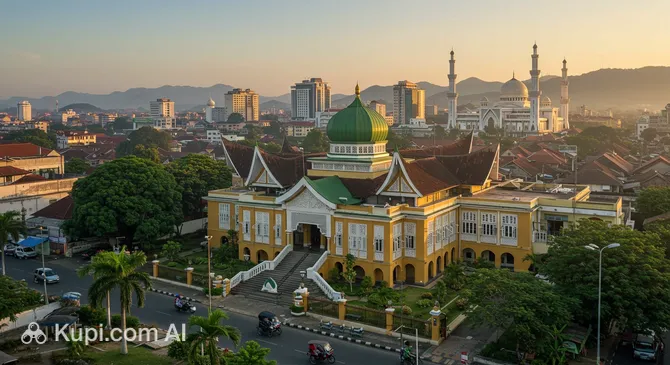
For most tourists, the most convenient area to stay is the city center, particularly around the Kesawan district and the areas surrounding Merdeka Square. Staying here places you within walking distance of historical colonial buildings and culinary hotspots. It is also a strategic location for those who wish to be close to major landmarks such as the Great Mosque of Medan. This area allows travelers to immerse themselves in the city's heritage while having easy access to transport options.

Great Mosque of Medan. Source: Kupi.Binoculars

Another popular district for accommodation is the area around the major shopping centers, such as the vicinity of Sun Plaza and the diplomat area near the Polonia district. These neighborhoods are more modern and offer a slightly more upscale environment, with plenty of cafes, restaurants, and malls just a short stroll away. It is an ideal choice for travelers who prefer urban conveniences and a lively evening atmosphere close to their hotel.

When planning your trip, it is advisable to book your accommodation in advance, especially if you are visiting during major Indonesian holidays like Idul Fitri (Lebaran), Christmas, or the Chinese New Year. During these peak periods, room rates can increase, and popular hotels fill up quickly. However, for the rest of the year, it is usually easy to find a room upon arrival, though booking online often secures better rates.

In terms of pricing, Medan is generally very affordable compared to other major Southeast Asian cities. Budget travelers can find comfortable rooms for a very low cost, while luxury seekers can enjoy premium suites at a fraction of the price found in Jakarta or Bali. Most accommodations can be easily booked through major international travel platforms or local Indonesian apps like Traveloka and Tiket.com, which often offer exclusive domestic deals.

Nearby Cities

For those looking to explore the surroundings, Medan serves as an excellent base for day trips to several interesting nearby locations. The province of North Sumatra offers a rich variety of landscapes, from bustling satellite cities to cultural hubs that provide a refreshing contrast to the metropolis.

One of the most accessible destinations is Binjai, located just a short drive west of the capital. Famous across the archipelago for its exceptionally sweet rambutans, this city offers a laid-back atmosphere and a vibrant culinary scene. It is a perfect spot for a quick afternoon getaway to enjoy local street food and experience the charm of a smaller Sumatran town without venturing too far.

For a slightly longer journey, Pematangsiantar is a fascinating stop, typically reached in about two to three hours. Often visited as a transit point en route to Lake Toba, it has its own unique attractions, including the towering Statue of Avalokitesvara and a rich collection of colonial-era heritage. The city is also renowned for its local bakeries, making it a favorite destination for food souvenirs.

City Population Distance (km)
Pematangsiantar 278,055 82
Binjai 269,053 19
Padangsidempuan 225,544 255
Lhokseumawe 180,200 244

These nearby destinations offer a glimpse into the diverse culture and landscapes of the region, allowing travelers to experience the broader charm of North Sumatra beyond the city limits.

Shopping & Souvenirs

Shopping in Medan offers a dynamic mix of modern luxury and traditional charm, reflecting the city's status as a major trading hub. Visitors can transition seamlessly from air-conditioned high-end malls to bustling street markets filled with the aroma of spices and the vibrant colors of local textiles. Whether you are looking for designer fashion, authentic handicrafts, or the city's famous culinary souvenirs, the retail landscape here caters to every taste and budget.

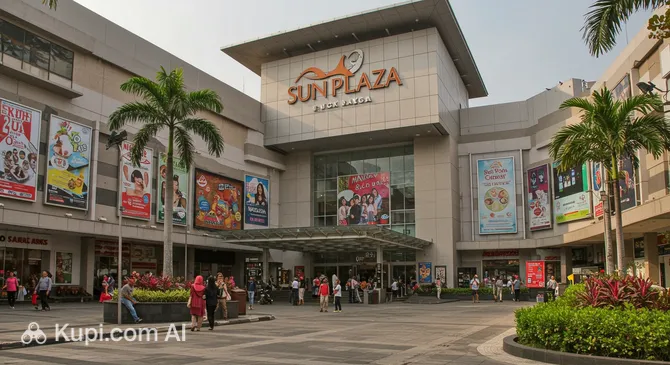
For a contemporary shopping experience, Sun Plaza is one of the most popular destinations in the city. Located in the strategic Zainul Arifin area, this upscale mall houses a wide array of international brands, a cinema, and diverse dining options, making it a favorite hangout for fashionable locals and tourists alike.

Sun Plaza. Source: Kupi.Binoculars

Another key lifestyle hub is DeliPark Mall, which is part of a modern superblock complex. It features a spacious outdoor park area and a comprehensive selection of retail tenants, offering a sophisticated atmosphere for those who wish to shop and relax in style. These malls are excellent places to find branded goods, electronics, and comfortable cafes to rest in between shopping sprees.

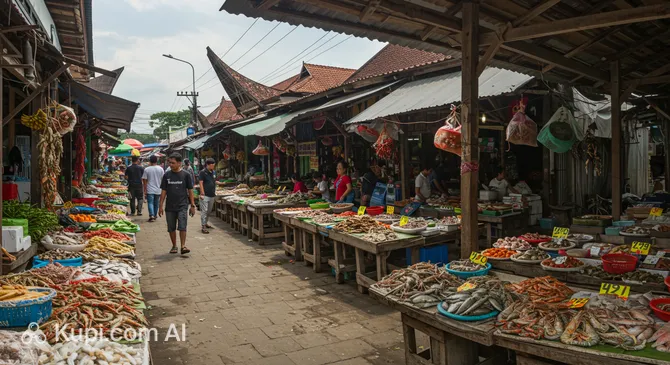
To dive into the local culture, a visit to the Old Fish Market Medan (Pajak Ikan Lama) is essential. Despite its misleading name, this historic market is not a place for seafood but is the premier destination for textiles. It is the best place to find high-quality fabrics, traditional batik, and Muslim wear at wholesale prices. The narrow alleys are packed with stalls, and it is a great spot to practice your bargaining skills.

Old Fish Market Medan. Source: Kupi.Binoculars

No trip to Medan is complete without bringing back some of its legendary culinary treats. The city is famous for Bika Ambon, a sweet, yellow sponge cake with a unique honeycomb texture, and Bolu Meranti, a rich rolled cake that often has long queues of customers. For non-food items, the traditional Batak hand-woven cloth known as Ulos makes for a meaningful and beautiful cultural souvenir. Passion fruit syrup (Sirup Markisa) made from fruit grown in the nearby highlands is another popular gift to take home.

Most shopping malls in the city operate daily from approximately 10:00 AM to 10:00 PM. Traditional markets, however, start much earlier, often opening at sunrise and winding down by late afternoon, around 5:00 PM. While credit and debit cards are widely accepted in malls and supermarkets, cash is the primary mode of payment in traditional markets and smaller souvenir shops. It is advisable to carry Indonesian Rupiah (IDR) in smaller denominations when exploring street stalls.

International tourists visiting Indonesia may be eligible for a Value Added Tax (VAT) refund on goods purchased at participating stores. Look for the "Tax Free Shop" signage in major shopping centers. To claim the refund, you generally need to spend a minimum amount in a single receipt and present your passport, so be sure to inquire at the customer service desk of large department stores if you plan on making significant purchases.

Reached the end of the page?

That means the route is fully explored