Support

Lhokseumawe

About

Lhokseumawe, situated in the Aceh province, is a vibrant coastal city that offers a unique blend of cultural heritage and natural beauty. As the second-largest city in the region, it serves as a bustling hub on the northern coast of Sumatra, welcoming travelers to explore a distinct and authentic side of Indonesia. Known for its friendly locals and relaxed pace of life, the city provides a fascinating glimpse into the traditions of northern Sumatra.
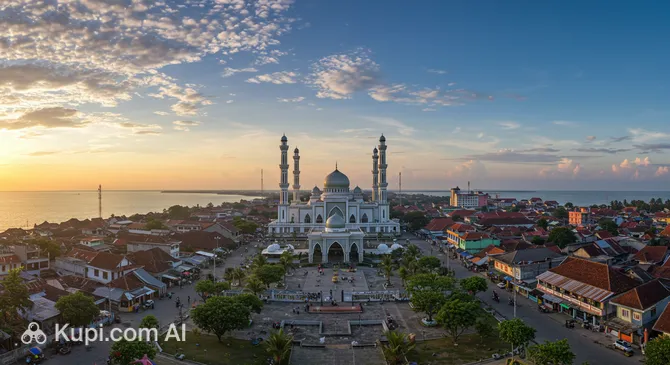
Lhokseumawe. Source: Kupi.Binoculars

Geographically, the city is strategically located along the Strait of Malacca, which has long been a vital maritime route. With a population of approximately 180,000 residents, Lhokseumawe maintains a lively atmosphere without the overwhelming crowds of a metropolis. The climate is typically tropical, offering warm temperatures year-round that are perfect for enjoying the coastal breeze and outdoor activities.

The history of Lhokseumawe is deeply rooted in its evolution from a humble fishing settlement to a significant center of trade and industry. This legacy is reflected in the city's landmarks and community life. One of the most striking features is the Islamic Center Lhokseumawe, a magnificent mosque that dominates the skyline with its impressive Middle Eastern-inspired architecture. It stands not only as a place of worship but also as a symbol of the city's identity.

For nature lovers and those seeking relaxation, Ujong Blang Beach is a must-visit destination. It is a popular spot where visitors can unwind on the sand, watch local fishermen at work, and witness breathtaking sunsets over the water. Additionally, the Jeulikat Reservoir offers a scenic escape with its calm waters and surrounding greenery, ideal for a peaceful afternoon walk. Whether you are here to admire the architecture or taste the renowned local coffee, Lhokseumawe invites you to discover its hidden charms.

Weather Overview

Travelers to Lhokseumawe can expect a warm, tropical climate that remains remarkably consistent throughout the year. The average temperatures generally stay between 26°C and 28°C, making it suitable for outdoor activities at almost any time. May is typically the warmest month, with highs reaching just over 30°C, while the coolest nights occur in January and December, dropping to around 23.5°C.

Rainfall is a significant part of the local weather pattern, with a high frequency of wet days observed in every month. February is relatively the driest period, though it still sees about 20 days with some rain, whereas November can be quite wet with precipitation occurring almost daily. For precise forecasts and monthly averages, you can consult the guide to weather in Lhokseumawe. Generally, visitors should be prepared for warm days accompanied by regular showers, especially towards the end of the year.

Interesting Facts

Beyond the main attractions and bustling streets, Lhokseumawe holds fascinating stories that add depth to its character. Here are a few unique facts that reveal the hidden side of this coastal city:

  • The Swirling Waters: The name "Lhokseumawe" is derived from two Acehnese words: "Lhok," meaning a deep bay or ocean trench, and "Seumawe," referring to swirling water. This poetic title describes the natural whirlpools that were historically found along the coast, marking the city's relationship with the deep sea currents of the Malacca Strait.

  • The Petro Dollar City: For decades, the city was widely known by the nickname "Kota Petro Dolar" (Petro Dollar City). This moniker emerged in the 1970s following the discovery of massive natural gas reserves in the nearby Arun field, which rapidly transformed a quiet fishing town into one of the most significant industrial hubs in Southeast Asia.

  • A Connection to a Legend: Lhokseumawe shares a surprising link with the golden age of Malaysian cinema. Teuku Nyak Puteh, the father of the legendary artist P. Ramlee, was a sailor who hailed from this city before migrating to Penang. This historical connection makes the city a place of sentimental interest for fans of classic Malay entertainment.

  • Geography of the Center: The downtown area of the city is geographically unique; it sits on what is essentially an island separated from the main landmass of Sumatra by the Krueng Cunda River. Connected by bridges, this layout gives the city center a distinct atmosphere, almost entirely surrounded by water.

How to Get There

Reaching Lhokseumawe typically involves traveling through one of the major gateways in northern Sumatra, as the city is situated between two provincial capitals. While there are local transport options, most international and long-distance travelers arrive by air at a larger hub and continue their journey by road. You can find more details about all ways to reach the city on our dedicated page.

The city of Lhokseumawe does not have its own major international airport listed here, but you can fly into Sultan Iskandar Muda International Airport (BTJ) in the city of Banda Aceh, which is about 195 km from Lhokseumawe. This airport serves as a convenient entry point for the region, and the subsequent trip by taxi or bus takes approximately 5 hours. Alternatively, you can arrive at Kuala Namu International Airport (KNO) in Medan. Although it is located about 257 km away, it is a significant hub with large passenger traffic, offering extensive connections. The overland journey from Medan to Lhokseumawe generally takes around 7 hours.

For clarity, here is a summary of the main airports:

Airport Name City Passenger Traffic Km from City
Kuala Namu International Airport Medan Large 257.1
Sultan Iskandar Muda International Airport Banda Aceh Medium 194.5

Regarding rail travel, Lhokseumawe is not currently connected to a major long-distance railway network that spans the island of Sumatra. While there have been local railway developments in Aceh, they do not yet serve as a primary mode of transport for tourists arriving from Medan or Banda Aceh. Visitors are advised to rely on intercity buses, rental cars, or travel shuttles to reach the city comfortably.

Main Attractions

The crown jewel of the city is undoubtedly the Islamic Center Lhokseumawe. This grand mosque is not only a place of worship but also a stunning architectural landmark that defines the city's skyline. With its massive domes and towering minarets inspired by Middle Eastern designs, it serves as a central hub for religious and community events. Visitors are often captivated by the sheer scale of the structure and the peaceful atmosphere within its grounds, making it a perfect spot to appreciate the local culture and spiritual devotion.

For those seeking a coastal escape, Ujong Blang Beach remains the most popular seaside destination in the area. Located just a short distance from the city center, this beach is famous for its lively yet relaxed vibe, where families and friends gather to enjoy the ocean breeze. It is an excellent location to witness spectacular sunsets over the Malacca Strait. While there, tourists should try the local specialty, "Rujak Ujong Blang," a refreshing fruit salad that is a favorite culinary treat among residents.

Nature enthusiasts will find tranquility at the Jeulikat Reservoir (Waduk Jeulikat), a scenic recreational area tucked away in the Blang Mangat district. Once a simple water catchment area, it has been transformed into a beautiful park complete with decorative staircases, gazebos, and lush gardens surrounding the calm water. It offers a refreshing break from the urban heat and provides a picturesque backdrop for leisurely walks or photography, especially in the late afternoon.

Another fascinating site is Blang Panyang Hill, which is home to the historic Japanese Cave (Gua Jepang). This relic from the World War II era offers a glimpse into the region's past, featuring a network of tunnels and fortifications built for defense. Beyond its historical significance, the hill is a favorite vantage point for travelers. From the top, you can enjoy panoramic views of the coastline and the vast greenery, offering a unique perspective of Lhokseumawe’s landscape where history meets natural beauty.

Local Cuisine

The culinary scene in Lhokseumawe is a delightful reflection of the broader Acehnese food culture, known for its bold spices, rich aromas, and heavy use of herbs. Visitors should prepare their palates for dishes that are often spicy and savory, featuring ingredients like curry leaves, lemongrass, and coconut milk. One of the absolute must-try dishes is Mie Aceh, a spicy noodle dish served with slices of beef, goat, or seafood. It comes in three variations: fried (goreng), semi-wet (tumis), or with soup (kuah), and is typically accompanied by pickled onions and emping crackers to balance the heat.

Another local favorite that dominates the street food scene is Sate Matang. Unlike the typical satay found elsewhere in Indonesia, these skewers of mutton or beef are marinated in spices and served with a bowl of savory herbal broth (soto) and peanut sauce. It is a hearty meal often enjoyed with warm rice. For a refreshing snack, particularly when visiting the coast, you cannot miss Rujak Ujong Blang. This local version of fruit salad is famous for its distinct sauce made from palm sugar, peanuts, and chili, offering a perfect mix of sweet, sour, and spicy flavors that complements the tropical weather.

The drinking culture in Lhokseumawe revolves passionately around coffee rather than alcohol, as the region observes Islamic traditions. Coffee shops, or warung kopi, are the heartbeat of social life here, bustling with activity from morning until late at night. You should try Kopi Sanger, a legendary Acehnese specialty consisting of black coffee mixed with a little condensed milk and sugar, pulled to perfection to create a frothy layer. It is smaller and stronger than a latte but incredibly smooth. Fresh fruit juices, such as iced cucumber with lime, are also popular for cooling down on hot days.

Dining in Lhokseumawe is generally a casual and communal affair. While there are indoor restaurants, the most authentic experiences are found in open-air eateries and night markets where locals gather to socialize. The atmosphere is laid-back and welcoming, with food often prepared fresh in front of customers. Whether you are sitting in a modern cafe in the city center or enjoying a meal by the seaside, the food culture here is defined by generous portions, strong flavors, and a warm sense of hospitality.

Travel Tips

Visiting Lhokseumawe offers a distinct experience compared to other parts of Indonesia due to its strong Islamic heritage and conservative values. To ensure a smooth and respectful journey while enjoying the city's warm hospitality, here are some practical guidelines to help you navigate the local lifestyle.

  1. Clothing and Gear: As Lhokseumawe is located in the Aceh province, adhering to modest dress codes is essential. Women should wear loose-fitting clothing that covers the arms and legs, and carrying a scarf to cover the head is highly recommended out of respect. Men should wear long trousers; wearing shorts in public is generally frowned upon. Since the climate is tropical and humid, choose lightweight, breathable fabrics like cotton or linen.

  2. Transportation: The city does not have a metro or train system for local travel. The most common way to get around is by becak motor (motorized pedicabs), which are perfect for short distances; be sure to negotiate the fare before hopping in. Ride-hailing apps like Gojek and Grab are also available and offer a convenient, fixed-price alternative for cars or motorbike taxis.

  3. Finances: The currency is the Indonesian Rupiah (IDR). While some hotels and larger restaurants accept cards, cash is king in Lhokseumawe, especially for street food and local markets. Note that Aceh has a unique banking system based on Islamic principles; major national banks operate via their Sharia branches (e.g., BSI, Bank Aceh). International Visa and Mastercard are generally accepted at these ATMs, but it is wise to carry enough cash as a backup.

  4. Health and Safety: Lhokseumawe is generally safe for tourists, but standard precautions against petty theft should be taken. Pharmacies (Apotek) are widely available for basic supplies. It is advisable to drink only bottled or filtered water to avoid stomach issues. Also, pack mosquito repellent, as the tropical setting can bring insects, particularly in the evenings.

  5. Communication: The primary language is Indonesian (Bahasa Indonesia), while locals often speak Acehnese among themselves. English is not widely spoken outside of major hotels or academic circles, so downloading a translation app or learning basic phrases like "Terima kasih" (Thank you) will be very helpful. For internet access, purchasing a Telkomsel SIM card typically ensures the best coverage in the region.

  6. Local Etiquette: Politeness is highly valued. When greeting people, a handshake (using the right hand) followed by touching your hand to your heart is a common gesture of respect. Always use your right hand for eating, giving, or receiving items, as the left hand is considered unclean. During the call to prayer (Adhan), music is often turned off, and the pace of life slows down; showing patience during these times is appreciated.

  7. What to Avoid: Strictly avoid public displays of affection (PDA), such as hugging or kissing, as this is considered offensive and violates local norms. Additionally, alcohol is prohibited in Aceh province. Do not attempt to bring alcohol into the city or ask for it in restaurants, as consuming or selling it is illegal.

  8. Friday Routine: Be aware that on Fridays, the pace of the city changes significantly. From around 11:30 AM to 2:00 PM, most shops, markets, and restaurants will close for the Friday congregational prayer (Jumu'ah). It is best to plan your lunch or activities before or after this window, as the streets become very quiet.

By respecting these local customs and arriving with an open mind, you will find that the people of Lhokseumawe are incredibly welcoming and eager to share their culture. These small adjustments to your travel routine will open doors to authentic interactions and a deeper appreciation of this unique coastal city.

Entertainment & Nightlife

Entertainment and nightlife in Lhokseumawe differ significantly from what many international travelers might expect. Due to the strict implementation of Sharia law in the Aceh province, there are no nightclubs, bars, pubs, or discotheques serving alcohol. Instead, the city’s nightlife is defined by a vibrant and deeply ingrained coffee culture. As the sun sets, the streets do not empty; they fill with locals heading to modern "coffee bars" and traditional warung kopi to socialize, watch football matches, and enjoy live acoustic music until the early hours of the morning.

The heart of this social scene is concentrated in the city center, particularly around Jalan Merdeka and Jalan Samudera. Here, the atmosphere is lively yet relaxed, characterized by the aroma of strong Robusta coffee and the sound of animated conversation. The crowd is diverse, ranging from students and young professionals to families. The dress code is strictly modest; men typically wear long pants, and women should ensure their heads and arms are covered, even when socializing late at night.

For a taste of the local "clubbing" experience—Acehnese style—you should visit Station Coffee Premium. This venue is one of the most popular hangouts in the city, offering a modern, spacious environment that rivals trendy cafes in Jakarta. It is bustling every night, often featuring live bands playing pop or traditional songs. Another favorite spot is Platinum Coffee, known for its comfortable setting and extensive menu of local coffee blends and snacks. These venues typically stay open very late, often until 2:00 AM or 3:00 AM, serving as the primary social hubs for the community.

Beyond coffee, the Jeulikat Reservoir (Waduk Jeulikat) transforms into a beautiful evening destination. While it is a scenic nature spot by day, at night the area is illuminated with decorative lights and fountains, creating a magical atmosphere. It is a favorite place for families and couples to take a night walk, enjoy the cool breeze, and grab a bite from the surrounding food stalls. The area is safe, well-paved, and offers a different vibe from the busy downtown streets.

Culinary exploration is another pillar of Lhokseumawe's nightlife. The area around Jalan Sukaramai becomes a hotspot for street food lovers after dark. Here, you can find night markets selling everything from Martabak Aceh to grilled seafood. The best time to head out is around 9:00 PM when the air cools down and the streets are most active. Prices are incredibly affordable, with a full meal and premium coffee rarely costing more than a few dollars.

Regarding daytime entertainment, the city offers more low-key options compared to its nocturnal coffee scene. Families often visit Waterboom Taman Mangat Ceria, a local water park that provides fun slides and pools for cooling off in the tropical heat. For those interested in culture, a visit to the local museums or historical markers related to the Samudra Pasai kingdom offers educational insight, though these are best visited in the morning or late afternoon to avoid the midday sun.

Safety in Lhokseumawe at night is generally very high. Violent crime is rare, and the city center remains well-populated late into the night. However, it is advisable to stick to well-lit main roads and avoid unlit alleyways. Public transport options like labi-labi (minivans) stop running in the evening, so the best way to get around is by using ride-hailing apps like Gojek or Grab, or by hiring a motorized pedicab (becak). Always ensure you have cash on hand, as digital payments may not be accepted at smaller night stalls.

Parks & Museums

While Lhokseumawe is often recognized for its industrial significance and coastal views, the city also possesses a collection of green spaces and cultural institutions that narrate its storied past. Visitors can explore a mix of manicured city parks, expansive reservoirs that double as recreational areas, and museums that preserve the legacy of the powerful Islamic sultanates that once ruled this region.

Taman Riyadhah serves as the central green lung of the city, located strategically opposite the Grand Mosque. This park is a favorite gathering spot for locals, offering a shaded respite with its large trees and paved pathways. It is particularly lively in the late afternoon when families come to relax and children play in the open spaces. The park's proximity to the city center makes it an excellent place for tourists to observe local daily life and enjoy a quiet moment amidst the urban bustle.

Another significant outdoor area is the Pusong Reservoir (Waduk Pusong). While it functions as a flood control reservoir, it has evolved into one of the city's premier recreational zones. A paved promenade encircles the water, making it a popular track for jogging and cycling. In the evenings, the area transforms as food vendors set up stalls, and visitors gather to watch the sunset reflect off the calm water, offering a different perspective of the city compared to the coastal beaches.

For a deep dive into local heritage, the Lhokseumawe City Museum is an essential stop. Housed in a traditional Acehnese structure known as a Rumoh Aceh, the museum itself is an architectural exhibit, raised on stilts with a wooden facade. Inside, it displays a curated collection of traditional weapons, household tools, ancient manuscripts, and jewelry that reflect the daily life and customs of the Acehnese people throughout history. It provides an intimate look at the cultural identity of the region.

Although situated just outside the city limits in the neighboring North Aceh district, the Samudra Pasai Ocean Museum is the most critical historical institution for visitors to Lhokseumawe. It stands near the site of the former Samudra Pasai Sultanate, the first Islamic kingdom in Indonesia. The museum houses archaeological finds, including ancient gold coins (dirhams), tombstones, and ceramics that trace the area's role as a bustling international trade hub centuries ago.

In terms of monuments, the Kuta Pase Monument is a notable landmark. This structure is designed with motifs representing the grandeur of the Pase Kingdom and serves as a symbol of the region's resilience and historical pride. It is a photogenic spot that connects the modern city with its royal ancestry.

For a truly authentic experience, take a morning walk along the Cunda River bridges. While not a formal park, the riverbanks offer a glimpse into the traditional fishing lifestyle, where you can see colorful wooden boats docked and locals preparing for their day at sea. It is a peaceful, uncurated slice of Lhokseumawe life that many tourists miss.

Getting Around

The public transport system in Lhokseumawe is relatively simple and informal compared to larger metropolitan areas. There is no metro, tram, or city train network. Instead, the city relies on road-based transportation, primarily consisting of public minivans and motorized rickshaws. For tourists, getting around is generally affordable and offers a chance to experience the local way of life up close.

The most common form of public transport is the Labi-labi (also known locally as Sudako). These are modified minivans that serve as public buses, operating on fixed routes throughout the city and to surrounding districts. They do not have designated stops with timetables; instead, you simply wave your hand to flag one down from the side of the road. To get off, you notify the driver or press a buzzer if available. While they are the most economical way to travel, the routes can be confusing for newcomers, so it is helpful to ask the driver or a local if the van passes your destination before boarding.

For a more direct and culturally distinct mode of transport, look for the Becak Motor. These are motorbikes with an attached sidecar, capable of carrying one or two passengers comfortably. They are ubiquitous in the city and can navigate small alleys that cars cannot reach. Unlike the labi-labi, these do not have fixed prices. It is essential to negotiate the fare with the driver before you get in. A short trip within the city center typically costs between 10,000 and 20,000 IDR, but prices can vary based on distance and your bargaining skills.

Modern ride-hailing apps have become a popular and convenient alternative for visitors who prefer fixed pricing. Gojek and Grab are widely available in Lhokseumawe, offering both motorbike taxis (ojek) for solo travelers and cars for groups. Using these apps eliminates the language barrier associated with negotiating fares and provides a safer, tracked journey. Payment can be made via the app using a linked card or e-wallet, but paying cash directly to the driver upon arrival is also a standard and widely accepted practice.

Regarding payment for traditional transport, cash is the only option. Drivers of labi-labi and becak motor do not accept credit cards or travel passes. It is highly recommended to carry small denominations of the local currency, such as 2,000, 5,000, and 10,000 notes, as drivers may struggle to provide change for large bills. You pay the driver directly at the end of your trip.

Operating hours for public transport are somewhat limited. Labi-labi generally run from early morning until late afternoon, with frequency dropping significantly after sunset (around 6:30 PM). Becak drivers can be found later in the evening, especially around busy food markets and coffee shops, but they are less frequent late at night. Ride-hailing apps operate 24 hours, though finding a driver after midnight might take longer.

For those who prefer independence, motorbike rental is a viable option, though formal rental agencies are scarce compared to major tourist hubs. You may need to ask at your hotel or a local guesthouse for recommendations. Walking is also quite feasible if you are staying in the city center, as many key landmarks, markets, and the central mosque are within a comfortable walking distance of each other.

Accommodation

Accommodation in Lhokseumawe primarily caters to business travelers and those passing through on their journey across Sumatra. Visitors should not expect sprawling luxury resorts or international five-star hotel chains. Instead, the city offers a solid selection of mid-range business hotels, clean and functional inns, and numerous budget-friendly guesthouses known locally as wisma or losmen. The options are generally simple but comfortable, reflecting the city's industrious and practical character.

The most convenient area to stay is undoubtedly the City Center (Pusat Kota), particularly around the Grand Mosque (Islamic Center) and Jalan Merdeka. Staying here places you within walking distance of the vibrant coffee shop scene, night markets, and local eateries. For those who prefer a location with easier access to the main highway for a quick departure, the Cunda district—the gateway connecting the city center to the mainland—is a strategic choice. There are also a few accommodations near Ujong Blang for travelers seeking proximity to the sea, though these are less central.

When booking accommodation in Lhokseumawe, it is crucial to be aware of the local regulations based on Islamic law (Sharia). Couples traveling together are almost always required to present a valid marriage certificate (Surat Nikah) upon check-in. Unmarried couples are generally not permitted to share a room. Solo travelers and families will find the check-in process straightforward, but it is always wise to carry identification and dress modestly in common areas.

In terms of pricing, Lhokseumawe is a very affordable destination. Budget rooms can often be found for under $15 USD per night, while mid-range hotels offering air conditioning, hot water, and breakfast typically range from $20 to $40 USD. While major Indonesian travel apps and some international platforms cover the larger hotels, many smaller guesthouses still rely on direct phone bookings or walk-ins. It is advisable to have cash on hand, as smaller establishments may not accept credit cards.

Nearby Cities

For those looking to explore the surroundings, Lhokseumawe serves as an excellent base for day trips to several interesting nearby locations:

One of the most accessible destinations is Langsa, located approximately 121 kilometers to the southeast. This city is celebrated for its commitment to eco-tourism, most notably the Langsa Mangrove Forest. This expansive green space offers wooden boardwalks through the trees, making it a perfect spot for nature lovers and photographers. Additionally, Langsa retains a number of well-preserved colonial-era buildings, providing a charming atmosphere for a leisurely city walk.

For travelers interested in history and culture, the provincial capital, Banda Aceh, is a significant site to visit, though it requires a longer journey of about 205 kilometers. As the heart of the region, it houses the iconic Baiturrahman Grand Mosque, a masterpiece of Islamic architecture, and the Tsunami Museum, which stands as a powerful memorial to the 2004 disaster. It is the best place to gain a deeper understanding of the Acehnese spirit and heritage.

City Population Distance (km)
Medan 3,632,000 244
Pematangsiantar 278,055 325
Binjai 269,053 230
Banda Aceh 235,305 205
Langsa 178,334 121

These nearby destinations offer a glimpse into the diverse culture and landscapes of the region.

Shopping & Souvenirs

Shopping in Lhokseumawe offers a distinctively local experience that contrasts with the glitzy mega-malls of Indonesia's larger metropolises. Here, the retail scene is deeply integrated with the daily life of the community, characterized by bustling traditional markets, family-run shophouses, and a few modern conveniences. For tourists, it is less about hunting for international luxury brands and more about discovering authentic Acehnese craftsmanship, textiles, and culinary treasures in a down-to-earth atmosphere.

The primary commercial heartbeat of the city is centered around Jalan Sukaramai and Jalan Perdagangan. These streets form the traditional downtown area where locals go for everything from gold jewelry and textiles to electronics. Walking down these busy thoroughfares, you will find rows of shops displaying colorful fabrics and daily necessities. It is a vibrant district where the energy of the city is most palpable, and it serves as an excellent place to observe local commerce in action.

For those seeking a more modern shopping environment with air conditioning and fixed prices, Suzuya Mall Lhokseumawe is the main destination. Located centrally, this is the city's most prominent retail complex. It houses a department store, a supermarket for stocking up on travel supplies, and various fashion outlets. It also features a game center and a food court, making it a popular weekend hangout for local families and teenagers. While modest in size compared to malls in Jakarta, it provides a comfortable one-stop shop for travelers needing standard amenities.

To truly understand the local culture, a visit to the traditional markets is essential. Pasar Inpres is the largest and most famous market in the city. It is a sensory experience filled with the aroma of fresh spices, tropical fruits, and locally caught fish. This is the best place to find fresh produce or simply to wander and take photos of the colorful displays. In the evenings, pop-up markets often appear along the main roads, selling affordable clothes, accessories, and street food, creating a lively night-bazaar atmosphere.

When it comes to souvenirs, Lhokseumawe has several unique items worth bringing home. The most iconic local product is the Tas Aceh (Aceh Bag), which features intricate traditional embroidery known as Kasab. These bags, wallets, and prayer mats are decorated with gold or silver threads on velvet fabric, representing the region's artistic heritage. Additionally, as Aceh is world-renowned for its coffee, buying a bag of authentic Gayo or Ulee Kareng coffee beans is a must for any coffee lover. Traditional woven fabrics, known as Songket, are also beautiful keepsakes that showcase the skill of local weavers.

Store hours in Lhokseumawe generally run from around 9:00 AM to 9:00 PM or 10:00 PM. However, visitors must be mindful of the Friday prayer break. In observance of Islamic customs in Aceh, nearly all shops, markets, and malls close roughly between 11:30 AM and 2:00 PM on Fridays. Regarding payment, cash is king. While Suzuya Mall and some larger hotels accept credit cards, the vast majority of smaller shops, market stalls, and souvenir vendors only deal in Indonesian Rupiah. ATMs are widely available, so it is wise to withdraw cash before heading out to shop.

Tax-free shopping and VAT refunds are generally not available in Lhokseumawe, as the city does not have the high-end luxury retailers that typically participate in these schemes. Tourists looking to claim tax refunds on eligible purchases would typically need to do so at major international airports in Indonesia, such as those in Jakarta or Bali, upon their final departure from the country.

Reached the end of the page?

That means the route is fully explored