Meulaboh is a spirited coastal city situated in the Aceh province of Indonesia. Known for its strong sense of community and resilience, this urban center serves as the capital of the West Aceh Regency. With a population of over 64,000 residents, it functions as a vital economic and cultural hub on the western coast of Sumatra, offering visitors a unique glimpse into the local way of life amidst a tropical climate.
Meulaboh
About
Weather Overview
Travelers planning a trip to this coastal city should prepare for a warm, tropical climate that remains consistent throughout the year. The average temperatures generally hover between 25°C and 27°C, with daytime highs frequently reaching up to 30°C. This steady warmth makes it a suitable destination for visiting beaches and cultural sites at almost any time, provided you are prepared for the humidity.
Rainfall is a significant part of the local environment, with precipitation occurring regularly across all seasons. To get a detailed forecast for your specific travel dates, you can check the weather in Meulaboh. While rain is frequent, with months like April seeing up to 29 wet days, there are relatively drier periods around June and July where the number of rainy days drops to about 16 per month.
Interesting Facts
The Home of Inverted Coffee: Meulaboh is famous for Kupi Khop, a unique coffee served in a glass turned upside down on a saucer. This tradition originated with local fishermen who needed to keep their coffee warm and free from dust while they were busy checking their nets or boats. To drink it, you simply use a straw to sip the liquid that seeps out onto the saucer or blow air into the glass to release more coffee.
A Hero's Cunning Strategy: The city is the birthplace of the National Hero Teuku Umar, who is renowned for a brilliant "Trojan Horse" tactic used against colonial forces. History tells that he pretended to surrender to the opposing army to gain their trust and acquire modern weaponry, only to later turn those very weapons against them in defense of his people.
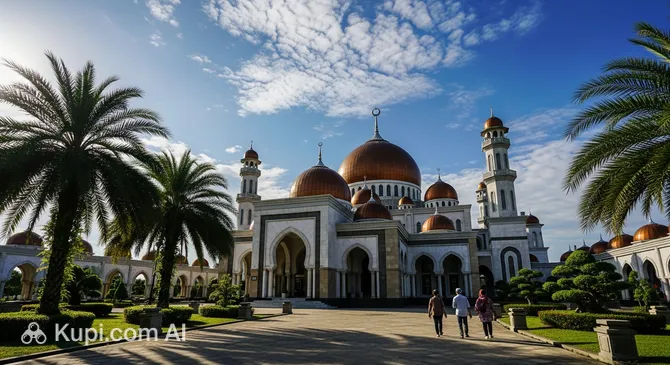
Architectural Fusion: The Great Mosque of Baitul Makmur is not just a place of worship but an architectural marvel listed among the top 100 most beautiful mosques in Indonesia. Its distinct design features a harmonious blend of Middle Eastern, Indian, and Acehnese styles, instantly recognizable by its striking bright red and brown domes.
A Historic Shoreline: The beach at Ujong Kalak is more than just a scenic spot; it marks the specific location where Teuku Umar is said to have fallen in battle. Today, a monument stands near the site, serving as a poignant reminder of the city's deep connection to Indonesia's struggle for independence.
How to Get There
Reaching this coastal city usually involves a combination of air and road travel, as it serves as a regional hub in West Aceh. For detailed information on routes and transportation options, you can read more about how to get to Meulaboh to plan your journey effectively.
The city of Meulaboh does not have its own major commercial airport for large jet aircraft, but you can fly into Sultan Iskandar Muda International Airport (IATA: BTJ) in the city of Banda Aceh, which is about 171.6 km from Meulaboh. This international airport serves as the main gateway to the province. From the airport, you can take a taxi, a rental car, or a public bus to reach your final destination. The overland journey typically takes approximately 4 hours and 40 minutes, offering travelers a chance to see the diverse landscapes of Sumatra along the way.
For clarity, here is a summary of the main airport:
| Airport Name | City | Passenger Traffic | Km from City |
|---|---|---|---|
| Sultan Iskandar Muda International Airport | Banda Aceh | Medium | 171.6 |
Since there are no major railway stations in the immediate vicinity of Meulaboh, visitors predominantly rely on road transport to reach the city. The road network connects Meulaboh to other key locations in Aceh, and minibuses or shared transport services are popular methods for navigating the region. It is advisable to check the schedule of local intercity buses if you are traveling from Banda Aceh or Medan.
Main Attractions
Meulaboh offers a compelling mix of historical depth and coastal beauty, making it a unique destination for those exploring the western coast of Sumatra. The city is anchored by the magnificent Great Mosque of Baitul Makmur, which is widely regarded as one of the most beautiful mosques in Indonesia. Its architecture is a striking blend of Middle Eastern, Asian, and local Acehnese styles, instantly recognizable by its vibrant red and brown domes. As a spiritual center that withstood the 2004 tsunami, it stands not only as a place of worship but also as a powerful symbol of the community's resilience and enduring faith.
For visitors interested in the region's rich history, the Teuku Umar Monument is an essential stop. Located at Ujong Kalak Beach, this monument marks the exact spot where the revered National Hero Teuku Umar fell in battle against colonial forces. The structure is uniquely designed in the shape of a Kupiah Meukeutop, the traditional Acehnese hat associated with the hero, serving as a poignant reminder of his bravery and strategy. The site offers a reflective atmosphere where guests can learn about the local struggle for independence while overlooking the sea.
Nature lovers and those seeking relaxation will find Ujung Karang Beach to be a perfect escape. Situated just a short distance from the city center, this beach is famous for its panoramic views of the Indian Ocean, particularly during sunset when the sky transforms into a canvas of warm colors. It is a popular gathering spot for locals to unwind, enjoy the fresh sea breeze, and watch the waves crash against the shore, offering a peaceful respite from the bustle of daily life.
A short journey into the hinterland leads to the Grave of Teuku Umar in the Mugo Rayeuk area. This pilgrimage site is nestled within a serene forest setting, attracting history enthusiasts and those wishing to pay their respects to the legendary leader. The drive to the site provides a scenic glimpse of the lush landscapes surrounding Meulaboh, and the well-maintained complex offers a quiet space for contemplation on the region's storied past.
Local Cuisine
The culinary landscape of Meulaboh is a vibrant reflection of Acehnese culture, characterized by bold spices, rich curries, and a heavy reliance on fresh seafood from the nearby Indian Ocean. Food here is deeply integrated into daily life, with flavors that are often fiery and aromatic, utilizing generous amounts of lemongrass, curry leaves, garlic, and chilies. Visitors will find that the local palate prefers dishes that offer a complex blend of spicy and sour notes, creating a memorable gastronomic experience.
One of the must-try dishes is Mie Aceh, a famous noodle dish that defines the region's cuisine. These thick yellow noodles are served in a savory, spicy curry sauce and are typically cooked with slices of beef, goat meat, or fresh seafood like crab and shrimp. Another local specialty to seek out is Asam Keueng, a sour and spicy fish curry that perfectly captures the coastal essence of West Aceh. For those who enjoy hearty meat dishes, Gulai Kambing (mutton curry) is a staple, often cooked in large cauldrons with a rich blend of spices until the meat is incredibly tender.
When it comes to drinks, Meulaboh has a distinct and legendary reputation. As the city is located in a region that observes Islamic laws, alcohol is not part of the local dining scene; instead, coffee culture reigns supreme. Meulaboh is the birthplace of Kopi Khop, a unique coffee served in a glass turned upside down on a plastic saucer. This serving method, originally designed to keep the coffee warm and dust-free for fishermen, has become a culinary icon. Locals sip the coffee by blowing air into the glass with a straw or letting it seep onto the saucer.
The food culture in Meulaboh is communal and relaxed, centering heavily around warung kopi (coffee shops). These establishments serve as the city's social hubs, where people gather from morning until late at night to discuss business and daily life. Tourists are welcome to join in this tradition, sitting in open-air venues to enjoy a glass of robust coffee accompanied by traditional snacks. Whether dining at a simple street stall or a local restaurant, the atmosphere is consistently warm and inviting.
Travel Tips
Visiting Meulaboh offers a unique opportunity to experience the authentic culture and warm hospitality of West Aceh, but it does require a bit of preparation to navigate the local customs and logistics smoothly. These practical tips are designed to help you respect local traditions while making the most of your journey to this resilient coastal city.
Clothing and Gear: Since Meulaboh is located in Aceh, which observes Islamic law, dressing modestly is essential. Women should wear loose-fitting clothes that cover arms and legs, and carrying a scarf is highly recommended for visiting religious sites. Men should also avoid short shorts and opt for long trousers. Given the tropical climate, bring lightweight, breathable fabrics, but don't forget a sturdy raincoat or umbrella, as sudden showers are common throughout the year.
Transportation: The city does not have a metro or tram system. For short distances, the most common and convenient way to get around is by becak (motorized rickshaw), which offers a breezy local experience; always agree on the price before hopping in. For exploring the surrounding areas or beaches, renting a scooter or a car with a driver is the most practical option, as ride-hailing apps may have limited availability compared to larger Indonesian cities.
Finances: The currency is the Indonesian Rupiah (IDR). While there are ATMs in the city center, cash is king in Meulaboh, especially at local markets, small eateries (warungs), and for transport. International credit cards are generally only accepted at larger hotels or supermarkets. It is wise to carry smaller denominations for daily purchases. Tipping is not mandatory but rounding up the bill or leaving small change is appreciated.
Health and Safety: Pharmacies, known as Apotek, are available in the city center for basic supplies, but it is best to bring any specific prescription medications you need. Tap water is not potable; strictly stick to bottled or boiled water to avoid stomach issues. Meulaboh is generally safe, but always stay alert when walking near traffic. As a tropical area, mosquito repellent is a must-have to protect against bites, especially in the evenings.
Communication: The main language is Bahasa Indonesia, and locals also speak Acehnese. English is not widely spoken outside of major hotels or government offices, so learning a few basic phrases like "Terima kasih" (Thank you) and "Berapa?" (How much?) will be very helpful. Buying a local SIM card (Telkomsel usually has the best coverage in Sumatra) is recommended for navigation and translation apps.
Local Etiquette: Politeness is highly valued. Always use your right hand for eating, giving, or receiving items, as the left hand is considered unclean. Public displays of affection (PDA) are frowned upon and should be avoided to respect local norms. When entering a home or a mosque, always remove your footwear. A friendly smile and a nod go a long way in interacting with the welcoming locals.
What to Avoid: Do not consume alcohol in public or expect to find it easily in restaurants, as Aceh is a dry province with strict regulations regarding alcohol. Additionally, avoid wearing revealing swimwear even at the beach; many locals swim fully clothed, and tourists are expected to cover up more than they might in other parts of Indonesia like Bali.
Local Insight: Embrace the coffee culture! Do not miss the chance to sit in a local coffee shop and try Kopi Khop (upside-down coffee). It is not just a drink but a social ritual. Shops often stay open late, offering a great way to mingle with residents and observe the relaxed pace of life in Meulaboh.
By keeping these tips in mind, you will be well-prepared to explore the historical landmarks and scenic beaches of Meulaboh with confidence and respect. Enjoy the rich coffee, the spicy cuisine, and the genuine warmth of the people in this fascinating corner of Sumatra.
Entertainment & Nightlife
Nightlife in Meulaboh offers a distinct and culturally immersive experience that differs significantly from the typical bustling club scenes found in other parts of the world. As the city is located in the Aceh province, which observes Islamic laws, you will not find nightclubs, discos, or bars serving alcohol. Instead, the evening entertainment revolves around a vibrant and communal coffee shop culture that keeps the city awake well into the night. The atmosphere is social, relaxed, and welcoming, with locals gathering to discuss everything from politics to daily life over endless glasses of strong, aromatic coffee.
The heart of Meulaboh's evening activity beats strongest in the Suak Ribee district. This area is famous as the epicenter of the iconic Kopi Khop (inverted coffee). Rows of warung kopi (coffee stalls) line the streets here, staying open late, often until midnight or beyond. Visitors should definitely stop by one of the traditional stalls in this area to experience the unique ritual of drinking coffee from an overturned glass using a straw. It is a lively scene where the "crowd" is mostly local men socializing, though families and tourists are warmly welcomed.
For those interested in culinary exploration, the streets around Jalan Nasional and the city center transform into active dining hubs after sunset. Night markets and street food vendors set up shop, offering a variety of Acehnese delicacies such as Mie Aceh (spicy noodles) and Martabak. The atmosphere is casual and bustling, with the aroma of spices filling the air. It is the perfect time to enjoy a heavy dinner or light snacks while observing the local pace of life. Prices are very affordable, making it easy to sample multiple dishes without breaking the bank.
When venturing out at night, practical considerations are important. The best time to experience the coffee culture is after 8:00 PM, when the air cools down and the shops fill up. Safety is generally high in Meulaboh, and walking in populated areas like the city center is secure. However, it is essential to respect local customs: the dress code remains modest even at night (long pants for men, covered arms and legs for women), and public displays of affection should be avoided. To get around, motorized rickshaws (becaks) are available, but it is advisable to arrange your return transport in advance if you stay out very late.
While the nights are dedicated to coffee and conversation, daytime entertainment in Meulaboh offers a different pace. Before the sun sets, visitors can explore cultural landmarks such as the Great Mosque of Baitul Makmur or take a relaxing stroll along Ujung Karang Beach. These spots provide a serene introduction to the city before you transition into the spirited social scene of the evening.
Parks & Museums
While Meulaboh may not abound with traditional enclosed museums or manicured botanical gardens, the city itself serves as an open-air gallery of history and natural beauty. The region's green spaces are primarily defined by its stunning coastline, where the Indian Ocean meets the land, while its cultural heritage is preserved through significant monuments and solemn memorial sites that tell the story of the community's resilience.
For those seeking connection with nature, Batu Putih Beach is a serene destination located just a short drive from the city center. True to its name, which translates to "White Stone," the beach is known for its light-colored sands and scattered coral formations. It offers a quieter atmosphere compared to the main city beaches, making it an excellent spot for a peaceful afternoon walk or a picnic under the shade of coastal trees. The rhythmic sound of the waves here provides a perfect backdrop for relaxation away from the urban bustle.
Another natural gem is Lhok Bubon Beach, situated slightly further out in the Samatiga district. This area is renowned not only for its scenic beauty but also for its exceptionally clear waters and calm atmosphere. Unlike the rougher surf found elsewhere along the west coast, Lhok Bubon often offers gentler waves, making it a favorite among locals for family outings. The beach is lined with traditional huts where visitors can sit and enjoy the fresh sea breeze while looking out at the colorful fishing boats bobbing on the horizon.
In terms of cultural and historical preservation, the Tsunami Mass Graves (Kuburan Massal) stand as profound landmarks reflecting the city's recent history. These sites, such as the one in Ujong Kareung, serve as solemn memorials to the thousands of lives lost during the 2004 Indian Ocean Tsunami. They are not museums in the conventional sense, but they function as vital spaces for remembrance and education, offering visitors a deeply moving insight into the magnitude of the event and the incredible strength of the survivors who rebuilt the city.
Complementing these memorials is the Teuku Umar Monument at Ujong Kalak, which acts as a historical anchor for the region. While previously noted as a key attraction, it is worth visiting specifically to appreciate its artistic significance; the structure is shaped like the traditional Acehnese hat (Kupiah Meukeutop), symbolizing local identity and resistance. Together with the nearby historical sites, it forms a narrative trail that allows tourists to walk through the chapters of Meulaboh's struggle for independence without entering a building.
For an authentic local experience, head to Lhok Bubon in the late afternoon not just for the views, but for the seafood. The area is famous for its seaside stalls serving fresh grilled fish and coconut water, offering a "farm-to-table" style dining experience right on the sand that is far more memorable than a typical restaurant meal.
Getting Around
The public transport system in Meulaboh is informal and straightforward, reflecting the relaxed pace of this coastal city. There is no metro, tram, or large municipal bus network. Instead, the most common and iconic mode of transport is the Becak Motor (motorized rickshaw). These vehicles, typically consisting of a motorcycle with a sidecar, are ubiquitous and serve as the primary way for locals and visitors to travel short to medium distances within the city. For longer routes connecting the city center to the suburbs or nearby villages, you may encounter Labi-labi (public minibuses), which follow specific routes but do not operate on a strict timetable.
Payment for all forms of local transport is exclusively in cash. There are no travel passes, smart cards, or mobile payment systems for public transit here. Fares for the Labi-labi are generally fixed and very low, often just a few thousand Rupiah. However, for Becaks and informal motorcycle taxis (Ojek), there are no meters. The fare is determined by bargaining. It is crucial to carry small denominations of the local currency, as drivers frequently do not have change for large bills.
To navigate the system effectively, tourists should always negotiate and agree on the price before boarding a Becak or Ojek. A short trip within the town center typically costs between 10,000 and 20,000 IDR, depending on the distance and your negotiation skills. Transport is most readily available during daylight hours; the frequency of public vehicles drops significantly after sunset. If you plan to stay out late, it is advisable to arrange a return trip with a driver beforehand or ask your accommodation to assist you.
As an alternative to public transport, renting a scooter is highly recommended for tourists who wish to explore the coastline and outlying attractions with freedom. Rental services are available, often through hotels or small local shops. While ride-hailing apps generally operate in the region, their availability in Meulaboh can be inconsistent compared to major metropolitan areas. Therefore, it is better not to rely solely on apps for urgent travel needs.
A special feature of the local transport scene is the design of the Acehnese Becak itself. Unlike rickshaws in some other regions where the passenger sits behind the driver, the sidecar configuration here allows for an unobstructed view of the street. Riding in one provides a breezy, open-air experience that offers a unique perspective of the city's daily life, making the journey itself a memorable part of your visit.
Accommodation
Accommodation options in Meulaboh are generally modest and functional, catering primarily to business travelers, families, and those passing through the region. Visitors should not expect international luxury chains or sprawling five-star resorts. Instead, the city offers a selection of comfortable mid-range hotels, budget-friendly inns, and traditional guesthouses known locally as wismas. These establishments typically provide clean, basic amenities suitable for a short stay, reflecting the unpretentious and welcoming nature of the city.
The most convenient area to stay is the city center, particularly along the main thoroughfares like Jalan Nasional. staying here places you within walking distance of key landmarks such as the Great Mosque of Baitul Makmur, as well as various local eateries and coffee shops. For those who prefer a view of the water, there are a few properties located closer to the coastline near Ujung Karang, offering a refreshing sea breeze and easy access to the beach for sunset views.
Booking Tip: Since Meulaboh is located in Aceh, which observes Islamic law, most accommodations operate as "Syariah" hotels. This means that unmarried couples are generally not permitted to share a room. Married couples should travel with a copy of their marriage certificate or proper identification to avoid any issues during check-in. Additionally, it is advisable to book in advance if you are visiting during major religious holidays like Eid, as rooms can fill up quickly with returning family members.
In terms of pricing, Meulaboh is a very affordable destination. The vast majority of lodgings fall into the budget to lower mid-range category. While some of the larger hotels appear on major online booking platforms, many smaller guesthouses still rely on direct phone bookings or walk-ins. Carrying cash is highly recommended, as credit card facilities may not be available at smaller establishments.
Nearby Cities
For those looking to explore the surroundings, Meulaboh serves as an excellent base for day trips to several interesting nearby locations:
One of the most significant destinations within reach is Banda Aceh, the provincial capital. Situated to the north, this historic city offers a profound cultural experience. Visitors can marvel at the majestic Baiturrahman Grand Mosque, a symbol of Acehnese resilience, or visit the Tsunami Museum to understand the region's recent history. The journey itself provides scenic views of the coastline and the lush Sumatran landscape, making it a rewarding excursion for those interested in heritage and architecture.
Another notable option is Lhokseumawe, located on the eastern coast. Known as a vital commercial hub, this city offers a different perspective of the province's development. It features attractive coastal spots like Ujong Blang Beach and stands as a center for Islamic learning. A trip here allows travelers to witness the blend of industrial activity and traditional coastal life that defines this part of Sumatra.
| City | Population | Distance (km) |
|---|---|---|
| Medan | 3,632,000 | 289 |
| Pematangsiantar | 278,055 | 351 |
| Binjai | 269,053 | 270 |
| Banda Aceh | 235,305 | 179 |
| Lhokseumawe | 180,200 | 161 |
These nearby destinations offer a glimpse into the diverse culture and landscapes of the region.
Shopping & Souvenirs
Shopping in Meulaboh offers travelers an authentic glimpse into the daily life of West Aceh rather than a high-end retail experience. The city does not feature luxury boutiques or sprawling international shopping complexes. Instead, visitors will find a commercial landscape dominated by traditional markets, family-owned shophouses, and local businesses that cater to the community's needs. This down-to-earth atmosphere allows for genuine interactions with locals and fair prices on everyday goods.
The primary commercial artery of the city is Jalan Nasional. This bustling street is lined with rows of shophouses selling everything from electronics and clothing to household items and textiles. It is the best place to take a casual stroll and observe the local trade. You will find numerous small boutiques offering modest fashion, which is the standard in this region, as well as stores selling gold jewelry, for which Acehnese merchants are well-regarded.
For a more modern shopping experience with air conditioning and fixed prices, Suzuya Mall Meulaboh is the go-to destination. While it is smaller than malls in major metropolitan areas, it serves as the city's main department store and supermarket. Here, tourists can purchase toiletries, snacks, clothing, and travel essentials in a comfortable environment. It is also a popular spot for locals to spend their weekends, offering a mix of retail and simple dining options.
To truly understand the local culture, a visit to Pasar Bina Usaha is essential. This is the central traditional market where the pulse of the city beats strongest. The market is divided into sections, with wet areas for fresh fish and produce, and dry areas for spices, fruits, and dry goods. It is a vibrant, sensory experience filled with the aroma of local spices and the sounds of bargaining. Early morning is the best time to visit for the freshest selection and the most energetic atmosphere.
When looking for souvenirs to bring home, Meulaboh has several distinct offerings. The most iconic item is the Kupiah Meukeutop, a traditional Acehnese hat characterized by its red, yellow, green, and black colors. This hat is historically associated with the national hero Teuku Umar and is a symbol of local identity. Additionally, given the region's obsession with coffee, buying bags of locally roasted Aceh Gayo or Robusta coffee beans is a must for any coffee lover. Traditional gold-thread embroidery, known as Kasab, also makes for a beautiful and lightweight gift.
Stores in Meulaboh typically open around 9:00 AM and close by 9:00 PM or 10:00 PM. However, traditional market stalls often start operating as early as dawn and pack up by midday. It is important to note that on Fridays, many shops may close temporarily between 12:00 PM and 2:00 PM for the congregational prayers, which are strictly observed in Aceh. Cash is the primary method of payment throughout the city. While Suzuya Mall and some hotels accept cards, small shops, markets, and street vendors deal exclusively in Indonesian Rupiah, so carrying sufficient cash is highly recommended.
Nearby cities
Reached the end of the page?
That means the route is fully explored