Support

Takengon

About

Welcome to Takengon, a refreshing highland retreat nestled in the heart of the Aceh province. Often referred to as the "City Above the Clouds," this charming destination offers a cool and invigorating escape from the tropical heat typically found in the rest of Indonesia. With a population of approximately 47,000 residents, Takengon serves as the capital of the Central Aceh Regency and is the cultural heart of the Gayo people.

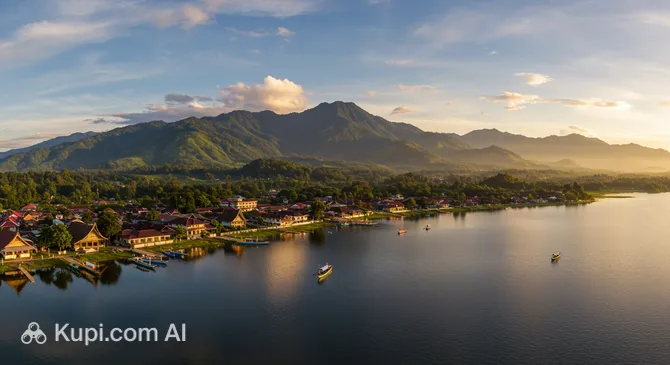
Geographically, the city is situated in the lush Gayo Highlands at an elevation of around 1,200 meters above sea level. This altitude gifts the area with a mild, spring-like climate year-round, making it a perfect spot for agriculture and relaxation. The city wraps around the stunning Lake Laut Tawar, a massive freshwater lake that defines the local landscape and provides a scenic backdrop for daily life.

Takengon. Source: Kupi.Binoculars

Visitors interested in the past can explore the fascinating history of Takengon, which is deeply intertwined with the traditions of the Gayo tribe and the region's agricultural development. The area is globally renowned for its Gayo Arabica coffee, and a visit to a local plantation to witness the traditional processing methods is a must for any coffee enthusiast. Beyond coffee, travelers are drawn to the panoramic views from Pantan Terong, a hilltop vantage point that offers breathtaking sights of the city and the lake below.

Whether you are looking to explore mysterious caves like Putri Pukes, enjoy the serenity of the lake, or simply sip on some of the world's best coffee in the crisp mountain air, Takengon promises a memorable and tranquil experience. It is an ideal destination for nature lovers seeking a unique side of the archipelago.

Weather Overview

Due to its elevation in the highlands, the climate here is delightfully cool and refreshing, offering a stark contrast to the tropical humidity typical of the lowlands. Temperatures remain remarkably consistent throughout the year, with daily averages hovering between 20°C and 21.4°C. You can generally expect comfortable daytime highs reaching up to 25.5°C in June and July, while nights are crisp and cool, often dropping to around 16°C.

Rainfall is a frequent occurrence in this lush region, keeping the landscape vibrant and green. The area experiences a high number of wet days year-round, ranging from 19 days in July to as many as 30 days in November. Because of this, it is advisable to pack layers and rain gear regardless of when you visit. For more specific details to help plan your trip, you can view the comprehensive guide to the weather in Takengon.

Interesting Facts

Beyond the main attractions, Takengon holds fascinating secrets and cultural traditions that define the unique spirit of the Gayo Highlands. Here are a few intriguing facts about this misty city that you might not know:

  • Saddle-less Horse Racing: One of the most thrilling local traditions is Pacu Kude, a horse racing event where jockeys ride completely without saddles or stirrups. This display of skill and balance is a major cultural celebration, traditionally held to mark the harvest season or national holidays.

  • A Fish Found Nowhere Else: The massive Lake Laut Tawar is home to a species of fish known as Depik (Rasbora tawarensis), which is endemic to these waters and found nowhere else on Earth. Locals consider this small, savory fish a delicacy, and its seasonal appearance is closely tied to specific weather patterns in the highlands.

  • Prehistoric Inhabitants: Archaeological excavations at the Loyang Mendale cave, situated near the lake, have revealed evidence of human settlement dating back over 7,000 years. These findings suggest that the ancestors of the Gayo people have been thriving in these cool highlands since prehistoric times.

  • The Legend of the Stone Princess: The Putri Pukes cave is famous not just for its stalactites but for a rock formation resembling a human figure. According to local legend, this is a princess who turned to stone because she disobeyed her mother's advice to never look back at her home after leaving for her wedding.

How to Get There

Reaching the scenic highlands of Takengon is an adventure in itself, offering travelers a chance to witness the lush landscapes of Sumatra. While the journey requires some travel by road, the destination is well worth the effort. To plan your trip in detail and explore all transport options, you can read more about how to get to Takengon.

The city of Takengon does not have its own major international airport, so most visitors arrive via the region's primary gateways. You can fly into Sultan Iskandar Muda International Airport (BTJ) in the city of Banda Aceh, which is approximately 186 km away. However, due to the winding mountainous terrain, the subsequent drive by taxi or bus typically takes around 7 to 8 hours. Another popular option is the Kuala Namu International Airport (KNO) in Medan. Situated about 251 km from the highlands, this airport handles significant traffic, and the transfer to Takengon generally requires a journey of 7 to 9 hours by road.

For clarity, here is a summary of the main airports:

Airport Name City Passenger Traffic Km from City
Kuala Namu International Airport Medan Large 251.0
Sultan Iskandar Muda International Airport Banda Aceh Medium 185.9

The city of Takengon does not have a railway station, and the mountainous terrain of the Gayo Highlands is not currently served by trains. Visitors relying on public transport usually take long-distance buses or shared travel cars (known locally as "travel") from Banda Aceh or Medan. These road trips are the standard method of entry and offer spectacular views of the surrounding mountains and forests.

Main Attractions

The charm of Takengon lies in its stunning natural landscapes and rich cultural legends, offering visitors a perfect blend of relaxation and exploration. The city’s high altitude provides a cool climate that makes touring these outdoor sites a pleasant experience, distinct from the tropical heat of the coast.

Lake Laut Tawar is undoubtedly the crown jewel of the region. This massive freshwater lake spans over 5,000 hectares and is surrounded by rolling green hills, creating a picturesque setting that changes colors with the sunlight. It is the livelihood of the local community and the only place in the world where you can find the Depik fish, a savory delicacy native to these waters. Tourists can rent boats to explore the calm surface, cycle around the perimeter, or simply enjoy a picnic by the shore while watching the fishermen at work.

For the best panoramic views, a visit to Pantan Terong is essential. Located at an altitude of approximately 1,830 meters above sea level, this hilltop vantage point offers a breathtaking bird's-eye view of the entire bowl-shaped valley, including the city of Takengon and the shimmering lake below. It is a favorite spot for photography enthusiasts, especially during sunrise or sunset. The area is also famous for its coffee stalls, allowing you to sip freshly brewed Gayo Arabica while taking in the magnificent scenery.

Immerse yourself in local folklore at the Putri Pukes Cave, a site steeped in mystery and legend. The cave is famous for a unique stone formation that is said to be a princess who was turned to stone for disobeying her mother’s advice. Inside, visitors can see stalactites and stalagmites that have formed over thousands of years. It is a fascinating stop for those interested in the cultural history and oral traditions of the Gayo people.

Another fantastic highland destination is Bur Telege, often recognized by the large "Gayo Highland" sign visible from the city. This park has been transformed into a vibrant tourist spot featuring colorful installations, hanging carpets, and photo spots designed for capturing memorable holiday moments. Nestled among pine trees, it offers a refreshing atmosphere and a different perspective of the lake, making it a popular choice for families and younger travelers looking for a fun day out.

Local Cuisine

The culinary scene in Takengon is a delightful reflection of its cool highland climate and abundance of fresh resources from the surrounding nature. Local cuisine is characterized by rich, spicy, and sour flavors that warm the body, with freshwater fish playing a central role in the daily diet. For food lovers, exploring the traditional dishes of the Gayo people is an essential part of the travel experience here.

The absolute must-try delicacy in Takengon is Ikan Depik (Rasbora tawarensis), a small fish endemic to Lake Laut Tawar that cannot be found anywhere else in the world. Locals typically prepare it by frying it until crispy (Depik Goreng) or cooking it in a savory soup. Another signature dish is Masam Jing, which translates to "sour and yellow." This is a vibrant, spicy fish stew, usually made with goldfish or tilapia, seasoned generously with turmeric, chili, and local herbs to create a tangy flavor profile that perfectly complements the mountain weather.

When it comes to beverages, Takengon is globally renowned for its Gayo Arabica coffee. As one of the world's premier coffee-producing regions, the city offers an authentic coffee culture where the beans are often roasted locally and brewed fresh. You can enjoy it in traditional styles or as modern espresso-based drinks. Visitors should be aware that Takengon is located in the Aceh province, which observes Islamic laws; therefore, alcohol is generally not available. Instead, the social drinking culture revolves entirely around coffee shops, where locals gather to chat over cups of world-class java.

The dining atmosphere in Takengon is laid-back and scenic. Tourists and locals alike flock to the shores of Lake Laut Tawar to enjoy grilled fish at open-air eateries, known as warungs, while taking in the view of the water. In the town center, coffee shops (kedai kopi) serve as the main social hubs, often bustling from morning until late at night. For a true taste of the highlands, look for small family-run establishments that serve authentic Gayo dishes like Cecah, a traditional spicy relish made from uncooked seasonal ingredients.

Travel Tips

Planning a trip to Takengon requires a slightly different approach than visiting the tropical beaches of Bali or the bustling streets of Jakarta. To help you navigate the unique culture and climate of the Gayo Highlands comfortably, here are some essential practical tips to ensure your adventure is smooth and enjoyable.

  1. Pack for the Chill and Culture: Unlike most of Indonesia, Takengon gets quite cold, especially at night when temperatures can drop to around 16°C. Bring a warm jacket, sweaters, and long trousers. Additionally, since Takengon is in the Aceh province, which observes Islamic laws, modesty is key. Both men and women should wear clothing that covers shoulders and knees; loose-fitting attire is respectful and widely appreciated.

  2. Transportation Options: Public transport within the city is limited to becak (motorized rickshaws) and local minivans known as labi-labi. For the most freedom to explore the perimeter of Lake Laut Tawar or reach viewpoints like Pantan Terong, renting a motorbike (scooter) is the best option. Ensure you are comfortable driving on winding, hilly roads before you rent.

  3. Cash is King: The currency is the Indonesian Rupiah (IDR). While there are ATMs in the town center of Takengon, they can be unreliable or run out of cash during holidays. Credit cards are rarely accepted outside of major hotels. Always carry sufficient cash, especially small notes, when visiting local markets, warungs (food stalls), or rural attractions.

  4. Health and Safety: Pharmacies (Apotek) are available in the town center, but few are open 24/7, so bring personal medications with you. The General Hospital (RSUD Datu Beru) handles emergencies. In terms of safety, the area is generally very safe for tourists, but be cautious on mountain roads which can be slippery due to frequent rain and fog.

  5. Communication Essentials: Bahasa Indonesia is the main language, while locals also speak Gayo. English is not widely spoken outside of hotel reception areas and some modern coffee shops. It is highly recommended to download an offline translation app and offline maps. For mobile data, Telkomsel usually offers the most reliable signal coverage in these highlands.

  6. Respect Local Etiquette: The Gayo people are known for their warm hospitality. Always use your right hand for eating, giving, or receiving items, as the left hand is considered unclean. When entering a home or a mosque, remember to remove your shoes. Public displays of affection (PDA) are frowned upon and should be avoided to respect local norms.

  7. What to Avoid: Do not look for or attempt to consume alcohol in public. As part of the Aceh province, alcohol is strictly prohibited and is not sold in shops or restaurants. Respecting this rule is crucial. Also, avoid wearing revealing swimwear even if you decide to take a dip in the lake; swimming in a T-shirt and shorts is the local norm.

  8. Coffee Shop Culture: In Takengon, coffee shops are the center of social life. Don't be surprised to see them full late into the night. It is customary to sit for a long time, chat with locals, and enjoy the slow pace of life. If you want to make friends or learn about the area, simply visit a local kedai kopi and strike up a conversation.

By keeping these tips in mind, you will be well-prepared to embrace the cool mountain air and the rich traditions of the Gayo Highlands. Takengon is a place that rewards those who respect its customs and pace of life with unforgettable views and some of the world's best coffee.

Entertainment & Nightlife

Entertainment and nightlife in Takengon differ significantly from what travelers might expect in major international cities or other parts of Southeast Asia. Located in the deeply traditional and religious province of Aceh, the city does not have nightclubs, bars, discotheques, or karaoke lounges that serve alcohol. Instead, the "nightlife" here revolves entirely around a vibrant and incredibly social coffee culture. As the sun sets and the air turns crisp, the city comes alive with the aroma of roasting beans, and locals gather in coffee shops that stay open late into the night to socialize, play music, and enjoy the world-famous Gayo Arabica.

The atmosphere in the evenings is warm, welcoming, and relaxed. The crowd is a mix of young people, families, and elders, all bonding over cups of coffee. The dress code is casual but modest; since this is a conservative area, it is respectful to wear clothing that covers the shoulders and knees, even when relaxing in a café. Most venues are open until midnight, and some popular spots may stay open even later on weekends, serving as the social heart of the community where guitar strumming and animated conversations replace the thumping bass of a nightclub.

The most bustling area for evening entertainment is around Jalan Lebe Kader and the city center near the Simpang Lima intersection. Here, you will find a high concentration of coffee shops (kedai kopi) ranging from traditional wooden stalls to modern, industrial-style roasteries. Another popular zone is the shoreline of Lake Laut Tawar, where several cafes offer outdoor seating. Sipping a hot latte while feeling the cool mountain breeze coming off the lake is a quintessential Takengon experience.

For a taste of the local scene, you can visit Galeri Kopi Indonesia. This venue is widely renowned not just for its exceptional brews but also for its educational approach to coffee processing, often hosting visitors who want to learn while they sip. Another favorite is ARB Coffee Shop, a popular hangout spot known for its cozy ambiance and high-quality single-origin beans. Horas Coffee is also a staple in the area, offering a friendly environment where travelers can easily strike up conversations with locals.

Food plays a major role in the evening activities as well. Night markets and street food stalls (warungs) pop up around the town center, offering steaming plates of Mie Aceh (spicy noodles) and Martabak (stuffed pancakes). These spots are perfect for a late-night meal that warms you up against the highland chill. Prices are incredibly affordable, with a premium cup of coffee costing only a fraction of what you would pay internationally, and meals rarely exceeding a few dollars.

When it comes to daytime entertainment, Takengon offers a more laid-back pace focused on culture and nature. While there are no large amusement parks, visitors can explore the Museum Negeri Gayo to see traditional costumes and historical artifacts. For those seeking a bit of thrill before the sun goes down, white-water rafting on the Peusangan River is a popular activity, offering a fun way to see the landscape from a different perspective.

Regarding safety and logistics, Takengon is generally very safe for night walks, though the streets can be dimly lit away from the main roads. Crime rates are low, but it is always wise to stay in well-populated areas. Public transport like becaks (motorized rickshaws) becomes scarce late at night, so it is advisable to arrange a ride in advance or rent a scooter if you plan to stay out late. Remember that alcohol is strictly prohibited throughout the region, and public intoxication is a serious offense.
Parks & Museums

While Takengon is better known for its sprawling natural landscapes than for manicured urban gardens, the city and its surroundings serve as one vast, open-air sanctuary. The region's "parks" are often carved directly into the misty highlands, offering visitors green spaces that blend seamlessly with the wild beauty of the pine forests. Culturally, the city takes pride in preserving the heritage of the Gayo people, with specific sites dedicated to showcasing their unique history and architectural traditions.

Bur Telege is the most prominent recreational park in the area, situated in the pine-covered hills overlooking the city. Once a quiet forest, it has been transformed into a lively green space where locals and tourists come to breathe the fresh mountain air. The park features winding paths through tall pine trees, colorful seating areas, and designated photo spots. It is an excellent place for a leisurely walk or a family picnic, offering a peaceful atmosphere that contrasts with the bustling market streets below. The blend of natural shade and panoramic views makes it a favorite afternoon escape.

Another significant natural area is Lancuk Leweng, a highland destination that functions as a nature park and camping ground. Located on the ridges surrounding the city, this spot is perfect for travelers who want to immerse themselves in greenery. The area is maintained to preserve its natural contours, allowing visitors to walk among the clouds when the morning mist rolls in. It provides a raw, unfiltered experience of the Gayo highlands, making it ideal for nature lovers seeking quiet contemplation away from the main tourist trail.

For a deep dive into the local culture, a visit to the Museum Negeri Gayo is essential. This is the primary repository of the region's history, housing a comprehensive collection that spans centuries. Inside, you will find traditional Gayo wedding attire featuring the intricate Kerawang Gayo embroidery, ancient agricultural tools, and musical instruments like the Didong drums. The museum also displays archaeological finds from nearby caves, offering insight into the prehistoric settlements of Central Aceh. It serves as an educational hub where visitors can understand the resilience and artistry of the Gayo people.

In terms of architectural landmarks, the Great Mosque of Ruhama (Masjid Agung Ruhama) stands as a stunning example of modern Islamic architecture infused with local motifs. Located in the heart of the city, the mosque is easily recognizing by its grand dome, which is adorned with traditional Gayo patterns in striking red, white, and yellow colors. It is not only a place of worship but also a symbol of the city's identity. The spacious grounds and the intricate interior design reflect the deep spiritual life of the community.

History enthusiasts should also note the Loyang Mendale archaeological site. While not a building in the traditional sense, this rock shelter acts as an open-air museum of prehistory. Excavations here have uncovered human remains and artifacts dating back over 7,000 years, providing tangible evidence of the region's ancient habitation. Visiting the site allows you to see the excavation pits and understand the deep ancestral roots of the highland population.

For a truly authentic experience, look for a traditional Umah Pitu Ruang. These are the traditional longhouses of the Gayo tribe, characterized by their elongated structure and distinct wood carvings. While many have been replaced by modern housing, a few preserved examples remain in the surrounding villages. Visiting one offers a rare glimpse into the communal living style of the past, effectively serving as a living museum of Gayo domestic life.

Getting Around

Navigating Takengon is a unique experience that reflects the laid-back and traditional atmosphere of the Gayo Highlands. Unlike major metropolitan areas, this small city does not have a metro system, trams, or large municipal buses. Instead, the public transport network is informal, road-based, and relies heavily on smaller vehicles that are well-suited to the winding, hilly terrain of the region.

The most common form of public transportation is the labi-labi (also known locally as sudako or angkot). These are public minivans that serve as the backbone of local mobility, connecting the city center with surrounding villages and key points along the shores of Lake Laut Tawar. They do not have fixed timetables; instead, they operate on a "fill-up-and-go" basis. You can hail one simply by waving your hand from the side of the road. While routes are generally fixed, the drivers are often flexible and helpful if you are unsure of where to get off.

For shorter distances within the town center, motorized becaks (rickshaws) are a popular and convenient option. These three-wheeled vehicles are perfect for navigating narrow streets and carrying luggage or shopping bags. Unlike the minivans, becaks offer door-to-door service. They are easy to spot, often congregating near markets, the bus terminal, and busy intersections. They provide a breezy, albeit sometimes bumpy, way to see the town at a leisurely pace.

The payment system in Takengon is entirely cash-based. There are no travel cards, passes, or mobile ticketing apps for public transport here. Fares for the labi-labi are fixed and very affordable, usually costing just a few thousand Rupiah depending on the distance. You pay the driver directly upon exiting the vehicle. For becaks, it is essential to negotiate the price with the driver before you start your journey to avoid any misunderstandings later. Always carry small denominations of cash, as drivers may struggle to change large bills.

For tourists who want the freedom to explore the scenic perimeter of the lake or visit highland viewpoints like Pantan Terong, renting a motorbike (scooter) is widely considered the best alternative. Rental shops are available in the town center and at some guesthouses. Having your own vehicle allows you to stop for photos whenever you please, which is a huge advantage in such a picturesque region. However, be aware that the roads can be winding and steep, so previous riding experience is highly recommended.

Ride-hailing apps that are popular in larger cities may have limited or unreliable availability in Takengon, particularly for cars. Conventional taxis are also rare. Therefore, relying on labi-labi, renting a scooter, or arranging private transport through your accommodation are the most practical ways to get around. Most public transport operates during daylight hours, with frequency dropping significantly after sunset, so it is wise to plan your return trips before it gets dark.

Accommodation

Accommodation in Takengon reflects the city's laid-back, small-town atmosphere. Travelers will not find sprawling international luxury chains or high-rise hotel blocks here. Instead, the city offers a charming selection of family-run guesthouses (wisma), cozy homestays, and mid-range hotels that prioritize comfort and hospitality. The options are generally simple but clean, catering largely to nature lovers and those visiting for the coffee culture. Recently, "glamping" (glamorous camping) sites have also become popular, allowing visitors to sleep closer to nature without sacrificing basic amenities.

When choosing where to stay, location is the primary factor to consider. There are two main areas that most tourists prefer:

  • The City Center: Staying in the heart of town puts you within walking distance of the central market, numerous coffee shops, and local eateries. This is the most convenient option for those relying on public transport or who want to be close to the evening social scene.
  • Lake Laut Tawar Shoreline: For a more scenic and tranquil experience, many visitors choose accommodations located along the edges of the lake. These properties often offer stunning views of the water and the surrounding misty hills, providing a peaceful retreat that feels far removed from the bustle of the town center.

Booking Tips: While you can often find a room upon arrival on weekdays, Takengon is a favorite weekend getaway for domestic tourists from Banda Aceh and Medan. Consequently, hotels and popular homestays can fill up quickly on Saturdays, Sundays, and national holidays. It is highly recommended to book your accommodation in advance if you plan to visit during these peak times to ensure you secure your preferred spot.

Prices and Booking Methods: The cost of staying in Takengon is generally very affordable compared to other major tourist destinations in Indonesia. Budget travelers can find basic rooms for very low rates, while mid-range hotels offering hot showers and lake views are priced moderately. While the larger hotels and newer glamping sites are listed on major online booking platforms, many smaller homestays still operate via direct contact or messaging apps. It is also worth noting that many smaller establishments may prefer cash payments, so it is wise to have sufficient local currency on hand.

Nearby Cities

For those looking to explore the surroundings, Takengon serves as an excellent base for day trips to several interesting nearby locations:

City Population Distance (km)
Lhokseumawe 180200 69
Banda Aceh 235305 196
Binjai 269053 216
Medan 3632000 233
Pematangsiantar 278055 308

While the mountainous terrain of the Gayo Highlands means that travel times can be longer than the distances suggest, Lhokseumawe is the most accessible option for a change of scenery. Located on the northern coast, this city offers a stark contrast to the cool, misty climate of Takengon. Visitors can enjoy the warmer tropical weather and relax at Ujong Blang Beach, a popular spot for watching the sunset and enjoying fresh grilled seafood by the sea. The drive down from the mountains provides spectacular views of the forested slopes meeting the coastline.

For those willing to venture further for a short visit, Banda Aceh stands as the cultural and spiritual heart of the province. As the capital city, it is home to the stunning Baiturrahman Grand Mosque, an architectural masterpiece that survived the 2004 tsunami. The city also houses the moving Aceh Tsunami Museum, which offers deep insights into the resilience of the local people. Although the trip requires a longer drive through winding roads, the rich history and vibrant atmosphere make it a rewarding destination for travelers looking to understand the broader context of the region.

These nearby destinations offer a glimpse into the diverse culture and landscapes of the region.

Shopping & Souvenirs

Shopping in Takengon offers a distinctively local experience that stands apart from the glossy malls and high-end boutiques found in Indonesia's larger metropolises. Instead of international fashion brands and sprawling shopping complexes, visitors will find a vibrant scene dominated by traditional markets, small family-run shops, and direct-from-farmer produce. The city is a haven for those looking to buy authentic local goods, particularly agricultural products and traditional handicrafts that reflect the rich culture of the Gayo Highlands.

The main hub of commercial activity is centered around the Jalan Lebe Kader and the streets surrounding the Great Mosque. This area serves as the city's primary shopping district where you can find a variety of stores selling clothing, electronics, and daily necessities. It is also the best place to hunt for souvenir shops that stock local handicrafts. Walking through these streets offers a glimpse into the daily life of the residents, with shophouses lining the roads and vendors setting up small stalls on the sidewalks.

Travelers should be aware that Takengon does not have large, modern shopping malls. The retail landscape is traditional, consisting mostly of independent stores and markets. If you are looking for branded goods or luxury items, it is best to purchase them in major cities like Medan or Banda Aceh before heading to the highlands. Here, the charm lies in the authenticity of the products and the personal interaction with shop owners.

The heartbeat of the local economy is undoubtedly the Pasar Paya Ilang. This is the largest traditional market in the city and a must-visit for anyone wanting to see the region's agricultural bounty. Located a short distance from the city center, the market is bustling from the early hours of the morning. Here, you can find piles of fresh avocados, passion fruit (markisa), and oranges, all grown in the surrounding fertile hills. It is also the place to see the famous fresh produce of the highlands, including crisp vegetables and the local staple, Depik fish, often sold dried or fresh.

When it comes to souvenirs, Gayo Arabica Coffee is the undisputed star. As one of the world's premier coffee regions, Takengon offers the chance to buy beans or ground coffee directly from local roasteries at a fraction of international prices. Many coffee shops in town sell their own house blends packaged for tourists. Another unique item to bring home is Kerawang Gayo, a traditional fabric featuring intricate embroidery in red, white, yellow, and green. You can find this distinct motif on bags, prayer mats, clothing, and accessories, serving as a beautiful cultural memento.

Most shops in Takengon typically open around 8:00 AM or 9:00 AM and close by 9:00 PM, though traditional markets are most active in the early morning and start to wind down by midday. Payment is almost exclusively in cash (Indonesian Rupiah). While some larger hotels or modern coffee shops might accept cards, market vendors and small souvenir stores will not. It is essential to carry sufficient small notes. Bargaining is common and expected in traditional markets like Pasar Paya Ilang, but fixed prices are the norm in established shops and minimarkets.

Tax-free shopping and refund schemes are not available in Takengon, as it is a small regional town. The prices, however, are generally very reasonable, offering great value for the high quality of local craftsmanship and organic produce you will find.

Reached the end of the page?

That means the route is fully explored