Support

Banda Aceh

About

Welcome to Banda Aceh, the captivating capital of the Aceh province located on the northern tip of Sumatra. Known as the "Veranda of Mecca," this city serves as a spiritual and cultural heartland in Indonesia, offering visitors a unique blend of profound heritage and resilient spirit. With a population of approximately 235,000 people, it provides a bustling yet welcoming atmosphere where traditional values meet modern life.
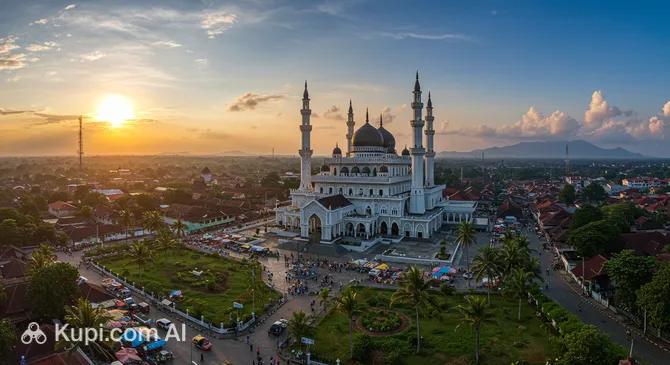
Banda Aceh. Source: Kupi.Binoculars

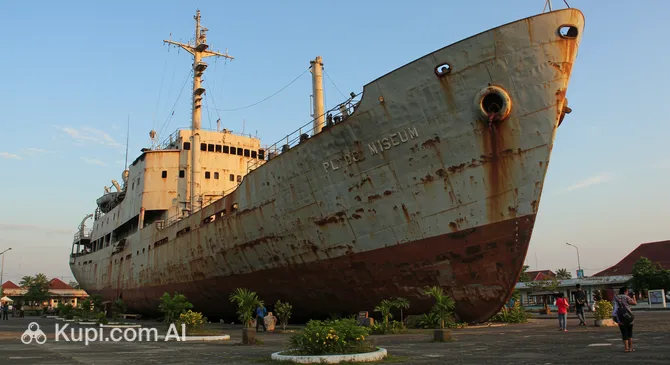
The city is renowned for its stunning architecture and significant landmarks. The Baiturrahman Grand Mosque stands as a symbol of the region's strength and Islamic culture, featuring magnificent domes and minarets that dominate the skyline. Exploring the history of Banda Aceh reveals a narrative of ancient trade routes and remarkable endurance, particularly commemorated at sites like the Aceh Tsunami Museum and the PLTD Apung 1, a massive power generator ship that was swept inland during the 2004 tsunami and now serves as an educational monument.

Beyond its historical sites, Banda Aceh delights travelers with its celebrated coffee culture. Local warung kopi (coffee shops) are social hubs where one can enjoy the famous Gayo coffee and engage with friendly locals. Whether you are interested in cultural immersion or witnessing the city's inspiring recovery, Banda Aceh invites you to experience its warmth and distinct character firsthand.
Weather Overview

Visitors to the region can expect a tropical climate characterized by consistent warmth and significant humidity throughout the year. The weather in Banda Aceh remains stable, creating an environment where summer-like conditions prevail regardless of the season. The atmosphere is generally hot and humid, typical of its location on the northern tip of Sumatra.

Temperatures stay within a comfortable but warm range, with daily averages hovering between 26°C and 27°C. You can anticipate lows around 24°C at night and highs reaching up to 29°C during the day. Rainfall is a frequent occurrence here; the wettest period typically falls around November, which can see up to 28 rainy days, while June and July are relatively drier, though they still average about two weeks of precipitation.

Interesting Facts

Beyond the main attractions, Banda Aceh holds many fascinating secrets that reveal the depth of its history and culture. From legendary gestures of love to reminders of nature's power, these unique details offer a deeper understanding of the city's character.

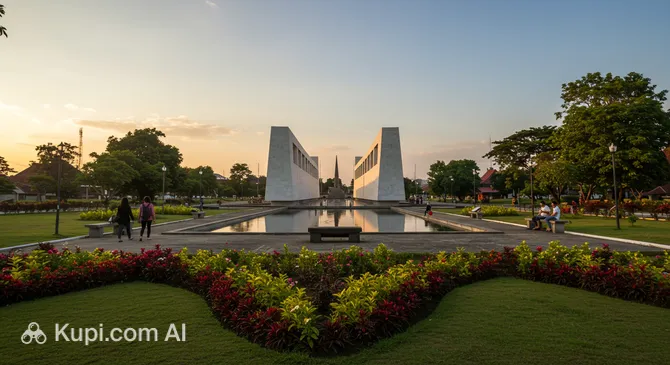
  • The Putroe Phang Park is steeped in royal romance. It was historically built by Sultan Iskandar Muda for his wife, Princess Kamaliah from Pahang, Malaysia. According to local lore, the Sultan constructed this "pleasure garden" with artificial hills to cure the princess's homesickness for the mountainous landscapes of her homeland.

  • Banda Aceh is the birthplace of a distinct coffee specialty known as "Sanger." Unlike a standard latte, this drink requires a precise technique of pulling the coffee and mixing it with a specific ratio of condensed milk and sugar, serving as a staple in the city's vibrant warung kopi scene.

  • A striking testament to the 2004 tsunami can be found at the PLTD Apung Museum. This 2,600-ton electric generator ship was lifted by the massive waves and carried approximately 3 kilometers inland from the port, landing in the middle of a residential neighborhood where it still sits today.

  • The Baiturrahman Grand Mosque is widely revered for its miraculous survival. During the 2004 disaster, while the surrounding infrastructure was leveled by the water, the mosque remained standing with minimal damage, providing a safe haven for hundreds of people seeking refuge.

Putroe Phang Park. Source: Kupi.Binoculars

How to Get There

Reaching this northern tip of Sumatra is an adventure in itself, with air travel being the most convenient and popular method for international and domestic visitors. For a comprehensive overview of all transport options and routes, you can read more about how to get to Banda Aceh on our detailed guide page.

The primary gateway to the city is Sultan Iskandar Muda International Airport (IATA: BTJ). Located in the Blang Bintang district, it is situated approximately 11 km from the city center. This airport serves as a vital hub, connecting the province with major cities such as Jakarta, Medan, and Kuala Lumpur. A journey by taxi or airport shuttle to the downtown area typically takes around 30-40 minutes, depending on traffic conditions. With an annual passenger traffic exceeding one million, it is a well-equipped facility ensuring a smooth arrival.

For clarity, here is a summary of the main airport serving the city:

Airport Name City Passenger Traffic Km from City
Sultan Iskandar Muda International AirportBanda AcehMedium11.1

While Banda Aceh does not have a long-distance railway network connecting it to other major cities in Sumatra, overland travel is a common alternative for those already on the island. Intercity buses, particularly from Medan, operate frequently. The bus journey is long, often taking 12 to 14 hours, but it offers travelers a chance to see the scenic landscapes of the region.

Main Attractions

Attractions:

Banda Aceh offers a profound journey through history, resilience, and faith. The city's landmarks are not just tourist spots but powerful symbols of its recovery and rich cultural heritage. From architectural marvels to poignant memorials, here are the essential places to visit.

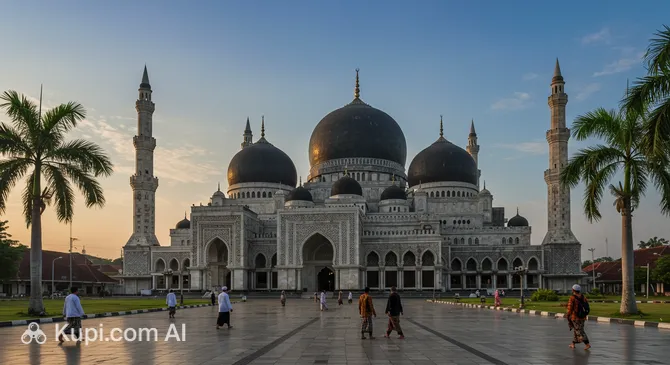
The crown jewel of the city is undoubtedly the Baiturrahman Grand Mosque. This stunning architectural masterpiece, with its bright white walls and seven majestic black domes, serves as the spiritual heart of the Acehnese people. It is particularly famous for surviving the 2004 tsunami largely intact, a fact that has drawn visitors from around the world. Tourists are welcomed to admire the intricate interior and the peaceful atmosphere of its expansive courtyard.

Baiturrahman Grand Mosque. Source: Kupi.Binoculars

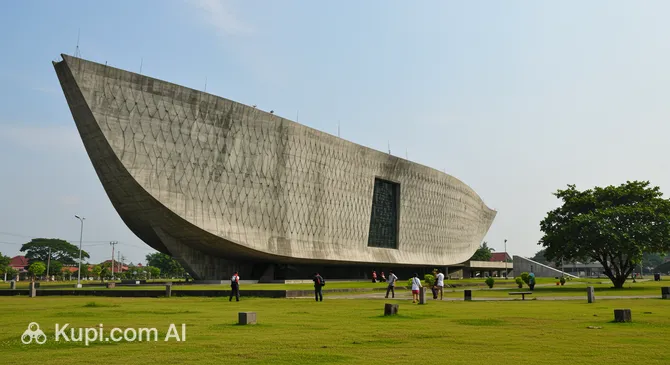
For a deeply moving experience, a visit to the Tsunami Museum Aceh is essential. Designed by the renowned architect Ridwan Kamil, the building itself is a metaphorical representation of the disaster and a shelter for future emergencies. Inside, visitors walk through a dark, rumbling corridor that simulates the height of the tsunami waves, leading to exhibits that honor the victims and educate the public on disaster preparedness.

Tsunami Museum Aceh. Source: Kupi.Binoculars

Another striking reminder of nature's power is the PLTD Apung Museum. This 2,600-ton electric generator ship was swept nearly 3 kilometers inland by the massive waves, coming to rest in the middle of a residential area. Today, it stands as a unique open-air museum where you can climb to the top deck for a panoramic view of the city and see the surrounding neighborhood that has been rebuilt around this colossal vessel.

PLTD Apung Museum. Source: Kupi.Binoculars

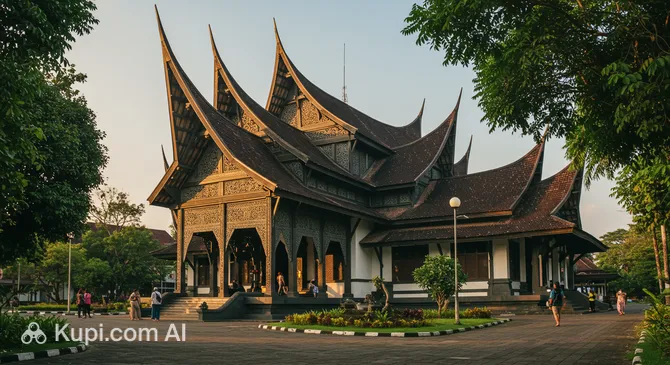
To understand the region's cultural roots before the modern era, explore the Aceh Museum. One of the oldest museums in Indonesia, it features a traditional Acehnese house known as Rumoh Aceh, built on stilts without using a single nail. The complex houses a fascinating collection of ancient household tools, weapons, and royal artifacts that offer a glimpse into the daily life and customs of the Sultanate era.

Aceh Museum. Source: Kupi.Binoculars

Finally, located at the bustling heart of the city is the Simpang Lima Monument. While smaller than the other landmarks, this roundabout is a central orientation point and a lively spot to witness the daily rhythm of the city. It is often beautifully illuminated at night, making it a popular backdrop for photos and a gateway to nearby dining and shopping areas.

Local Cuisine

The culinary landscape of Banda Aceh is a paradise for spice lovers, offering a rich tapestry of flavors that reflect the region's history as a trading hub. Acehnese cuisine is renowned for its bold use of spices, including curry leaves, lemongrass, garlic, and chilies, often blended with thick coconut milk. The food here is distinct from other parts of the archipelago, showing strong influences from Indian and Arab traditions.

No visit to the city is complete without trying Mie Aceh, the province's most iconic dish. These thick yellow noodles are served in a rich, spicy curry-like gravy that can be ordered fried, semi-wet, or soupy. It is typically accompanied by slices of beef, goat meat, or seafood like crab and shrimp. Another must-try delicacy is Ayam Tangkap, which translates to "caught chicken." This dish consists of bite-sized fried chicken pieces buried under a mountain of crispy fried aromatic leaves, such as pandan and curry leaves, creating a crunchy and fragrant experience.

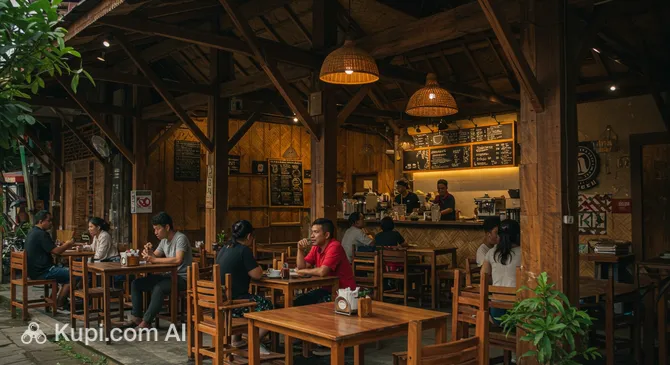
When it comes to beverages, Banda Aceh is legendary for its coffee culture. Since the region operates under Sharia law, alcohol is strictly prohibited and generally unavailable. Instead, the social scene revolves around coffee shops, known locally as warung kopi. The signature drink is Sanger, a mixture of pulled black coffee, condensed milk, and sugar, which is smoother and creamier than a standard milk coffee. For a taste of this vibrant coffee scene, you might visit Hoco Coffee Lambhuk, a popular spot where locals gather to enjoy premium brews and conversation.

Hoco Coffee Lambhuk. Source: Kupi.Binoculars

The dining culture in Banda Aceh is communal and relaxed. Locals can be found lingering in open-air eateries late into the night. For a true gastronomic adventure, head to the Peunayong area, specifically the Rex Peunayong culinary center. Here, you can sample a variety of street foods, from grilled seafood to Mie Gacoan style spicy noodles, all while soaking in the lively atmosphere of the city after dark.

Travel Tips

Planning a trip to Banda Aceh requires a bit of preparation to fully enjoy its unique cultural atmosphere and warm hospitality. These practical tips will help you navigate the local customs and logistics smoothly, ensuring a respectful and memorable experience.

  1. Clothing and Essentials: Since Aceh follows Islamic law, modest dress is strictly observed. Women should wear loose clothing that covers arms and legs, and carrying a scarf to cover the head is highly recommended (and mandatory in mosques). Men should wear long trousers rather than shorts in public. Pack light, breathable fabrics for the tropical heat, and bring a power adapter for Type C or F sockets.

  2. Transportation: Public transport options like Labi-labi (minivans) can be confusing for first-time visitors. The most convenient way to get around is by using ride-hailing apps like Gojek or Grab, which offer transparent pricing for both cars and motorbikes. For a more traditional experience over short distances, you can hire a motorized rickshaw (*becak*), but be sure to negotiate the fare before hopping in.

  3. Financial Tips: The currency is the Indonesian Rupiah (IDR). While credit cards are accepted in large hotels and some modern restaurants, cash is absolute king in local markets, warungs, and smaller shops. ATMs are widely available, but keep in mind that most banks in the region operate under Islamic banking principles; however, international cards (Visa/Mastercard) generally work fine in machines like those of Bank Syariah Indonesia (BSI).

  4. Health and Safety: Banda Aceh is a safe city with a low crime rate. Pharmacies, known as Apotek, are easy to find (look for chains like Kimia Farma) and stock most basic medications. Tap water is not safe to drink, so always stick to bottled or filtered water. It is also wise to carry mosquito repellent, especially if you plan to be outdoors in the evening.

  5. Communication: Bahasa Indonesia is the primary language. English is spoken by hotel staff and some younger locals, but it is not widely understood in traditional markets. Learning a few basic phrases like "Terima kasih" (Thank you) will be greatly appreciated. For internet access, purchasing a Telkomsel SIM card usually guarantees the best coverage in Sumatra.

  6. Local Etiquette: The people of Aceh are known for their friendliness. When greeting, a smile and a nod are polite; handshakes are common but usually initiated by the local if between opposite genders. Always use your right hand for eating, paying, or handing over items, as the left hand is considered impolite. Remember to remove your footwear when entering homes and mosques.

  7. What to Avoid: Respecting local laws is crucial here. Alcohol is strictly prohibited and is not sold in shops or restaurants. Additionally, avoid public displays of affection (such as hugging or kissing) and gambling, as these behaviors violate both social norms and local regulations.

  8. Coffee Culture Insight: To truly blend in, visit a local warung kopi. These coffee shops are the center of social life and are often open late into the night. It is perfectly normal to sit for hours with a single glass of coffee, making it an excellent way to relax and observe the local pace of life.

By respecting these local customs and coming prepared, you will find that Banda Aceh is a deeply welcoming destination with a strong sense of community. Embrace the slower pace of life, enjoy the legendary coffee, and you will be rewarded with genuine connections and unforgettable travel stories.

Entertainment & Nightlife

Entertainment:

Entertainment in Banda Aceh is defined by a relaxed, community-focused atmosphere. Unlike the bustling nightlife found in other parts of Southeast Asia, the evening scene here is centered around socializing in open spaces, night markets, and family-friendly parks. The city comes alive after sunset when the heat subsides, and locals gather to enjoy the cool breeze and good company.

One of the most popular spots for leisure is Blang Padang Field. This expansive open square serves as a hub for recreational activities, from jogging in the afternoon to enjoying local street snacks at night. It is home to the "Thanks to the World" monuments, which express gratitude to the countries that helped during the tsunami recovery. The field also features a replica of the Seulawah RI-001, Indonesia's first airplane, making it a site that blends history with daily recreation.

For those interested in cultural immersion, Queen Safiatuddin Park is a must-visit destination. This cultural park showcases the diversity of the province through a collection of traditional houses from 23 districts and cities across Aceh. It is the main venue for the Aceh Cultural Festival (PKA) and other major events, offering visitors a chance to see traditional architecture, costumes, and performances in one location.

Shoppers looking for modern amenities will find them at Suzuya Mall and Plaza Aceh. These shopping centers provide a comfortable, air-conditioned environment with a variety of retail stores, supermarkets, and food courts. They are popular hangouts for the younger generation and offer a contrast to the traditional markets found near the Baiturrahman Mosque, where you can hunt for local souvenirs like Rencong daggers or intricate gold-threaded embroidery.

Another serene spot for a leisurely walk is Bustan Al Salatin Park. Historically a garden for the Sultan's family, it now serves as a green space for the public. It is an excellent place to unwind and appreciate the city's efforts to maintain green zones amidst urban development.

Parks & Museums

While the city's major museums and the Grand Mosque often take center stage, Banda Aceh is home to other significant historical sites and green spaces that offer a quieter glimpse into its past. These locations allow visitors to trace the footsteps of sultans and admire unique architectural styles that define the region's identity.

A short distance from the city center lies Putroe Phang Park, a historical garden that dates back to the 17th century. This site is famous for the Gunongan, a striking white structure with a series of peaks that resembles a mountain. Built by Sultan Iskandar Muda, the park was originally a private playground for the royal family. Today, it serves as a peaceful retreat where you can walk among ancient trees and admire the fusion of nature and history, distinct from the more modern memorials in the city.

For those interested in unique religious architecture, the Baitul Musyahadah Mosque is a must-see landmark. Often referred to as the "Teuku Umar Mosque," it is renowned for its distinctive dome, which is shaped like a traditional Acehnese hat known as the Kupiah Meukeutop. This colorful and culturally symbolic design sets it apart from the Middle Eastern style of other mosques in the area, making it a favorite subject for photography and a proud symbol of local heritage.

In addition to these sites, the city preserves the Kerkhoff Peucut, a large Dutch military cemetery that serves as an open-air historical site. It is the resting place of over 2,000 Dutch soldiers who fell during the Aceh War, offering a somber but fascinating perspective on the colonial era. Together with the city's parks, these locations provide a comprehensive narrative of Banda Aceh, spanning from the golden age of the Sultanate to the colonial period and beyond.

Getting Around

Navigating Banda Aceh is relatively straightforward, though the public transport options are different from those found in massive metropolises. The city does not have a metro, tram, or train system for inner-city travel. Instead, the backbone of public transportation is the Trans Koetaradja, a bus rapid transit system designed to connect major districts, government offices, and tourist sites comfortably and efficiently.

The Trans Koetaradja buses are easily recognizable by their blue color and are the most tourist-friendly option. They are air-conditioned, clean, and stop at designated elevated shelters throughout the city. The network consists of several corridors, with the most popular route for visitors being the one connecting the city center to the university area and the airport. These buses are reliable, though the waiting time can vary between 15 to 30 minutes depending on traffic and the time of day.

For a more local and traditional experience, you can try the Labi-labi. These are public minivans that serve as the secondary mode of transport. While they cover routes that the larger buses might miss, they can be confusing for newcomers as they lack fixed schedules and clearly marked stops. You simply hail them from the roadside and tell the driver your destination. Another iconic option is the Becak Motor (motorized rickshaw). These are perfect for short distances and offer a breezy way to see the streets, though you must negotiate the fare with the driver before hopping in.

Regarding payment, the Trans Koetaradja system has moved towards a cashless environment. While the service has historically been heavily subsidized (often free for students and general passengers to encourage use), policies can change, so it is wise to be prepared. Typically, you do not buy paper tickets; instead, you may need to tap an electronic money card (from major Indonesian banks like Mandiri or BNI) or scan a QR code upon entry. For Labi-labi and Becaks, cash is the only accepted method, so always carry small denominations of Rupiah.

For the utmost convenience, most tourists rely on ride-hailing apps. Services like Gojek and Grab are widely available and extremely popular in the city. They offer both car (Gocar/GrabCar) and motorbike taxi (GoRide/GrabBike) options. The apps provide fixed prices, eliminating the need to haggle, and overcome language barriers since you input your destination directly on the map. This is often the most stress-free way to travel between attractions, especially in the heat.

If you prefer more independence, renting a motorbike is a common choice among travelers. Several rental agencies operate in the city center and near major hotels. However, ensure you have a valid international driving permit and are comfortable riding in mixed traffic. Note that public transport operating hours are generally limited to daytime and early evening; Trans Koetaradja buses typically stop running around 6:30 PM or 7:00 PM, so for late dinners or night markets, ride-hailing apps or taxis are your best alternatives.

Accommodation

Accommodation in Banda Aceh caters primarily to budget-conscious travelers and those seeking comfortable, mid-range stays. The city does not feature an abundance of high-end international luxury chains; instead, the hospitality landscape is dominated by locally managed hotels, clean and simple guesthouses (known locally as wisma), and a growing number of modern 3-star and 4-star establishments that provide excellent value for money.

For the most convenient experience, visitors are advised to stay in the city center, particularly in the vicinity of the Baiturrahman Grand Mosque. Staying in this area places you within walking distance of major landmarks like the Tsunami Museum and the Blang Padang Field. Another popular district is Peunayong, the city's Chinatown and culinary heart. Choosing a hotel here means you are never far from the best coffee shops and night markets, making it easy to grab a late-night meal or an early morning coffee.

Prices in Banda Aceh are generally very affordable compared to other major Indonesian tourist destinations like Bali or Jakarta. Budget travelers can find basic rooms for very low rates, while mid-range hotels offer air conditioning, Wi-Fi, and breakfast for a modest price. Booking can be done easily through major international online platforms or local Indonesian travel apps. However, a helpful tip for couples is to be aware that some strict sharia-compliant properties may ask for proof of marriage upon check-in, although major hotels accustomed to international tourists are typically more flexible.

It is recommended to book your accommodation in advance if you plan to visit during major Islamic holidays, such as Eid al-Fitr, or during the anniversary of the tsunami in December, when the city sees an influx of visitors paying their respects.

Nearby Cities

For those looking to explore the surroundings, Banda Aceh serves as an excellent base for day trips to several interesting nearby locations:

One of the most popular escapes is Sabang, located on Weh Island (Pulau Weh). Accessible via a fast ferry from the Ulee Lheue port, this island is a tropical paradise renowned for its pristine marine life, making it a world-class destination for snorkeling and diving. Visitors often head to the Zero Kilometer Monument, which marks the northernmost point of Indonesia, or relax on the white sands of Iboih and Sumur Tiga beaches.

Closer to the city limits lies the coastal area of Lhoknga. Just a short drive from the city center, this area offers a more laid-back vibe compared to the bustling capital. It is famous for its rugged cliffs, lush scenery, and excellent surf breaks. The nearby Lampuuk Beach is another favorite spot, featuring a long stretch of soft sand and seaside restaurants where you can enjoy fresh seafood while watching the sunset.

For travelers willing to venture further along the east coast for a short visit, Lhokseumawe offers a glimpse into the region's industrial and historical significance. Known as the "Petrodollar City" due to its gas resources, it also holds deep historical roots as the location of the Samudra Pasai Sultanate, the first Islamic kingdom in Indonesia.

City Population Distance (km)
Medan3632000430
Pematangsiantar278055504
Binjai269053413
Lhokseumawe180200205
Langsa178334317

These nearby destinations offer a glimpse into the diverse culture and landscapes of the region, ranging from idyllic island retreats to significant historical towns.

Shopping & Souvenirs

Shopping in Banda Aceh offers a distinct experience that contrasts with the glitzy mega-malls found in other major Indonesian cities. Here, commerce is deeply intertwined with local culture, providing a blend of traditional markets brimming with character and modern centers that offer comfort and convenience. The city is particularly noted for its high-quality textiles, intricate gold jewelry, and legendary coffee products, making it a rewarding destination for those seeking authentic local goods.

The heart of traditional shopping lies in the area surrounding the Baiturrahman Grand Mosque, specifically at Pasar Aceh (Aceh Market). This bustling multi-story market is the premier destination for clothing, including a vast array of modest wear, batik, and traditional fabrics. Another key district is Peunayong, often referred to as the city's Chinatown. Walking through these historic streets, visitors can explore shops selling gold jewelry, for which the region is famous, as well as various handicrafts and textiles in a lively, authentic atmosphere.

For a more modern retail experience, travelers can visit Plaza Aceh. Located centrally, this mall provides a comfortable, air-conditioned retreat with a variety of fashion brands, a supermarket, and dining options. It serves as a convenient stop for families and those looking for standard retail goods. Nearby, Suzuya Mall is another popular hub, featuring a large department store, an entertainment zone, and a wide selection of items ranging from electronics to daily necessities.

When hunting for keepsakes, Aceh Gayo coffee is the top choice for many; purchasing fresh beans or powder from a local roaster is a must for any coffee enthusiast. Cultural mementos are also highly sought after, such as the Songket Aceh (hand-woven fabric with gold or silver threads) or the Kupiah Meukeutop, a traditional cylindrical hat with symbolic colors. Additionally, ornamental Rencong daggers, which represent Acehnese bravery, are popular souvenirs, though travelers should be mindful of airline regulations regarding sharp objects when packing them.

Most shops and markets operate from around 9:00 AM to 9:00 PM, although traditional market stalls may close by late afternoon. Modern malls typically stay open until 10:00 PM. Visitors should be aware that many businesses may pause operations briefly during prayer times, and on Fridays, shops often close for a longer break around midday (roughly 11:30 AM to 2:00 PM) for Jumu'ah prayers. While malls and larger stores accept credit cards, cash is essential for transactions in traditional markets, smaller boutiques, and souvenir stalls. Tax-free shopping refunds are generally not available for tourists in this region.

Reached the end of the page?

That means the route is fully explored