Support

Sibolga

About

Sibolga is a bustling port city located on the western coast of North Sumatra, nestled in a natural harbor facing the Indian Ocean. As a vital maritime gateway, this city offers a unique glimpse into the coastal life of Indonesia. With a population of approximately 95,000 residents, Sibolga combines the energetic rhythm of a trade hub with the laid-back atmosphere typical of a seaside town, making it an interesting stop for travelers exploring the region.

The city has served as a significant trading post for centuries, connecting the mainland to the outer islands. Visitors can delve deeper into the history of Sibolga to understand its development from a small village into a key commercial center. This rich heritage is reflected in the diverse cultural fabric of the community and the warm hospitality that greets every visitor.
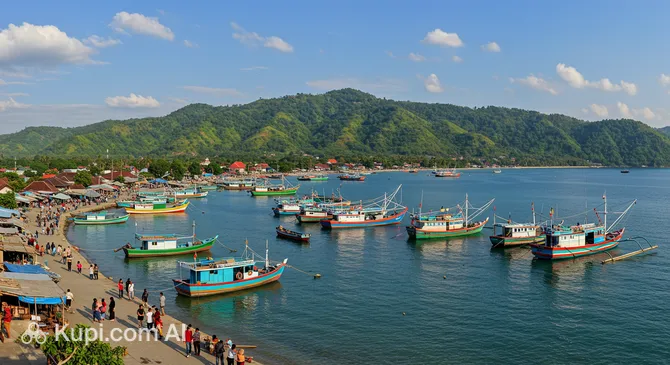
Sibolga. Source: Kupi.Binoculars

While often recognized as the primary transit point for ferries heading to the famous surfing destination of Nias Island, Sibolga possesses its own distinct charm. One of the city's highlights is the Tangga Seratus (Hundred Steps), a hilltop vantage point that offers breathtaking panoramic views of the bay and the city below. For those seeking relaxation, the nearby Poncan Gadang Island features pristine white sandy beaches and crystal-clear waters, providing a perfect escape just a short boat ride away.

Whether you are passing through on your way to an island adventure or looking to explore a genuine Sumatran coastal city, Sibolga invites you to enjoy its stunning sunsets and authentic local character. It is a destination that rewards curiosity with scenic beauty and memorable experiences.

Weather Overview

Travelers visiting this coastal city can expect a warm and consistent tropical climate throughout the year. The temperatures remain stable, with daily averages hovering around 25°C and daytime highs typically reaching up to 28°C. Evenings are mild, with lows rarely dropping below 21°C, ensuring a comfortable atmosphere for evening strolls along the harbor.

Rainfall is a frequent occurrence, playing a major role in the local climate. The weather in Sibolga is characterized by a high number of wet days, often exceeding 25 days per month, particularly in March and towards the end of the year. June and July are generally the driest months, with roughly 18 to 19 wet days, offering slightly better odds for uninterrupted outdoor activities. Expect warm, humid conditions year-round with regular showers that keep the region lush and green.

Interesting Facts

Beyond the scenic harbor and sunsets, Sibolga holds several intriguing details that often go unnoticed by the casual visitor. This compact coastal hub is defined by its unique geography and rich historical layers that extend far beyond its modern borders.

  • The Smallest City in Indonesia: Sibolga is widely recognized as the smallest independent municipality (Kota) in Indonesia by land area. Covering only about 10.77 square kilometers, this densely populated city packs a vibrant mix of cultures and commerce into a remarkably tiny footprint.

  • Origins on an Island: The city's history actually began offshore before moving to the mainland. In the 18th and 19th centuries, the primary trading post and strategic fortification were located on the tiny Poncan Ketek Island, where British and Dutch colonial powers once vied for control of the lucrative spice trade.

  • The City of Fish: Locally known as "Kota Ikan," Sibolga's identity is inseparable from the ocean. It is not just a transit point but a major supplier of seafood, famous across Sumatra for its distinctively preserved dried fish and salted marine products that are considered local delicacies.

  • A Melting Pot in Miniature: Despite its small size, the city is known as "Negeri Berbilang Kaum" (Land of Many Tribes). It hosts a harmonious and dense population of Batak, Minangkabau, Nias, and Malay communities, creating a unique cultural blend and dialect specific to this coastal enclave.

How to Get There

Reaching this coastal city is part of the adventure, offering travelers a chance to witness the diverse landscapes of North Sumatra. While the journey may involve a combination of flights and overland travel, the destination is well worth the effort. For a detailed breakdown of routes and transport options, you can read more about how to get to Sibolga on our dedicated page.

The most convenient gateway is the Ferdinand Lumban Tobing Airport (FLZ), also known as Pinangsori Airport. Although the data indicates it serves Sibolga directly, it is situated approximately 23.1 km from the city center. This small regional hub connects the area with major cities like Medan and Jakarta. A taxi or shuttle ride from here to downtown Sibolga typically takes around 55 minutes. While the passenger traffic is relatively light, ensuring a quick arrival process, flight schedules can be limited, so advance booking is recommended.

For international travelers, the primary entry point is usually Kuala Namu International Airport (KNO) located in the city of Medan. As a major aviation hub with large passenger volumes, it welcomes flights from across Asia and beyond. However, it is located about 210.5 km from Sibolga. The overland journey from Medan is scenic but long; based on the distance, a taxi or private transfer would take approximately 5.5 to 6 hours, though winding mountain roads often extend this travel time significantly.

Another viable option is flying into Sisingamangaraja XII Airport (DTB) in the city of Siborongborong. Located roughly 62.2 km from Sibolga, this airport serves the Lake Toba region and offers a stunning drive down to the coast. The trip by taxi or bus from Siborongborong takes about 1 hour and 55 minutes, making it a popular alternative for those wishing to combine a visit to the highlands with their coastal trip.

For clarity, here is a summary of the main airports:

Airport Name City Passenger Traffic Km from City
Kuala Namu International Airport Medan Large 210.5
Sisingamangaraja XII Airport Siborongborong Medium 62.2
Gunungsitoli Airport Gunungsitoli Small 135.8
Ferdinand Lumban Tobing Airport Sibolga Small 23.1

Currently, there are no railway stations servicing Sibolga directly. The railway network in North Sumatra is limited and does not extend to the western coast where the city is located. Visitors typically rely on buses, shared taxis (travel), or private cars to navigate between cities after arriving by air.

Main Attractions

Sibolga offers a compelling mix of historical sites, natural beauty, and coastal charm. While it is a compact city, its unique geography nestled between the mountains and the sea provides visitors with several memorable spots to explore. From panoramic viewpoints to idyllic islands just offshore, here are the main attractions to discover.

One of the city's most iconic landmarks is Tangga Seratus, or the Hundred Steps. This historic staircase is located near the city center and leads up a hill to a scenic vantage point. Although the climb requires a bit of effort, visitors are rewarded with a cooling breeze and a spectacular view of the entire city and the sparkling Sibolga Bay. It is a favorite spot for locals and tourists alike to exercise or simply admire the landscape from above.

For those seeking a tropical escape, Poncan Gadang Island is a must-visit destination located just a short boat ride from the harbor. This island is renowned for its pristine white sandy beaches and crystal-clear waters, making it perfect for swimming, snorkeling, and relaxation. The island features a resort and offers a tranquil atmosphere, contrasting with the busy activity of the main port, allowing visitors to immerse themselves in the natural beauty of the archipelago.

Steeped in history, Poncan Ketek Island is another fascinating stop in the bay. Smaller than its neighbor, this island was once a strategic fortification and trading post for the British and Dutch. Today, visitors can explore the remnants of this colonial past while enjoying the lush surroundings. It provides a quiet retreat where history enthusiasts can contemplate the region's significant role in the maritime spice trade centuries ago.

To experience the authentic local vibe, a visit to the Old Harbor (Pelabuhan Lama) is highly recommended, especially in the late afternoon. This waterfront area, often referred to locally as "Anggar," serves as a vibrant social hub where people gather to watch the stunning sunsets for which Sibolga is famous. With the silhouettes of fishing boats against a fiery sky and nearby stalls selling fresh local snacks, it offers a perfect end to a day of exploration.

Local Cuisine

Sibolga's culinary scene is inextricably linked to its identity as a coastal trading hub. Known locally as the "City of Fish," the cuisine here is dominated by the freshest seafood, prepared with a unique blend of spices that reflects the diverse cultural influences of the Batak and Minangkabau communities. For food enthusiasts, this city offers a genuine taste of the ocean, ranging from savory street snacks to elaborate grilled feasts.

One dish you absolutely must try is Panggang Geleng. This distinct local specialty consists of fresh mackerel meat that is deboned, mixed with spices and mashed potato, stuffed back into the fish skin, and then fried to perfection. It is often served as a side dish with rice but is flavorful enough to be eaten on its own. Another highlight is the ubiquitous Ikan Panggang (grilled fish), typically served with a variety of spicy sambals and lime, highlighting the natural sweetness of the daily catch.

When it comes to beverages, the local culture is deeply rooted in coffee. You can find traditional coffee shops, or warung kopi, scattered throughout the city, serving robust Sumatran coffee that fuels the locals' day. For something refreshing to combat the tropical heat, fresh young coconut water is widely available along the coast. In the evenings, you might also encounter traditional drinks like sweet tea or local herbal infusions.

The best place to experience the city's food culture is undoubtedly Sibolga Square. Coming alive at night, this open-air culinary center is where locals and tourists gather to dine under the stars. Here, you can browse through rows of stalls offering everything from fried noodles like Mie Gomak to an array of seafood dishes, all while enjoying the cool evening breeze. It is a vibrant, casual setting that perfectly captures the friendly spirit of Sibolga.

Travel Tips

Preparing for a trip to Sibolga ensures a smooth experience in this vibrant port city, allowing you to focus on its coastal charm rather than logistical hurdles. These practical tips are designed to help you navigate local customs and daily life, making your visit to this Sumatran gateway both comfortable and memorable.

  1. Clothing and Gear: Given the warm and humid tropical climate, pack lightweight, breathable fabrics like cotton or linen. Since Sibolga experiences frequent rainfall throughout the year, a sturdy umbrella or a high-quality raincoat is an absolute must. While the atmosphere is relaxed, it is respectful to dress modestly; cover your shoulders and knees when exploring the city or visiting villages, and always remove your shoes before entering a local home or place of worship.
  2. Transportation: The most convenient and iconic way to get around the city is by becak (motorized rickshaw). These colorful vehicles can navigate narrow streets easily, but remember to negotiate the fare with the driver before you hop in. For longer distances or trips to the airport, standard taxis or car rentals are available, though walking is often sufficient for exploring the compact city center and harbor area.
  3. Finances: The official currency is the Indonesian Rupiah (IDR). While some hotels and larger restaurants may accept credit cards, cash is king in Sibolga. You will need small denominations for paying becak drivers, buying street food at Sibolga Square, or shopping in local markets. ATMs are available in the city center, but it is wise to withdraw sufficient cash before heading to offshore islands like Poncan Gadang.
  4. Health and Safety: Sibolga is generally safe for tourists, but standard precautions apply. Avoid drinking tap water; stick to bottled or boiled water to prevent stomach issues. Pharmacies, known locally as Apotek, are easy to find for basic supplies. Since this is a coastal tropical area, bring effective mosquito repellent to protect against insect bites, especially if you plan to be outdoors during the evening.
  5. Communication: The primary language is Bahasa Indonesia, with local dialects also spoken. English proficiency may be limited outside of major hotels and the airport, so learning a few basic phrases like "Terima kasih" (Thank you) and "Berapa harganya?" (How much is this?) will go a long way. Pre-paid SIM cards are widely available at street stalls; Telkomsel usually offers the most reliable coverage in this region.
  6. Local Etiquette: Indonesians are known for their politeness and warm hospitality. Always use your right hand for eating, giving, or receiving items, as the left hand is considered unclean. A smile is the best greeting, and keeping a calm demeanor, even during negotiations or delays, is highly valued in local social interactions.
  7. What to Avoid: Public displays of affection should be avoided, as they are considered inappropriate in this conservative society. Additionally, avoid pointing at people or objects with your foot, as this is considered extremely rude.
  8. Local Souvenir Tip: Capitalize on the city's reputation as "Kota Ikan" (City of Fish) by visiting the local markets to buy Ikan Asin (salted dried fish) or anchovies. These are famous regional specialties and make for authentic, albeit pungent, souvenirs or gifts for foodies back home.

With these tips in hand, you are ready to embrace the authentic rhythm of life in Sibolga. Whether you are savoring fresh seafood by the harbor or catching a ferry to further adventures, a little preparation will ensure your journey is as enjoyable as it is fascinating.

Entertainment & Nightlife

Nightlife in Sibolga offers a distinct change of pace from the high-energy party scenes found in Indonesia's larger tourist hubs. Instead of thumping nightclubs and sprawling dance floors, the evening entertainment here is centered around a relaxed culinary culture and the local tradition of "nongkrong" (hanging out). As the sun sets over the Indian Ocean, the city cools down and the streets come alive with residents gathering to socialize, enjoy strong Sumatran coffee, and feast on fresh seafood under the stars.

The undisputed heart of the city's evening activity is Sibolga Square, located along Jalan Ahmad Yani. Formerly known as the Chinese quarter, this street transforms at night into a bustling open-air food court. It is the perfect place to immerse yourself in the local atmosphere, where the air is filled with the aroma of grilling seafood and satay. The crowd is a friendly mix of families, young locals, and travelers, all enjoying the affordable prices and vibrant energy. Stalls here typically stay open late, making it the primary destination for a midnight snack or a casual drink.

For a more modern hangout spot, the area around Jalan Imam Bonjol and Jalan S. Parman is home to several popular coffee shops and cafes that operate into the night. Kedai Kopi Bahagia is a standout venue in this district, famous for its robust local coffee and lively two-story setting. It draws a steady crowd of coffee enthusiasts and night owls looking for a comfortable place to chat. Visitors can also find various other cozy establishments in the vicinity offering contemporary café vibes and diverse menus suitable for a relaxed evening.

If you are looking for entertainment beyond dining, karaoke is a popular pastime in the region. There are several venues scattered throughout the city where you can rent a private room and sing your heart out in a comfortable, air-conditioned environment. Many of these family-friendly spots also feature restaurant areas, making them convenient destinations for an evening of fun and food with friends.

When planning a night out, keep in mind that Sibolga is a relatively conservative city. The dress code is generally casual but modest; comfortable jeans and t-shirts are the norm. Alcohol is not as widely available as in other parts of the archipelago, but you can find beer at some stalls in Sibolga Square or within hotel restaurants. The best time to head out is around 8:00 PM when the streets are most lively. For transportation, motorized rickshaws, known locally as becaks, are plentiful and safe for night travel. Always agree on a price before getting in, or ask your hotel to arrange a taxi for you.

Before the sun goes down, Sibolga offers plenty of daytime diversions to fill your schedule. You can take a boat trip to the pristine Poncan Gadang Island for swimming and beach relaxation, or climb the Tangga Seratus (Hundred Steps) to catch a panoramic view of the harbor. These scenic spots provide a peaceful counterpoint to the lively, community-focused energy that takes over the city after dark.

Parks & Museums

While Sibolga may not be defined by sprawling botanical gardens or large national museums, the city itself serves as a living gallery of maritime history and natural beauty. Its "parks" are the lush green hills that embrace the town, and its "museums" are the historical landmarks and religious sites that tell the story of its multicultural heritage. Visitors will find that the charm of Sibolga lies in exploring its open spaces and architectural remnants rather than walking through enclosed exhibition halls.

Tor Simarbarimbing is the city's premier green space and recreational area, offering a perfect blend of nature and history. Located on a hill, this park provides a cool, breezy escape from the coastal heat and features a series of hiking paths that lead to panoramic viewpoints. It is an ideal spot for nature lovers to enjoy lush tropical vegetation while gazing out over the harbor. The park is also historically significant as it houses several Japanese caves (Goa Jepang) from World War II, allowing tourists to explore the region's wartime past amidst beautiful natural surroundings.

For a more coastal experience, the Ujung Sibolga area functions as the city's seaside promenade and community park. Situated at the tip of the peninsula, this area is a favorite gathering spot for locals to watch the sunset and enjoy the ocean breeze. It offers a relaxed atmosphere where visitors can walk along the waterfront, observe traditional fishing boats returning with their catch, and appreciate the scenic beauty of the bay without leaving the mainland. It is a simple yet refreshing natural area that captures the essence of this port city.

In terms of cultural institutions, Sibolga does not possess large formal museums, but the Vihara Avalokitesvara stands out as a significant cultural and artistic venue. This Buddhist temple is not only a place of worship but also a showcase of intricate architecture and colorful statues that reflect the city's Chinese-Indonesian heritage. Visitors can admire the detailed craftsmanship of the murals and the peaceful courtyard, which offers a quiet, contemplative environment distinct from the bustling streets outside. It serves as a testament to the harmonious diversity of the local population.

Another key site preserving the city's historical narrative is the complex of Japanese Bunkers (Goa Jepang) found within the hills around the city. While not a building with artifacts, this site functions as an open-air museum. Exploring these tunnels gives travelers a tangible sense of the strategic importance Sibolga held during the colonial and wartime eras. The experience is educational and atmospheric, providing a direct link to the events that shaped the region in the 20th century.

Among the architectural highlights is the Great Mosque of Sibolga (Masjid Agung). This majestic structure is a focal point of the city's skyline and Islamic culture. Its distinctive dome and minaret are excellent examples of modern religious architecture in Sumatra. The mosque is not just a spiritual center but also a community hub, and its grandeur attracts admirers of design and culture from all backgrounds.

For an authentic local experience, try taking a morning walk through the Pasar Belakang area. While it is a market rather than a park, the vibrant display of fresh produce and the interaction between traders offer a raw, unfiltered look at the local culture that no museum could replicate. It is here that you will find the true pulse of Sibolga, hidden in the daily routines of its friendly residents.

Getting Around

Navigating Sibolga is a straightforward experience, as the city does not rely on complex heavy rail systems like metros, trams, or trains. Instead, the public transport network is informal, road-based, and perfectly scaled to the city's compact size. The primary modes of transportation for locals and visitors alike are public minivans and motorized rickshaws, which provide comprehensive coverage of the downtown area and the surrounding neighborhoods.

The backbone of local transit is the angkot (public minivan). These vehicles follow specific routes throughout the city, usually distinguished by their color or a number displayed on the windshield. They are the most affordable way to travel, operating on a hop-on, hop-off basis. There are no designated bus stops; you simply hail one from the side of the road by raising your hand. To disembark, tell the driver "Kiri" (which means "left" or "pull over") when you are approaching your destination.

For a more personalized and iconic travel experience, the motorized becak is the preferred choice. These three-wheeled vehicles are ubiquitous in the city and can navigate narrow lanes that larger vehicles cannot reach. Unlike the angkot, a becak offers door-to-door service and is ideal for travelers carrying luggage or shopping bags. They are also a popular way to take a leisurely sightseeing tour around the harbor or to the foot of the hills.

The payment system in Sibolga is exclusively cash-based. There are no travel cards, electronic passes, or ticket machines. For angkots, you pay the driver directly upon exiting; the fare is fixed and very inexpensive, typically requiring small change. For becaks, there are no meters, so it is essential to negotiate and agree on the fare with the driver before you start your journey. It is highly recommended to carry plenty of small denomination banknotes, as drivers often do not have change for large bills.

In terms of modern alternatives, ride-hailing apps such as Gojek or Grab have a presence in the region, offering motorcycle taxis (ojek) and car services. These apps provide the convenience of fixed pricing and cashless payment options if you have a linked account, though availability of drivers can fluctuate compared to larger metropolitan areas. Conventional taxis are less common on the streets and are usually found at specific stands or booked via hotels.

Most public transport operates from early morning until the early evening. Angkots generally become scarce after sunset, while becaks can be found later into the night, particularly around culinary hotspots like Sibolga Square. Since the city center is relatively small and flat, walking is also a viable and pleasant option for short distances, allowing you to soak in the local atmosphere at your own pace.

Accommodation

Accommodation in Sibolga is primarily designed to cater to travelers in transit, particularly those waiting for ferries to Nias Island or Simeulue. As a result, the city offers a range of functional and comfortable options rather than high-end luxury tourism facilities. Visitors will mostly find budget-friendly guesthouses (known locally as wisma or losmen) and mid-range hotels that provide essential amenities such as air conditioning and Wi-Fi.

The most convenient area to stay is the city center, particularly around the harbor and the main commercial streets. staying here places you within walking distance of the ferry terminal, local markets, and the nightly food stalls at Sibolga Square. For those seeking a more scenic and leisurely experience, the nearby Poncan Gadang Island offers a resort-style atmosphere. A short boat ride from the mainland, this location allows guests to wake up to ocean views and white sandy beaches, making it the premier choice for vacationers looking to relax.

Pricing in Sibolga is generally very affordable compared to larger Indonesian tourist hubs. Budget rooms can be found for very low rates, while the top-tier hotels in the city remain reasonably priced for international travelers. While major online booking platforms list the larger hotels and the island resort, many smaller guesthouses still rely on direct telephone bookings or walk-in customers. It is advisable to carry cash, as smaller establishments may not accept credit cards.

Booking Tip: Since Sibolga is a key transit point, accommodation can fill up quickly when ferry schedules align with major holidays or weekends. If you are traveling during the peak travel seasons of Idul Fitri or Christmas, or if you have a strict ferry connection to catch, it is highly recommended to book your room at least a few weeks in advance to secure a spot near the port.

Nearby Cities

For those looking to explore the surroundings, Sibolga serves as an excellent base for day trips to several interesting nearby locations:

One of the most notable destinations within reach is Pematangsiantar. Situated in the cooler highlands, this city is often the next stop for travelers heading towards Lake Toba. It is famous for its rich culinary heritage, particularly its local coffee shops and bakeries that have been serving customers for decades. Additionally, the city is home to the Siantar Zoo, which is renowned for its collection of diverse wildlife, making it a worthwhile visit for families and animal lovers.

For those willing to venture further, the provincial capital of Medan offers a vibrant urban experience. As the economic and cultural hub of North Sumatra, it features impressive historical landmarks such as the Maimun Palace and the Great Mosque of Medan. The city is a melting pot of cultures, reflected in its diverse food scene, where visitors can taste authentic dishes ranging from spicy curries to the famous Durian fruit. While the journey is longer, the city provides a stark and exciting contrast to the quiet coastal life of Sibolga.

City Population Distance (km)
Medan 3,632,000 206
Pematangsiantar 278,055 139
Binjai 269,053 210
Dumai 264,084 291

These nearby destinations offer a glimpse into the diverse culture and landscapes of the region.

Shopping & Souvenirs

Shopping:

Shopping in Sibolga offers a distinct experience centered around traditional commerce rather than modern retail therapy. As a transit hub and port town, the commercial scene is dominated by bustling local markets and family-run shops rather than sprawling luxury malls. Visitors should prepare to explore vibrant rows of shophouses and open-air stalls where the city's maritime heritage is on full display, offering a glimpse into the daily lives of the residents.

The most famous items to buy here are undoubtedly marine products. True to its nickname "Kota Ikan" (City of Fish), Sibolga is renowned across Sumatra for its high-quality Ikan Asin (salted dried fish) and Ikan Teri (anchovies). These are not merely ingredients but cultural staples of the region. You can find specialized shops lining the streets near the harbor and the central market, offering a wide variety of dried seafood that is often vacuum-packed for easy travel. These savory delicacies are considered the ultimate authentic souvenir from the city.

For a deep dive into local culture, a visit to Pasar Sibolga Nauli is essential. This central market serves as the commercial heart of the city, offering everything from fresh tropical fruits and vegetables to colorful textiles and household goods. It is a sensory experience filled with the chatter of bargaining and the aroma of local spices. Early morning is the best time to visit to witness the market at its liveliest, as traders set up their wares and locals shop for their daily meals.

Beyond seafood, travelers can find other regional treats such as Kerupuk Sambal. These spicy cassava crackers are a popular snack in the area, known for their fiery kick and crunchy texture. Additionally, given the city's location in North Sumatra, you can easily find packs of robust Sumatran coffee beans or powder in local grocery stores. These make for excellent gifts for coffee lovers back home, capturing the rich flavors of the island's highlands.

When shopping in Sibolga, it is important to keep a few practical tips in mind. Cash is the primary mode of payment, especially in traditional markets and smaller stalls where credit cards are rarely accepted. Bargaining is a common practice in the markets, so do not hesitate to negotiate politely with vendors to reach a fair price. Most shops open early in the morning and tend to close by early evening, so it is best to plan your shopping excursions during the day.

Reached the end of the page?

That means the route is fully explored