Support

Siborongborong

About

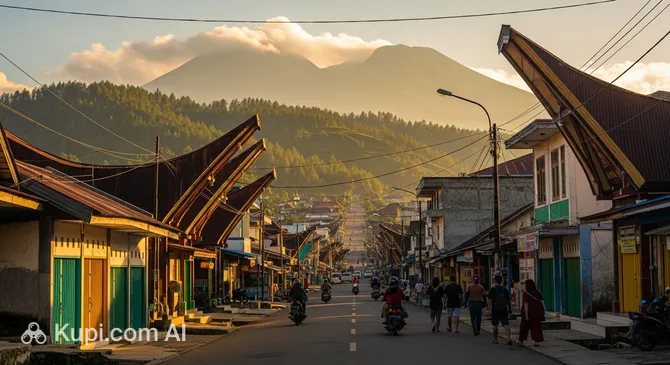
Welcome to Siborongborong, a vibrant district located in the North Tapanuli Regency of North Sumatra. Known for its refreshing highland climate and bustling atmosphere, this town serves as a crucial gateway for travelers exploring the magnificent landscapes of Indonesia. Situated at a high altitude, Siborongborong offers a pleasant escape from the tropical heat often found in the lowlands, greeting visitors with cool breezes and scenic views of the Bukit Barisan mountain range.

Siborongborong. Source: Kupi.Binoculars

The town has grown significantly over the years, transforming from a quiet settlement into a key economic and transportation hub. While delving into the history of Siborongborong, visitors will discover its deep connection to the Batak Toba culture, which is evident in the local architecture, traditions, and daily life of the residents. Its strategic location near Silangit International Airport makes it the primary entry point for tourists heading to the world-famous Lake Toba.

Travelers are often drawn to Siborongborong not just for its convenience, but for its unique culinary experiences. The town is famous for Ombus-ombus, a traditional sweet snack made from rice flour and coconut sugar that is best enjoyed warm. Additionally, the region is renowned for its high-quality Arabica coffee, making it a paradise for coffee enthusiasts who wish to taste authentic local brews right at the source.

Whether you are passing through on your way to Lake Toba or planning to explore the highlands of North Tapanuli, Siborongborong offers a warm welcome and a taste of authentic Sumatran hospitality. Be sure to stop by the local markets, sip a cup of fresh coffee, and enjoy the invigorating mountain air.

Weather Overview

Due to its elevation, Siborongborong enjoys a mild and refreshing highland climate that remains relatively stable throughout the year. Unlike the tropical heat found in Indonesia's lowlands, this area offers a cooler atmosphere, making it a pleasant escape for travelers. The average temperature stays consistent at around 21°C to 22°C, with daytime highs rarely exceeding 25.4°C and nighttime lows dipping to approximately 17.5°C.

Rainfall is a constant feature of the local weather pattern, characterized by a high frequency of rainy days rather than intense downpours. Visitors should expect precipitation on most days of the month, ranging from about 20 wet days in July to a peak of 29 wet days in November and December. While the recorded precipitation volume is generally low, often between 5mm and 13mm, the frequent drizzle and mist contribute to the region's lush, green surroundings. For specific forecasts and seasonal trends, you can consult the detailed guide on the weather in Siborongborong to help plan your packing list.

Interesting Facts

Beyond the misty landscapes and bustling transit routes, Siborongborong holds unique cultural nuances that often surprise visitors. This highland town is not just a stopover but a place with distinct traditions and culinary secrets waiting to be uncovered.

  • The town is widely celebrated as the birthplace of "Ombus-ombus," a traditional sweet snack made from rice flour and coconut sugar. The name curiously translates to "blow-blow," referring to the necessity of blowing on the cake before eating it, as it is traditionally served piping hot to combat the cool mountain air.

  • A surprising culinary feature of the area is the consumption of horse meat, which is quite rare in other parts of the archipelago. Locals often enjoy it as a rich soup or satay, believing it provides extra energy and warmth needed to thrive in the high-altitude climate.

  • Tuesday is the most important day of the week in Siborongborong, known locally as "Onan." This is the grand market day when the population swells with traders and farmers from surrounding villages, turning the town into a vibrant center of commerce and social gathering that dates back generations.

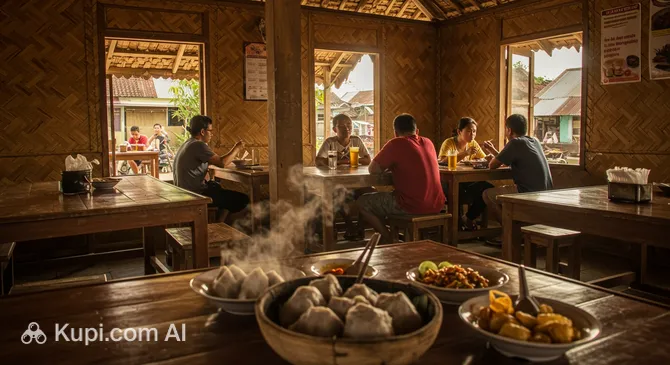
  • Noodle dishes are a staple comfort food here, perfectly suited for the chilly weather. Visitors looking to taste this local obsession can visit Kedai Bakmi Panjang, a well-known spot that offers a delicious glimpse into the town's love affair with hearty, warm meals.

Kedai Bakmi Panjang. Source: Kupi.Binoculars

How to Get There

Reaching this highland destination has become increasingly convenient, making it a key entry point for the Lake Toba region. For a detailed overview of all transport options, you can read more about how to get to Siborongborong. The most direct and popular method is flying directly into the town. Siborongborong is home to Sisingamangaraja XII Airport (DTB), formerly known as Silangit Airport. Located just 5.8 km from the center, this airport has modernized significantly to welcome tourists. The trip from the airport to the town center is very short, taking approximately 10 to 15 minutes by taxi or shuttle.

For international travelers or those arriving from major global hubs, the main gateway is often Kuala Namu International Airport (KNO) in the city of Medan. As a major transit hub with high passenger traffic, it offers extensive connections but is located about 158 km from Siborongborong. The overland journey from Medan involves a scenic drive through the mountains, which typically takes around 4 to 5 hours by taxi or private car. Another regional option is Ferdinand Lumban Tobing Airport (FLZ) in Sibolga, situated roughly 73 km away, with a travel time of about 2 hours and 10 minutes.

For clarity, here is a summary of the main airports:

Airport Name City Passenger Traffic Km from City
Kuala Namu International Airport Medan High 158.2
Sisingamangaraja XII Airport Siborongborong Medium 5.8
Gunungsitoli Airport Gunungsitoli Small 182.3
Ferdinand Lumban Tobing Airport Sibolga Small 73.1

Currently, there are no railway stations directly serving Siborongborong or its immediate vicinity. Travelers relying on land transport typically use the extensive network of buses and shared taxis (locally known as "travel") that connect the town with major cities across Sumatra, such as Medan and Padang. The Trans-Sumatran Highway runs through the area, facilitating road access for those driving or taking long-distance buses.

Main Attractions

While often viewed as a transit hub, Siborongborong serves as a strategic base for exploring the breathtaking highlands of North Sumatra. The town and its immediate surroundings offer a mix of panoramic natural vistas, unique cultural traditions, and culinary landmarks that provide a deeper understanding of the Batak Toba region.

One of the most spectacular sites located just a short drive from the town center is Huta Ginjang. Situated at a high elevation, this vantage point is widely considered one of the best places to view the vast expanse of Lake Toba. The scenery here is mesmerizing, with the blue waters of the lake framed by green hills and the distant Samosir Island. It is not only a spot for sightseeing but also a popular destination for adventure seekers, as the winds here create perfect conditions for paragliding.

For a taste of local excitement, the Siborongborong Horse Racing Arena (Gelanggang Pacuan Kuda) is a unique attraction that sets this town apart. Horse racing has a long history in the area, often drawing large crowds of locals who come to cheer on their favorite jockeys. The atmosphere on race days is electric, reflecting the "cowboy" spirit that some visitors associate with this highland town. Even on quiet days, the open grounds offer a glimpse into a distinct part of the local heritage.

Culinary tourism is a major draw here, and no visit is complete without stopping at Kedai Bakmi Panjang. This legendary eatery has built a reputation for serving delicious, warming bowls of noodles that are perfect for the cool mountain climate. It is a favorite among both locals and travelers passing through, offering an authentic taste of the region's comfort food culture in a simple, welcoming setting.

In the heart of the town, you might also notice the Ombus-Ombus Monument. This statue depicts a vendor on a bicycle, paying homage to the town's most famous snack, the sweet rice cake known as ombus-ombus. It serves as a quirky photo opportunity and a reminder of the town's culinary pride, encouraging visitors to seek out the fresh, steaming cakes sold at nearby stalls.

Local Cuisine

The local cuisine of Siborongborong is deeply influenced by its cool highland climate and the rich traditions of the Batak Toba culture. Food here is designed to provide warmth and energy, making it a comforting experience for travelers arriving from the warmer lowlands. The culinary scene is unpretentious and hearty, centered around traditional stalls, bustling markets, and local gathering spots known as lapo.

The undisputed star of the town's gastronomy is Ombus-ombus. This traditional snack is made from rice flour, grated coconut, and brown sugar, wrapped in banana leaves and steamed to perfection. It is best eaten while piping hot, and you will often see steam rising from the cakes at roadside stalls. The name itself suggests the act of blowing on the hot cake before taking a bite, a ritual that every visitor must try.

For a heavier meal, the town offers a unique local specialty: horse meat. Unlike in many other parts of Indonesia, horse meat is a common delicacy here, prized for its ability to warm the body in the chilly weather. It is typically served as a rich, spicy soup or as tender satay. Noodle dishes are also extremely popular for the same reason. A visit to Kedai Bakmi Panjang offers a chance to taste the local take on seasoned noodles, which has become a legendary stop for hungry travelers passing through the region.

Beverages in Siborongborong are just as important as the food. The region produces some of the finest Arabica coffee in North Sumatra, known for its smooth, earthy flavor profile. Coffee shops are ubiquitous, serving fresh local brews that energize the locals throughout the day. In the evenings, the social scene often shifts to the consumption of Tuak, a traditional alcoholic drink made from fermented palm sap. Drinking tuak is a communal activity, often accompanied by singing and guitar playing in local stalls.

To truly experience the food culture, visitors should explore the traditional markets, especially on the weekly market day. Here, you can find an array of fresh produce, spicy condiments like the famous andaliman pepper, and various traditional cakes including lapet and pohul-pohul. Whether you are snacking on the street or dining in a simple wooden eatery, the food in Siborongborong offers an authentic taste of highland hospitality.

Travel Tips

To ensure your trip to the highlands of North Sumatra is as smooth and enjoyable as possible, we have compiled a set of practical guidelines tailored to the unique environment of Siborongborong. These tips will help you navigate the local customs, climate, and logistics, allowing you to focus on the stunning scenery and rich culture.

  1. Dress for the Cool Highlands: Unlike the tropical heat typical of Indonesia, Siborongborong is situated at a high altitude and can get quite chilly, especially in the evenings and early mornings. Bring a warm jacket, sweater, or hoodie, and consider long pants rather than just shorts. Comfortable walking shoes are essential, as the terrain can be uneven, particularly if you plan to visit viewpoints like Huta Ginjang.

  2. Transportation Options: Public transport within the town consists mainly of becak bermotor (motorized trishaws) and local minibuses known as angkot. Ride-hailing apps may have limited availability compared to major cities like Medan. For the most flexibility in exploring the surrounding Lake Toba region, hiring a car with a local driver is highly recommended.

  3. Cash is King: The currency is the Indonesian Rupiah (IDR). While there are ATMs available in the town center and near the airport, many local eateries (warungs), traditional markets, and souvenir stalls do not accept credit cards. It is wise to withdraw cash upon arrival and keep smaller denominations handy for snacks and transport.

  4. Health and Safety: Pharmacies (Apotek) are available in the town center, but they may not operate 24 hours a day. Basic medical facilities are present, but for serious emergencies, evacuation to a larger city might be necessary. The town is generally very safe, but standard precautions like watching your belongings in crowded market areas apply.

  5. Communication and Connectivity: Bahasa Indonesia is the national language, but the local Batak Toba dialect is widely spoken. English is understood by staff at the airport and some larger hotels, but less so in local markets. "Horas" is the universal greeting here—use it freely with a smile! For mobile data, Telkomsel typically offers the strongest signal coverage in this mountainous region.

  6. Understanding Local Mannerisms: The Batak people are known for their straightforwardness and loud speaking volume, which is a cultural norm rather than a sign of anger or aggression. Do not be intimidated by the boisterous tone; it is often an expression of warmth and enthusiasm. A firm handshake is a common way to greet people.

  7. What to Avoid: Avoid using your left hand to give or receive money and objects, as it is considered impolite in Indonesian culture. Also, try not to reject food or drink offered by a host too abruptly; a polite decline with a smile is better received.

  8. Market Day Insight: If your schedule allows, visit on a Tuesday, which is the traditional market day ("Onan"). This is the best time to experience the town's vibrant energy, buy fresh local Arabica coffee beans directly from farmers, and taste the freshest ombus-ombus cakes.

By keeping these practical tips in mind, you will be well-prepared to embrace the cool mountain air and the warm hospitality that defines Siborongborong. Enjoy your adventure in this unique corner of North Sumatra!

Entertainment & Nightlife

Entertainment in Siborongborong is distinctively different from the pulsing nightlife found in Indonesia's major metropolises. Here, the evening scene is defined by the cool highland air, warm community gatherings, and a relaxed, rustic atmosphere. Instead of neon-lit dance floors and high-end nightclubs, you will find cozy spots where locals gather to socialize, sing, and enjoy the region's unique culinary offerings. The nightlife is centered around connection and comfort rather than spectacle.

The true heart of the town’s social life after dark beats in the traditional Lapo Tuak establishments. These are local pubs found throughout the districts and along the main roads, serving tuak (traditional palm wine). The atmosphere in a Lapo is lively and welcoming, often filled with the sounds of acoustic guitars and collective singing, reflecting the Batak people's deep love for music. For visitors, joining a session here is the most authentic way to experience the local "nightclub" vibe, where the crowd is friendly and the dress code is entirely casual.

Dining is a major part of the evening culture, largely due to the chilly temperatures that set in after sunset. The streets, particularly around the central market area and Jalan Sisingamangaraja, come alive with food vendors and steam rising from open kitchens. For a comforting late-night meal, Kedai Bakmi Panjang is a highly recommended stop. Known for its savory noodle dishes, it provides a warm refuge from the cold and serves as a popular meeting point for both locals and travelers winding down their day.

Beyond the traditional stalls, you can find several karaoke lounges and modern coffee shops scattered along the main thoroughfares. These venues offer a more contemporary setting for those looking to relax with a hot cup of fresh Lintong coffee or sing their hearts out with friends. These spots are generally affordable, with prices for drinks and snacks being very reasonable compared to tourist hotspots.

If you plan to explore the nightlife, practical preparation is key. The temperature drops significantly at night, so a thick jacket or sweater is essential—warmth takes precedence over style here. Most venues close relatively early, often winding down by midnight. Public transportation is scarce late at night, so it is advisable to arrange a ride beforehand, have a taxi contact ready, or stick to areas within walking distance of your accommodation. The town is generally safe for night walks, but sticking to well-lit main streets is always good advice.

During the day, the entertainment options shift towards cultural and natural exploration. While the town lacks large museums or amusement parks, the daily activity revolves around the bustling traditional markets and the scenic landscapes. Visitors often spend their daylight hours exploring nearby viewpoints or watching local horse racing events when available, before returning to the town center to enjoy the warm, communal atmosphere of the evening.

Parks & Museums

While Siborongborong is primarily known as a transit hub and a center of commerce, its true beauty lies in the surrounding natural landscapes rather than manicured urban parks. The town serves as a gateway to the highlands, offering visitors immediate access to lush pine forests, agricultural vistas, and breathtaking geological sites that function as natural recreational areas.

Huta Ginjang stands out as the most significant natural area in the vicinity. Part of the Toba Caldera Geopark, this site is more than just a viewpoint; it is a sprawling highland area covered in pine trees and native vegetation. Visitors can wander through the natural trails, breathing in the crisp mountain air while enjoying a panoramic backdrop that encompasses Lake Toba and Samosir Island. It is a favorite spot for nature lovers who appreciate raw, unpolished beauty over landscaped gardens.

Another key green space accessible from the town is the Sipinsur Geosite. Although located a short drive away in the neighboring district, it is frequently visited by tourists staying in Siborongborong due to its proximity. This area features a well-maintained pine forest park that is perfect for camping, picnics, and leisurely walks. The park offers a serene environment where the scent of pine needles mixes with the cool breeze, providing a tranquil escape from the bustling market streets of the town center.

In terms of formal institutions, Siborongborong does not have its own dedicated museums within the town limits. However, it serves as the perfect starting point to visit the TB Silalahi Center, located approximately 30 minutes away in Balige. This is the premier cultural repository of the region, housing the Batak Museum. Here, visitors can explore an extensive collection of traditional artifacts, ancient scripts, and historical displays that narrate the rich history of the Batak ethnic groups. It is an essential stop for anyone looking to understand the cultural context of the highlands.

For a more immersive cultural experience within Siborongborong itself, the town can be viewed as a "living museum." The local landscape is dotted with traditional Batak tombs, known as Tugu. These elaborate, multi-tiered monuments are built by families to honor their ancestors and are significant architectural landmarks. They are often visible from the main roads and amidst the rice fields, showcasing intricate designs and the deep respect the local community holds for their lineage.

Architecturally, the region is defined by the presence of Rumah Bolon, the traditional Batak houses. While modern concrete buildings dominate the town center, a short venture into the outskirts reveals these distinct wooden structures with their signature curved roofs resembling buffalo horns. These houses are not merely historical relics but active homes, reflecting the enduring lifestyle and communal values of the local people.

For an authentic insider experience, consider visiting a local coffee plantation. The hills around Siborongborong are famous for Arabica coffee cultivation. Many smallholder farms welcome visitors to walk among the coffee shrubs, learn about the processing methods, and experience the agricultural heritage that shapes the town's economy. It is a hands-on way to connect with the land and its history without the confines of a traditional museum.

Getting Around

The public transport system in Siborongborong is straightforward, informal, and entirely road-based. Unlike large metropolises, this highland town does not have a metro, tram, or train network within the city limits. Instead, locals and visitors rely on a mix of motorized rickshaws, public minivans, and shared taxis to navigate the area. The system is designed to serve the practical needs of the community, making it an authentic, albeit rustic, experience for travelers.

The most iconic and ubiquitous mode of transport you will encounter is the becak bermotor (motorized rickshaw), often referred to locally as a bentor. These consist of a motorcycle attached to a sidecar, often painted in bright colors. They are the primary way to get around the town center and residential areas for short distances. Becaks are convenient because they can navigate narrow lanes and offer a door-to-door service that larger vehicles cannot match. They are easy to find; you will see them parked at street corners or cruising slowly looking for passengers.

For moving along the main roads or traveling between districts, the angkot (public minivan) is the standard option. These are modified passenger vans that follow specific routes, although in a smaller town like Siborongborong, the routes are often just linear along the main highway (Jalan Sisingamangaraja). They do not have fixed stops; you simply wave your hand to hail one from the roadside and tell the driver to stop when you are close to your destination. They are the most budget-friendly way to travel but can be cramped and do not run on a strict timetable.

The payment system across all forms of local public transport is strictly cash. There are no travel cards, electronic passes, or tap-to-pay systems available here. You must pay the driver directly in Indonesian Rupiah (IDR). For an angkot ride, the fare is fixed and very low, usually a few thousand rupiahs. For a becak, the price is not fixed and must be negotiated before you hop in. It is highly advisable to carry small denominations (notes of 2,000, 5,000, and 10,000 IDR), as drivers often struggle to provide change for large bills.

Ride-hailing apps like Grab or Gojek have a presence in the region, but availability can be inconsistent compared to major cities. You might find drivers for motorcycle taxis (ojek online) or cars during the day, but wait times can be longer, and service may be non-existent late at night or in remote outskirts. It is best not to rely solely on apps for time-sensitive trips, such as catching a flight, unless you book well in advance.

For tourists planning to explore the surrounding highlands or visit Lake Toba, car rental with a driver is the most popular and practical alternative. While not "public transport" in the traditional sense, it is the standard way for visitors to move around due to the freedom it offers. You can arrange this through your hotel or at the airport. Additionally, for intercity travel, shared taxis known locally as "Travel" (usually Toyota Innova or Avanza cars) are very common. They operate from small offices or terminals in town and connect Siborongborong to other major hubs.

A special feature of the local transport landscape is the DAMRI bus service connected to the nearby Sisingamangaraja XII Airport. These government-operated buses provide a reliable and affordable link between the airport, Siborongborong, and the tourist area of Parapat on Lake Toba. They are modern, air-conditioned, and run on a schedule aligned with flight arrivals, making them one of the few scheduled transport options in the area.

Operating hours for local transport are generally limited to daylight hours and early evening. Angkots and becaks are plentiful from early morning until around 6:00 PM or 7:00 PM. After dark, the frequency drops significantly, and by late night, it can be very difficult to find public transport on the street. If you plan to be out late, ensure you have a phone number for a local driver or arrange a pickup with your accommodation beforehand.
Accommodation

Where to Stay:

Accommodation in Siborongborong is primarily designed to serve the needs of transit travelers and visitors exploring the North Tapanuli highlands. The options here are generally functional and modest, ranging from simple guesthouses and budget inns (known locally as wisma or losmen) to comfortable mid-range hotels. Unlike the luxury resort areas found directly on the shores of Lake Toba, the lodging scene here focuses on providing a convenient and restful stopover, particularly for those arriving late or departing early via the nearby airport.

The most convenient area to stay is along the main thoroughfare, Jalan Sisingamangaraja. Staying in the town center places you within walking distance of local markets, convenience stores, and the vibrant evening street food scene. This area is ideal for travelers who want to experience the local culture and have easy access to public transport. Alternatively, there is a growing cluster of accommodations springing up near Sisingamangaraja XII Airport (Silangit). These transit hotels are perfect for passengers with early morning flights, offering modern amenities and shuttle services, though they are slightly removed from the bustle of the town center.

For travelers concerned about costs, Siborongborong is a very budget-friendly destination. The price range for most accommodations is quite affordable, with many clean and basic rooms available at low rates. Mid-range options offer air conditioning, hot showers—a necessity in the cool highland climate—and Wi-Fi, but prices remain reasonable compared to major tourist hubs. While the larger hotels near the airport can often be booked via major online travel platforms, many smaller, family-run guesthouses in town still operate on a walk-in basis or via direct phone bookings.

Booking Tip: Although accommodation is generally available, it is highly recommended to book your room in advance if you are traveling during the "Mudik" season (major Indonesian holidays) or if your flight arrives late at night. The town can get surprisingly busy during local market days and festivals, and securing a reservation ensures you have a warm place to rest immediately upon arrival in the chilly highlands.

Nearby Cities

For those looking to explore the surroundings, Siborongborong serves as an excellent base for day trips to several interesting nearby locations:

City Population Distance (km)
Medan 3,632,000 157
Pematangsiantar 278,055 84
Binjai 269,053 164
Dumai 264,084 277

Pematangsiantar, located approximately 84 km away, is a popular destination for a day trip. Often referred to simply as Siantar, this city is the second-largest in the province and is famous for its unique mode of transport: vintage BSA motorcycles converted into motorized rickshaws. It is also a culinary hotspot, where visitors often stop to buy the legendary fresh bread from Toko Roti Ganda or visit the Vihara Avalokitesvara to see the tallest statue of Dewi Kwan Im in Southeast Asia.

Although situated further away, Medan is the bustling capital of North Sumatra and offers a complete change of pace from the highlands. As a major metropolis, it is a melting pot of Chinese, Malay, Indian, and Batak cultures. Travelers can explore historical landmarks like the Maimun Palace and the Great Mosque of Medan, or dive into what is widely considered one of the best culinary scenes in Indonesia. While the distance makes it a long day trip, it is an essential stop for a short visit to understand the urban heartbeat of the region.

These nearby destinations offer a glimpse into the diverse culture and landscapes of the region.

Shopping & Souvenirs

Shopping in Siborongborong offers a distinctly authentic experience that stands in contrast to the polished malls of big cities. Here, commerce is driven by tradition and local needs, providing visitors with a glimpse into the daily lives of the Batak people. The town is not a destination for luxury brands or high-end fashion; instead, it is a treasure trove for agricultural products, traditional textiles, and unique local snacks. The atmosphere is bustling and rustic, particularly on market days when the streets fill with traders from the surrounding highlands.

The primary commercial hub of the town runs along Jalan Sisingamangaraja. This main thoroughfare is lined with rows of shophouses (known as ruko) that sell everything from electronics and hardware to clothing and groceries. Walking down this street, you will find small family-run businesses operating alongside convenience stores. It is the best place to pick up daily necessities or explore small boutiques selling modest local fashion and accessories.

Travelers looking for large, modern shopping complexes will not find them here. Siborongborong does not have department stores or shopping malls. The retail landscape is dominated by traditional markets and standalone shops. For those accustomed to one-stop shopping in air-conditioned buildings, this might require an adjustment, but it offers a more personal interaction with local vendors and a chance to support the small-scale economy directly.

The highlight of the local shopping scene is undoubtedly the Tuesday Market, locally known as "Onan." On this day, the town transforms into a massive open-air bazaar that draws farmers and merchants from villages across North Tapanuli. It is a sensory overload of sights and smells, where you can find fresh mountain vegetables, live livestock, and colorful spices. For a tourist, wandering through the Onan is an attraction in itself, offering the best opportunity to observe local trading customs and perhaps buy fresh fruits like passion fruit or tamarillo directly from the growers.

When it comes to souvenirs, Siborongborong is famous for its culinary products rather than trinkets. The top item to bring home is Arabica coffee (often labeled as Lintong or Silangit coffee), which is grown in the surrounding volcanic soil and is highly prized by coffee connoisseurs. Another must-buy is Ulos, the traditional hand-woven Batak cloth, which holds deep cultural significance. You can also look for Andaliman, the unique local "Szechuan pepper" that gives Batak cuisine its signature kick, often sold dried or as a paste.

Most shops in the town center open around 8:00 AM and close by 6:00 PM or 7:00 PM, although some food stalls stay open later. The traditional market starts much earlier, often at dawn, and winds down by early afternoon. Cash is the absolute rule for almost all transactions here. While a few modern convenience stores might accept digital payments, traditional market vendors and small shops deal exclusively in Indonesian Rupiah. Ensure you have plenty of small denominations handy.

Tax-free shopping and refund schemes are not available in Siborongborong. The tax refund system in Indonesia is generally limited to specific luxury retailers in major international gateways and does not apply to the traditional markets or small businesses found in this highland town.

Reached the end of the page?

That means the route is fully explored