Support

Gunungsitoli

About

Gunungsitoli is the bustling heart of Nias Island and a welcoming destination for travelers seeking an authentic experience in Indonesia. As the primary gateway to the island, this coastal city offers a unique blend of modern development and deep-rooted cultural traditions, serving as an ideal starting point for exploring the wider region. Its atmosphere is characterized by a lively mix of commercial activity and the laid-back rhythm typical of island life.

Geographically located in the North Sumatra province, the city sits along the northeastern coast of Nias. With a population of approximately 137,000 residents, it acts as the main commercial and administrative hub of the area. The climate is typically tropical, offering warm weather year-round that complements the lush green surroundings and refreshing coastal breezes.
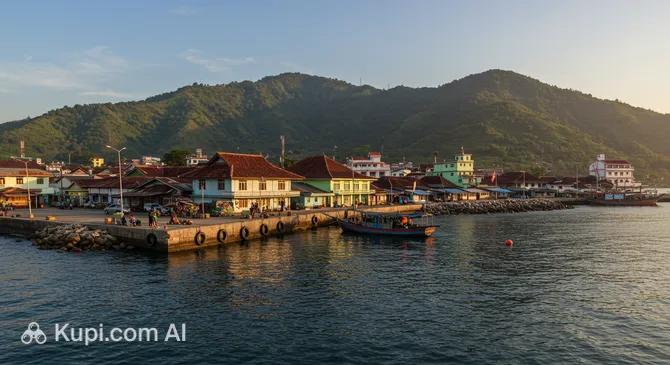
Gunungsitoli. Source: Kupi.Binoculars

The city has played a significant role in the region's development over the centuries. Visitors interested in the past can explore the history of Gunungsitoli to learn how it has evolved from a quiet settlement into a resilient urban center. The city stands as a testament to the strength of its community, having rebuilt and modernized while preserving its unique identity.

Among the key attractions, the Museum Pusaka Nias is an absolute must-visit. It houses an impressive collection of traditional artifacts, megalithic statues, and flora, providing deep insight into the island's heritage. For those seeking relaxation, Muara Indah Beach offers scenic views and a pleasant park area where locals and tourists alike gather to enjoy the sunset. The city is also known for its traditional wooden architecture, which can still be spotted amidst newer buildings.

Whether you are passing through on your way to the island's famous surfing spots or staying to soak in the local culture, Gunungsitoli offers a warm and memorable welcome. It is a destination that invites you to discover the charm, resilience, and hospitality of Nias Island.

Weather Overview

Travelers to Gunungsitoli can expect a warm, tropical climate year-round with very little fluctuation in temperature. The city maintains a comfortable average of approximately 26°C to 27°C, with daily highs peaking near 29°C in February and nights remaining mild, rarely dropping below 25°C. This consistent warmth makes the region pleasant for outdoor activities, though the high humidity is a constant factor.

Rainfall is a defining feature of the local environment, characterized by a significant number of wet days throughout the calendar. November and December are the wettest months in terms of frequency, seeing rain on up to 29 days, while June is relatively drier but still records around 21 wet days. For a more detailed breakdown of what to expect during your specific travel dates, you can check the weather in Gunungsitoli. Despite the frequent precipitation, the rain often comes in bursts, allowing for exploration in between showers.

Interesting Facts

Beyond the main attractions and bustling streets, Gunungsitoli holds many fascinating secrets that reveal the depth of its heritage and natural beauty. For the curious traveler, the city offers more than just a transit point, hiding stories of ancient dwellings and unique cultural philosophies.

  • Hidden Ancient Dwellings: Just a short distance from the city center lies the Togindrawa Cave, a natural limestone formation that is more than just a scenic spot. Archaeological findings suggest this cave was inhabited by humans thousands of years ago, offering a rare glimpse into the prehistoric life of Nias Island’s earliest settlers.

  • A Living Megalithic Gateway: While Gunungsitoli is a modern administrative hub, it serves as the threshold to one of the few remaining living megalithic cultures in the world. In the surrounding region, the tradition of carving and erecting large stone monuments to honor ancestors and establish social status is still practiced today, a custom that has vanished from most other parts of the globe.

  • More Than a Greeting: You will hear the word "Ya'ahowu" spoken everywhere in the city, but it is far more than a simple "hello." It is a profound blessing meaning "may you be blessed with grace," encapsulating the core philosophy of peace and brotherhood that defines the local community.

  • A Museum with a Zoo: The famous Museum Pusaka Nias is known for its artifacts, but few realize it also serves as a conservation center. The grounds feature a mini-zoo and botanical garden, housing indigenous plants and animals, including crocodiles and deer, making it a sanctuary for both culture and nature.

How to Get There

Reaching this island destination is an exciting part of the journey, typically involving a connection through major hubs in Sumatra. For a comprehensive guide on the various travel routes, you can read more about how to get to Gunungsitoli. Most travelers arrive by air, landing directly on Nias Island, although overland and sea options via neighboring cities are also available for the adventurous.

The most convenient entry point is Gunungsitoli Airport (IATA: GNS), also known locally as Binaka Airport. Located approximately 16.1 km from the city center, it serves as the primary gateway for visitors. The trip from the airport to downtown Gunungsitoli typically takes around 45 minutes by taxi or shuttle bus, offering a scenic introduction to the island's landscape. This airport handles a steady flow of regional flights, connecting the island to the rest of Indonesia.

Since direct international flights to Nias are rare, most visitors first fly into Kuala Namu International Airport (IATA: KNO) in Medan. As a major international hub located about 296 km away across the strait, it welcomes millions of passengers annually. From Medan, travelers can easily catch a connecting flight to Gunungsitoli, which takes just under an hour. Alternatively, for those planning a land-and-sea journey, Ferdinand Lumban Tobing Airport (IATA: FLZ) in Sibolga is another option. Situated roughly 145 km away, Sibolga serves as the departure point for ferries crossing to Nias Island.

For clarity, here is a summary of the main airports facilitating travel to the region:

Airport Name City Passenger Traffic Km from City
Kuala Namu International Airport Medan Very High 296.0
Sisingamangaraja XII Airport Siborongborong Medium 187.7
Gunungsitoli Airport Gunungsitoli Medium 16.1
Ferdinand Lumban Tobing Airport Sibolga Small 145.0

Main Attractions

While often viewed as the gateway to Nias Island, Gunungsitoli possesses a collection of cultural and natural sites that warrant a dedicated visit. The city offers a fascinating mix of well-preserved heritage, lively public spaces, and scenic coastal spots, allowing travelers to immerse themselves in the unique traditions of the region before venturing further afield.

The crown jewel of the city's tourism is undoubtedly the Museum Pusaka Nias. Widely regarded as one of the best-maintained museums in Indonesia, it serves as the custodian of the island's history and culture. Visitors can wander through pavilions housing ancient megaliths, traditional armor, and intricate wood carvings that tell the story of the Nias people. Beyond the artifacts, the complex features a mini-zoo and a botanical garden, making it a serene place to spend an afternoon learning about the island's rich past and biodiversity.

For those interested in architecture, a trip to Tumori Traditional Village is essential. Located just a short drive from the city center, this settlement offers a rare opportunity to see authentic Northern Nias traditional houses, known as Omo Hada, in their original setting. Unlike the rectangular houses found in the south of the island, these structures are oval-shaped and built on massive wooden pillars without the use of nails. The village is still inhabited, allowing tourists to interact with locals and observe a way of life that has harmoniously blended with modern times.

In the heart of the city lies Taman Ya'ahowu, a vibrant waterfront park that comes alive in the late afternoon. Built on an area reclaimed from the sea, this open square serves as the social living room of Gunungsitoli. It is the perfect spot to catch a sea breeze, watch the sunset, and enjoy local street food snacks sold by nearby vendors. The park stands as a symbol of the city's resilience and community spirit, frequently hosting local events and gatherings.

Nature lovers seeking a quiet escape should head to Miga Beach. Situated within the city limits, this coastal stretch is known for its calm waters and relaxing atmosphere, particularly during the morning hours. It is a popular spot for families and those looking to unwind by the sea without traveling far from their accommodation. The beach offers a picturesque view of the sunrise, making it a favorite location for early risers and photographers.

Local Cuisine

The culinary scene in Gunungsitoli offers a distinct introduction to the flavors of Nias Island, characterized by a heavy reliance on fresh seafood, tubers, and coconut. As a coastal city, the daily catch plays a central role in local dining, with grilled fish (ikan bakar) served with spicy sambal being a staple at many eateries. However, the true essence of the region's gastronomy lies in its traditional dishes, which are quite different from the typical Sumatran fare found on the mainland.

Adventurous foodies should look for Harinake, a traditional Nias delicacy made from minced meat (usually pork) mixed with various spices. It is often served during special occasions but can be found in local specialty restaurants. Another unique dish is Gowi Nifufu, a humble yet beloved meal made from mashed cassava or yam mixed with grated coconut. In the past, this was a primary staple for the islanders, and it remains a comforting side dish that pairs well with salted meats. For those who enjoy preserved foods, Ni'owuru is a must-try; it consists of meat (pork or chicken) that has been salted and stored for longevity, offering a savory and intense flavor profile.

When it comes to beverages, Nias is famous for Tuo Nifaro, a distilled palm wine that holds significant cultural importance. It is an alcoholic spirit often consumed during social gatherings and traditional ceremonies. Visitors should approach it with caution as it can be quite potent. For a non-alcoholic refreshing alternative, fresh young coconut water is widely available along the coast, providing the perfect way to cool down in the tropical heat.

The best way to experience the local food culture is by visiting the night markets and open-air food stalls that spring up in the evenings, particularly around the waterfront areas and the city center. Here, locals gather to enjoy affordable meals in a casual setting. While there are modern restaurants in Gunungsitoli, the small, family-run warungs offer the most authentic taste of home-cooked Nias recipes, serving hearty portions with warm hospitality.

Travel Tips

Visiting Gunungsitoli offers a unique opportunity to immerse yourself in the authentic rhythm of Nias Island, but a smooth trip requires a bit of preparation for the local way of life. These practical tips will help you navigate the city's customs and logistics, ensuring your adventure is as comfortable as it is memorable.

  1. Clothing and Gear: Since the climate is hot and humid year-round, pack lightweight, breathable fabrics like cotton or linen. Sudden downpours are common, so a sturdy umbrella or a high-quality raincoat is essential gear. While Gunungsitoli is predominantly Christian and more relaxed than some other parts of Sumatra, it is still respectful to dress modestly; avoid overly revealing swimwear away from the beach and cover your shoulders and knees when visiting villages or religious sites.

  2. Transportation: Public transport options are different here than in major global cities. The most common way to get around town is by becak (motorized pedicab) or ojek (motorcycle taxi). Ride-hailing apps are not widely established or reliable, so be prepared to negotiate the fare with drivers before you hop in. For exploring the wider island, renting a car with a local driver is highly recommended due to the winding and sometimes rough road conditions.

  3. Finances: The local currency is the Indonesian Rupiah (IDR), and cash is absolutely king in Gunungsitoli. While there are several ATMs (look for Mandiri, BNI, or BRI banks) and some hotels accept cards, smaller warungs, markets, and transport providers only take cash. It is wise to withdraw sufficient funds here before heading to more remote beaches or villages where banking facilities are non-existent.

  4. Health and Safety: Pharmacies (known as Apotek) are available in the city center, but few are open 24 hours, so bring a basic first-aid kit and any personal prescription medications. Mosquito-borne illnesses like malaria and dengue can occur in the region, so wearing repellent and sleeping under nets is crucial. Stick to bottled water for drinking and brushing your teeth to avoid stomach issues.

  5. Communication: Bahasa Indonesia is the main language used for commerce, while the local Nias language (Li Niha) is spoken among residents. English is not widely spoken outside of major hotels or by tour guides, so downloading an offline translation app or learning basic phrases is very helpful. For mobile data, a Telkomsel SIM card typically offers the best and most stable coverage on the island.

  6. Local Etiquette: The Nias people are incredibly warm and welcoming. The universal greeting here is "Ya'ahowu" (pronounced yah-how-woo), which serves as hello, good morning, and a blessing. Using this phrase with a smile will instantly endear you to the locals. When entering a private home or certain traditional buildings, always remember to remove your shoes.

  7. What to Avoid: Do not touch or climb on the ancient megalithic stones or traditional statues unless explicitly told it is permitted. These are considered sacred heritage objects. Additionally, avoid using your left hand to give or receive money and food, as it is considered impolite in local culture.

  8. Sunday Slowdown: Be aware that Sunday is a very important day for the local community, as the majority of the population attends church services. Many shops, markets, and businesses in Gunungsitoli may be closed or have limited operating hours until the afternoon. Plan your shopping and travel logistics accordingly.

By keeping these tips in mind, you will be well-equipped to enjoy the genuine hospitality and rugged beauty of Gunungsitoli. Embrace the slower pace of island life, connect with the locals, and let the city be the perfect starting point for your Nias adventure.

Entertainment & Nightlife

Gunungsitoli offers a nightlife experience that is distinctively different from the bustling party hubs of Indonesia's larger cities. Here, the evening entertainment is defined by a relaxed, community-centric atmosphere where the focus is on good food, socializing, and the island's deep love for music. Instead of thumping nightclubs, you will find vibrant night markets, seaside promenades, and lively karaoke lounges that welcome visitors with open arms.

The epicenter of evening activity is Taman Ya'ahowu, a waterfront park that truly comes alive after sunset. As the heat of the day dissipates, this area fills with locals enjoying the cool sea breeze. It serves as the city's main night market, where rows of food stalls serve local delicacies, fresh juices, and grilled snacks. It is an excellent spot to mingle with residents, watch the harbor lights, and soak in the authentic island vibe without any entrance fee or dress code.

For those seeking a more structured entertainment venue, karaoke is the pastime of choice in Nias. Soliga Hotel is a popular destination that often features karaoke facilities, providing a comfortable environment for travelers to unwind and sing favorite tunes. Another key spot for a pleasant evening is Grand Kartika Restaurant. Situated by the sea, it offers a lively yet laid-back setting where you can enjoy a late dinner and drinks while listening to the sound of the waves, making it a favorite among both locals and tourists.

When planning a night out, timing is flexible, but the city is most vibrant between 7:00 PM and 10:00 PM. Prices are generally very affordable compared to Western standards. It is essential to carry cash (Indonesian Rupiah), as street vendors and many smaller venues do not accept credit cards. For transportation, becaks (motorized pedicabs) are the most convenient way to navigate the streets. Always negotiate the fare before starting your journey, as they do not use meters.

In terms of safety, Gunungsitoli is welcoming, and the central districts like the waterfront are safe for walking at night. However, street lighting can be inconsistent in quieter neighborhoods. It is advisable to stay in well-lit, populated areas and to use a taxi or a hotel-arranged car if you are traveling to accommodation on the outskirts. The dress code is casual, but modest attire is appreciated to respect local customs.

While the nightlife is charmingly low-key, the daytime offers equally enriching experiences. Visitors often spend their days exploring the cultural treasures at the Museum Pusaka Nias or relaxing on the sandy shores of Miga Beach before heading back to town for the evening festivities. This balance of cultural exploration by day and social relaxation by night makes for a perfectly rounded travel experience.

Parks & Museums

Gunungsitoli invites visitors to explore its rich heritage and scenic beauty through a variety of cultural institutions and open-air recreational spaces. From vibrant waterfront promenades to repositories of ancient history, the city offers distinct venues that highlight the unique identity and natural charm of Nias Island.

Taman Ya'ahowu is the city's premier public space, functioning as a lively waterfront park and town square. Built on reclaimed land overlooking the sea, it serves as a communal hub where locals gather to enjoy the ocean breeze, exercise, and attend social events. The park is particularly inviting in the late afternoon when the heat subsides, offering unobstructed views of the harbor and a relaxing atmosphere.

For those seeking a blend of coastal charm and greenery, Muara Indah is a popular destination. Located near a river mouth, this area features a park setting with mangroves and walkways, making it an excellent spot for family picnics and leisurely strolls. It offers a quieter alternative to the city center, allowing visitors to appreciate the local flora and the calming sound of the water.

The cultural heart of the city is undoubtedly the Museum Pusaka Nias. As the most significant repository of heritage on the island, it houses a vast collection of artifacts, including traditional warrior armor, gold jewelry, and the iconic wooden carvings that define Nias artistry. The museum provides a comprehensive narrative of the island's history, making it an essential stop for anyone wishing to understand the depth of the local culture.

Within the museum complex, visitors can also explore an impressive gallery of megalithic stones. These massive stone monuments are crucial to understanding the island's ancestral worship and social hierarchy. Seeing these statues up close offers a tangible connection to the past and highlights the incredible craftsmanship of early Nias society.

Beyond the museum walls, the Tumori Traditional Village serves as a living architectural gallery. Located just a short drive from the center, this settlement features authentic Omo Hada (traditional houses) with their distinctive oval shapes and interlocking wooden structures built without nails. It is a rare opportunity to see these architectural marvels in their original context, still inhabited by local families.

Another significant site is the Togindrawa Cave, which represents the prehistoric chapter of Gunungsitoli. This natural limestone formation is an archaeological site where evidence of early human habitation has been found. It offers a fascinating look at the island's ancient timeline and provides a cool, cavernous environment for exploration.

The Museum Pusaka Nias grounds also include a small Mini-Zoo and Botanical Garden. This area allows tourists to observe indigenous plants and local wildlife, such as crocodiles and deer, creating a holistic educational experience that combines culture with nature conservation.

For a truly atmospheric experience, visit Taman Ya'ahowu just before sunset. The transition from day to night brings a cool breeze and a lively energy as food vendors set up nearby, offering a perfect slice of local life that many tourists miss if they only visit during the heat of the day.

Getting Around

The public transport system in Gunungsitoli is quite different from what travelers might be accustomed to in major metropolitan areas. There are no subways, trams, or large municipal bus networks operating within the city limits. Instead, the transportation infrastructure relies heavily on informal, smaller-scale vehicles that are flexible and well-suited to the local road conditions. For visitors, navigating the city involves embracing a more spontaneous style of travel rather than relying on fixed timetables or route maps.

The most common form of public transport is the Angkot (public minibus). These minivans serve as the backbone of local mobility, plying established routes that connect the city center with outlying neighborhoods and nearby villages. They do not have designated stops; passengers simply wave from the roadside to flag one down and ask the driver to stop anywhere along the route to disembark. While they are the most economical way to travel, the routes are rarely marked in English, so it is helpful to ask a local or the driver if the vehicle is heading toward your destination.

For a more direct and door-to-door service, the Becak is the iconic mode of transport in Gunungsitoli. Unlike the bicycle rickshaws found elsewhere, the local version consists of a motorcycle with a covered sidecar attached. They are ubiquitous throughout the city and offer a breezy, scenic way to get around. Because they are open-air, they provide an excellent vantage point for sightseeing while moving between attractions. Another popular option is the Ojek (motorcycle taxi), which is faster and ideal for solo travelers looking to weave through traffic efficiently.

Payment for all forms of local transport is exclusively in cash. There are no travel cards, electronic passes, or tap-on payment systems available. Travelers should carry plenty of small denominations of the local currency, as drivers often do not have change for large bills. Fares for Angkots are generally fixed and very low, while prices for Becaks and Ojeks are not metered and must be negotiated before the journey begins. It is advisable to ask hotel staff for the approximate "going rate" to a specific destination to ensure you agree on a fair price.

Ride-hailing apps, which are popular in other parts of the region, have a limited and inconsistent presence in Gunungsitoli. While you might occasionally find availability, it is risky to rely on them as your primary means of transport. It is far more reliable to hail a vehicle from the street or head to a designated stand (known locally as a pangkalan) where drivers congregate. Operating hours are also somewhat flexible; transport is abundant during daylight hours but becomes significantly scarcer after 9:00 PM, so it is wise to arrange evening return trips in advance.

For those who prefer more independence, renting a motorbike or scooter is a popular alternative. Rental shops are available in the city center, and this option offers the freedom to explore at your own pace. However, road conditions can be variable, and traffic flows can be unpredictable, so this is recommended only for experienced riders. Alternatively, renting a car with a local driver is the safest and most comfortable choice for day trips, eliminating the stress of navigation while providing the benefit of local knowledge.

Accommodation

Accommodation in Gunungsitoli primarily caters to practical travelers, serving as a convenient base for business visitors, transit passengers, and tourists heading to the surf spots of Nias Island. The hospitality landscape is dominated by functional and modest options rather than high-end luxury. Visitors can expect a selection ranging from simple guesthouses (known locally as losmen) and budget-friendly inns to comfortable mid-range hotels that offer modern amenities such as air conditioning, Wi-Fi, and hot water.

When choosing where to stay, location plays a key role depending on your itinerary. The city center and the area surrounding the port are the most strategic choices for those arriving by ferry or planning to use public transport to explore the island. Staying here puts you within walking distance of night markets, eateries, and the vibrant waterfront park. Alternatively, travelers seeking a quieter atmosphere might prefer hotels located slightly further along the coastal roads. These properties often offer pleasant sea views and a refreshing breeze, providing a more relaxing environment away from the bustle of the main commercial streets.

For the best experience, it is advisable to manage expectations regarding booking and payment. While a few of the larger established hotels can be booked via major online travel platforms, many smaller guesthouses and family-run inns still operate offline. In these cases, booking directly by phone or simply walking in upon arrival is common practice. Additionally, carrying sufficient cash is highly recommended, as credit card facilities may not be available at smaller establishments.

Price points in Gunungsitoli are generally very affordable compared to international tourist hubs. Budget travelers can find basic rooms for very low rates, making it an economical stopover. Mid-range options are also reasonably priced, offering good value for money with added comforts like on-site dining and breakfast service. If you are visiting during major Christian holidays like Christmas or Easter, which are widely celebrated on the island, it is smart to secure your accommodation well in advance, as rooms can fill up quickly with returning families and local visitors.

Nearby Cities

For those looking to explore the surroundings, Gunungsitoli serves as an excellent base for day trips or short excursions to several interesting nearby locations. While the city is situated on Nias Island, frequent air and sea connections make it possible to visit key destinations in the North Sumatra province, each offering its own unique character and attractions.

One of the most prominent connections is to Medan, the bustling capital of North Sumatra. Known for its rich cultural diversity, Medan is a haven for food lovers and history enthusiasts, featuring landmarks like the Maimun Palace and the Great Mosque of Medan. Closer to the southern part of the province lies Padangsidempuan, famously called the "City of Salak" due to the abundance of sweet snake fruit grown in the area. This city offers a cooler highland climate and scenic views of the surrounding Bukit Barisan mountains. Another interesting stop is Pematangsiantar, a city known for its colonial-era charm and as a transit hub with a relaxed atmosphere, often visited for its local culinary delicacies.

City Population Distance (km)
Medan 3,632,000 282
Pematangsiantar 278,055 246
Binjai 269,053 276
Padangsidempuan 225,544 185

These nearby destinations offer a glimpse into the diverse culture and landscapes of the region, providing travelers with a broader experience of North Sumatra beyond the shores of Nias Island.

Shopping & Souvenirs

Shopping in Gunungsitoli offers a modest yet authentic experience that reflects the city's role as the commercial hub of Nias Island. While you will not find sprawling luxury malls or high-end international designer boutiques here, the city provides a genuine glimpse into local commerce. The shopping scene is dominated by rows of traditional shophouses, bustling markets, and small independent stores where residents purchase their daily necessities. For tourists, it is an excellent opportunity to find unique handicrafts and observe the daily rhythm of island life.

The primary shopping district is centered around Jalan Sirao, the city’s main commercial artery. This busy street is lined with a variety of shops selling everything from clothing and electronics to household goods and groceries. It is a vibrant area where motorcycles weave through traffic and pedestrians browse the goods displayed on the sidewalks. Walking down this street offers the most comprehensive selection of modern goods available on the island and is the best place to stock up on travel supplies.

Unlike major Indonesian cities, Gunungsitoli does not have large modern shopping malls. Instead, the retail environment is composed of smaller department stores and supermarkets that cater to local needs. These establishments offer a comfortable, air-conditioned break from the tropical heat and provide standard items at fixed prices. They are practical stops for travelers needing toiletries, snacks, or bottled water, but they are generally not destinations for leisure shopping.

For a more traditional experience, a visit to Pasar Nou (Nou Market) is essential. This is the central traditional market where the pulse of the city beats strongest. Here, vendors sell fresh produce, spices, and the day's catch from the sea. It is a colorful and sensory-rich environment where you can see the diversity of local agricultural products. In the evenings, the area around the waterfront, particularly near Taman Ya'ahowu, transforms into a lively night market scene, primarily focused on food but often featuring stalls selling small trinkets and local accessories.

When it comes to souvenirs, Gunungsitoli is the best place on the island to purchase authentic Nias handicrafts. The region is world-renowned for its intricate wood carvings, particularly statues of warriors and ancestors that reflect the island's megalithic history. You can also find miniature replicas of the famous stone jumping pedestals. Other popular items include traditional woven fabrics and Nias coffee, which makes for a fragrant and practical gift. These items are often found in specialty art shops or souvenir counters in larger hotels.

Most shops in Gunungsitoli operate from around 8:00 AM to 9:00 PM, though traditional market stalls often open much earlier in the morning. A crucial thing to remember is that cash is king. While a few larger stores and hotels may accept credit cards, the vast majority of vendors, markets, and small shops only deal in Indonesian Rupiah. Ensure you withdraw sufficient cash from an ATM before heading out to shop.

Travelers should also be aware of the "Sunday slowdown." Since the majority of the population in Nias is Christian, Sunday is a day of rest and worship. Many shops and businesses remain closed or have significantly reduced operating hours on this day. It is advisable to plan your shopping excursions for weekdays or Saturdays to ensure all stores and markets are fully operational. Tax-free shopping and refund schemes are generally not available in Gunungsitoli.

Reached the end of the page?

That means the route is fully explored