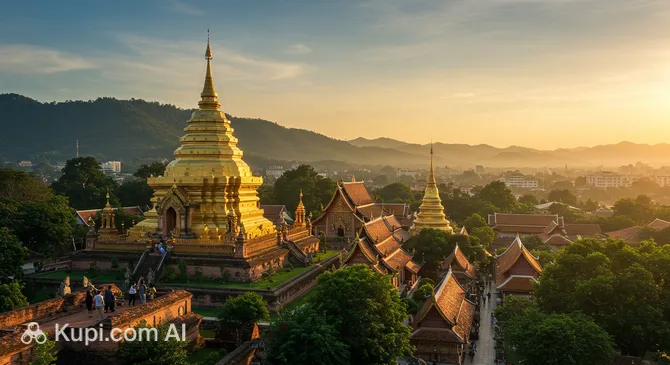
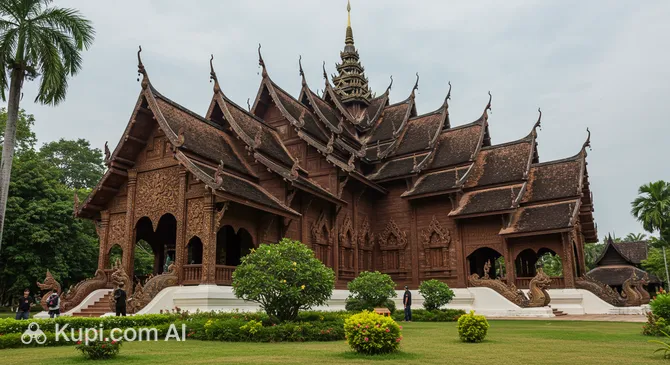
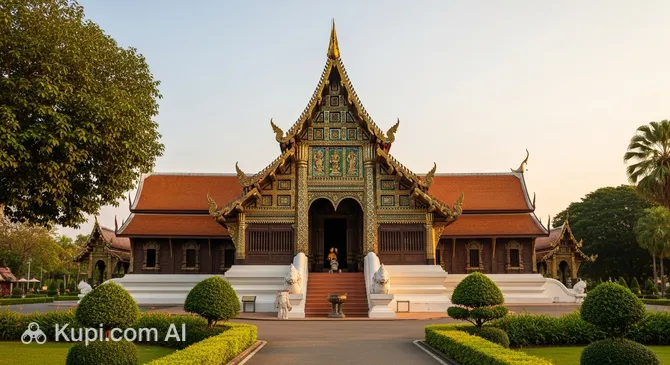
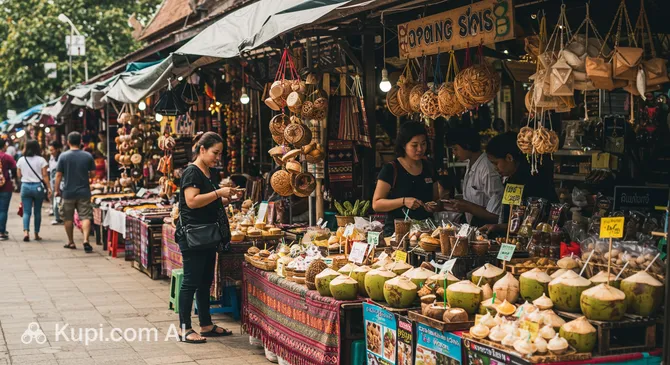
Chiang Mai is a vibrant city that perfectly blends ancient traditions with modern life, often regarded as the cultural heart of the north. Known for its laid-back atmosphere, it offers a distinct contrast to the bustling energy of the capital, making it a favorite destination for travelers seeking both relaxation and adventure.
Located in the mountainous region of northern Thailand, the city is the capital of Chiang Mai Province. It sits on the banks of the Ping River and is home to a metropolitan population of approximately 1.2 million people. The climate here is generally cooler than in the central plains, especially during the winter months, adding to its appeal.
Chiang Mai. Illustration.
Source: Kupi.com AI
The city was founded in 1296, and delving into the history of Chiang Mai uncovers its prestigious past as the capital of the Lanna Kingdom. This heritage is best experienced in the Old City, a square area surrounded by a moat and remnants of fortified walls, where centuries-old temples stand alongside cozy cafes.
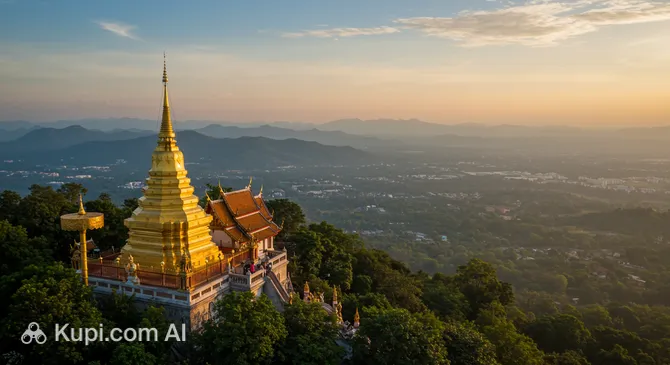
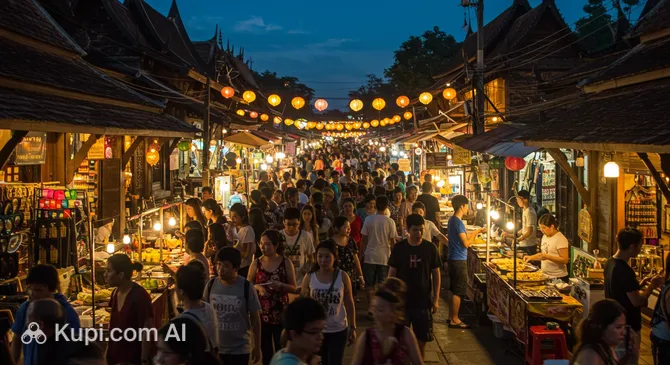
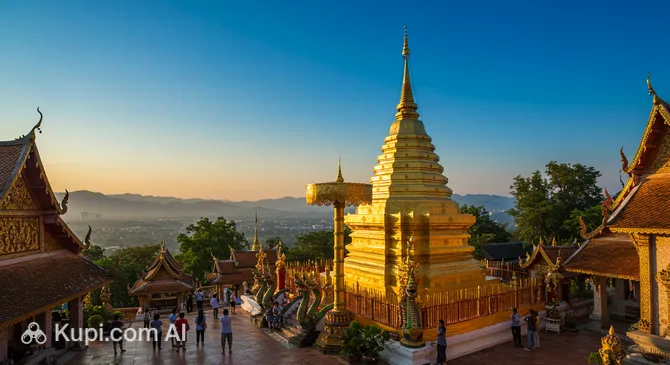
Among its most famous attractions is Wat Phra That Doi Suthep, a golden temple perched on a mountain that offers panoramic views of the city below. Visitors are also drawn to the bustling Night Bazaar, a paradise for shoppers looking for local handicrafts and delicious street food. Whether you are exploring lush jungles or admiring intricate architecture, Chiang Mai promises an unforgettable journey.
Weather Overview
Chiang Mai enjoys a tropical climate that is generally cooler than the central plains of Thailand due to its northern location and elevation. Understanding the seasonal patterns of the weather in Chiang Mai is key to planning a comfortable trip, as conditions shift significantly throughout the year.
The cool season, spanning from November to February, is widely considered the most pleasant time to visit. During months like December and January, the average temperature sits around 21.0°C, with comfortable daytime highs and refreshing nights where temperatures can dip to approximately 15.0°C. This period is remarkably dry, particularly in February, which sees virtually no rainfall.
From March to May, the city experiences its hot season. Temperatures climb steadily, peaking in April with average highs reaching 34.2°C. While March is still relatively dry, May marks the transition into the monsoon period, bringing increased humidity and more frequent rainfall as the heat persists.
The rainy season takes over from June through October. Although the weather remains warm with average temperatures between 24.7°C and 27.0°C, precipitation becomes a daily occurrence. July and August are the wettest months in terms of frequency, with rain recorded on up to 28 days per month. Expect warm, humid days with frequent showers during the summer and autumn, contrasting with the cool, dry conditions of the winter season.
Average monthly temperature
Average monthly precipitation
Interesting Facts
Beyond the main attractions, Chiang Mai holds many fascinating secrets and historical curiosities that often escape the casual observer. Digging a bit deeper into its past reveals unique stories hidden behind its ancient walls and temples.
The name "Chiang Mai" literally translates to "New City," a title it received when it replaced Chiang Rai as the capital of the Lanna Kingdom in 1296. Despite being over 700 years old, the city has retained this name, symbolizing its enduring significance as the cultural heart of the north.
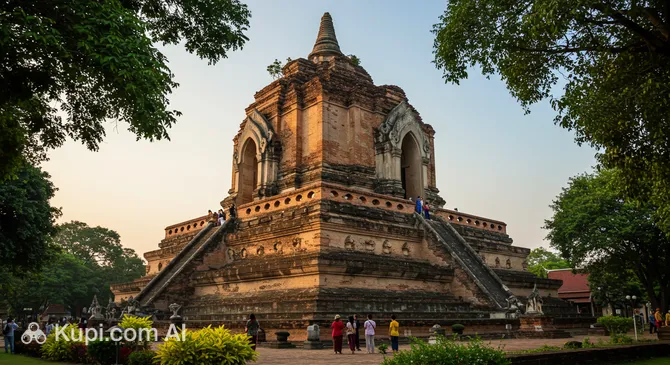
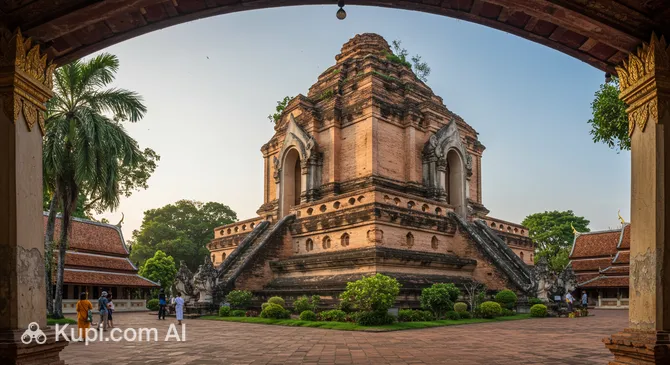
The majestic Wat Chedi Luang in the Old City was once the tallest structure in ancient Lanna, housing the Emerald Buddha. However, a massive earthquake in 1545 caused the top of the chedi to collapse, leaving it with the distinctive, truncated appearance that visitors see today.
Unlike most Thai temples that focus on soaring stupas, Wat Umong is renowned for its unique system of underground tunnels. Legend has it that these maze-like passages were constructed in the late 14th century to prevent a highly respected but mentally wandering monk from getting lost in the surrounding forest.
The square moat and brick walls surrounding the Old City were originally built to defend against Burmese invaders. Today, they serve a very different purpose, acting as the primary water source and center stage for the city's world-famous Songkran water festival celebrations.
Hidden in the jungle on the slopes of Doi Suthep is Wat Pha Lat, a temple that blends seamlessly with nature. Historically, it served as a resting point for pilgrims and monks hiking up the mountain to the larger summit temple, offering a serene atmosphere often missed by tourists taking the road.
Wat Chedi Luang. Illustration.
Source: Kupi.com AI
Traveler photos:
How to Get There
Reaching the "Rose of the North" is relatively straightforward, with various transport options connecting it to the rest of the country and beyond. Whether you prefer a quick flight or a scenic overland journey, you can find all ways to reach the city and choose the one that suits your schedule best.
The most convenient and popular entry point is Chiang Mai International Airport (CNX). It is located just 3.1 km from the city center, making the transfer incredibly quick and easy. As a major hub for Northern Thailand, it handles a significant volume of traffic. Once you land, a taxi or airport shuttle can get you to the heart of the city in approximately 25 minutes.
For travelers exploring the wider region, Chiang Rai International Airport (CEI) is another significant hub, though it is located in the neighboring city of Chiang Rai, about 160 km away. Traveling from there to Chiang Mai by road takes roughly 4 hours and 20 minutes. Alternatively, Lampang Airport (LPT) in Lampang is closer, situated approximately 80 km from Chiang Mai, with a travel time of around 2 hours and 20 minutes.
For clarity, here is a summary of the main airports:
Aside from flying, many visitors choose to arrive by train. Chiang Mai is the northern terminus of the famous Northern Line from Bangkok. The journey is renowned for its beautiful scenery as the train winds through mountains and lush forests. The main railway station is situated a few kilometers east of the city center, and plenty of local red trucks (songthaews) and tuk-tuks are available to take passengers to their hotels upon arrival.
Main Attractions
Chiang Mai is a treasure trove of cultural landmarks, natural wonders, and vibrant markets. While the Old City is a destination in itself, venturing slightly further afield reveals some of the most spectacular sights in Northern Thailand. From mountaintop temples to sprawling botanical gardens, the city offers a diverse range of experiences for every type of traveler.
Dominating the skyline to the west of the city is Doi Suthep–Pui National Park. This lush mountain expanse is not only a haven for nature lovers but also the home of the sacred Wat Phra That Doi Suthep. Visitors flock here to climb the naga-lined staircase and admire the gleaming golden chedi that houses holy relics. Beyond the spiritual experience, the park offers breathtaking panoramic views of Chiang Mai city and the surrounding valley, making it an essential stop for any first-time visitor.
Doi Suthep–Pui National Park. Illustration.
Source: Kupi.com AI
Traveler photos:
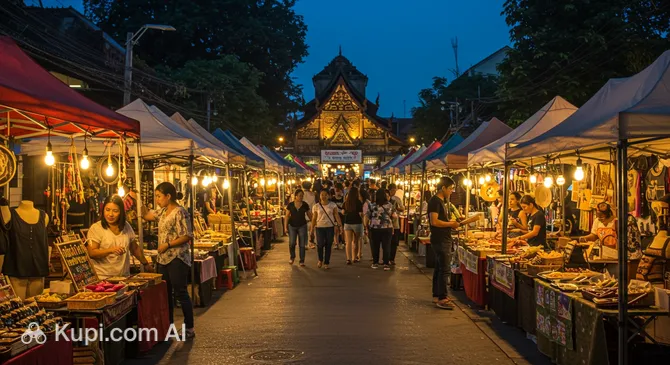
For a lively evening experience, the Chiang Mai Night Bazaar is the place to be. Stretching along Chang Klan Road, this bustling market comes alive after sunset with hundreds of stalls selling everything from handicrafts and clothing to art and souvenirs. It is also a culinary hotspot where you can sample delicious local street food or enjoy live music at one of the many surrounding bars and restaurants. It captures the energetic spirit of the city's modern commerce.
Chiang Mai Night Bazaar. Illustration.
Source: Kupi.com AI
Traveler photos:
If you are looking for a temple that is equally majestic but often quieter than Doi Suthep, Wat Phra That Doi Kham is a fantastic choice. Known as the "Temple of the Golden Mountain," it is famous for its massive 17-meter-tall seated Buddha image. Located in the hills southwest of the city, this ancient temple dates back over a thousand years and is deeply revered by locals who come to make merit and ask for good fortune. The terrace offers stunning views of the Royal Park Rajapruek below.
Wat Phra That Doi Kham. Illustration.
Source: Kupi.com AI
Traveler photos:
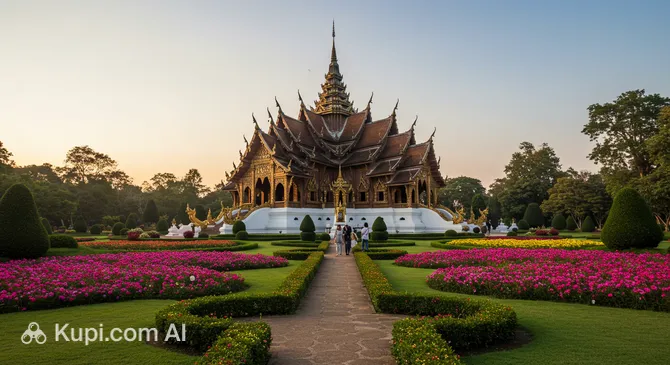
Nature enthusiasts and admirers of architecture should not miss Royal Park Rajapruek. This immense botanical garden was created to commemorate the 60th anniversary of King Bhumibol Adulyadej's accession to the throne. The park features beautifully landscaped gardens representing different countries, a vast orchid pavilion, and the exquisite Ho Kham Luang, a Lanna-style pavilion that stands as the park's centerpiece. It is a peaceful escape perfect for a leisurely afternoon walk or a tram ride through the colorful flora.
Royal Park Rajapruek. Illustration.
Source: Kupi.com AI
Traveler photos:
Finally, within the walls of the Old City lies Wat Chiang Man, the oldest temple in Chiang Mai. Established by the city's founder, King Mengrai, in 1296, it holds significant historical value. The temple is famous for its "Elephant Chedi," a stupa surrounded by elephant sculptures, and for housing two ancient and highly venerated Buddha images: the Crystal Buddha and the Marble Buddha. It offers a serene atmosphere and a direct link to the city's founding era.
Wat Chiang Man. Illustration.
Source: Kupi.com AI
Traveler photos:
Local Cuisine
The culinary landscape of Chiang Mai is a vibrant reflection of its Lanna heritage, offering flavors that are distinct from the sweeter curries of the south or the spicy salads of the northeast. Northern Thai cuisine is known for its rich, herbal aromas, heavy use of turmeric and ginger, and a preference for sticky rice over steamed jasmine rice. For food lovers, the city is nothing short of a paradise, where ancient recipes are served alongside modern fusion creations.
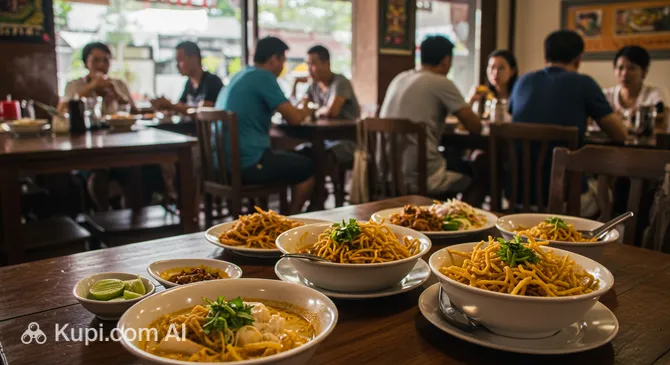
No visit to the city is complete without tasting its most iconic dish, Khao Soi. This creamy, coconut-based curry soup features egg noodles—both soft boiled in the broth and crispy fried on top—usually served with chicken or beef. It is traditionally accompanied by pickled mustard greens, shallots, lime, and roasted chili oil, allowing you to customize the flavor profile to your liking. It is not just a meal; it is a cultural experience found everywhere from humble street stalls to upscale restaurants.
Khao Soi. Illustration.
Source: Kupi.com AI
Traveler photos:
Beyond the famous noodle soup, the local table offers other delights such as Sai Oua, a spicy northern pork sausage packed with lemongrass, kaffir lime leaves, and galangal. Another staple is the variety of chili dips, particularly Nam Prik Ong (a tomato and pork-based dip) and Nam Prik Noom (made from roasted green chilies), which are perfectly scooped up with fresh vegetables and warm sticky rice.
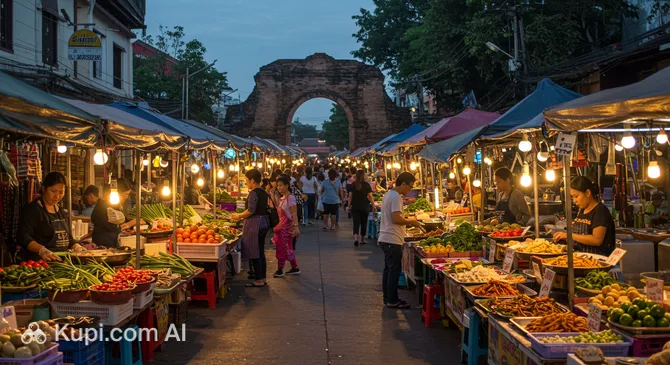
The food culture here revolves heavily around street food and night markets. As the sun sets, locals and tourists flock to the Chiang Mai Gate Market. Located at the southern gate of the Old City, this spot transforms into a bustling open-air dining room where you can sample everything from grilled meats and noodle soups to sweet mango sticky rice at very affordable prices.
Chiang Mai Gate Market. Illustration.
Source: Kupi.com AI
Traveler photos:
For a more relaxed, daytime atmosphere focusing on organic and locally sourced produce, the Jing Jai Market is a favorite weekend destination. Here, the vibe is slower and more artisanal, offering a mix of traditional snacks, fusion dishes, and high-quality coffee. Speaking of coffee, Chiang Mai has established itself as a major coffee hub in Southeast Asia, with beans often sourced from nearby hill tribes, making the local café scene a must-explore for caffeine enthusiasts.
To quench your thirst, you will find an abundance of fresh fruit smoothies and the classic Thai iced tea (Cha Yen), recognizable by its bright orange color and sweet, milky taste. Whether you are dining on a low plastic stool by the roadside or in a beautifully decorated wooden house, the flavors of Chiang Mai are sure to leave a lasting impression.
Travel Tips
To ensure your journey to the "Rose of the North" is as smooth and enjoyable as possible, we have compiled a list of essential advice. These practical insights will help you navigate the local customs, transport, and daily life with the ease of a seasoned traveler.
Clothing and Temple Respect: The weather is generally hot and humid, so pack lightweight, breathable fabrics like linen or cotton. However, modesty is non-negotiable at religious sites. When visiting temples, you must cover your shoulders and knees; carrying a lightweight scarf or sarong is a great life hack. Also, wear slip-on shoes, as you will need to remove them frequently before entering temple buildings.
Mastering Local Transport: The most iconic way to get around is the Rod Daeng (Red Truck or Songthaew). These shared taxis roam the streets; simply wave one down, tell the driver your destination, and negotiate the price (usually 30–40 THB for short trips) before hopping in. For a more direct and private option, ride-hailing apps like Grab and Bolt are widely available, safe, and save you the hassle of haggling.
Managing Finances: The currency is the Thai Baht (THB). While credit cards are accepted in malls and upscale hotels, cash is absolute king at street food stalls, night markets, and small local shops. ATMs are ubiquitous, especially outside 7-Eleven stores, but be aware they charge a withdrawal fee. Tipping is not mandatory but is appreciated for good service in restaurants and massage spas.
Health and Hygiene: Tap water is not safe to drink; always rely on bottled water, which is cheap and readily available. Pharmacies are plentiful, with major chains like Boots and Watsons located in shopping centers and the Old City; pharmacists often speak excellent English. Since Chiang Mai is surrounded by nature, mosquito repellent is a must, particularly during dusk and dawn to prevent dengue fever.
Staying Connected: English is widely spoken in tourist areas, hotels, and markets, making communication relatively easy. To stay online for maps and translation apps, purchase a tourist SIM card from providers like AIS, TrueMove, or DTAC at the airport or any convenience store. Free Wi-Fi is also standard in almost every cafe and guesthouse.
Etiquette Essentials: The traditional greeting is the Wai (pressing palms together at chest level), which is a polite way to say hello or thank you. In Thai culture, the head is considered sacred, so never touch anyone's head. Conversely, feet are considered the lowest part of the body; avoid pointing your feet at people or religious images, and never step over someone or something on the ground.
What to Avoid: refrain from renting a motorbike unless you are an experienced rider with a valid international driving permit. Police checkpoints are common, and the winding mountain roads can be dangerous for beginners. Additionally, avoid raising your voice or showing aggression in public, as causing someone to "lose face" is considered extremely rude.
Weekend Market Tip: If your schedule allows, plan to be in the city on a weekend. The Sunday Walking Street (on Ratchadamnoen Road) and the Saturday Walking Street (on Wualai Road) offer a far more authentic atmosphere, better handicrafts, and cheaper street food than the daily Night Bazaar.
By keeping these tips in mind, you will be able to focus less on logistics and more on soaking up the incredible culture and scenery. Chiang Mai is a welcoming and safe city, and a little local knowledge goes a long way in making your adventure truly unforgettable.
Entertainment & Nightlife
When the sun goes down or when you need a break from historical sightseeing, the city transforms into a hub of modern entertainment and leisure. Chiang Mai offers a perfect mix of trendy lifestyle centers, bustling weekend markets, and exciting outdoor activities that cater to families, couples, and solo travelers alike.
For a taste of the city's contemporary pulse, head to the Nimmanhaemin Road area. Here, One Nimman stands out as a stylish community mall that blends European architecture with local creativity. It is a fantastic spot to shop for designer crafts, enjoy live music, or dine at upscale food courts. Just a short drive away, Central Chiang Mai offers a world-class shopping experience with international brands and a massive cinema complex, perfect for escaping the midday heat.
One Nimman. Illustration.
Source: Kupi.com AI
Traveler photos:
While the Night Bazaar is famous, the weekend walking streets offer a more atmospheric experience. On Saturdays, Wua Lai Walking Street takes over the silver-making district, filling the road with handmade silver jewelry, lacquerware, and street food. On Sundays, the massive Tha Phae Walking Street stretches through the heart of the Old City, turning the area into a vibrant carnival of performers, artisans, and culinary delights.
Wua Lai Walking Street. Illustration.
Source: Kupi.com AI
Traveler photos:
As evening approaches, the nightlife scene wakes up. For those seeking a relaxed drink with a view, Hideland offers a rooftop atmosphere by the river, perfect for unwinding. If you prefer spectacular entertainment, the 6ixcret Show is renowned for its dazzling cabaret performances that captivate audiences with glamorous costumes and energetic choreography.
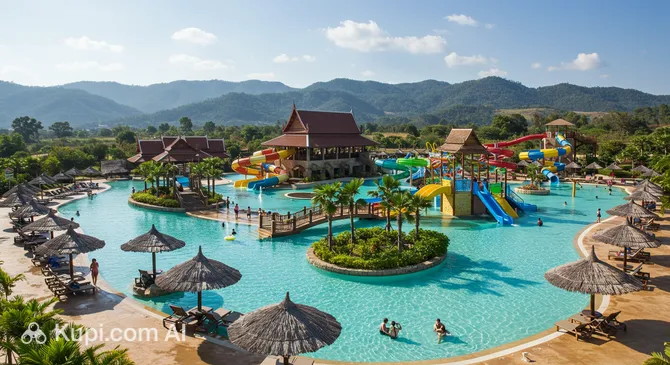
For adrenaline seekers and families, the heat provides a great excuse to visit Grand Canyon Water Park. Built in an old limestone quarry, this expansive park features floating obstacle courses, wakeboarding, and cliff jumping. Alternatively, Tube Trek Waterpark offers a space-themed splash adventure with massive slides and lazy rivers.
Grand Canyon Water Park. Illustration.
Source: Kupi.com AI
Traveler photos:
For a quieter afternoon, Baan Kang Wat is a charming "craft village" filled with open-air studios, cafes, and a slow-life community vibe. Nature lovers might also enjoy the Siam Insect Zoo, which provides an educational and interactive look at the fascinating world of bugs, or a peaceful stroll around Ang Kaew Reservoir near Chiang Mai University, a popular spot for watching the sunset behind the mountains.
Parks & Museums
Chiang Mai is a city that breathes in harmony with its natural surroundings, offering a wealth of green spaces and cultural institutions that go far beyond its famous temples. For travelers looking to understand the region's deep roots or simply escape into the wild, the city's parks and museums provide a perfect balance of education and tranquility.
For those seeking an escape from the tourist crowds, Ob Khan National Park offers a pristine natural playground just south of the city. Unlike the more developed parks, this area is known for its rugged limestone cliffs, strange rock formations, and the picturesque Op Khan Gorge carved by the Wang River. It is a fantastic spot for a riverside picnic, a refreshing dip in the cool waters, or a hike along the nature trails that wind through the dry dipterocarp forest.
Ob Khan National Park. Illustration.
Source: Kupi.com AI
Traveler photos:
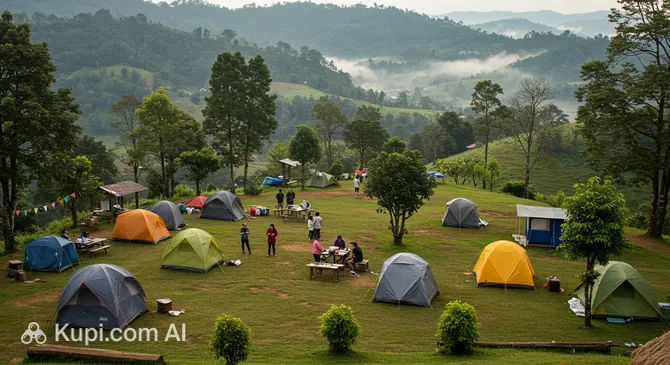
If you prefer cooler temperatures and pine-scented air, the Doi Pui Camping Area is a must-visit destination located high in the mountains beyond Doi Suthep. The atmosphere here feels distinct from the tropical lowlands, often resembling a European forest. It is particularly popular during the winter months when the wild Himalayan cherry blossoms paint the hillsides in shades of pink. It serves as an excellent base for visiting the nearby Hmong hill tribe village and enjoying sweeping views of the mist-covered mountains.
Doi Pui Camping Area. Illustration.
Source: Kupi.com AI
Traveler photos:
To delve into the aristocratic history of the north, a visit to the Darapirom Palace Museum in the Mae Rim district is highly recommended. This elegant wooden mansion was the residence of Princess Dara Rasmi, a consort of King Rama V, who played a crucial role in preserving Lanna culture. The museum displays her personal belongings, traditional textiles, and musical instruments, offering an intimate glimpse into the royal life of the early 20th century surrounded by beautifully manicured gardens.
Darapirom Palace Museum. Illustration.
Source: Kupi.com AI
Traveler photos:
For a more unique cultural experience, Roi Dvarapala Ban Devalaya stands out as a fascinating site that blends art, history, and spirituality. Often described as a park of deities, this museum features an impressive collection of intricate statues and sculptures representing Hindu and Buddhist figures. The grounds are meticulously designed to evoke a sense of ancient mysticism, making it a captivating stop for those interested in religious art and iconography.
Roi Dvarapala Ban Devalaya. Illustration.
Source: Kupi.com AI
Traveler photos:
An insider tip for nature lovers who enjoy a bit of adventure is to take the Wat Pha Lat Hike (Monk's Trail). This short but rewarding jungle trek starts behind Chiang Mai University and leads up to the hidden temple of Wat Pha Lat. The path is shaded by tall trees and follows a stream, providing a meditative journey that feels worlds away from the city buzz, eventually rewarding hikers with stunning views and a serene temple that blends seamlessly with the forest.
Getting Around
Public transport in Chiang Mai is unique and quite different from the extensive rail systems found in the capital. The city does not have a metro or skytrain network; instead, it relies on a road-based system dominated by shared vehicles and private hire options. This informal yet efficient network adds to the local charm, though it can take a moment for newcomers to understand the etiquette.
The most iconic and ubiquitous form of transport is the Songthaew, specifically the red ones known locally as Rod Daeng (Red Truck). These converted pickup trucks function as shared taxis with two bench seats in the back. They roam the streets without fixed routes. To use one, simply wave it down, tell the driver your destination through the passenger window, and if it is on their way, they will nod for you to hop in. The standard fare for a trip within the city center is usually around 30 THB per person, making it an incredibly affordable way to get around.
For a faster and more private journey, tuk-tuks are widely available, especially near tourist hotspots and markets. Unlike the fixed-price Red Trucks, tuk-tuk fares must be negotiated before you get in. They are generally more expensive, with short trips starting from approximately 100 to 150 THB, but they offer a fun, breezy experience that is quintessential to travel in Thailand. Metered taxis are less common on the streets and are typically found waiting at the airport or bus stations.
In recent years, modern convenience has arrived in the form of ride-hailing applications. Apps like Grab and Bolt are extremely popular and reliable. They allow you to book cars or motorbike taxis with a fixed price shown upfront, eliminating the need to haggle or overcome language barriers. This is often the preferred choice for tourists who want a direct transfer from their hotel to a specific attraction without the stops associated with shared transport.
For those arriving by air, the RTC Chiang Mai Smart Bus offers a comfortable, air-conditioned link between the airport and the Old City. These blue buses run on specific loops and are a great budget-friendly option, with fares typically set at a flat rate of around 30 THB. You can track their location via a mobile app, and payment can often be made via Rabbit Card or exact cash.
Renting a vehicle is another popular alternative, giving you the freedom to explore at your own pace. Motorbike rentals are everywhere, costing between 200 and 300 THB per day. However, caution is advised: police checkpoints are frequent, and you must have a valid physical driving license with a motorbike endorsement (and an International Driving Permit) to avoid fines. Alternatively, the flat terrain of the Old City makes bicycle rentals a pleasant and eco-friendly way to see the temples and alleyways.
When it comes to payment, cash is king for most local transport. Always carry small bills (20, 50, and 100 THB notes) and coins, as drivers of Songthaews and tuk-tuks rarely have change for large denominations. While ride-hailing apps accept credit cards, the traditional Red Trucks and tuk-tuks operate strictly on a cash basis. Operating hours for public transport generally run from early morning until around 22:00 or 23:00; after this time, finding a Red Truck becomes harder, and they often switch to "charter" prices, so having a ride-hailing app installed is a good backup for late-night travel.
Accommodation
Where to Stay:
Finding the perfect place to stay in Chiang Mai is easy, regardless of your budget or travel style. The city offers an impressive variety of accommodation options, ranging from backpacker-friendly hostels and charming boutique guesthouses to high-end luxury resorts. Whether you prefer the historic atmosphere of the ancient capital or the modern vibes of the trendy districts, there is a bed waiting for you.
For first-time visitors, the Old City is often the most convenient choice. Staying within the square moat puts you within walking distance of the major temples, the Sunday Walking Street, and plenty of restaurants. If you are looking for something more contemporary, the Nimmanhaemin Road area (often called Nimman) is the hub for digital nomads and coffee lovers, packed with chic cafes, art galleries, and vibrant nightlife. For a more tranquil and scenic experience, the areas along the Ping River offer peaceful riverside settings, often home to the city's more upscale properties.
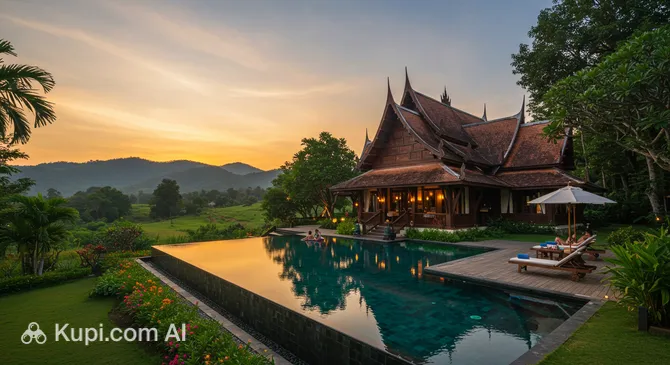
Travelers seeking a blend of comfort and local charm might consider the Chiang Mai Resort. Properties like this often provide a relaxing oasis with lush gardens and swimming pools, allowing guests to unwind after a day of sightseeing while remaining accessible to the city center.
Chiang Mai Resort. Illustration.
Source: Kupi.com AI
Traveler photos:
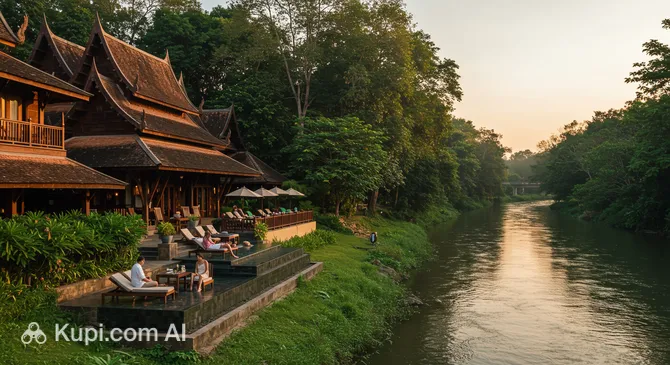
For those desiring a more luxurious experience by the water, Chiang Mai Riverside is an excellent example of the city's high-end offerings. Staying by the river not only guarantees stunning views but also provides a sense of seclusion and serenity that is hard to find in the bustling city streets.
Chiang Mai Riverside. Illustration.
Source: Kupi.com AI
Traveler photos:
Booking Tip: Chiang Mai is a year-round destination, but accommodation can fill up quickly during the peak cool season (November to February) and during major festivals like Songkran (April) and Yi Peng (November). It is highly recommended to book your room at least a few months in advance if you plan to visit during these times to secure the best rates and availability.
The price range for accommodation is generally very affordable compared to Western standards. Budget travelers can find hostel beds for as little as 200–400 THB per night, while comfortable mid-range hotels typically cost between 1,000 and 2,500 THB. Luxury resorts can range from 4,000 THB upwards. Booking is most commonly done through major online platforms like Agoda and Booking.com, which often offer competitive deals, though many smaller guesthouses also accept direct bookings via social media or email.
Nearby Cities
For those looking to explore the surroundings, Chiang Mai serves as an excellent base for day trips to several interesting nearby locations:
One of the most popular short excursions is to San Kamphaeng. Located just east of the city, this district is world-renowned for its handicraft heritage. Visitors can explore the famous "Handicraft Highway" to see artisans creating silk, silverware, and celadon pottery. It is also home to the celebrated Bo Sang Umbrella Village, where colorful paper parasols are hand-painted, and the San Kamphaeng Hot Springs, a perfect spot for a relaxing soak in mineral-rich waters surrounded by lush gardens.
Another essential destination is Doi Suthep. While often associated with the famous temple on its peak, the area itself functions as a distinct community overlooking the valley. Beyond the spiritual sites, it offers cooler temperatures, coffee plantations, and Hmong hill tribe villages where travelers can learn about traditional agricultural practices and purchase locally made textiles. It provides a refreshing escape into nature just a short drive from the urban heat.
City
Population
Distance
San Phak Wan
14 557
8 km
Ban Pa Sak
24 902
9 km
Ban Don Kaeo
14 286
9 km
Doi Suthep
36 952
10 km
San Kamphaeng
17 857
15 km
These nearby destinations offer a glimpse into the diverse culture and landscapes of the region.
Shopping & Souvenirs
Shopping in Chiang Mai is a delightful experience that ranges from browsing high-end designer boutiques to haggling for handicrafts in bustling open-air markets. The city is widely renowned as the handicraft capital of Thailand, making it the perfect place to find unique artisanal goods, intricate textiles, and traditional artwork. Whether you are looking for modern fashion or authentic souvenirs, the retail landscape here offers a vibrant mix of the old and the new.
The city's shopping scene is anchored by several key districts. Nimmanhaemin Road is the trendy epicenter, lined with chic boutiques, art galleries, and concept stores selling locally designed clothing and home decor. In contrast, the Old City and its surrounding streets offer a more traditional atmosphere, where small shophouses display antiques, silver jewelry, and hill tribe fabrics.
For a modern and comfortable shopping experience, Central Chiang Mai is the city's largest lifestyle hub. It houses major international brands, a large department store, and an extensive food court, providing a cool escape from the tropical heat. Another standout destination is One Nimman, which combines European-style architecture with a curated selection of local craft shops, cafes, and restaurants, making it a favorite spot for both shopping and photography.
Central Chiang Mai. Illustration.
Source: Kupi.com AI
Traveler photos:
Markets are an integral part of daily life and a must-visit for any tourist. The famous Chiang Mai Night Bazaar on Chang Klan Road is the most iconic, offering endless rows of stalls selling clothing, souvenirs, and electronics every evening. For a more relaxed and photogenic experience, the Coconut Market (Kad Ba Pao) is a hidden gem set within a coconut plantation, opening on weekends with a focus on local food, crafts, and a charming rustic atmosphere.
Coconut Market. Illustration.
Source: Kupi.com AI
Traveler photos:
If you appreciate handmade goods and sustainable products, Jing Jai Market is the place to be on weekend mornings. It is famous for its organic produce and "slow fashion" items, attracting a crowd that values creativity and quality. Another artistic enclave is Baan Kang Wat, a craft village where artists live and work, selling pottery, paintings, and handmade notebooks in a serene garden setting.
When it comes to souvenirs, Chiang Mai offers items you won't easily find elsewhere. Look for Thai silk and cotton products, particularly indigo-dyed fabrics which are a specialty of the north. Celadon pottery, with its distinctive green glaze, is another local treasure. The city is also famous for its silverware, particularly from the Wua Lai district, and the colorful hand-painted paper umbrellas from the nearby Bo Sang village.
Most shopping malls and large stores open daily from roughly 10:00 AM to 9:00 PM or 10:00 PM. Night markets typically start setting up around 5:00 PM and run until midnight. While malls and larger boutiques accept credit cards, cash is essential for night markets and street stalls. Tourists should also be aware of the "VAT Refund for Tourists" scheme; look for the "VAT Refund" sign in larger stores to claim back the 7% tax on purchases over a certain amount at the airport.