Support

Phrae

About

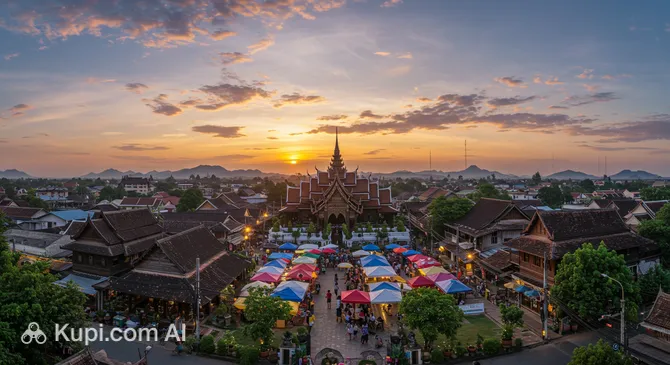
Phrae is one of the most authentic and charming destinations in the northern region of Thailand. Unlike the bustling tourist hubs nearby, this serene town offers a peaceful retreat into the heart of Lanna culture. Nestled in the valley of the Yom River and surrounded by lush mountain ranges, Phrae retains a distinct old-world atmosphere that captivates visitors seeking a slower pace of life.

Phrae. Source: Kupi.Binoculars

With a population of approximately 16,000 residents, the city feels intimate and welcoming. The history of Phrae is deeply intertwined with the teak trade, which is evident in the city's stunning architecture. The town is famous for its well-preserved teak mansions and "gingerbread" houses, such as the majestic Khum Chao Luang, which served as the residence of the last Lord of Phrae.

Beyond its architectural heritage, Phrae is renowned for its spiritual significance and local craftsmanship. The sacred Wat Phra That Cho Hae is a must-visit pilgrimage site, offering panoramic views and a glimpse into local religious traditions. Additionally, the province is the home of the famous Mo Hom fabric, a traditional indigo-dyed cotton that is a symbol of the region's identity.

Whether you are exploring its quiet streets by bicycle or admiring its intricate wooden temples, Phrae promises a memorable journey into the cultural roots of the north. It is a perfect stop for travelers who wish to experience the warmth and timeless beauty of the Thai countryside.

Weather Overview

Phrae typically experiences a tropical climate with distinct seasonal variations in temperature and rainfall. The weather remains warm throughout the year, with the hottest conditions occurring in April, when the average maximum temperature reaches 35.7°C. In contrast, the cooler months of December and January offer a refreshing change, with minimum temperatures dropping to around 17.0°C, making for pleasant evenings and mornings.

Travelers should be mindful of the rain when planning their itinerary. The region has a pronounced wet season from May through October, with August being particularly rainy, seeing precipitation on approximately 29 days of the month. For those preferring drier conditions, the detailed weather in Phrae shows that the period from November to March is ideal, as rainfall is minimal and sunny days are abundant.

Interesting Facts

Beyond its celebrated teak architecture, Phrae hides a collection of fascinating stories and geological marvels that add depth to its charming character. From mystical landscapes to unique astrological traditions, here are some intriguing aspects of the city that often surprise visitors.

  • The City of Ghosts: Just outside the city lies Phae Mueang Phi, a surreal canyon of mushroom-shaped sandstone pillars formed by millions of years of erosion. The name translates to "City of Ghosts," stemming from local folklore which claims that villagers once found silver and gold here but were mysteriously unable to find their way out until they abandoned the treasure.

  • A Tiger’s Pilgrimage: In Thai astrology, specific temples are assigned to each animal of the zodiac. Phrae’s most sacred site, Wat Phra That Cho Hae, is the designated pilgrimage destination for those born in the Year of the Tiger. It is believed that visiting this golden pagoda brings immense prosperity and good fortune to "Tigers" from across Thailand.

  • Pioneers of Forestry: Due to its historical abundance of valuable teak wood, Phrae was the site of the country's very first forestry school, established in 1935. This institution was pivotal in formalizing the management of the nation's timber resources, cementing the province's status as the logging capital of the north in the early 20th century.

  • The Capital of Indigo: While the indigo-dyed Mo Hom shirt is worn throughout the country as a symbol of traditional rural life, it originates specifically from Phrae. The village of Ban Thung Hong is the authentic heart of this craft, where the fabric is still dyed using ancient techniques passed down through generations.

How to Get There

Reaching this charming province in Northern Thailand is a journey that takes you through some of the region's most scenic landscapes. While the town itself is tucked away from the main tourist trail, it remains accessible via a combination of air and ground transport. For a comprehensive guide on planning your trip, you can read more about how to get to Phrae.

Travelers choosing to fly will typically land in a neighboring province, as Phrae is best served by airports in nearby cities. The closest option listed is Lampang Airport (IATA: LPT), located in the city of Lampang, approximately 69 km away. From here, a transfer by taxi or bus takes about 2 hours. Another convenient regional entry point is Nan Airport (IATA: NNT) in Nan, situated roughly 89 km from Phrae, with a travel time of around 2.5 hours by road.

For international visitors or those connecting from major hubs, Chiang Mai International Airport (IATA: CNX) is a significant gateway. Although it is located in Chiang Mai, about 139 km away, it handles a large volume of traffic and offers numerous flight connections. The journey from Chiang Mai to Phrae takes approximately 3.5 to 4 hours by car or bus, offering a beautiful drive through the northern mountains.

For clarity, here is a summary of the main airports:

Airport Name City Passenger Traffic Km from City
Chiang Mai International Airport Chiang Mai Large 139.3
Phitsanulok Airport Phitsanulok Medium 163.5
Nan Airport Nan Medium 89.4
Lampang Airport Lampang Small 69.1
Sukhothai Airport Sukhothai Small 118.2

Apart from flying, many visitors choose to arrive by train. The nearest railway station is Den Chai, which is located about 20 kilometers from Phrae town. Trains from Bangkok to Chiang Mai stop at Den Chai, making it a popular transit point. From the station, shared taxis (songthaews) and buses are readily available to shuttle passengers into the city center. Direct buses from Bangkok's Northern Bus Terminal (Mo Chit) also provide a budget-friendly alternative for reaching the province directly.

Main Attractions

Phrae is a treasure trove of cultural heritage, best known for its exquisite teak architecture and serene temples. The city's attractions offer a glimpse into its prosperous past as a center of the timber trade, blending Lanna, Burmese, and European influences. Here are some of the most interesting places to explore during your visit.

Vongburi House Museum is perhaps the most iconic landmark in the city, easily recognized by its vibrant pink color and intricate "gingerbread" style woodcarvings. Built in the late 19th century, this two-story teak mansion has been beautifully preserved and converted into a museum. Inside, visitors can walk through airy rooms filled with antique furniture, silverware, and historical documents that offer a fascinating insight into the domestic life of the local nobility during the teak trade era.

For those interested in religious art, Wat Chom Sawan offers a unique visual experience. This temple was constructed by Shan immigrants and reflects a distinct Burmese architectural style that sets it apart from other shrines in the region. The main building combines the prayer hall, living quarters, and sanctuary under a single, elaborately carved multi-tiered roof. The interior is equally impressive, featuring ceiling decorations inlaid with colored glass and beautiful marble Buddha statues.

Wat Phong Sunan is another spectacular site located near the city center. It is famous for its dazzling cluster of white chedis topped with golden spires, which create a striking contrast against the blue sky. A distinct feature of this temple is the large golden tortoise statue that marks the entrance. The temple grounds are vibrant and photogenic, with a main hall that houses a large reclining Buddha and intricate murals depicting Buddhist stories.

Located right in the heart of the old town, Wat Phra Bat Ming Mueang is a historically significant temple that houses the City Pillar Shrine. It was formed by merging two ancient temples and serves as an important spiritual center for the locals. The complex includes a museum displaying ancient religious artifacts and Lanna scriptures, making it an educational stop for travelers who want to deepen their understanding of the province's history and culture.

Local Cuisine

The culinary landscape of Phrae is a delightful journey into authentic Lanna culture, offering flavors that are distinct even from other northern provinces. The food here is characterized by its bold use of indigenous herbs, spices, and fresh vegetables, often served alongside the region's staple glutinous rice. For foodies, Phrae provides a less commercialized and more traditional dining experience, where recipes have been passed down through generations of local families.

A visit to Phrae would be incomplete without trying its most famous specialty, Khanom Jeen Nam Yoi. While fresh rice noodles (Khanom Jeen) are common throughout Thailand, this specific variation originates from the Long District of Phrae. It is typically served with a unique dry chili paste called Nam Phrik Nam Yoi, which is made from roasted chilies, garlic, and shallots, and topped with crispy pork rinds. Unlike the curry-based versions found elsewhere, this dish offers a savory, crunchy, and spicy texture that is truly unique to this province.

Beyond its signature noodles, the city is an excellent place to sample classic Northern Thai dishes. Sai Ua (northern herbal sausage) is a popular snack found in almost every market, bursting with the aromas of lemongrass, kaffir lime, and galangal. Adventurous eaters should also try Laab Khua, a spicy minced meat salad cooked with a mix of dried spices that differs significantly from the sour and lime-infused Isan version. These dishes are traditionally enjoyed with a basket of warm sticky rice, which is used to scoop up the food by hand.

To complement the spicy food, locals often turn to refreshing herbal drinks. Iced roselle juice and butterfly pea juice are widely available and offer a cooling respite from the tropical heat. Phrae also has a burgeoning coffee culture, with many charming cafes set within repurposed wooden houses. These spots serve excellent locally sourced coffee, reflecting the north's reputation as a premier coffee-growing region.

The heart of Phrae’s dining scene comes alive in the evening, particularly around the Pratu Chai Night Market. Located near the old city gate, this is where locals gather to buy dinner and socialize. It is a street food paradise where you can find everything from grilled meats and steaming soups to traditional sweets. The atmosphere is relaxed and friendly, offering tourists a genuine glimpse into the daily life of the city without the crowds found in larger tourist hubs.

Travel Tips

Visiting Phrae offers a delightful escape into the authentic "slow life" of Northern Thailand, but a little preparation goes a long way in this quiet, culturally rich province. To help you navigate the city's relaxed pace and deep traditions with ease, here are some practical tips for your journey.

  1. Clothing and Temple Attire. Since the weather is generally warm and humid, pack lightweight, breathable fabrics like cotton or linen. However, if you are visiting between December and January, bring a light jacket or sweater, as mornings and evenings can be surprisingly cool. For temple visits like Wat Phra That Cho Hae, strict dress codes apply: both men and women must cover their shoulders and knees. Slip-on shoes are highly recommended, as you will need to remove them frequently when entering temples and traditional homes.
  2. Getting Around. Public transport in Phrae is limited compared to larger cities. There are no metros or regular city buses. The most common way to get around is by Songthaew (blue pick-up trucks with bench seats) or traditional Samlor (pedal tricycles) for short distances within the old town. For the most freedom to explore the surrounding countryside and teak mansions, renting a motorbike or a bicycle is the best option. Ensure you have an International Driving Permit (IDP) if you plan to ride a motorbike.
  3. Cash is King. The currency used is the Thai Baht (THB). While hotels and larger restaurants may accept credit cards, cash is essential for night markets, street food vendors, and small souvenir shops. ATMs are widely available near banks and convenience stores like 7-Eleven. Tipping is not mandatory but appreciated; rounding up the bill or leaving small change is a common gesture in local eateries.
  4. Health and Safety. Phrae is a very safe city with low crime rates, but general precautions like locking your rental vehicle should still be taken. Pharmacies are easy to find in the town center, though they may not operate 24/7. Phrae Hospital provides standard medical care for emergencies. Be mindful of mosquitoes, especially during the rainy season (May to October), and carry repellent to protect against dengue fever.
  5. Communication and Connectivity. English is not as widely spoken here as in Bangkok or Chiang Mai. While hotel staff may speak English, vendors in local markets likely will not. It is highly advisable to download a translation app and learn a few basic Thai phrases like Sawasdee (Hello) and Khop Khun (Thank you). Buying a local SIM card (AIS or TrueMove) at a convenience store upon arrival is recommended for reliable navigation and translation on the go.
  6. Local Etiquette. The "Wai" (pressing palms together at chest level) is the standard greeting and show of respect. Thais consider the head the most sacred part of the body and the feet the lowest; never touch someone's head, and avoid pointing your feet at people or Buddha statues. When entering a private home or a temple hall, always take off your shoes.
  7. What to Avoid. Do not show frustration or raise your voice in public. Thai culture values Jai Yen (cool heart), and losing your temper causes a "loss of face" for everyone involved. Also, avoid climbing on or disrespecting religious structures and ruins for photos, as this is considered highly offensive.
  8. Shop Local. Phrae is the capital of the indigo-dyed Mo Hom fabric. Instead of buying generic souvenirs, visit the village of Ban Thung Hong to purchase these clothes directly from the artisans. It is a great way to support the local economy and take home a piece of the province's cultural identity.

By keeping these tips in mind, you will be well-equipped to embrace the charm and tranquility of Phrae. Enjoy the warm hospitality of the locals and the timeless beauty of this hidden gem in the north!

Entertainment & Nightlife

Nightlife in Phrae reflects the province's "slow life" philosophy, offering a stark contrast to the neon-lit entertainment districts found in larger Thai cities. Instead of thumping nightclubs and go-go bars, the evening scene here revolves around socializing, live folk music, and excellent food. The atmosphere is authentically local, warm, and laid-back, making it an ideal destination for travelers who appreciate meaningful conversations over a cold drink or a shared meal.

The heart of the city's evening activity is undoubtedly the area around Pratu Chai (Victory Gate). This district comes alive as the sun sets, transforming into a bustling hub where locals gather to eat and relax. For a more cultural experience, the Kad Kong Kao walking street on Saturday evenings is the place to be. Located on Khum Lue Road near Wat Phra Non, this market offers not just shopping but a festive environment with traditional music performances and a friendly community vibe.

For those looking to enjoy a drink and some live music, Phrae has several charming venues that blend the style of a pub with a restaurant. The Big Chill is a popular spot among both locals and visitors, known for its extensive selection of craft beers and lively atmosphere. It is a great place to unwind, listen to local bands playing acoustic sets, and mingle with the friendly crowd. Another excellent option is Harvest Time, a cozy bar that prides itself on its welcoming ambiance and creative drink menu. It offers a more intimate setting, perfect for a quiet evening with friends.

Most nightlife venues in Phrae operate with a casual dress code; shorts and t-shirts are perfectly acceptable. Bars and restaurants typically close around midnight, while night markets wind down by 9:00 PM or 10:00 PM. Prices are very reasonable compared to tourist hotspots, with a beer or a cocktail costing significantly less than in Bangkok or Chiang Mai.

Before the sun goes down, Phrae offers plenty of daytime entertainment rooted in its rich history. Visitors can explore the city's teak heritage at the Vongburi House Museum or the majestic Khum Chao Luang, both of which offer a glimpse into the lives of the former rulers. For a spiritual excursion, a trip to the hilltop temple of Wat Phra That Cho Hae provides stunning views and a chance to make merit before the evening festivities begin.

Safety is rarely a concern in Phrae, as the town is peaceful and crime rates are low. However, transportation can be a challenge late at night. Songthaews (shared taxis) usually stop running in the early evening. If you plan to stay out late, it is advisable to rent a motorbike for independence or arrange a ride back to your accommodation in advance. Walking is safe in the city center, but the streets can be dimly lit, so staying on main roads is recommended.

Parks & Museums

Phrae is a destination where lush nature and deep historical roots converge, offering visitors a chance to explore scenic landscapes and well-curated cultural institutions. The city and its surroundings provide a refreshing escape into the mountains, while its museums preserve the legacy of the teak trade and the region's resilient spirit.

For nature lovers, Doi Pha Klong National Park is a fascinating area located just a short drive from the city center. It is renowned for its unique geological features, particularly the "Coral Mountain" (Suan Hin Maharat), where natural rock formations resemble a coral reef amid the forest. The park offers several hiking trails that lead to panoramic viewpoints, making it a perfect spot for those looking to enjoy the rugged beauty of Northern Thailand's limestone mountains.

Another significant natural retreat is Wiang Kosai National Park, often referred to as the "Switzerland of Phrae" due to its misty peaks and cool climate. This was the province's first national park and is best known for the majestic Mae Koeng Luang Waterfall, which cascades down tiers of rock surrounded by dense jungle. It is an ideal location for trekking, bird watching, and soaking in the tranquility of the evergreen forests that blanket the mountain ranges.

In terms of culture, the Khum Chao Luang Museum stands as a testament to the city's architectural grandeur. Once the residence of the last Lord of Phrae, this award-winning building blends European colonial style with traditional Thai craftsmanship. Visitors can explore the spacious upper floors filled with antique furniture and photos of the royal family, but the most intriguing feature lies beneath the house: a historic detention area used in the past to hold prisoners, which adds a somber yet compelling layer to the site's history.

For a glimpse into a pivotal moment in local history, the Seri Thai Museum offers a unique educational experience. Located behind the Paradorn Hotel, this small but informative museum is dedicated to the Free Thai Movement, an underground resistance group that operated against the Japanese occupation during World War II. Phrae was a key stronghold for this movement, and the museum displays rare photographs, equipment, and personal stories of the brave locals who participated.

Insider Tip: For a truly authentic look at the region's timber heritage, visit Ban Prathap Chai. Unlike the more polished museums, this private residence is constructed entirely from massive teak logs and houses a personal collection of wooden carvings and antiques, offering a raw and impressive display of the wood's durability and beauty.

Getting Around

Navigating Phrae is a refreshing departure from the chaotic traffic of larger metropolises. As a small and relaxed provincial capital, the city does not have a mass transit system like a metro, skytrain, or extensive public bus network. Instead, the public transport system is informal, relying primarily on shared vehicles and traditional modes of travel that fit the town's slow-paced lifestyle.

The backbone of local transport is the Songthaew, a converted pickup truck with two rows of bench seating in the back. In Phrae, these vehicles typically follow loose fixed routes connecting the city center with the bus terminal, markets, and outlying districts. There are no designated bus stops; to catch one, you simply wave at the driver from the side of the road. To get off, you press a buzzer located on the roof of the passenger area. While they are an affordable way to travel, with fares usually ranging from 20 to 50 THB depending on the distance, their schedules can be irregular, often departing only when they have enough passengers.

A special feature of Phrae’s transport landscape is the Samlor, or traditional pedal tricycle. Unlike in many other tourist destinations where these are purely decorative, in Phrae, they are still a functional part of daily life for locals going to the market. Riding a Samlor is a charming and eco-friendly way to explore the old town's temples and teak houses at a leisurely pace. It offers a nostalgic experience that connects you with the city's history, though it is best suited for short distances.

Regarding payment, cash is the only accepted method for all forms of local public transport. There are no travel cards, passes, or ticketing apps available for city travel. Tourists should carry small denominations of Thai Baht (20, 50, and 100 notes) or coins, as drivers often do not have change for large bills. Payment is typically made directly to the driver after you arrive at your destination. For Samlors, it is essential to agree on a price before starting your journey to avoid misunderstandings.

For visitors who prefer more independence, renting a vehicle is the most popular alternative. Motorbike rentals are widely available at shops near the bus station and major hotels. This is often the most practical way to visit attractions outside the city center, such as Phae Mueang Phi or local waterfalls. Bicycles are also an excellent choice for navigating the flat, quiet streets of the old city. While ride-hailing apps like Grab exist in Thailand, their availability in Phrae can be very limited compared to major tourist hubs, so it is not advisable to rely on them exclusively.

Travelers should be aware that public transport options like Songthaews tend to stop running relatively early, often winding down around 6:00 PM. If you plan to stay out for dinner or visit a night market, it is wise to arrange transportation back to your accommodation in advance or have your own rental vehicle. Walking is also a viable and pleasant option within the city center, as traffic is light and many main attractions are clustered close together.

Accommodation

Accommodation in Phrae mirrors the province's relaxed and culturally rich atmosphere. Instead of towering international hotel chains, visitors will find a delightful selection of boutique hotels, family-run guesthouses, and charming homestays. Many of these establishments are converted from traditional teak mansions, allowing guests to sleep amidst the history and architectural beauty that the city is famous for. The options generally range from budget-friendly rooms to comfortable mid-range resorts, providing a cozy and authentic experience rather than high-end luxury.

The most convenient area to stay is within or immediately surrounding the Old City walls. Choosing a hotel in this district places you within comfortable walking distance of major landmarks, such as the Vongburi House Museum, ancient temples, and the evening markets. This central location is perfect for travelers who want to explore the town on foot or by bicycle. Alternatively, for those seeking absolute tranquility, there are several resorts located on the outskirts of the city. These properties often offer garden settings or views of the surrounding rice fields, though having a rental car or motorbike is recommended for easy access to the town center.

Travelers will find that Phrae is an incredibly affordable destination. Prices are generally lower than in major tourist hubs like Chiang Mai, with excellent value for money in the budget and mid-range categories. While many hotels and larger guesthouses are listed on major online booking platforms, some smaller, family-owned homestays may prefer direct bookings via social media or phone. It is helpful to have cash on hand for deposits or payments at smaller establishments.

Booking Tip: Although Phrae is not overrun with tourists, accommodation options can be limited compared to larger cities. During the peak cool season (November to February) and major Thai festivals like Songkran (April) or Loi Krathong (November), the most popular boutique hotels fill up fast. It is advisable to book your stay at least a few weeks in advance if you plan to visit during these busy periods.

Nearby Cities

For those looking to explore the surroundings, Phrae serves as an excellent base for day trips to several interesting nearby locations:

One of the most popular destinations is Lampang, located approximately 70 kilometers away. Known as the "City of Carriages," it is the only place in Thailand where horse-drawn carriages are still used as public transport. Visitors flock here to admire the exquisite Lanna architecture of Wat Phra That Lampang Luang, one of the country's most significant and well-preserved wooden temples.

Another fascinating option is Nan, a tranquil town nestled in a valley further east. Nan has gained a reputation for its relaxed pace of life, vibrant art scene, and the famous Wat Phumin, which houses the iconic "Whispering Lovers" mural. For those interested in history and agriculture, Uttaradit offers a look into authentic provincial life, featuring monuments to legendary warriors and lush fruit orchards famous for their Langsat fruit.

City Population Distance (km)
Lampang 55044 70
Uttaradit 33930 69
Nan 20595 87
Ban Tha Pha 20211 82
Ban Bo Haeo 18777 78

These nearby destinations offer a glimpse into the diverse culture and landscapes of the region.

Shopping & Souvenirs

Shopping in Phrae offers a delightful departure from the glitzy mega-malls of Bangkok, focusing instead on local craftsmanship, traditional textiles, and authentic market experiences. While you won't find high-end luxury brands here, the city is a treasure trove for those seeking unique artisanal products. The shopping scene is deeply rooted in the province's culture, making it an excellent destination to purchase high-quality handmade goods directly from the makers at very reasonable prices.

The most famous shopping destination in the province is undoubtedly Ban Thung Hong. Located just a few kilometers from the city center, this "Indigo Village" is renowned nationwide for its production of Mo Hom, the traditional indigo-dyed cotton fabric worn by Northern Thais. The main street here is lined with dozens of family-run shops selling everything from the classic deep blue farmer's shirts to modern dresses, scarves, and bags. It is the best place to find authentic, durable clothing that represents the identity of Phrae.

For a more modern shopping experience, Mark Four Plaza is the city's primary local department store. Situated in the town center, it serves as a one-stop complex for residents, featuring a supermarket, clothing boutiques, a food court, and even a cinema. It is a convenient spot to pick up daily necessities, cosmetics, or electronics in air-conditioned comfort. Additionally, large hypermarkets like Big C Supercenter and Lotus's are available on the outskirts of town for groceries and general household items.

Markets play a central role in local life, and for tourists, the Kad Kong Kao walking street is a must-visit. Held every Saturday evening near Wat Phra Non, this market transforms the historic road into a vibrant pedestrian zone. Here, you can browse through stalls selling handmade handicrafts, wooden souvenirs, and local snacks while enjoying traditional music performances. For daily shopping, the Pratu Chai Night Market is the go-to spot, primarily for street food but also for small trinkets and local goods.

When it comes to souvenirs, the iconic Mo Hom clothing is the top choice. Beyond textiles, Phrae's history as a timber capital means that wood carvings and furniture are also exceptional here, though large items may be hard to transport. Smaller teak crafts, such as utensils or home décor, make for beautiful gifts. Food items are also popular, particularly bags of crispy pork rinds (Kaeb Mu) and jars of the dry chili paste used for Khanom Jeen Nam Yoi, allowing you to recreate the local flavors at home.

Most shops in Phrae operate from around 9:00 AM to 6:00 PM, while the large department stores and supermarkets stay open until 9:00 PM or 10:00 PM. Night markets typically kick off around 5:00 PM. Cash is essential for most transactions, especially at Ban Thung Hong, walking streets, and small local vendors. Credit cards are generally accepted only at hotels, the Mark Four Plaza, and major supermarket chains.

Regarding tax refunds, the "VAT Refund for Tourists" scheme is generally limited to large chain stores that display the "VAT Refund for Tourists" sign. In a small province like Phrae, this service might only be available at major hypermarkets like Big C or Lotus's. It is advisable to ask customer service beforehand and have your passport ready if you plan to claim a refund on significant purchases.
Reached the end of the page?

That means the route is fully explored