Support

Loei

About

Nestled in the upper northeastern region of Thailand, Loei is a charming city that serves as a gateway to some of the country's most spectacular natural landscapes. Often referred to as the "Sea of Mountains," this provincial capital offers a refreshing escape from the bustling tourist hubs, characterized by its laid-back atmosphere and scenic surroundings. Unlike the flat plains typical of the Isan region, Loei is surrounded by undulating hills and towering peaks, creating a picturesque backdrop that captivates visitors upon arrival.
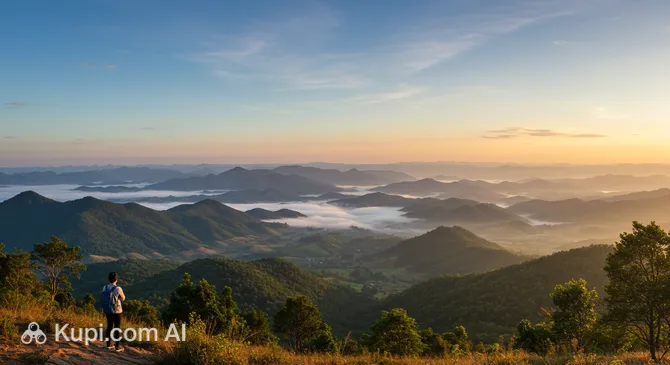
Loei. Source: Kupi.Binoculars

Geographically, the city is situated in a fertile basin surrounded by mountain ranges, which significantly influences its climate. Loei is known for having some of the most distinct weather patterns in the country; it can be surprisingly cool during the winter months, earning it a reputation as one of the coldest places in the nation. With a population of approximately 22,000 residents, the city maintains a cozy, small-town feel while providing essential amenities for travelers exploring the wider province.

The cultural tapestry of the area is rich and diverse, heavily influenced by its proximity to the Laotian border and the Mekong River. Those interested in the past can delve into the history of Loei to understand how ancient traditions and local legends have shaped the city's unique identity. The region is famous for its distinct dialect, spicy cuisine, and colorful festivals that reflect a blend of Northern Thai and Isan heritage.

Travelers are often drawn to Loei for its proximity to stunning natural attractions. The city is the perfect jumping-off point for excursions to Phu Kradueng National Park, a famous flat-topped mountain that challenges hikers with its trails and rewards them with breathtaking sunrises. Another highlight is the annual Phi Ta Khon, or Ghost Festival, a vibrant and spirited celebration unique to this province that features colorful masks and lively parades.

Whether you are seeking outdoor adventures in the cool mountain air or looking to experience authentic local culture in a peaceful setting, Loei is a destination that deserves a spot on your itinerary. Its combination of natural beauty, cultural depth, and friendly locals makes it a delightful stop for anyone wishing to explore the hidden gems of the northeast.

Weather Overview

Loei is known for having a distinct climate compared to many other parts of the country, often exhibiting more pronounced seasonal changes. The weather in Loei typically shifts between cool, dry winters and a humid, rainy season, making the timing of your visit important for outdoor activities.

The cool season, running from November to February, is considered the most comfortable time to visit. December is the coolest month, with average temperatures around 21.2°C and nighttime lows dipping to 16.1°C. This period is also exceptionally dry, with January and December seeing almost no precipitation. Conversely, the heat picks up in March and April, where maximum temperatures can reach 33.5°C.

From May through October, the province enters its rainy season. This period is characterized by frequent showers, with August experiencing up to 26 wet days, although temperatures remain warm, averaging between 25°C and 28°C. Overall, visitors can expect warm, humid days with regular rainfall during the green season and significantly cooler, drier conditions during the winter months.

Interesting Facts

Beyond the main attractions, Loei holds many fascinating secrets that reveal its unique character within the region. Here are some surprising facts that make this destination truly special:
  • Thailand's Wine Country: Thanks to its unusually cool climate and high elevation, Loei became home to one of the first successful vineyards in Thailand. The district of Phu Ruea is particularly famous for producing quality grapes, challenging the perception that tropical regions cannot produce fine wines.

  • The Macadamia Hub: While the surrounding Isan region is known for rice and rubber, the highlands of Loei are one of the few places in the country where macadamia nuts thrive. These "kings of nuts" have become a signature local product, often sold fresh-roasted as a premium souvenir.

  • Dining on the Water: At the Huai Krating Reservoir, locals have developed a unique dining style known as "rafting." Visitors board private bamboo house-rafts that are towed by long-tail boats into the middle of the scenic lake, where they can enjoy a meal in complete isolation surrounded by nature.

  • A Living Cultural Museum: The village of Ban Na Pa Nat is the only Tai Dam (Black Tai) cultural village in the province. Residents here still speak their ancestral dialect, wear traditional black clothing, and preserve weaving techniques brought by their ancestors from Vietnam and Laos over a century ago.

How to Get There

Reaching this mountainous province is part of the adventure, with options ranging from direct flights to scenic road trips through the northeastern countryside. While the city is tucked away in the highlands, it remains accessible for travelers. You can find detailed information on all ways to reach the city in our dedicated guide.

The most direct method is flying into Loei Airport (LOE), which serves as the primary air gateway. Located conveniently close to the town, it is a small regional hub that typically handles domestic connections, primarily from Bangkok. The airport is situated approximately 12 km from the city center, and the journey by taxi or local transport usually takes around 40 minutes. While the flight schedule may be limited compared to larger cities, it offers the fastest route to the heart of the province.

Alternatively, many travelers choose to fly into Udon Thani International Airport (UTH) in the neighboring city of Udon Thani. This is a much busier transport hub with more frequent daily flights and connections. Although it is located about 125 km from Loei, the wider range of flight options makes it a popular choice. From Udon Thani, you can continue your journey by bus or taxi, which typically takes about 3.5 hours depending on traffic and the mode of transport.

For those entering from Laos or seeking another regional option, Wattay International Airport (VTE) in Vientiane is geographically close, situated roughly 118 km away. However, utilizing this airport involves crossing the international border, which adds time for immigration procedures.

For clarity, here is a summary of the main airports:

Airport Name City Passenger Traffic Km from City
Wattay International Airport Vientiane Large 118.4
Khon Kaen Airport Khon Kaen Large 163.2
Udon Thani International Airport Udon Thani Medium 124.6
Phitsanulok Airport Phitsanulok Small 158.8
Loei Airport Loei Small 11.6

Loei does not have its own railway station, as the train lines in Thailand do not extend directly into this mountainous province. Travelers who prefer rail transport typically take a train to Udon Thani or Phitsanulok, which are the nearest major railway hubs. From either of these cities, you can transfer to a local bus or minivan to complete the journey to Loei. This leg of the trip allows you to enjoy the changing landscapes of the Isan region, though it does add significant travel time compared to flying.

Main Attractions

While Loei is often used as a base for exploring the wider province, the city and its immediate surroundings offer several compelling sights that showcase the region's natural beauty and cultural heritage. From panoramic viewpoints to riverside heritage towns, the area provides a diverse range of experiences for travelers.

Phu Bo Bit Forest Park is arguably the best vantage point in the immediate vicinity of the city. Located just a few kilometers from the downtown area, this lush hill requires a climb of over 600 steps, but the effort is rewarded with a spectacular 360-degree view. It is particularly popular at sunrise and sunset, where visitors can see the city of Loei nestled amidst a sea of mist and surrounding mountain ranges. The park also features caves and a small temple, making it a perfect spot for both nature lovers and spiritual seekers.

Although situated about an hour's drive from the city center, Chiang Khan Walking Street is an essential stop for anyone visiting the region. Located on the banks of the Mekong River, this nostalgic district is famous for its rows of traditional teakwood houses that have been converted into boutique hotels, cafes, and souvenir shops. In the evenings, the street transforms into a vibrant night market where tourists can sample local delicacies, shop for handicrafts, and soak in the charming old-world atmosphere by the river.

Phu Ruea National Park is another highlight that draws visitors seeking cool weather and pine forests. Often cited as one of the coldest places in the country, the park's summit offers breathtaking views of the mist-covered landscape, especially during the winter months. The area is adorned with colorful winter flowers and features unique rock formations, making it a favorite destination for camping and photography enthusiasts who want to experience a climate distinct from the rest of the tropics.

For those looking to see unique landscapes, Phu Pa Po offers a view that has earned it the nickname "The Fuji of Loei." This flat-topped mountain bears a striking resemblance to Japan's Mount Fuji when viewed from the designated lookout points. Visitors can take a ride on a local "E-taek" (a modified tractor vehicle) to the viewpoint, adding a fun and authentic local touch to the experience. It is a serene spot to enjoy the rolling hills and fresh mountain air away from the crowds.

Local Cuisine

The culinary landscape of Loei is a delightful reflection of its unique geography and cultural history, blending the spicy, bold flavors of Isan (Northeast Thailand) with the milder, herbal notes typical of Northern Thailand and neighboring Laos. Due to its cooler climate and fertile highlands, the province produces an abundance of fresh vegetables and herbs that feature prominently in local recipes. Food here is not just sustenance; it is a vibrant mix of textures and tastes, often enjoyed in communal settings that highlight the region's warm hospitality.

One dish you simply must try is Khao Piak Sen, a sticky rice noodle soup that serves as the quintessential breakfast for locals. Influenced by Vietnamese and Laotian cuisine, the thick, chewy noodles are served in a rich, viscous bone broth, often topped with pork, crispy garlic, and fresh herbs. It is the perfect comfort food to warm you up during Loei’s chilly mornings. Another local specialty is Khanom Chin Nam Jaew, a unique version of fermented rice noodles. Unlike the coconut-based curries found elsewhere, these noodles are typically served with a clear, spicy broth made from pork and local herbs, offering a lighter but intensely flavorful experience.

For those with a sweet tooth, Loei is famous for Maphrao Kaeo, or candied coconut. The highest quality version, often found in the Chiang Khan area, is made from soft, young coconut flesh simmered in sugar until it crystallizes. It is tender, chewy, and moderately sweet, making it the province's most popular edible souvenir. You will also find Miang Kham, a traditional snack where ginger, peanuts, lime, chili, and dried shrimp are wrapped in fresh betel leaves and drizzled with a sweet and savory tamarind sauce, creating an explosion of flavors in a single bite.

The beverage culture in Loei is equally distinct. Thanks to the high altitude of districts like Phu Ruea, the province is a prime location for cultivating Arabica coffee. Coffee enthusiasts can enjoy locally grown beans that are roasted to perfection, often served in cozy cafes with mountain views. Additionally, Loei is one of the few places in the country with a reputation for viticulture. The region produces its own wines and brandies from locally grown grapes, offering a rare chance to sample Thai wine right at the source.

When it comes to dining, the atmosphere is as important as the food. Locals prefer eating at open-air markets and street stalls, particularly in the evenings. The walking streets come alive at night, offering a "grazing" experience where you can sample small portions of grilled sticky rice, skewers, and river fish while strolling. For a more relaxed meal, riverside restaurants along the Mekong offer fresh fish dishes paired with stunning sunset views, providing a memorable backdrop for a culinary journey through this charming province.

Travel Tips

Visiting Loei offers a refreshing departure from the typical tropical experience, but its unique geography and rural charm require a bit of specific preparation. To help you navigate the "Sea of Mountains" comfortably and respectfully, here are some practical tips to ensure your journey is as smooth as it is memorable.

  1. Pack for Two Climates: Unlike most of Thailand, Loei can get genuinely cold, especially from November to February. You will need a warm jacket or fleece for the mornings and nights, when temperatures can drop below 15°C. However, days are still sunny and warm, so dressing in layers is the best strategy. If you plan to hike Phu Kradueng or other peaks, bring sturdy, broken-in hiking boots.

  2. Master Local Transport: In the city center, you will see unique three-wheeled vehicles known locally as Skylabs. These are a fun way to get around town for short distances; just agree on the price before hopping in. To explore the national parks and outlying districts like Chiang Khan at your own pace, renting a motorbike or a car is highly recommended, as public buses between attractions can be infrequent.

  3. Cash is King: While hotels and larger restaurants in the city may accept credit cards, cash is essential for daily life here. Street food vendors, local markets, and entrance fees for some national parks often require Thai Baht. ATMs are readily available in Loei city and district centers, but it is wise to carry small bills when venturing into remote villages.

  4. Stay Protected and Healthy: Pharmacies are easy to find in the town center and are usually stocked with Western brands. Since Loei is heavily forested, mosquitoes can be a nuisance, particularly at dusk. Carry a strong insect repellent and wear long sleeves in the evenings to protect against bites. For serious medical issues, Loei Hospital provides standard care, but comprehensive travel insurance is always a must.

  5. Bridge the Language Gap: English is spoken in major hotels and tourist hotspots like Chiang Khan, but less so in the countryside or local markets. Downloading an offline translation app and offline maps is a lifesaver. Learning a few basic Thai phrases like Sawasdee (Hello) and Khop Khun (Thank you) goes a long way in earning smiles from the locals.

  6. Respect Temple Etiquette: Loei is home to many revered temples. When visiting, always dress modestly by covering your shoulders and knees—this applies to both men and women. Always remove your shoes before entering the main prayer hall (viharn) or a local's home. It is a simple gesture that shows deep respect for the local culture.

  7. Mind Your Feet and Heads: In Thai culture, the head is considered the most sacred part of the body, and the feet are the lowest. Never touch someone's head, even a child's, and avoid pointing your feet at people or Buddha images when sitting. Sit with your legs tucked behind you to be polite.

  8. Wake Up Early: The magic of Loei is often revealed at dawn. Whether you are in the city or the mountains, waking up before sunrise gives you the best chance to witness the province's famous "sea of mist" phenomena. Local markets are also at their most vibrant in the early morning hours, offering the freshest food and a genuine look at local life.

By keeping these simple tips in mind, you will be well-equipped to embrace the slow pace and natural splendor of this northern province. Loei is a place that rewards patience and curiosity, so take your time, respect the local ways, and enjoy the cool mountain breeze.

Entertainment & Nightlife

Nightlife and Entertainment:

Unlike the high-octane party scenes found in Bangkok or Pattaya, the nightlife in Loei is decidedly more laid-back and local. The city’s evening entertainment reflects its "sabai sabai" (comfortable and relaxed) culture, focusing on good food, live music, and socializing in open-air environments. You won't find massive neon-lit districts here; instead, the nightlife is scattered around the city center, offering a genuine glimpse into how locals unwind after a day of work.

The heart of the evening action often revolves around the Loei Walking Street and the area surrounding Kut Pong Park. As the sun sets, these areas transform into bustling hubs where people gather to eat and shop. The atmosphere is family-friendly and vibrant, with vendors selling everything from spicy salads to handcrafted clothes. For a more spirited night out, the streets near Loei Rajabhat University tend to host a younger crowd, with numerous small bars and eateries offering affordable drinks and snacks.

For those looking to enjoy live music and a lively pub atmosphere, Robot 2029 is one of the city's most enduring nightlife institutions. It functions as a hybrid between a restaurant, pub, and nightclub, featuring live bands playing popular Thai pop and rock hits followed by DJ sets late into the night. It is the go-to spot for dancing and experiencing the local party vibe. Another popular venue is The Saloon, a country-western themed bar that offers a cozy setting for a cold beer and conversation, appealing to both locals and the few expats living in the area.

Most venues in Loei do not have a strict dress code; casual attire like jeans and t-shirts is perfectly acceptable everywhere. Bars and clubs typically open around 6:00 PM and close by midnight or 1:00 AM, in line with provincial regulations. Prices are significantly lower than in tourist-heavy provinces, with a large bottle of beer often costing a fraction of what you would pay in the capital.

Safety is rarely a concern in Loei, as the city is peaceful and crime rates are low. Walking around the main lit areas at night is generally safe, but as the streets can get quiet early, it is wise to have a plan for getting back to your accommodation. The local "Skylabs" (three-wheeled tuk-tuks) are the primary mode of transport, but they may be harder to flag down late at night. It is recommended to ask your hotel or the venue to call one for you if you are staying far from the center.

While the nights are for relaxing, daytime entertainment in Loei offers a mix of culture and leisure. Visitors can explore the Loei Museum (Mueang Loei Museum) to gain insight into the province's history and cultural evolution. For a peaceful afternoon, Kut Pong Park provides a green oasis in the city center, perfect for a stroll or renting a paddleboat on the lake. Although the city lacks large amusement parks or grand theaters, its charm lies in these modest, authentic experiences.

Parks & Museums

While the city of Loei is often viewed as a quiet base for exploring the surrounding mountains, it possesses its own collection of serene green spaces and cultural institutions that offer a deeper understanding of the province's heritage. The city center is compact and walkable, allowing visitors to easily explore its public parks and historical venues, which serve as community hubs for relaxation and learning.

The most prominent green space in the heart of the city is Kut Pong Park. Situated around a large, placid lake, this park acts as the city's lungs and a primary gathering spot for locals. In the early mornings and late afternoons, the jogging paths come alive with residents exercising, while families enjoy picnics on the grassy banks. It is an excellent place for tourists to observe local life and enjoy a peaceful break. Adjacent to the park is the Loei River, where paved embankments offer a scenic route for walking or cycling, providing lovely views of the waterway that sustains the city.

For those interested in the region's backstory, the Loei Museum (Mueang Loei Museum) is an essential stop. Housed in the beautifully preserved former City Hall, a wooden building that reflects traditional architectural styles, the museum serves as a custodian of the province's history. Inside, visitors can explore exhibits detailing the geological formation of the area, the history of local ethnic groups, and the evolution of the city. It also features displays on the famous Phi Ta Khon festival, making it a great alternative for travelers who cannot make the trip to Dan Sai district to see the masks in person.

Another significant cultural site is the Loei City Pillar Shrine (San Lak Mueang). Located near the Loei River, this shrine is the spiritual heart of the city. The structure is an elegant example of Thai religious architecture, featuring intricate wood carvings and a distinctive spire. Locals come here daily to pay respects and make offerings for good fortune. Just a short distance away lies Wat Si Sutthawat (Wat Loei Long), a revered royal temple situated on a hill, offering a quiet atmosphere for meditation and a glimpse into the local Buddhist practices.

For a truly authentic experience, consider visiting the Loei Cultural Center located within Loei Rajabhat University. Although it is an academic institution, it often hosts exhibitions regarding the diverse ethnic tribes of the province, including the Tai Dam and Tai Phuan. An insider tip for nature lovers staying in the city is to visit the Chaloem Phra Kiat Public Park near the river at sunset; the cooling temperatures and the golden light reflecting off the water create a magical atmosphere that few tourists get to see.

Getting Around

The public transport system in Loei is distinctively modest and reflects the laid-back pace of this provincial capital. Unlike major metropolises, the city does not have a metro, tram, or extensive bus network. Instead, the local transit infrastructure relies primarily on road-based vehicles that are well-suited to the city's small size and population. For visitors, getting around is generally straightforward, though it requires a willingness to engage with local drivers and use cash rather than digital cards.

The most iconic and ubiquitous form of transport in the city is the Skylab. These are three-wheeled motorized vehicles that function similarly to the famous tuk-tuks found elsewhere, but with a unique, slightly larger design specific to the northeastern region. Skylabs serve as the city's de facto taxis, offering point-to-point service for both short hops within the downtown area and longer trips to the outskirts. They are easy to spot and can be flagged down on the street or found waiting at designated stands near markets, bus terminals, and major hotels.

For travel along fixed routes, particularly to neighboring districts or villages, Songthaews are the standard option. These are converted pickup trucks with two rows of bench seating in the back. They typically follow specific colors and routes, transporting passengers from the city center to popular nearby locations. While they are the most affordable way to travel, they operate on a set schedule or depart only when full, which requires a bit more patience from travelers.

The payment system in Loei is almost exclusively cash-based. There are no travel cards, magnetic passes, or integrated transport apps for the local public vehicles. When using a Skylab, it is essential to negotiate the fare with the driver before you get in, as they do not use meters. Short trips within the city center usually cost a small, standard amount, but prices can vary depending on the distance and the driver. For Songthaews, the fare is fixed and generally very low; you simply pay the driver or their assistant upon exiting the vehicle.

Tourists should be aware that public transport operating hours are somewhat limited compared to larger tourist hubs. Skylabs and Songthaews are most active from early morning until the early evening, roughly coinciding with market hours. After sunset, finding a ride can become significantly more difficult, especially away from the nightlife areas. It is advisable to arrange your return transport in advance if you plan to stay out late, or ask your hotel or restaurant to call a reliable driver for you.

Given the dispersed nature of the province's attractions, many visitors find that renting a vehicle is the most practical alternative. Car rental agencies are available in the city and at the airport, offering the freedom to explore national parks at your own pace. Motorbike rentals are also popular among backpackers for navigating the city streets and immediate surroundings. While ride-hailing apps are becoming more common in the region, their availability in Loei can be sporadic, so it is best not to rely on them as your sole method of transportation.

Accommodation

Accommodation in Loei reflects the city's laid-back and unpretentious character. Unlike the major tourist hubs of Thailand that boast sprawling luxury resorts and international five-star chains, the lodging landscape here is dominated by independent hotels, charming guesthouses, and functional mid-range establishments. The options are generally clean, comfortable, and offer excellent value for money, catering primarily to Thai travelers and those using the city as a base for exploring the surrounding province.

For most visitors, the City Center (Mueang District) is the most convenient area to stay. Choosing a hotel near the Loei Clock Tower or Kut Pong Park places you within walking distance of the night markets, street food vendors, and the main bus terminals. This area is perfect for travelers who want easy access to amenities and transport without needing to rent a vehicle. Alternatively, the outskirts of the city offer "resort-style" accommodations—often small, garden-set properties or bungalows—that provide a quieter atmosphere and views of the distant hills, though you will likely need a car or motorbike to get around.

Booking Tip: Loei is a favorite winter destination for domestic tourists seeking cool weather. If you plan to visit during the peak season from November to January, or during the Phi Ta Khon (Ghost Festival), it is highly recommended to book your accommodation at least a month in advance. During these times, the best rooms sell out quickly, and prices can rise significantly.

The price range for staying in Loei is incredibly wallet-friendly compared to Bangkok or Phuket. Budget travelers can find basic fan rooms or simple guesthouses for very low rates, often under $15 USD per night. Mid-range hotels, which typically offer air conditioning, hot water, and modern amenities, usually range between $20 and $40 USD. While you can often walk in and find a room during the low season, using major online booking platforms is the most reliable way to secure your stay, as many smaller local properties are now listed digitally.

Nearby Cities

For those looking to explore the surroundings, Loei serves as an excellent base for day trips to several interesting nearby locations. The region connects the mountainous upper northeast with the central plains, offering a variety of landscapes and cultural sites within a reasonable driving distance.

One of the most notable destinations is Phetchabun, located approximately 120 kilometers south of Loei. Often referred to as "Little Switzerland," this area is famous for its rolling mountains, cool climate, and sea of mist. A highlight for many visitors is the breathtaking Wat Pha Sorn Kaew, a temple set high on a mountain peak and adorned with millions of colorful mosaic tiles and pottery shards, creating a shimmering spectacle against the green hills.

To the east lies Nong Bua Lam Phu, a quiet province rich in geological history and natural wonders. It is an ideal spot for those interested in prehistoric times, featuring the Shell Fossil Museum which displays fossils dating back 150 million years. The area is also home to Wat Tham Erawan, a cave temple accessible by a winding staircase that leads to a large Buddha statue sitting at the cave's mouth, offering panoramic views of the countryside.

Another worthwhile stop is Chum Phae, a bustling district that serves as a gateway to the stunning limestone cliffs of Phu Pha Man National Park. Nature lovers can explore expansive caves, enjoy scenic nature trails, and witness the spectacular sight of millions of bats flying out of the caves at sunset in search of food.

City Population Distance (km)
Saeng Bua Thong 51,932 99
Chum Phae 31,597 111
Phetchabun 22,121 121
Nong Bua Lam Phu 21,528 93
Na Klang 20,609 66

These nearby destinations offer a glimpse into the diverse culture and landscapes of the region, making them perfect additions to your travel itinerary.

Shopping & Souvenirs

Shopping in Loei offers a distinctively local experience that contrasts sharply with the high-end luxury retail found in Bangkok. Instead of gleaming designer boutiques, you will find a scene dominated by authentic local markets, community shops, and practical department stores. The city is celebrated for its high-quality agricultural products and traditional handicrafts, making it an excellent destination for travelers looking to buy goods that genuinely represent the culture and climate of the northeastern highlands.

The commercial heart of the city is centered around Charoenrat Road and the streets radiating from the central fountain circle. This area serves as the main business district where traditional shophouses sell everything from gold ornaments and electronics to clothing and household goods. Walking along these streets provides a glimpse into the daily life of the residents, with numerous small businesses that have been operating for generations. It is the best place to find general supplies and absorb the bustling town atmosphere during the day.

For a more modern shopping experience, Loei has several large hypermarkets and malls that cater to both locals and visitors. Big C Supercenter and Lotus's are the primary destinations for branded goods, groceries, and pharmacy items. These complexes also feature food courts, banks, and mobile phone shops, providing a convenient one-stop spot for travelers needing to restock on essentials. Additionally, Loei Plaza offers a mix of clothing stalls, IT gadgets, and local cosmetics in an air-conditioned environment, serving as a popular hangout for local youth.

Markets are the true soul of Loei's shopping scene. The Loei Walking Street, typically held on Saturday evenings near Kut Pong Park, is a vibrant affair where the roads are closed to traffic. Here, vendors set up stalls selling handmade clothes, local snacks, and artistic souvenirs under the glow of streetlights. For early risers, the Morning Market offers a sensory overload of fresh produce, where you can see the abundance of vegetables and fruits grown in the province's fertile soil.

When it comes to souvenirs, Loei is famous for its warm bedding and textiles, a necessity due to the province's chilly winters. Cotton quilts (Pha Nuam) are a signature product, known for being thick, warm, and hand-stitched with intricate patterns. Food items also make excellent gifts; Macadamia nuts grown in the Phu Ruea district are often sold roasted and salted. You can also find Maphrao Kaeo (candied coconut), a sweet treat originating from the nearby Mekong area, and miniature Phi Ta Khon masks, which are colorful, hand-painted replicas of the masks worn during the famous Ghost Festival.

Store hours in Loei are generally consistent with provincial Thailand. Large shopping malls and supermarkets typically open from 10:00 AM to 9:00 PM daily. Small local shops and independent boutiques usually operate from around 8:00 AM to 6:00 PM. Night markets kick off around 5:00 PM and wind down by 10:00 PM. Regarding payment, cash is essential for street markets, songthaews, and small family-run shops. While major malls, hotels, and convenience stores accept credit cards, carrying a sufficient amount of Thai Baht is highly recommended for a smooth shopping experience.

Tourists purchasing goods at major department stores like Big C or Lotus's may be eligible for a VAT Refund. Look for the "VAT Refund for Tourists" sign at the customer service counter. If you spend a minimum of 2,000 THB in a single receipt, you can request the necessary forms to claim your tax back at the airport upon departure, provided you have your passport with you during the purchase.

Reached the end of the page?

That means the route is fully explored