Support

Khon Kaen

About

Welcome to Khon Kaen, a vibrant and rapidly developing city that serves as the commercial, educational, and political center of northeastern Thailand, a region locally known as Isan. Far from being just a transit point, this bustling metropolis offers a unique blend of modern urban energy and traditional charm, making it an exciting destination for travelers seeking an authentic Thai experience away from the usual tourist trails.

Geographically situated in the heart of the Khorat Plateau, Khon Kaen acts as a major gateway to the surrounding provinces and neighboring countries. With a population of approximately 116,000 people, the city boasts a lively atmosphere supported by a large university student population. The climate is tropical, generally characterized by a hot season, a rainy monsoon period, and a cooler, pleasant dry season that is ideal for exploration.
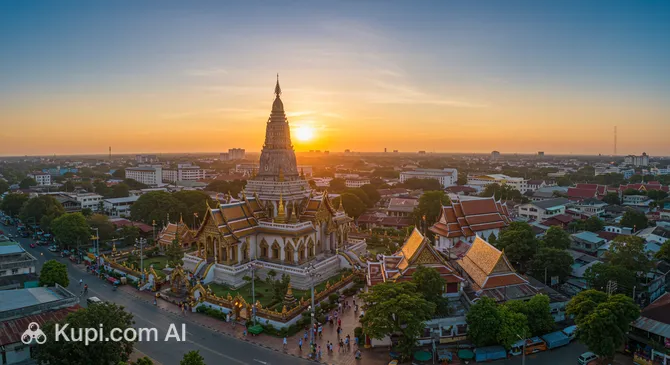
Khon Kaen. Source: Kupi.Binoculars

While the city today is defined by its modern infrastructure and wide avenues, the history of Khon Kaen is a fascinating tale of growth from a modest settlement established in the late 18th century to one of the "Big Four" cities of Isan. This evolution has created a cityscape where contemporary lifestyle seamlessly coexists with deep-rooted cultural traditions.

Visitors will find plenty to see and do, starting with the spectacular Phra Mahathat Kaen Nakhon, a nine-story stupa at Wat Nong Wang that offers breathtaking panoramic views of the city and the scenic Bueng Kaen Nakhon lake. The lake itself is a popular recreational spot for locals and tourists alike, perfect for evening strolls and dining. Additionally, the province is renowned for its exquisite Mudmee silk, making it a fantastic place to shop for high-quality local textiles.

Whether you are passing through on a larger journey or planning a dedicated visit, Khon Kaen invites you to discover its warm hospitality, spicy local cuisine, and rich cultural heritage. It is a destination that truly captures the spirit of the Northeast.
Weather Overview

Khon Kaen features a tropical climate defined by three main seasons, offering travelers distinct experiences depending on when they visit. Generally, you can expect warm temperatures throughout the year, though the humidity and rainfall vary significantly. The hot season ramps up in March and peaks in April, where the average temperature rises to approximately 30.7°C, with daily highs often reaching nearly 36°C.

From May through October, the region enters its monsoon season. This period brings frequent rainfall, with July and September seeing up to 24 or 25 wet days per month. Despite the showers, it stays warm, with averages staying between 26°C and 30°C. If you are planning a trip during this time, be prepared for humid conditions and regular downpours.

The most popular time for tourism is the cool and dry season, spanning from November to February. During these months, the weather is delightful, with clear skies and virtually no rain. December is typically the coolest month, featuring an average temperature of 23.4°C and comfortable lows around 18°C. For a more comprehensive breakdown of seasonal trends, you can view the detailed weather in Khon Kaen guide.

Interesting Facts

Beyond the main attractions, Khon Kaen holds many fascinating secrets that reveal the depth of its culture and history. Here are some intriguing details that make this northeastern city truly unique.
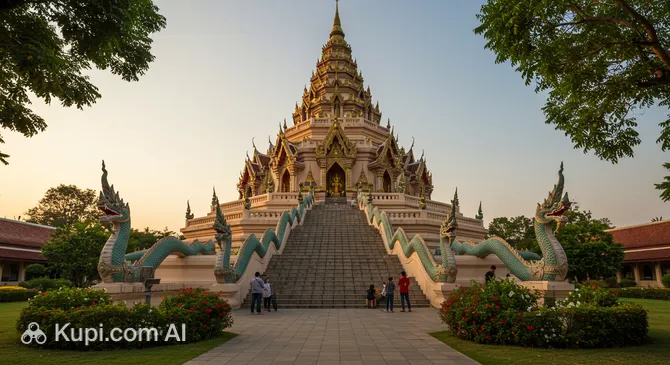
Phra Mahathat Kaen Nakhon (Wat Nong Wang). Source: Kupi.Binoculars
  • Khon Kaen is affectionately known as the "Land of Dinosaurs" because some of Thailand's first dinosaur fossils were discovered in the surrounding province. You can explore these prehistoric wonders at the Khon Kaen University Natural History Museum, and you will even spot whimsical dinosaur sculptures decorating street lamps and public spaces throughout the city.

  • The city is home to the stunning Phra Mahathat Kaen Nakhon (Wat Nong Wang), which is distinct for its nine tiers, a number considered highly auspicious in Thai culture. Locals believe that climbing to the ninth floor to pay respects to the Buddha relics brings great merit, while also offering a commanding view over the nearby Bueng Kaen Nakhon Public Park.

  • Just outside the city limits lies the famous King Cobra Village (Ban Khok Sa-nga), where residents have a unique tradition of raising venomous snakes alongside their families. This unusual custom began decades ago as a way to attract buyers for local herbal medicines and has since evolved into a spectacle that draws visitors from around the world.

  • Khon Kaen is designated as one of Thailand's pilot "Smart Cities" and is a major hub for MICE (Meetings, Incentives, Conferences, and Exhibitions). The city is pioneering its own light rail transit system, a rare and ambitious infrastructure development for a Thai city outside of Bangkok, showcasing its rapid modernization.

How to Get There

Reaching this major northeastern hub is relatively straightforward thanks to its status as a key regional center. Whether you prefer flying directly or taking an overland journey through the Thai countryside, there are several convenient options available. For a complete overview of all routes and transportation modes, you can check more about how to get to Khon Kaen to plan your trip effectively.

The most convenient way to arrive is by flying into Khon Kaen Airport (KKC). Located just outside the city center, this airport handles a significant volume of domestic traffic, connecting the province with Bangkok and other major Thai cities. Upon arrival, the journey to the downtown area is quick and easy; covering the distance of approximately 6 km typically takes about 30 minutes by taxi or shuttle bus. With an annual passenger traffic of around 2 million, it is a modern and well-equipped facility ensuring a smooth entry into the region.

Alternatively, travelers can fly into Udon Thani International Airport (UTH), located in the neighboring city of Udon Thani. While it is about 106 km away from Khon Kaen, it serves as a viable backup option if flights to Khon Kaen are fully booked. From Udon Thani, you can take a bus or rent a taxi to reach Khon Kaen, a trip that generally takes around 3 hours depending on traffic conditions.

For clarity, here is a summary of the main airports serving the region:

Airport Name City Passenger Traffic Km from City
Khon Kaen Airport Khon Kaen High 5.7
Udon Thani International Airport Udon Thani High 105.7
Sakon Nakhon Airport Sakon Nakhon Medium 161.7
Roi Et Airport Roi Et Medium 107.4
Buri Ram Airport Buriram Medium 140.8

Besides air travel, Khon Kaen is well-connected by rail and road. The city is a major stop on the Northeastern Railway Line, with regular trains departing from Bangkok. The modern elevated railway station in the city center makes arriving by train a scenic and comfortable choice. Additionally, frequent bus services run from Bangkok’s Mo Chit Bus Terminal and other provincial capitals, offering budget-friendly access to the heart of Isan.

Main Attractions

Khon Kaen is a city where tradition and modernity blend seamlessly, offering visitors a variety of experiences ranging from spiritual landmarks to lush green spaces and contemporary lifestyle hubs. Whether you are interested in history, nature, or simply soaking up the local atmosphere, the city has several must-visit sites that capture the essence of Isan.

Undoubtedly the most iconic landmark in the city is Phra Mahathat Kaen Nakhon (Wat Nong Wang). This magnificent nine-story stupa is located within Wat Nong Wang and dominates the city skyline. Visitors can climb the internal staircase to the top, passing through floors dedicated to Buddhist scriptures, history, and culture. The ninth floor houses Lord Buddha's relics and offers a spectacular panoramic view of the city and the nearby lake, making it a perfect spot for both spiritual reflection and photography.

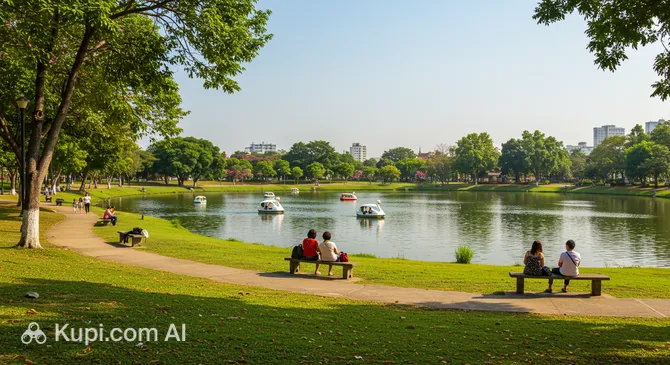
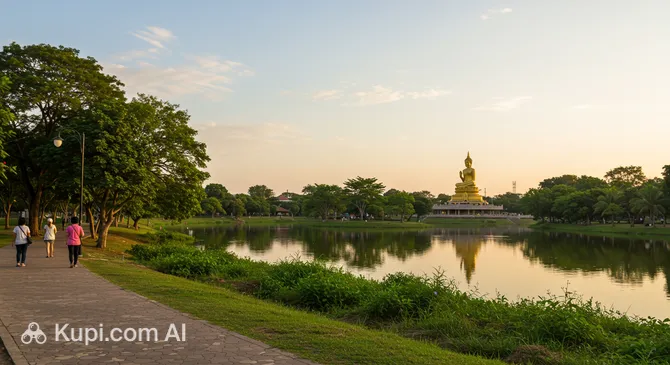
Located just next to the temple is the city's primary recreational area, Bueng Kaen Nakhon Public Park. This expansive lake covers a significant portion of the city center and serves as the social heart of Khon Kaen. It is surrounded by a well-maintained path ideal for jogging, cycling, or a leisurely evening walk. The park is dotted with sculptures, playgrounds, and shrines, and the southern end features a vibrant night market where you can sample local street food while watching the sunset over the water.

Bueng Kaen Nakhon Public Park. Source: Kupi.Binoculars

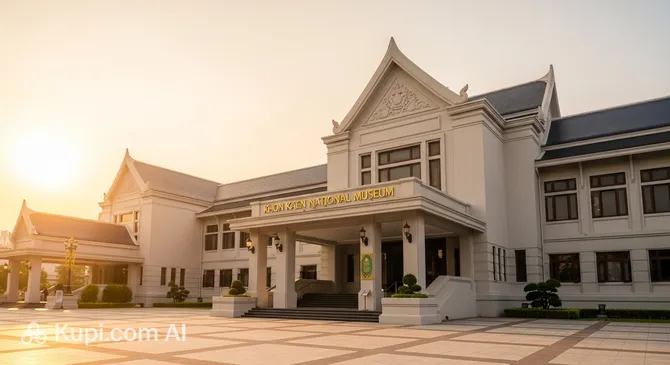
For those keen to delve deeper into the region's rich history, the Khon Kaen National Museum is an essential stop. The museum houses an impressive collection of artifacts ranging from the prehistoric era, including items from the famous Ban Chiang archaeological site, to the Dvaravati period and Khmer influence in the region. It provides excellent context for understanding the unique cultural tapestry of Northeastern Thailand through its displays of ancient boundary stones (sema), ceramics, and folk art.

Khon Kaen National Museum. Source: Kupi.Binoculars

Nature lovers should also make time for Bueng Thung Sang Health Garden. This large, beautifully landscaped park is another green lung of the city, renowned for its seasonal flower festivals and serene atmosphere. It features extensive walking trails, water features, and colorful gardens that bloom vibrantly during the cooler months. It is a quieter alternative to the central lake and a fantastic place for a picnic or morning exercise amidst nature.

Bueng Thung Sang Health Garden. Source: Kupi.Binoculars

If you are looking for a change of pace or a break from the tropical heat, Central Khon Kaen offers a modern shopping and lifestyle experience. As the largest shopping complex in the city, it features a unique architectural design inspired by the local "wicker sticky rice basket" motif. Inside, you will find a wide array of international brands, a cinema, and a massive food court serving everything from quick bites to authentic Isan cuisine, providing a comfortable retreat and a taste of modern urban Thai life.

Local Cuisine

The culinary landscape of Khon Kaen is a fiery and flavorful journey into the heart of Isan cuisine. As a major city in Northeastern Thailand, the food here is distinct from the central Thai dishes found in Bangkok, characterized by its boldness, zest, and liberal use of herbs and chili. The staple of every meal is Sticky Rice (Khao Niao), which is traditionally eaten by hand and serves as the perfect accompaniment to the region's spicy salads and grilled meats.

No visit to Khon Kaen is complete without trying Som Tum (green papaya salad). While the standard version with peanuts and dried shrimp is available, the local favorite includes Pla Ra, a fermented fish sauce that adds a deep, savory umami punch. This is often paired with Gai Yang, the famous Isan-style grilled chicken, which is marinated in coriander root, garlic, and pepper before being roasted to perfection over charcoal. Another must-try dish is Larb, a spicy minced meat salad tossed with toasted rice powder, lime juice, and fresh mint.

Interestingly, the region also has a strong historical connection with Vietnamese cuisine. Visitors will find excellent places serving dishes like Nam Nueang (grilled pork meatballs with rice paper wrappers and fresh herbs). For an authentic taste of this culinary fusion, you can visit the Halong Bay Vietnamese Restaurant, which offers a delightful array of Vietnamese staples adapted to the local palate.

Halong Bay Vietnamese Restaurant. Source: Kupi.Binoculars

When it comes to drinks, the locals enjoy refreshing beverages to balance the heat of the food. Sweet Thai Iced Tea (Cha Yen) and fresh fruit smoothies—particularly watermelon and coconut—are widely available at street stalls. For those seeking a caffeine fix or a sweet treat, the city's cafe culture is booming. Modern spots like Punpang offer a cozy atmosphere to enjoy freshly baked goods and artisan coffee, making them perfect for a relaxing afternoon break.

Punpang. Source: Kupi.Binoculars

The dining culture in Khon Kaen is incredibly social and often revolves around evening entertainment. Locals love venues that combine hearty meals with live music and a lively atmosphere. A prime example of this is Tawandang Mahason, a large brewery-style restaurant where you can enjoy traditional Thai and Isan dishes while watching energetic stage performances. Alternatively, for a more laid-back vibe with stylish decor, White Buns Cafe & Bistro is another excellent choice for travelers looking to unwind.

Whether you are eating street food at a night market or dining in an air-conditioned restaurant, the food in Khon Kaen is unpretentious, affordable, and incredibly delicious. It is a city where every meal tells a story of the region's agricultural roots and cultural diversity.

Travel Tips

To help you navigate the bustling streets of this northeastern hub with confidence, we have compiled a set of essential guidelines. Whether you are here for the vibrant festivals or the serene temples, these practical tips will ensure your journey through Khon Kaen is smooth, safe, and culturally respectful.

  1. Clothing and Gear: Khon Kaen is generally hot and humid, so pack lightweight, breathable fabrics like cotton or linen. However, if you are visiting during the "cool season" (November to February), bring a light jacket for the evenings. Modesty is key when visiting religious sites like Phra Mahathat Kaen Nakhon; always carry a sarong or scarf to cover your shoulders and knees, and wear slip-on shoes as you will need to remove them frequently before entering temples and some shops.
  2. Transportation: The most common way to get around is by Songthaew (converted pick-up trucks with two bench seats). They follow specific color-coded routes and are very affordable; simply ring the buzzer when you want to get off. For a more comfortable ride, the Khon Kaen City Bus is a modern, air-conditioned option that runs 24 hours on certain routes and even offers free Wi-Fi. Ride-hailing apps like Grab are also widely available and reliable for door-to-door service.
  3. Finances: The currency is the Thai Baht (THB). While credit cards are accepted in hotels, shopping malls like Central Khon Kaen, and modern restaurants, cash is king at night markets and local eateries. ATMs are plentiful throughout the city. Daily costs are generally lower than in Bangkok; a budget of 1,000–1,500 THB per day is usually sufficient for a comfortable mid-range experience. Tipping is not mandatory but rounding up the bill or leaving loose change is appreciated.
  4. Health and Safety: Khon Kaen is a major medical hub with excellent facilities, such as Khon Kaen Ram Hospital and Srinagarind Hospital, which handle emergencies and have English-speaking staff. Pharmacies are easy to find, especially major chains like Watsons or Boots in shopping centers. Be mindful of mosquitoes, as dengue fever can occur; always use repellent, especially during the rainy season. The city is generally very safe, but exercise standard caution with personal belongings in crowded markets.
  5. Communication: While English is spoken at the university and major hotels, it is less widespread in local markets and among taxi drivers. It is highly recommended to buy a local SIM card (AIS, TrueMove, or DTAC) at the airport or any 7-Eleven for internet access, which allows you to use translation apps—a lifesaver in daily interactions. Learning basic phrases like "Sawatdee" (Hello) and "Khop Khun" (Thank you) will go a long way in earning smiles from the locals.
  6. Local Etiquette: The traditional Thai greeting is the Wai (pressing palms together at chest level), which is used for hello, goodbye, and thank you. The head is considered the most sacred part of the body, so never touch anyone's head. conversely, the feet are considered the lowest, so avoid pointing your feet at people or religious images. Always remove your shoes before entering a Thai home or a temple hall.
  7. What to Avoid: Do not raise your voice or show visible anger in public. In Thai culture, maintaining "face" and composure is vital, and aggressive behavior is seen as extremely rude and counterproductive. Also, avoid showing excessive public displays of affection, as the local culture in Isan is more conservative than in tourist-heavy beach destinations.
  8. Local Insight: Khon Kaen is known as a "Smart City" and has its own navigation app called KK Transit. Downloading this app can help you track the real-time location of the city buses, making public transport much easier to use than in many other Thai provinces.

By keeping these simple tips in mind, you will be well-equipped to embrace the warm hospitality and unique charm of Khon Kaen. Enjoy your adventure in the heart of Isan!

Entertainment & Nightlife

As a bustling university city, Khon Kaen boasts an energetic and diverse nightlife scene that rivals some of Thailand's larger tourist hubs. The atmosphere here is distinctly local yet welcoming, driven largely by the youthful energy of the student population and the city's status as a regional commercial center. Unlike the go-go bar scenes found in other parts of the country, the nightlife in Khon Kaen focuses heavily on live music, socializing with friends, and enjoying good food and drinks in vibrant settings.

The epicenter of the city's nightlife is undoubtedly the area around Prachasamran Road, located near the Pullman Hotel. This district is packed with western-style pubs, modern clubs, and karaoke venues that stay open late. It is the perfect place to bar-hop, with venues ranging from quiet corners for a conversation to loud clubs pumping out a mix of Thai pop, Isan country music, and international hits. The crowd is a mix of university students, expats, and local professionals, creating a friendly and safe environment for visitors.

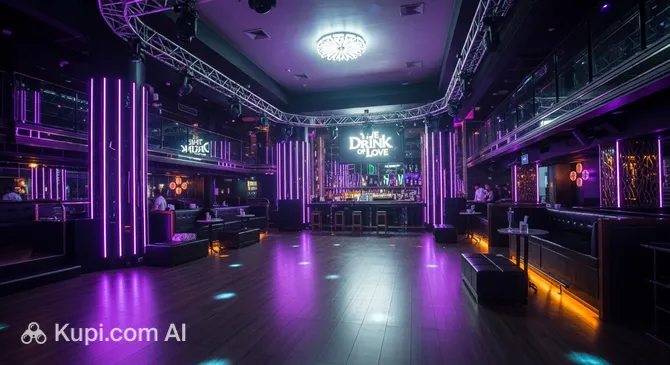
The Drink of Love. Source: Kupi.Binoculars

For those looking to experience the local clubbing scene, The Drink of Love is a popular choice. Known for its lively bands and energetic atmosphere, it draws a crowd that loves to sing along and dance. The venue typically features live music performances that showcase the impressive musical talent of the region. Dress codes in these clubs are generally casual, though "smart casual" (no flip-flops or tank tops for men) is appreciated and sometimes enforced at the more upscale spots.

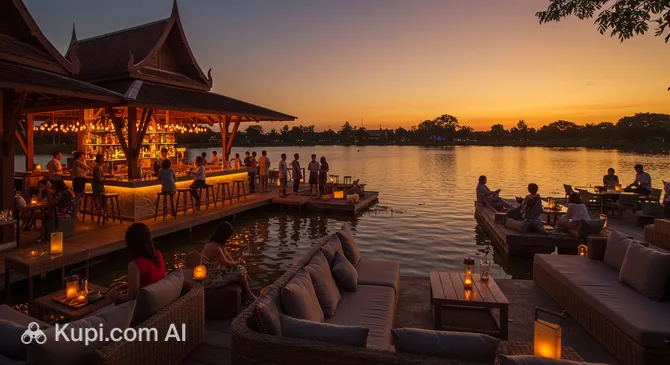
If you prefer a more relaxed evening with a view, the area around Bueng Kaen Nakhon lake offers several excellent spots. One standout venue is Smile at Waterside. This restaurant and bar provides a laid-back ambiance where you can enjoy dinner and drinks while listening to acoustic live music. It is an ideal location for families or couples who want to experience the city's nightlife without the intensity of a thumping nightclub.

Smile at Waterside. Source: Kupi.Binoculars

Beyond bars and clubs, Khon Kaen is famous for its night markets, which are a form of entertainment in themselves. The Ton Tann Green Market is the most famous, offering not just shopping and food, but also live performances, art installations, and a trendy open-air vibe. It is the perfect place to spend an evening if you want to soak up the local culture, buy souvenirs, and eat your way through stalls of delicious street food.

Practical advice for a night out includes arriving around 9:00 PM or 10:00 PM when the venues start to fill up. Prices are generally very reasonable compared to Bangkok; a beer might cost between 80 to 150 THB depending on the venue. Getting around at night is easy with Grab taxis or local tuk-tuks, but always agree on a price with tuk-tuk drivers beforehand if not using an app. The city is safe for night walks, especially in well-lit areas like the markets and the Prachasamran district.

While the night belongs to music and lights, daytime entertainment in Khon Kaen offers its own charm. Visitors can explore the Khon Kaen Innovation Centre, a modern space that often hosts exhibitions and events showcasing the region's creativity. For a peaceful afternoon, a stroll through the Khon Kaen 200 Years Public Park provides a refreshing break with its green landscapes and exercise areas, rounding out the city's diverse leisure offerings.

Parks & Museums

Khon Kaen is not only a commercial hub but also a city that values green living and historical preservation. For tourists, this means easy access to expansive parks for relaxation and well-curated museums that offer a deep dive into the region's ancient roots and natural wonders. Whether you are looking to jog by a lake at sunset or explore the prehistoric past of Isan, the city's public spaces and cultural institutions provide a perfect balance to its urban energy.

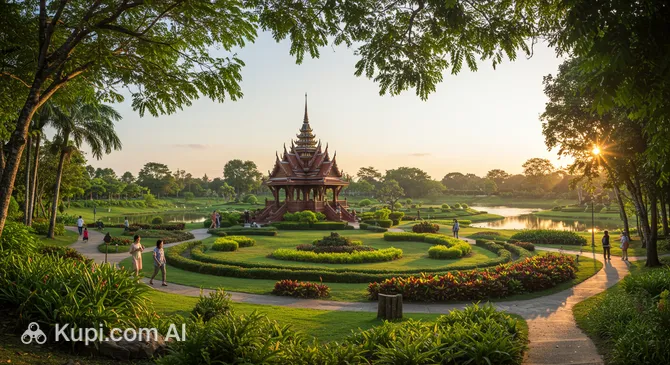
The city's most prominent green space is undoubtedly Bueng Kaen Nakhon Public Park. Spanning the circumference of a large lake, this park is the recreational soul of the city, featuring a shaded running path, exercise equipment, and scenic spots for picnics. Just adjacent to this major landmark lies the serene Khon Kaen 200 Years Public Park. Created to commemorate the bicentennial of Bangkok, this park offers a quieter, more garden-like atmosphere with lush landscaping, colorful flower beds, and distinctive sculptures. It is a favorite spot for locals seeking a peaceful retreat for Tai Chi or meditation away from the busier main track.

Khon Kaen 200 Years Public Park. Source: Kupi.Binoculars

Another vital green lung for the city is the Bueng Thung Sang Health Garden. Located in the northern part of the city, this massive park is beautifully designed with water features and seasonal floral displays that rival botanical gardens. It is particularly famous for hosting the annual Khon Kaen Flower Festival, where the grounds transform into a vibrant tapestry of blooms, attracting photographers and nature lovers from all over the province.

For a journey into the region's rich heritage, the Khon Kaen National Museum is an essential stop. This institution houses an extensive collection of artifacts that trace the history of the Northeast from prehistoric times to the present. Highlights include ancient sandstone boundary markers (Sema stones) from the Dvaravati period and exquisite bronze tools from Ban Chiang, offering visitors a clear understanding of the diverse civilizations that have flourished on the Khorat Plateau.

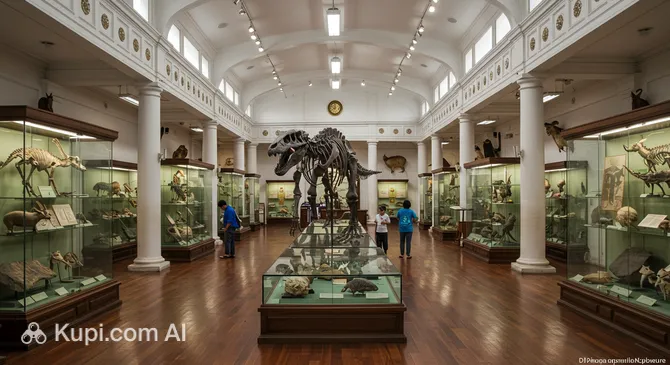
Science and nature enthusiasts should not miss the Khon Kaen University Natural History Museum. Reflecting the province's reputation as the "Land of Dinosaurs," this museum features fascinating exhibits on geology and paleontology, including fossils discovered in the region. It provides an educational look at the biodiversity of Isan, ranging from ancient creatures to contemporary flora and fauna, making it an engaging destination for families and students alike.

Khon Kaen University Natural History Museum. Source: Kupi.Binoculars

For an authentic local experience, consider visiting the Hong Moon Mang (Khon Kaen City Museum) located by the central lake. While smaller than the national museum, it offers a charming and intimate look at the specific history of the city itself, complete with dioramas and displays on local festivals. It is a hidden gem that provides great context before you explore the city's streets and markets.

Getting Around

Navigating Khon Kaen is surprisingly convenient compared to many other provincial destinations, thanks to a well-organized and modernizing public transport network. While the city does not yet have an operational metro or tram system, it relies on a robust combination of traditional local vehicles and a pioneering "Smart Bus" network that operates around the clock. The system is designed to be affordable and relatively easy for visitors to understand once they know the basics.

The backbone of local transportation is the Songthaew, which are converted pick-up trucks with two bench seats in the back. These vehicles follow specific fixed routes, each designated by a different color and number. With over 20 routes crisscrossing the city, they connect major areas such as the university, the central markets, and the shopping malls. They are the most authentic and cheapest way to travel, typically operating from early morning around 06:00 until approximately 20:00.

For a more comfortable and modern experience, the Khon Kaen City Bus is an excellent choice for tourists. Often referred to as the "Smart Bus," these air-conditioned vehicles operate 24 hours a day on key loops, including a convenient route connecting the airport, the city center (Central Khon Kaen), and Bus Terminal 3. These buses are equipped with free Wi-Fi and GPS tracking, making them a reliable option for getting to and from your accommodation regardless of your arrival time.

The payment system in Khon Kaen is predominantly cash-based and straightforward. For Songthaews, there are no tickets to buy in advance; you simply pay the driver a flat fare (usually around 10 to 15 THB) when you exit the vehicle. For the City Bus, there is a fixed flat rate (typically 15 THB for adults) which you drop into a coin box upon boarding. It is highly recommended to carry small change, such as 10-baht coins and 20-baht notes, as drivers often cannot break large bills.

A unique feature of the city's transport system is its integration with technology. You can download the KK Transit mobile application, which allows you to track the real-time location of the City Buses. This is incredibly useful for planning your trips and avoiding long waits in the heat. When using Songthaews, the validation process is manual: simply wave your hand to flag one down, hop in the back, and press the buzzer on the ceiling when you are approaching your destination.

If you prefer private transport, alternatives are plentiful. Tuk-tuks are widely available for short hops; in this region, they are often the "Skylab" style (a motorbike with a carriage at the back). You must negotiate the fare before starting your journey. Metered taxis are also available but can be harder to flag down on the street compared to the capital; they often congregate at bus stations and shopping centers. For the most hassle-free private ride, ride-hailing apps like Grab are extremely popular, offering transparent pricing and eliminating language barriers.

While the city is walkable in specific zones like the area around the central lake, the heat often makes motorized transport necessary. Car rentals are available at the airport for those who wish to explore the wider province, and motorbike rentals can be found near the university district, though they are less common than in major tourist beach towns. Overall, the combination of the app-enabled City Bus and the ubiquitous Songthaews makes getting around Khon Kaen efficient and budget-friendly.

Accommodation

As a major regional hub, Khon Kaen offers a diverse range of accommodation options that cater to all types of travelers, from backpackers on a shoestring budget to business travelers seeking modern comforts. The city's hospitality sector has grown significantly, providing a mix of inexpensive guesthouses, reliable mid-range city hotels, and a few upscale resorts. Unlike the tourist-heavy islands, accommodation here is generally very affordable, allowing visitors to enjoy high-quality amenities at a fraction of the cost found in Bangkok or Phuket.

When choosing where to stay, location is key to your experience. The most popular area for tourists is the City Center, particularly around the shopping malls and the Pullman Hotel. Staying here puts you within walking distance of the vibrant nightlife on Prachasamran Road and easy access to public transport. Alternatively, the area surrounding Bueng Kaen Nakhon lake offers a more scenic and relaxed atmosphere. Hotels in this zone are perfect for those who enjoy morning jogs by the water and dining at the open-air restaurants that line the lake's perimeter.

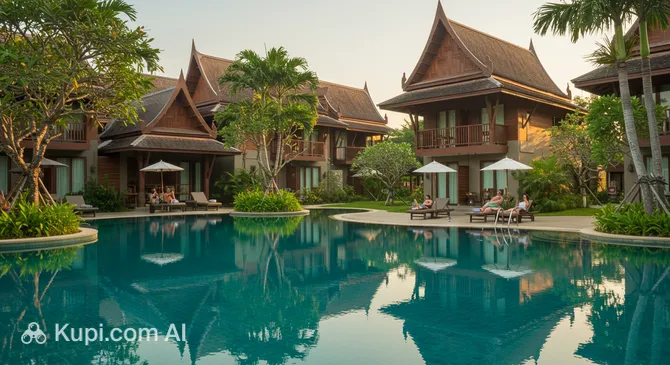
For travelers looking for a comfortable retreat that balances accessibility with a resort-like feel, the Green Hotel & Resort Khon Kaen is a notable option. It provides a peaceful environment with lush surroundings, making it a great choice for relaxation after a day of exploring the province. Another excellent choice for visitors who appreciate modern design and city vistas is FUN-D City View, which offers stylish rooms and convenient access to the city's main attractions.

Green Hotel & Resort Khon Kaen. Source: Kupi.Binoculars

Regarding costs, Khon Kaen is incredibly wallet-friendly. Budget travelers can find clean, air-conditioned rooms for as little as 400–700 THB per night, while mid-range hotels typically charge between 800 and 1,500 THB. Even the more luxurious options rarely exceed 3,000 THB. While walk-in bookings are possible at many smaller establishments, it is highly recommended to book in advance through major online platforms, especially if you are visiting during major events like the Khon Kaen Marathon or the Silk Festival, when the city fills up quickly.

Nearby Cities

For those looking to explore the surroundings, Khon Kaen serves as an excellent base for day trips to several interesting nearby locations. Just a short drive to the north lies Udon Thani, a major regional hub famous for the spectacular Red Lotus Sea, which blooms vibrantly during the cool season, and the UNESCO-listed Ban Chiang Archaeological Site. To the east, travelers can visit Kalasin, a province renowned for its rich paleontological history; it is home to the Sirindhorn Museum, one of the most comprehensive dinosaur museums in Southeast Asia, as well as the ancient reclining Buddha at Wat Phuttha Nimit.

City Population Distance (km)
Udon Thani 130274 103
Maha Sarakham 52866 58
Saeng Bua Thong 51932 80
Ban Pet 42772 5
Kalasin 34437 73

These nearby destinations offer a glimpse into the diverse culture and landscapes of the region.

Shopping & Souvenirs

Shopping in Khon Kaen offers a delightful mix of experiences, ranging from high-end modern complexes to bustling open-air bazaars that come alive at night. As the commercial center of the Northeast, the city is a hub for both international brands and locally crafted goods. Visitors will find that prices here are generally more affordable than in Bangkok, making it an excellent destination for picking up unique souvenirs and wardrobe staples.

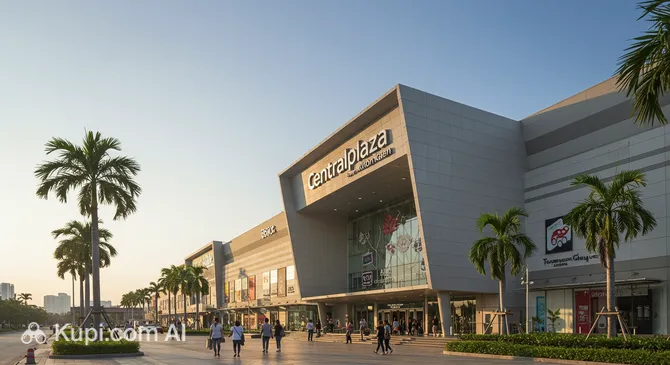
The city's retail landscape is dominated by Central Khon Kaen, the largest and most comprehensive lifestyle complex in the region. Located in the heart of the city, this mall is an architectural landmark designed to resemble a traditional Isan sticky rice basket. Inside, shoppers can find a vast array of department stores, fashion boutiques, IT gadgets, and a cinema. It serves as a comfortable, air-conditioned escape from the midday heat and is the primary destination for branded goods.

Central Khon Kaen. Source: Kupi.Binoculars

For a more local shopping atmosphere, the city's night markets are unmissable. The Ton Tann Green Market is perhaps the most famous, offering a trendy, park-like setting where you can browse for handmade crafts, vintage clothing, and artistic souvenirs. Unlike typical crowded markets, it features wide walkways and designated zones, making it a pleasant place to stroll. Another highlight is the Saturday Walking Street on Na Sun Ratchakan Road, which is packed with stalls selling cheap clothes, accessories, and traditional handicrafts.

When it comes to souvenirs, Khon Kaen is renowned for its exquisite Mudmee silk. This tie-dyed silk is a signature product of the province, known for its intricate geometric patterns and high quality. You can find beautiful silk fabrics, scarves, and ready-to-wear clothing at the markets or specialized shops in the city center. Other popular items include traditional wicker sticky rice baskets and savory local snacks like Sai Krok Isan (fermented pork sausage), which make for great edible gifts.

Most shopping malls operate daily from roughly 10:00 AM or 11:00 AM until 9:00 PM. Night markets typically set up around 5:00 PM and run until late, often closing around 10:00 PM or 11:00 PM. While major department stores and supermarkets accept credit cards, cash is essential for street markets and smaller vendors. QR code payments via mobile banking apps are also extremely common throughout the city.

Tourists shopping at larger department stores and international chains, such as those within Central Khon Kaen, may be eligible for a VAT Refund. Look for the "VAT Refund for Tourists" sign at the checkout. To qualify, you generally need to spend a minimum amount at a participating store and present your passport to obtain the necessary forms to claim your refund at the airport upon departure.

Reached the end of the page?

That means the route is fully explored