Support

Roi Et

About

Welcome to Roi Et, a captivating destination located in the heart of the Isan region in northeastern Thailand. Known for its laid-back atmosphere and rich cultural heritage, this city serves as the capital of the province with the same name. With a population of approximately 35,000 residents, it offers a perfect blend of modern development and traditional charm, making it an intriguing stop for travelers exploring the less-trodden paths of the country.

Roi Et. Source: Kupi.Binoculars

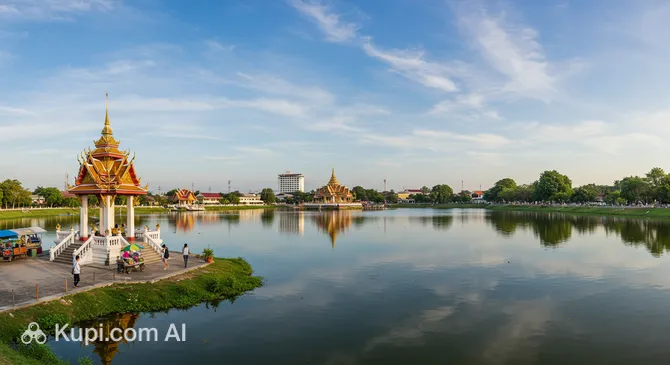
The city's name literally translates to "one hundred and one," a reference to the ancient legend that the city once had eleven tributary cities and eleven gates. For a deeper dive into the origins of this fascinating name and the region's past, you can read about the history of Roi Et. Today, the city is geographically defined by the scenic Phalanchai Lake, a large artificial island in the center of town that acts as a recreational hub for locals and visitors alike.

Roi Et is home to several remarkable landmarks that showcase its spiritual and architectural beauty. One of the most striking features is the towering standing Buddha statue at Wat Burapha Phiram, known as Phra Phuttha Ratana Mongkhon Mahamuni, which is among the tallest of its kind in Thailand. Another unique attraction is the Roi Et Tower, an observation tower shaped like a vot (a traditional Isan musical instrument), offering panoramic views of the cityscape and the surrounding countryside.

Whether you are strolling through the peaceful parks or admiring the intricate temples, Roi Et promises a warm welcome and a genuine taste of northeastern Thai culture. It is a delightful destination for those seeking tranquility and authentic local experiences.

Weather Overview

The climate in Roi Et is generally tropical, characterized by distinct wet and dry seasons that shape the rhythm of life in the province. Visitors can generally expect warm weather year-round, with a hot season leading into a humid rainy period, followed by cooler, drier months that are ideal for outdoor exploration.

The coolest and driest time of the year occurs in December and January, where the average temperature sits around 24°C. During these months, the nights can feel pleasantly fresh with minimum temperatures dropping to approximately 18°C, and rainfall is virtually non-existent. As the season shifts towards March and April, the heat intensifies significantly. April is typically the hottest month, with average temperatures reaching 30.4°C and daily highs often climbing to 35.4°C.

From May through October, the region experiences its rainy season. While it remains warm, with averages between 26°C and 30°C, the frequency of rain increases dramatically. The wettest months, such as July, August, and September, can see up to 25 wet days per month. For a more comprehensive forecast to help you plan your activities, you can view the detailed weather in Roi Et.

Interesting Facts

Beyond its scenic lake and giant Buddha, Roi Et holds fascinating secrets and numerical coincidences that deepen its charm. From architectural marvels to agricultural legends, here are some intriguing facts about this northeastern gem:

  • The city takes its name, which means "101," very seriously. The iconic Roi Et Tower (Hor Vot) was specifically designed to stand exactly 101 meters tall. Shaped like a vot (a traditional Isan musical instrument), this structure not only honors local culture but also serves as a towering tribute to the province's identity.

  • Roi Et sits at the heart of the Thung Kula Rong Hai, or "Weeping Prairie of the Kulas." Legend says this vast plain was once so dry and barren that wandering Kula merchants would cry from exhaustion while crossing it. Today, in an ironic twist, this same land is world-renowned for producing the finest fragrant Jasmine Rice (Hom Mali), often considered the best in Thailand.

  • The local Bun Pha Wet festival features a unique spiritual endurance challenge. During this merit-making event, monks deliver a continuous sermon reciting all 13 chapters of the Vessantara Jataka. It is believed that anyone who listens to the entire sermon in a single day will be reborn in the era of the future Buddha, Maitreya.

  • Despite being in a landlocked region far from the coast, the city boasts the Roi Et Municipality Aquarium featuring a walk-through underwater tunnel. This unexpected attraction allows visitors to view freshwater species from a "submarine" perspective, a rarity in the Isan region.

How to Get There

Reaching the province of Roi Et is relatively convenient, with air travel being the fastest option for most visitors. For a comprehensive guide on all available transport methods, you can read more about how to get to Roi Et, which covers various routes and tips for your journey.

The most direct entry point is Roi Et Airport (IATA: ROI), located approximately 24 km from the city center. This regional airport serves as the primary hub for the province. A journey from the airport to the city typically takes about 55 minutes by taxi or shuttle bus. While it handles a moderate volume of passengers annually, it offers essential connections, primarily to Bangkok, making it a hassle-free option for travelers.

Alternatively, travelers can fly into Khon Kaen Airport (IATA: KKC), situated in the neighboring city of Khon Kaen. This is a larger international airport located about 119 km from Roi Et. Due to its size and higher passenger traffic, it may offer a wider range of flight schedules. However, the transfer to Roi Et by road will take considerably longer, estimated at around 3 hours and 20 minutes depending on traffic conditions.

For clarity, here is a summary of the main airports in the vicinity:

Airport Name City Passenger Traffic Km from City
Khon Kaen Airport Khon Kaen High 118.8
Ubon Ratchathani International Airport Ubon Ratchathani High 142.1
Sakon Nakhon Airport Sakon Nakhon Medium 148.8
Roi Et Airport Roi Et Medium 24.1
Buri Ram Airport Buriram Medium 90.4

Regarding rail travel, the city of Roi Et does not have its own railway station. Visitors wishing to travel by train typically take the Northeastern Line to Khon Kaen, which is the nearest major railway hub. From Khon Kaen, you can transfer to a local bus or minivan to complete the journey to Roi Et, which takes approximately 2 to 3 hours. This route offers a scenic view of the Isan countryside, though it is slower than flying.

Main Attractions

Roi Et Tower (Hor Vot) stands as the most iconic modern landmark in the city, soaring to a height of 101 meters to match the province's name. Shaped like a vot, a traditional Isan musical instrument, this observation tower is located within Somdet Phra Srinakarindra Park. Visitors can take an elevator to the upper floors for a breathtaking 360-degree view of the city and the expansive Phalanchai Lake. The tower also features a skywalk, a museum dedicated to local culture, and a souvenir shop, making it a must-visit for panoramic photography and cultural insight.

Wat Burapha Phiram is a revered temple famous for housing Phra Phuttha Ratana Mongkhon Mahamuni, one of the tallest standing Buddha statues in Thailand. The statue rises approximately 68 meters high, including its base, and dominates the city's skyline. Tourists can climb a staircase at the back of the statue to reach a platform at knee level, which offers a unique vantage point of the temple grounds and the surrounding urban area. It is a spiritually significant site where locals come to pay respects and seek blessings.

Phalanchai Lake (Bueng Phlan Chai) serves as the recreational heart of Roi Et, offering a serene escape right in the city center. This large artificial lake features a lush island connected by pedestrian bridges, housing the sacred City Pillar Shrine which is highly respected by the local community. The area is perfect for a leisurely evening stroll, renting a paddleboat, or feeding the abundant fish. The surrounding park is beautifully landscaped with flowers and waterfalls, providing a picturesque setting for relaxation.

Wat Klang Ming Mueang is one of the oldest and most historically significant temples in the province, believed to predate the founding of Roi Et city. Located on a hill near the lake, the temple's ordination hall (Ubosot) showcases stunning murals depicting the life of the Buddha and scenes from local folk tales. Its architecture reflects the traditional Isan style mixed with Ayutthaya influences, making it a fascinating stop for those interested in history, art, and religious heritage.

Roi Et National Museum is an excellent destination for travelers wishing to delve deeper into the region's rich past. The museum displays a comprehensive collection of artifacts ranging from prehistoric times to the Dvaravati and Khmer periods. Exhibits include ancient ceramics, traditional silk textiles, and tools that illustrate the evolution of Isan culture and the specific history of Roi Et. It provides valuable context to the sights seen throughout the city.

Local Cuisine

The culinary scene in Roi Et is a vibrant celebration of Isan cuisine, known for its bold, fiery, and distinctively sour flavors. Unlike the coconut milk-heavy curries found in other parts of the country, the food here relies heavily on fresh herbs, lime, dried chilies, and the pungent umami of fermented fish sauce. Dining here is an adventure for the palate, offering a genuine taste of northeastern Thailand.

A trip to the city would be incomplete without trying the region's most iconic dish, Som Tum (green papaya salad). While available nationwide, the local version, often referred to as Som Tum Pla Ra, features a darker, more intense flavor profile due to the addition of fermented fish sauce and salted crab. It is traditionally eaten with Khao Niew (sticky rice), served in small woven baskets. The sticky rice is essential not just as a side dish, but as a utensil used to scoop up the spicy salads and sauces.

Another must-try dish is Larb, a spicy minced meat salad seasoned with toasted rice powder, fresh mint, and lime juice. For a comforting meal, look for Khao Pun (fermented rice noodles), which are typically served with a variety of spicy fish curries and a generous platter of fresh vegetables and herbs. Visitors will also find plenty of Gai Yang (grilled chicken), marinated with local spices and cooked over charcoal until the skin is crispy and the meat tender.

To combat the heat of the day and the spice of the food, locals often enjoy sweet Thai iced tea (Cha Yen) or refreshing herbal drinks made from roselle, lemongrass, or chrysanthemum. In the evenings, dining becomes a social affair often accompanied by cold local beers or traditional rice spirits, which are enjoyed slowly alongside spicy snacks and grilled meats.

The food culture in Roi Et revolves deeply around street life and community. The best place to experience this is at the bustling night markets, particularly the areas surrounding Phalanchai Lake. As the sun sets, the streets come alive with vendors and the aroma of sizzling pans. Locals and tourists alike gather at small outdoor tables to share dishes in a relaxed, open-air setting, making it the perfect spot to immerse yourself in the authentic atmosphere of the city.

Travel Tips

Planning a trip to Roi Et offers a glimpse into the authentic Isan lifestyle, but visiting this less-commercialized province requires a bit more preparation than a typical beach holiday. To help you navigate the city with ease and confidence, here are some practical tips designed to make your stay smooth and enjoyable.

  1. Clothing and Gear: Given the tropical climate, pack lightweight, breathable fabrics like cotton or linen to stay cool. However, modesty is key when visiting religious sites like Wat Burapha Phiram; always bring a sarong or a scarf to cover your shoulders and knees. Slip-on shoes are highly recommended as you will need to remove them frequently before entering temples and some local shops.

  2. Transportation: There is no public metro or train system within the city. The most common way to get around is by Skylab, a local three-wheeled vehicle similar to a tuk-tuk but larger and unique to the Isan region. Ride-hailing apps like Grab may have limited availability compared to Bangkok, so it is often easier to flag down a Skylab. Always agree on the fare with the driver before starting your journey.

  3. Finances: While hotels and large supermarkets accept credit cards, cash is king in Roi Et. You will need Thai Baht (THB) for street food, local markets, and transport. ATMs are widely available, particularly outside 7-Eleven convenience stores. It is wise to carry small bills (20, 50, and 100 Baht notes), as vendors often struggle to change large denominations.

  4. Health and Safety: Roi Et is generally very safe for tourists. Pharmacies are plentiful and usually marked with a green cross; pharmacists can often suggest over-the-counter remedies for minor ailments. Be sure to drink only bottled water and use mosquito repellent, especially during the rainy season (May to October) and in the evenings near the lake.

  5. Communication: English is not widely spoken outside of major hotels. It is highly recommended to download an offline translation app and learn a few basic Thai phrases like "Sawasdee" (Hello) and "Khop Khun" (Thank you). Buying a local SIM card is essential for navigation and translation; you can purchase one at the airport or any convenience store upon arrival.

  6. Local Etiquette: The traditional greeting is the Wai (pressing palms together at chest level). Thais regard the head as the most sacred part of the body and the feet as the lowest. Never touch someone's head, and avoid pointing your feet at people or religious images. If you sit on the floor in a temple, tuck your legs beneath you to avoid pointing your toes at the Buddha.

  7. What to Avoid: Do not raise your voice or show visible anger in public; in Thai culture, this causes a "loss of face" and rarely resolves problems. Also, avoid public displays of affection, which are considered impolite in this conservative region.

  8. Local Insight: For a truly local experience, visit Phalanchai Lake in the late afternoon. This is when the city comes alive: join the locals for an aerobics class, rent a mat to sit on the grass, or buy a bag of fish food to feed the catfish. It is the best way to soak up the relaxed atmosphere of Thailand's northeast.

By keeping these tips in mind, you will be well-equipped to explore the hidden charms of Roi Et. Embrace the slower pace of life, smile often, and enjoy the warm hospitality that makes this corner of the world so special.

Entertainment & Nightlife

Entertainment in Roi Et reflects the city’s easygoing Isan charm. Unlike the high-energy clubbing scenes found in Bangkok or Pattaya, the nightlife here is centered around socializing, live music, and excellent food. The atmosphere is distinctively local, welcoming, and relaxed, making it easy for visitors to mingle with residents. Most venues operate from sunset until around midnight, offering a glimpse into the authentic lifestyle of northeastern Thailand.

The heartbeat of the evening scene is undoubtedly the Roi Et Night Market (Talad To Rung). Located near the northern gate of the city, this bustling area comes alive as the sun goes down. It is not just a place to eat but a nightly event where families and friends gather. You can wander through rows of vendors selling everything from spicy salads to grilled meats and sweet desserts. The vibe is casual, and the dress code is entirely informal—shorts and t-shirts are the norm.

For those seeking a drink and some entertainment, the city offers several "pub and restaurant" style venues, particularly along the roads surrounding the city center and Phalanchai Lake. These establishments typically feature open-air seating and live bands playing a mix of Thai pop and "Phuea Chiwit" (songs for life) folk music. A popular area to explore is the Rob Muang Road (Ring Road), where larger venues often host live performances. One such hub for modern entertainment is Robinson Lifestyle Roi Et, which houses a cinema and various dining options, providing a comfortable air-conditioned escape for the evening.

If you are lucky enough to visit on a weekend, do not miss the Roi Et Walking Street. Usually held on Saturday evenings, this pedestrian-only zone transforms into a vibrant cultural showcase. Here, you can shop for local handicrafts, enjoy street performances, and sample an array of local snacks. It offers a more festive atmosphere than the daily markets and is a fantastic spot for photography and souvenir hunting.

While nightlife is the primary focus of the evening, daytime entertainment in Roi Et also has its merits. Beyond the cultural landmarks, visitors can enjoy modern amenities at the local shopping complexes, which often feature karaoke booths and bowling alleys. For families, the Roi Et Water Park offers a fun way to cool down during the hot afternoons, providing slides and pools that contrast with the historical sightseeing.

Practical Advice for Night Owls:

  • Transport: Public transport like the Skylab (local tuk-tuk) becomes scarce after 9:00 PM. It is highly advisable to arrange a return ride with your driver or have a taxi app installed, though availability can be limited. If you are staying centrally, walking is an option, but stick to well-lit main roads.
  • Prices: Entertainment here is very affordable. A large beer typically costs a fraction of what you would pay in tourist hubs, and a full meal at a night market can cost less than 100 THB.
  • Safety: Roi Et is generally safe at night. However, be cautious of stray dogs on quieter streets and avoid unlit areas near the park boundaries late at night.

Parks & Museums

While Roi Et is often celebrated for its giant Buddha and towering observation deck, the city and its surrounding province also offer serene green spaces and insightful cultural venues. The destination seamlessly blends its natural beauty with historical preservation, allowing visitors to transition from a relaxing walk in a lush park to a deep dive into ancient Isan history within the same afternoon.

Somdet Phra Srinakarindra Park is the premier green lung of the city, encircling the famous Phalanchai Lake. While the lake itself is the centerpiece, the surrounding parkland is a beautifully landscaped garden filled with colorful flowers, shade-giving trees, and well-maintained jogging paths. It serves as the primary gathering spot for the community, where you can watch locals practicing Tai Chi or families enjoying picnics. The park's atmosphere is incredibly laid-back, offering a perfect respite from the heat and a chance to observe the slow-paced local lifestyle up close.

For a unique natural experience outside the city center, Bueng Kluea (Salt Lake) in the nearby Selaphum district offers a distinct landscape. This vast freshwater lake sits atop a subterranean salt deposit, creating a unique ecosystem. In the dry season, visitors can see patches of white salt crust forming on the banks, a phenomenon that has supported local salt-making livelihoods for generations. It is a quiet, breezy spot popular for seaside-style dining on rafts, offering a different perspective on the region's geography.

Roi Et National Museum is the cultural custodian of the province, essential for anyone wanting to understand the depth of history in this part of Thailand. Housed in a modern building that integrates traditional architectural elements, the museum showcases a rich collection of artifacts. Highlights include ancient ceramics from the Ban Chiang era, Dvaravati-style boundary stones (Sema stones), and exquisite Lao-influenced wood carvings. The exhibits are well-curated to tell the story of the Mun River basin's civilization, making it a fascinating educational stop.

Another significant historical site that functions as an open-air museum is Prang Ku. Located just outside the main city area, this site features the ruins of an ancient Khmer hospital/chapel complex dating back to the 12th or 13th century. The main structure is a laterite tower surrounded by a wall, typical of the architecture from the reign of King Jayavarman VII. It stands as a testament to the Khmer Empire's reach into this region and provides a quiet, atmospheric setting for history enthusiasts to explore without the crowds found at larger historical parks.

For a touch of contemporary culture, look for the Street Art along the canals near the city center. Local artists have transformed plain walls into vibrant murals depicting scenes of rural life, buffaloes, and traditional festivals. It is a charming, lesser-known feature that adds a splash of color to a simple morning walk and offers great photo opportunities away from the main tourist trail.

Getting Around

Public transport in Roi Et is quite different from the extensive systems found in larger metropolitan areas. There is no metro, tram, or electric train network here. Instead, the city relies on a mix of informal local vehicles that add a unique character to the travel experience. The city center is compact and relatively easy to navigate, with most transport options being flexible and readily available during daylight hours.

The most iconic mode of transport in the city is the Skylab. This is a local variation of the famous Thai tuk-tuk, but with a distinct design specific to the northeastern region. Skylabs are three-wheeled motorized vehicles that function as taxis. They are perfect for short trips around town, such as getting from your hotel to the market or Phalanchai Lake. They do not run on a meter, so you must negotiate and agree on the fare with the driver before hopping in. A typical short ride within the city center usually costs between 40 to 80 Baht, depending on the distance and your bargaining skills.

For a more local and budget-friendly experience, you can use Songthaews. These are pickup trucks converted into buses with two bench seats in the back and a roof overhead. They generally follow fixed routes, often connecting the central bus terminal with key locations like the market, the hospital, and nearby districts. To catch one, simply wave it down from the side of the road. When you want to get off, press the buzzer located on the roof or ceiling. The fare is fixed and very cheap, typically around 10 to 20 Baht per trip.

Motorcycle taxis are another fast and convenient option, especially for solo travelers. You can identify them by the drivers wearing colorful vests, usually orange or green, waiting at street corners or near major landmarks. They are ideal for quick dashes across town during traffic. As with Skylabs, prices should be agreed upon beforehand, though short trips often have standard rates known to locals.

Regarding payment, the transport system in Roi Et operates almost exclusively on cash. There are no travel cards, tap-to-pay systems, or transport passes. It is essential to carry Thai Baht in small denominations, such as 20, 50, and 100 Baht notes, as well as coins. Drivers of Skylabs and Songthaews rarely have change for large bills like 500 or 1,000 Baht. While ride-hailing apps like Grab are technically available, the fleet is much smaller than in major tourist hubs, so wait times can be longer, and you may still need to pay the driver in cash.

For those who prefer more independence, renting a vehicle is a viable alternative. Several shops in the city center and near the bus terminal offer motorbikes (scooters) for rent at daily rates. This gives you the freedom to explore the outskirts at your own pace. Car rentals are also available but are generally found at the airport or through local agencies. Additionally, the area around Phalanchai Lake is very pedestrian-friendly, and renting a bicycle is a pleasant way to enjoy the park and nearby temples in the early morning or late afternoon.

Tourists should be aware that public transport options decrease significantly after dark. Skylabs and motorcycle taxis operate frequently from early morning until around 8:00 PM or 9:00 PM. If you plan to stay out late, it is advisable to arrange a return trip with a driver in advance or ensure you have a ride-hailing app installed as a backup. Always confirm the destination clearly, as few drivers speak fluent English; having the name of your hotel or destination written in Thai can be extremely helpful.
Accommodation

Where to Stay:

Accommodation in Roi Et is characterized by its excellent value for money and laid-back charm. Unlike the bustling tourist hubs of Thailand, you will not find ultra-luxury international hotel chains here. Instead, the city offers a solid selection of modern mid-range hotels, budget-friendly guesthouses, and "resort" style lodgings—which in this region typically refers to comfortable bungalow complexes set in garden environments rather than five-star properties.

The most convenient area for tourists to stay is undoubtedly the city center, specifically the neighborhoods surrounding Phalanchai Lake (Bueng Phlan Chai). Choosing a hotel in this vicinity places you within walking distance of the city's main recreational park, the aquarium, and the vibrant night markets. It allows you to easily explore the main attractions on foot or by a short Skylab ride, and ensures you are never far from a variety of dining options, from street food stalls to air-conditioned cafes.

For those seeking a quieter experience, there are several accommodation options located slightly further out along the ring road or near the outskirts of the city. These properties often offer more spacious grounds and parking facilities, making them ideal for travelers who have rented a car or motorbike. They provide a peaceful retreat after a day of sightseeing, often featuring small gardens or terraces where you can relax in the evenings.

Booking and Prices:

One of the biggest advantages of visiting Roi Et is the affordability of accommodation. Travelers can expect to find clean, air-conditioned rooms with modern amenities for a fraction of the price paid in Bangkok or Phuket.

  • Budget: Basic guesthouses and older hotels often offer rooms ranging from 400 to 700 THB per night.
  • Mid-Range: Modern city hotels and boutique residences typically charge between 800 and 1,500 THB per night. These usually include breakfast, Wi-Fi, and sometimes a swimming pool.

Travel Tip: While it is generally easy to find a room as a walk-in guest due to the non-touristy nature of the province, it is highly recommended to book in advance if you are visiting during major local festivals, such as Bun Pha Wet (usually in March) or the Candle Festival. During these times, the city fills up with visitors from neighboring provinces, and the best hotels can sell out quickly. Most established hotels are listed on major online booking platforms, which is the most convenient way to secure your stay.

Nearby Cities

Nearby Cities:

Roi Et is strategically situated in the center of the Isan region, making it an excellent base for exploring the diverse provinces of northeastern Thailand. The city is surrounded by destinations that range from bustling educational hubs to areas rich in archaeological treasures, all reachable within a few hours by car or local bus.

The closest major neighbor is Maha Sarakham, located just 55 km to the west. Often called the "Taxila of Isan," this city is a vibrant educational center home to several universities and colleges. The youthful population contributes to a lively atmosphere, with plenty of night markets and cultural activities centered around its educational institutions.

To the north lies Kalasin, approximately 64 km away. This province is famous globally for its paleontological discoveries. It is home to the Sirindhorn Museum, one of the most comprehensive dinosaur museums in Southeast Asia, built over an actual excavation site. Kalasin is also renowned for its exquisite Phraewa silk, often referred to as the "Queen of Silks."

Further to the northwest is Khon Kaen, the primary economic and transport hub of the region, situated about 113 km from Roi Et. As a major city, it offers modern amenities, large shopping complexes, and a vibrant dining scene. It serves as a gateway to the rest of the northeast and is known for its impressive nine-story stupa at Wat Nong Wang.

Traveling south, visitors can reach Surin, roughly 81 km away. This province is internationally known for its deep cultural bond with elephants. The annual Surin Elephant Round-up is a spectacular event that draws tourists from around the world. Additionally, the area is dotted with ancient Khmer sanctuaries, reflecting its historical ties to the Khmer Empire.

Here is a summary of the nearby cities, their populations, and distances from Roi Et:

City Name Population Distance (km)
Khon Kaen 115,928 113
Maha Sarakham 52,866 55
Ban Pet 42,772 118
Surin 39,728 81
Kalasin 34,437 64

Shopping & Souvenirs

Shopping in Roi Et offers a delightful contrast to the mega-malls of the capital. While you will not find high-end luxury boutiques here, the city provides a genuine and affordable shopping experience centered around local craftsmanship and community life. The retail scene is a mix of modern convenience and traditional commerce, where air-conditioned department stores coexist with vibrant open-air markets. It is an excellent destination for travelers looking to buy authentic Isan handicrafts directly from the source.

The heart of the city's commercial activity can be found in the streets surrounding Phalanchai Lake. This area serves as a natural open-air shopping district where small shophouses sell everything from clothing and shoes to gold ornaments and electronics. A stroll along the roads near the lake reveals a variety of local businesses that have served the community for decades. It is the best place to soak up the local atmosphere and find everyday items at local prices.

For a modern shopping experience, Robinson Lifestyle Roi Et is the premier destination in the province. Located on the outskirts of the city, this large complex is a one-stop hub for international brands, fashion retailers, and electronics. It features a department store, a supermarket, and a cinema, making it a popular weekend hangout for locals. Visitors can find familiar amenities here, including pharmacies, banks, and mobile phone shops, providing a comfortable break from the heat.

The true charm of shopping in Roi Et, however, lies in its markets. The Roi Et Night Market (Talad To Rung), located near the city gate, is a bustling evening venue where food takes center stage, but vendors also sell affordable clothes and accessories. On Saturday evenings, the Walking Street becomes a vibrant pedestrian zone filled with stalls offering handmade crafts, local textiles, and souvenirs. It is a lively cultural event where you can browse unique items while enjoying street performances.

When it comes to souvenirs, the province is renowned for its high-quality Isan silk and cotton textiles. Look for Mut Mee silk, a tie-dyed fabric with intricate geometric patterns unique to the northeast. Another popular keepsake is the Vot, a traditional circular panpipe musical instrument that is the symbol of the province; you can buy playable instruments or miniature versions as decor. Woven bamboo products, such as sticky rice baskets (Kratip), are also practical and beautiful gifts to bring home.

Store hours in Roi Et vary by type. Modern shopping malls like Robinson are typically open from 10:00 AM to 9:00 PM daily. Local shops in the city center usually operate from roughly 8:00 AM to 6:00 PM, while night markets kick off around 5:00 PM and wind down by 10:00 PM. regarding payment, major department stores and supermarkets accept credit cards. However, cash is essential for street markets, small boutiques, and food stalls. ATMs are widely available throughout the city.

Tourists visiting Thailand may be eligible for a VAT refund on luxury goods and larger purchases. This scheme is generally available at major department stores and international chains that display the "VAT Refund for Tourists" sign. You will need to present your passport when making a purchase to obtain the necessary P.P.10 form, which can then be presented at the airport upon your departure from the country.

Reached the end of the page?

That means the route is fully explored