Support

Buriram

About

Welcome to Buriram, a captivating destination whose name translates to "City of Happiness." Located in the lower northeastern region of Thailand, also known as Isan, this city offers a unique blend of ancient heritage and modern excitement. While the city itself has a population of approximately 28,000 residents, it serves as a vibrant hub for the surrounding province, attracting travelers who are eager to explore a different side of the country away from the typical beach resorts.

The geography of the area is characterized by its proximity to the Cambodian border, which has significantly influenced the local culture and architecture. The history of Buriram is deeply rooted in the ancient Khmer Empire, and the region is dotted with impressive ruins and sanctuaries that stand as a testament to this rich past. The climate is generally tropical, with a distinct dry season that makes exploring the outdoors pleasant for much of the year.
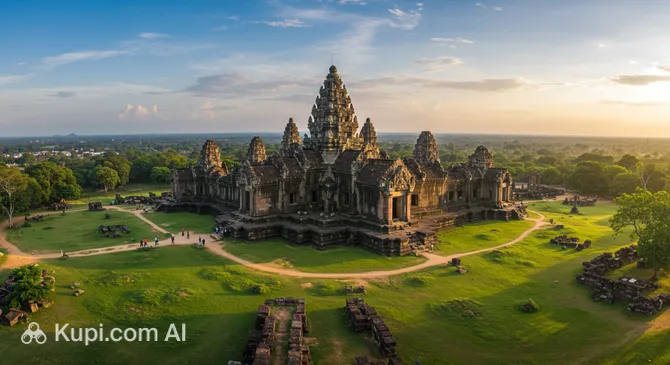
Buriram. Source: Kupi.Binoculars

Today, Buriram is famous for an intriguing contrast: it is home to centuries-old stone temples and cutting-edge sports facilities. One of the most significant attractions nearby is the Phanom Rung Historical Park, a stunning Khmer temple complex set atop an extinct volcano. In the city center, the atmosphere changes completely at the Chang Arena, nicknamed the "Thunder Castle," which is one of the top football stadiums in the country. Additionally, motorsport enthusiasts flock to the Chang International Circuit, a world-class racing track that hosts major international events.

Whether you are a history buff looking to trace the path of ancient civilizations or a sports fan seeking adrenaline-pumping action, Buriram has something special to offer. Its friendly atmosphere, delicious Isan cuisine, and distinctive cultural landmarks make it a must-visit destination for anyone wanting to experience the authentic spirit of the northeast.
Weather Overview

Travelers planning a trip to this northeastern province should be prepared for distinct seasonal variations. The weather in Buriram is generally tropical, shifting between warm, dry periods and a humid rainy season. Understanding these patterns will help you pack appropriately and choose the best time for your outdoor activities and temple visits.

The year typically begins with cool and dry conditions; January and December are the most comfortable months, with minimum temperatures dropping to around 18.6°C and almost no rainfall. As the season progresses, the heat intensifies, peaking in April with average temperatures of 30.5°C and highs reaching 35.5°C. The rainy season arrives in May and lasts through October, bringing frequent precipitation, with September seeing up to 25 wet days. Expect warm summers with occasional rain and pleasant, dry winters perfect for exploring the region.

Interesting Facts

Beyond its modern reputation as a sports hub, Buriram conceals a tapestry of historical legends and geological marvels waiting to be uncovered.

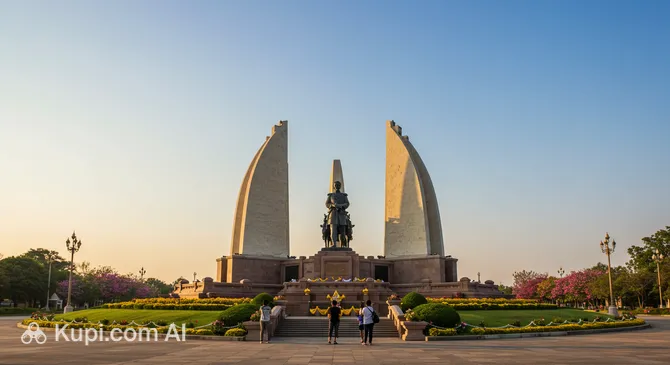
King Rama I Monument. Source: Kupi.Binoculars
  • Royal Origins: The city has a profound connection to the founding of the current Thai dynasty. The King Rama I Monument honors the first monarch of the Chakri Dynasty, who is credited with establishing the city in the late 18th century while he was still a general known as Somdet Chao Phraya Maha Kasatsuek.

  • Land of Volcanoes: Unlike the flat plains typical of many rice-growing regions, this area is geologically distinct. Buriram is situated in a province dotted with several extinct volcanoes, including the nearby Khao Kradong, where visitors can walk along the rim of an ancient crater that has been dormant for millennia.

  • Unique Textile Tradition: The local culture is renowned for a specific type of hand-woven silk called "Pha Sin Teen Daeng." These traditional silk sarongs feature a distinctive red border at the hem and are a unique symbol of the local identity, often worn during significant festivals and ceremonies.

  • Global Motorsport Status: While many know it has a race track, few realize the scale of the achievement. The local circuit was the first in Thailand to receive the highest classifications from both the FIA and FIM, making this relatively small city one of the few places in Asia capable of hosting the world's most prestigious racing events like MotoGP.

How to Get There

Reaching this northeastern gem is relatively straightforward, with options ranging from direct flights to scenic road trips. Whether you prefer the speed of air travel or the landscape views from a train window, the province is well-connected to the rest of the country. For a complete guide on planning your journey, you can read more about how to get to Buriram.

The most convenient entry point is Buri Ram Airport (BFV). Located within the province itself, it sits approximately 30 km from the city center. Travelers landing here can expect a transfer time of roughly 65 minutes by taxi or shuttle bus to reach the downtown area. While it serves a smaller volume of passengers compared to major hubs, it provides a vital direct link for those wishing to minimize travel time.

Alternatively, travelers looking for more frequent flight schedules might consider Khon Kaen Airport (KKC). It is located in the city of Khon Kaen, which is about 166 km away from Buriram. As a larger regional hub, it handles significantly more traffic, but the onward journey by ground transport will take approximately 4.5 hours. Another option is Roi Et Airport (ROI) in Roi Et, situated about 143 km away, requiring a drive of around 4 hours to reach your final destination.

For clarity, here is a summary of the main airports in the region:

Airport Name City Passenger Traffic Km from City
Khon Kaen Airport Khon Kaen High 166.6
Siem Reap International Airport Siem Reap High 215.5
Ubon Ratchathani International Airport Ubon Ratchathani High 191.1
Roi Et Airport Roi Et Medium 143.0
Buri Ram Airport Buriram Medium 30.1

For those who prefer rail travel, Buriram is a major stop on the State Railway of Thailand's Northeastern Line. Trains depart regularly from Bangkok, offering an affordable and scenic way to traverse the countryside. The journey allows visitors to observe the changing landscapes of the Isan region before arriving directly at the Buriram Railway Station in the heart of the city.

Main Attractions

While Buriram is often celebrated for its ancient ruins and modern sports arenas, the city center offers its own unique set of landmarks that provide insight into local life and history. Visitors spending time within the city limits can explore significant monuments, enjoy local shopping experiences, and unwind at modern venues that reflect the city's development.

A focal point of the city is the King Rama I Monument. Situated at a major traffic circle, this statue honors King Buddha Yodfa Chulaloke, the founder of the Chakri Dynasty, who played a pivotal role in the city's history. It is not just a historical marker but a vibrant public space where locals gather to pay their respects with floral offerings. In the evenings, the area around the monument transforms into a lively spot for exercise and community gatherings, making it an excellent place for tourists to observe local culture in action.

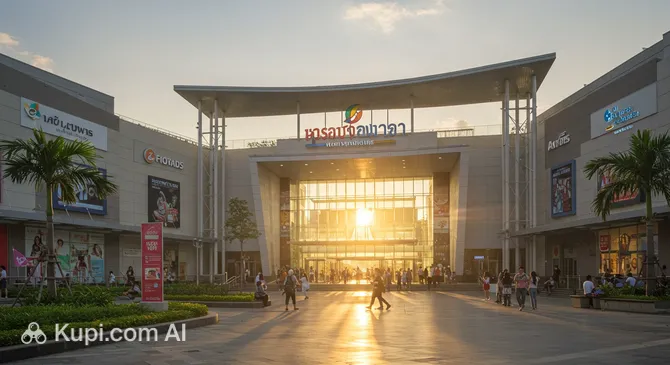
For those looking to experience the local retail scene, the Thawikit Supercenter is a well-known destination. As a locally established shopping complex, it differs from the generic international chains found elsewhere. It offers a wide range of goods, from clothing and electronics to local snacks and souvenirs. It is a convenient stop for travelers needing to restock on supplies or simply wanting to escape the midday heat while browsing through products that cater to the local community.

Thawikit Supercenter. Source: Kupi.Binoculars

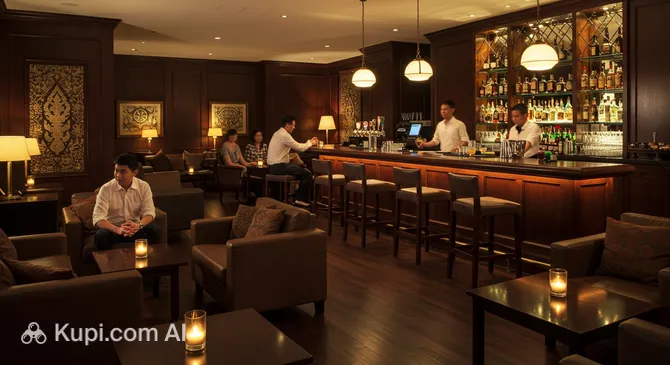
After a day of exploring temples and parks, visitors can relax at the Cresco Hotel Bar. This venue represents the modern side of Buriram, offering a sophisticated atmosphere for evening drinks and socialization. Whether you are looking for a signature cocktail or a quiet place to chat, it provides a comfortable setting that contrasts with the rustic charm of the surrounding countryside, highlighting the city's growing hospitality sector.

Cresco Hotel Bar. Source: Kupi.Binoculars

Local Cuisine

The local cuisine in Buriram is a vibrant reflection of its Isan heritage, characterized by bold spices, fermented flavors, and fresh herbs. Unlike the coconut milk-heavy curries found in other parts of the country, the food here relies on the heat of dried chilies and the tang of lime and tamarind. A meal is rarely complete without a serving of sticky rice (Khao Niew), which is traditionally eaten by hand and serves as the perfect accompaniment to the region's spicy salads and grilled meats.

The city is most famous for a unique culinary tradition known as "Look Chin Yuen Kin" or "Standing Meatballs." This phenomenon centers around the area near the Buriram Railway Station, where numerous vendors sell skewers of pork or beef meatballs. The tradition dictates that customers stand around the cart to eat them, dipping the freshly fried skewers into pots of rich, spicy, and sweet chili sauce. This street food culture is so iconic that it has become a symbol of the province, drawing visitors specifically to taste the legendary sauce recipes that vary from vendor to vendor.

Beyond the famous meatballs, travelers should not miss trying authentic Som Tum (green papaya salad). In this region, it is often prepared with fermented fish sauce (pla ra), giving it a deep, savory umami kick that distinguishes it from the sweeter versions found in Bangkok. It pairs perfectly with Gai Yang, succulent chicken marinated in garlic, coriander root, and pepper, then grilled over charcoal until the skin is crispy and the meat is tender.

Dining in Buriram is generally a casual and communal affair. While the city offers modern dining venues, the true heart of the food culture beats on the street. As the sun sets, locals flock to night markets and roadside stalls to grab dinner. For drinks, the hot weather calls for refreshing options like iced herbal juices made from roselle or lemongrass, or the classic sweet Thai Iced Tea. In the evenings, these open-air markets are the best places to enjoy a cold local beer while soaking in the energetic atmosphere of this northeastern hub.

Travel Tips

Exploring Buriram offers a distinct and authentic experience compared to the bustling tourist hubs of Bangkok or Phuket, and a few practical insights can make your journey through this Isan gem even more enjoyable. Here are some essential tips to help you navigate the city with confidence and respect local customs.

  1. Clothing and Gear: Given the tropical climate, pack lightweight, breathable fabrics like cotton or linen to stay cool during the day. However, if you plan to visit the Phanom Rung Historical Park or local temples, remember to dress modestly; shoulders and knees must be covered. A comfortable pair of slip-on shoes is highly recommended, as you will frequently need to remove them before entering sanctified areas.
  2. Transportation: Unlike the capital, Buriram does not have a metro system. The most common way to get around the city is by Songthaew (converted pickup trucks with bench seating) or motorbike taxis. For visiting attractions outside the city center, such as the race circuit or ancient ruins, renting a car or a scooter provides the most freedom. Ride-hailing apps like Grab are available but may have longer wait times than in major cities.
  3. Finances: The local currency is the Thai Baht (THB). While hotels and the Chang Arena area may accept credit cards, cash is absolute king in Buriram, especially for street food vendors, local markets, and smaller shops. ATMs are widely available at convenience stores like 7-Eleven. Tipping is not strictly mandatory, but rounding up the bill or leaving small change is a kind gesture appreciated by service staff.
  4. Health and Safety: Buriram is generally very safe for tourists. Pharmacies are easy to find, often located near markets and convenience stores, and pharmacists usually speak basic English. Be mindful of the heat; stay hydrated and wear sunscreen. It is also wise to carry mosquito repellent, especially if you are dining outdoors in the evening or visiting rural areas.
  5. Communication: While staff at major hotels and attractions may speak English, it is less widely spoken here than in tourist-heavy regions. Downloading a translation app is essential for smooth interactions at local markets or restaurants. Learning a few basic Thai phrases, such as "Sawasdee" (Hello) and "Khop Khun" (Thank you), will go a long way in earning smiles from the locals. SIM cards with data can be easily purchased at convenience stores.
  6. Local Etiquette: The traditional greeting is the Wai (pressing palms together at chest level), and returning a Wai is considered polite. Always remove your shoes before entering a private home or a temple hall. In Thai culture, the head is considered the most sacred part of the body, so avoid touching anyone's head, and conversely, the feet are considered the lowest, so never point your feet at people or Buddha images.
  7. What to Avoid: Avoid raising your voice or showing visible anger in public; Thai culture values "Jai Yen" (cool heart), and losing your temper causes a loss of face for everyone involved. Additionally, never make negative comments about the Royal Family, as this is deeply offensive and legally punishable.
  8. Local Insight: Do not miss the unique "Standing Meatball" culture at the Buriram Railway Station. It is not just a snack but a local tradition; the secret lies in the specific chili paste sauce used by the vendors there. It is a cheap, delicious, and truly local experience that you won't find replicated quite the same way elsewhere in Thailand.

With these practical tips in hand, you are well-prepared to immerse yourself in the warm hospitality and rich heritage of Buriram. Embrace the slower pace of life in the northeast, enjoy the incredible flavors, and have a safe and memorable adventure in the City of Happiness.

Entertainment & Nightlife

Entertainment in Buriram has a distinct character that blends the relaxed vibe of the Isan region with the energy of a growing sports city. While it lacks the chaotic intensity of Bangkok or Pattaya, the nightlife here is surprisingly vibrant, fueled by a mix of university students, locals, and visiting football or motorsport fans. The scene is centered less on go-go bars and more on live music venues, open-air beer gardens, and bustling night markets where food and socializing go hand in hand.

For a lively start to the evening, the area surrounding the Buriram Railway Station and Romburi Road acts as the city's main artery for nightlife. Here, you will find "Walking Street" markets and a cluster of local bars. The atmosphere is generally casual and friendly; there is no strict dress code, and shorts and t-shirts are acceptable almost everywhere. A popular local style of entertainment is the "Phuea Chiwit" (songs for life) pubs, where live bands play Thai country and pop-rock hits while groups of friends share towers of beer and plates of spicy snacks.

If you are looking for a sophisticated setting to unwind after a day of travel, the Cresco Hotel Bar offers a modern and polished environment. It is an ideal spot for enjoying a well-crafted cocktail or a glass of wine in a quieter atmosphere compared to the rowdy street-side pubs. For those seeking a more high-energy experience, Speed Music Hall is one of the city's most famous nightclubs, featuring DJs and live bands that keep the crowd dancing until late. Another local favorite is Tawandang Mahason, a large venue that combines dining with a variety show spectacle, offering a deep dive into Thai entertainment culture.

Before the nightlife kicks in, daytime entertainment in Buriram offers its own diversions. Apart from the historical sites, visitors can escape the midday heat at the Thawikit Supercenter. This complex is not just for shopping; it often serves as a community hub with a cinema and various eateries, providing a glimpse into the modern lifestyle of the locals. It is a good place to cool off and catch a movie if you have free time in the afternoon.

When planning your night out, keep in mind that most venues start filling up around 9:00 PM and typically close between midnight and 2:00 AM. Prices are significantly lower than in tourist-heavy provinces, making a night out very affordable. In terms of safety, Buriram is generally secure, but streets can be dimly lit away from the main strips. Public transport like Songthaews stops running early in the evening, so it is advisable to use a ride-hailing app like Grab or arrange a transfer with your hotel to ensure a safe and convenient return.

Parks & Museums

For those seeking a respite from the city's energetic sports scene, Buriram offers several serene green spaces and cultural institutions that highlight the province's unique volcanic geography and deep historical roots. The region's parks are often intertwined with ancient history, providing visitors with the opportunity to enjoy nature while exploring the remnants of past civilizations.

One of the most prominent natural landmarks located just outside the city center is Khao Kradong Forest Park. Situated on an extinct volcano, this lush recreational area is a favorite among locals for exercise and relaxation. Visitors can reach the summit by driving or by climbing a challenging staircase of 297 steps. At the top, you are rewarded with panoramic views of the city and the presence of Phra Suphattharabophit, a large golden Buddha image that overlooks the landscape. The park also features a suspension bridge and the visible remains of the volcano's crater, making it a fascinating geological site.

In terms of cultural education, the Lower Northeastern Cultural Centre is a vital institution for understanding the local heritage. Located within Buriram Rajabhat University, this museum houses a comprehensive collection of artifacts, including traditional ceramics, ancient tools, and the region's famous textiles. It provides deep insight into the Isan way of life and the various ethnic groups that have settled in the area, particularly focusing on the influence of Khmer culture on local architecture and traditions.

Within the city itself, the area surrounding the King Rama I Monument functions as a vibrant public park. While it serves as a historical tribute to the city's founder, in the late afternoons, the square transforms into a community hub. Locals gather here to jog, practice aerobics, or simply sit and enjoy the cool evening air. The well-maintained gardens and open spaces make it an accessible spot for tourists to witness the daily recreational life of the residents.

Although located a short drive from the city, no discussion of parks in this province is complete without mentioning Phanom Rung Historical Park. Perched on the rim of another dormant volcano, this site is Thailand's most impressive Khmer temple complex. The park grounds are meticulously landscaped, with a dramatic processional walkway lined with naga bridges. It offers a perfect blend of architectural grandeur and natural beauty, particularly during the sunrise phenomena when the solar alignment illuminates the sanctuary's doorways.

Getting Around

Navigating Buriram is a straightforward experience, though it differs significantly from the bustling transport networks found in larger metropolitan areas. The city does not have a metro, skytrain, or tram system. Instead, the public transport network relies almost entirely on road-based vehicles. For most visitors, the primary mode of getting around the city center is the Songthaew, a converted pickup truck with two rows of bench seating in the back. In this city, these vehicles are distinctively colored pink, making them easy to spot as they circle the main streets.

The pink Songthaews operate on fixed routes, with Line 1 being particularly useful for tourists. This route typically connects key locations such as the Buriram Railway Station, the bus terminal, the hospital, and extends towards major attractions like the Chang Arena and the university area. To catch one, simply wait by the roadside and wave your hand to flag down an approaching driver. When you reach your destination, press the buzzer located on the ceiling to signal the driver to stop. It is an authentic and breezy way to travel like a local.

Regarding payment, the system is exclusively cash-based. There are no travel cards, digital passes, or tap-to-pay systems for public transit here. The fare for a Songthaew ride is fixed and very affordable, typically costing around 10 to 15 THB per trip depending on the distance. You pay the driver directly through the passenger window after you have disembarked. It is essential to carry small change, such as 10-baht coins or 20-baht banknotes, as drivers may not always have change for larger bills.

For a faster, point-to-point service, motorbike taxis are widely available and are ideal for solo travelers covering short distances. Drivers wear colorful vests, usually orange, and congregate at major intersections, markets, and transport hubs. Prices for these rides should be agreed upon before hopping on, though short trips within the city usually cost between 30 and 50 THB. Three-wheeled Tuk-tuks (Samlors) are also present, primarily stationed at the train and bus terminals, serving as private taxis for those with luggage.

Travelers should be aware of the operating hours. Public transport in the city is not a 24-hour service. Songthaews generally start running around 6:00 AM but stop relatively early, often winding down by 6:00 PM or 7:00 PM. After these hours, finding a Songthaew becomes difficult. For evening travel, you will likely need to rely on alternatives. Ride-hailing apps like Grab operate in the city, allowing you to book cars or motorbikes with transparent pricing, which is a great help if you do not speak the local language.

Given the spread-out nature of the province's attractions—such as the race circuit and historical parks located outside the city limits—many tourists find that renting a vehicle offers the most freedom. Car and scooter rental shops are available near the train station and bus terminal. Having your own transport allows you to explore at your own pace and is often the most practical solution for visiting the ancient ruins or returning from late-night football matches when public options are scarce.

Accommodation

Where to Stay:

Accommodation in Buriram has evolved significantly in recent years, transforming from a selection of simple provincial guesthouses to a diverse mix of modern lodging options. Visitors can now find everything from budget-friendly hostels and traditional wooden homestays to stylish, mid-range hotels that cater to international standards. While the city lacks the ultra-luxury beach resorts found in southern Thailand, it offers excellent value for money, with clean, comfortable, and contemporary rooms available at a fraction of the price of major tourist hubs.

When choosing where to stay, location is the primary factor to consider. The city center, particularly near the train station and the "Night Bazaar," is ideal for travelers who want easy access to street food, local markets, and public transport like the songthaews. Staying here puts you in the heart of the local atmosphere. Conversely, the area surrounding the Chang Arena and the Chang International Circuit has developed into a modern hospitality zone. This district features newer, boutique-style hotels designed specifically for sports fans and event-goers, often providing shuttle services to the stadium and race track.

Booking Tips: Timing is everything in this city. Under normal circumstances, you can easily find a room upon arrival. However, during major events such as MotoGP races, large concerts, or high-profile Buriram United football matches, the city fills up completely. It is highly recommended to book your accommodation several months in advance if your trip coincides with these dates, as prices can triple and vacancy rates drop to zero.

In terms of pricing, Buriram is very wallet-friendly. Budget travelers can find comfortable rooms for as little as 500 to 800 THB per night. Mid-range hotels, which often include amenities like swimming pools and breakfast, typically range from 1,000 to 2,500 THB. Most accommodations can be booked via major online travel platforms, though some smaller, family-run guesthouses may still prefer direct booking via phone or social media pages.

Nearby Cities

Buriram is situated in the lower northeastern region of Thailand, sharing borders and cultural ties with several distinct provinces. This central location makes it an ideal starting point for exploring the wider Isan area. Visitors can easily reach neighboring cities that offer a mix of historical sites, bustling markets, and unique local traditions, all within a few hours' drive.

City Population Distance (km)
Nang Rong 21,493 53
Surin 39,728 69
Ban Cho Ho 16,527 105
Nakhon Ratchasima 134,440 111
Roi Et 35,219 120

Among these destinations, Nang Rong is particularly notable as a popular stopover for tourists visiting the nearby Phanom Rung Historical Park. Surin, located to the east, is renowned for its annual elephant round-up festival and ancient Khmer sanctuaries. For those seeking a major urban center, Nakhon Ratchasima (often called Korat) acts as the primary gateway to the northeast, offering extensive shopping, dining, and transport connections to the rest of the country.

Shopping & Souvenirs

Shopping in Buriram offers a delightful mix of local authenticity and modern convenience. While the city may not boast the high-end luxury avenues found in Bangkok, it provides a genuine retail experience where visitors can find everything from traditional handicrafts to contemporary fashion. The province is particularly celebrated for its unique textiles and the merchandise of its championship football team, making it a distinct shopping destination in the Isan region.

The most vibrant local commerce takes place along Romburi Road and the streets surrounding the city moat. This area serves as the commercial heart of the city, especially in the evenings when the temperature drops. Tourists can wander through rows of shophouses and temporary stalls selling affordable clothing, shoes, and accessories. It is a casual and lively district where bargaining is common, and the shopping experience is often accompanied by the aroma of nearby street food vendors.

For those seeking a comfortable, air-conditioned environment, the city has established retail centers. The Thawikit Supercenter is a landmark in the local shopping scene. It acts as a one-stop destination for residents, featuring a department store, a supermarket, and numerous smaller boutiques selling electronics and apparel. Additionally, the newer Robinson Lifestyle Buriram offers a more standardized mall experience with international brands, chain restaurants, and entertainment facilities.

Markets are an essential part of daily life here. The Night Bazaar, located near the city moat, is the premier spot for evening browsing. It is a bustling hub where you can find inexpensive clothes, handmade crafts, and a vast array of local snacks. For a more rustic experience, the Khlong Thom Market operates as a flea market, usually on weekends, offering a treasure trove of second-hand goods, tools, and vintage items that provide a glimpse into the local lifestyle.

When it comes to souvenirs, two items define Buriram. The first is Pha Sin Teen Daeng, a traditional hand-woven silk sarong featuring a distinctive red border, which is a certified geographical indication of the province. The second is a Buriram United football jersey. As the home of Thailand's most successful football club, the official team store at the Chang Arena attracts fans from all over the country. Owning a jersey is a symbol of visiting the city, and they make for excellent, high-quality gifts.

Standard opening hours for shopping malls and department stores are typically from 10:00 AM to 9:00 PM daily. In contrast, street markets and the Night Bazaar usually begin setting up around 5:00 PM and remain active until 10:00 PM or 11:00 PM. While major malls and the official football megastore accept credit cards, cash is essential for shopping at markets, food stalls, and smaller local shops. ATMs are widely available throughout the city.

Tourists shopping at larger department stores and international chains may be eligible for a VAT Refund. If you see a "VAT Refund for Tourists" sign, you can request the necessary forms when making a purchase, provided you spend a minimum amount (usually 2,000 THB) on the same day. You will need to present your passport to the staff to prepare the documents, which can then be processed at the airport before you leave Thailand.

Reached the end of the page?

That means the route is fully explored