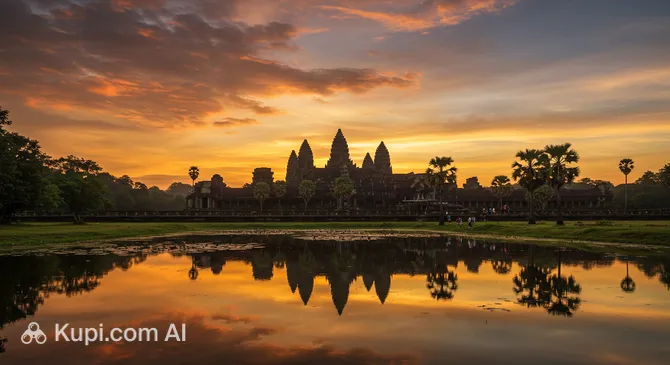
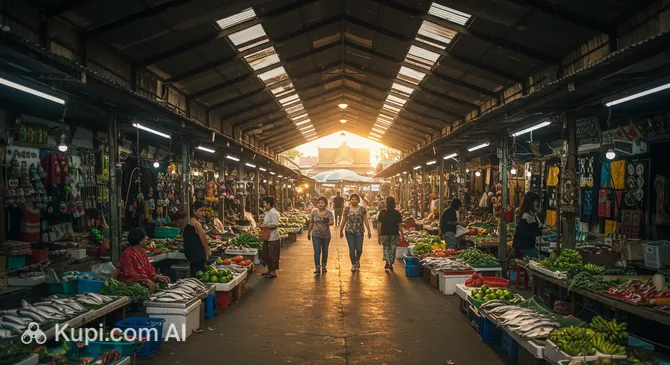
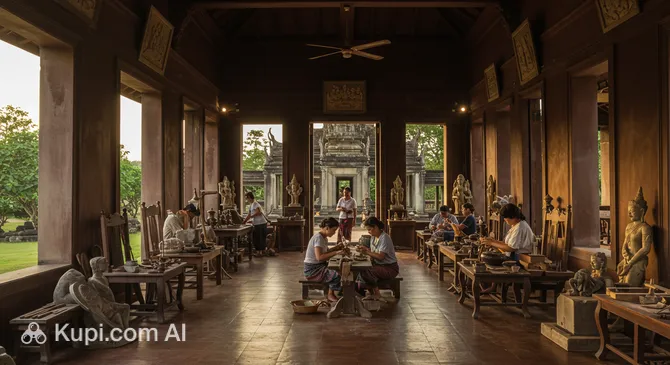
Siem Reap is widely recognized as the gateway to the ancient world, serving as the primary access point for the majestic temples of Angkor. However, the city itself has evolved into a vibrant destination that blends traditional culture with modern hospitality. It offers a unique atmosphere where colonial-style architecture sits alongside bustling markets and serene Buddhist pagodas, creating a charming environment for travelers from around the globe.
Located in the northwestern part of Cambodia, the city serves as the capital of Siem Reap Province. With a population of approximately 148,000 residents, it maintains a welcoming, town-like feel despite its status as a major tourist hub. The climate is tropical, generally warm throughout the year, making it an accessible destination for exploration in almost any season.
Siem Reap. Illustration.
Source: Kupi.com AI
The history of Siem Reap is inextricably linked to the Khmer Empire, and traces of this rich heritage can be felt throughout the region. Beyond the world-famous Angkor Wat, the city delights visitors with its lively Pub Street, the colorful Old Market (Psar Chaa), and a thriving arts scene that showcases traditional Apsara dance and local craftsmanship.
Whether you are planning to watch the sunrise over ancient ruins or enjoy the dynamic culinary scene, Siem Reap promises an unforgettable experience. It is a place that invites you to linger, explore, and immerse yourself in the heart of Khmer culture.
Weather Overview
Siem Reap experiences a tropical climate characterized by consistent warmth and two distinct seasons. Temperatures remain generally high throughout the year, with averages ranging from a comfortable 25.8°C in December to a peak of 30.8°C in April, when daily highs can reach 35°C. Expect warm conditions regardless of when you visit, though the humidity levels vary significantly between the seasons.
The city's rainfall patterns divide the year into a dry period and a green season. From December to February, the weather is typically dry with minimal precipitation, seeing as few as 2 to 3 wet days per month. In contrast, the wet season runs from May through October, bringing frequent showers that revitalize the landscape, with September often recording up to 27 wet days. To help you choose the best dates for your trip, you can view the detailed report on the weather in Siem Reap.
Average monthly temperature
Average monthly precipitation
Interesting Facts
Beyond the main attractions, Siem Reap holds many fascinating secrets that reveal the depth of its history and culture. These unique insights offer a glimpse into the stories that shaped this ancient city and its modern evolution.
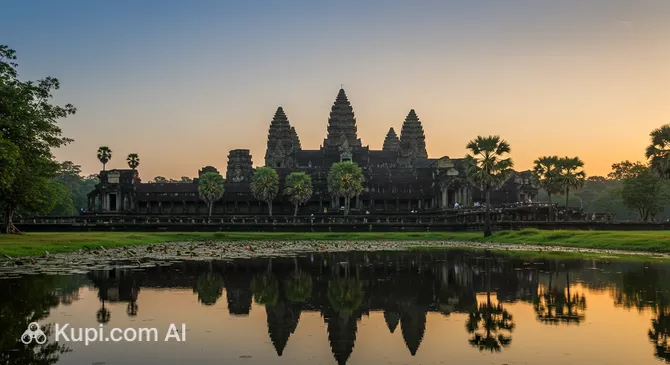
Angkor Wat. Illustration.
Source: Kupi.com AI
Traveler photos:
The name "Siem Reap" literally translates to "Defeat of Siam," commemorating a 16th-century battle where the Khmer Empire secured a victory over the neighboring Thai kingdom of Ayutthaya. It stands as a historical marker of the region's complex past, despite the friendly relations that exist today.
While most Khmer temples are oriented towards the east to symbolize the rising sun and life, the iconic Angkor Wat faces west. This direction is typically associated with death and the afterlife in Hindu cosmology, leading many scholars to believe the temple was originally intended as a funerary monument for King Suryavarman II.
The city is home to Phare, The Cambodian Circus, a world-renowned troupe that performs without any animals. Instead, they utilize theater, high-energy acrobatics, and live music to retell Cambodian folklore and history, all while functioning as a social enterprise to support local youth education.
The ancient Angkor complex was actually a sophisticated "hydraulic city." Its massive reservoirs (barays) and canals were not just for irrigation but were an engineering marvel designed to stabilize the ground water levels, preventing the heavy stone temples from sinking into the sandy soil during the dry season.
How to Get There
Reaching the gateway to the ancient temples of Angkor is relatively straightforward, with air travel being the most convenient option for international visitors. While overland routes from neighboring countries and domestic bus services are popular among backpackers, flying remains the fastest way to start your adventure. For a comprehensive guide on all transport modes, including buses and boats, you can read more about how to get to Siem Reap.
The primary entry point for most travelers is the Siem Reap International Airport (SAI). This modern facility handles a significant number of tourists annually and connects the region to major Asian hubs. It is important to note that the airport is located approximately 39.4 km from the city center. The transfer to downtown Siem Reap typically takes about 1 hour and 20 minutes by taxi or airport shuttle, depending on traffic conditions.
Alternatively, many visitors choose to fly into Phnom Penh International Airport (PNH) in the capital city of Phnom Penh. This is the country's busiest airport, located about 228 km away from Siem Reap. From there, you can catch a connecting domestic flight or take a bus or taxi to Siem Reap, a journey that generally takes around 6 hours by road.
For clarity, here is a summary of the main airports in the region:
Siem Reap is a destination where ancient history and modern vibrancy coexist beautifully. While the city is globally famous as the gateway to the Angkor Archaeological Park, it offers a diverse range of experiences that go beyond the temples, from educational museums to lively entertainment districts.
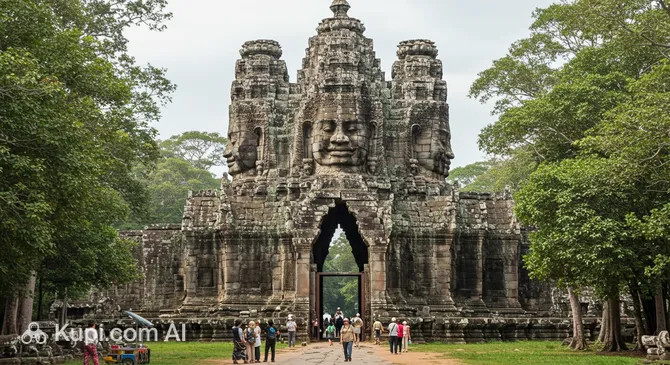
One of the most impressive historical sites is the South Gate of Angkor Thom. This monumental entrance welcomes visitors with a causeway flanked by 54 statues of gods on one side and 54 demons on the other, depicting the churning of the Ocean of Milk. The gate itself is crowned with large, serene stone faces facing the cardinal directions, making it a striking introduction to the ancient capital.
South Gate of Angkor Thom. Illustration.
Source: Kupi.com AI
Traveler photos:
To gain a deeper appreciation of the region's heritage, a visit to the Angkor National Museum is highly recommended. This modern facility houses an extensive collection of Golden Era artifacts, including statues, lintels, and ceramics. Through interactive galleries, visitors can learn about the Khmer civilization, religion, and art, providing essential context before or after touring the temples.
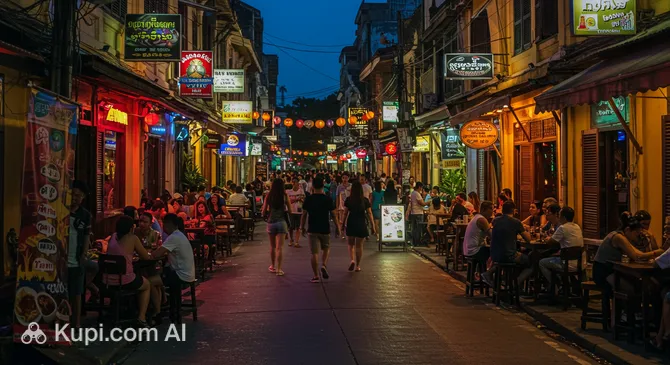
For a complete change of pace, Pub Street offers the city's most energetic atmosphere. As the sun sets, this pedestrian-friendly area comes alive with neon lights, music, and the aroma of street food. It is the hub of nightlife in Siem Reap, filled with restaurants and bars where travelers can unwind, enjoy affordable meals, and meet people from all over the world.
Pub Street. Illustration.
Source: Kupi.com AI
Traveler photos:
Those looking for a spectacular natural view often head to Phnom Bakheng. This temple mountain, dedicated to Shiva, sits atop a natural hill and offers one of the best vantage points in the area. It is particularly famous for its sunset views, where crowds gather to watch the sun dip below the horizon, casting a golden glow over the surrounding jungle and distant ruins.
Local Cuisine
The culinary landscape of Siem Reap is a flavorful reflection of Khmer culture, characterized by the use of fresh herbs, spices, and edible flowers. Unlike the fiery heat often associated with neighboring Thai cuisine, Cambodian food tends to be milder, focusing on a delicate balance of sweet, sour, salty, and bitter flavors. Rice is the staple of every meal, often accompanied by freshwater fish caught daily from the Tonle Sap Lake.
No visit to the city is complete without trying the national dish, Fish Amok. This fragrant curry is made by steaming fish with coconut milk and kroeung (a traditional spice paste) in a banana leaf cup, resulting in a mousse-like texture that is both rich and aromatic. Another must-try is Beef Lok Lak, a stir-fry dish featuring tender cubes of beef served with a tangy dipping sauce made from lime juice and Kampot pepper, which is world-renowned for its floral spice.
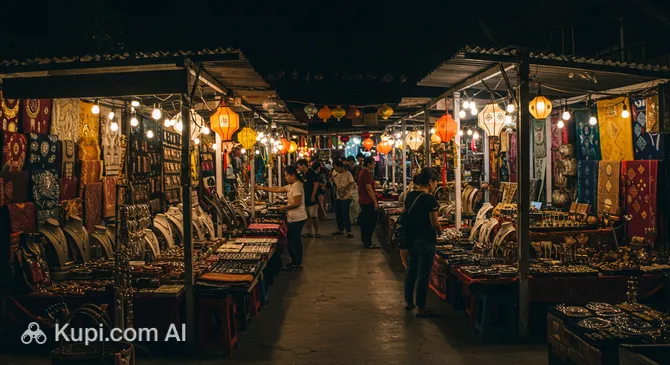
For a true taste of the local street food culture, visitors should head to the bustling markets. The Siem Reap Art Center Night Market is not just for shopping; it is a fantastic place to sample local snacks, from grilled skewers to savory pancakes. Adventurous eaters might even try the famous fried insects, a crispy protein-rich snack popular among locals.
Siem Reap Art Center Night Market. Illustration.
Source: Kupi.com AI
Traveler photos:
Dining in Siem Reap ranges from humble roadside stalls to elegant eateries. For a sit-down meal that captures authentic home-style cooking, Sambo Khmer & Thai Restaurant is a popular choice among travelers seeking genuine flavors in a welcoming setting. Those looking for a more modern twist on local ingredients might enjoy Wild, a creative spot known for its inventive spring rolls and relaxed garden atmosphere.
To quench your thirst, fresh coconut water and sugar cane juice are widely available and incredibly refreshing in the tropical heat. In the evenings, the local Angkor Beer is the standard go-to beverage, but the city also boasts a growing cocktail scene. Venues like the Asana Old Wooden House Cocktail Bar offer unique drinks infused with Khmer spices and herbs, providing a perfect way to unwind after a day of temple exploration.
Travel Tips
Visiting Siem Reap is an exhilarating journey into the heart of the Khmer Empire, but a little preparation goes a long way in ensuring a smooth and respectful adventure. To help you navigate the local customs, tropical climate, and logistics with the ease of a seasoned traveler, we have compiled these essential practical tips.
Clothing and Gear: Given the tropical heat, pack lightweight, breathable fabrics like cotton or linen. However, strict modesty rules apply when visiting religious sites like Angkor Wat; you must cover your shoulders and knees, or you may be denied entry. Comfortable, broken-in walking shoes are mandatory for navigating the uneven stone steps of the temples. Don't forget a hat, sunglasses, and a universal travel adapter (Type A, C, or G).
Transportation: The most iconic way to get around is by remorque (the Cambodian tuk-tuk). They are everywhere and offer a breezy way to see the city. For fair and transparent pricing, it is highly recommended to use ride-hailing apps like Grab or PassApp, which spare you the hassle of haggling. Renting a car is generally unnecessary for short stays, as hiring a private driver for the day is affordable and convenient.
Finances: Cambodia operates on a dual-currency system. While the Cambodian Riel (KHR) is the official currency, US Dollars (USD) are widely accepted and often preferred for larger transactions. A critical tip: ensure your USD bills are crisp, clean, and free of any tears or ink marks, as vendors will often reject damaged notes. Carry small denominations of Riel for tipping and small market purchases.
Health and Safety: The tropical climate means mosquitoes can be a nuisance, so bring high-quality insect repellent to protect against dengue fever. Dehydration is a common issue for temple-hoppers; always carry bottled water and drink frequently. Pharmacies are plentiful in the city center, with many staying open late, but for serious medical issues, seek international clinics.
Communication: English is widely spoken in Siem Reap, especially in hotels, restaurants, and markets, so you will rarely face a language barrier. However, learning a few Khmer phrases like "Sus-day" (Hello) and "Aw-kun" (Thank you) is deeply appreciated by locals. SIM cards are cheap and easy to buy at the airport or in town from providers like Smart or Cellcard for reliable data access.
Local Etiquette: The traditional Cambodian greeting is the Sampeah—placing your palms together at chest level and bowing slightly. When entering a home or a pagoda, always remove your shoes. Be mindful of your feet; pointing them at people or Buddha statues is considered extremely rude. Also, women should never touch or hand anything directly to a Buddhist monk.
What to Avoid: While it may be tempting to buy souvenirs or trinkets from children selling items at temple entrances, it is best to avoid this practice as it keeps them out of school. Instead, support reputable NGOs or established markets. Additionally, avoid raising your voice or showing anger in public, as "losing face" is a significant social faux pas in Cambodian culture.
Additional Tip: If you plan to see the sunrise at Angkor Wat, buy your Angkor Pass the evening before (after 5:00 PM). This allows you to enter the park to watch the sunset that same day for free, without using up a day on your pass, and saves you from queuing at the ticket office in the dark the next morning.
By keeping these practical tips in mind, you can focus on the magic of Siem Reap, from the sunrise over ancient spires to the smiles of the local people. Embrace the slower pace of life here, stay hydrated, and enjoy every moment of your Cambodian exploration.
Entertainment & Nightlife
When the sun sets over the ancient temples, Siem Reap transforms from a historical sanctuary into a bustling hub of nocturnal energy. The city's nightlife is surprisingly diverse, catering to everyone from backpackers seeking cheap thrills to travelers looking for sophisticated cocktails and cultural performances. The atmosphere is generally relaxed and welcoming, with a dress code that rarely exceeds "smart casual" even in the most upscale venues.
The epicenter of the action is undoubtedly the famous Pub Street. Closed to traffic in the evenings, this neon-lit strip pulsates with loud music and offers draft beer at incredibly low prices. However, for those seeking a vibe that is less chaotic but equally engaging, the alleys surrounding the main strip, such as "The Lane," and the rapidly developing Wat Bo neighborhood offer a more chilled-out experience with hidden speakeasies and artistic garden bars.
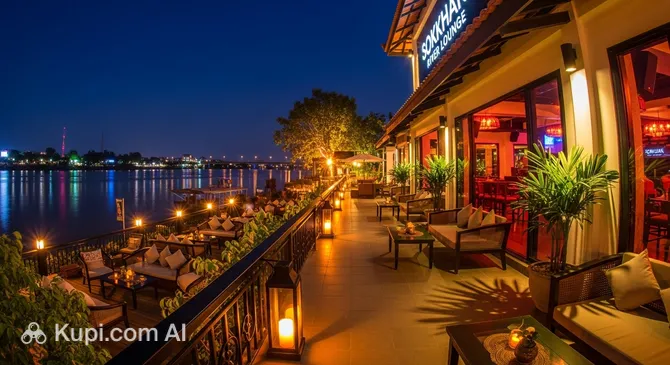
For a taste of the city's modern social scene, you can visit the Jungle Burger Sports Bar and Bistro. It is a popular spot for both expats and tourists to gather, watch live sports, and enjoy a hearty meal in a laid-back environment. If you prefer a more refined evening by the water, the Sokkhak River Lounge provides an elegant setting to enjoy expertly crafted drinks while overlooking the Siem Reap River, perfect for unwinding away from the crowds.
Sokkhak River Lounge. Illustration.
Source: Kupi.com AI
Traveler photos:
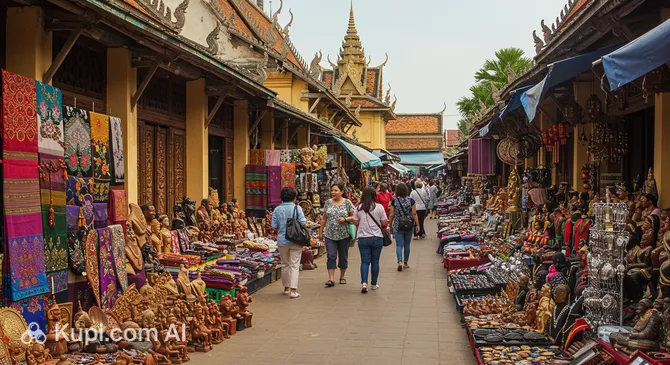
Night markets are another staple of evening entertainment here. Unlike the standard tourist bazaars, the Made in Cambodia Market focuses on high-quality, locally produced handicrafts and often hosts live artistic performances. It is an excellent place to stroll, shop for authentic souvenirs, and soak up the creative atmosphere without the high pressure of other commercial areas.
Made in Cambodia Market. Illustration.
Source: Kupi.com AI
Traveler photos:
While nightlife is a major draw, Siem Reap also offers plenty of daytime diversions for those taking a break from temple hopping. You can cool off at Wake Park Cambodia, which offers wakeboarding and an aqua park, or explore unique museums like ArtBox, a trick-eye museum filled with 3D paintings that make for fun photo opportunities.
Practical Advice: The nightlife typically kicks off around 7:00 PM and can go on until the early hours of the morning. Getting around is safe and easy; simply use ride-hailing apps like Grab or PassApp to book a tuk-tuk, which ensures a fixed and fair price. While the city is generally safe for night walks in populated areas, it is always wise to keep your belongings secure and avoid unlit streets on the outskirts.
Parks & Museums
Beyond the sprawling temple complexes, Siem Reap offers a surprising array of green spaces and cultural institutions that provide a deeper understanding of Cambodian heritage. The city features serene gardens perfect for relaxation and museums that chronicle everything from ancient crafts to recent history, allowing visitors to connect with the local spirit away from the crowds.
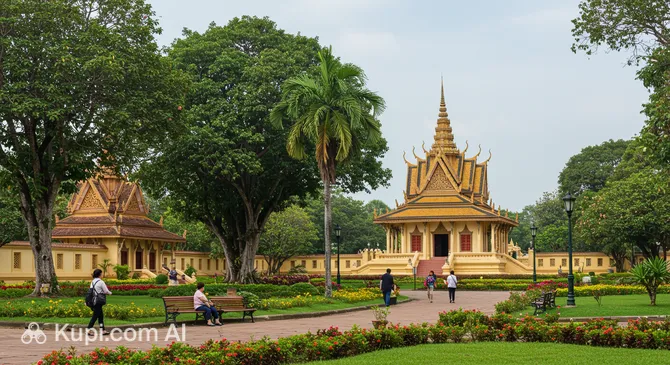
For a refreshing break in the heart of the city, the Royal Independence Gardens serve as a central gathering place for both locals and tourists. Located along the river near the Raffles Grand Hotel d'Angkor, this park is famous not only for its manicured lawns and fountains but also for the colony of large fruit bats that roost in the tall trees overhead. It is a peaceful spot to enjoy a morning walk or an evening stroll, watching the town go by in a lush setting.
Royal Independence Gardens. Illustration.
Source: Kupi.com AI
Traveler photos:
Nature lovers seeking a more immersive experience should consider visiting the Kulen Elephant Forest. Situated in the foothills of the Kulen Mountain, this sanctuary is dedicated to the retirement and care of elephants that formerly worked at the Angkor temples. Visitors can observe these majestic animals in their natural habitat, walking alongside them through the forest and learning about conservation efforts, offering a truly ethical and heartwarming interaction with nature.
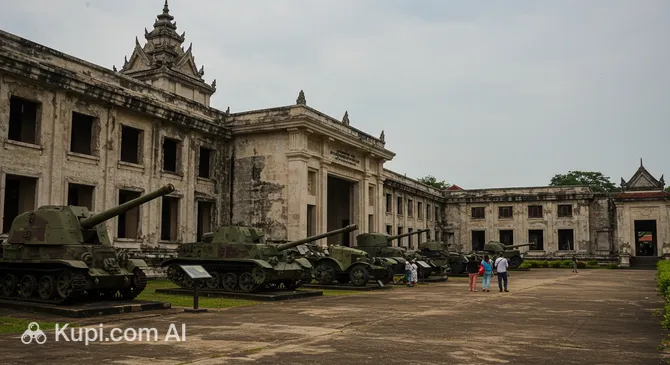
To gain insight into the country's turbulent past, the War Museum Cambodia offers a sobering but important educational experience. It is the only war museum in the country located outdoors, displaying a vast collection of tanks, artillery pieces, and weapons recovered from the decades of civil war. Guides, many of whom are war veterans, often share personal stories that bring the history to life, making it a poignant stop for those interested in modern Cambodian history.
War Museum Cambodia. Illustration.
Source: Kupi.com AI
Traveler photos:
On a brighter cultural note, Artisans Angkor functions as a living museum and workshop dedicated to the preservation of traditional Khmer craftsmanship. While not a museum in the conventional sense, it allows visitors to watch skilled artisans create intricate silk weavings, stone carvings, and lacquerware using age-old techniques. It provides a fascinating look into the artistic soul of the region and plays a vital role in training young locals in these heritage skills.
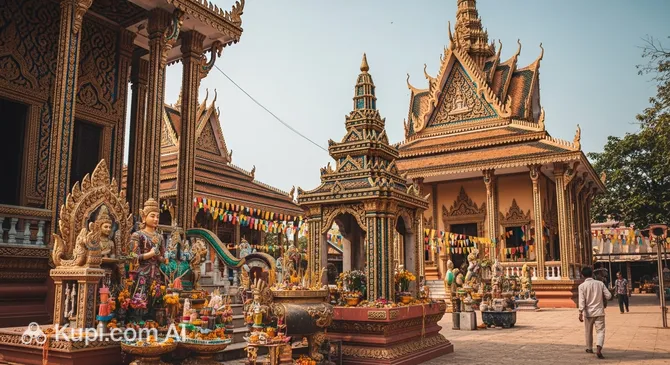
Among the city's significant spiritual sites is the Preah Ang Chek Preah Ang Chorm Shrine. Located next to the Royal Independence Gardens, this small but heavily visited shrine houses two standing Buddha statues that are considered the spiritual protectors of Siem Reap. It is a vibrant place of worship where locals come to offer lotus flowers and incense, providing a glimpse into the daily religious life of the community.
Preah Ang Chek Preah Ang Chorm Shrine. Illustration.
Source: Kupi.com AI
Traveler photos:
Another architectural gem is Wat Damnak, a beautiful pagoda that once served as a royal palace during the reign of King Sisowath. Today, it is known for its tranquil atmosphere and for housing the Center for Khmer Studies, which includes a public library. The grounds are filled with well-tended gardens and traditional structures, making it a quiet refuge for contemplation.
For an insider experience, take a moment to visit the lesser-known Wat Preah Prom Rath located near the river. This colorful pagoda features unique statues depicting Buddhist teachings and a peaceful courtyard that feels worlds away from the nearby Pub Street. It is an excellent spot to appreciate modern pagoda architecture and enjoy a moment of silence in the middle of the bustling city.
Getting Around
Navigating Siem Reap is a refreshing departure from the complex subway maps and strict timetables of major metropolises. The city does not have a metro, tram, or extensive public bus network. Instead, the public transport system is informal, road-based, and heavily reliant on open-air vehicles that allow you to soak in the atmosphere as you travel. For most visitors, getting around is an attraction in itself, characterized by friendly drivers and a breezy pace.
The backbone of local transportation is the tuk-tuk, which comes in two distinct varieties here. The traditional Cambodian remorque consists of a carriage hitched to a motorcycle; it is spacious, comfortable for up to four people, and offers a classic travel experience. In recent years, smaller, LPG-powered three-wheelers (often called "rickshaws") have become common. these are more compact, quieter, and generally slightly cheaper than their traditional counterparts. Both types are ubiquitous and can be flagged down on nearly every street corner.
Regarding payment, there is no unified travel card or pass system. Transactions are primarily conducted in cash, using either US Dollars (small bills are essential) or the local currency. While you can negotiate prices directly with drivers on the street, the most practical method for tourists is to use ride-hailing apps like Grab or PassApp. These platforms allow you to book a ride with a fixed price, eliminating the need to haggle and overcoming any language barriers. You can link a credit card to these apps or choose to pay the driver in cash upon arrival.
For those seeking air-conditioned comfort, private taxis are available, though they are less common for short inner-city hops and are typically reserved for airport transfers or full-day temple tours. Solo travelers looking for the most budget-friendly option might encounter moto-dops (motorcycle taxis). Riders sit on the back of the driver's motorbike; while fast and cheap, this mode requires a helmet and a certain comfort level with local traffic flow.
Cycling is a highly popular alternative, particularly for exploring the flatter terrain of the city center and the immediate temple circuits. Many guesthouses offer complimentary bikes, and specialized rental shops provide high-quality mountain bikes or e-bikes. Renting a bicycle gives you the freedom to explore at your own pace, stopping easily for photos or coffee along the river. Walking is also a viable option within the compact Old Market and Pub Street areas, where sidewalks are generally pedestrian-friendly.
While there is no municipal bus service circulating within the town, a dedicated airport shuttle bus operates between the city center and the new international airport. This is one of the few scheduled public transport services available, offering an affordable and reliable connection for travelers carrying luggage. Tickets for this service can usually be purchased at the airport arrival hall or designated stops in the city.
Accommodation
Where to Stay:
Siem Reap offers a remarkably diverse range of accommodation options, catering to every type of traveler and budget. Visitors can find everything from lively backpacker hostels with swimming pools to intimate boutique hotels and sprawling five-star luxury resorts. The city's hospitality sector is well-developed, ensuring that whether you are looking for a simple guesthouse or a lavish suite with a private garden, you will find a suitable place to rest after exploring the temples.
When choosing where to stay, location plays a key role in the experience. The most popular area for tourists is the Old Market and Pub Street district, which places you in the heart of the action, surrounded by restaurants, bars, and night markets. For a quieter but still central vibe, the Wat Bo neighborhood on the eastern side of the river has emerged as a trendy district filled with boutique accommodations and artsy cafes. Travelers seeking tranquility and luxury often prefer the hotels located along the road to Angkor, which offer more spacious grounds and easy access to the archaeological park.
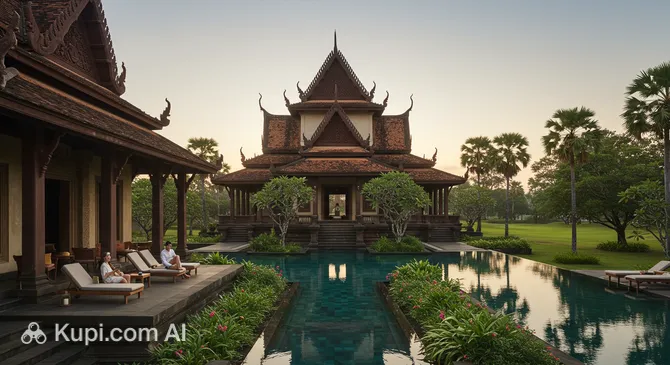
For those seeking a premium experience with extensive amenities, the Angkor Phokeethra Golf & Spa Resort is a prime example of the city's high-end offerings. This property combines colonial elegance with modern comforts, featuring a large swimming pool and lush gardens that provide a peaceful sanctuary away from the city center.
Another excellent option for travelers is The Community, which offers a distinct atmosphere for guests. Many of the city's resorts focus on creating an immersive environment, often incorporating traditional Khmer design elements into their architecture to enhance the cultural experience of your stay.
Accommodation prices in Siem Reap are generally very competitive compared to other major tourist destinations. Budget travelers can find dormitory beds for as little as $5 to $10 USD per night, while comfortable mid-range hotels typically range from $30 to $80 USD. Luxury stays can start from $150 USD and go up significantly depending on the level of exclusivity. It is highly recommended to book your accommodation in advance, especially if you plan to visit during the peak season from November to February, to secure your preferred location and rates. Most bookings can be easily managed through major online platforms or by contacting hotels directly.
Nearby Cities
For those looking to explore the surroundings, Siem Reap serves as an excellent base for day trips to several interesting nearby locations:
One of the most culturally rich destinations for a short visit is Battambang. Known for its well-preserved French colonial architecture and a vibrant contemporary arts scene, this city offers a charming and relaxed atmosphere. Visitors can ride the famous "Bamboo Train," explore ancient hilltop temples like Wat Banan, or simply enjoy the riverside cafes that define the town's character.
For travelers seeking an off-the-beaten-path experience, Oddar Meanchey provides a glimpse into rural Cambodian life. Located to the north near the Thai border, this region is home to rugged natural landscapes and remote historical sites. It serves as a quiet alternative to the busy tourist hubs, ideal for those interested in nature and the country's recent history.
City
Population
Distance
Battambang
130 000
77 km
Oddar Meanchey
188 000
88 km
Krakor
10 000
98 km
Pursat
58 255
99 km
Sisophon
99 019
99 km
These nearby destinations offer a glimpse into the diverse culture and landscapes of the region.
Shopping & Souvenirs
Shopping in Siem Reap is a delightful journey that ranges from navigating bustling, authentic local markets to browsing sophisticated boutiques. The city is renowned for its rich heritage of craftsmanship, making it an excellent place to purchase high-quality handicrafts, textiles, and art. While the shopping scene is deeply rooted in traditional open-air bazaars, recent developments have introduced modern retail spaces, offering a comfortable blend of the old and the new.
The heart of the city's commercial activity lies in the district surrounding the Old Market (Psar Chaa) and the riverfront. This area is a labyrinth of shophouses selling everything from t-shirts and silverware to spices and jewelry. Walking through these streets offers a sensory experience filled with vibrant colors and the energetic sounds of commerce, serving as the primary destination for tourists looking to find gifts and soak up the local atmosphere.
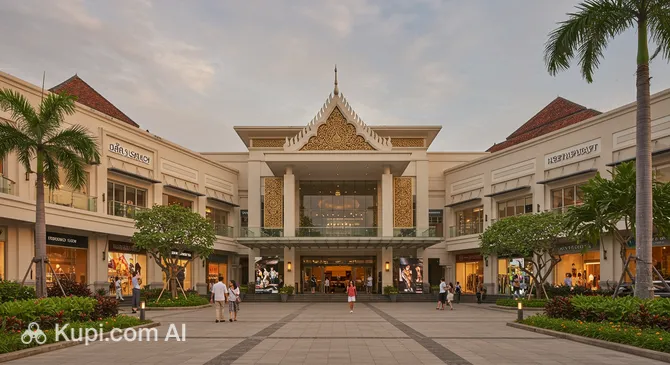
For those seeking a more contemporary shopping experience with air-conditioning and international brands, The Heritage Walk is the city's premier lifestyle complex. Its distinct wooden architecture and open design make it a visual landmark in itself. Inside, visitors can find a variety of fashion retailers, bookstores, and entertainment options, providing a stark but refreshing contrast to the traditional street stalls.
The Heritage Walk. Illustration.
Source: Kupi.com AI
Traveler photos:
Markets are the soul of shopping in Cambodia. For a truly authentic glimpse into local life, a visit to Phsar Leu Market is essential. Located slightly away from the tourist center, this is the largest market in the city where residents shop for daily necessities. It is a chaotic and fascinating maze of vendors selling fresh produce, household goods, and gold, offering prices that are generally lower than in the tourist hubs.
Phsar Leu Market. Illustration.
Source: Kupi.com AI
Traveler photos:
Travelers looking for high-quality, ethically made souvenirs should head to the Made in Cambodia Market. Unlike the mass-produced items found elsewhere, the stalls here feature unique handicrafts, designer clothing, and artisan spirits created by local artists and social enterprises. Another popular spot for evening browsing is the Siem Reap Art Center Night Market, located across the river, which offers a wide selection of silk products and souvenirs in a lively, lantern-lit setting.
When it comes to souvenirs, Siem Reap is famous for its silk, stone carvings, and silverware. To see the creation of these masterpieces firsthand, a visit to Artisans Angkor is highly recommended. Here, you can purchase exquisite statues and textiles knowing they are authentic. Other popular items to bring home include the traditional krama (a checkered scarf) and world-famous Kampot pepper, which can be found in nice packaging suitable for gifts.
Artisans Angkor. Illustration.
Source: Kupi.com AI
Traveler photos:
Most markets and small shops open early in the morning, around 7:00 AM, and stay open until late evening, especially the night markets which run until 10:00 PM or 11:00 PM. Malls typically operate from 9:00 AM to 10:00 PM. Cash is the preferred method of payment in markets, with both US Dollars and Cambodian Riel being accepted. While prices are fixed in malls and boutiques like Artisans Angkor, friendly bargaining is expected and enjoyed in the open markets.
While Cambodia does not have a prominent tax-free refund system for tourists comparable to Europe or East Asia, the prices for goods are generally very reasonable. The value lies in the craftsmanship and the uniqueness of the items, making shopping here a rewarding experience regardless of tax incentives.