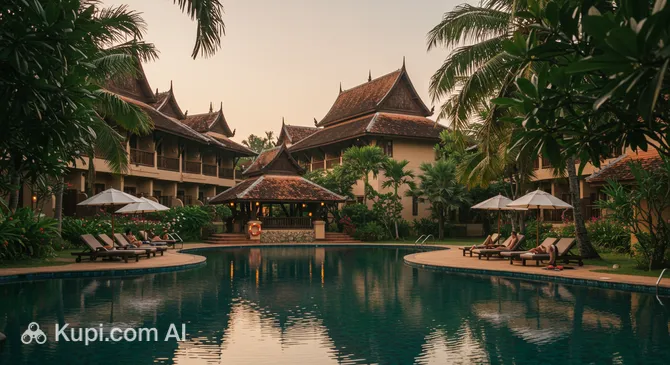
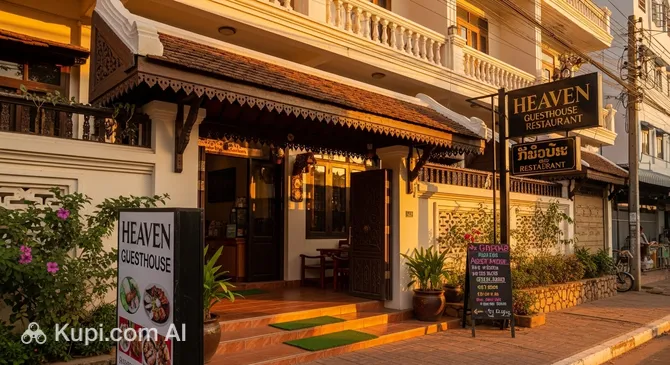
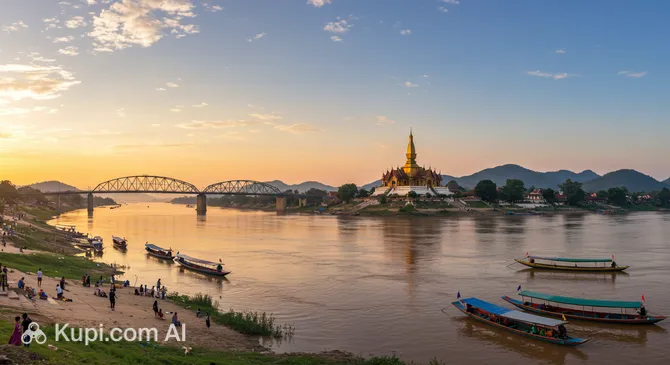
Pakse is a vibrant and strategically important city located in the southern region of Lao, People's Dem. Rep. As the capital of Champasak Province, it serves as a bustling commercial hub and a primary gateway for travelers exploring the south. Geographically, the city sits at the scenic confluence of the Mekong and Xe Don rivers, providing a breezy, riverside atmosphere that contrasts pleasantly with its role as a major transport center. With a population of approximately 120,000, it offers a lively yet relaxed urban environment where visitors can easily find comfortable amenities.
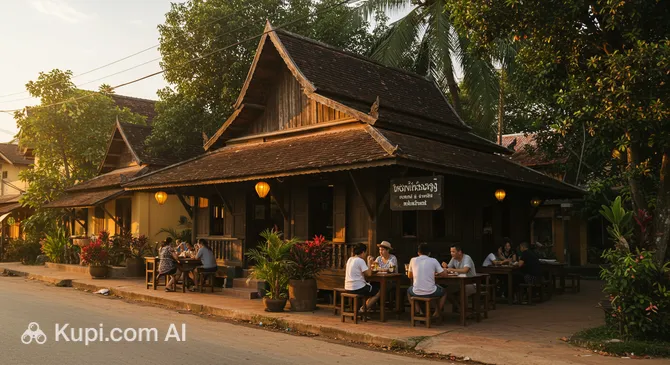
Although the city serves as a modern regional center, it possesses a distinct character rooted in its past. Founded by the French in 1905, the history of Pakse is still visible in the colonial-style buildings that line the streets of the old quarter. These architectural remnants, combined with traditional Lao wooden houses and Chinese shophouses, create a unique eclectic charm. The city is walkable and friendly, inviting tourists to stroll along the riverbanks and enjoy the local cafe culture.
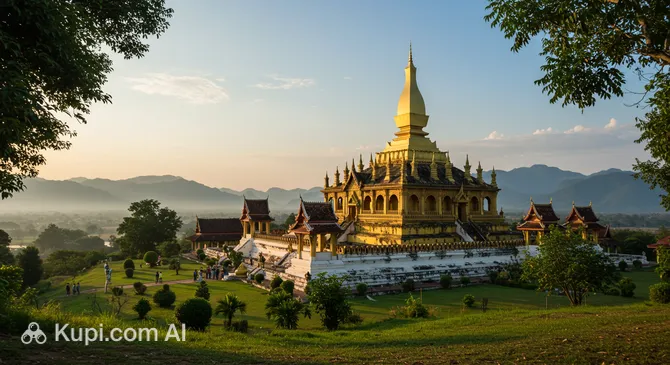
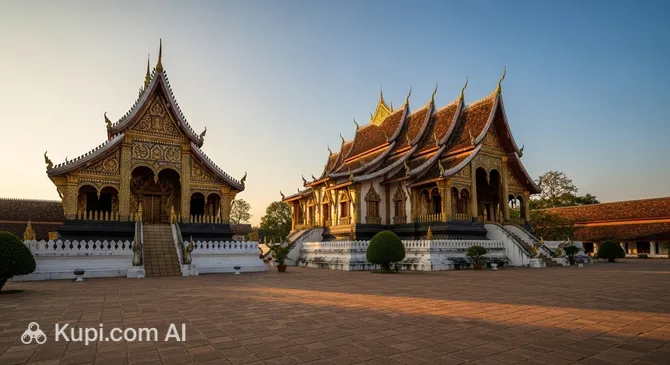
Travelers are often drawn to Pakse because of its proximity to some of the country's most spectacular attractions. It is the perfect base for excursions to the Bolaven Plateau, a highland region famous for its cool climate, coffee plantations, and majestic waterfalls like Tad Fane. Another highlight is the nearby Wat Phou, an ancient Khmer temple complex and UNESCO World Heritage site that predates Angkor Wat. Within the city itself, Wat Luang is a must-visit, known for its beautiful ordination hall and its status as the city's largest and most significant temple.
Whether you are planning to trek through lush jungles, explore ancient ruins, or simply enjoy a sunset over the Mekong, Pakse is an excellent starting point. Its blend of convenient infrastructure and access to natural wonders makes it an essential stop for anyone visiting Southern Laos.