Support

Dong Hoi

About

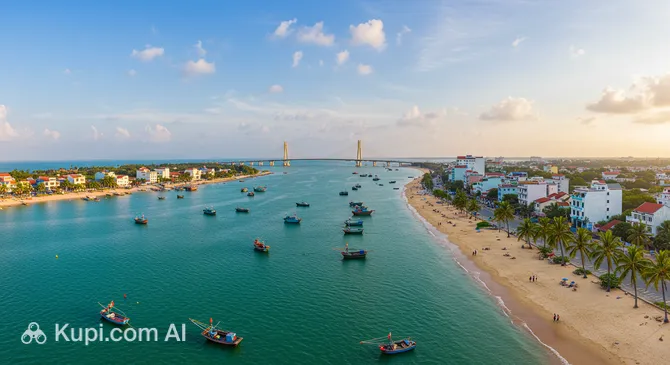
Dong Hoi is a charming coastal city serving as the capital of Quang Binh Province in the North Central Coast region of Vietnam. Often recognized as the gateway to famous natural wonders, the city itself offers a peaceful atmosphere characterized by the scenic Nhat Le River and a delightful seafront promenade ideal for evening strolls.

Dong Hoi. Source: Kupi.Binoculars

Geographically, the city is situated roughly 500 kilometers south of Hanoi and is home to a population of approximately 160,000 people. This size allows Dong Hoi to maintain a friendly, accessible feel while providing essential amenities for travelers. The local climate features a distinct dry season, which is the perfect time to enjoy the region's outdoor activities and coastal beauty.

While the city is modernizing, it retains significant links to its past. Visitors can explore the history of Dong Hoi by visiting the remnants of the Quang Binh Citadel, particularly the restored gates which stand as a testament to the city's resilience. Another major draw is Nhat Le Beach, known for its soft white sand and clear waters, offering a relaxing escape right near the city center.

Whether you are planning to explore the magnificent caves of the nearby Phong Nha-Ke Bang National Park or simply seeking a quiet beachside retreat, Dong Hoi provides a welcoming and strategic stop on your journey.

Weather Overview

The climate in Dong Hoi is characterized by distinct seasonal changes, generally offering a tropical monsoon environment. Temperatures are at their highest during the summer months, particularly in June and July, when the average hovers around 30°C and can reach daily highs of roughly 33°C. The cooler period occurs from December through February, with average temperatures dipping to between 19°C and 20°C, providing a mild respite from the tropical heat.

Precipitation patterns shift noticeably throughout the year. The summer months tend to be drier, with June seeing the fewest wet days (around 9 days). In contrast, the autumn and early winter months bring more frequent rainfall; October is typically the wettest month in terms of frequency, recording rain on approximately 27 days. For a comprehensive forecast and monthly breakdown, viewing the detailed weather in Dong Hoi is recommended before packing for your journey.

Interesting Facts

Beyond the main attractions, Dong Hoi holds many fascinating secrets that reveal its resilience and unique geography. Peel back the layers of this coastal city to discover stories hidden in its landscape and history.
  • A Freshwater Mystery: One of the city's most intriguing natural features is Bau Tro Lake. Despite being situated just over 100 meters from the salty ocean waters of Nhat Le Beach, the lake remains completely fresh. It also holds significant historical value as an archaeological site where artifacts from the Stone Age "Bau Tro culture" were discovered.

  • The Narrowest Neck: Dong Hoi is located in the narrowest part of Vietnam's "S" shape. In this region of Quang Binh Province, the distance from the coastline to the Laotian border is only about 50 kilometers, making it the slimmest stretch of land in the entire country.

  • A Solitary Ruin: While many buildings were reconstructed after the war, the Tam Toa Church remains as a preserved ruin. Built in the late 19th century, only its bell tower survived the bombings. It now stands in a park by the river as a poignant memorial and a popular nesting spot for local birds.

  • The Great Wall of Vietnam: Nearby lies the remnants of the Luy Thay Ramparts, a massive defensive system built in the 17th century. Often compared to a miniature Great Wall, it was constructed by the famous strategist Dao Duy Tu to defend the Nguyen Lords in the south against the Trinh Lords from the north.

How to Get There

Reaching this coastal city is quite convenient, with options ranging from direct flights to scenic train journeys. For a complete overview of routes and transport tips, you can read more about how to get to Dong Hoi to help plan your itinerary.

The most direct way to arrive is via Dong Hoi Airport (VDH), which is located just 5.5 km from the city center. It is a small but modern regional hub, and a taxi ride to downtown typically takes about 30 minutes. This is the preferred option for travelers connecting from major Vietnamese cities like Hanoi or Ho Chi Minh City.

For international travelers, a common alternative is to fly into Da Nang International Airport (DAD) in the city of Da Nang. Although it is situated approximately 232 km from Dong Hoi, it is a large international gateway with frequent connections. From Da Nang, the transfer by road can take approximately 6 hours. Another viable option is Phu Bai International Airport (HUI) in the city of Hue. Located about 166 km away, this medium-sized airport offers a closer alternative than Da Nang, with a travel time of around 4 hours and 30 minutes by car or bus.

For clarity, here is a summary of the main airports:

Airport Name City Passenger Traffic Km from City
Da Nang International AirportDa NangLarge232.2
Vinh AirportVinhMedium171.6
Phu Bai International AirportHueMedium166.5
Dong Hoi AirportDong HoiSmall5.5
Nakhon Phanom AirportNakhon PhanomSmall207.5

In addition to air travel, Dong Hoi is well-connected by the national railway network. The city's train station is a major stop on the North-South Railway (Reunification Express), making it easy to arrive by sleeper train from Hanoi in the north or Hue and Da Nang in the south. Long-distance sleeper buses are also a popular and budget-friendly method for reaching the city from various parts of Vietnam.

Main Attractions

Dong Hoi offers a delightful mix of natural beauty and historical significance, making it more than just a stopover. The city is blessed with pristine coastlines and unique landscapes that invite exploration, while its city center preserves the memory of its past through enduring monuments. Here are some of the most interesting places to visit.

One of the city's highlights is undoubtedly Nhat Le Beach. Located at the mouth of the Nhat Le River, this stretch of coastline is famous for its fine white sand and gentle waves. It is an ideal spot for a refreshing swim or a relaxing walk along the shore. The beach comes alive in the early morning with locals exercising and watching the sunrise, and in the evening, the nearby promenade offers plenty of fresh seafood restaurants where visitors can enjoy the local catch.

For a touch of adventure and surreal scenery, travelers should head to the Quang Phu Sand Dunes, situated just a short drive north of the city center. These dunes are renowned for their untouched beauty, featuring white sands that shift in shape with the wind. The landscape here feels almost desert-like and offers a stunning backdrop for photography. It is also a popular spot for sandboarding, providing a fun activity for thrill-seekers and families alike.

History enthusiasts will appreciate a visit to the Dong Hoi Citadel. Originally built in the early 19th century during the reign of Emperor Gia Long, this fortress was part of a complex military defense system. Although much of the structure has been lost to time and past conflicts, the restored Quang Binh Gate and other remnants stand proudly in the city center. They serve as a poignant reminder of the region's resilience and offer a glimpse into the architectural style of the Nguyen Dynasty.

Another significant landmark located by the river is the Mother Suot Statue. This monument honors a local heroine known for her bravery in ferrying people and supplies across the Nhat Le River during turbulent times. Standing tall in a riverside park, the statue is not only a tribute to local courage but also a central gathering point for residents. The surrounding park is a peaceful place to observe local life and enjoy the cool river breeze.

Local Cuisine

The culinary scene in Dong Hoi is a delightful reflection of its coastal geography and rustic roots, offering flavors that are distinct even within the food-obsessed nation of Vietnam. The cuisine here is known for being unpretentious yet incredibly flavorful, often characterized by spicy notes and the abundant use of fresh seafood caught daily from the Nhat Le River and the East Sea.

One dish you absolutely must try is Chao Canh, the city's signature breakfast staple. Despite its name translating to "porridge soup," it is actually a savory noodle soup featuring thick, hand-cut noodles made from rice or wheat flour. The broth is rich and golden, typically simmered with snakehead fish, shrimp, or pork ribs. What makes the Dong Hoi version unique is the way it is served: often accompanied by a side of crispy spring rolls called Ram and a generous topping of chopped spicy green mustard leaves, which add a sharp, peppery kick to the meal.

Another local favorite is Banh Bot Loc, a translucent tapioca dumpling that is famous throughout the region. These chewy, bite-sized treats are filled with river shrimp and braised pork, then wrapped in banana leaves and steamed to perfection. They are typically dipped in a sweet and spicy fish sauce. While this dish exists elsewhere in Vietnam, the version in Dong Hoi is praised for its specific balance of dough and filling, often enjoying a reputation as some of the best in the country.

For a unique snack or souvenir, look for Khoai Deo, which is essentially dried sweet potato. Known affectionately as the "ginseng of the poor," this specialty is made by boiling red sweet potatoes and then drying them in the sun until they become chewy and malleable. It has a natural, concentrated sweetness and a tough texture that requires slow chewing, making it a favorite accompaniment to hot tea.

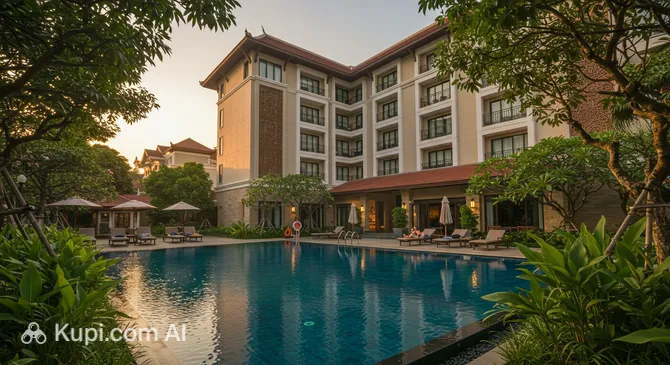
The dining culture in Dong Hoi is vibrant and relaxed, with a strong emphasis on open-air settings. In the evenings, the banks of the Nhat Le River come alive with street food stalls and seafood restaurants where you can enjoy fresh squid, clams, and grilled fish while soaking in the cool breeze. For a more refined dining experience or a comfortable place to enjoy local and international dishes, visitors often visit the Saigon Quang Binh Hotel, which is a prominent landmark in the city.

Saigon Quang Binh Hotel. Source: Kupi.Binoculars

When it comes to drinks, the local culture mirrors the relaxed pace of life. You will find plenty of cafes serving strong Vietnamese coffee, perfect for starting the day. In the hot afternoons, fresh sugarcane juice (Nuoc Mia) is a popular refresher sold on many street corners. For the adventurous drinker, the region is also known for medicinal rice wines, though a cold local beer by the seaside remains the most popular choice for tourists unwinding after a day of exploration.

Travel Tips

Prepare for your adventure in Dong Hoi with these essential travel tips designed to help you navigate the city's unique blend of coastal relaxation and rugged exploration. From packing the right gear for cave trekking to getting around town like a local, this practical advice will ensure a seamless and enjoyable journey.

  1. Clothing and Gear: Light, breathable fabrics are ideal for the hot and humid summer months, but if you visit during the cooler winter period (December to February), pack a light jacket or sweater. Since Dong Hoi is the primary base for exploring nearby caves, bring sturdy, non-slip walking shoes or sneakers; flip-flops are perfect for Nhat Le Beach but unsuitable for jungle treks or wet cave floors.

  2. Transportation: Getting around is convenient with reliable taxi companies, and ride-hailing apps are generally available in the city center. A unique and popular way for tourists to travel along the coastal promenade is by electric sightseeing car (xe điện); these open-air buggies are affordable and perfect for enjoying the evening sea breeze. Motorbike rentals are also widely available for those planning independent trips to the national park.

  3. Finances: The official currency is the Vietnamese Dong (VND). While major hotels and upscale restaurants usually accept international credit cards, cash is essential for street food, local markets, and small cafes. ATMs are plentiful in the downtown area. Tipping is not mandatory in local culture, but rounding up the bill or leaving a small tip for good service is appreciated.

  4. Health and Safety: Dong Hoi is a safe city for travelers, but standard precautions with valuables should be taken in crowded areas. Pharmacies are easy to find along main streets like Tran Hung Dao. For medical emergencies, the Vietnam-Cuba Friendship Hospital is the largest and most well-equipped facility in the region. Always stay hydrated and use high-SPF sunscreen, as the sun in central Vietnam can be very intense.

  5. Communication: While staff at hotels and tour agencies often speak English, it is less common among local vendors and taxi drivers. It is highly recommended to download a translation app or learn a few basic phrases like "Xin chào" (Hello) and "Cảm ơn" (Thank you). Purchasing a local SIM card (such as Viettel or Vinaphone) is inexpensive and ensures you have 4G data for maps and communication.

  6. Local Etiquette: The people of Quang Binh are known for their hospitality. When greeting locals, a warm smile is universally understood. Remember to remove your shoes before entering a private home or a pagoda. When handing money, a credit card, or a gift to someone, it is polite to use both hands as a sign of respect.

  7. What to Avoid: Avoid wearing revealing clothing when visiting spiritual sites, temples, or war memorials; always cover your shoulders and knees in these places. Additionally, avoid displaying anger or shouting in public. Keeping calm and smiling, even during a misunderstanding, helps preserve harmony and prevents others from "losing face."

  8. Seasonal Awareness: Be mindful of the heavy rainy season, which typically peaks around October and November. During this time, flooding can occur, and some caves in the Phong Nha-Ke Bang National Park may be closed for safety. If you travel during these months, check tour availability and weather forecasts in advance.

With these practical tips in hand, you are fully prepared to embrace the authentic charm of Dong Hoi. Whether you are savoring spicy noodle soup by the river or heading out for a subterranean adventure, a little preparation will go a long way in making your trip safe, comfortable, and truly unforgettable.

Entertainment & Nightlife

Entertainment and Nightlife:

While Dong Hoi may not possess the high-octane nightlife of Vietnam's larger metropolises like Ho Chi Minh City or Hanoi, it offers a charming and relaxed evening scene that perfectly complements its coastal atmosphere. The nightlife here is centered primarily around the Nhat Le River and the beachfront, where the cool sea breeze sets the tone for laid-back gatherings. The vibe is friendly and casual, with a mix of locals enjoying post-work drinks and travelers recounting their cave adventures.

The heart of the city's evening entertainment can be found along Quach Xuan Ky Street, which runs parallel to the river. As the sun sets, this promenade lights up with colorful LEDs and becomes a buzzing hub of activity. Here, you will find a variety of riverside cafes, local pubs, and "Nhau" restaurants—traditional Vietnamese establishments where groups gather to eat, drink beer, and socialize for hours. For those seeking a lively atmosphere with a mix of Western and local crowds, venues like the Buffalo Pub & Hostel are popular fixtures, offering cold drinks, music, and a chance to meet fellow travelers.

For a more refined experience, visitors often head to the city's major hotels. The Saigon Quang Binh Hotel is a notable spot where guests can enjoy a quiet cocktail or a glass of wine in a comfortable setting, often accompanied by live music or serene views of the river. It provides a stark contrast to the bustling street-side stalls and is perfect for a romantic evening or a business cap.

A must-visit for any tourist is the Dong Hoi Night Market, usually located near the Nhat Le Bridge. Open daily from around 6:00 PM until late, this market is a sensory delight filled with stalls selling local handicrafts, souvenirs, and an abundance of street food. It is the perfect place to try grilled seafood, sweet soups, and savory pancakes while soaking in the local culture. The dress code throughout the city is very relaxed; shorts, t-shirts, and sandals are entirely appropriate for almost all nightlife venues.

Regarding daytime entertainment, the city is quieter but offers several cultural stops. The Quang Binh Museum provides insight into the region's history and biodiversity, making it an interesting visit before the evening festivities begin. Families might enjoy the green spaces of Dong Hoi Park, which offers a peaceful environment for leisurely walks or picnics during the cooler parts of the day.

Practical Advice for Night Owls:

  • Best Time to Go: The city comes alive after 8:00 PM. Most bars and restaurants stay open until around 11:00 PM or midnight, though some pubs may stay open later on weekends.
  • Getting Around: Dong Hoi is very safe for night walks, particularly along the well-lit riverfront. For longer distances, electric sightseeing cars are a fun and breezy way to travel between the beach and the city center. Traditional taxis (such as Mai Linh or Sun Taxi) are also readily available and inexpensive.
  • Costs: Nightlife here is very affordable. A local beer might cost as little as 15,000 to 20,000 VND, while cocktails in upscale bars will be priced higher but still reasonable by international standards.

Parks & Museums

While Dong Hoi is often celebrated for its proximity to spectacular caves and beaches, the city itself possesses a collection of serene green spaces and cultural institutions that offer a deeper look into the region's soul. Visitors taking the time to explore the city center will find peaceful parks perfect for relaxation and museums that narrate the long and resilient history of Quang Binh Province.

Key Parks and Green Spaces

For a tranquil escape into nature without leaving the city, Bau Tro Lake is a significant natural landmark. Situated just a stone's throw from the ocean, this freshwater lake is surrounded by a quiet pine forest that provides cooling shade, making it an excellent spot for a midday walk or a picnic. It serves as a green lung for the city and is historically important as a site where ancient artifacts were discovered, blending natural beauty with archaeological intrigue.

Another lovely area for relaxation is the Park at Tam Toa Church. This green space surrounds the preserved ruins of the old church bell tower near the Nhat Le River. The park is beautifully landscaped with lawns and paved paths, offering a poignant contrast between the lush greenery and the weathered brick of the ruin. It is a favorite spot for locals to gather in the late afternoon to enjoy the river breeze and the peaceful atmosphere.

Museums and Galleries

To truly understand the cultural fabric of the region, a visit to the Quang Binh General Museum is essential. Located in the heart of the city, this museum houses a diverse collection of artifacts ranging from the prehistoric Bau Tro culture to the Champa era and the Nguyen Dynasty. The exhibits also feature sections dedicated to the region's biodiversity and its modern history, providing tourists with a comprehensive overview of how the land and its people have evolved over thousands of years.

Historical and Architectural Sites

Standing as a symbol of the city's endurance is the Quang Binh Quan. This ancient architectural gate was originally part of the Luy Thay defensive system constructed in the 17th century. Located prominently in the city center, it has been restored to reflect its original grandeur. It serves not only as a historical marker of the division between the north and south during the feudal period but also as a photogenic landmark that anchors the city's architectural heritage.

Authentic Experiences

For a glimpse into local life, head to the parks along the Nhat Le Riverbank at dawn, around 5:30 AM. This is when the city is most authentic, filled with residents practicing Tai Chi, jogging, or playing badminton before the heat of the day sets in. Joining them for a morning stretch offers a unique connection to the community that few tourists experience.

Getting Around

The public transport system in Dong Hoi is relatively simple and reflects the city's modest size and relaxed pace. Unlike Vietnam's bustling metropolises, Dong Hoi does not have a metro, tram, or complex urban rail network. Instead, the city relies on a combination of road-based options that are easy to navigate. For most visitors, getting around involves a mix of taxis, electric sightseeing cars, and rented vehicles, with public buses serving primarily as connections to outlying districts and nearby attractions rather than for short hops within the city center.

Public Buses

The local bus network is the most economical way to travel, though it is used more by locals than tourists for intra-city transport. The buses are typically painted yellow and red. For travelers, the most relevant route is Route B4, which connects Dong Hoi City to the Phong Nha-Ke Bang National Park. These buses usually depart every 45 minutes to an hour from the main bus station or designated stops along Tran Hung Dao Street. Tickets are purchased directly on board from the conductor using cash (Vietnam Dong). The fares are very affordable, generally ranging from 15,000 to 50,000 VND depending on the distance traveled.

Taxis and Ride-Hailing

Taxis are the most convenient and popular mode of transport for tourists. Reliable companies such as Mai Linh, Sun Taxi, and Tien Sa operate fleets of green or yellow cars that are easy to flag down on the street or book via telephone. All reputable taxis are equipped with meters, and drivers are generally honest, though it is always wise to ensure the meter is running when you start your journey. In addition to traditional taxis, ride-hailing apps like Grab are available in Dong Hoi. Using an app is often recommended for tourists as it provides a fixed price upfront and overcomes language barriers.

Electric Sightseeing Cars

A unique and enjoyable feature of Dong Hoi's transport scene is the electric sightseeing car (known locally as "xe điện"). These open-air buggies operate mainly along the Nhat Le River promenade and the coastal roads. They are particularly popular in the evenings when groups of friends or families hire them to enjoy the cool sea breeze while cruising between restaurants and hotels. They function similarly to taxis but offer a slower, more scenic experience. Prices are usually fixed per trip or per hour, so it is best to confirm the rate with the driver before hopping on.

Vehicle Rentals

For those who prefer independence, renting a motorbike is a very common choice. Rental shops are plentiful, and many hotels can arrange a bike for you for a daily fee of approximately 150,000 VND. This option allows you to explore the city and the surrounding sand dunes at your own pace. Bicycles are also a great alternative for the flat city center; many accommodations provide them for free or for a nominal fee. If you choose to ride a motorbike, always wear a helmet and ensure you have a valid international driving permit, as traffic laws are enforced.

Practical Advice

Since the city center is quite compact, especially the area around the Quang Binh Gate and the riverfront park, walking is a viable and pleasant option for short distances. There are no travel passes or smart cards for transport in Dong Hoi; cash is essential for buses, street taxis, and small rental shops. Always carry small denominations of Vietnamese Dong to pay for bus tickets or short taxi rides, as drivers may not always have change for large bills.

Accommodation

Accommodation in Dong Hoi has developed significantly in recent years to cater to a growing number of visitors, offering a diverse range of options that fit various budgets and travel styles. The city provides everything from affordable guesthouses (known locally as "Nha Nghi") and backpacker-friendly hostels to mid-range city hotels and upscale beach resorts. Whether you are looking for a simple place to rest before trekking the caves or a luxurious seaside retreat, Dong Hoi has something to offer.

When choosing where to stay, location is key. Most tourists prefer one of two main areas: the city center along the Nhat Le River or the beachfront along Truong Phap Street. Staying near the river (particularly on Quach Xuan Ky Street) places you in the heart of the action, close to markets, the citadel, and vibrant nightlife. Conversely, the beachfront area offers a more resort-like atmosphere with direct access to Nhat Le Beach and fresh seafood restaurants, making it ideal for those seeking relaxation and ocean views.

For travelers seeking a reputable and comfortable stay, the city boasts several well-established properties. A prominent example is the Saigon Quang Binh Hotel. Situated right on the riverfront, this hotel is a landmark in itself, offering high-standard amenities, a swimming pool, and easy access to both the city center and the beach. It is a popular choice for both business travelers and families looking for reliability and comfort.

Booking Tip: While finding a room is usually easy, Dong Hoi is a popular summer destination for domestic tourists. If you plan to visit during the peak months of June and July or during Vietnamese national holidays, it is highly recommended to book your accommodation at least a few weeks in advance to secure the best sea-view rooms and rates.

Generally, accommodation prices in Dong Hoi are quite reasonable compared to other major tourist hubs in Vietnam. Budget travelers can find dormitory beds or simple private rooms for as little as $10 to $15 USD per night. Mid-range hotels typically charge between $25 and $50 USD, while luxury resorts and high-end hotels can range from $70 USD upwards. Most properties are listed on major international booking platforms, but direct booking is also common and can sometimes yield better deals during the low season.

Nearby Cities

For those looking to explore the surroundings, Dong Hoi serves as an excellent base for day trips to several interesting nearby locations:

City Population Distance (km)
Da Nang 1,134,380 232
Hue 652,572 153
Vinh 490,000 166
Thanh Hoa 393,294 273
Nghi Son 307,304 222

One of the most popular nearby destinations is the historic city of Hue, located approximately 153 kilometers south of Dong Hoi. As the former imperial capital of Vietnam, Hue is a UNESCO World Heritage site renowned for its massive Citadel, royal tombs, and ancient pagodas. Travelers can easily take a train or bus to spend a day exploring the rich history and sampling the city's distinctive "royal cuisine," which is famous throughout the country.

Heading north, the city of Vinh offers a different perspective on the region. Situated about 166 kilometers away, it serves as an important economic and cultural hub in North Central Vietnam. While less touristy than Hue, Vinh is the gateway to the childhood home of President Ho Chi Minh in the nearby Kim Lien village and offers access to the scenic Cua Lo Beach, making it an interesting stop for those interested in modern Vietnamese culture and history.

Although a bit further afield at 232 kilometers, Da Nang is a major coastal metropolis that is worth a short visit. Known for its stunning sandy beaches, the Marble Mountains, and the iconic Dragon Bridge, Da Nang blends modern urban energy with natural beauty. While a day trip might be rushed, the convenient train connections along the coast make it a viable option for a weekend getaway from Dong Hoi.

These nearby destinations offer a glimpse into the diverse culture and landscapes of the region.

Shopping & Souvenirs

Shopping in Dong Hoi offers a more relaxed and authentic experience compared to the bustling commercial hubs of Hanoi or Ho Chi Minh City. While you will not find an endless array of luxury boutiques or massive department stores, the city provides a genuine glimpse into local life through its vibrant markets and small specialty shops. The retail scene here is focused primarily on daily essentials, regional specialties, and traditional handicrafts, making it an excellent place to find unique, locally made gifts rather than international brand-name goods.

The city's commercial activity is largely concentrated along a few key thoroughfares. Tran Hung Dao Street and Ly Thuong Kiet Street serve as the main arteries for shopping. Strolling along these roads, visitors will encounter a variety of fashion boutiques, electronics stores, and souvenir shops interspersed with local cafes. These streets are particularly lively in the evening when locals come out to shop and socialize, offering a pleasant atmosphere for a casual walk and some window shopping.

For those seeking a more modern retail environment, Vincom Plaza Dong Hoi is the primary destination. Located near the city center, this shopping mall brings a contemporary touch to the coastal city. It houses a supermarket, a cinema, and a selection of fashion and cosmetic brands. It is a convenient stop for travelers who need to purchase travel essentials, toiletries, or simply want to enjoy air-conditioned comfort while browsing familiar products.

However, the true heart of the city's commerce lies in its traditional markets. The most famous is Dong Hoi Market (Cho Dong Hoi), situated right on the bank of the Nhat Le River. This bustling market is the epicenter of local trade, selling everything from fresh produce and live seafood to clothing and household goods. It is an excellent place to observe the daily rhythm of the city. In the evening, the area around the market transforms into a night market, where you can find street food and small stalls selling affordable trinkets and accessories.

When looking for souvenirs to take home, the region's culinary specialties are the top choice. Khoai Deo, a chewy dried sweet potato delicacy unique to Quang Binh, is a popular and portable gift. Additionally, the province is renowned for its high-quality dried seafood, particularly squid and fish, which are widely available at the markets. For non-food items, traditional conical hats (Non La) are often sold in local shops, serving as both a practical shield against the sun and a classic symbol of Vietnam.

Business hours in Dong Hoi are generally consistent with the rest of the country. Markets typically open very early, around 6:00 AM, and remain active until late afternoon, while the night market operates from evening until roughly 10:00 PM. Shopping malls and standalone stores usually open from 9:00 AM to 9:30 PM. In terms of payment, cash is essential for transactions at markets and small street stalls. While the shopping mall and larger hotels accept credit cards, carrying a sufficient amount of Vietnamese Dong is highly recommended for most shopping excursions.

Regarding tax-free shopping, tourists should be aware that Dong Hoi is a smaller regional city and does not typically offer immediate VAT refund services at local counters. The tax refund scheme for tourists in Vietnam is generally applicable at major international airports and designated large stores in major cities. Therefore, visitors should not expect to process tax refunds for purchases made in the small local shops or markets of Dong Hoi.
Reached the end of the page?

That means the route is fully explored