Support

Savannakhet

About

Savannakhet, officially known as Kaysone Phomvihane, is a charming city that invites travelers to experience the relaxed pace of life along the Mekong River. As the second-largest city in the country, it serves as a vital economic and cultural hub in the southern region of Lao, People's Dem. Rep.. Despite its size, with a population of approximately 124,000, the city retains a quaint, small-town atmosphere characterized by wide avenues and a peaceful riverfront setting.
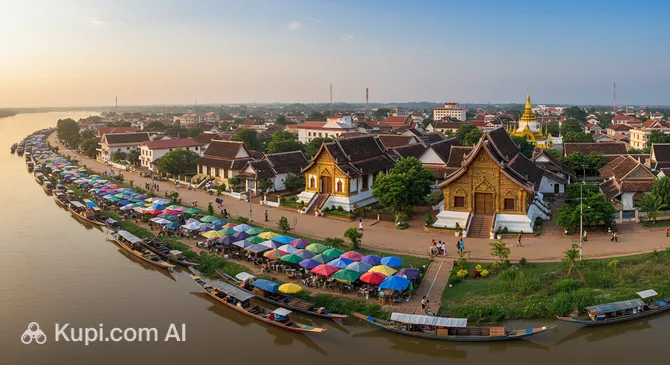
Savannakhet. Source: Kupi.Binoculars

The city is renowned for its architectural heritage, which tells the story of its past. Walking through the historic center, visitors can admire crumbling yet beautiful French colonial buildings that date back to the early 20th century. Exploring the history of Savannakhet reveals a fascinating blend of influences, from its time as a colonial trading post to its role in modern times. The atmosphere here is distinctively nostalgic, making it a favorite spot for photographers and history enthusiasts.

Beyond its architecture, Savannakhet offers unique attractions that set it apart from other destinations. One of the most intriguing stops is the Dinosaur Museum, which houses fossil remains found in the surrounding province, including those of the Tangvayosaurus. For those seeking spiritual tranquility, Wat Sainyaphum is one of the oldest and most significant Buddhist temples in the area, serving as a center for local religious life and festivals.

Whether you are enjoying the famous local grilled chicken, wandering through the old quarter, or simply watching a breathtaking sunset over the Mekong River facing Thailand, Savannakhet offers a memorable and authentic experience. It is a perfect destination for travelers looking to uncover the hidden gems of the region.
Weather Overview

The climate in this region is generally tropical, offering warm temperatures throughout the year with distinct seasonal variations. Travelers planning a trip should expect hot summers with frequent rainfall and cooler, drier winters that are ideal for outdoor activities. The weather in Savannakhet is most intense during April, which is typically the hottest month, seeing average temperatures rise to 29.6°C and daily highs reaching nearly 35°C.

From May through October, the city experiences its wet season, characterized by a high number of rainy days. August is particularly wet, with precipitation occurring on approximately 28 days of the month, although the temperatures remain warm, averaging around 27.6°C. In contrast, the dry season from November to February brings a pleasant respite; January is usually the coolest month, with comfortable average temperatures of 23.0°C and refreshing lows of 17.1°C, accompanied by almost no rainfall.

Interesting Facts

Beyond the main attractions, Savannakhet holds many fascinating secrets that reveal its depth as a cultural crossroads. This riverside city is more than just a colonial relic; it is a place of unique origins and hidden natural wonders.
  • The City of Two Names: While widely known as Savannakhet, which translates to "Golden Land" or "City of Paradise," the city was officially renamed Kaysone Phomvihane in 2005. This change honors the former Lao president who was born here, yet the original name remains the popular choice for locals and travelers alike.

  • A Sacred Forest: Just beyond the urban center lies Dong Natad, a protected forest considered holy by the local community. It is believed to be inhabited by spirits, and while villagers are permitted to gather mushrooms and medicinal plants, hunting is strictly forbidden to avoid disturbing the guardians of the woods.

  • Catholic Legacy: Unlike most cities in the predominantly Buddhist nation, Savannakhet serves as a significant center for Catholicism in the region. The imposing St. Teresa’s Catholic Church, built by the French, anchors the main square and highlights the city's diverse spiritual heritage.

  • French Urban Design: The city features an unusually spacious grid system with wide, tree-lined avenues, a direct result of French urban planning in the late 19th century. This design was intended to improve air circulation and sanitation, giving the town a distinctively airy feel compared to other dense settlements in the region.

How to Get There

Reaching this riverside city is a journey that often involves a mix of air and ground travel, allowing visitors to soak in the landscapes of the Mekong region. Whether you are arriving from within Laos or crossing the border from Thailand, there are several convenient routes. You can find out more about how to get to Savannakhet and choose the option that best fits your itinerary.

The city of Savannakhet does not have a major international airport listed in the immediate vicinity, so most travelers fly into airports in neighboring cities and complete the journey by road. One of the closest options is Nakhon Phanom Airport (IATA: KOP), located in the Thai city of Nakhon Phanom, approximately 91 km away. The transfer, which typically involves crossing the river border, takes about 2 hours and 35 minutes by taxi or bus.

For those looking for more flight connections, Ubon Ratchathani International Airport (IATA: UBP) is a significant hub situated in Ubon Ratchathani, Thailand. It is about 147 km from Savannakhet, and the ground transport takes roughly 4 hours. Another alternative is Sakon Nakhon Airport (IATA: SNO) in Sakon Nakhon, which is about 98 km away and requires a travel time of approximately 2 hours and 45 minutes.

For clarity, here is a summary of the main airports:

Airport Name City Passenger Traffic Km from City
Ubon Ratchathani International Airport Ubon Ratchathani Large 146.6
Sakon Nakhon Airport Sakon Nakhon Medium 97.7
Nakhon Phanom Airport Nakhon Phanom Medium 91.2
Roi Et Airport Roi Et Medium 117.6
Pakse Airport Pakse Small 192.7

Savannakhet is not currently served by a railway station. Visitors preferring land transport usually arrive by bus or private vehicle, often utilizing the Second Thai–Lao Friendship Bridge if coming from Mukdahan in Thailand, or traveling along Route 13 if exploring other parts of Laos.

Main Attractions

Exploring this riverside city reveals a blend of spiritual heritage, colonial nostalgia, and vibrant local culture. While the architecture sets the stage, the specific landmarks and popular gathering spots provide a deeper connection to the daily life and history of the region. From sacred stupas to charming cafes, there are several key places that every visitor should include in their itinerary.

One of the most significant spiritual sites in the entire province is the That Ing Hang Stupa. Located a short distance from the city center, this 16th-century monument is revered by Buddhists across Laos and Thailand. It is believed to house a relic of the Buddha, making it a place of profound sanctity. Visitors are often captivated by the intricate carvings and the peaceful atmosphere, where locals come to offer traditional flower garlands and sticky rice in a timeless display of devotion.

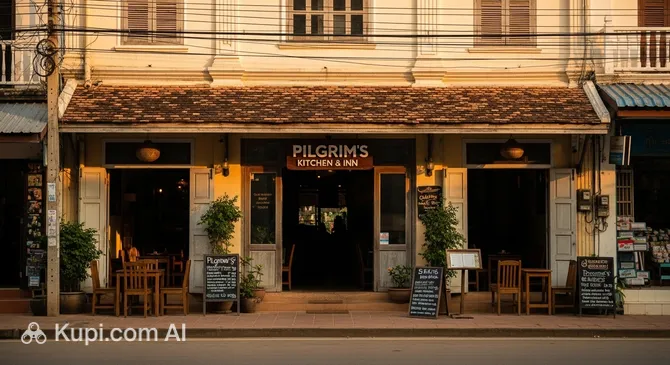
For travelers seeking a welcoming atmosphere and a taste of comfort, Pilgrim's Kitchen & Inn is a standout destination. This establishment has earned a reputation as a central hub for the backpacking and expat community. Beyond its diverse menu featuring both Indian and Western cuisine, it serves as an excellent spot to exchange travel tips, meet fellow explorers, and relax in a friendly environment near the Mekong riverfront.

Pilgrim's Kitchen & Inn. Source: Kupi.Binoculars

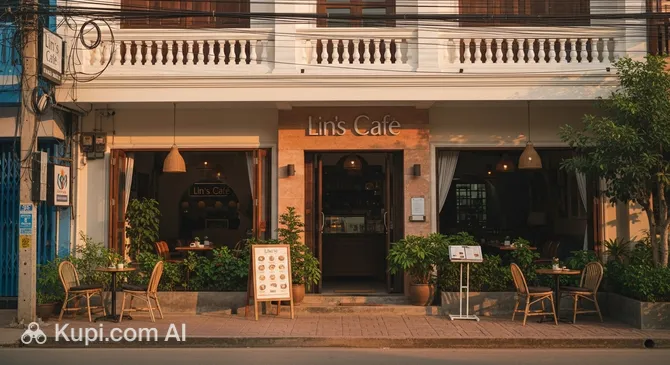
Another essential stop for those wandering through the historic quarter is Lin's Cafe. Situated in a beautifully preserved shophouse, this venue perfectly captures the city's old-world charm. It is widely appreciated for its excellent local coffee and serves as a cultural touchstone, often displaying historical photographs that tell the story of the city's past. It is an ideal place to pause and soak in the slow, rhythmic pace of local life.

Lin's Cafe. Source: Kupi.Binoculars

As the sun sets, the Savannakhet Night Market comes alive near the central plaza. This bustling market offers a sensory dive into local culture, with rows of stalls selling grilled river fish, spicy salads, and sweet treats. It is the perfect place to experience the culinary traditions of the region, interact with friendly vendors, and enjoy an affordable and authentic dinner under the stars.

Local Cuisine

The culinary scene in Savannakhet is a delightful reflection of its multicultural history and its location along the Mekong River. The local cuisine is a vibrant blend of traditional Lao flavors, strong Vietnamese influences, and lingering French colonial touches. Food here is unpretentious, fresh, and deeply flavorful, with a focus on communal dining and ingredients sourced from the nearby river and fertile plains.

The undisputed star of the local gastronomy is Savannakhet Grilled Chicken, known locally as Ping Kai. This dish is famous throughout the country, distinguished by the use of local free-range chickens that are marinated in a mix of black pepper, garlic, coriander roots, and fish sauce before being clamped in bamboo sticks and grilled over charcoal. It is best enjoyed with a basket of warm Sticky Rice (Khao Niew) and a spicy plate of Tam Mak Hoong (papaya salad), creating a perfect balance of savory, spicy, and sour flavors.

Due to the city's significant Vietnamese community and proximity to the border, noodle soups are a staple for breakfast and lunch. Visitors should try Khao Piak Sen, a comforting bowl of chewy rice noodles in a rich chicken or pork broth, often garnered with fresh herbs, lime, and chili oil. Another popular option is the French-inspired Khao Jee, a crispy baguette sandwich filled with pâté, pork floss, cucumbers, and cilantro, which serves as a delicious reminder of the city's colonial past.

When it comes to beverages, the local coffee culture is robust. Sourced from the nearby Bolaven Plateau, Lao Coffee is typically served strong and thick, often mixed with sweetened condensed milk and poured over ice to combat the midday heat. For evening relaxation, the local Beerlao is the drink of choice, perfectly complementing the salty and spicy notes of the street food found along the riverfront.

The dining culture in Savannakhet revolves around the outdoors. As the sun sets, the riverbank becomes a social hub where locals and tourists gather at small tables to enjoy grilled river fish and cold drinks while looking out towards Thailand. While the Night Market is the center of action for street food lovers, many small shophouses and vendors operate throughout the day, offering authentic and affordable meals in a laid-back atmosphere.

Travel Tips

Welcome to the laid-back rhythm of Savannakhet, where the charm lies in its slow pace and historic atmosphere. To ensure your journey through this riverside city is as smooth and enjoyable as possible, here are some essential practical tips to keep in mind.

  1. Clothing and Gear: Given the tropical climate, pack lightweight, breathable fabrics like cotton or linen to stay cool during the day. However, when visiting spiritual sites like the That Ing Hang Stupa, you must dress modestly; ensure your shoulders and knees are covered. Comfortable slip-on shoes are highly recommended, as you will frequently need to remove them when entering temples and local homes.

  2. Transportation: The city center is flat and compact, making it perfect for exploring on foot or by bicycle, which can be rented from many guesthouses. For longer distances, the iconic local three-wheeled tuk-tuks, known as Skylabs, are the primary mode of public transport; always negotiate the fare before hopping in. While car rentals are less common, renting a motorbike is a popular option for independent travelers wanting to explore the province.

  3. Finances: The official currency is the Lao Kip (LAK), and cash is definitely king in Savannakhet. While some hotels and tourist-focused cafes accept credit cards, most street vendors and local shops deal strictly in cash. ATMs are available around the city center, particularly near the night market. It is also useful to carry some Thai Baht or US Dollars, as they are often accepted for larger transactions.

  4. Health and Safety: Savannakhet is generally very safe, but it is wise to carry mosquito repellent, especially during the evenings near the river, to protect against dengue fever. Pharmacies are available in the town center for basic needs, but for any serious medical emergencies, it is often recommended to cross the bridge to Mukdahan, Thailand, where hospital facilities are more advanced.

  5. Communication: While staff at popular spots like Pilgrim's Kitchen or Lin's Cafe speak good English, it is less widely spoken in local markets and remote areas. Learning a few basic Lao phrases like Sabaidee (Hello) and Khop Chai (Thank you) will go a long way. Purchasing a local SIM card (such as Unitel or Lao Telecom) is affordable and ensures you have data for maps and translation apps.

  6. Local Etiquette: The traditional greeting is the Nop—placing your palms together in a prayer-like gesture and bowing your head slightly. The head is considered the most sacred part of the body, so never touch anyone on the head, even children. Conversely, the feet are considered the lowest part; avoid pointing your feet at people or religious images.

  7. What to Avoid: Public displays of anger or shouting are frowned upon and will cause you to "lose face" with locals; always maintain a calm and smiling demeanor. Additionally, if you venture out of the city into the wider province for trekking, never stray from marked paths due to the risk of unexploded ordnance (UXO) remaining from past conflicts.

  8. Sunset Ritual: Do not miss the daily "golden hour" along the Mekong riverfront. It is a local tradition to gather at the riverside stalls around 5:00 PM to watch the sun dip behind the mountains in Thailand. This is the best time to socialize, enjoy a cold drink, and experience the true essence of the city.

By following these simple guidelines, you will find it easy to connect with the friendly locals and immerse yourself in the unique culture of the region. Savannakhet is a place to relax and unwind, so embrace the slower pace and enjoy every moment of your stay.

Entertainment & Nightlife

Nightlife in Savannakhet is defined by its laid-back charm rather than high-energy partying. The city does not have a raucous club scene or thumping discos; instead, the evening entertainment revolves around socializing, dining, and enjoying the cooling breeze from the Mekong River. The atmosphere is incredibly relaxed, with locals and travelers alike gathering to unwind after a hot day. The dress code is almost universally casual, favoring comfort over style, and the vibe is welcoming and unpretentious.

The heart of the evening action is undoubtedly the Mekong Riverfront. As the sun begins to set, the promenade transforms into a long stretch of pop-up drink stalls and small eateries. This area is the perfect place to grab a large bottle of Beerlao, sit on a plastic stool, and watch the day fade away across the water. The crowd here is a mix of local families, groups of friends, and tourists soaking in the slow rhythm of Lao life. These riverside venues typically stay open until around 10:00 PM or 11:00 PM.

For those seeking a more established venue with a roof over their heads, the city center offers a few welcoming spots. Pilgrim's Kitchen & Inn is a favorite evening hangout for the international crowd. It provides a friendly environment where travelers can enjoy a cold drink, a hearty meal, and conversation with fellow backpackers or expats. It is an excellent place to start your evening before heading to the river.

Another charming option for a quieter night out is Lin's Cafe. While often frequented during the day, its vintage atmosphere makes it a lovely spot for an early evening coffee or a relaxing wind-down. The cafe captures the nostalgic spirit of the city, surrounded by the historic architecture that makes Savannakhet so unique.

Practical Advice for the Night: Most venues in the town center close relatively early, often by 11:00 PM. If you plan to stay out, it is best to start your evening around sunset (5:30 PM to 6:30 PM). Prices are generally very affordable, with local beers and snacks costing a fraction of what you might pay in larger capital cities. Cash is essential, as very few riverside stalls or small bars accept cards.

Safety and Transport: Savannakhet is a safe city for night walks, but the streets can be dimly lit away from the main avenues. The most significant annoyance at night tends to be stray dogs, so it is wise to stick to well-lit areas or carry a small flashlight. Public transport, specifically the "Skylab" tuk-tuks, becomes scarce after dark. If you are dining far from your accommodation, it is advisable to arrange a ride back in advance or have your hotel's number handy to call for assistance.

While the nights are quiet, the daytime offers its own form of entertainment. Before the sun sets, visitors can explore the cultural and historical depth of the city. Museums such as the Dinosaur Museum offer a glimpse into the prehistoric past of the region, while the various temples provide a serene escape. However, once the heat of the day subsides, the transition to the riverside for the evening ritual of sunset watching is the true highlight of entertainment in this peaceful province.

Parks & Museums

Savannakhet offers a modest yet fascinating array of cultural and natural attractions that reflect its unique geological history and local heritage. While the city is not filled with manicured urban gardens, its surroundings provide access to sacred forests and serene lakes, while its museums offer a glimpse into everything from prehistoric life to the region's revolutionary past.

Savannakhet Dinosaur Museum is undoubtedly the city's most famous cultural institution. Located in a colonial-era building, this museum is small but holds significant importance due to the fossil finds in the province. The star of the collection is the Tangvayosaurus hoffeti, a sauropod dinosaur discovered in the nearby Tang Vay district. Visitors can view fossilized bones, meteorite fragments, and educational displays that explain the paleontological significance of the region. It is a must-visit for families and science enthusiasts interested in the prehistoric era of Southeast Asia.

For those interested in local history, the Savannakhet Provincial Museum offers a broader look at the area's development. Housed in a charming French colonial building, the museum displays a collection of artifacts ranging from ancient pottery and bronze drums to remnants from the Indochina wars. The exhibits provide context on the diverse ethnic groups inhabiting the province and the city's role in the struggle for independence, offering a quiet space to reflect on the layers of history that have shaped modern Laos.

Nature lovers willing to venture just outside the city limits should explore the Dong Natad National Protected Area. This sacred forest is unique because villagers still live within its boundaries in harmony with nature, gathering medicinal plants and mushrooms. The area includes the tranquil Nong Lom Lake, where visitors can observe birdlife and enjoy the untouched scenery. It is a rare example of a dry dipterocarp forest and offers a peaceful retreat for those looking to experience the spiritual connection between the local people and their environment.

Another popular spot for relaxation is Bungva Lake, located a short drive from the city center. This large reservoir is a favorite local getaway, especially on weekends. It is less of a landscaped park and more of a natural recreational area where visitors can rent small huts on the water, enjoy a picnic, and admire the blooming lotus flowers. It provides an authentic slice of local life, far removed from the typical tourist trail.

Getting Around

Navigating Savannakhet is a straightforward and relaxed affair, reflecting the city's unhurried pace of life. Unlike bustling metropolises, there is no complex network of subways, trams, or scheduled city buses here. The city center is compact and flat, making it easy to traverse, and the public transport options are informal, relying heavily on local drivers and smaller vehicles rather than a centralized municipal system.

The most iconic and ubiquitous mode of transport is the Skylab. These are large, three-wheeled motorized tuk-tuks, often customized with colorful designs and capable of carrying several passengers and their luggage. They function as the city's taxis and are readily available around markets, the bus station, and the riverfront. Skylabs are perfect for short hops across town or for hiring out for a half-day trip to attractions located on the outskirts.

There is no digital ticketing system, travel card, or mobile app for transport in the city. Payment is made exclusively in cash using the local currency. Fares are not metered, so it is essential to negotiate the price with the driver before you start your journey. Prices are generally very affordable, but agreeing on a fee upfront prevents misunderstandings later. Small bills are appreciated, as drivers may not always have change for large denominations.

For tourists who prefer independence, renting a bicycle is widely considered the best way to see the city. The streets are wide, traffic is generally light, and the terrain is perfectly flat, allowing for a pleasant ride through the historic quarter and along the Mekong River. Many guesthouses and hotels offer daily rentals for a nominal fee. Motorbikes are also available for rent for those wishing to explore further afield, though valid driving documentation is required.

Walking is a viable and enjoyable alternative for exploring the historic center, where many colonial buildings, temples, and cafes are clustered close together. However, visitors should be aware that public transport options like Skylabs decrease significantly after dark. If you plan to stay out late for dinner or drinks, it is advisable to arrange your return transport in advance or have the contact number of a reliable driver.

Accommodation

Accommodation in Savannakhet reflects the city's relaxed and unpretentious character. The options generally range from budget-friendly guesthouses and backpacker hostels to comfortable mid-range hotels. Unlike major tourist hubs, you will not find sprawling luxury resorts or high-rise international chains here. Instead, the charm lies in smaller, family-run establishments, many of which are housed in beautifully restored French colonial villas or converted shophouses that offer a unique sense of place and history.

The most popular area for tourists to stay is undoubtedly the historic center, particularly along the streets parallel to the Mekong River. Staying in this vicinity places you within easy walking distance of the Night Market, the main plaza near St. Teresa’s Church, and the best riverside cafes. This area allows visitors to enjoy the cooling river breeze in the evenings and provides convenient access to the city's primary dining and social spots without the need for transport.

For those planning a visit, booking accommodation in Savannakhet is generally stress-free. While it is possible to find a room as a walk-in guest, especially during the low season, it is advisable to book in advance if you are traveling during the peak months of December and January or during the Lao New Year in April. Many of the more popular boutique hotels with river views tend to fill up quickly during these times.

In terms of cost, the city is an extremely affordable destination. Budget travelers can find basic rooms with fans for very low prices, while air-conditioned rooms with en-suite bathrooms in mid-range hotels remain quite reasonably priced compared to neighboring countries. While major online booking platforms are increasingly used by local hotels, some smaller guesthouses still prefer direct bookings or cash payments upon arrival.

Nearby Cities

For those looking to explore the surroundings, Savannakhet serves as an excellent base for day trips to several interesting nearby locations:

One of the most accessible and scenic options is Thakhek, located just a short drive north along the Mekong River. This town shares a similar colonial charm with Savannakhet but is set against a dramatic backdrop of limestone karst mountains. It is a favorite spot for nature lovers, offering access to numerous caves, such as the sacred Buddha Cave (Tham Pa Fa), and serving as the starting point for the famous "Loop" motorbike route through the rugged countryside.

Heading south, travelers can reach Pakse, a key hub in Southern Laos situated at the confluence of the Mekong and Xe Don rivers. Although it requires a longer journey, it is a gateway to the diverse landscapes of the Bolaven Plateau, known for its cool climate, coffee plantations, and spectacular waterfalls. Pakse also provides access to the ancient Khmer temple complex of Wat Phou, a UNESCO World Heritage site that predates Angkor Wat.

City Population Distance (km)
Vientiane 948,487 275
Phonsavan 267,172 360
Pakse 119,848 196
Sekong 100,000 249
Thakhek 70,000 92

These nearby destinations offer a glimpse into the diverse culture and landscapes of the region.

Shopping & Souvenirs

General Overview: Shopping in Savannakhet is a low-key and authentic experience that focuses more on local culture than high-end retail. Unlike the bustling commercial hubs of larger Southeast Asian capitals, this riverside city offers a relaxed atmosphere where commerce revolves around traditional markets and family-run shophouses. Visitors will not find luxury brands or sprawling department stores here; instead, the charm lies in discovering handcrafted goods, local textiles, and fresh produce that reflect the daily life of the province.

Main Shopping Areas: The heart of the city's commercial activity is concentrated in the Historic Quarter, particularly the streets surrounding St. Teresa’s Catholic Church and the central plaza. Walking through this area, tourists will find small independent shops selling everything from general goods and electronics to traditional clothing. The shophouses here often retain their colonial-era architecture, making a simple shopping trip a scenic walk through history.

Shopping Malls: Travelers should adjust their expectations regarding modern shopping complexes, as Savannakhet does not feature large western-style malls. The retail scene is dominated by individual vendors and open-air venues. There are some duty-free shops located near the Second Thai–Lao Friendship Bridge, catering primarily to cross-border travelers with imported goods, alcohol, and chocolates, but within the city center, the "mall" experience is virtually non-existent.

Markets: The true spirit of shopping in Savannakhet is found in its vibrant markets. The Savanxay Market is the city's primary daytime trading hub. It is a sprawling, semi-covered area where locals buy everything from fresh river fish and vegetables to gold jewelry and household items. It is an excellent place to observe local life and purchase affordable textiles. In the evenings, the Night Market near the riverfront becomes the focal point. While it is heavily focused on street food, visitors can also find stalls selling small handicrafts, clothes, and accessories.

Souvenirs: For those looking to bring a piece of Laos home, Lao silk and cotton textiles are the top recommendations. You can find beautiful hand-woven sinhs (traditional skirts) and scarves with intricate patterns at the markets. Silver jewelry is another specialty of the region, often crafted by local artisans. Additionally, given the proximity to the Bolaven Plateau, bags of locally grown Lao coffee make for a fragrant and practical gift.

Opening Hours and Payment: Business hours in Savannakhet are generally relaxed. Most small shops and daytime markets operate from around 07:00 AM to 5:00 PM. The Night Market typically runs from sunset until about 10:00 PM. Cash is the primary method of payment everywhere. While the Lao Kip (LAK) is the official currency, Thai Baht (THB) and US Dollars (USD) are widely accepted for larger purchases. Credit cards are rarely used outside of hotels and a few upscale restaurants, so it is essential to carry sufficient cash.

Tax-Free: Tax-free shopping and VAT refund schemes are generally not available for tourists within the city's local shops and markets. The concept is mostly limited to specific duty-free zones at international border crossings, so visitors should not expect to claim taxes back on general souvenirs or clothing purchased in town.

Reached the end of the page?

That means the route is fully explored