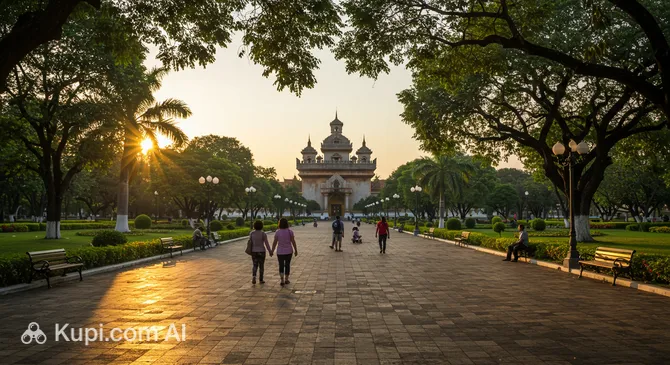
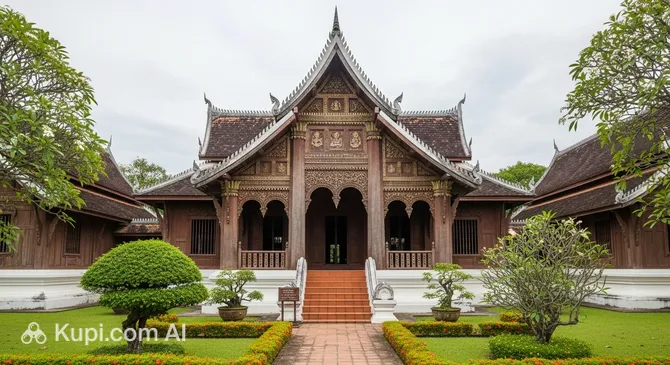
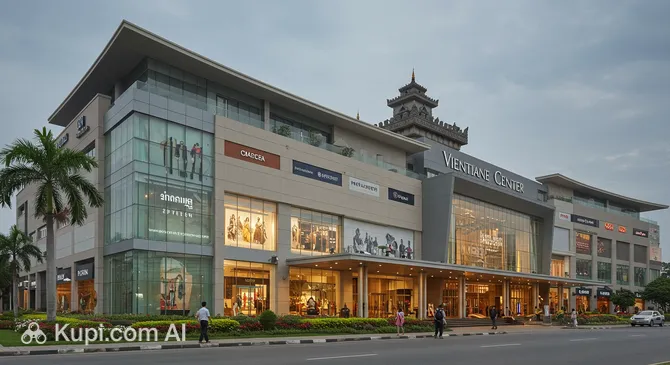
Vientiane is the capital and largest city of Lao, People's Dem. Rep., distinguished by a remarkably relaxed and peaceful atmosphere that sets it apart from other Southeast Asian capitals. Instead of frantic traffic and towering skyscrapers, visitors are greeted by tree-lined boulevards, French colonial architecture, and glittering Buddhist temples. It is a city where tradition and modernity coexist quietly, offering a unique glimpse into the heart of Laotian culture.
Geographically, the city is situated on a curve of the Mekong River, which forms the natural border with Thailand. This strategic location has made it a significant hub for trade and culture throughout the centuries. Today, with a population of approximately 950,000 people, it serves as the administrative and economic center of the nation. To truly appreciate the city's evolution from an ancient settlement to a modern capital, travelers should explore the rich history of Vientiane, which is reflected in its diverse architectural styles and heritage sites.
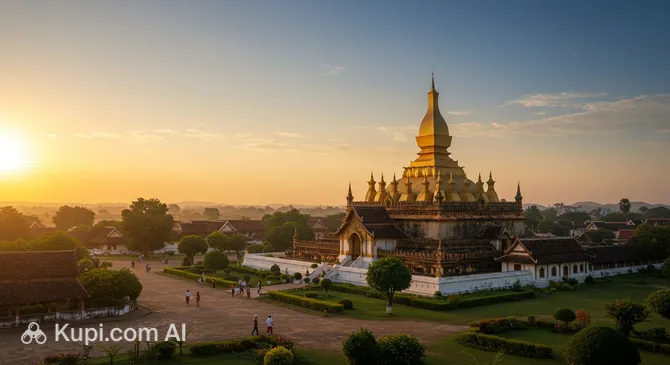
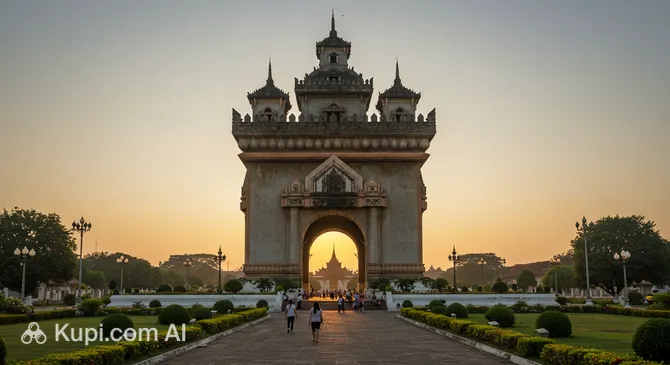
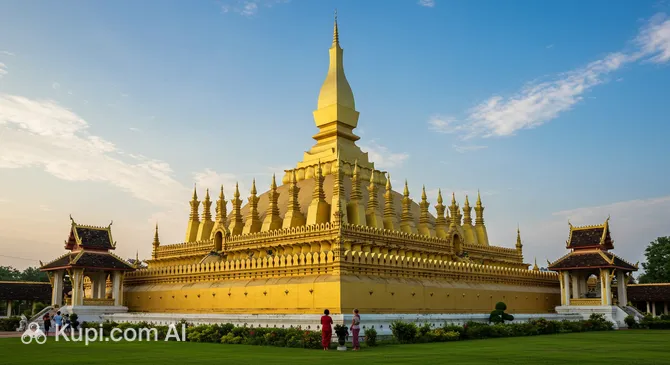
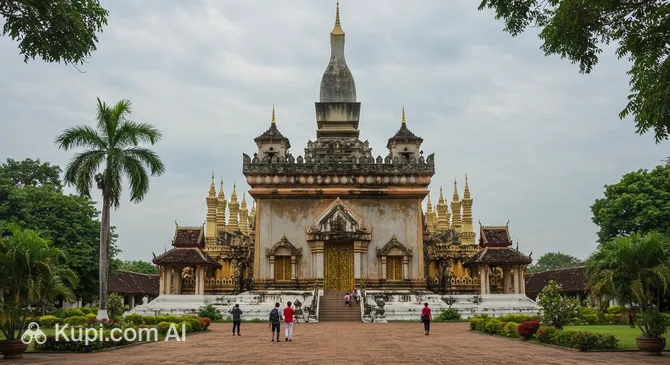
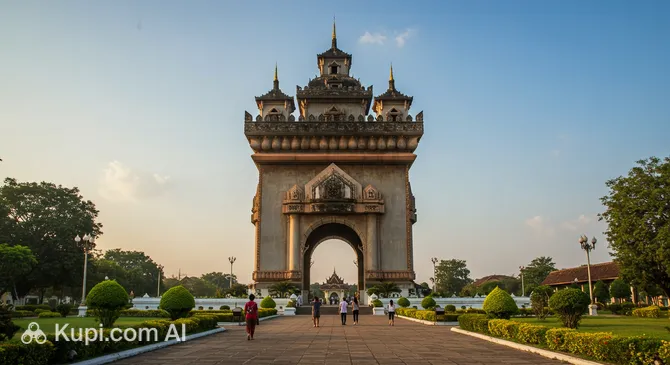
The city boasts several key attractions that draw visitors from around the world. The most iconic is the Pha That Luang, a gold-covered large Buddhist stupa that serves as a national symbol. Another highlight is the Patuxai, a war monument resembling the Arc de Triomphe, which offers panoramic views of the city from its upper levels. For a more atmospheric experience, a walk through the Buddha Park (Xieng Khuan) reveals an intriguing collection of massive sculptures located just outside the main city area.
Vientiane is an inviting destination that encourages travelers to slow down and savor the moment. Whether you are enjoying a sunset stroll along the Mekong riverfront, tasting delicious local cuisine at a night market, or admiring the serenity of its temples, the city promises a memorable and charming experience for every guest.