Support

Sakon Nakhon

About

Welcome to Sakon Nakhon, a captivating city located in the upper northeastern region of Thailand, also known as Isan. Often celebrated as a center of Buddhist heritage and serene natural beauty, this city offers a peaceful retreat for travelers seeking an authentic cultural experience. With a population of approximately 53,000 people, it balances the charm of a provincial town with the vibrancy of a regional commercial hub.

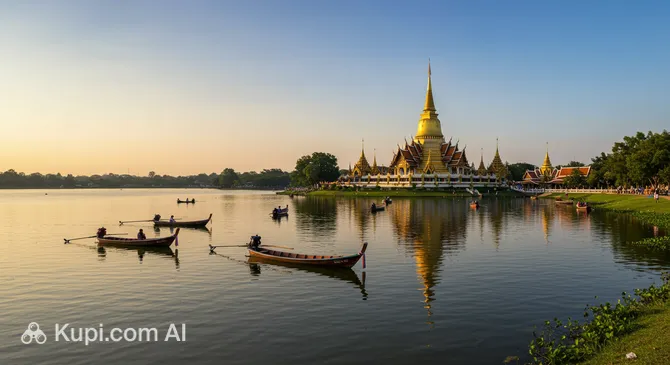
Geographically, the city is uniquely situated on the shores of Nong Han Lake, the largest natural lake in the northeast, and is framed by the rolling hills of the Phu Phan mountain range. The climate is generally tropical, with a breezy and cooler atmosphere during the winter months compared to the central plains, making it a pleasant destination for exploration.

Sakon Nakhon. Source: Kupi.Binoculars

The history of Sakon Nakhon is deeply intertwined with ancient civilizations, featuring influences that date back to the Khmer Empire. Today, this rich heritage is best experienced at Wat Phra That Choeng Chum, a major pilgrimage site housing a revered stupa that serves as the spiritual heart of the community.

Beyond its temples, the city is famous for its unique cultural festivals, particularly the spectacular Wax Castle Festival held at the end of Buddhist Lent, where intricate wax sculptures are paraded through the streets. Visitors also flock here to discover the local craftsmanship, especially the high-quality indigo-dyed fabrics (known as kram) which are a source of local pride.

If you are looking for a destination that combines spiritual tranquility, lakeside relaxation, and fascinating local traditions, Sakon Nakhon is a perfect choice. It invites you to slow down and discover the soulful side of the Isan region.

Weather Overview

Sakon Nakhon experiences a tropical climate defined by three distinct seasons, offering a mix of pleasant cool breezes, tropical heat, and refreshing monsoons. Generally, you can expect warm temperatures year-round with a distinct dry period in winter and frequent showers during the middle of the year. For a more detailed forecast to help plan your trip, you can view the weather in Sakon Nakhon.

The most popular time to visit is during the cooler, drier months from November to February. During this time, average temperatures sit comfortably between 22°C and 25°C, with practically no rainfall. January and December are the coolest months, where nighttime lows can drop to around 17°C, creating a perfect atmosphere for morning temple visits or evening walks by the lake.

As the year progresses into March and April, the heat intensifies, with April seeing daily maximums reach nearly 35°C. The rainy season typically spans from May to October, bringing lush greenery to the province. While it remains warm with averages around 28°C, this period sees significantly more precipitation; August is notably wet, with rain occurring on approximately 28 days of the month.

Interesting Facts

Beyond the main attractions, Sakon Nakhon holds many fascinating secrets, ranging from culinary fame to unique religious enclaves. Here are some intriguing facts that make this city truly special:

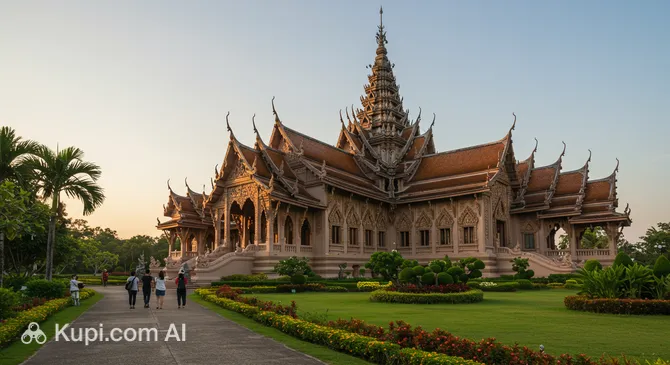
Wat Phra That Choeng Chum Worawihan. Source: Kupi.Binoculars
  • The city is the birthplace of Pon Yang Kham beef, often hailed as the "Kobe beef of Thailand." This high-quality meat is produced by a local cooperative originally established with the help of French experts, making the province a surprising destination for steak lovers.

  • Just outside the city lies Ban Tha Rae, home to the largest Catholic community in Thailand. The village is renowned for its French-colonial architecture and hosts a dazzling Star Parade every Christmas, offering a unique cultural atmosphere in the heart of the Buddhist northeast.

  • Sakon Nakhon is a spiritual center for the Thai Forest Tradition of Buddhism. The Achan Man Phurithatto Museum honors the famous meditation master who spent his final years here, attracting practitioners from around the world.

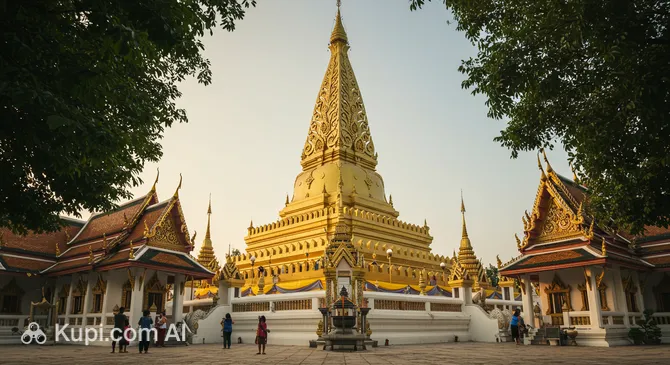
  • The city's most iconic landmark, Wat Phra That Choeng Chum Worawihan, hides an architectural secret. The gleaming white Lao-style chedi seen today was actually constructed to cover an ancient Khmer stone prang from the 10th century, symbolizing the region's shifting historical influences.

How to Get There

Reaching this charming city in northeastern Thailand is relatively straightforward, with air travel being the most convenient option for most visitors. For a detailed overview of all transport methods, you can read more about how to get to Sakon Nakhon.

The most direct way to arrive is via Sakon Nakhon Airport (IATA: SNO), which is located just 4.5 km from the city center. Several daily flights connect the city with Bangkok, making it an easy trip. Upon arrival, a taxi or shuttle ride to the downtown area is very quick, typically taking a short 10 to 15-minute drive.

Alternatively, travelers can fly into Nakhon Phanom Airport (IATA: KOP), situated in the neighboring city of Nakhon Phanom, approximately 58 km away. The transfer by road from there takes roughly 1 hour. For those seeking more flight schedules, Udon Thani International Airport (IATA: UTH) is another viable option. Although it is located in Udon Thani, about 147 km from Sakon Nakhon, it is a major regional hub with higher passenger traffic. The journey by taxi or bus from Udon Thani generally takes between 2.5 to 3 hours.

For clarity, here is a summary of the main airports serving the region:

Airport Name City Passenger Traffic Km from City
Khon Kaen Airport Khon Kaen High 164.8
Udon Thani International Airport Udon Thani High 146.7
Sakon Nakhon Airport Sakon Nakhon Moderate 4.5
Nakhon Phanom Airport Nakhon Phanom Moderate 58.4
Roi Et Airport Roi Et Moderate 122.8

Sakon Nakhon does not have its own railway station. Travelers wishing to arrive by train usually take the service from Bangkok to Udon Thani, which serves as the nearest major railway hub. From Udon Thani station, you can easily catch a bus or hire a taxi to complete the journey to Sakon Nakhon, allowing you to enjoy the scenic landscapes of the Isan region along the way.

Main Attractions

Sakon Nakhon offers a delightful mix of spiritual heritage, natural beauty, and historical significance. The city is relatively compact, making it easy to explore its most revered sites and scenic spots. Whether you are seeking tranquility or a deeper understanding of Isan culture, these attractions provide a perfect introduction to the local charm.

Standing as the spiritual anchor of the province, Wat Phra That Choeng Chum Worawihan is an absolute must-visit. Located in the heart of the city, this temple is easily recognized by its distinctive rectangular chedi (stupa), which gleams in white and gold. Tourists are drawn here not only for its religious importance but also for its fascinating history; the current structure was built over an ancient Khmer stone sanctuary dating back to the 10th century. It is a wonderful place to observe local devotees making merit and to admire the fusion of Lao and Khmer architectural styles.

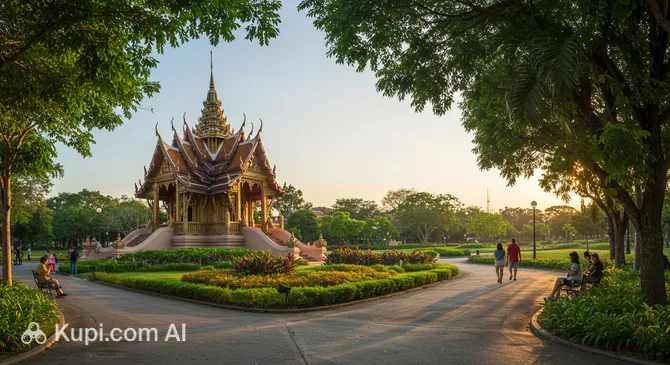
For a refreshing escape into nature, head to Somdej Phra Srinagarindra Park. Situated near the expansive Nong Han Lake, this park is a favorite among locals for jogging, picnics, and evening strolls. The park is beautifully landscaped with vibrant flowers and features a large pond often filled with lotuses, the symbol of the province. It is an excellent spot for travelers to relax after a day of sightseeing, offering breezy views of the lake and a famous stone garden that adds a unique aesthetic to the green space.

Somdej Phra Srinagarindra Park. Source: Kupi.Binoculars

Those interested in Buddhism and meditation should not miss the Achan Man Phurithatto Museum, located within the grounds of Wat Pa Sutthawat. This museum is dedicated to Luang Pu Man, one of the most respected monks in Thai history and a founder of the Thai Forest Tradition. The building itself is a modern architectural gem, designed to resemble a lotus flower. Inside, visitors can explore exhibits displaying the monk’s eight requisites, his biography, and his bone relics, offering a profound insight into the simple and disciplined life of a forest monk.

Achan Man Phurithatto Museum. Source: Kupi.Binoculars

Local Cuisine

The culinary scene in Sakon Nakhon is a delightful surprise for many travelers, offering a unique blend of traditional Isan (northeastern Thai) fieriness, high-quality local produce, and a distinct Vietnamese influence. Unlike other provinces where sticky rice and spicy salads dominate exclusively, this city is equally famous for its premium beef and savory breakfast culture, making it a fascinating destination for food lovers.

One of the region's most celebrated products is Pon Yang Kham beef. Often referred to as the "Kobe beef of Thailand," this high-quality meat is produced by a local cooperative and is renowned for its tenderness and marbling. You will find it featured prominently in local steakhouses and Jimm Joom (Thai hot pot) restaurants. Trying a charcoal-grilled steak or a sizzling hot plate of this local delicacy is a must for any carnivore visiting the city.

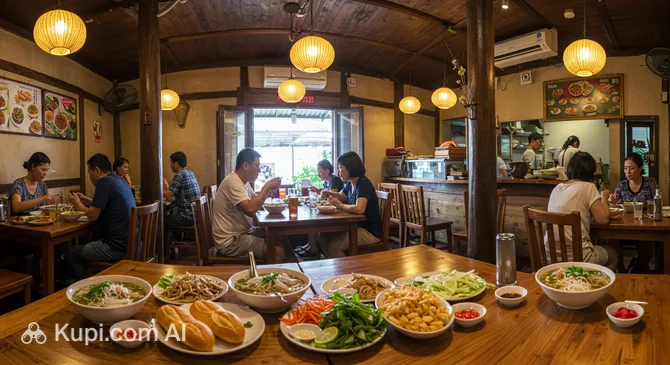
Due to historical migration patterns, the city has a vibrant Vietnamese food culture, particularly evident in its snacks and appetizers. A signature dish to try is Pak Mor, a soft, steamed rice flour crepe filled with seasoned minced pork and green onions, served with a sweet and savory dipping sauce. For an authentic taste of this specialty, you can visit Pak Mor Paris Vietnamese Pastry Restaurant, which is widely appreciated for its delicate and flavorful preparation of these dumplings.

Pak Mor Paris Vietnamese Pastry Restaurant. Source: Kupi.Binoculars

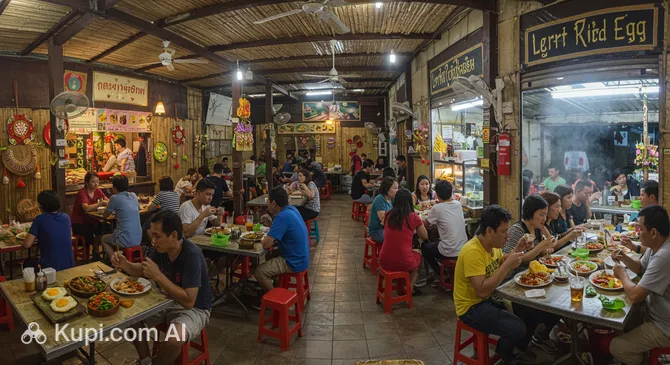
Breakfast in Sakon Nakhon is an event in itself, often centered around Khai Krata, or pan-fried eggs. Served in a small individual metal skillet, the eggs are typically topped with sweet Chinese sausage, minced pork, and Vietnamese pork sausage (moo yor). It is usually accompanied by a crusty baguette with butter or pate. A classic spot to enjoy this hearty start to the day is Lert Rot Fried Egg, a local favorite known for its comforting morning meals.

Lert Rot Fried Egg. Source: Kupi.Binoculars

When it comes to drinks, you cannot leave without tasting Mao berry juice (Nam Mak Mao). The Mao berry is a wild fruit native to the Phu Phan mountain range in Sakon Nakhon. The juice is rich in antioxidants and has a distinctive sweet and sour flavor, somewhat reminiscent of wild grapes or cranberries. It is widely available in local shops and is also processed into local wine, which makes for an interesting souvenir.

The general dining atmosphere in the city is casual and welcoming. While there are air-conditioned restaurants, much of the best food is found at open-air stalls and night markets. Here, you can pair your Vietnamese snacks or grilled beef with the staple of the region: a bamboo basket of sticky rice and a plate of spicy papaya salad (Som Tum), enjoying the true flavor of the northeast.

Travel Tips

Visiting Sakon Nakhon offers a genuine glimpse into the peaceful lifestyle of northeastern Thailand, but a little preparation goes a long way in this less-touristed region. Here are some practical tips to help you navigate the city comfortably and respectful of local customs.

  1. Clothing and Gear: Since the weather can be quite hot during the day, pack lightweight, breathable fabrics like cotton or linen. However, if you are visiting between November and February, bring a light jacket or sweater, as mornings and evenings can be surprisingly cool. For temple visits, modesty is non-negotiable; always carry a sarong or scarf to cover your shoulders and knees. Comfortable slip-on shoes are ideal, as you will frequently need to take them off.

  2. Transportation: Unlike Bangkok, there is no metro system here. The most common way to get around town is by songthaew (converted pickup trucks with bench seating) or local tuk-tuks, often called "Skylabs" due to their unique design. Ride-hailing apps like Grab are available but can be less reliable than in major cities. For the most freedom to explore the lake and surrounding mountains, renting a car or a motorbike is highly recommended.

  3. Finances: The local currency is the Thai Baht (THB). While hotels and larger restaurants accept credit cards, cash is king in Sakon Nakhon, especially at night markets and street food stalls. ATMs are widely available at convenience stores like 7-Eleven. It is wise to carry smaller bills (20s and 50s), as vendors may struggle to break large 1,000-baht notes.

  4. Health and Safety: Sakon Nakhon is generally very safe for tourists. Pharmacies are plentiful in the city center and usually have pharmacists who understand basic English. However, always drink bottled water and avoid tap water. Since the province has many green areas and a large lake, bring effective mosquito repellent to protect against insect bites, particularly around dusk.

  5. Communication: The main language is Thai, often spoken with a distinct Isan dialect. English is not widely spoken outside of major hotels and the airport. It is essential to have a translation app downloaded on your phone. Buying a local SIM card (AIS, TrueMove, or DTAC) at the airport or a convenience store is crucial for navigation and communication.

  6. Local Etiquette: The traditional greeting is the Wai (placing palms together at chest level), which is a polite way to say hello or thank you. Thais consider the head the most sacred part of the body and the feet the lowest; never touch someone's head and avoid pointing your feet at people or Buddha images. Always remove your shoes before entering a private home or a temple hall.

  7. What to Avoid: Avoid raising your voice or showing visible anger in public. In Thai culture, keeping a "cool heart" (jai yen) is valued, and losing your temper causes everyone involved to lose face. Also, never make disparaging remarks about the Thai Royal Family, as this is strictly prohibited by law and deeply offensive to locals.

  8. Shopping Tip: Do not leave without checking out the local Indigo-dyed fabric (Kram). Sakon Nakhon is famous for this craft. The best place to find authentic, high-quality items is at the weekend walking street near Wat Phra That Choeng Chum, where you can buy directly from the artisans at much better prices than in Bangkok.

By keeping these simple tips in mind, you will find it easy to connect with the friendly locals and enjoy the laid-back rhythm of Sakon Nakhon. Embrace the slower pace, smile often, and enjoy your journey through this culturally rich corner of Isan.

Entertainment & Nightlife

Entertainment in Sakon Nakhon reflects the city's laid-back, authentic Isan character. Unlike the high-energy nightlife of Bangkok or Pattaya, the evening scene here is more about socializing over good food, enjoying live folk music, and strolling through vibrant night markets. The atmosphere is friendly and deeply local, with venues typically filled with groups of friends sharing stories and laughter rather than solo travelers.

The heart of the local nightlife often beats at the Night Markets. The most famous is the Indigo Walking Street (Thanon Khon Doen), usually held on weekends near the city's main temple. This is not just a shopping destination for the famous indigo-dyed fabrics; it is a lively cultural event where you can watch street performances, sample an endless variety of local snacks, and soak in the community vibes. For a more daily experience, the markets around the city center offer a plethora of street food options that keep the streets bustling well into the evening.

For those seeking music and drinks, the city offers several "Country" style pubs and large music halls. These places are institutions in northeastern Thailand, often featuring live bands playing "Phleng Phuea Chiwit" (Songs for Life) and upbeat Mor Lam tracks. The dress code is casual, and the crowd is a mix of locals and visitors. You will typically find these venues along the main arteries like Charoen Mueang Road or near the major hotels. It is common to order a tower of beer or a bottle of whiskey with mixers and ice to share with your table.

Dining is an integral part of the night out in this province. Before heading to a music venue, locals often gather for a savory meal. A wonderful spot to try authentic local appetizers is Pak Mor Paris Vietnamese Pastry Restaurant. Their steamed rice dumplings make for a perfect light dinner or evening snack, reflecting the strong Vietnamese culinary influence that pervades the city's food culture.

Practical Advice: The nightlife in Sakon Nakhon starts early and ends relatively early. Most bars and markets are busiest between 8:00 PM and 10:00 PM, with live music venues winding down around midnight or 1:00 AM. Prices are very affordable compared to tourist hubs. For transportation, Skylabs (local tuk-tuks) are the best way to get around, but they may be harder to find late at night, so it is wise to arrange a ride or have a hotel contact number handy. The city is generally very safe for night walks, though you should always be mindful of stray dogs on quieter streets.

During the day, entertainment shifts towards cultural and educational experiences. While the city lacks massive amusement parks, it offers enriching visits to places like the Achan Man Phurithatto Museum. This site provides a peaceful retreat where you can learn about the revered forest monk tradition. Additionally, modern entertainment such as cinemas and shopping can be found at the local Robinson Lifestyle center, offering a cool break from the tropical heat.

Parks & Museums

Sakon Nakhon is a city where cultural heritage and natural beauty coexist harmoniously, offering visitors a chance to explore serene green spaces and deeply spiritual educational sites. From the shores of the vast freshwater lake to museums dedicated to revered monks, the city provides a tranquil environment for learning and relaxation.

Key Parks and Green Spaces

The city's most prominent green space is Somdej Phra Srinagarindra Park. Located near the edge of the city, this expansive park serves as the "lungs" of Sakon Nakhon. It is beautifully landscaped with native trees and vibrant flower beds, but its most distinctive feature is the ancient stone garden, which adds a touch of geological wonder to the scenery. Locals flock here in the late afternoon to jog or relax by the large lotus pond, making it an excellent spot for tourists to observe local life and enjoy a peaceful sunset.

Just adjacent to the city lies Nong Han Lake, the largest natural lotus lake in Thailand. While not a traditional park, the lakeside promenades and viewing platforms offer a refreshing natural escape. Visitors can take boat rides to small islets within the lake, such as Don Sawan (Heaven Island), which is uninhabited and filled with large trees, offering a raw and untouched natural experience just minutes from the urban center.

For those willing to venture slightly further, Phu Phan National Park is located in the nearby mountain range. It is a haven for nature lovers, featuring waterfalls, hiking trails, and the famous "Kham Hom" waterfall. The park is lush and cool, providing a perfect day-trip destination for those looking to immerse themselves in the dense tropical forests of the Isan region.

Museums and Galleries

The cultural landscape of Sakon Nakhon is deeply influenced by the Thai Forest Tradition of Buddhism. The Achan Man Phurithatto Museum is the city's most significant museum. Situated within Wat Pa Sutthawat, the building itself is an architectural marvel designed to resemble a lotus. Inside, it houses a collection of personal belongings, manuscripts, and the bone relics of Luang Pu Man, a highly respected meditation master. It offers a quiet, educational atmosphere where visitors can learn about the simple, disciplined life of forest monks.

Another important site is the Sakon Nakhon Cultural Centre, often associated with the local Rajabhat University. This venue frequently showcases exhibits related to the six distinct ethnic groups of the province, displaying traditional costumes, tools, and the history of the region. It is a fantastic place to gain a deeper understanding of the "Thai Sakon" identity, which is a unique blend of Lao, Vietnamese, and indigenous influences.

Historical and Architectural Sites

History enthusiasts must visit Wat Phra That Choeng Chum Worawihan. This temple is not just a place of worship but a historical archive in stone. The central stupa covers an ancient Khmer prang made of laterite, dating back to the 11th century. The site stands as a testament to the region's long history, spanning from the Khmer Empire to the Lan Xang Kingdom and modern Thailand.

Another notable historical site is Phra That Narai Cheng Weng, located just outside the city center. This ancient Khmer sanctuary, built from sandstone, is smaller than Phra That Choeng Chum but is remarkably well-preserved. It features intricate carvings of Hindu deities, offering a glimpse into the pre-Buddhist religious history of the area.

Authentic Experiences

For a "living museum" experience, visit the indigo-dyeing villages such as Ban Tham Tao. Here, the knowledge of creating natural indigo dye (Kram) has been passed down through generations. Visitors can watch the entire process, from harvesting the indigo plants to the intricate weaving, and even participate in workshops to dye their own fabric, connecting directly with the province's artisanal heritage.
Getting Around

Navigating Sakon Nakhon is a straightforward and authentic experience, quite different from the bustling streets of the capital. As a provincial city, it does not have a metro, tram, or large public bus system. Instead, the backbone of local public transport is the Songthaew. These are converted pickup trucks with two rows of bench seating in the back and a roof overhead. They follow set routes around the city and to nearby districts, making them the most common way for locals to get around.

The payment system in Sakon Nakhon is strictly cash-only. There are no travel passes, smart cards, or mobile ticketing apps for public vehicles. Fares for Songthaews are fixed and incredibly cheap, usually costing a small flat rate regardless of the distance traveled within the city limits. For other forms of transport like motorized rickshaws, prices are not fixed. It is essential to carry a good supply of coins and small banknotes (20 or 50 Baht), as drivers rarely have change for larger bills.

For tourists, using Songthaews is easy: simply wait along the main road and wave your hand to flag one down. When you want to exit, press the buzzer located on the ceiling of the passenger area, and the driver will pull over. Be aware that these trucks typically operate from early morning until the early evening, around 6:00 PM or 7:00 PM. After sunset, public transport becomes scarce, so you should plan your return trip accordingly or have a backup plan.

A unique feature of the city's transport landscape is the Skylab. This is the local version of a tuk-tuk, but with a distinct, elongated design that is specific to northeastern Thailand. Skylabs are perfect for short, private trips where a Songthaew route doesn't go. Since they operate as private hires, you must negotiate the fare with the driver before getting in to avoid misunderstandings. Riding in a Skylab is a "must-do" experience, offering a breezy and fun way to see the town.

If you prefer modern alternatives, ride-hailing apps like Grab are available, though the fleet size is smaller than in major tourist hubs, so wait times can vary. For those wanting total freedom to explore the distant national parks or the full circumference of the lake, renting a motorbike or a car is the most practical option. Rental shops are available in the city center and near the airport, offering a convenient way to travel on your own schedule.

Accommodation

Where to Stay:

Accommodation in Sakon Nakhon is characterized by its affordability and simplicity, reflecting the laid-back nature of the province. Unlike major tourist hubs in Thailand, you will not find ultra-luxury international hotel chains here. Instead, the city offers a solid selection of budget guesthouses, modern apartment-style hotels, and mid-range boutique resorts. These establishments typically focus on cleanliness, comfort, and warm Isan hospitality rather than opulent amenities.

When choosing where to stay, location plays a key role in your experience. The most convenient area for general tourists is the City Center (Mueang District). Staying here places you within walking distance of night markets, convenience stores, and key cultural sites like the city pillar shrine. This area is bustling during the day and offers easy access to the abundance of street food that the city is famous for.

For those seeking tranquility and scenic views, the area surrounding Nong Han Lake is the perfect choice. Resorts located along the lake's perimeter or on the outskirts of town often feature garden settings and cooler breezes. These spots are ideal for travelers who have their own transport, such as a rental car or motorbike, as they provide a peaceful retreat away from the urban hum while still being just a short drive from the city's main attractions.

Booking Tips: While it is usually easy to find a room as a walk-in guest during most of the year, advance booking is absolutely essential if you plan to visit during the Wax Castle Festival in October. This massive event draws crowds from all over the country, and hotels can be fully booked weeks or even months in advance.

Prices and Booking: Sakon Nakhon is incredibly wallet-friendly. Budget rooms and hostels can often be found for as little as 350 to 500 THB per night. Mid-range hotels, which usually offer air conditioning, Wi-Fi, and breakfast, typically range from 600 to 1,200 THB. Most established hotels are listed on major online booking platforms, making it easy to secure your stay before arrival. However, for smaller, family-run guesthouses, a direct phone call or a walk-in inquiry is often the standard practice.

Nearby Cities

For those looking to explore the surroundings, Sakon Nakhon serves as an excellent base for day trips to several interesting nearby locations:

Located just a short drive away, Nakhon Phanom is one of the most scenic cities in the region. Sitting on the banks of the Mekong River, it offers breathtaking views of the mountains in Laos and is home to the sacred Phra That Phanom stupa, a major pilgrimage site. The riverside promenade is perfect for a relaxing walk or cycling, allowing visitors to soak in the peaceful atmosphere.

Another captivating destination is Mukdahan, known as a gateway to Indochina. This bustling border town features the vibrant Indochina Market, where shoppers can find a variety of goods from neighboring countries. For a panoramic perspective, the Ho Kaeo Mukdahan tower provides sweeping vistas of the river and the surrounding landscape.

City Population Distance (km)
Kalasin 34437 106
Mukdahan 33102 91
Nakhon Phanom 26437 52
Ban Nong Han 16463 114
Ban Dung 15913 117

These nearby destinations offer a glimpse into the diverse culture and landscapes of the region.

Shopping & Souvenirs

Shopping in Sakon Nakhon offers a distinctively local experience that stands in contrast to the high-end retail therapy of Bangkok. While you won't find rows of luxury boutiques, the city is a treasure trove for authentic handicrafts, particularly textiles. The shopping scene here is deeply rooted in the province's agricultural and artisanal heritage, making it an excellent destination for travelers seeking genuine Thai products, unique souvenirs, and a glimpse into the daily trade of the Isan people.

The main commercial activity is concentrated in the city center, particularly along the major roads radiating from the clock tower. Here, traditional shophouses sell everything from gold ornaments to general household goods. For a more concentrated shopping experience, visitors often head to the streets surrounding the city's main temples, where vendors set up stalls selling religious offerings, local snacks, and handmade crafts.

For a modern shopping experience with air-conditioning, the go-to destination is Robinson Lifestyle Sakon Nakhon. This is the largest shopping mall in the province and serves as a community hub. Inside, you will find a department store, a supermarket, a cinema, and a variety of well-known chain restaurants and fashion brands. It is the most convenient place to buy toiletries, electronics, or branded clothing, and it provides a cool respite from the midday heat.

However, the true heart of shopping in Sakon Nakhon lies in its markets. The most famous is the Indigo Walking Street (Thanon Khon Doen), which typically takes place on weekends in front of Wat Phra That Choeng Chum Worawihan. This atmospheric market is the best place to find the province's signature indigo-dyed products directly from the villagers who make them. Apart from textiles, the market is packed with street food stalls and local entertainment. For fresh produce and a look at local ingredients, the Municipal Fresh Market operates daily and is bustling in the early morning hours.

When it comes to souvenirs, the undisputed star is Indigo-dyed fabric, locally known as Kram. Sakon Nakhon is famous across Thailand for its high-quality, natural indigo dyeing techniques. You can buy beautifully patterned shirts, scarves, bags, and even modern fashion items made from this soft, breathable cotton. Another popular item to bring home is Mao berry wine or juice, a health drink made from wild berries native to the Phu Phan mountains. For foodies, vacuum-packed Pon Yang Kham beef products or local sausages are also great choices.

Opening hours vary by venue. The shopping mall generally operates from 10:00 AM to 9:00 PM daily. Standalone shops in the city center usually open around 8:00 AM and close by 6:00 PM or 7:00 PM. Night markets typically start setting up around 4:00 PM and run until roughly 9:00 PM or 10:00 PM. Regarding payment, cash is the preferred method at markets and small shops. While the mall and larger hotels accept credit cards, vendors at the Walking Street will expect Thai Baht in cash.

Tax-Free shopping is available for tourists at participating stores within the Robinson Lifestyle mall. If you purchase goods totaling at least 2,000 THB (including VAT) from a participating shop in a single day, you can ask for a VAT Refund Application for Tourists (P.P.10) form to claim your refund at the airport upon departure. However, this system does not apply to the local markets or small family-run businesses.

Reached the end of the page?

That means the route is fully explored