Support

Vinh

About

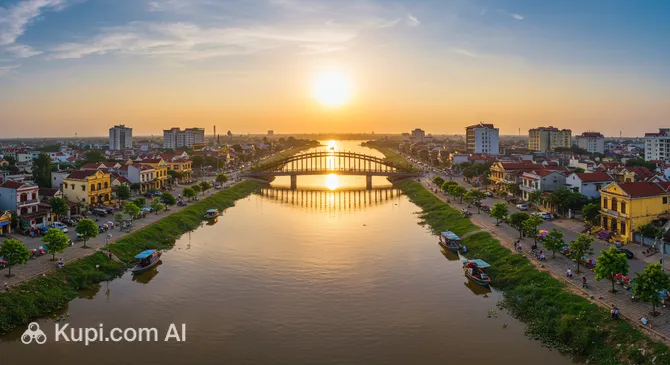
Vinh is a bustling and significant city located in the North Central Coast region of Vietnam. As the capital of Nghệ An Province, it serves as a vital economic and cultural hub, bridging the gap between the northern and southern parts of the country. With a population of approximately 490,000, Vinh offers a lively urban atmosphere that authentically reflects the energetic pace of modern Vietnamese life while maintaining deep roots in the region's traditions.

Vinh. Source: Kupi.Binoculars

The city is situated on the banks of the Lam River, providing a scenic backdrop to its busy streets. While it is often seen as a transit point, those who linger will discover a destination rich in heritage. To truly appreciate the local culture and the resilience of its people, travelers are encouraged to delve into the history of Vinh. The city has undergone significant reconstruction over the decades, transforming into a modern metropolis that still honors its past through various monuments and museums.

Visitors to Vinh have convenient access to several remarkable attractions. Just a short drive away lies the Kim Lien relic site, the childhood home of President Ho Chi Minh, which attracts many seeking to learn about the nation's leadership. For nature lovers and those looking to relax, the famous Cua Lo Beach offers sandy shores and fresh seafood nearby. Additionally, a hike up Quyet Mountain provides panoramic views of the city and the winding river below, making it a perfect spot for photography and reflection.

Whether you are passing through on a cross-country journey or stopping to explore the unique sites of Nghệ An, Vinh welcomes you with warm hospitality. It is an excellent base for discovering the authentic charm and hidden gems of central Vietnam.

Weather Overview

Understanding the weather in Vinh is essential for planning a comfortable trip, as the city experiences distinct seasonal variations. The climate generally shifts from cool, drier winters to hot summers, with temperatures and rainfall patterns changing noticeably throughout the year.

The warmest period occurs around June, with average temperatures reaching 31.6°C and highs climbing up to 35.4°C. In contrast, January is typically the coolest month, with averages hovering around 18.6°C. Travelers should be prepared for varying precipitation; while the beginning of the year sees fewer rainy days, September and October are characterized by frequent rainfall, often recording over 20 wet days per month.

Interesting Facts

Beyond the main attractions, Vinh holds many fascinating secrets that reveal its pivotal role in Vietnam's history. This city is not just a transit hub but a place of mythical capitals and resilient architecture.

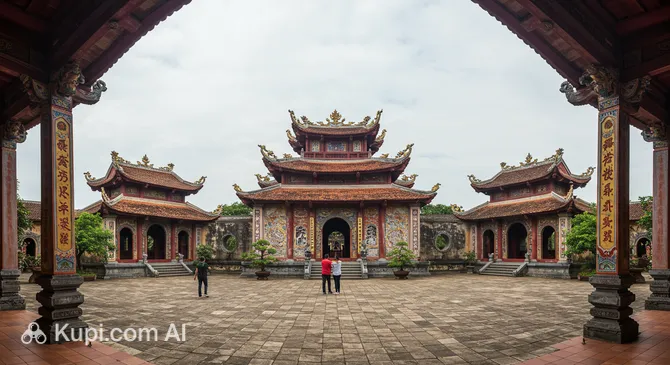
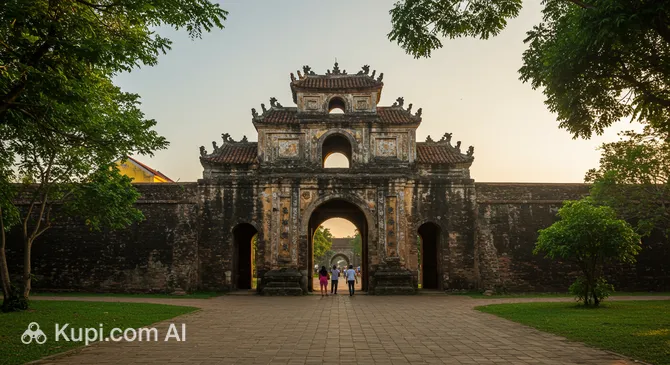
Vinh Ancient Citadel. Source: Kupi.Binoculars
  • Emperor Quang Trung once planned to make this area the national capital, known as "Phuong Hoang Trung Do" or the Phoenix Central Capital. Although his sudden death halted the full realization of this grand project, his vision and legacy are still deeply honored at the Quang Trung Temple situated on Mount Quyet.

  • The city possesses a unique architectural heritage due to its reconstruction by East Germany (GDR) in the 1970s following wartime destruction. This collaboration gave Vinh a distinct urban plan and "Soviet-style" apartment blocks that stand in contrast to the French colonial influences seen in many other Vietnamese cities.

  • The Vinh Ancient Citadel was originally constructed with a rare hexagonal design inspired by Vauban military architecture, differing from the square layouts typical of the era. While much of the structure has changed over time, the surviving gates remain as stoic witnesses to the region's turbulent history.

How to Get There

Reaching this central Vietnamese city is relatively straightforward thanks to its status as a key transportation hub. Whether you prefer flying or traveling overland, there are several convenient options to suit your itinerary. For a comprehensive guide on all available transport methods, you can read more about how to get to Vinh to plan your journey effectively.

The most direct way to arrive is by flying into Vinh Airport (VII), which serves as the primary gateway to the region. Located directly in the city of Vinh, it is approximately 6.5 km from the city center. A taxi ride from the terminal to downtown typically takes about 30 minutes. This facility handles a significant volume of passengers annually, connecting the province with major cities like Ho Chi Minh City and Hanoi. You can find more details about the terminal and its services on the Vinh Airport page.

If flights to Vinh are unavailable, you might consider arriving at Bai Thuong Airport (THD), located in the neighboring city of Thanh Hoa. This airport is situated about 137.3 km from Vinh. The journey by taxi or bus from here to Vinh is quite long, taking approximately 3 hours and 45 minutes. While less convenient than flying directly, it remains a viable alternative for travelers exploring the North Central Coast. For more information, visit the Bai Thuong Airport page.

Another option for those traveling through the region is Dong Hoi Airport (VDH) in the city of Dong Hoi, roughly 160.9 km away from Vinh. The transfer time from this airport is around 4 hours and 20 minutes by road. Although it is further away, it serves as an important entry point for tourists visiting nearby attractions before heading north. You can check the Dong Hoi Airport page for specifics.

For clarity, here is a summary of the main airports in the vicinity:

Airport Name City Passenger Traffic Km from City
Vinh Airport Vinh Large 6.5
Bai Thuong Airport Thanh Hoa Medium 137.3
Dong Hoi Airport Dong Hoi Medium 160.9
Sakon Nakhon Airport Sakon Nakhon Small 233.3
Nakhon Phanom Airport Nakhon Phanom Small 180.0

In addition to air travel, Vinh is well-connected by Vietnam's extensive railway and road networks. The city is a major stop on the historic North-South Railway (Reunification Express), making train travel a scenic and popular choice for visitors coming from Hanoi or Ho Chi Minh City. Numerous sleeper buses also operate daily routes to Vinh from various provinces, offering a budget-friendly alternative for getting to the city.

Main Attractions

One of the most revered sites in the city is the Quang Trung Temple, situated atop Dung Quyet Mountain. This spiritual complex is dedicated to Emperor Quang Trung, a national hero who defeated the Qing invaders in the 18th century. Tourists are drawn here not only to pay their respects and admire the traditional architecture but also to enjoy the breathtaking panoramic views. From the summit, you can gaze out over the city, the winding Lam River, and the lush surrounding countryside, making it a perfect spot for photography and peaceful reflection.

Quang Trung Temple. Source: Kupi.Binoculars

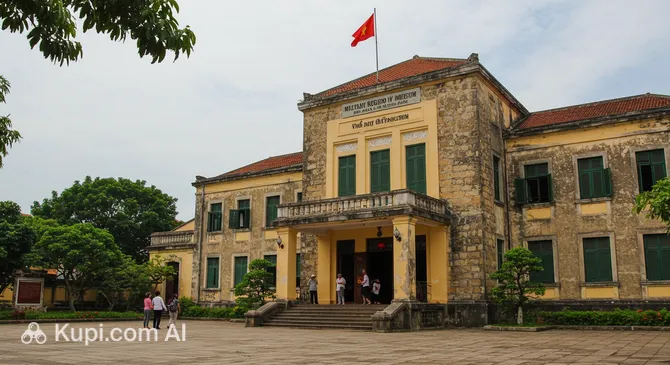
For those interested in the region's turbulent yet proud history, the Military Region IV Museum is a compelling destination. This museum serves as a repository of artifacts and stories related to the armed forces of Military Region 4 during Vietnam's wars of resistance. Visitors can explore extensive indoor exhibits featuring photographs and memorabilia, as well as an impressive outdoor collection of tanks, aircraft, and artillery. It provides a deep insight into the resilience and sacrifices of the local people throughout history.

Military Region IV Museum. Source: Kupi.Binoculars

Another significant historical landmark is the Vinh Ancient Citadel. Although much of the original structure has been lost to time and conflict, the remaining ancient gates stand as resilient symbols of the city's past. Originally constructed in a unique hexagonal shape using earth and later stone, the citadel is interesting to tourists for its architectural rarity in Vietnam. Walking around these historic walls offers a tangible connection to the Nguyen Dynasty era amidst the modern development of the city.

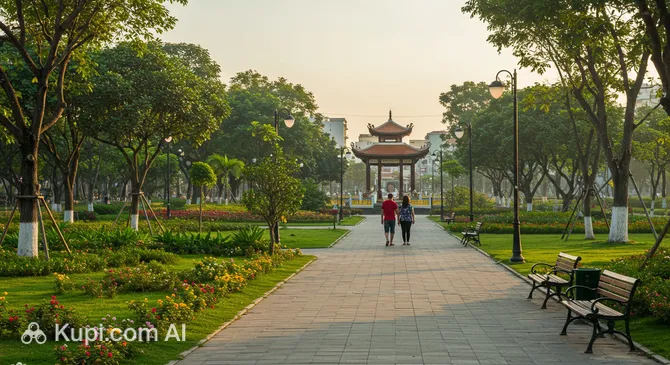
If you are looking for a place to relax and observe local life, Central Park is the heart of the city's public activity. This green space is a popular gathering spot for residents, offering a pleasant atmosphere for walking, exercising, or simply sitting by the water. It often features a statue of President Ho Chi Minh, reflecting the city's pride in its most famous son. For tourists, it provides a gentle break from sightseeing and a chance to immerse themselves in the daily rhythm of Vinh.

Central Park. Source: Kupi.Binoculars

Local Cuisine

The culinary landscape of Vinh offers a distinct flavor profile that sets it apart from other regions in Vietnam, deeply rooted in the traditions of Nghệ An Province. The food here is known for its robust taste, often characterized by a spicy kick and the aromatic use of turmeric and lemongrass. For foodies, exploring the local gastronomy is an adventure into the heart of Central Vietnamese culture.

Undoubtedly, the most iconic ingredient in Vinh is eel (lươn). You cannot visit the city without trying Sup Luon (eel soup) or Chao Luon (eel porridge). Unlike the dried eel often found in the north, the eel here is typically fresh, stir-fried with turmeric, chili, and pepper to eliminate the fishy smell and create a rich, golden broth. It is traditionally eaten for breakfast with bread or fresh herbs. Another must-try is Banh Muot, a type of steamed rice roll similar to northern banh cuon, but smoother and often served simply with a bowl of savory dipping sauce or paired with grilled pork and eel soup.

When it comes to beverages, the locals have a strong affinity for Nuoc Che Xanh (fresh green tea). Unlike the dried tea leaves used elsewhere, people in Vinh stew fresh tea leaves to create a vibrant, slightly bitter, and incredibly refreshing drink. It is often served in large bowls or glasses and is a staple of social gatherings. In the evenings, you can also find plenty of spots serving fresh sugarcane juice or local draft beer, perfect for cooling down after a day of sightseeing.

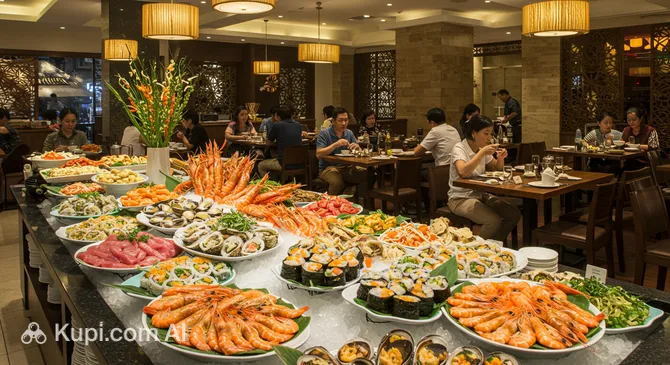
The dining culture in Vinh ranges from bustling street side stalls to modern establishments. Locals love to gather at open-air eateries to enjoy their morning eel dishes or evening snacks. For travelers looking for a diverse dining experience or a break from traditional flavors, the city also offers excellent international and seafood options. You might visit Hai Vi Buffet - Seafood & Sushi to indulge in a wide variety of fresh marine delicacies, which are popular in this coastal province.

Hai Vi Buffet - Seafood & Sushi. Source: Kupi.Binoculars

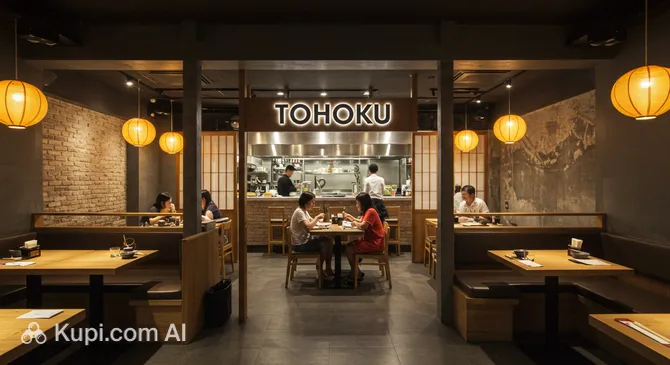
Additionally, the city's food scene is expanding to include global cuisines. If you are in the mood for precise flavors and elegant presentation, TOHOKU Japanese Restaurant is a notable spot frequented by both locals and visitors. Whether you are sitting on a low plastic stool enjoying spicy eel soup or dining in a comfortable restaurant, the food in Vinh is sure to leave a lasting impression.

Travel Tips

Visiting Vinh offers a genuine glimpse into the daily life of North Central Vietnam, but navigating this bustling provincial capital requires a bit of local know-how to ensure a smooth trip. These practical tips will help you prepare for the city's unique climate and rhythm, allowing you to focus on exploring its rich history and culture.

  1. Clothing and Gear: The climate in Vinh varies significantly. If visiting in summer (May to August), pack lightweight, breathable fabrics to handle the heat and the dry "Lao wind." However, winters (November to March) can be surprisingly chilly, so a warm jacket or sweater is essential. Always bring modest clothing covering shoulders and knees for visiting spiritual sites like the Quang Trung Temple.
  2. Transportation: The most convenient way to get around is by using ride-hailing apps like Grab, which offer both car and motorbike options with transparent pricing. Traditional taxis are also available; stick to reputable companies like Mai Linh to ensure fair metering. While motorbike rental is possible, it is only recommended for experienced drivers due to the busy and often chaotic traffic.
  3. Finances: The official currency is the Vietnamese Dong (VND). While hotels and modern restaurants accept cards, cash is king in Vinh, especially for trying local specialties like eel soup at street stalls. ATMs are widely available throughout the city, but it is wise to carry smaller denominations for small purchases and tips.
  4. Health and Safety: Pharmacies, marked as Nhà Thuốc, are easy to find and often stocked with Western medicine, though 24/7 options may be limited to near major hospitals. Tap water is not safe to drink; always rely on bottled or filtered water. When crossing streets, walk at a steady pace and make eye contact with drivers; do not make sudden stops.
  5. Communication: English is not widely spoken outside of high-end hotels and tourist spots. It is highly recommended to download a translation app (like Google Translate) and offline maps before you arrive. Purchasing a local SIM card (Viettel or Vinaphone) is affordable and provides excellent data coverage for navigation and communication.
  6. Local Etiquette: Politeness is highly valued. Always remove your shoes before entering a private home or the interior of a pagoda. When handing money or an object to someone, especially an elder, use both hands as a sign of respect. A friendly smile and a nod go a long way in overcoming language barriers.
  7. What to Avoid: Avoid public displays of anger or frustration, such as shouting or arguing loudly. In Vietnamese culture, "saving face" is important, and keeping your cool will yield better results in any dispute. Also, refrain from wearing revealing clothing when visiting historical or religious monuments.
  8. Local Insight: Be aware of the "noon break" culture. Many shops, public offices, and even some tourist sites close for lunch and rest, typically between 11:30 AM and 1:30 PM. Plan your day accordingly to avoid finding closed doors during these hours, and perhaps take a rest yourself to escape the midday sun.

By keeping these tips in mind, you will be well-equipped to navigate the streets of Vinh with confidence and respect. Embracing the local customs and being prepared for the elements will undoubtedly make your stay in this resilient city a memorable and authentic experience.

Entertainment & Nightlife

While Vinh is often recognized for its historical significance, the city transforms as the sun sets, offering a vibrant and authentic nightlife scene that reflects the energetic spirit of its residents. The entertainment here is less about all-night raves and more about lively social gatherings, bustling street scenes, and a thriving café culture that extends late into the evening.

The epicenter of nightlife in Vinh is undoubtedly Nguyen Van Cu Street. This major thoroughfare is lined with fashion boutiques, modern cafés, and bustling beer clubs. It is the perfect place to witness the local lifestyle, where groups of friends gather to chat, shop, and enjoy the cool evening breeze. On weekends, the atmosphere becomes even more electric as the street fills with locals enjoying their time off. Another key area is the precinct around Quang Trung Street, known for its illuminated buildings and proximity to major hotels.

Dining is an integral part of the evening entertainment in Vinh. Before heading out for drinks, many visitors enjoy a substantial meal at one of the city's popular venues. For those seeking a refined atmosphere with high-quality cuisine, TOHOKU Japanese Restaurant is a fantastic choice. It offers a cozy yet modern setting perfect for a relaxed dinner before exploring the town.

TOHOKU Japanese Restaurant. Source: Kupi.Binoculars

For a more boisterous and communal dining experience, Hai Vi Buffet - Seafood & Sushi draws large crowds. It is an ideal spot to immerse yourself in the local love for fresh seafood and lively conversation. Following dinner, the "beer club" culture is a must-try experience. These venues, often found near the city center, feature loud music, DJs, and towers of draft beer, providing a fun and energetic environment to mix with the friendly locals.

If you prefer a more laid-back evening, a walk through Central Park is highly recommended. At night, the park comes alive with colorful lights and activity. It serves as a communal living room where families play, elders exercise, and couples stroll by the water. It offers a safe and charming glimpse into the everyday joy of the city's inhabitants.

Beyond nightlife, Vinh offers engaging daytime entertainment options. The Vinh Recreation Center (VRC) is a modern complex featuring a cinema, bowling alley, and swimming pool, making it a great escape for families or those looking to beat the midday heat. Cultural enthusiasts can revisit the city's museums or explore the local markets which remain bustling throughout the day.

Practical Tips for a Night Out:

  • Timing: The nightlife in Vinh peaks between 8:00 PM and 10:30 PM. Most venues, aside from late-night bars, begin to wind down around midnight.
  • Dress Code: The vibe is generally casual ("smart casual" is perfect for beer clubs and nicer restaurants), so there is no need for overly formal attire.
  • Safety & Transport: Vinh is very safe for night walks, particularly in well-lit areas like Nguyen Van Cu and the central square. To get around, use Grab or reputable taxi firms like Mai Linh. A short taxi ride within the city center typically costs between 30,000 to 50,000 VND.

Parks & Museums

While Vinh is often characterized by its industrious energy and bustling streets, the city also maintains dedicated spaces for relaxation and cultural preservation. For travelers looking to escape the urban pace or delve deeper into the region's heritage, the city offers a selection of green parks and insightful museums that highlight the local identity and history.

Among the city's green spaces, Central Park stands out as the primary "green lung" for residents. Located in the heart of the city, this park is more than just a collection of trees and pathways; it is a vibrant social hub where the daily rhythm of Vinh is most visible. In the early mornings and late afternoons, the park fills with locals practicing tai chi, jogging, or enjoying aerobics by the lake. It provides a peaceful respite from the traffic and is an excellent spot for a leisurely walk to observe the authentic lifestyle of the local community.

For those willing to venture just a short distance from the city center, the banks of the Lam River offer a more natural setting. The river's surroundings provide scenic views and a cooler breeze, making it a favorite spot for evening strolls and photography. Additionally, while not a park within the city limits, the nearby Cua Lo Beach serves as a massive natural playground for Vinh's residents. Located about 16 kilometers away, its long stretch of sand and Casuarina forests offers a refreshing escape into nature, perfect for those seeking sea air and open horizons.

Vinh is also a city deeply proud of its revolutionary past, which is well-documented in its museums. The Military Region IV Museum is a key institution for understanding the area's strategic importance. It offers a comprehensive look at the military history of North Central Vietnam through detailed exhibits and artifacts. Visitors can explore displays of weaponry, letters, and personal items from soldiers, as well as an impressive outdoor collection of tanks, aircraft, and anti-aircraft guns that played crucial roles in past conflicts.

Another significant cultural venue is the Xo Viet Nghe Tinh Museum. This museum is dedicated to the 1930-1931 revolutionary movement, a pivotal chapter in Vietnam's struggle for independence that originated in this province. It houses thousands of documents, photos, and objects that narrate the resilient spirit of the Nghe An people. A visit here provides essential context to the names of streets and monuments seen throughout the city.

History enthusiasts will also appreciate the Vinh Ancient Citadel. While it functions as an open-air historical site rather than a traditional indoor museum, it is a vital part of the city's cultural landscape. The surviving gates of this hexagonal fortress offer a glimpse into the Nguyen Dynasty's architecture and the city's former defensive layout. Nearby, the Quang Trung Temple on Dung Quyet Mountain combines history with nature. Surrounded by pine forests, this site not only honors Emperor Quang Trung but also serves as a serene sanctuary with panoramic views, effectively acting as both a cultural monument and a scenic park.

For a truly local experience, try visiting the area around the Goong Lake in the late afternoon. Less frequented by tourists than the main square, this area offers a charming atmosphere where you can sit at a lakeside cafe, sip on fresh sugarcane juice, and watch the sunset reflect over the water, just as the locals do.

Getting Around

Public transport in Vinh is relatively simple compared to larger metropolises, relying primarily on a network of public buses rather than complex metro or tram systems. For tourists, the bus system is the most authentic and economical way to navigate the city and reach surrounding areas. These buses are easily recognizable, typically painted in combinations of yellow, red, and white, and they connect the city center with key destinations such as the railway station, the airport, and popular nearby attractions like Cua Lo Beach and the Kim Lien relic site.

The payment system for public buses is straightforward and old-fashioned, operating almost exclusively on cash. There are no electronic travel cards or mobile ticketing apps for the bus network. When you board, a conductor will approach you to collect the fare. Ticket prices are very affordable, generally ranging from 10,000 to 30,000 VND depending on the distance of your journey. It is essential to carry small denominations of the local currency, as conductors may not always have change for large bills.

For visitors seeking more comfort or flexibility, taxis and ride-hailing services serve as the primary alternatives to public buses. Traditional taxi companies, such as Mai Linh, operate widely and can be hailed on the street or booked via telephone. However, the most convenient option for tourists is often the Grab app, which allows you to book both cars and motorbikes (GrabBike) with a fixed price known in advance. This eliminates the language barrier and the need to negotiate fares, making it a stress-free way to get around.

Motorbike taxis, locally known as Xe Om, are also a ubiquitous feature of the city's transport landscape. You will often find drivers waiting at street corners, markets, and bus stops. If you choose a traditional Xe Om instead of booking through an app, be sure to agree on the price before starting the trip to avoid misunderstandings. For the adventurous traveler, renting a motorbike is another popular option, giving you the freedom to explore at your own pace, though traffic can be chaotic for those unused to the local driving style.

When planning your travel, keep in mind that the public bus system does not operate late into the night. Buses typically run from approximately 5:00 AM to 6:30 PM. If you plan to stay out late enjoying the nightlife or dining, you will need to rely on taxis or ride-hailing services to return to your accommodation. Additionally, bus stops are marked, but schedules can sometimes be flexible, so it is wise to ask locals or hotel staff for the most current route information before heading out.

Accommodation

As a major transit hub and provincial capital, Vinh offers a wide range of accommodation options suited to various budgets and travel styles. While it may not have the extensive resort infrastructure of Vietnam's major tourist hotspots, the city is well-equipped to host business travelers, stopover tourists, and those exploring the North Central Coast. Visitors can generally expect good value for money, with prices often being lower than in Hanoi or Ho Chi Minh City.

The most convenient area to stay is in the city center, particularly along the main arteries of Quang Trung Street and Le Loi Street. Choosing a hotel in this vicinity places you within walking distance of the vibrant Vinh Market, numerous restaurants, and the city's central parks. Staying here ensures easy access to taxis and public transport, making it a strategic base for exploring local attractions or catching an early train or flight.

For those seeking comfort and modern amenities, Vinh boasts several high-rise hotels that dominate the skyline. These establishments typically cater to business conferences and upscale travelers, offering facilities such as swimming pools, spas, and in-house dining. They are known for providing professional service and reliable standards, often featuring panoramic views of the city and the distant mountains.

Budget travelers and backpackers will find an abundance of options in the form of Nha Nghi (guesthouses) and mini-hotels. These are ubiquitous throughout the city and offer simple, clean, and affordable private rooms. While they may lack luxury frills, they usually provide essential amenities like air conditioning, hot water, and Wi-Fi. It is a common and authentic way to stay in Vietnam, often run by friendly local families.

An alternative option for visitors is to base themselves at the nearby Cua Lo Beach, located just a short drive from Vinh. Many tourists prefer to stay at the seaside resorts there to enjoy the ocean breeze and fresh seafood, while taking day trips into Vinh for sightseeing and shopping. This is particularly popular during the summer months when the coastal atmosphere is most appealing.

When checking in, remember that Vietnamese law requires hotels to register guests with the local police, so you will need to present your passport upon arrival. While larger hotels accept credit cards, smaller guesthouses often prefer cash payment. It is also advisable to book in advance if you are traveling during major national holidays, such as Tet (Lunar New Year) or Reunification Day, when accommodation can fill up quickly with domestic tourists.

Nearby Cities

For those looking to explore the surroundings, Vinh serves as an excellent base for day trips to several interesting nearby locations:

Located just a short drive to the south, Ha Tinh is a peaceful provincial capital that offers a quieter alternative to the bustling streets of Vinh. It is often visited by those heading to the scenic Hong Linh Mountain or the pristine shores of Thien Cam Beach. The city provides a glimpse into the more rural and traditional lifestyle of the North Central Coast, making it a relaxing destination for a day out.

To the north lies Thanh Hoa, a major city that serves as a gateway to some of Vietnam's significant historical and natural sites. Travelers often stop here to visit the famous Sam Son Beach or to explore the Citadel of the Ho Dynasty, a UNESCO World Heritage site located in the province. Its rich cultural heritage and vibrant urban atmosphere make it a compelling stop for history buffs and beachgoers alike.

Another notable nearby location is Nghi Son, situated along the coast between Vinh and Thanh Hoa. While known for its industrial development, it also boasts hidden gems like Bai Dong Beach, which is popular for its clear waters and tranquil setting, offering a refreshing escape from the city.

City Population Distance (km)
Thanh Hoa 393,294 125
Nam Dinh 352,108 201
Nghi Son 307,304 73
Thai Binh 268,167 207
Ha Tinh 202,062 44

These nearby destinations offer a glimpse into the diverse culture and landscapes of the region.

Shopping & Souvenirs

Shopping in Vinh offers a genuine slice of North Central Vietnamese life, characterized by a mix of bustling traditional markets and an emerging modern retail scene. As the commercial hub of Nghệ An Province, the city provides travelers with ample opportunities to purchase daily necessities, fashion, and unique regional specialties. Unlike the tourist-centric souvenir shops found in Hanoi or Hoi An, the shopping experience here is authentic and local, allowing visitors to mingle with residents and discover goods at reasonable prices.

For those interested in fashion and a lively street atmosphere, Nguyen Van Cu Street is the place to be. This major thoroughfare is known as the city's primary fashion district, lined with numerous clothing boutiques, shoe stores, and cosmetics shops catering to a young and trendy crowd. Walking along this street in the evening is a popular activity, as the storefronts light up and the sidewalks bustle with shoppers. Another notable area is the Vinh City Pedestrian Street (often active on weekends), where you can find pop-up stalls selling clothes, accessories, and street food in a festive environment.

While Vinh is not known for massive mega-malls, it does have modern shopping centers that provide a comfortable, air-conditioned experience. The Vinh Recreation Center (VRC) is a popular destination that combines shopping with entertainment, housing a variety of stores alongside a cinema and bowling alley. For a more comprehensive retail experience, GO! Vinh is a large supermarket and mall complex where tourists can find everything from international brands to local groceries and household items at fixed prices.

The heart of the city's commerce is undoubtedly Vinh Market (Chợ Vinh). As one of the largest and oldest markets in the region, it is a multi-story hive of activity where wholesale and retail traders sell a staggering array of goods. Visitors can explore floors filled with fabrics, clothing, and electronics, or wander through the wet market section to see fresh local produce. It is a fantastic place to observe the local trading culture, though be prepared for a crowded and energetic atmosphere.

When searching for souvenirs to bring home, food items are the true stars of Vinh. The most famous local specialty is Cu Do Candy (Kẹo Cu Đơ), a unique treat made from peanuts, ginger, and molasses sandwiched between two crispy rice crackers. It pairs perfectly with green tea and is widely available throughout the city. Other excellent edible gifts include Xa Doai Oranges, known for their juicy sweetness, and Nam Dan Soy Sauce (Tương Nam Đàn), a high-quality traditional dipping sauce produced in the nearby countryside.

Most shops and markets in Vinh operate from around 8:00 AM to 9:00 PM, though the main market is busiest in the early morning. Modern malls and supermarkets typically stay open until 10:00 PM. Cash is the preferred payment method, especially in markets, street stalls, and smaller boutiques. While major shopping centers and larger establishments accept credit cards, it is highly recommended to carry sufficient Vietnamese Dong (VND) for most of your daily purchases.

Regarding tax refunds, Vinh is not a primary destination for tax-free shopping for international tourists compared to major hubs like Ho Chi Minh City or Hanoi. Visitors should not expect VAT refund counters in local stores. The focus here is on local prices and bargaining in markets rather than tax-free luxury shopping.
Reached the end of the page?

That means the route is fully explored