Ha Long is a bustling coastal city that serves as the primary gateway to one of the world's most breathtaking natural wonders. Located in the Quang Ninh Province of northern Vietnam, this vibrant urban center offers a fascinating mix of stunning scenery, modern development, and local culture. While often viewed principally as a starting point for cruises, the city itself has evolved into a dynamic destination with its own unique atmosphere and charm.
Ha Long. Illustration.
Source: Kupi.com AI
Geographically, the city is divided into two main areas—Bai Chay and Hon Gai—connected by the impressive Bai Chay Bridge. With a population of approximately 173,000 residents, it acts as a significant economic and tourist hub in the region. The climate is typical of the northern coast, characterized by hot, humid summers and cool, dry winters, making it a versatile destination for travelers seeking both relaxation and adventure.
Beyond its modern skyline, the area holds deep cultural significance. Exploring the history of Ha Long reveals a past intertwined with legends of descending dragons and ancient maritime traditions. Today, visitors can experience this heritage alongside contemporary attractions like the Sun World Ha Long Complex, a massive entertainment park, and the bustling local markets where fresh seafood is always in abundance.
Of course, the city's crowning jewel is its proximity to the UNESCO World Heritage Site, Ha Long Bay. The sight of thousands of limestone karsts rising from emerald waters creates a truly magical landscape that captivates every visitor. Whether you are embarking on a cruise, exploring the city's museums, or simply enjoying a sunset by the bay, Ha Long promises an unforgettable travel experience.
Weather Overview
The climate in Ha Long features distinct seasonal variations, transitioning from cool, dry winters to hot, humid summers. Understanding these patterns is key to planning the perfect trip, whether you are looking to cruise the bay or explore the city streets. For a comprehensive look at forecasts and seasonal advice, you can check the detailed report on the weather in Ha Long.
During the peak summer months of June, July, and August, the city experiences its warmest temperatures, with averages hovering around 29°C and highs reaching up to 31.5°C. This period is also characterized by a higher frequency of rainfall, with August seeing up to 28 wet days. Travelers visiting during this season should expect warm, tropical conditions and occasional showers.
Conversely, the winter months from December to February offer a respite from the heat, with average temperatures dropping to approximately 16.9°C in January. This season is significantly drier; December, for instance, typically records only about 5 wet days. These cooler and drier conditions are often preferred by visitors who wish to enjoy outdoor activities without the intensity of the summer sun.
Average monthly temperature
Average monthly precipitation
Interesting Facts
Beyond the famous limestone karsts and emerald waters, Ha Long holds fascinating stories and modern marvels that often escape the casual observer. Here are some intriguing facts about this coastal city that reveal its deeper character and history.
Poem Mountain. Illustration.
Source: Kupi.com AI
Traveler photos:
The city's name literally translates to "Descending Dragon." According to local legend, the thousands of islands in the bay were created by a family of dragons sent by the Jade Emperor to protect the land; they spat out jewels and jade that turned into the rocky islets to form a barrier against invaders.
The region is often referred to as the "land of black gold" due to its rich coal mining heritage. This industrial history is artistically reflected in the architecture of the Quang Ninh Museum, which is designed to resemble a giant, mysterious block of coal with its unique black glass exterior.
Hidden in the city center is Poem Mountain (Bai Tho Mountain), which gets its name from a specific historical event. In 1468, King Le Thanh Tong was so inspired by the beauty of the area that he carved a poem into the cliff face, and the engraving remains visible to hikers today.
The city skyline is dominated by the massive Sun Wheel atop Ba Deo Mountain. It is one of the highest Ferris wheels in the world, situated 215 meters above sea level, offering a unique perspective of the bay that most boat tours cannot provide.
How to Get There
Planning a journey to this UNESCO World Heritage site is the first step towards an unforgettable adventure. While the city is a major tourist destination, reaching it often involves traveling through nearby transport hubs. You can find all ways to reach the city in our detailed guide, but here is an overview of the most common arrival points used by travelers.
The city of Ha Long does not have its own airport within the immediate city center, but it is well-served by several options in the region. Most international travelers choose to fly into Noi Bai International Airport (HAN) in the capital city of Hanoi. Located approximately 131.5 km from Ha Long, this is a major hub with high passenger traffic. From here, the journey by taxi or bus takes about 3 hours and 40 minutes.
For a closer alternative, you can fly into Cat Bi International Airport (HPH) in the city of Haiphong, which is situated just 37.3 km away. This regional hub is convenient for domestic and some international connections, with a transfer time of approximately 1 hour and 15 minutes. Additionally, the Van Don airport (VDO) in Van Don offers another gateway, located about 41.5 km from the city, taking roughly 1 hour and 20 minutes to reach by road.
For clarity, here is a summary of the main airports:
Regarding rail travel, the city of Ha Long does not have a major railway station listed in the immediate vicinity for this context. However, you can arrive at the Beihai Railway Station in the city of Beihai, which is about 222.4 km from Ha Long. From there, you can get a taxi or bus, which takes about 6 hours. Travelers should verify visa requirements and border crossing procedures if choosing a route that involves international transit.
Below is the information for the nearest railway station listed:
While the emerald waters of the bay are the main draw, the city itself boasts a variety of captivating sites ranging from modern entertainment complexes to historical landmarks. Visitors can immerse themselves in local culture, explore impressive limestone grottoes, or enjoy world-class amusement parks right on the coast.
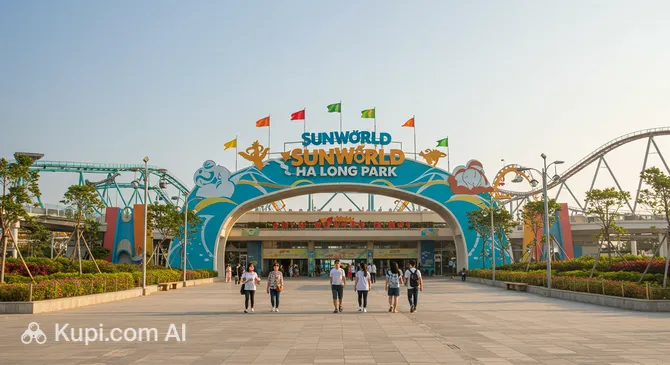
For those seeking excitement and panoramic views, Sun World Ha Long Park is a must-visit destination. This massive entertainment complex spans both the beach and the Ba Deo scenic hill, connected by the unique Queen Cable Car system. Tourists flock here to enjoy thrilling rides at the Dragon Park, cool off at the Typhoon Water Park, and experience the Mystic Mountain Fun Park. It is an ideal spot for families and thrill-seekers looking for a day of fun and adventure.
Sun World Ha Long Park. Illustration.
Source: Kupi.com AI
Traveler photos:
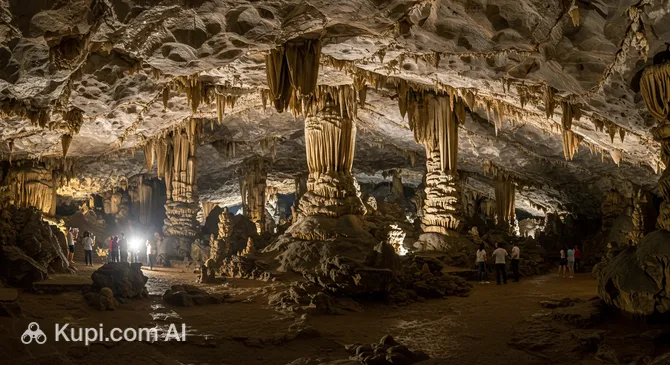
Nature lovers should not miss the opportunity to explore Dau Go Cave, located on Driftwood Island. Known as the "Cave of Wooden Stakes," it is one of the most spectacular grottoes in the region, featuring three main chambers filled with ancient stalactites and stalagmites. The cave's immense size and the way natural light plays upon the rock formations create a mysterious and awe-inspiring atmosphere that captures the imagination of all who enter.
Dau Go Cave. Illustration.
Source: Kupi.com AI
Traveler photos:
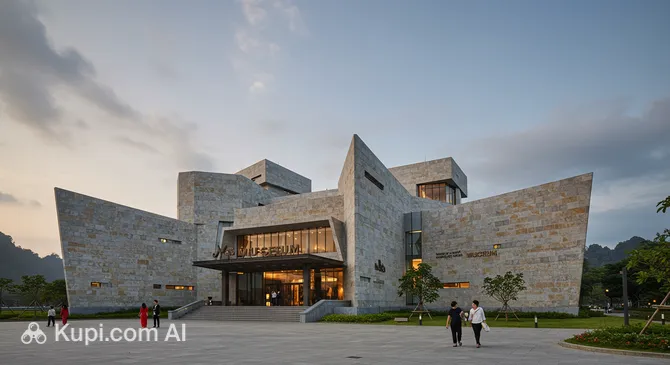
To gain a deeper understanding of the region's heritage, a visit to the Quang Ninh Museum is highly recommended. The building itself is an architectural masterpiece, designed with a striking black glass facade that reflects the sky and sea, inspired by the province's coal mining industry. Inside, exhibits cover everything from biodiversity and history to the local culture, including a massive whale skeleton that is a favorite among visitors.
Quang Ninh Museum. Illustration.
Source: Kupi.com AI
Traveler photos:
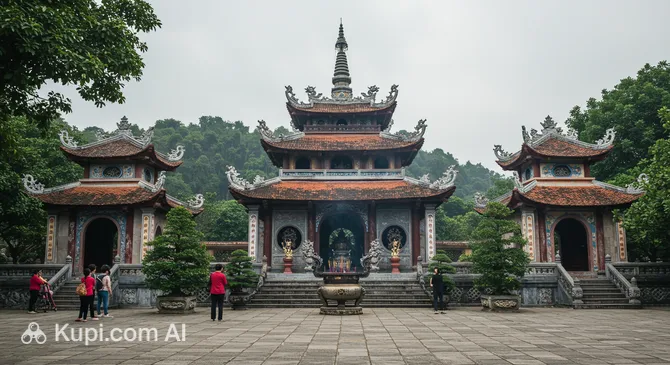
For a touch of spiritual tranquility, the Long Tien Pagoda offers a peaceful retreat at the foot of Poem Mountain. As the largest pagoda in the city, it stands out with its traditional Vietnamese architectural style, featuring intricate dragon carvings and curved roofs. It is a significant religious site for locals, especially during the lunar new year, and offers tourists a glimpse into the spiritual life and architectural beauty of the area.
Long Tien Pagoda. Illustration.
Source: Kupi.com AI
Traveler photos:
Local Cuisine
The culinary scene in Ha Long is a paradise for seafood lovers, naturally drawing its primary inspiration from the abundant waters of the bay. The local food culture is defined by the incredible freshness of its ingredients and unique preparation methods that highlight the natural sweetness of marine delicacies. Dining here is not just about sustenance; it is an exploration of the region's rich coastal heritage.
The most iconic specialty that every visitor must try is Cha Muc, or squid cakes. Unlike similar dishes found elsewhere, the Ha Long version is traditionally hand-pounded to achieve a distinctive chewy and crunchy texture. These golden-fried patties are delicious on their own but are most famously served with Banh Cuon (steamed rice rolls) and a side of dipping sauce for a hearty breakfast. Another unique delicacy is Sam (horseshoe crab), which requires expert preparation and is often enjoyed grilled or stir-fried with sweet and sour sauce.
For beverages, the city is the birthplace of the famous Ha Long Pearl Yogurt (Sua Chua Tran Chau). This delightful dessert-drink combines creamy yogurt with warm coconut milk and chewy tapioca pearls, offering a refreshing treat that has gained popularity across Vietnam. Locals also enjoy sipping on iced green tea or cold draft beer, which pairs perfectly with a salty seafood feast on a hot evening.
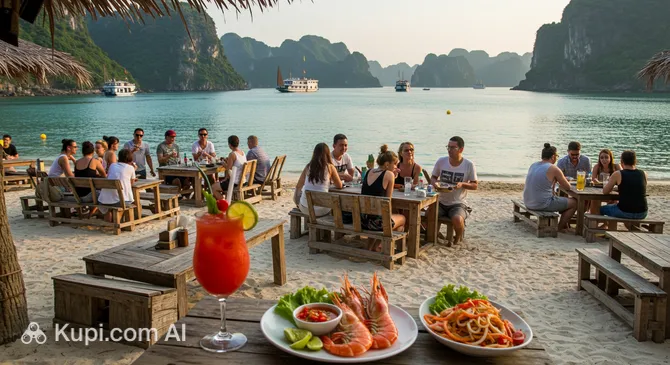
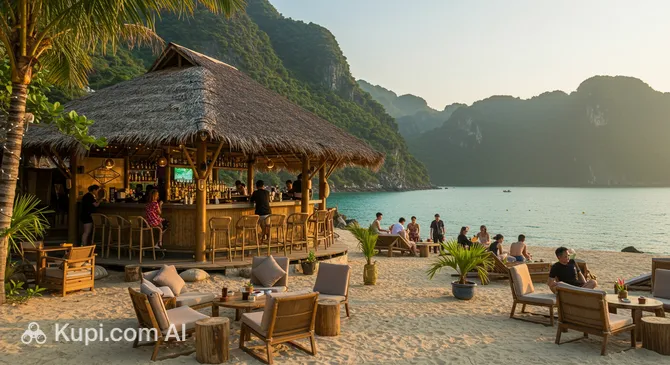
The dining atmosphere in the city ranges from bustling street food stalls and night markets to modern seaside establishments. Visitors can wander through the local markets to try fresh oysters and mantis shrimp noodles, or opt for a more relaxed setting with a view. For a vibrant experience by the water, the Chill Beach Bar offers a lively environment where tourists can enjoy refreshing drinks and tasty bites while soaking in the coastal scenery.
Chill Beach Bar. Illustration.
Source: Kupi.com AI
Traveler photos:
Travel Tips
Welcome to Ha Long! To ensure your journey through this majestic coastal city and its emerald waters is as smooth as it is memorable, we have compiled a list of essential travel advice to help you navigate the local customs and logistics.
Clothing and Gear: Light, breathable fabrics are essential for the hot and humid summer months, while a warm jacket or sweater is necessary for the cooler winters (December to February) and breezy evenings on the bay. Comfortable walking shoes with good grip are a must for exploring damp caves or hiking up viewpoints. If you plan to visit spiritual sites like Long Tien Pagoda, remember to dress modestly by covering your shoulders and knees.
Transportation: The most convenient way to navigate the city is by taxi or using ride-hailing apps like Grab, which offer transparent pricing and overcome language barriers. Electric sightseeing cars are also a popular and eco-friendly way to travel along the coastal roads. While motorbike rentals are available, they are recommended only for experienced riders due to the sometimes chaotic local traffic.
Finances: The official currency is the Vietnamese Dong (VND). While credit cards are widely accepted in luxury hotels, cruise ships, and large restaurants, cash is absolute king at local markets, street food stalls, and smaller shops. ATMs are plentiful in the city center. Tipping is not mandatory in Vietnam, but leaving a small amount for guides and drivers is a kind gesture that is greatly appreciated.
Health and Safety: Pharmacies (look for signs reading "Nha Thuoc") are common in urban areas and stock most basic medications. It is strictly advised to drink bottled water instead of tap water to avoid stomach issues. Since you will spend time near the water, pack strong sunscreen and insect repellent to protect against the sun and mosquitoes, especially at dusk.
Communication: Vietnamese is the primary language. While English is spoken fluently by cruise staff and in major tourist hubs, it is less common in local markets. Buying a local SIM card (providers like Viettel or Vinaphone have good coverage) upon arrival is highly recommended. Downloading a translation app like Google Translate can be a lifesaver for reading menus or communicating with taxi drivers.
Local Etiquette: The concept of "saving face" is crucial in Vietnamese culture; avoid raising your voice or showing anger in public, as it causes embarrassment for everyone involved. When greeting people, a smile and a nod are polite. Always use both hands when giving or receiving money, cards, or gifts as a sign of respect.
What to Avoid: Do not buy souvenirs made from coral, sea turtles, or other marine life; purchasing these items encourages environmental destruction and may be illegal. Also, avoid wearing shoes inside homes and pagodas—always look for a rack of shoes at the entrance as a cue to take yours off.
Local Insight: If you want to buy pearls, a famous local product, be cautious and purchase only from reputable farms or established showrooms rather than street vendors to ensure authenticity. For a truly local experience, wake up early to walk along the coast; you will see the city come alive with locals practicing Tai Chi and exercising as the sun rises over the limestone karsts.
With these practical tips in hand, you are well-prepared to explore the wonders of Ha Long with confidence. Embrace the local rhythm, respect the culture, and enjoy a safe and unforgettable adventure in this stunning part of Vietnam.
Entertainment & Nightlife
As the sun dips below the limestone karsts, Ha Long shifts gears from a transit hub to a vibrant playground. The nightlife scene is predominantly concentrated in the Bai Chay district, which serves as the tourist epicenter. Here, the streets come alive with neon lights, bustling crowds, and music spilling out from open-air venues. In contrast, the Hon Gai side offers a more subdued, local experience, perfect for those seeking a quiet dinner or a peaceful stroll along the coast.
For those looking to immerse themselves in the party atmosphere, the coastline is dotted with beach bars and clubs that operate late into the night. A standout venue is the Valley Beach Club, known for its energetic vibe, live DJ sets, and prime location right on the sand. It is the perfect spot to enjoy a cocktail while feeling the sea breeze, attracting a mix of international tourists and local youth looking to dance the night away.
Valley Beach Club. Illustration.
Source: Kupi.com AI
Traveler photos:
Beyond the bars, the city offers excellent opportunities for evening sightseeing and leisure. The Ha Long Night Market in Bai Chay is a must-visit for souvenir hunters and foodies, offering everything from handicrafts to fresh seafood snacks. For a panoramic perspective of the city at night, the massive Sun Wheel illuminates the skyline. Riding this giant Ferris wheel in the evening provides a breathtaking, glittering view of the bay and the urban landscape below.
Sun Wheel. Illustration.
Source: Kupi.com AI
Traveler photos:
Navigating the nightlife is relatively safe and convenient. The main tourist areas in Bai Chay are pedestrian-friendly, but if you wish to cross the bridge or return to your hotel late, Grab cars and traditional taxis are plentiful and affordable. The dress code is generally casual, even in clubs, though comfortable shoes are recommended for walking through the markets. Most nightlife venues stay open until around midnight or 1:00 AM, so it is best to start your evening early to make the most of the experience.
Before the night begins, the city offers plenty of daytime diversions. Visitors can soak up the sun at Ha Long Beach, a man-made stretch of white sand perfect for swimming and relaxation. For a more local beach experience, Hon Gai Beach offers a glimpse into the daily lives of residents. Additionally, modern shopping centers like Ha Long Plaza provide a cool escape during the hot afternoons.
Parks & Museums
While the limestone pillars of the bay are the region's most famous natural masterpiece, the city itself offers a surprising array of green spaces and cultural institutions. Visitors taking a break from the water will find well-maintained parks, sandy promenades, and educational venues that provide a deeper look into the province's history and biodiversity. These spots offer a perfect change of pace, allowing travelers to connect with the local lifestyle and heritage on land.
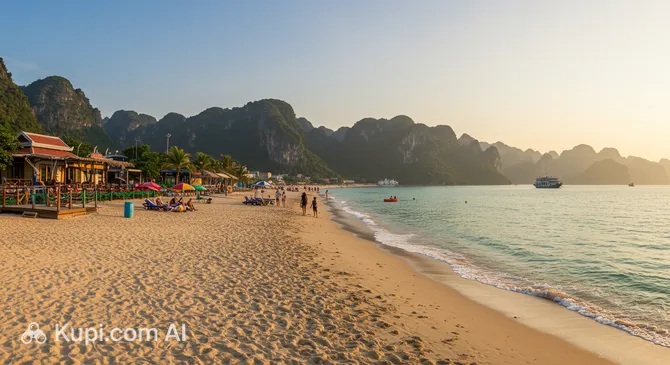
One of the most prominent outdoor areas is Ha Long Beach, a magnificent stretch of coastline in the Bai Chay area. Although it is an artificial creation, the beach serves as a vital public park where locals and tourists alike gather to enjoy the sea breeze. With its fine white sand and rows of coconut trees, it offers a resort-like atmosphere right in the city center. The paved promenade running alongside it is excellent for an evening jog or a leisurely walk, offering uninterrupted views of the bay's islands in the distance.
Ha Long Beach. Illustration.
Source: Kupi.com AI
Traveler photos:
For those seeking a more energetic outdoor experience, Ocean Park provides a vibrant atmosphere dedicated to aquatic fun and entertainment. Located within the larger tourism complex, this park is designed to thrill visitors with its water-based activities and lively environment. It is particularly popular with families during the hot summer months, serving as a modern recreational hub where one can cool off and enjoy high-energy amusements against the backdrop of the scenic city.
Ocean Park. Illustration.
Source: Kupi.com AI
Traveler photos:
When it comes to understanding the region's soul, the Quang Ninh Museum remains the undisputed cultural center. Beyond its striking architecture, the museum houses invaluable collections that chronicle the land's development from prehistoric times to the modern era. Visitors can examine ancient artifacts, learn about the distinct traditions of the local ethnic minority groups, and explore detailed exhibits on the biodiversity of the bay. It is an essential stop for anyone wishing to comprehend the human and natural history that shaped this coastal province.
In addition to the main museum, travelers interested in local craftsmanship should seek out the city's pearl farming centers. While not traditional museums, these facilities function as educational galleries where you can witness the intricate process of pearl cultivation, from the seeding of oysters to the harvesting of the gems. It offers a fascinating insight into a trade that has long been associated with the waters of Quang Ninh.
For a truly authentic experience, consider taking a walk across the Bai Chay Bridge at sunset. While technically a transport link, the pedestrian lane offers one of the best "parks in the sky" experiences, giving you a panoramic vantage point to watch the fishing boats return to harbor as the city lights begin to twinkle below.
Getting Around
Navigating Ha Long is relatively straightforward, though the city does not possess a subway or light rail system. Instead, the public transport network relies heavily on road-based options, making taxis and ride-hailing services the most popular choices for visitors. The city is geographically divided into two main areas, Bai Chay and Hon Gai, connected by a large bridge, and moving between these districts is best done by vehicle. For tourists, the transport experience is a mix of standard commuting methods and unique, scenic travel options suited to a coastal destination.
The local bus system is the most economical way to travel, connecting the city center with surrounding areas and nearby towns. These buses are typically red and yellow and operate on fixed routes along the main roads. Tickets are purchased directly on board from the conductor using cash. While this is a budget-friendly option, route maps and schedules can be difficult for non-local speakers to decipher, so it is often helpful to have your destination written down in Vietnamese to show the driver.
For convenience and comfort, taxis are widely available and are the preferred mode of transport for most travelers. Reputable companies like Mai Linh are ubiquitous and generally use meters, ensuring fair pricing. Alternatively, the ride-hailing app Grab is extensively used in the city. Using the app allows you to book both cars and motorbike taxis with a fixed price known in advance, eliminating the language barrier and the need to negotiate fares. This is particularly useful for getting around the tourist hubs in Bai Chay.
A unique feature of the city's transport landscape is the fleet of electric sightseeing cars. These open-air vehicles are popular in the tourist districts, especially along the coastal roads of Bai Chay. They offer a breezy and relaxed way to travel between hotels, beaches, and restaurants while enjoying the seaside views. They usually operate on fixed routes or can be chartered for a specific tour, making them an excellent alternative for short distances.
Given the city's coastal nature, water transport plays a significant role. Ferries and tender boats are essential for reaching the various islands or crossing the bay. Additionally, the Queen Cable Car serves as both a tourist attraction and a spectacular mode of aerial transport. It holds world records for its capacity and tower height, ferrying passengers across the Cua Luc Strait between the beach area and the Ba Deo hill, offering panoramic views that transform a simple commute into a memorable experience.
When it comes to payment, cash is essential for most forms of public transport, including buses, traditional motorbike taxis (Xe Om), and electric cars. While taxi apps allow for digital payment linked to a credit card, carrying small denominations of the local currency is advisable for spontaneous trips. Buses and electric cars typically operate from early morning until late evening, but if you plan to travel very late at night, booking a taxi via an app is the safest and most reliable method.
Accommodation
Finding the perfect place to stay in Ha Long is an adventure in itself, as the city offers a unique duality between land-based accommodations and the famous overnight cruises on the bay. The options are extensive, ranging from budget-friendly hostels and guesthouses to high-end luxury resorts and boutique hotels. Whether you prefer waking up to a view of the city skyline or sleeping amidst the limestone karsts on the water, there is something to suit every traveler's style and budget.
For those choosing to stay on land, the city is primarily divided into two main zones. Bai Chay is the vibrant tourist hub, packed with hotels, restaurants, and nightlife. It is the most convenient area for visitors who want to be close to the beach and major attractions like the amusement parks. On the other side of the bridge lies Hon Gai, the administrative center. This area offers a quieter, more authentic atmosphere, making it ideal for those who wish to experience the local lifestyle away from the tourist crowds.
One of the notable establishments for travelers seeking comfort and extensive amenities is the Resort & Spa Ha Long. Properties like this often provide a comprehensive experience with on-site facilities, allowing guests to relax in style after a day of exploration. Many such resorts in the Bai Chay area offer stunning views of the coast and easy access to the city's entertainment districts.
Resort & Spa Ha Long. Illustration.
Source: Kupi.com AI
Traveler photos:
A distinctive feature of accommodation here is the option to book an overnight cruise. These "floating hotels" range from mid-range to ultra-luxury and offer an immersive experience where your room travels with you through the breathtaking scenery. If you opt for a land-based stay, booking in advance is highly recommended, especially during the peak summer months (May to August) when domestic tourism is at its height. Weekends can be particularly busy, so securing your reservation early ensures the best rates and availability.
Prices in the city are generally reasonable, with budget rooms starting from as little as 300,000 VND per night, while luxury suites and high-end cruises can cost significantly more. Most accommodations can be easily booked through major online travel platforms, which is often the safest way to guarantee your spot and compare amenities. Whether you choose a modern hotel in the city center or a traditional junk boat on the water, the hospitality in Ha Long is sure to make your visit memorable.
Nearby Cities
For those looking to explore the surroundings, Ha Long serves as an excellent base for day trips to several interesting nearby locations:
Just a short drive along the coast lies Haiphong, a major port city known as the "City of Flame Flowers" due to the red flamboyant trees lining its streets. It offers a charming mix of French colonial architecture, a relaxed atmosphere, and a renowned local food scene featuring dishes like spicy crab noodles. It is an ideal destination for travelers wanting to experience an authentic Vietnamese city without the intense crowds of the capital.
Further inland, the capital city of Hanoi stands as the cultural and historical heart of the country. While it requires a longer journey, it is a must-visit for its bustling Old Quarter, ancient temples, and vibrant street life. Visitors can explore a thousand years of history, from the Imperial Citadel to the tranquil waters of Hoan Kiem Lake.
For those interested in traditional culture, Bac Ninh offers a glimpse into the region's spiritual roots. As the smallest province in Vietnam, it is densely packed with ancient pagodas and temples. It is also the birthplace of Quan Ho folk singing, a UNESCO Intangible Cultural Heritage, making it a fascinating stop for history buffs and music lovers alike.
These nearby destinations offer a glimpse into the diverse culture and landscapes of the region.
Shopping & Souvenirs
Shopping in Ha Long offers a delightful mix of local culture and modern convenience, allowing visitors to take home a piece of their travel experience. While the city is primarily known for its natural wonders, its retail scene has grown significantly, blending bustling traditional markets with contemporary commercial centers. Whether you are looking for high-end fashion, unique local handicrafts, or fresh regional specialties, the city provides ample opportunities to browse and buy.
The shopping landscape is generally divided between the two main districts. Bai Chay is the tourist epicenter, filled with souvenir shops, night markets, and convenience stores catering to international visitors. Across the bridge, Hon Gai offers a more authentic glimpse into local life, where residents shop for daily goods, fresh produce, and traditional items. Exploring both sides gives a well-rounded perspective of the city's commercial pulse.
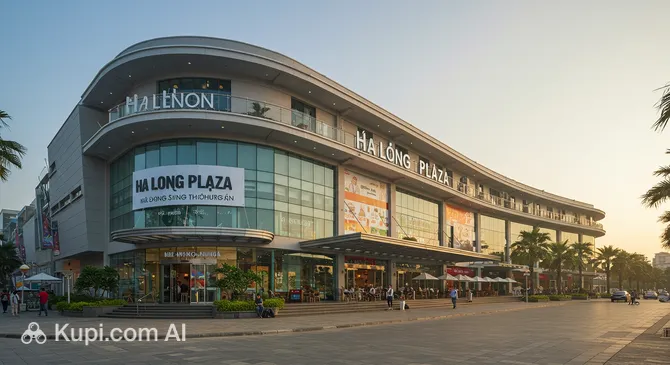
For those seeking a comfortable, air-conditioned environment, the city boasts several modern shopping malls. One of the most prominent destinations is Ha Long Plaza, located centrally in the city. This complex features a variety of fashion boutiques, cosmetics counters, and supermarkets, making it a convenient stop for essentials and leisure shopping alike. Other centers like Vincom Plaza and Marine Plaza also offer extensive retail options, including international brands, cinemas, and food courts.
Ha Long Plaza. Illustration.
Source: Kupi.com AI
Traveler photos:
However, the true spirit of commerce in the region is found in its vibrant markets. The Ha Long Night Market in Bai Chay is a favorite among tourists; opening in the late afternoon, it consists of hundreds of stalls selling everything from "I Love Vietnam" t-shirts and lacquerware to handmade jewelry. For a more traditional experience, Ha Long Market 1 and Ha Long Market 2 in the Hon Gai district are where the locals go. These multi-story buildings are packed with stalls selling fabrics, clothing, electronics, and, most notably, fresh and dried seafood.
When it comes to souvenirs, pearls are the region's most famous product. Thanks to the calm waters of the bay, pearl farming is a major local industry, and visitors can find beautiful jewelry ranging from affordable freshwater pearls to exquisite saltwater varieties. Another unique keepsake is coal handicraft; artisans carve the anthracite coal from the local mines into intricate statues of buffaloes, deer, and famous national figures. Additionally, foodies often bring back bags of dried squid or Cha Muc (squid cakes) to share the taste of the coast with friends back home.
Most shops and malls typically open around 9:00 AM and close by 10:00 PM, while local markets start bustling as early as 6:00 AM. The night market is liveliest between 7:00 PM and 10:00 PM. Regarding payment, the Vietnamese Dong (VND) is the standard currency. While shopping malls, large supermarkets, and established souvenir showrooms accept credit cards, cash is essential when visiting night markets or bargaining with street vendors. It is also worth noting that bargaining is a common practice in markets, so feel free to negotiate politely for a better price.
Regarding tax refunds, Vietnam does have a VAT refund scheme for tourists at international airports, but it requires purchasing goods from registered "VAT Refund" stores. While some larger stores in Ha Long may participate in this program, it is less common than in major hubs like Hanoi or Ho Chi Minh City. Travelers should look for the tax-free signage and ask shop staff for the necessary forms if they plan to claim a refund upon departure.