Support

Nanning

About

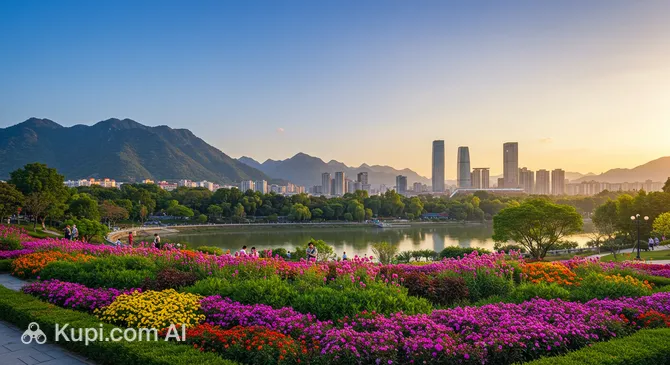
Welcome to Nanning, the vibrant capital of the Guangxi Zhuang Autonomous Region. Known affectionately as the "Green City," this bustling metropolis is famous for its lush tropical foliage that remains vibrant all year round. Located in southern China, near the border with Vietnam, Nanning serves as an important economic and cultural gateway connecting the country with Southeast Asia.

Nanning. Source: Kupi.Binoculars

The city enjoys a warm, humid subtropical climate, which supports its abundance of parks and gardens. With a population of over 3.8 million people, it offers a dynamic mix of modern urban living and relaxed, nature-filled spaces. The city is situated in a hilly basin, providing a scenic backdrop to its towering skyscrapers and busy streets.

Travelers interested in the past will find plenty to explore here. The history of Nanning dates back more than 1,600 years, evolving from a strategic military and administrative center into the diverse cultural hub it is today. It is particularly significant as a center for the Zhuang ethnic minority, whose rich traditions and festivals add a unique flavor to the local atmosphere.

Visitors should not miss Qingxiu Mountain, often referred to as the "lungs of the city," offering pagodas, temples, and sweeping views. Another highlight is Nanhu Lake Park, a perfect spot for a leisurely evening stroll. For food enthusiasts, the bustling Zhongshan Road Night Market is a must-visit destination to taste local delicacies like "old friend noodles" and various tropical fruits.

Whether you are passing through on your way to other parts of Guangxi or staying to soak up the local culture, Nanning offers a welcoming and verdant escape. Its unique blend of urban energy and tropical tranquility makes it a delightful stop for any traveler.

Weather Overview

Nanning typically experiences a humid subtropical climate characterized by distinct seasonal variations. The city remains generally warm throughout the year, with the weather in Nanning rarely becoming freezing. The summer months, spanning from May to September, are the hottest, with average temperatures peaking at 29.0°C in July and maximums frequently reaching around 32°C.

This warm period coincides with the region's wet season. Months like June and August are particularly damp, recording up to 26 wet days per month, making rain gear essential for travelers visiting during this time. In contrast, the winter season from December to February offers a respite from the humidity. January is typically the coldest month with an average temperature of 13.7°C, while precipitation drops significantly, with December seeing as few as 7 wet days. Overall, you can expect hot, humid summers with frequent rain and mild, relatively dry winters.

Interesting Facts

Beyond the lush parks and bustling markets, Nanning holds several cultural and urban secrets that surprise many visitors. Here are a few fascinating details that define the unique character of this metropolis in southern China.

  • Edible Landscaping: Nanning is one of the few major cities where fruit trees, particularly mango and jackfruit, are widely used for street landscaping. During the harvest season, you might see ripening fruit hanging directly over busy sidewalks, though the city government organizes picking teams to harvest and distribute the fruit to public institutions rather than encouraging pedestrians to pick them.

  • The Ocean of Songs: The city has earned the romantic nickname "The Ocean of Songs" due to its role as the permanent host of the Nanning International Folk Song Arts Festival. This event is deeply rooted in the traditions of the local Zhuang ethnic group, who historically used antiphonal singing matches to court partners and tell stories.

  • Permanent ASEAN Host: Unlike many other Chinese cities, Nanning serves as the permanent venue for the China-ASEAN Expo. This diplomatic status has transformed the city into a crucial international gateway, resulting in a unique cityscape that blends modern Chinese architecture with distinct Southeast Asian design elements.

  • A City That Never Sleeps: The local lifestyle is famously nocturnal, with a night culture that rivals the biggest global capitals. It is culturally common for locals to go out for "night tea" or a full meal well past midnight, and many of the city's food streets remain vibrant and crowded until 3:00 or 4:00 in the morning.

How to Get There

Reaching this vibrant capital of the Guangxi region is convenient due to its status as a major transport hub connecting China with Southeast Asia. Whether you are arriving by air or land, there are several routes to consider. For a detailed breakdown of all available transport methods, you can read more about how to get to Nanning to plan your journey effectively.

The primary gateway for air travelers is Nanning Airport (IATA: NNG), also known as Nanning Wuxu International Airport. Located approximately 30.5 km from the city center, it handles a large volume of passengers annually, serving as a key node for both domestic and international flights. Travelers typically use taxis or airport shuttle buses to reach the downtown area from the terminal.

Alternatively, visitors exploring the broader region might fly into Beihai Fucheng Airport (IATA: BHY), located in the city of Beihai. This airport is situated about 170.7 km away from Nanning. While it is further afield, it serves as a viable option for those planning a multi-city itinerary within the province.

For clarity, here is a summary of the main airports:

Airport Name City Passenger Traffic Km from City
Nanning Airport Nanning Large 30.5
Zhanjiang Airport Zhanjiang Medium 271.6
Beihai Fucheng Airport Beihai Medium 170.7
Liuzhou Airport Liuzhou Medium 186.2
Van Don Van Don Small 212.5

For those traveling by train through the province, there are significant railway hubs in neighboring cities that facilitate access to the region. Liuzhou Railway Station (RLZ) is a major transport node located in Liuzhou, approximately 195.3 km from Nanning. It handles a very high volume of passengers and connects various parts of the country, acting as a crucial transit point for the area.

Another option is Beihai Railway Station (FII) in the coastal city of Beihai. Situated about 169.9 km from Nanning, this station is a convenient entry point for travelers combining a seaside visit with a trip to the capital.

Below is a summary of these nearby railway stations:

Station City Passenger Traffic Km to Center
Liuzhou Railway Station Liuzhou Large 195.3
Beihai Railway Station Beihai 169.9

Main Attractions

Nanning offers a delightful mix of natural beauty and cultural heritage, making it a rewarding destination for travelers. From lush mountains to fascinating museums, the city provides a variety of experiences that highlight its status as the "Green City" and a hub of ethnic diversity.

Qingxiu Mountain is arguably the most iconic landmark in the city, often referred to as the "Green Lung" of Nanning due to its vast, forest-covered expanse. Located on the banks of the Yongjiang River, this scenic area is famous for its diverse plant life, including a cycad garden with trees that are over a thousand years old. Tourists are particularly drawn to the nine-story Longxiang Pagoda (Dragon Elephant Pagoda), which offers spectacular panoramic views of the city skyline contrasting with the surrounding greenery. It is an ideal spot for hiking, photography, and enjoying a peaceful retreat from the urban bustle.

For those interested in the rich cultural tapestry of the region, the Guangxi Museum of Nationalities is a must-visit. This extensive museum is dedicated to the history and traditions of the 12 ethnic groups residing in Guangxi, with a special focus on the Zhuang people. Visitors can explore a remarkable collection of ancient bronze drums, for which the region is famous, as well as colorful traditional costumes and handicrafts. The museum also features an open-air exhibition of traditional folk architecture, allowing guests to walk through replicas of ethnic dwellings and gain a deeper understanding of local lifestyles.

Nanhu Lake Park provides a serene escape right in the heart of the city. This water-focused park is renowned for its subtropical gardening, featuring an impressive path lined with palm trees, a bonsai garden, and an orchid garden with hundreds of varieties. It is a favorite location for locals to exercise and relax. For tourists, the park is especially enchanting in the evening when the bridge and the lake are illuminated by colorful lights, creating a romantic and vibrant atmosphere perfect for a leisurely stroll.

Travelers looking to step back in time should consider a trip to Yangmei Ancient Town, located on the outskirts of Nanning. This well-preserved historic town dates back to the Ming and Qing dynasties and offers a stark contrast to the modern city center. Walking through its narrow, stone-paved streets, visitors can admire antique buildings, ancestral halls, and traditional courtyards. It is an excellent place to experience the slow pace of traditional life, taste authentic local snacks, and appreciate the architectural heritage of southern China.

Local Cuisine

The culinary landscape of Nanning is a vibrant reflection of its geographical location, blending the freshness of Cantonese cuisine with the sour and spicy influences of Southeast Asia. Food here is known for its bold flavors, often characterized by the extensive use of pickled ingredients, chilies, and fresh herbs. Rice noodles are the undisputed staple of the local diet, eaten at breakfast, lunch, and dinner, making the city a paradise for noodle lovers.

No visit to Nanning is complete without trying its most famous dish, Old Friend Noodles (Laoyou Fen). This iconic bowl is renowned for its appetizing sour and spicy broth, created by wok-frying fermented bamboo shoots, black beans, chili, garlic, and minced meat before adding the rice noodles. It is said to stimulate the appetite and ward off colds, making it a beloved comfort food among locals. Another signature delicacy is Lemon Duck, particularly the variety from the Wuming district. This dish features duck meat stir-fried with salted lemons, sour chilies, ginger, and garlic, resulting in a complex flavor profile that is simultaneously tart, savory, and spicy.

Given the city's humid subtropical climate, the local beverage culture focuses heavily on cooling and refreshing drinks. Herbal teas (Liang Cha) are widely consumed to combat the heat and humidity, with various shops selling traditional brews believed to have medicinal properties. Additionally, the abundance of tropical fruits means fresh juices are everywhere; papaya, mango, and sugarcane juice are popular choices to quench thirst. For those looking for something stronger, the local Liquan Beer, brewed in the Guangxi region, is a crisp and light accompaniment to spicy meals.

The food culture in Nanning is famously nocturnal and community-oriented. Locals love to dine out, and the city comes alive after dark with vibrant "food streets" and night markets. Zhongshan Road is the most legendary of these culinary hotspots, where the air is thick with the aroma of grilling oysters, stir-frying snails, and simmering broths. Here, tourists can sit on small plastic stools alongside residents, enjoying a lively atmosphere that often stretches into the early hours of the morning.

Travel Tips

Visiting Nanning offers a unique blend of lush tropical greenery and dynamic urban energy, but navigating a Chinese metropolis can be daunting for first-time visitors. To ensure your trip to the "Green City" goes smoothly, here are some practical tips to help you prepare for the local lifestyle and logistics.

  1. Clothing and Gear: Due to the subtropical climate, Nanning is humid and warm for most of the year. Pack lightweight, breathable fabrics like cotton or linen to stay comfortable. Since the weather can be unpredictable, carrying a compact umbrella is essential—it serves as protection against both sudden downpours and intense sunshine. If you plan to hike up Qingxiu Mountain, bring comfortable walking shoes and insect repellent, as the lush vegetation attracts mosquitoes.
  2. Transportation: The Nanning Metro is the most efficient way to get around, avoiding surface traffic jams. The system is modern, clean, and features signs in English. For destinations not near a station, ride-hailing apps (like the English version of DiDi) are far more convenient than trying to flag down a taxi on the street. Be cautious of the thousands of e-bikes that silently zip through the streets; always look both ways, even on sidewalks.
  3. Finances: The local currency is the Renminbi (RMB). Be aware that China is largely a cashless society. While international credit cards are accepted at high-end hotels, they are rarely useful in local shops or restaurants. It is highly recommended to download Alipay or WeChat Pay and link your international card before you arrive, as this is how almost everyone pays for everything, from street food to subway tickets. Tipping is not part of the culture and is not expected.
  4. Health and Safety: Nanning is generally very safe for tourists, but standard precautions against pickpockets in crowded night markets apply. A crucial health tip is to never drink tap water; always buy bottled water or use the kettle in your hotel to boil it first. Pharmacies are marked with a green cross, but English is rarely spoken there, so having a translation app ready to describe your symptoms is vital.
  5. Communication: Mandarin is the official language, though you will hear many locals speaking the Nanning dialect (a variant of Cantonese). English proficiency is relatively low outside of major hotels. You absolutely need a translation app on your phone (one that works offline or with image recognition is best for menus). Also, ensure you have a roaming plan or a travel SIM card that allows access to your usual social media and map apps, as many Western services are blocked.
  6. Local Etiquette: When handing over money, a business card, or a gift, use both hands as a sign of respect. In restaurants, it is common to wash your utensils with hot tea or water provided in a bowl before eating—don't be surprised if you see locals doing this. If you are dining with a group, wait for the host or the eldest person to start eating before you dig in.
  7. What to Avoid: Do not leave your chopsticks sticking vertically into a bowl of rice. This resembles incense burned for the dead and is considered extremely taboo and bad luck. Additionally, avoid losing your temper or shouting in public, as causing someone to "lose face" is a major social faux pas.
  8. Local Insight: Embrace the night owl culture. Unlike some cities that shut down early, Nanning comes alive after dark. Locals often enjoy a "late night tea" or snack around midnight. Don't be afraid to venture out to Zhongshan Road late at night; it's often when the city feels most authentic and energetic.

By keeping these practicalities in mind, you will be well-equipped to enjoy everything Nanning has to offer, from its spicy noodles to its scenic parks. A little preparation regarding payment apps and language tools will go a long way in making your adventure in Guangxi stress-free and memorable.

Entertainment & Nightlife

Nanning is widely recognized as a city that truly comes to life after sunset. Due to the warm subtropical climate, locals often prefer to socialize in the cooler evening hours, creating a nocturnal lifestyle where the streets remain bustling well past midnight. The nightlife scene here is diverse and energetic, ranging from high-end lakeside lounges and thumping dance clubs to vibrant, chaotic night markets that offer a sensory overload of sights and sounds.

For the most concentrated nightlife experience, travelers should head directly to the Folk Song Lake (Minge Hu) Bar Street in the Qingxiu District. This modern entertainment district is built around a scenic man-made lake and features a stunning array of contemporary architecture illuminated by colorful neon lights. It is the heart of the city's party scene, lined with dozens of pubs, karaoke (KTV) venues, and nightclubs. The atmosphere here is upscale yet welcoming, attracting a trendy crowd looking to enjoy live bands, DJ sets, and cocktails by the water.

If you prefer a more relaxed evening, the area around The MixC offers a sophisticated blend of shopping and entertainment. As one of the city's premier commercial complexes, it hosts high-quality cinemas and rooftop bars where you can enjoy a drink with a view of the modern skyline. For a grittier, more authentic experience, a walk through the legendary Zhongshan Road provides entertainment in itself. While primarily a food street, the sheer energy of the crowds, the roar of wok burners, and the lively banter of locals create a festival-like atmosphere every single night.

When planning your night out, keep in mind that Nanning is a "late" city. Clubs and bars typically do not fill up until after 10:00 PM and often stay open until dawn. The dress code is generally smart-casual; you don't need formal wear, but shorts and flip-flops might be out of place in the glitzier clubs at Folk Song Lake. Safety is rarely a concern, as the main nightlife districts are well-lit and populated. Taxis and ride-hailing services like DiDi are plentiful and affordable, making it easy to get back to your hotel safely at any hour.

While the night steals the show, daytime entertainment in Nanning also offers exciting options. Thrill-seekers and families should visit Fantawild Asian Legend, a high-tech theme park that uses 4D technology to showcase the myths and folklore of Southeast Asian cultures. Alternatively, for a dose of culture without the adrenaline, the city's theaters and the Guangxi Science and Technology Museum provide engaging activities to fill the daylight hours before the sun sets and the city lights up again.

Parks & Museums

Nanning lives up to its reputation as the "Green City" with an impressive array of botanical gardens and cultural institutions that extend well beyond its most famous landmarks. While the massive Qingxiu Mountain and Nanhu Lake are the city's ecological anchors, travelers willing to explore further will discover a wealth of other verdant spaces and museums that offer a deeper dive into the region's unique heritage and biodiversity.

For a truly unique natural experience, the Guangxi Medicinal Botanical Garden is a standout destination. Recognized as one of the largest medicinal herb gardens in the world, it serves as a living library of traditional Chinese medicine. Visitors can wander through themed zones featuring thousands of plant species, including ginger, vines, and rare herbs used in healing remedies. It is not just an educational site but a lush, tranquil forest that offers a fascinating glimpse into the intersection of nature and ancient science.

Another urban oasis is People's Park (Renmin Park), located conveniently in the city center. This is a favorite spot for locals and offers a more intimate atmosphere than the sprawling suburban parks. The park centers around the picturesque White Dragon Lake, where visitors can rent boats or simply admire the lotus flowers. It is also home to the historic Zhenning Fort, situated on a hill within the park, providing a vantage point for views over the older districts of Nanning.

To understand the profound history of the region, a visit to the Guangxi Museum is essential. Located on Minzu Avenue, this institution is renowned for possessing the world's largest collection of ancient bronze drums, which are a cultural symbol of the Zhuang people and neighboring ethnic groups. The museum features extensive exhibits on the unique Bronze Drum culture and displays artifacts that trace the prehistoric and dynastic history of the Guangxi region.

For a more city-focused narrative, the Nanning Museum offers a modern and comprehensive look at the local development. Situated in the Wuxiang New District, the building itself is an architectural highlight, designed to resemble a rising phoenix. Inside, exhibitions cover the history of the Yongjiang River civilization, the city's strategic role in ancient trade routes, and the diverse folk customs of Nanning's residents. It is an excellent venue for those wanting to connect the dots between the city's ancient past and its modern boom.

In terms of architectural heritage, the Nanning Confucius Temple stands out as a majestic tribute to traditional Chinese culture. Although the original structure was destroyed, this grand reconstruction on the banks of the Yongjiang River captures the solemn beauty of Song and Ming dynasty architectural styles. With its towering Dacheng Hall and peaceful courtyards, it serves as a venue for traditional ceremonies and a quiet place for reflection away from the commercial noise.

For an authentic local experience, try visiting Shishan Park (Lion Mountain Park) early in the morning. Unlike the tourist-heavy spots, this is where you will find the true pulse of the city's elderly residents engaging in everything from Tai Chi and sword dancing to impromptu folk singing sessions. It is a perfect, unpolished slice of daily life in Nanning.

Getting Around

Navigating Nanning is increasingly convenient thanks to a rapidly modernizing public transport network that caters to a growing metropolis. The backbone of the city's transit system is the Nanning Rail Transit (NNRT), a modern metro system that connects major commercial districts, railway stations, and tourist attractions. The metro is clean, efficient, and air-conditioned, making it the most comfortable option for tourists escaping the subtropical heat. Signs and announcements are available in English, ensuring that international visitors can easily find their way around the currently active lines, which cover the most important parts of the city.

For destinations not reachable by subway, the city operates an extensive bus network, including a Bus Rapid Transit (BRT) system. The BRT lanes allow buses to bypass traffic jams, providing a faster alternative to regular street buses. While the bus system is comprehensive, route maps at stops are almost exclusively in Chinese. Therefore, it is highly recommended to use a navigation app on your phone to identify the correct bus number and stop. Standard buses are generally air-conditioned and offer a very affordable way to see the city from street level.

The payment system in Nanning, like much of China, is heavily digital. While you can still purchase single-journey tokens at metro stations using cash (coins or small bills) or pay cash on buses (exact change required), the most convenient method is mobile payment. Tourists with Alipay or WeChat Pay set up on their phones can activate a "Transport QR Code" within these apps to scan at metro turnstiles and on bus readers. Fares are inexpensive; bus rides typically cost a flat rate of 2 RMB, while metro fares are distance-based, usually ranging from 2 to 7 RMB.

If you prefer a more direct route, taxis are plentiful and can be hailed on the street. They are metered, and it is advisable to have your destination written in Chinese to show the driver. However, ride-hailing apps are often a better choice for visitors. The English version of DiDi (integrated into Alipay or as a standalone app) allows you to book a car, see the estimated price, and pay automatically, overcoming most language barriers.

Nanning is famous for being the "Capital of E-bikes," and you will see thousands of electric scooters filling the streets. While renting an e-scooter might be complicated for short-term visitors due to licensing and deposit rules, shared bicycles are widely available. You can find blue (HelloBike), yellow (Meituan), and green (Qingju) bikes parked on sidewalks everywhere. These can be unlocked using the respective apps or mini-programs in Alipay/WeChat, offering a leisurely way to explore parks or travel short distances between metro stations.

Public transport generally operates from around 6:30 AM to 11:00 PM, though times can vary slightly by line and route. Travelers should be aware of the morning (7:30–9:00 AM) and evening (5:30–7:30 PM) rush hours, when carriages and buses can become extremely crowded. For a smooth experience, download a map app that works locally, keep your phone battery charged for payments, and always carry a small amount of cash just in case.

Accommodation

Finding the perfect place to stay in Nanning is relatively easy, as the city offers a wide spectrum of accommodation options ranging from international luxury chains to budget-friendly hostels. The hotel landscape here mirrors the city's development, with ultra-modern high-rises dominating the new business districts and established, convenient lodgings characterizing the older city center. Prices are generally reasonable compared to China's first-tier cities, offering excellent value for money.

For most travelers, the Qingxiu District is the premier choice. This area represents the modern face of Nanning, featuring wide avenues, skyscrapers, and an abundance of greenery. It is home to the city's top-tier luxury hotels, many of which are clustered around the China-ASEAN Convention and Exhibition Center and the MixC shopping complex. Staying here places you close to high-end dining, the major exhibition venues, and the scenic Folk Song Lake. It is particularly recommended for business travelers and those seeking a comfortable, upscale experience with easy access to the metro.

If you prefer to be in the thick of the action, the Xingning District, specifically around Chaoyang Square, is the traditional commercial heart of the city. This area is bustling, noisy, and incredibly convenient. Hotels here are often within walking distance of the Nanning Railway Station and the pedestrian shopping streets. The biggest draw for foodies is the proximity to the famous Zhongshan Road Night Market. While the hotels in this district tend to be older, they offer unbeatable access to local life, street food, and public transport hubs.

For a quieter and more scenic stay, look for accommodations near Nanhu Lake Park. The hotels in this vicinity often offer rooms with relaxing lake views and provide a peaceful retreat from the urban clamor while still being centrally located. It is an excellent area for families and travelers who enjoy morning walks or evening strolls in a park setting.

A crucial tip for booking accommodation in Nanning is to check the dates of the annual China-ASEAN Expo (CAEXPO), which typically takes place in September. During this period, the city welcomes thousands of dignitaries and business people from across Southeast Asia. Consequently, hotel prices skyrocket, and rooms in the Qingxiu District can sell out months in advance. If you plan to visit during the expo, booking well ahead of time is mandatory; otherwise, visiting during the off-peak season ensures a wide selection of affordable and high-quality rooms.

Nearby Cities

For those looking to explore the surroundings, Nanning serves as an excellent base for day trips to several interesting nearby locations:

One of the most accessible destinations is Qinzhou, situated relatively close to the coast south of the capital. This city is celebrated for its unique Nixing pottery, considered one of the four famous types of pottery in China. Beyond its cultural heritage, Qinzhou offers natural attractions like Sanniang Bay, where lucky visitors might catch a glimpse of the rare Chinese white dolphins in their natural habitat.

For travelers willing to venture a bit further, Liuzhou provides a fascinating mix of industrial history and stunning karst scenery. The city is built along the winding Liu River, surrounded by limestone peaks that create a dramatic backdrop to the urban skyline. It is also the birthplace of the famous Luosifen (river snail rice noodles), a spicy and pungent dish that is a must-try for culinary adventurers.

Another interesting spot is Guigang, often referred to as the "Lotus City." It is known for its extensive lotus cultivation and the scenic East Lake, making it a picturesque location for a relaxing day out, especially during the blooming season in summer.

City Population Distance (km)
Yulin 5,849,700 187
Guigang 4,409,200 130
Liuzhou 4,157,934 198
Hechi 3,545,700 210
Qinzhou 3,304,400 97

These nearby destinations offer a glimpse into the diverse culture and landscapes of the region, ranging from coastal wildlife to dramatic mountain vistas.

Shopping & Souvenirs

Shopping in Nanning offers a delightful contrast between the ultra-modern and the deeply traditional. As a commercial hub connecting Southwest China with Southeast Asia, the city is filled with everything from glitzy luxury complexes to bustling wholesale markets. Visitors can expect to find a wide array of goods, ranging from international designer brands to unique ethnic handicrafts that reflect the rich heritage of the Zhuang people.

The beating heart of the city's retail scene is Chaoyang Square. Located in the city center, this area is a sprawling commercial district surrounded by department stores, electronics hubs, and underground shopping arcades. Adjacent to the square is the famous Xingning Road Pedestrian Street. Walking here is an experience in itself, as the street is lined with historical "Qilou" (arcade-style) buildings that house hundreds of shops selling clothing, jewelry, and shoes. It is a lively place where the old-world charm of Nanning meets the energetic pace of modern commerce.

For those seeking a more upscale and comfortable environment, Nanning boasts several world-class shopping malls. The MixC (Wanxiangcheng) in the Qingxiu District is the premier destination for luxury shopping, housing major international fashion houses, gourmet supermarkets, and a high-end cinema. Nearby, Hangyang City offers another massive retail space with a vast selection of mid-range brands and dining options, making it a popular weekend spot for local families and fashion enthusiasts.

To experience the local lifestyle, a visit to the Nanning Flower and Bird Market is highly recommended. While primarily dedicated to gardening and pets, it is also a treasure trove for curious tourists. Here, you can find traditional wood carvings, stone art, and small curiosities amidst the vibrant displays of orchids and bonsai trees. For bargain hunters, the Heping Shopping Mall near the city center is a legendary wholesale market where you can buy clothing and accessories at incredibly low prices, provided you are willing to negotiate.

When it comes to souvenirs, Nanning offers distinct items that you won't easily find elsewhere. The most iconic keepsake is the Xiuqiu (embroidered ball), a traditional symbol of love and friendship in Zhuang culture. These colorful, hand-stitched silk balls come in various sizes and make for beautiful decorations. Zhuang Brocade is another excellent choice; this durable and intricate fabric is fashioned into bags, scarves, and table runners. Additionally, given the region's climate, dried tropical fruits like mango and lychee are popular edible gifts to bring home.

Most shopping malls and department stores in Nanning operate from 10:00 AM to 10:00 PM daily. Independent street shops may open earlier and close later, especially in night market areas. Be prepared for a digital-first payment environment; Alipay and WeChat Pay are the standard methods of transaction everywhere, from luxury boutiques to street stalls. While major malls accept international credit cards, cash is becoming increasingly rare, so having a mobile payment app set up is essential for a smooth shopping experience.

Tourists visiting Nanning may be eligible for the Tax Refund Scheme (Tax-Free) on purchases made at designated large department stores and malls. Look for the "Tax Free" signage at the entrance or service desk. To claim a refund, you typically need to spend a minimum amount in one day at a participating store and present your passport. It is advisable to inquire about the specific process at the customer service counter before you start shopping.
Reached the end of the page?

That means the route is fully explored