Support

Zhanjiang

About

Zhanjiang is a captivating coastal metropolis situated on the southwestern tip of Guangdong province in China. Often referred to as the "Gateway to the South," this vibrant city sits on the Leizhou Peninsula, offering a unique blend of urban energy and tropical relaxation. With a population of approximately 7.3 million, Zhanjiang is a significant economic hub that has managed to maintain a refreshing seaside atmosphere, characterized by palm-lined streets and a pleasant subtropical climate.

The cultural tapestry of the region is rich and diverse. Delving into the history of Zhanjiang reveals a fascinating past, from its ancient roots to its brief period as a French leased territory known as Kouang-Tchéou-Wan. This unique heritage has left an imprint on the city's architecture and local customs, creating a distinctive charm that sets it apart from other Chinese coastal cities.

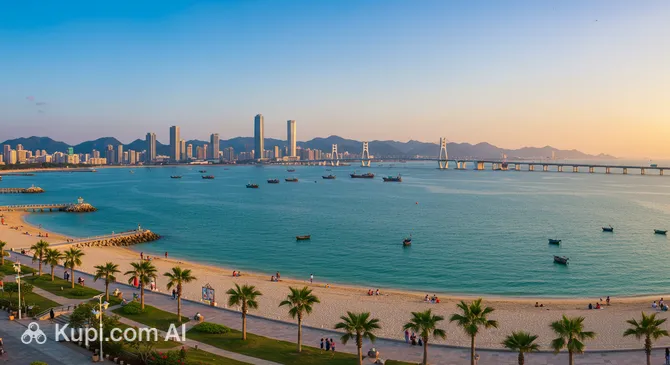
Zhanjiang. Source: Kupi.Binoculars

Travelers are drawn to Zhanjiang for its stunning natural landscapes and culinary delights. The Huguangyan Scenic Area is a must-visit, featuring one of the world's best-preserved maar volcanic lakes, surrounded by lush greenery and ancient temples. For those seeking sun and sand, Longhaitian Beach offers miles of pristine coastline, perfect for a relaxing day by the ocean. Additionally, the city is famous across the nation as a "Seafood Capital," where visitors can indulge in the freshest oysters, shrimp, and crabs.

Whether you are exploring its geological wonders, strolling along the scenic Golden Coast, or feasting on local delicacies, Zhanjiang promises an unforgettable experience. It is an ideal destination for those looking to discover a greener, more laid-back side of the country's southern coast.

Weather Overview

Zhanjiang enjoys a subtropical climate characterized by distinct seasonal variations in humidity and rainfall, though temperatures remain generally mild to hot year-round. Travelers planning a trip should check the detailed weather in Zhanjiang to pack appropriately, as the city typically experiences hot, humid summers and pleasant, drier winters.

During the summer months from June to August, the city is at its warmest, with average temperatures hovering around 29°C and daily highs reaching up to 32.4°C in July. This is also the wettest time of the year, with frequent rainfall and high humidity; August alone can see up to 25 wet days, making an umbrella an essential travel companion.

In contrast, the winter season offers a comfortable escape with cooler conditions and clear skies. From December to February, average temperatures range between 17.4°C and 19.0°C, while precipitation is minimal, dropping to nearly 0mm in December. Spring and autumn serve as warm transitional periods, with temperatures gradually rising from 22.7°C in March to a balmy 28.2°C by September.

Interesting Facts

Beyond the main attractions, Zhanjiang holds many fascinating secrets that reveal the depth of its character. From mysterious natural phenomena to impressive agricultural feats, here are some unique aspects of the city that often surprise visitors.

  • The Sea of Pineapples: Xuwen County, located within the city's jurisdiction, is often called the "Pineapple Capital." It produces approximately one out of every three pineapples consumed in China, creating a vast, rolling landscape of golden fruit that stretches as far as the eye can see.

  • A Self-Cleaning Lake: The Huguangyan Maar Lake is famous for a peculiar natural mystery. Despite being surrounded by dense forest, the water surface remains impeccably clean; locals and visitors alike marvel at how fallen leaves seem to disappear without a trace rather than floating on top.

  • The Ten-Mile Military Port: Zhanjiang is home to a significant naval base, but unlike many restricted zones, it offers a unique tourism experience. Visitors can take boat tours along the "Ten-Mile Military Port" to view the impressive fleet of warships docked in the harbor against the backdrop of the city skyline.

  • Oyster Kingdom: The city is widely recognized as the "Home of Oysters" due to its ideal water conditions. These shellfish are so integral to the local culture that they are not just a delicacy but a symbol of the city's culinary identity, famously grilled with garlic at night markets.

How to Get There

Planning a trip to this coastal gem is the first step toward an unforgettable adventure. Whether you prefer flying or taking a scenic route, there are several convenient options available. For a complete guide on transportation, you can read more about how to get to Zhanjiang.

The most direct way to arrive is via Zhanjiang Airport (ZHA). Conveniently located within the city of Zhanjiang, it sits just 6.3 km from the city center. This proximity makes the final leg of your journey very short; a taxi or bus ride to the downtown area typically takes about 30 minutes. As a key regional hub, it welcomes a significant number of travelers annually, ensuring regular connections.

Alternatively, travelers can fly into Haikou Airport (HAK) in the city of Haikou, which is approximately 148 km away. While it is located across the strait, it is a major international gateway with large passenger traffic. The journey from Haikou to Zhanjiang can be estimated to take around 4 hours. Another nearby option is Beihai Fucheng Airport (BHY) in Beihai. Situated about 114 km from Zhanjiang, the transfer by road takes approximately 3 hours.

For clarity, here is a summary of the main airports:

Airport Name City Passenger Traffic Km from City
Haikou Airport Haikou Large 148.1
Nanning Airport Nanning Large 270.1
Zhanjiang Airport Zhanjiang Medium 6.3
Beihai Fucheng Airport Beihai Small 114.3
Qionghai Bo'ao Qionghai Small 236.2

If you are exploring the broader region by train, you might utilize stations in neighboring cities. One such option is the Beihai Railway Station in the city of Beihai, located about 130 km from Zhanjiang. From there, you can get a taxi or bus to your final destination, which takes about 3.5 hours. Another regional hub is the Wuzhou Railway Station in Wuzhou, though it is further afield at approximately 262 km away.

Below is a list of nearby railway stations:

Station City Passenger Traffic Km to Center
Beihai Railway Station Beihai - 129.6
Wuzhou Railway Station Wuzhou - 261.7

Main Attractions

Zhanjiang offers a diverse array of sights, ranging from geological wonders to serene coastal retreats. The city's unique location on the Leizhou Peninsula has gifted it with volcanic landscapes, pristine islands, and lush tropical parks that captivate visitors from around the world.

Huguangyan Scenic Area is undoubtedly the crown jewel of the region's tourism. Recognized as a Global Geopark, it centers around a rare maar volcanic lake formed roughly 140,000 years ago. The lake is renowned for its incredibly pure water and the dense, negative-ion-rich air surrounding it, earning it the nickname "natural oxygen bar." Visitors can explore the well-maintained paths, visit the ancient Leizhou Temple, and marvel at the geological museum that explains the fascinating volcanic history of the area.

For a perfect island getaway, Techeng Island is a short ferry ride from the city center. This small, idyllic island is famous for its ancient mangrove forests, which are among the best-preserved in the country. It offers a blend of natural beauty and resort-style relaxation, featuring hot springs and white sandy beaches. Walking through the quiet fishing villages on the island provides a glimpse into the traditional lifestyle of the local people, making it a peaceful escape from the urban bustle.

Those interested in maritime history and rugged landscapes should visit Naozhou Island. It is China's largest volcanic island, known for its dramatic basalt rock formations and rich marine life. The island's most iconic landmark is the Naozhou Lighthouse, built in 1899 using local gray basalt. It is one of the three famous lighthouses in the world from that era and remains an active aid to navigation, standing as a striking historical monument against the backdrop of the deep blue sea.

Back in the city, Zhanjiang Seaside Park offers a delightful urban retreat. Located along the waterfront, it features the famous "Corridor of Viewing Sea" (Guanhai Changlang), a long promenade shaded by tropical trees and vibrant flowers. It is an excellent spot for a leisurely stroll to enjoy the sea breeze, watch ships passing in the harbor, and soak in the relaxed atmosphere that defines this coastal metropolis.

Local Cuisine

Zhanjiang is a paradise for food lovers, widely recognized as the "Seafood Capital" of China. The local cuisine is a unique branch of Cantonese cooking, characterized by an obsession with freshness and the "original taste" of ingredients. Unlike the heavier spices found in other regions, chefs here prefer light seasonings that allow the natural sweetness of the high-quality marine catch and local produce to shine through. The result is a dining experience that is both rustic and incredibly flavorful.

The undisputed king of the local table is the charcoal-grilled oyster. Thanks to the pristine waters surrounding the peninsula, Zhanjiang produces some of the plumpest and juiciest oysters in the country. You will find them sizzling on grills throughout the city, typically topped with a generous mound of minced garlic and a touch of chili. Another culinary icon is the Zhanjiang White-Cut Chicken (Baiqie Ji). These free-range birds are prized for their golden skin and firm, flavorful meat, which is traditionally dipped in a simple yet delicious sauce made from soy sauce, peanut oil, and sand ginger.

For those looking to explore more exotic local delicacies, sand worms (also known as peanut worms) are a must-try. While their appearance might be intimidating to some, they are celebrated for their crisp texture and are often served in soups or jellies. On the sweeter side, the region's tropical climate yields an abundance of fruits, with the local pineapples and mangoes being particularly famous for their intense sweetness and fragrance.

To complement the rich seafood feasts, locals often turn to refreshing natural drinks. Fresh coconut water is a staple beverage, sold directly from the nut at street corners, offering a cool and hydrating escape from the heat. In the evenings, it is common to see diners enjoying local draft beers or herbal teas, which are believed to help balance the body's internal heat after a meal of grilled foods.

The food culture in Zhanjiang is vibrant and unpretentious, coming alive most vividly after sunset. The city is famous for its "Ye Xiao" or late-night snack culture, where locals gather at bustling night markets and open-air seafood stalls. Sitting on plastic stools under the stars, cracking open crabs, and sharing platters of grilled seafood with friends is the quintessential Zhanjiang dining experience, offering a glimpse into the relaxed and communal lifestyle of this coastal metropolis.

Travel Tips

Visiting Zhanjiang, the "Gateway to the South," is a delightful experience filled with coastal charm and culinary adventures, but a little preparation goes a long way in this unique corner of Guangdong. To help you navigate the city with ease and make the most of your tropical getaway, here are some essential practical tips.

  1. Clothing and Gear: Since Zhanjiang has a subtropical climate, pack lightweight, breathable fabrics like cotton or linen for the hot and humid summers. A sturdy umbrella is essential during the rainy season (June to August). Winters are mild, so a light jacket or sweater is sufficient for evenings. Bring comfortable walking shoes for exploring the volcanic landscapes of Huguangyan and the sandy shores of the islands.

  2. Transportation: The city relies heavily on a comprehensive bus network and taxis, as there is no metro system currently in operation. For convenience, download ride-hailing apps like DiDi (the local equivalent of Uber), which often have English interfaces. Renting a car is generally not recommended unless you have a Chinese driver's license, so stick to public transport or hired drivers.

  3. Finances: The local currency is the Chinese Yuan (CNY/RMB). While cash is still accepted, the city operates almost entirely on digital payments. It is highly advisable to link your international credit card to Alipay or WeChat Pay before arrival, as many smaller vendors and street food stalls do not accept physical cards. Tipping is not part of the culture and is generally not expected.

  4. Health and Safety: Zhanjiang is a safe city for tourists, but standard precautions apply. Tap water is not safe to drink; always purchase bottled water or boil it first. Pharmacies are marked with a green cross, and while basic supplies are available, it is wise to bring a translation app to describe your symptoms, as English-speaking staff may be scarce.

  5. Communication: Mandarin is the official language, though locals often speak the Leizhou dialect or Cantonese among themselves. English proficiency is limited outside of major hotels. Install a translation app like Baidu Translate or a voice translator on your phone. Also, ensure you have a roaming plan or buy a local SIM card upon arrival to access maps and internet services.

  6. Local Etiquette: When dining, especially at the famous seafood stalls, it is polite to wait for the host or the eldest person to start eating. If you are sharing dishes, use the serving chopsticks provided. A simple nod or a smile is a common greeting; handshakes are used in more formal introductions.

  7. What to Avoid: Avoid leaving your chopsticks sticking vertically into a bowl of rice, as this resembles incense burning for the deceased and is considered very inauspicious. Additionally, try not to lose your temper or shout in public disputes, as maintaining "face" and public harmony is culturally important.

  8. Seafood Insight: When enjoying the city's famous street-side oysters, look for stalls that are busy with locals—high turnover usually guarantees freshness. Most night markets stay open very late, so don't rush your dinner; the atmosphere is best enjoyed leisurely under the stars.

Armed with these practical insights, you are ready to dive into the vibrant life of Zhanjiang. Whether you are bargaining at a night market or navigating the scenic coastline, these tips will ensure your journey is as smooth and enjoyable as the refreshing sea breeze.

Entertainment & Nightlife

Zhanjiang transforms as the sun sets, shifting from a busy port city into a vibrant hub of evening leisure. The nightlife here is distinctively coastal, characterized by a relaxed yet energetic atmosphere where the cool sea breeze complements the bustling activity. Unlike the high-paced intensity of China's largest metropolises, entertainment in Zhanjiang is more about socializing in open-air environments, though there is no shortage of modern venues for those seeking a party.

The heartbeat of the city's nightlife is undoubtedly the Xiashan District. This modern urban center is where you will find the highest concentration of bars, KTV (karaoke) lounges, and nightclubs. The area surrounding Wanda Plaza is particularly popular, serving as a one-stop destination for evening entertainment. Here, visitors can find everything from trendy cocktail bars to lively cinemas, making it a favorite gathering spot for the city's younger crowd. The dress code in these venues is generally smart-casual, and the vibe is welcoming to visitors.

For a more scenic evening experience, the Jinsha Bay (Golden Sand Bay) area is a must-visit. This waterfront district offers a sophisticated blend of leisure and beauty. You can stroll along the promenade to admire the illuminated skyline or settle into one of the many seaside cafes and bars that line the coast. It is an excellent location to enjoy a drink while listening to the sound of the waves, and the area remains safe and well-lit late into the night.

If you prefer an immersive local experience, the "Ye Xiao" (late-night supper) culture serves as a primary form of entertainment. The streets of the Chikan District, particularly the older quarters, buzz with energy until the early hours. While primarily focused on food, these night markets are social hubs where locals play dice games, drink domestic beer, and enjoy the lively, noisy atmosphere that defines southern Chinese nightlife. It is raw, authentic, and incredibly fun.

Practicalities for a night out are straightforward. Most bars and clubs operate from around 8:00 PM until 2:00 AM or later. Prices are reasonable compared to Tier-1 cities; expect to pay around 30-50 RMB for a beer in a bar, and significantly less at a street stall. Getting around is easy, with taxis being plentiful and affordable at night. Ride-hailing apps are also highly reliable. The city is generally very safe, but as with any travel destination, it is advisable to stay in populated, well-lit areas and keep an eye on your belongings.

While the nights are lively, daytime entertainment in Zhanjiang offers a slower pace focused on culture and nature. Visitors can explore the Zhanjiang Museum to learn about the region's history or enjoy a family day out at Cunjin Bridge Park, which features amusement rides and scenic boating lakes. These attractions provide a perfect cultural counterbalance to the energetic nightlife.

Parks & Museums

Zhanjiang is a city where urban life seamlessly intertwines with tropical nature and deep-rooted history. Beyond its bustling ports and seafood markets, the metropolis offers a wealth of verdant parks and insightful museums that allow visitors to connect with the region's ecological beauty and its storied past as a cultural crossroads.

One of the most beloved green spaces in the city is Zhanjiang Seaside Park. Located in the Xiashan District, this expansive park serves as the city's "living room," offering a refreshing escape right by the water. It is famous for its long promenade, the "Corridor of Viewing Sea," where visitors can stroll under the shade of coconut palms while watching ships navigate the harbor. The park is not just a place for relaxation but a vibrant social hub where locals gather to fly kites, practice Tai Chi, and enjoy the cooling sea breeze, making it an authentic slice of local life.

For those interested in a blend of history and nature, Cunjin Bridge Park in the Chikan District is an essential stop. The name "Cunjin" translates to "an inch of gold," referencing a patriotic poem that declared "an inch of land and an inch of gold" during the resistance against French colonial expansion. Today, it is a serene sanctuary featuring the scenic Cunjin Lake, traditional pavilions, and the iconic Cunjin Bridge. It is a perfect spot for a quiet afternoon walk, offering a poignant reminder of the city's resilience amidst lush surroundings.

Another highlight for nature enthusiasts is the Nan Guo Tropical Garden. As one of the lush "lungs" of the city, this botanical haven showcases a diverse collection of tropical plants and flowers unique to southern China. The garden is meticulously landscaped, featuring themed areas that bloom with vibrant colors year-round. It provides a fantastic opportunity for photography and leisurely exploration, allowing tourists to appreciate the rich biodiversity of the Leizhou Peninsula without leaving the city limits.

To delve deeper into the local heritage, a visit to the Zhanjiang Museum is highly recommended. Situated near Cunjin Bridge Park, this institution offers a comprehensive look at the region's history, from neolithic artifacts to displays on the unique "Leizhou Culture." The museum houses impressive collections of stone dogs—ancient totem guardians unique to the peninsula—as well as exhibits detailing the city's maritime history and folk customs. It provides crucial context for understanding the distinct identity of Zhanjiang compared to other Cantonese cities.

Given the city's strong connection to the ocean, the Aquatic Museum of Guangdong Ocean University is a fascinating venue, particularly for families. It holds the largest collection of aquatic specimens in the province, including rare marine mammals and thousands of shell varieties. The museum serves as an educational window into the rich marine ecosystem of the South China Sea, highlighting the importance of ocean conservation in a city that thrives on its waters.

History buffs should also explore the architectural heritage of the Chikan District. While not a traditional museum, the old streets here function as an open-air gallery of French colonial architecture mingled with traditional Lingnan style. Walking through these historic quarters reveals crumbling yet majestic buildings, such as the former French Minister's Office, which stand as silent witnesses to the city's era as the leased territory of Kouang-Tchéou-Wan.

For a truly authentic experience, try visiting Cunjin Bridge Park in the early morning. Before the heat of the day sets in, the park comes alive with elderly locals singing Cantonese opera or playing traditional instruments by the lake. It is a heartwarming and unscripted performance that offers a genuine glimpse into the soul of Zhanjiang.

Getting Around

Navigating Zhanjiang is relatively straightforward and affordable, though it differs slightly from China's larger metropolises due to the current absence of an operational subway system. The city relies primarily on an extensive network of public buses, taxis, and ferries to connect its urban districts and coastal attractions. For most tourists, a combination of these modes offers a convenient and authentic way to explore the region.

The public bus system serves as the main artery of local transport, covering the major districts of Chikan and Xiashan, as well as connecting to suburban scenic spots like the volcanic lake area. Buses are modern and air-conditioned, with most routes operating from approximately 6:00 AM to 10:30 PM. While route information at stops is almost exclusively in local characters, navigation apps are reliable for planning your journey and identifying the correct bus numbers.

Regarding payment, the city is highly digitized. The fare for most bus routes is a flat rate, typically around 2 RMB. While you can pay with cash by dropping exact change into the fare box upon entry, carrying coins is becoming increasingly rare. The most convenient method for visitors is to use the "Ride Code" feature within Alipay or WeChat. You simply open the QR code on your phone and scan it at the reader near the driver. Physical transport cards are available but are generally unnecessary for short-term stays given the prevalence of mobile payments.

Taxis and ride-hailing services provide a comfortable alternative, especially when traveling with luggage or in the heat of midday. Taxis are metered and reasonably priced, making them a popular choice for tourists. Ride-sharing apps like DiDi are widely used and are often more user-friendly for non-locals, as they allow you to input your destination in English or pinpoint it on a map, eliminating the need to communicate complex directions to the driver.

A unique feature of the city's transport network is its ferry service, which is essential for reaching the popular offshore islands. Regular boats depart from the piers to destinations like Techeng Island and Naozhou Island. These ferries are not just functional; they offer a scenic voyage across the harbor, allowing you to enjoy the sea breeze and views of the coastline. Tickets are purchased at the ferry terminals, usually via mobile payment or cash.

For short trips along the waterfront promenades or within neighborhoods, shared bicycles are an excellent option. You will see rows of colorful bikes parked on sidewalks throughout the city. These can be unlocked instantly using the scan function in Alipay or WeChat. Riding a bike along the "Corridor of Viewing Sea" is a favorite pastime and a fantastic way to soak in the local atmosphere.

A practical tip for visitors is to always have your destination address written in Chinese characters to show drivers, as English proficiency among transport staff is limited. Additionally, when taking the bus, remember that you board at the front door and exit through the rear. Validating your ticket (scanning your phone or dropping cash) happens immediately upon boarding.

Accommodation

Finding the perfect place to stay in Zhanjiang is relatively easy, as the city offers a wide spectrum of accommodation options to suit various budgets and travel styles. As a developing coastal metropolis, the hospitality scene ranges from luxurious international 5-star hotels with sweeping ocean views to efficient business hotels and budget-friendly guesthouses. Whether you are looking for a resort-style experience or a simple base for exploration, the city has plenty to offer.

For most tourists, the Xiashan District is the most popular and convenient area to stay. This is the modern heart of the city, characterized by broad avenues, shopping malls, and the beautiful seaside promenade. Staying here puts you within walking distance of the "Corridor of Viewing Sea" and the vibrant Jinsha Bay (Jinshawan) area, where you can find a high concentration of upscale hotels and dining options. It is an ideal location for those who want easy access to the beach, nightlife, and modern amenities.

Travelers interested in history and local culture might prefer the Chikan District. As the older commercial center, this area retains a nostalgic charm with its French colonial architecture and bustling narrow streets. Accommodation here tends to be more modest but offers immediate access to the city's best street food and historical sites. It is a fantastic choice for foodies who want to be close to the famous oyster stalls and night markets.

For a more secluded and relaxing experience, consider booking a stay on Techeng Island. Just a short ferry ride from the city, the island offers resort-style accommodations surrounded by mangroves and quiet beaches. It provides a peaceful escape from the urban hustle, perfect for families or couples seeking a slower pace.

In terms of cost, accommodation in Zhanjiang is generally very affordable compared to China's Tier-1 cities like Guangzhou or Shenzhen. A comfortable stay in a mid-range hotel typically costs significantly less here, offering great value for money. Booking is straightforward via major international and domestic online platforms. However, a crucial booking tip is to secure your room well in advance if you plan to visit during major Chinese holidays, such as the Spring Festival or National Day, when the influx of returning locals and tourists can fill up popular hotels quickly.

Nearby Cities

For those looking to explore the surroundings, Zhanjiang serves as an excellent base for day trips to several interesting nearby locations:

Just a short journey away lies Maoming, often celebrated as the "City of Lychees." It is a fantastic destination for nature lovers, offering scenic coastal views at Bohe Port and lush orchards that come alive during the fruit harvest season. The city provides a perfect blend of agricultural charm and seaside relaxation, making it an easy and rewarding excursion.

Across the Qiongzhou Strait is Haikou, the vibrant capital of Hainan Province. Known for its distinct tropical atmosphere, the city features the historic Qilou Old Street, where visitors can admire well-preserved colonial-style arcade architecture. It is also home to a fascinating volcanic cluster geopark, offering a mix of cultural heritage and geological wonders.

Another captivating option is Yangjiang, widely recognized as the "Kite Capital" of southern China. Beyond its colorful kite-flying festivals, the city is famous for Hailing Island, which boasts some of the finest beaches in the region. It is an ideal spot for travelers seeking sun, sand, and fresh seafood in a laid-back setting.

City Population Distance (km)
Maoming 6,313,200 73
Yulin 5,849,700 154
Qinzhou 3,304,400 193
Haikou 2,873,358 137
Yangjiang 2,555,600 180

These nearby destinations offer a glimpse into the diverse culture and landscapes of the region.

Shopping & Souvenirs

Shopping in Zhanjiang offers a delightful mix of modern convenience and traditional coastal charm. While it may not have the high-end luxury density of China's largest metropolises, the city provides a diverse retail experience ranging from gleaming multi-story shopping complexes to bustling local markets. Visitors can expect to find everything from contemporary fashion and electronics to the region's famous marine products, making it an excellent destination for finding unique local treasures.

The primary hub for modern retail therapy is the Xiashan District. This area serves as the commercial heart of the city, featuring broad avenues lined with department stores and boutiques. Renmin Road is particularly lively, offering a concentration of clothing stores, sporting goods, and domestic brands. For those seeking a more historical shopping atmosphere, the Chikan District offers a different vibe, where older shophouses sell traditional goods, dried foods, and daily necessities amidst colonial-era architecture.

For a comprehensive shopping experience, the city boasts several large malls that cater to all needs. Wanda Plaza in the Xiashan District is a favorite among both locals and tourists. It is a massive complex that houses international fashion chains, lifestyle brands, and a wide array of dining options, providing a comfortable, air-conditioned environment perfect for escaping the midday heat. Another notable destination is Dingsheng Plaza, which offers a similar mix of retail, entertainment, and supermarkets.

Given Zhanjiang's reputation as a "Seafood Capital," its markets are an essential part of the local culture. The city is dotted with wet markets where the catch of the day is displayed in vibrant, chaotic glory. While fresh seafood might be difficult for tourists to transport, these markets are fascinating to explore. More practical for travelers are the specialized markets selling dried seafood. Here, you can find high-quality dried scallops, shrimp, and squid, which are prized ingredients in Chinese cuisine and make for excellent gifts.

When it comes to souvenirs, South Sea Pearls are the undisputed star of Zhanjiang's shopping scene. The city is one of China's most important pearl production bases, often referred to as the "City of Pearls." Visitors can find exquisite necklaces, earrings, and loose pearls at significantly better prices than in other major cities. In addition to jewelry, local tropical fruits like pineapples and mangoes (often available in dried forms) and woven handicrafts are popular items to take home.

Store opening hours in Zhanjiang are generally tourist-friendly. Large shopping malls and department stores typically operate from 10:00 AM to 10:00 PM daily. Smaller independent shops and street markets may open earlier and close later, often staying busy well into the evening. regarding payment, digital methods are king. WeChat Pay and Alipay are accepted almost everywhere, from high-end boutiques to street vendors. While some larger establishments accept international credit cards, carrying some cash (RMB) is advisable for small purchases, though digital payment is preferred.

Regarding tax refunds, Zhanjiang does not currently have the same extensive tax-free shopping policies for international tourists as found in Hainan province or major entry ports like Shanghai. Visitors should generally expect to pay the listed price including tax. However, it is always worth checking with large international retailers or department stores at the customer service desk to see if they offer any specific services for foreign travelers.
Reached the end of the page?

That means the route is fully explored