Support

Haikou

About

Welcome to Haikou, the vibrant capital of Hainan Province and the principal gateway to the tropical paradise of southern China. Often referred to as the "Coconut City" due to the abundance of palms lining its streets, Haikou offers a fascinating blend of urban energy, historical charm, and laid-back island atmosphere. Unlike the purely resort-focused cities in the south, this bustling metropolis provides an authentic glimpse into local life, making it a compelling destination for travelers seeking both culture and relaxation.
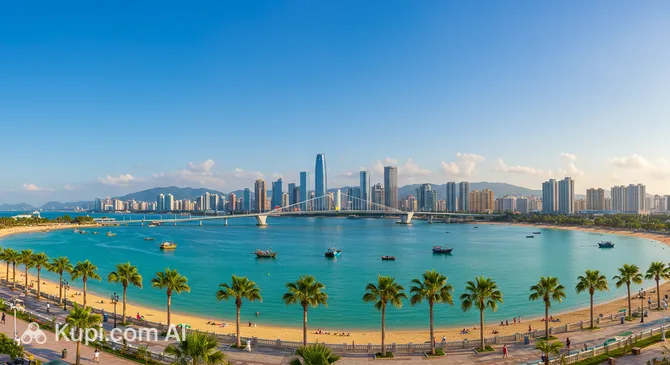
Haikou. Source: Kupi.Binoculars

Geographically situated on the northern coast of Hainan Island, Haikou enjoys a tropical monsoon climate, ensuring warm and pleasant weather throughout the year. With a population of approximately 2.9 million people, it serves as the political, economic, and cultural center of the region. The city is uniquely positioned where the Nandu River meets the sea, creating a scenic landscape of river estuaries and coastline that supports rich biodiversity and lush greenery.

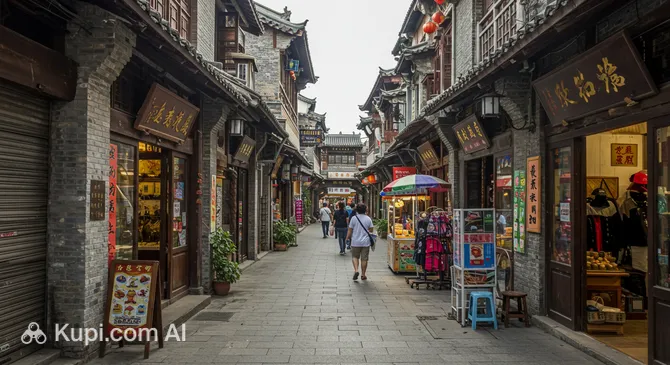
Exploring the history of Haikou reveals a rich tapestry of influences, most visibly preserved in the famous Qilou Old Street. These historical arcade streets feature stunning architecture that blends European and Southeast Asian styles, standing as a testament to the city's past as a significant trading port. Wandering through this district offers a nostalgic journey back in time, contrasting sharply with the modern skyscrapers that define the newer parts of the city.

Beyond its cultural heritage, Haikou is renowned for its natural wonders. Visitors should not miss the Haikou Volcanic Cluster Global Geopark, home to extinct craters and unique lava formations covered in dense vegetation. For those looking to unwind, Holiday Beach offers golden sands and refreshing sea breezes. Whether you are strolling through verdant parks or tasting fresh seafood at a night market, Haikou promises a memorable and diverse travel experience.
Weather Overview

Haikou experiences a tropical climate characterized by distinct wet and dry periods, ensuring warm weather for most of the year. The city's location contributes to its generally humid and pleasant atmosphere, though conditions vary significantly between seasons. For a more detailed forecast and monthly breakdown, you can consult the guide to the weather in Haikou.

The summer months, particularly from May to September, are defined by heat and higher humidity. During this period, average temperatures consistently stay around 28°C to 30°C, with June typically being the warmest month. This season also brings the most rainfall; for instance, August sees precipitation on approximately 22 days. Visitors during this time should be prepared for frequent tropical showers and warm evenings.

Conversely, the winter season from December to February offers a respite from the heat with much milder conditions. Average temperatures dip to a comfortable 19°C to 21°C, and rainfall becomes scarce, with months like December and January recording very low precipitation. Expect hot, humid summers with frequent rain and mild, dry winters that are excellent for outdoor activities.

Interesting Facts

Beyond the well-known scenic spots, Haikou holds a treasure trove of cultural nuances and historical curiosities that often escape the casual observer. Digging a little deeper reveals a city defined by a unique pace of life and a remarkably preserved heritage.

  • The "Old Dad Tea" Culture: In Haikou, tea is more than a beverage; it is a social institution known locally as "Lao Ba Cha." Unlike the quick tea breaks found elsewhere, locals—especially older men—spend hours in open-air teahouses enjoying a leisurely mix of tea, coffee, and hundreds of dim sum varieties, turning breakfast or afternoon snacks into lengthy social gatherings.

  • Champion of Clean Air: For years, Haikou has consistently ranked at the very top of major Chinese cities for air quality. Thanks to its lack of heavy industry, abundant tropical greenery, and constant coastal breezes, the city enjoys exceptionally clear skies, making it a health retreat destination long before it became a mainstream tourist hub.

  • Architectural Fusion: The historic Haikou Arcade Streets are a rare example of "Nanyang" style architecture in China. Built by overseas Chinese returning from Southeast Asia in the 19th and early 20th centuries, these buildings feature a unique blend of European Baroque facades and Cantonese structural designs, specifically created to shelter pedestrians from both the tropical sun and monsoon rains.

  • Villages of Stone: While the volcanic geopark is a known attraction, few realize that the surrounding rural areas are dotted with ancient villages built entirely from lava. For centuries, locals utilized the abundant porous black volcanic rock to construct everything from houses and courtyard walls to millstones and tools, creating distinctive dark-stone hamlets that are unique to this northern part of the island.

Haikou Arcade Streets. Source: Kupi.Binoculars

How to Get There

Reaching this tropical capital is a straightforward experience, with convenient connections by air and land facilitating travel from various parts of the country and abroad. Whether you are arriving directly or exploring the wider region first, you can find more about how to get to Haikou to help you plan the most efficient route for your journey.

The primary gateway for most travelers is Haikou Airport (IATA: HAK), also known as Haikou Meilan International Airport. Located approximately 30 km from the city center, it is a major hub handling a large volume of passengers annually. The airport is well-connected to the city, and a trip by taxi or bus typically takes around 65 minutes. For those exploring the southern part of the island first, you might fly into Sanya Phoenix International Airport (IATA: SYX) in Sanya. Although it is situated about 210 km away, it is a significant entry point for Hainan. A road journey from Sanya to Haikou is quite long, taking approximately 5.5 hours, though high-speed train connections are also a popular option for this route.

Another option for travelers coming from the mainland is Zhanjiang Airport (IATA: ZHA) in the city of Zhanjiang. Located roughly 130 km from Haikou across the Qiongzhou Strait, this regional airport serves as a transit point for those entering Hainan from the north. The travel time by road and ferry combination can take approximately 3.5 hours.

For clarity, here is a summary of the main airports:

Airport Name City Passenger Traffic Km from City
Haikou Airport Haikou Large 29.7
Sanya Phoenix International Airport Sanya Large 209.8
Zhanjiang Airport Zhanjiang Medium 130.6
Beihai Fucheng Airport Beihai Medium 190.5
Qionghai Bo'ao Qionghai Small 103.7

If you are traveling by rail through the southern mainland before heading to the island, you might pass through the Beihai Railway Station (IATA: FII). It is located in the city of Beihai, approximately 192 km from Haikou. While not in the immediate vicinity, it serves as a transport node in the wider region. Traveling from Beihai to Haikou involves crossing the strait, and the total journey time by road and ferry is estimated to be around 5 hours.

Below is the information for the railway station in the surrounding region:

Station City Passenger Traffic Km to Center
Beihai Railway Station Beihai 192.1

Main Attractions

Attractions:

Haikou is a city where history whispers from ancient walls and nature thrives in volcanic landscapes. While it serves as a transit hub for many, those who linger will find a fascinating collection of sites that showcase the island's unique heritage and geological wonders. From bustling historic districts to serene temples, here are the main places to explore.

A visit to Haikou is incomplete without strolling through the Haikou Arcade Streets. Located in the heart of the old town, this district is a living museum of Qilou architecture—a style that blends European colonial influences with traditional Chinese designs. The streets are lined with buildings featuring covered walkways, originally designed to protect pedestrians from the tropical sun and rain. Today, the area is vibrant with shops, cafes, and local vendors, making it the perfect place to soak up the city's nostalgic atmosphere and admire the intricate facade details.

Haikou Arcade Streets. Source: Kupi.Binoculars

For nature enthusiasts, the Haikou Volcanic Cluster Global Geopark is a must-see destination located just a short drive from the city center. This UNESCO-recognized site preserves one of the few dormant volcanic clusters in China. The highlight is hiking up to the saddle of the Ma An Ling crater, where you can peer into the lush, vegetation-covered vent. The park is also surrounded by unique villages built entirely from black lava rock, offering a glimpse into how the local geology has shaped human settlement for centuries.

Travelers interested in history should visit the Five Officials Temple (Wugong Temple), a serene complex dedicated to five historical figures banished to Hainan during the Tang and Song dynasties. Known as the "First Building of Hainan," the site features beautiful Ming and Qing dynasty architecture set amidst tranquil gardens, lotus ponds, and stone bridges. It provides a quiet retreat from the urban bustle and offers deep insight into the island's past as a place of exile for scholars and officials.

If you are looking for seaside relaxation, Holiday Beach is the city's most popular coastal stretch. Spanning several kilometers, this public beach is lined with coconut palms and offers a wide range of recreational activities, from swimming and sunbathing to beach volleyball. It is a favorite spot for both locals and tourists to gather, especially in the evenings when the sea breeze cools the air, and nearby food stalls start serving fresh barbecue and seafood.

Local Cuisine

The culinary landscape of Haikou is a delightful reflection of its tropical climate and coastal location, characterized by fresh ingredients, light seasoning, and a unique blend of Fujian, Cantonese, and Southeast Asian influences. Unlike the spicy cuisines found in other parts of China, the local food here focuses on preserving the natural taste of the ingredients, making it a refreshing experience for the palate.

The undisputed star of the local table is Wenchang Chicken, one of the "Four Famous Dishes of Hainan." Known as the predecessor to the globally famous Hainanese Chicken Rice, this dish features succulent, free-range chicken that is poached to perfection to keep the meat tender and the skin smooth. It is typically served with a flavorful dipping sauce made from crushed ginger, garlic, soy sauce, and local calamansi lime, accompanied by rice cooked in rich chicken fat and broth.

For breakfast or a hearty snack, travelers must try Hainan Rice Noodles (Hainan Fen). This beloved staple consists of thin, fermented rice vermicelli served at room temperature, topped with a savory, thick gravy and a mountain of garnishes. A typical bowl might include roasted peanuts, sesame seeds, bamboo shoots, shredded meat, and crispy fried dough strips, offering a complex mix of textures in every bite. Another popular variation is the sour and spicy noodle soup, which provides a zestier kick suited to the humid weather.

Given its seaside location, Haikou is a paradise for seafood lovers. The local markets and restaurants offer an abundance of fresh crabs, prawns, shellfish, and grouper. The preparation is often simple—steamed or quickly stir-fried with scallions and ginger—to highlight the ocean-fresh sweetness of the catch. Steaming hotpots, often using a coconut water base, are also a popular way to enjoy seafood and meat, infusing the ingredients with a subtle, sweet aroma.

The city's beverage culture is dominated by the ubiquitous coconut. Fresh coconut water is sold on nearly every street corner, providing a natural and cooling electrolyte boost. Beyond the fruit itself, you will find "Shenglan," a refreshing local drink made from pickled limes, and a unique local coffee culture. The traditional "Old Dad Tea" (Lao Ba Cha) often features strong, locally grown coffee sweetened with condensed milk, similar to styles found in Southeast Asia, served alongside an array of pastries and steamed buns.

To truly immerse yourself in the food culture, head to the bustling night markets or the historic districts. The area around the Haikou Arcade Streets is particularly famous for its "Snack Street," where you can sample dozens of local delicacies in one place. Here, amidst the backdrop of colonial-style architecture, vendors sell everything from sweet herbal jellies and tropical fruit desserts to savory grilled oysters, creating a vibrant atmosphere that lasts late into the night.

Travel Tips

To ensure your visit to the tropical capital of Hainan is as breezy and enjoyable as the coastal winds, a little preparation goes a long way. These practical tips will help you navigate local customs, manage logistics, and make the most of your time in this vibrant island metropolis.

  1. Clothing and Gear: Haikou is warm and humid year-round, so pack lightweight, breathable fabrics like cotton or linen. A sturdy umbrella or raincoat is essential, especially during the rainy season from May to September. Since you will likely be walking through the historic arcade streets or hiking the volcanic geopark, bring comfortable, broken-in walking shoes. Don't forget high-SPF sunscreen and a wide-brimmed hat to protect against the strong tropical sun.

  2. Transportation: The city has an extensive and affordable bus network, but for convenience, ride-hailing apps are the best option. The DiDi app (often accessible via Alipay) is widely used and overcomes language barriers by allowing you to input destinations in English. Taxis are also available, but ensure the driver uses the meter. If you plan to visit Sanya later, the high-speed train is the most efficient method, departing from Haikou East or Meilan station.

  3. Finances: The local currency is the Chinese Yuan (RMB). Cash is becoming increasingly rare; daily life runs on mobile payments. Before you arrive, download Alipay or WeChat and link your international credit card to their "tourist pass" or wallet features. While major hotels may accept physical credit cards, small vendors and taxis strictly prefer QR code payments. It is wise to carry a small amount of cash for emergencies, but don't rely on it.

  4. Health and Safety: Haikou is generally very safe for tourists. Pharmacies are marked with a green cross, but bring your own prescription meds as specific brands may be hard to find. Tap water is not safe for drinking; stick to bottled or boiled water. Given the tropical climate, mosquitoes can be a nuisance, so carry an effective insect repellent, particularly if you are visiting parks or dining outdoors in the evening.

  5. Communication: Mandarin is the official language, though locals often speak the Hainanese dialect. English proficiency is limited outside of 5-star hotels. It is crucial to have a translation app installed on your phone; apps that can translate text from photos (for menus) and voice are lifesavers. Since many Western apps and sites are blocked, ensure you have a roaming plan or a compliant travel SIM card to stay connected.

  6. Local Etiquette: The concept of "face" is important; always remain polite and calm in interactions. When handing over a business card, money, or a gift, use both hands as a sign of respect. Dining is a communal affair; wait for the host to start eating before you dig in. If you visit the "Old Dad Tea" houses, expect a loud, lively atmosphere—it is a social gathering, not a quiet tea ceremony.

  7. What to Avoid: Never stick your chopsticks vertically into a bowl of rice, as this resembles incense burning for the dead and is considered very bad luck. Avoid raising your voice or getting visibly angry in public disputes, as this causes both you and the other person to lose face and rarely resolves the issue.

  8. Duty-Free Shopping: Hainan is famous for its offshore duty-free shopping policy. As a tourist, you can purchase goods tax-free at designated malls like the CDF Mall. You will need your passport and flight/train ticket information. Purchased items are usually picked up at the airport, train station, or port upon your departure from the island, so plan your shopping trip at least 6 hours before your flight.

By keeping these tips in mind, you will be well-equipped to embrace the relaxed pace and unique culture of Haikou. Whether you are sipping tea with locals or exploring volcanic craters, a bit of local know-how will ensure your adventure is smooth and memorable.

Entertainment & Nightlife

As the tropical sun sets over the Qiongzhou Strait, Haikou transforms from a laid-back coastal capital into a city pulsating with energy. The nightlife here is a vibrant mix of modern sophistication and traditional charm, offering everything from high-end clubs in the commercial districts to bustling, smoke-filled night markets that stay open until the early hours. Whether you prefer sipping cocktails with a sea view or diving into a noisy local food scene, the city caters to night owls of all stripes.

The epicenter of modern nightlife is undoubtedly the Guomao District. This area is the commercial heart of the city and hosts a concentration of stylish bars, karaoke (KTV) lounges, and dance clubs. The atmosphere here is chic and energetic, attracting a mix of young professionals and tourists. Dress codes in Guomao tend to be slightly smarter than the rest of the island—think "smart casual"—though the vibe remains welcoming. Clubs typically start filling up around 11:00 PM and can go on until sunrise.

For a more relaxed evening with a scenic backdrop, head to Haikou Bay. The promenade here is lined with open-air bars and live music venues where you can enjoy a drink while listening to local bands and feeling the sea breeze. It is a popular spot for both locals and expats to unwind after work. The vibe is decidedly casual, and it is a perfect place to start your night before heading to more intense venues. Prices here are reasonable, with a beer or cocktail costing significantly less than in mainland metropolises like Shanghai.

No discussion of evening entertainment is complete without mentioning the city's legendary night markets. The Hainan University South Gate Night Market is a must-visit venue. Located near the university on Haidian Island, it is a sprawling, lively maze of food stalls that offers an authentic slice of local life. The crowd is young and boisterous, and you can feast on everything from grilled oysters to tropical fruit desserts for just a few dollars. It is lively, safe, and incredibly affordable.

Another essential stop for an atmospheric evening is the Haikou Arcade Streets. While beautiful by day, these historic streets take on a magical quality at night when the colonial-style buildings are illuminated with warm lights. The area buzzes with activity as locals gather for evening strolls, and the nearby "Snack Street" serves up traditional Hainanese treats. It offers a more cultural and nostalgic nightlife experience compared to the thumping bass of the modern clubs.

From a practical standpoint, Haikou is very safe at night. The main entertainment districts are well-lit and populated. Getting around is easy; ride-hailing apps like DiDi are the most convenient way to hop between venues, and taxis are plentiful. If you are venturing out late, stick to the populated areas like Guomao or Haidian Island. Always have your hotel address written in Chinese on your phone to show drivers.

While the nights are lively, Haikou also offers plenty of daytime entertainment beyond its natural scenery. Culture lovers should visit the Hainan Museum to understand the island's unique history and ethnic minority cultures. For a more whimsical experience, Feng Xiaogang Movie Town is a massive film studio and theme park that recreates streets from 1940s China, offering immersive shows and photo opportunities that transport you to a different era.

Parks & Museums

Haikou is a city where urban life is deeply intertwined with tropical nature and centuries-old heritage. Beyond its bustling streets, the city offers a refreshing array of verdant parks and cultural institutions that allow visitors to step back and appreciate the island's unique environment and history. From expansive green lungs facing the sea to museums safeguarding local traditions, there is plenty to explore for those seeking a deeper connection with the destination.

Evergreen Park (Wanlv Park) is the city's largest and most beloved public green space, acting as a tropical oasis right in the urban center. Located along the coast, this sprawling park features thousands of coconut trees and ornamental plants, creating a lush canopy perfect for escaping the midday heat. It is a hub of local activity where you can watch residents practicing Tai Chi, flying kites, or simply enjoying a picnic on the vast lawns. The park's seaside promenade offers stunning views of the Haikou Century Bridge, making it an excellent spot for a sunset stroll.

For a more diverse natural experience, Jinniuling Park offers a mix of landscaped gardens and wilder forest areas. Situated on a small hill, it provides a habitat for various bird species and includes a small zoo, making it popular with families. One of its highlights is the bamboo forest, which offers a serene, shaded walking path that feels miles away from the city noise. The park's elevation also provides a nice vantage point to overlook the surrounding districts.

To understand the depth of the region's culture, a visit to the Hainan Museum is essential. As the province's premier cultural facility, it houses an extensive collection of artifacts ranging from prehistoric tools to exquisite porcelain salvaged from ancient shipwrecks in the South China Sea. The museum places a strong emphasis on the intangible cultural heritage of the island's indigenous Li and Miao ethnic groups, showcasing their traditional textiles, silver jewelry, and unique customs. It is a comprehensive window into the soul of Hainan.

In terms of historical landmarks, the Tomb of Hai Rui stands as a significant architectural and cultural site. Dedicated to a famous Ming Dynasty official known for his unyielding integrity, the complex is a fine example of traditional stone carving and garden design. The solemn atmosphere and the statues lining the spirit path offer a quiet counterpoint to the city's modern pace. Another notable site is the Xiuying Fort, a coastal defense fortification built in the late 19th century. With its well-preserved cannons and military bunkers, it offers a tangible connection to the island's military history and struggles against naval powers.

While the Haikou Arcade Streets remain the most famous architectural attraction, those looking for something truly unique should venture a bit further to the Dongzhai Harbor Mangrove Nature Reserve. Although technically on the outskirts, it is the first wetland nature reserve in China and offers boat tours through "forests on the sea." It is a fantastic spot for birdwatching and experiencing the raw, tidal beauty of the coastline away from the manicured city parks.

Getting Around

Navigating Haikou is relatively easy and affordable, thanks to a well-developed network of public transportation that connects the historic districts, commercial centers, and coastal attractions. While the city does not currently have an underground metro system, it relies on an extensive bus network and a unique suburban railway line that functions effectively as a rapid transit corridor for longer distances.

The public bus system is the primary mode of transport for getting around the city. The fleet is modern, air-conditioned, and covers nearly every corner of the metropolis. Route numbers are clearly displayed, and there are special "Tourist Lines" (often double-decker buses) that connect major landmarks like Holiday Beach, the Volcanic Cluster Geopark, and the Arcade Streets. These tourist buses offer a scenic way to view the city while moving between attractions.

A distinct feature of the local transport infrastructure is the Haikou Suburban Railway. This high-speed commuter train runs along the eastern edge of the city, connecting major hubs such as Haikou Railway Station, Haikou East Station, and Meilan International Airport. It operates similarly to an express metro or S-train, with speeds reaching up to 160 km/h. It is the fastest way to travel between the city center and the airport or the far northern and southern districts, significantly cutting down travel time compared to road traffic.

Regarding payment, the system is heavily digitized. For buses, the standard fare is typically very low, often a flat rate of roughly 1 RMB for most urban lines, though longer tourist routes may cost slightly more. The most convenient way to pay is via mobile apps like Alipay or WeChat Pay, which have mini-apps specifically for generating a "Transport QR Code" to scan upon entry. If you prefer not to use mobile payments, you must pay with cash, but be aware that onboard machines do not give change, so you must have the exact amount in coins or small notes.

For those seeking more direct comfort, taxis are plentiful and reasonably priced. You can flag them down on the street; a lit "For Hire" sign indicates availability. All official taxis use meters, and it is advisable to ensure the driver turns it on at the start of the trip. Alternatively, ride-hailing apps are extremely popular and often more convenient for tourists who do not speak the local language. DiDi is the main service provider, allowing you to input your destination in English and pay automatically through the app.

For short distances, shared bicycles are a fantastic option, especially given the city's flat terrain and scenic coastal promenades. You will find rows of colorful bicycles parked on sidewalks throughout the city. These can be unlocked using their respective apps or through the major payment platforms mentioned above. They are perfect for "last-mile" travel or a leisurely ride along Haikou Bay.

A few practical tips will ensure a smooth journey. Public transport generally operates from early morning (around 6:00 AM) until late evening (around 10:00 PM or 10:30 PM), though times vary by route. During rush hours (7:30–9:00 AM and 5:30–7:00 PM), buses and roads can get congested, so plan accordingly. Since bus stop signs are predominantly in local characters, it is highly recommended to use a navigation app on your phone to track your route and know exactly when to get off.

Accommodation

Finding the perfect place to stay in Haikou is a straightforward task, as the city offers a wide spectrum of accommodation options to suit every budget and travel style. Unlike the purely resort-focused nature of Sanya to the south, Haikou presents a balanced mix of business-oriented hotels, luxury coastal resorts, comfortable mid-range chains, and budget-friendly hostels. Whether you are looking for a room with a panoramic sea view, a convenient base for urban exploration, or a simple backpacker's lodge, the city’s hospitality sector is well-developed and accommodating.

For most tourists, the choice of location depends largely on the purpose of the trip. The Guomao District serves as the commercial heart of the city, making it an ideal choice for those who want easy access to shopping malls, restaurants, and vibrant nightlife. If you prefer a more scenic and relaxed environment, Haidian Island offers a quieter atmosphere with plenty of riverside and seaside walking paths, yet remains close to the city center via bridges. For travelers seeking a true resort experience with beach access, the West Coast area is home to numerous high-end properties featuring sprawling pools and ocean vistas, though it is located further from the historic downtown.

The city is well-served by major international hotel groups and reputable local brands. While the downtown area is dotted with reliable mid-range options and business hotels, the coastline is dominated by luxury establishments that offer world-class amenities at prices often significantly lower than similar properties in other major travel hubs. Visitors can expect to find everything from grand, high-rise hotels overlooking the Qiongzhou Strait to smaller, boutique-style accommodations tucked away near the historic Haikou Arcade Streets.

Regarding costs and booking, Haikou is generally very affordable compared to other major Chinese coastal cities. Budget travelers can find comfortable hostels or economy hotels for very reasonable rates, while luxury stays are often available at a fraction of the cost found in Sanya. It is highly recommended to book your accommodation in advance, especially if you are visiting during the peak winter months or the Chinese New Year holiday, when demand surges. Most bookings can be easily made through major international online travel platforms, which offer the convenience of English-language support and secure payment options.

Nearby Cities

For those looking to explore the surroundings, Haikou serves as an excellent base for day trips to several interesting nearby locations. While Haikou is situated on an island, the mainland is just a ferry ride away across the Qiongzhou Strait, offering access to the rich cultural and coastal landscapes of Guangdong and Guangxi provinces.

One of the most culturally significant stops is Leizhou, located on the peninsula directly opposite Haikou. Famous for its unique "Stone Dog" statues and ancient temples, it is the cradle of Leizhou culture and offers a fascinating historical perspective for visitors. For a more bustling urban experience, Zhanjiang is a major port city known for its excellent seafood, subtropical seaside parks, and the long Guandu Bridge. Further west lies Beihai, a celebrated tourist destination renowned for its "Silver Beach" and historic colonial architecture, which shares a similar charm to Haikou's own old town but with its own distinct flavor.

City Population Distance (km)
Zhanjiang 7,332,000 137
Maoming 6,313,200 195
Beihai 1,853,227 195
Lianjiang 1,509,400 174
Leizhou 1,494,700 97

These nearby destinations offer a glimpse into the diverse culture and landscapes of the region, making them well worth the journey for travelers with a bit of extra time.

Shopping & Souvenirs

Shopping in Haikou is a vibrant mix of the old and the new, offering everything from traditional dried seafood markets to some of the world's largest luxury duty-free complexes. As the capital of Hainan, the city serves as a commercial hub where visitors can find authentic local products alongside high-end international brands. Whether you are hunting for cultural handicrafts or taking advantage of the island's generous tax-free policies, the shopping scene here is diverse and rewarding.

For a shopping experience steeped in history, the Haikou Arcade Streets (Qilou Old Street) are the place to start. While known for their architecture, these streets are bustling commercial arteries lined with shops that have been operating for generations. Here, you can browse through stores selling traditional Chinese medicine, wholesale fabrics, and an array of dried marine products. It is the perfect spot to find unique cultural items and absorb the local atmosphere away from the polished glass of modern malls.

Haikou has rapidly developed into a premier destination for luxury shopping, anchored by massive retail centers. The crown jewel is the CDF Haikou International Duty Free City, located on the west coast. It stands as the world's largest single-building duty-free shopping complex, housing hundreds of international brands ranging from cosmetics and perfumes to designer fashion and electronics. Another key location is Sun Moon Plaza (Riyue Plaza) in the city center, a colossal twin-building development that combines duty-free shops with regular retail outlets, cinemas, and restaurants.

To experience the local way of life, visit the Dongmen Market. This is not a tourist trap but a genuine market where locals buy their daily provisions. It is particularly famous for its vast selection of dried seafood, including scallops, squid, and salted fish, which are staples of Hainanese cuisine. For a more eclectic mix, the city's night markets, such as the one at Haidian Island, offer stalls selling inexpensive clothes, phone accessories, and handmade crafts amidst the food vendors.

When it comes to souvenirs, Haikou offers several distinct local specialties. Coconut products are ubiquitous; look for coconut candy, instant coconut powder, and carved coconut shell handicrafts. Hainan pearls are another popular buy, known for their quality and luster, often sold at specialized jewelry centers or reputable market stalls. Additionally, foodies should pick up some Hainan coffee (often charcoal-roasted) or jars of the local yellow lantern chili sauce, which packs a fiery punch.

Most shopping malls and department stores operate from around 10:00 AM to 10:00 PM daily. Small independent shops and market stalls may open earlier and close later, depending on the flow of customers. In terms of payment, digital wallets are king. Alipay and WeChat Pay are accepted almost everywhere, from luxury boutiques to street vendors. While major malls accept international credit cards, cash is rarely used, so having a mobile payment method set up on your phone is highly recommended.

A major highlight for tourists is Hainan's Offshore Duty-Free Policy. Visitors leaving the island by plane, train, or ship are eligible for significant tax exemptions on a wide range of goods. To shop duty-free, you must present a valid ID (such as a passport) and proof of your departure ticket. Goods purchased in the city are typically sealed and sent to a designated pick-up point at the airport, train station, or port, where you collect them just before leaving the island. Be sure to complete your shopping at least 6 hours before your flight to allow time for processing and delivery.

Reached the end of the page?

That means the route is fully explored