Support

Qionghai

About

Nestled on the eastern coast of Hainan Province, Qionghai is a captivating destination that blends tropical natural beauty with modern development. As a significant city in China, it offers a more laid-back atmosphere compared to the bustling provincial capital, making it a favorite retreat for travelers seeking both relaxation and cultural immersion. The city is known for its lush greenery, fresh air, and the harmonious coexistence of its urban areas with the surrounding nature.
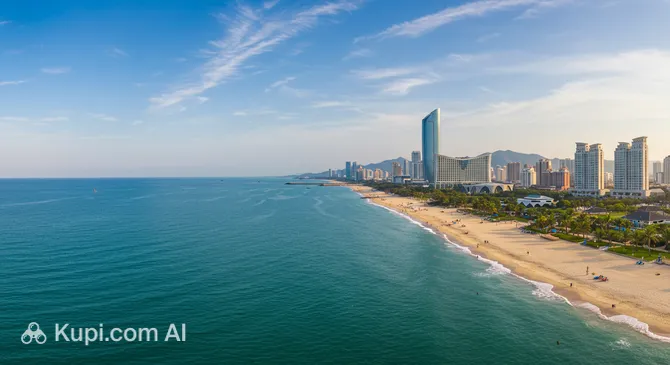
Qionghai. Source: Kupi.Binoculars

Geographically, Qionghai is defined by its proximity to the sea and its abundance of freshwater resources. The city enjoys a tropical monsoon climate, ensuring warm and pleasant weather year-round, which is ideal for exploring its scenic outdoors. With a population of approximately 515,700 residents, it maintains a perfect balance between a lively community and the tranquil countryside. The famous Wanquan River flows through the city, offering picturesque views and serving as a vital part of the local ecosystem and tourism.

The region is deeply rooted in local culture and tradition. Visitors interested in the past can explore the history of Qionghai, which reveals fascinating stories about the legendary Red Detachment of Women and the area's evolution from a quiet fishing region to a hub of international exchange. One of the city's highlights is the town of Boao, which is globally renowned as the permanent site of the Boao Forum for Asia, attracting visitors with its impressive architecture and coastal charm.

Whether you are taking a boat tour along the Wanquan River, visiting the unique "sea bars" formed by sand spits, or simply enjoying the local tropical cuisine, Qionghai promises a memorable experience. It is a destination that invites you to slow down and appreciate the unique charm of Hainan's eastern coast.

Weather Overview

Qionghai enjoys a tropical monsoon climate, characterized by warm temperatures year-round and distinct wet and dry seasons. The city is generally pleasant to visit at any time, though the atmosphere changes depending on the month. For a more detailed breakdown of conditions for your specific travel dates, you can consult the guide to weather in Qionghai.

The summer months, particularly from June to August, are the hottest, with average temperatures ranging from 28.9°C to 29.6°C and highs peaking around 32.4°C. This period is also the wettest; for instance, August sees rain on approximately 24 days of the month. Travelers visiting during this time should be prepared for high humidity and frequent showers, which sustain the region's lush greenery.

In contrast, the winter season from December to February offers milder conditions. Average temperatures stay comfortable between 19.8°C and 21.3°C, with lows rarely dropping below 17°C. This is the driest time of the year, with December recording only about 7 wet days, making it an excellent season for outdoor exploration. Expect warm summers with frequent rain and mild, drier winters that are perfect for sightseeing.

Interesting Facts

Beyond the main attractions, Qionghai holds many fascinating secrets and unique distinctions that often surprise visitors. From geographical marvels to deep-rooted cultural connections, here are a few intriguing aspects of this coastal city.

  • A Guinness World Record Holder: Qionghai is home to the spectacular Jade Belt Beach, a narrow sand spit located in Boao. It holds a Guinness World Record for being the narrowest beach separating a river from the sea. Standing on this strip of sand, you can simultaneously view the calm fresh waters of the Wanquan River on one side and the rolling waves of the South China Sea on the other.

  • A Global Population: The city is famously known as a major "Hometown of Overseas Chinese." It is estimated that over 500,000 people of Qionghai descent live in nearly 30 countries and regions around the world. This diaspora is so significant that the number of Qionghai natives living abroad historically rivaled the local population of the city itself.

  • Southeast Asian Influence: In the town of Zhongyuan within Qionghai, you will find streets lined with colorful Nanyang-style arcade buildings. This unique architecture was introduced by returning overseas Chinese who brought back design elements from Southeast Asia, giving this part of the city a distinct, exotic atmosphere unlike typical Chinese towns.

How to Get There

Reaching Qionghai is relatively convenient thanks to its location on the eastern coast of Hainan and the available transport infrastructure. Whether you prefer flying directly to the area or landing in a major provincial hub and transferring, there are several viable options to suit your itinerary. For a comprehensive overview of all routes and travel tips, you can read more about how to get to Qionghai.

The city is served by its own airport, Qionghai Bo'ao (IATA: BAR), which is a "garden-style" international airport located just 13.3 km from the city center. It handles regional traffic and offers the quickest access; a taxi or bus ride from here takes approximately 40 minutes. Alternatively, many visitors choose to fly into Haikou Airport (IATA: HAK) in the provincial capital, Haikou. Situated about 75.1 km away, this major international hub welcomes millions of passengers annually and offers a wider range of flight connections. The journey by road from Haikou Airport to Qionghai takes around 2 hours and 15 minutes.

For clarity, here is a summary of the main airports serving the region:

Airport Name City Passenger Traffic Km from City
Haikou Airport Haikou Large 75.1
Sanya Phoenix International Airport Sanya Large 154.0
Zhanjiang Airport Zhanjiang Medium 216.9
Beihai Fucheng Airport Beihai Medium 281.0
Qionghai Bo'ao Qionghai Small 13.3

If you are considering arriving by train, please note that the closest major station listed in our data is Beihai Railway Station (IATA: FII), located in the city of Beihai. This station is approximately 281 km away from Qionghai. Due to the significant distance, a transfer by taxi or bus from this station would take roughly 7 hours and 20 minutes.

Below is the information for the railway station:

Station City Passenger Traffic Km to Center
Beihai Railway Station Beihai 281.0

Main Attractions

Qionghai offers a diverse array of sights, ranging from significant political landmarks to breathtaking natural wonders. The city's tourism landscape is defined by its unique geography, where rivers meet the sea, and its deep revolutionary history. Here are some of the most compelling places to visit during your stay.

Boao Forum for Asia Permanent Site is arguably the most famous landmark in the region. Located on the scenic Dongyu Island, this venue hosts high-level dialogues between government leaders and business giants from across the globe. Tourists are drawn here not only for its political significance but also for its impressive modern architecture and manicured landscapes. Visitors can tour the main conference hall, stand at the podium where world leaders have spoken, and enjoy the tranquil views of the surrounding water, making it a perfect blend of modern history and sightseeing.

A short boat ride away lies the spectacular Jade Belt Beach (Yudai Beach), a natural marvel that holds a Guinness World Record. This narrow, golden sand spit separates the turbulent waves of the South China Sea from the calm, fresh waters of the Wanquan River. It is a surreal experience to stand on the sand and see two completely different bodies of water on either side. The beach is a must-visit for photographers and nature lovers looking for a unique coastal landscape that cannot be found elsewhere.

The Wanquan River is known as the "Mother River" of Qionghai and offers excellent opportunities for outdoor adventure. While you can admire it from the banks, the best way to experience it is by taking a bamboo raft or boat tour. The river winds through lush tropical rainforests and coconut groves, providing a refreshing escape into nature. For the more adventurous, the upper reaches of the river offer thrilling rafting experiences, while the lower reaches near the estuary are perfect for a relaxing cruise.

For panoramic views of the entire region, a trip to the Baishiling Tourism Scenic Area is highly recommended. Known as "Hainan's No. 1 Ridge," this park features a jagged peak that rises dramatically from the flat coastal plain. Visitors can hike up the 1,308 steps or take a convenient cable car to the summit. From the top, you are rewarded with a breathtaking 360-degree view of Qionghai city, the winding Wanquan River, and the distant coastline, all framed by strange rock formations and tropical vegetation.

Those interested in Chinese history should visit the Red Detachment of Women Memorial Park. This site commemorates the legendary all-female military unit formed in Qionghai during the 1930s, which became a national symbol of courage and revolutionary spirit. The park features a large memorial statue, a museum displaying historical artifacts and photographs, and lush gardens. It provides a fascinating cultural context to the region and tells the inspiring story of the local women who played a pivotal role in history.

Local Cuisine

The culinary landscape of Qionghai is a delightful reflection of its coastal geography and cultural history, offering flavors that are fresh, light, and deeply satisfying. As a city in Hainan, the local cuisine emphasizes the natural taste of ingredients, with a particular focus on poultry, seafood, and tropical crops. For food lovers, Qionghai is best known as the home of Jiaji Duck, one of the "Four Famous Dishes of Hainan." Sourced from the local Jiaji Town, this duck is renowned for its thin skin, soft bones, and tender meat. It is typically served "white-cut" (boiled) to preserve its original flavor and accompanied by a savory dipping sauce made from vinegar, ginger, and garlic.

Beyond its famous poultry, Qionghai is a paradise for seafood enthusiasts, particularly due to the influence of the Tanmen fishing port. Here, the catch is brought in fresh daily from the South China Sea. The locals prefer cooking methods that highlight freshness, such as steaming or boiling with minimal seasoning. Visitors should not miss the chance to try locally caught crab, grouper, and mackerel, which are often enjoyed in open-air restaurants near the harbor, allowing you to soak in the maritime atmosphere while you eat.

A unique feature of Qionghai's gastronomy is its famous Coarse Grain (Culiang) culture. Unlike many other places where grains are just staples, here they are transformed into a variety of delicious snacks and desserts. You will find colorful treats made from sweet potato, cassava, corn, and taro, often served with coconut milk. These wholesome snacks are not only healthy but also a staple of the local street food scene, available in specialized shops and night markets throughout the city.

When it comes to drinks and dining culture, the tradition of "Old Dad's Tea" (Laobacha) is central to daily life. This is not merely about drinking tea; it is a social ritual where locals gather in relaxed, often open-air teahouses to chat and enjoy endless refills of tea or local coffee. The coffee here often carries a distinct charcoal-roasted flavor, a legacy of the Returning Overseas Chinese influence. To beat the tropical heat, fresh coconut water is ubiquitous, often sold straight from the shell on street corners, providing a cool and natural refreshment.

Travel Tips

Welcome to the charming city of Qionghai! To help you navigate this tropical paradise with ease and make the most of your visit, we have compiled a list of essential travel tips designed to ensure a smooth and enjoyable experience.

  1. Clothing and Gear: Given the tropical monsoon climate, pack lightweight and breathable fabrics like cotton or linen to stay comfortable in the heat and humidity. Essential accessories include high-SPF sunscreen, sunglasses, and a hat for sun protection, as well as a sturdy umbrella or rain poncho, especially if you are visiting during the wetter summer months. Comfortable walking shoes are a must for exploring parks and riverbanks.

  2. Transportation: The most convenient way to get around Qionghai is by using taxis or ride-hailing apps like DiDi, which are affordable and reliable. Public buses are available but can be confusing if you do not read Chinese. for longer distances, such as visiting Boao or heading to Haikou, the high-speed train is an extremely efficient and comfortable option.

  3. Finances: The currency used is the Chinese Yuan (CNY). While high-end hotels and resorts in the Boao area may accept international credit cards, the local economy runs largely on mobile payments like Alipay and WeChat Pay. It is highly recommended to set up these apps or carry sufficient cash for small shops, "Old Dad's Tea" houses, and street food vendors.

  4. Health and Safety: Qionghai is a safe destination for tourists, but standard precautions apply; keep an eye on your belongings in crowded markets. Pharmacies are easy to find (look for a green cross), but carrying your own mosquito repellent is crucial due to the lush, tropical environment. Always drink bottled water instead of tap water to avoid any digestive issues.

  5. Communication: Mandarin is the official language, though many residents speak the local Hainanese dialect among themselves. English is not widely spoken outside of major international hotels and the Boao Forum venue. It is essential to download an offline translation app and a map app before your trip to help with directions and basic interactions.

  6. Local Etiquette: When dining, especially in traditional teahouses, the atmosphere is relaxed and social; rushing the staff or being impatient is seen as poor manners. If you are sharing a meal, it is polite to wait for the host or the eldest person to start eating first. A simple nod or a smile is a common and polite way to greet locals.

  7. What to Avoid: Avoid losing your temper or shouting in public, as public displays of anger cause a "loss of face" for everyone involved and are considered very rude. Additionally, do not wear beachwear or swimwear when walking around the city center or visiting shops; cover up once you leave the beach area.

  8. Local Insight: Embrace the "Siesta": Due to the tropical heat, the pace of life often slows down in the early afternoon. You may find that some smaller local shops and businesses close for a break between 12:00 PM and 2:00 PM. Use this time to relax in a shaded teahouse or enjoy a long lunch just like the locals do.

With these practical tips in hand, you are well-prepared to embrace the relaxed pace and unique culture of Qionghai. We hope you have a wonderful time exploring the lush landscapes and experiencing the warm hospitality of this coastal gem!

Entertainment & Nightlife

While Qionghai is not known for the high-energy, thumping nightclubs found in larger metropolises like Sanya or Haikou, its nightlife offers a uniquely charming and relaxed tropical atmosphere. The evening entertainment here is defined by sea breezes, open-air venues, and a vibrant late-night dining culture. Instead of neon-lit dance floors, you are more likely to find atmospheric beach bars, riverside promenades, and bustling night markets where locals gather to socialize over food and drinks.

The most famous district for evening entertainment is undoubtedly the town of Boao. Here, the nightlife centers around the coast, offering a sophisticated yet laid-back vibe. The crowd is a mix of tourists and locals enjoying the cool evening air. The dress code is generally casual resort wear—think linen shirts and sundresses rather than formal club attire. Most venues stay open until around midnight or 1:00 AM, with some spots lingering longer on weekends.

A must-visit venue in Boao is Sea Story (Hai De Gushi). Located right on the beach, this is more than just a bar; it is an artistic landmark constructed from old wooden boats, coral stones, and discarded ship parts. By day, it serves coffee, but by night, it transforms into a magical seaside lounge with dim lighting and soft music. Visitors can sit on chairs made from old boat timber, sip on cold beer or cocktails, and listen to the waves crashing just a few meters away. It captures the essence of Qionghai's maritime culture perfectly.

For those seeking a more authentic local experience, the city center in Jiaji Town offers a different kind of nightlife. The streets here come alive with "Old Dad's Tea" shops that stay open late and night markets serving the famous Coarse Grain snacks. You can visit the bustling food streets near the Wanquan River to try local favorites like mango rolls and coconut slurps. Additionally, the Tanmen Fishing Port is an excellent spot for a late dinner. The seafood restaurants here are lively and often crowded, offering fresh catches straight from the boats in a vibrant, noisy, and welcoming setting.

When it comes to practicalities, nightlife in Qionghai is very affordable compared to other tourist hubs. A beer at a beach bar might cost around 30-50 CNY, while local snacks are incredibly cheap. Getting around is safe and easy; the city is generally very secure for night walks, especially in well-lit areas like Boao and the Wanquan riverfront. Taxis and ride-hailing apps like DiDi are readily available, though if you are staying in Boao and partying in Jiaji (or vice versa), be prepared for a 20-30 minute ride. Always have your hotel address written in Chinese for the driver.

Before the sun sets, Qionghai offers plenty of daytime entertainment to fill your itinerary. You can explore the history of Qionghai at the Red Detachment of Women Memorial Park or marvel at the modern architecture of the Boao Forum for Asia. Nature lovers should not miss a trip to the Wanquan River for a scenic boat cruise or a visit to the lush Baishiling Scenic Area to enjoy the tropical landscape by day.

Parks & Museums

Beyond its sweeping coastlines and river views, Qionghai is a city that takes great pride in its ecological preservation and cultural heritage. The city seamlessly integrates lush, open spaces with venues that celebrate its unique history, offering travelers a chance to explore everything from agricultural landscapes to world-class museums.

For a unique outdoor experience that blends nature with local livelihood, the Longshouyang National Agricultural Park is a standout destination. Unlike traditional city parks, this is a sprawling "pastoral complex" where urban life meets the countryside. Visitors can cycle or walk along paths winding through vibrant rice paddies, vegetable gardens, and lotus ponds. It is particularly beautiful during the blooming season, offering a peaceful escape where you can observe traditional farming practices amidst a landscape designed for leisure and tourism.

Another significant green space is the Wanquan River Park, located along the banks of the city's mother river. This linear park is the green lung of the urban area, featuring manicured gardens, walking trails, and sculptures that depict local folklore. It is a favorite spot for locals to exercise and relax, especially in the evenings when the river breeze cools the air. The park provides excellent vantage points for watching the sunset over the water, making it a perfect location for a leisurely stroll after dinner.

In terms of cultural venues, the China (Hainan) Museum of the South China Sea in Tanmen is a modern architectural marvel that demands a visit. The building itself is designed to resemble fishing nets and ocean waves, blending perfectly with its coastal setting. Inside, the museum houses an extensive collection of artifacts recovered from ancient shipwrecks, showcasing the history of the Maritime Silk Road. It also features exhibits on marine biology and the fishing culture of the Tanmen people, offering a deep dive into the region's connection with the ocean.

For architecture enthusiasts, the Cai Family Mansion (Caijia Residence) in Liuke Village serves as a living museum of the city's "Overseas Chinese" history. Built in the 1930s by a returning merchant, this magnificent complex is often called the "First Mansion of Hainan." It features a fascinating blend of local Hainanese craftsmanship and Western architectural styles, including Romanesque columns and Southeast Asian decorative elements. Walking through its courtyards and halls provides a tangible link to the prosperous era of international exchange.

Among the historical landmarks, Lecheng Ancient City offers a glimpse into Qionghai's distant past. Located on the banks of the Wanquan River, it is one of the oldest preserved towns in the province. Although much of it has modernized, pockets of history remain, including ancient cobblestone streets, traditional temples, and the ruins of old city walls. It is a quiet, atmospheric place that contrasts sharply with the modern developments in Boao.

For an authentic insider experience, consider visiting the artistic Nanqiang Village near Boao. This traditional village has been revitalized into a cultural hub without losing its rustic charm. You can wander through alleyways lined with old brick houses that have been converted into quaint cafes, art galleries, and homestays. It is a wonderful place to see how Qionghai is preserving its rural heritage while embracing modern creativity.

Getting Around

The public transport system in Qionghai is relatively simple and easy to navigate, primarily relying on an extensive network of buses and taxis. Unlike China's mega-cities, Qionghai does not have an underground metro system. Instead, the city functions with a relaxed pace where road transport is the most efficient way to travel between the main urban center (Jiaji Town), the coastal tourism hub of Boao, and the fishing port of Tanmen.

Public buses are the backbone of local transit. The network is well-developed, with numbered city routes serving the central areas and specific tourist lines connecting the city center to popular attractions like the Boao Forum and the train stations. For travelers, the most useful routes are typically those running between Qionghai Railway Station and Boao, as they pass through major scenic spots. The buses are generally air-conditioned and comfortable, providing a scenic and budget-friendly way to see the landscape.

When it comes to payment, the system is modernized but still accommodates cash users. Fares are very affordable, typically starting at around 2 CNY for short trips within the city center and increasing to approximately 5 to 10 CNY for longer distances, such as the trip from Jiaji to Boao. Most locals pay using mobile apps like Alipay or WeChat Pay by scanning a QR code upon entry. If you do not have these apps set up, you can pay with cash, but you must have the exact change ready, as drivers do not carry coin dispensers to provide change.

For a more direct and private option, taxis are widely available and can be flagged down on the street, especially in busy areas like the railway station or near large hotels. All official taxis are metered, and drivers are generally honest, though few speak English. Alternatively, ride-hailing apps (the local equivalent of Uber) are extremely popular and often more convenient for tourists because you can input your destination in English or pinpoint it on a map, eliminating language barriers. This is often the best choice for evening travel or when carrying luggage.

A unique feature of transport in this region is the use of the High-Speed Railway as a form of rapid transit. Qionghai has two railway stations: Qionghai Station (in the city center) and Bo'ao Station (closer to the coast). The train ride between these two stations takes only about 10 minutes, making it an incredibly fast "commuter" option if you need to hop between the urban center and the seaside resort area. Tickets for the train must be purchased in advance at the station with your passport or via a travel app.

For short distances, shared bicycles and e-bikes are scattered throughout the city. You can unlock these using the same mobile payment apps used for buses. They are perfect for leisurely rides along the Wanquan River or exploring the quiet streets of Boao. However, be aware that you need mobile data and a verified account to use them.

Practical advice for tourists: Public transport generally operates from around 6:30 AM to 9:30 PM, though some rural lines may stop running as early as 6:00 PM. Bus stop signs are almost exclusively in Chinese, so it is highly recommended to have a navigation app installed on your phone to track your route in real-time. If you are planning a late dinner in Boao but staying in the city center, ensure you have a plan for a taxi ride back, as bus services will likely have finished for the night.

Accommodation

Finding the perfect place to stay in Qionghai is relatively easy, as the city offers a diverse range of accommodation options to suit various budgets and travel styles. Whether you are looking for a luxurious seaside retreat, a convenient business hotel in the city center, or a charming homestay with local character, Qionghai has something to offer. The hospitality landscape here is well-developed, largely due to the region's status as a host for major international conferences and its popularity as a coastal destination.

When choosing where to base yourself, location is key. The most popular area for leisure travelers is undoubtedly Boao. This coastal town is famous for its high-end resorts and "garden-style" hotels that line the seafront and the banks of the Wanquan River. Staying here puts you close to major attractions like the Boao Forum for Asia and the Jade Belt Beach. It is the ideal choice for those seeking relaxation, scenic views, and premium amenities such as swimming pools and private beach access.

For visitors who prefer a more authentic, local experience or are traveling on a tighter budget, the city center in Jiaji Town is a practical alternative. Here, you will find a good selection of mid-range hotels, business inns, and budget-friendly hostels. Staying in Jiaji offers the advantage of being close to the bustling night markets, "Old Dad's Tea" shops, and the main bus stations, making it a convenient hub for exploring the wider region. Additionally, the fishing town of Tanmen has recently seen a rise in boutique homestays, offering a unique chance to stay near the harbor and experience the daily life of a fishing community.

Booking Tip: While accommodation is generally plentiful, it is highly recommended to book well in advance if you plan to visit during the annual Boao Forum for Asia conference (usually held in spring) or during major Chinese holidays like the Spring Festival and National Day. During these peak periods, room rates in Boao can surge, and the best hotels fill up quickly.

In terms of pricing, Qionghai is generally more affordable than the resort city of Sanya to the south. Budget travelers can find comfortable rooms in the city center for a very reasonable price, while mid-range options offer excellent value for money. Luxury resorts in Boao command higher rates, particularly those with ocean views, but often remain competitive compared to other international destinations. Reservations can be easily made through major international and Chinese online booking platforms, which is often the most secure way to guarantee your stay.

Nearby Cities

For those looking to explore the surroundings, Qionghai serves as an excellent base for day trips to several interesting nearby locations:

Haikou, the provincial capital of Hainan, is the most accessible and popular destination for a day trip. Located just a short distance north, it can be easily reached via the high-speed railway. Visitors can wander through the historic Qilou Old Street, famous for its colonial-style arcade architecture, or explore the fascinating Haikou Volcanic Cluster Global Geopark. The city offers a vibrant mix of urban energy, shopping, and cultural heritage that contrasts nicely with the more relaxed vibe of Qionghai.

For travelers willing to venture a bit further, the city of Zhanjiang lies across the Qiongzhou Strait in neighboring Guangdong Province. Known for its excellent seafood and deep-water harbor, Zhanjiang offers a taste of mainland coastal culture. While the journey involves crossing the strait, the city rewards visitors with its lush tropical gardens and unique historical sites. Another notable nearby location is Leizhou, a city with a rich history designated as a "National Historical and Cultural City," known for its ancient temples and stone dog statues.

City Population Distance (km)
Zhanjiang 7,332,000 223
Haikou 2,873,358 92
Lianjiang 1,509,400 261
Leizhou 1,494,700 188
Huazhou 1,468,061 267

These nearby destinations offer a glimpse into the diverse culture and landscapes of the region.

Shopping & Souvenirs

Shopping in Qionghai offers a delightful mix of local authenticity and the unique benefits of Hainan's status as a free trade port. While the city may not have the towering mega-malls of a global metropolis, it provides a diverse retail experience ranging from bustling local markets filled with tropical produce to modern duty-free shopping complexes. Visitors can expect to find everything from high-end international cosmetics to traditional handicrafts that reflect the region's rich maritime and agricultural heritage.

The primary commercial hub of the city is located in Jiaji Town. Here, the streets are lined with a variety of shops, boutiques, and local businesses that cater to everyday needs and fashion. A stroll down the central commercial streets reveals a lively atmosphere where locals shop for clothing, electronics, and household goods. This area is the beating heart of Qionghai's retail scene, offering a genuine glimpse into the daily life of the residents away from the tourist resorts.

For a more modern shopping experience, visitors should head to the Boao Duty Free Shop. As part of Hainan's offshore duty-free policy, this venue allows tourists to purchase international luxury brands, perfumes, cosmetics, and accessories at tax-free prices. It is a major draw for domestic and international travelers alike. In the city center, the Baijiahui Commercial Plaza serves as a popular spot for general shopping, housing a large supermarket and various retail outlets under one roof.

Markets play a significant role in the local culture, and the Tanmen Fishing Port offers a shopping experience you won't find elsewhere. The area around the port is famous for its shops selling dried seafood and marine-themed crafts. It is an excellent place to browse for unique items, though visitors should be mindful of purchasing only sustainable and legal souvenirs. For fresh tropical fruits like mangoes, jackfruit, and coconuts, the local wet markets in Jiaji are vibrant, colorful, and fragrant destinations worth exploring early in the morning.

When it comes to souvenirs, Qionghai has several signature products that make for perfect gifts. Hainan Pepper is a top choice, as the region is famous for producing some of the best black and white pepper in China. Coconut products, from hard candies to instant powder and carved handicrafts, are ubiquitous and affordable. Additionally, vacuum-packed Jiaji Duck allow tourists to bring a taste of the city's most famous dish back home. Local coffee and "yellow lantern" chili sauce are also popular items to stock up on.

Most shops in Qionghai operate from around 10:00 AM to 10:00 PM, although smaller local boutiques may close earlier. Markets typically open very early in the morning and wind down by the afternoon. In terms of payment, digital wallets are the norm; Alipay and WeChat Pay are accepted almost everywhere, from large malls to small street vendors. While major establishments accept credit cards, it is advisable to carry some cash for small purchases in traditional markets.

A unique advantage for tourists in Qionghai is the Offshore Duty-Free Policy. Travelers leaving Hainan by plane, train, or ship are eligible to purchase tax-free goods. To take advantage of this, you will need to present a valid ID (such as a passport) and your travel ticket information at the Boao Duty Free Shop. The goods are usually paid for at the store and then collected at a designated pickup point at the airport or train station upon your departure from the island.

Reached the end of the page?

That means the route is fully explored