Support

Sanya

About

Known as the "Hawaii of the East," Sanya is the premier tropical coastal destination in China. Situated at the southernmost tip of Hainan Province, this vibrant city offers a stark contrast to the bustling metropolises of the north, providing visitors with pristine beaches, lush rainforests, and a laid-back atmosphere that defines the perfect island getaway.

Blessed with a tropical monsoon climate, the city enjoys warm weather year-round, making it an ideal escape for sun-seekers at any time. With a population of over one million residents, Sanya balances its role as a major tourist hub with the charm of a seaside community. The coastline stretches for kilometers, featuring crystal-clear waters and soft sands that rival some of the best beaches in Southeast Asia.
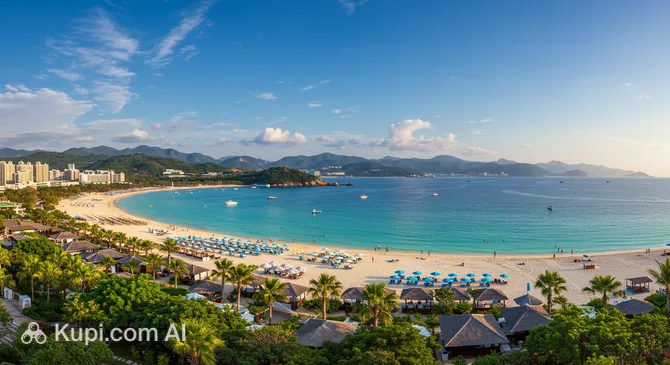
Sanya. Source: Kupi.Binoculars

While it is famous today for its luxury resorts and seaside activities, the region has a fascinating past. You can explore the history of Sanya to learn how it transformed from a remote place of exile in ancient times, known as the "End of the Sky and Ocean," into the thriving international tourism center it is today. This cultural depth adds a unique layer to the typical beach vacation experience.

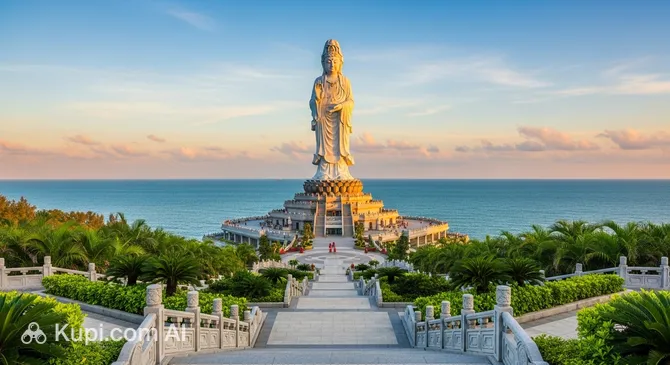
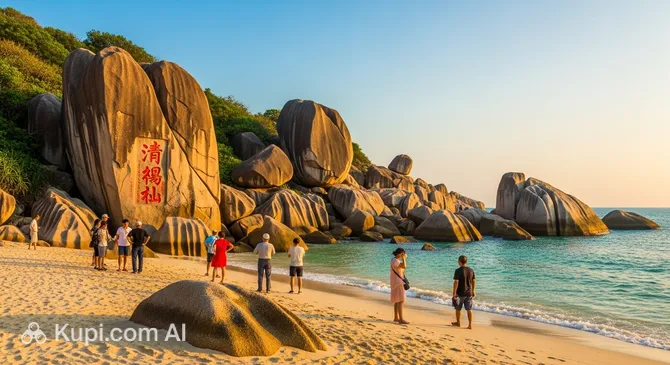
Travelers are drawn to iconic spots like Yalong Bay, often celebrated for its upscale hotels and emerald waters. Another must-visit is the Nanshan Cultural Tourism Zone, home to the majestic 108-meter-tall Guanyin statue, which stands tall over the sea as a symbol of peace and wisdom. For those seeking scenic beauty mixed with folklore, the famous rock formations at Tianya Haijiao offer breathtaking views and romantic legends.

Whether you are looking to relax under coconut palms, dive into water sports, or immerse yourself in local culture, Sanya promises an unforgettable journey. It is a destination where modern comfort meets natural splendor, inviting everyone to experience the sunny side of the country.
Weather Overview

Sanya enjoys a tropical climate that makes it a welcoming destination throughout the year, characterized by warm temperatures and distinct wet and dry seasons. The city rarely experiences cold weather, with average temperatures hovering around 20.3°C even in January, making it a perfect winter escape. By June, the heat intensifies, reaching average highs of roughly 30.6°C.

Travelers should consult the guide on the weather in Sanya to choose the best time for their activities. Expect hot, humid summers with frequent rainfall and mild, dry winters that are ideal for sunbathing. The summer months, particularly from June to September, see a significant increase in humidity and rain, with up to 27 wet days in August. In contrast, the winter season from December to February is exceptionally dry, featuring only about 3 to 4 wet days per month and comfortable, sunny skies.

Interesting Facts

Beyond its reputation as a sun-soaked paradise, Sanya holds fascinating secrets that reveal a rich tapestry of history and folklore. These unique aspects offer a deeper glimpse into the culture and past of this tropical island city.

  • In ancient times, the scenic area now known as Tianya Haijiao was considered the absolute end of the known world. Its name translates to "Edges of the Heaven, Corners of the Sea," and it historically served as a remote place of exile for disgraced officials rather than the romantic destination it is today.

  • The city is deeply connected to the legend of the "Deer Turning Back," which gives Luhuitou Park its name. According to Li minority folklore, a hunter pursued a deer to a cliff's edge, but when the animal turned to look at him, it transformed into a beautiful woman, leading the hunter to abandon his weapon and fall in love.

  • The monumental Guanyin statue at the Nanshan Buddhist Cultural Garden is an engineering marvel that stands 108 meters tall. This makes it significantly taller than the Statue of Liberty in New York and ranks it among the tallest statues in existence.

  • Sanya is often associated with exceptional longevity, with the surrounding Nanshan area famously known as a "longevity zone." The region boasts an unusually high density of centenarians, a phenomenon locals attribute to the pristine tropical air, water quality, and a diet rich in local vegetation.

Nanshan Buddhist Cultural Garden. Source: Kupi.Binoculars

How to Get There

Reaching this tropical paradise is relatively easy, as the island is well-connected to major cities both domestically and internationally. Most travelers choose to fly directly to the city's own international airport, which serves as the primary gateway for visitors. However, for those exploring more of Hainan, arriving in the provincial capital and traveling south is also a popular option. You can read more about how to get to Sanya and the various transport choices available to plan your perfect trip.

The most convenient entry point is Sanya Phoenix International Airport (SYX), located directly in the city of Sanya. It is a major hub facilitating a large volume of passengers annually. Since the airport is situated just 11.9 km from the city center, the journey to your hotel is quick and stress-free. A ride by taxi or bus typically takes approximately 40 minutes, allowing you to start your vacation almost immediately upon landing. You can find more details about Sanya Phoenix International Airport here.

Alternatively, you can fly into Haikou Airport (HAK), located in the city of Haikou, the capital of Hainan Province. Although it is about 211.4 km away from Sanya, it is a significant international airport with extensive connections. Traveling by road from Haikou to Sanya generally takes about 3 to 4 hours by taxi or bus. Many visitors also take advantage of the high-speed railway that connects the two cities, offering a scenic and efficient transfer across the island. For more information, visit the page for Haikou Airport.

For clarity, here is a summary of the main airports in the region:

Airport Name City Passenger Traffic Km from City
Haikou Airport Haikou Large 211.4
Sanya Phoenix International Airport Sanya Large 11.9
Qionghai Bo'ao Qionghai Small 139.8

Main Attractions

Sanya is a treasure trove of scenic spots and cultural landmarks, offering everything from spiritual sanctuaries to modern entertainment hubs. The city's attractions are diverse, catering to history buffs, nature lovers, and families alike.

One of the most significant sites is the Nanshan Buddhist Cultural Garden. Located roughly 40 kilometers west of the city center, this expansive zone is a major pilgrimage site dedicated to Buddhist culture and longevity. The centerpiece is the awe-inspiring 108-meter-tall Guanyin of the South Sea statue, which rises majestically from the water. Visitors can explore various temples, vegetarian restaurants, and beautiful gardens, making it a peaceful retreat for reflection and admiration of grand architecture.

For those seeking romance and legendary scenery, Tianya Haijiao is an essential stop. Known as the "Edge of the Sky and Corner of the Sea," this scenic area is famous for its massive, smooth rocks scattered along the beach, many of which bear historic Chinese inscriptions. It is a symbolic destination for couples and offers stunning coastal views, especially during sunset when the silhouettes of the stones create a picturesque landscape.

Tianya Haijiao. Source: Kupi.Binoculars

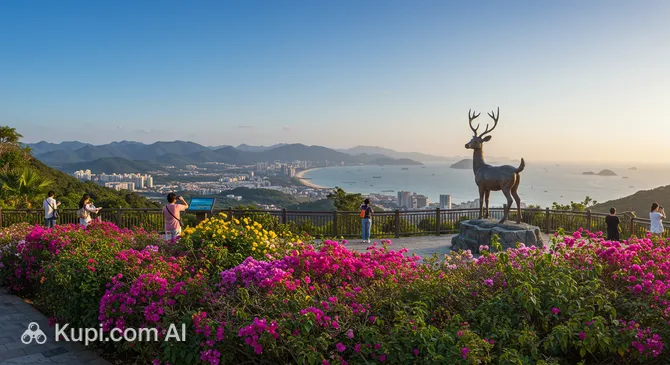
To enjoy the best panoramic views of the city and the bay, a trip to Luhuitou Park is highly recommended. Perched on a hill overlooking the Sanya River and the coastline, the park is named after the famous legend of the "Deer Turning Back," a touching love story from the Li minority folklore. A gentle hike or an electric cart ride takes you to the summit, where a massive sculpture commemorates the legend, and the observation decks provide breathtaking vistas of the skyline, particularly dazzling at night.

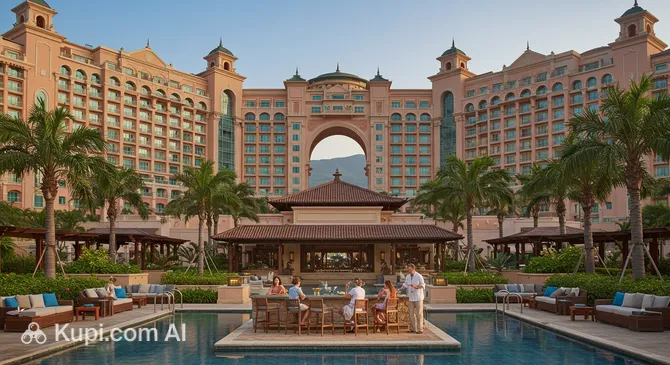
For a modern twist on tropical fun, Atlantis Sanya offers a world-class entertainment experience. Situated in Haitang Bay, this integrated resort is famous for its massive open-air aquarium, The Lost Chambers, which houses thousands of marine creatures. It also features the Aquaventure Water Park, where thrill-seekers can enjoy high-speed slides and river rides, making it a fantastic destination for families and adventure enthusiasts.

Local Cuisine

The culinary scene in Sanya is a delightful reflection of its tropical location, heavily focused on the freshest seafood and unique island ingredients. As a coastal city, the local diet is dominated by the bounty of the South China Sea, prepared with mild seasonings to highlight natural flavors. Dining here is not just about sustenance; it is an exploration of Hainan's rich gastronomic heritage, blending indigenous Li minority traditions with classic Cantonese influences.

Among the must-try dishes, Hele Crab stands out as a local favorite. Known for its rich, oily roe and tender meat, it is typically steamed with ginger and garlic to preserve its original taste. Another staple is the famous Wenchang Chicken, a dish celebrated throughout the province. The chicken is poached to perfection, resulting in smooth, silky skin and juicy meat, served with a dipping sauce made from oil, ginger, and soy sauce. For a unique side dish, visitors should try Coconut Rice, where glutinous rice is cooked inside a hollowed-out coconut shell, absorbing the sweet fragrance of the fruit.

When it comes to beverages, the city offers refreshing options to beat the tropical heat. Fresh coconut water is ubiquitous, sold on street corners and beaches, often served directly from the nut. For something sweeter, Qingbuliang is a beloved local dessert drink. This cooling soup consists of coconut milk mixed with mung beans, red beans, barley, watermelon, and quail eggs, making it a perfect treat after a day in the sun. In the evenings, locals often enjoy light domestic beers which pair excellently with spicy stir-fries.

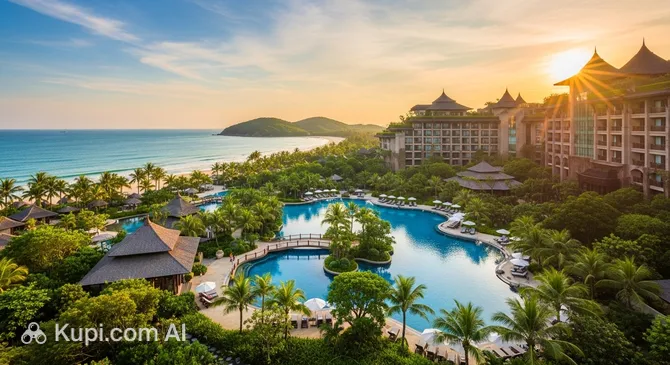
Yalong Bay Mangrove Tree Resort. Source: Kupi.Binoculars

The food culture in Sanya is vibrant and diverse, ranging from bustling night markets to upscale resort dining. A popular experience for tourists is visiting "seafood processing markets," where you can purchase live seafood from stalls and take it to nearby restaurants to be cooked to your liking for a small fee. This ensures the freshest possible meal. Alternatively, the city's luxury bays host world-class dining establishments. Resorts like the Yalong Bay Mangrove Tree Resort offer extensive buffets and specialty restaurants, allowing guests to enjoy high-quality local and international cuisine in a sophisticated, relaxed setting.

Travel Tips

To ensure your vacation in this tropical paradise is as relaxing and seamless as possible, a little preparation goes a long way. These practical tips will help you navigate local customs, manage your finances, and get around Sanya with the confidence of a seasoned traveler.

  1. Clothing and Gear. Since Sanya has a tropical climate, pack lightweight, breathable fabrics like cotton or linen to stay cool in the heat and humidity. Comfortable walking shoes are a must for exploring parks, while sandals are perfect for the beaches. Don't forget high-SPF sunscreen, sunglasses, and a wide-brimmed hat, as the sun can be very strong. If you plan to visit religious sites like the Nanshan Temple, remember to dress modestly; cover your shoulders and knees to show respect.
  2. Transportation. Public buses are an affordable way to travel, but routes can be confusing if you don't read Chinese. The most convenient option for tourists is using taxis or ride-hailing apps like DiDi, which often have English interfaces or translation features. Official taxis are metered and generally reliable. Renting a car is usually not recommended unless you have a temporary Chinese driving license, as international permits are not directly accepted.
  3. Finances. The local currency is the Chinese Yuan (CNY). While some high-end hotels accept international credit cards, Sanya—like the rest of China—runs primarily on mobile payments. It is highly advisable to download Alipay or WeChat Pay and link your international bank card before you arrive, as even small street vendors prefer digital payments over cash. Tipping is not part of the culture and is generally not expected.
  4. Health and Safety. Sanya is a very safe city for tourists, but standard precautions apply. Tap water is not safe to drink, so always opt for bottled or boiled water. Pharmacies are widely available and can be identified by a green cross sign, though carrying a small personal medical kit is wise. Be cautious of the tropical sun and stay hydrated to avoid heatstroke.
  5. Communication. The primary language is Mandarin. While staff in 5-star international resorts usually speak English, it is rarely spoken elsewhere. Install a translation app on your phone that works offline or with image recognition to read menus and signs. Additionally, be aware that many Western social media apps and Google services are blocked; you may need a roaming plan or specific travel SIM card solutions to stay connected to your usual networks.
  6. Local Etiquette. When handing over money, a business card, or a gift, use both hands as a sign of respect. It is polite to greet people with a nod or a smile. In restaurants, you might find that dishes are shared among the table; wait for the host or the eldest person to start eating before you dig in.
  7. What to Avoid. Avoid taking "black taxis" (unlicensed private cars) at the airport or tourist sites; they often overcharge. Also, be careful when ordering seafood at local markets or small restaurants without confirming the price per weight beforehand. Ensure the price is clear to avoid "tourist prices" or misunderstandings when the bill arrives.
  8. Duty-Free Shopping. Sanya is famous for having the world's largest duty-free shopping complex in Haitang Bay. Tourists are eligible for significant tax exemptions on luxury goods, cosmetics, and electronics. Remember to bring your passport and flight details when shopping to take advantage of these savings.

Armed with these tips, you are ready to embrace the laid-back island lifestyle and vibrant culture of Sanya. Whether you are bargaining in a market or relaxing by the sea, a bit of local know-how will make your journey all the more enjoyable.

Entertainment & Nightlife

As the sun sets over the South China Sea, Sanya transforms from a laid-back beach destination into a vibrant hub of evening entertainment. The city's nightlife is diverse, catering to everyone from party-goers looking for energetic clubs to couples seeking a romantic evening under the stars. Unlike the intense pace of major metropolises, the atmosphere here remains distinctly tropical and relaxed, encouraging visitors to unwind and enjoy the warm island breeze well into the night.

The epicenter of the action is undoubtedly the Dadonghai district. This area is famous for its "Bar Street," a lively strip where neon lights reflect off the water and music spills out onto the sand. Here, you will find a mix of open-air pubs, beach bars, and nightclubs that stay open until the early hours. The crowd is a cosmopolitan blend of international tourists and locals, creating a friendly and energetic vibe. Casual beachwear is generally acceptable in most bars, though some upscale clubs may require a slightly smarter dress code.

For a more panoramic perspective of the city at night, a visit to Luhuitou Park is essential. While it is a popular scenic spot during the day, the park truly comes alive after dark when the city lights of Sanya Bay illuminate the coastline below. It offers a quieter, more scenic alternative to the noisy bars, making it a perfect spot for a peaceful evening walk and breathtaking photography. The park stays open late, allowing visitors to enjoy the cool evening air and the dazzling skyline from the hilltop observation decks.

Luhuitou Park. Source: Kupi.Binoculars

If you are looking for world-class entertainment and luxury, Haitang Bay is the place to be. This area is home to the spectacular Atlantis Sanya, a massive integrated resort that redefines nightlife on the island. Beyond its luxurious accommodations, the complex hosts dazzling aquatic shows, a massive aquarium that takes on a mystical quality at night, and high-end lounges. It is also the venue for the famous "C Show," an amphibious theatrical performance that combines water ballet, acrobatics, and 3D technology, offering a feast for the senses.

Atlantis Sanya. Source: Kupi.Binoculars

For a taste of local life, immerse yourself in one of Sanya's bustling night markets, such as the Yiheng Night Market or the First Market. These venues are not just about shopping; they are culinary adventures where you can sample sizzling street food, fresh tropical fruit, and local snacks at very affordable prices. The atmosphere is boisterous and colorful, perfect for picking up souvenirs and mingling with residents. Prices here are generally lower than in the resort districts, and bargaining is part of the fun.

Safety is rarely a concern in Sanya, even late at night. The main tourist areas are well-lit and patrolled, making night walks along the Coconut Dream Corridor in Sanya Bay pleasant and secure. Getting around is easy; taxis are plentiful and affordable, and ride-hailing apps like DiDi are widely used. However, it is advisable to have your destination written in Chinese to show the driver. If you plan to stay out late in Dadonghai, catching a cab back to other bays is usually hassle-free.

While the nights are exciting, the city also offers plenty of daytime entertainment beyond the beaches. Families can explore expansive water parks or visit cultural theme parks that showcase the history and folklore of the region. Museums and theaters provide air-conditioned respite from the midday sun, offering insights into the rich maritime history and the unique traditions of the Li and Miao minority groups.

Parks & Museums

While Sanya is globally recognized for its azure waters and luxury resorts, the city also boasts a rich collection of green spaces and cultural venues. Beyond the sandy shores, visitors can explore lush rainforests, meticulously landscaped gardens, and heritage sites that offer a refreshing perspective on the region's ecological diversity and historical depth.

One of the most prominent green spaces is Luhuitou Park. Situated atop a hill on the peninsula, this park serves as more than just a viewing platform; it is a botanical haven featuring diverse tropical vegetation. Winding paths lead visitors through shaded areas rich with red silk-cotton trees and vibrant bougainvillea, culminating at the summit where the famous stone statue stands. It is an excellent spot for a leisurely hike, offering panoramic vistas of the city skyline and the vast South China Sea.

Luhuitou Park. Source: Kupi.Binoculars

Another essential stop is Tianya Haijiao, which functions as a massive coastal park. While famous for its legendary boulders, the area is also beautifully landscaped with swaying palms and manicured gardens. Visitors can stroll along the pathways that hug the coastline, observing unique geological formations shaped by centuries of wind and waves. The park's open layout makes it perfect for a scenic walk where the greenery meets the ocean, providing a serene environment for nature lovers.

Tianya Haijiao. Source: Kupi.Binoculars

For a true immersion into the island's ecosystem, the Yalong Bay Tropical Paradise Forest Park is a standout destination. This expansive natural area covers the mountain slopes surrounding the bay and features suspension bridges and forest trails. It offers a cooler, oxygen-rich environment where tourists can observe local wildlife and enjoy the dense canopy of tropical rainforest plants, famously featured in Chinese cinema.

Although Sanya is better known for its outdoor allure, its museums provide fascinating insights into the region's past. The Sanya Natural History Museum is a unique venue, particularly engaging for families. It houses a rare collection of dinosaur fossils and ancient stone artifacts, offering an educational glimpse into the prehistoric era of southern China. It is one of the few museums in the region with such a comprehensive paleontological focus.

To understand the local heritage, the Sanya City Museum showcases the maritime history and the customs of the indigenous people. The exhibits typically display traditional clothing, fishing tools, and ceramics, telling the story of how this coastal settlement evolved from a small fishing village into a major international port.

A significant cultural and architectural landmark is the Nanshan Buddhist Cultural Garden. This massive zone combines traditional Buddhist architecture with splendid gardening arts. Visitors can explore grand temples, the majestic Guanyin statue, and peaceful vegetarian halls, all set amidst landscaped grounds that promote a sense of tranquility and spiritual reflection.

Nanshan Buddhist Cultural Garden. Source: Kupi.Binoculars

For a more authentic local experience, head to the Linchunling Forest Park. Unlike the major tourist spots, this park is free to enter and is a favorite among residents for evening exercise. A climb to the top of the observation tower provides a stunning, unobstructed view of the city's unique "tree-shaped" buildings and the Sanya River, which is especially beautiful at sunset.

Getting Around

Navigating Sanya is relatively straightforward, even though the city does not currently have an underground metro system. The public transportation network is primarily composed of an extensive bus system and a modern tram line, supplemented by a convenient high-speed railway that connects key areas. For most tourists, moving between the major bays—Sanya Bay, Dadonghai, Yalong Bay, and Haitang Bay—is affordable and efficient, allowing for easy exploration of the coastline.

The backbone of the city's transport is its bus network. There are numerous routes, including dedicated tourist lines that specifically link the airport, the train station, and the major resorts. These buses are generally air-conditioned and clean. Tourist buses often have announcements in English, making them user-friendly for international visitors. They are a great way to enjoy the scenic coastal views while traveling from one attraction to another.

A special feature of the local transport landscape is the Sanya Tram. This modern, ground-level rail system (Line T1) connects the Sanya Railway Station to the city center and key commercial areas. It offers a smooth and comfortable ride, serving as a scenic alternative to buses for short intra-city trips. The tram is particularly useful for travelers arriving by train who want to reach the downtown area without dealing with road traffic.

When it comes to paying for rides, the system is heavily digitized. While you can still use cash (coins or small denomination notes) for buses and the tram, you must have the exact fare as drivers cannot give change. The most convenient method is using mobile payment apps like Alipay or WeChat Pay. Both apps have "Transport Code" mini-programs that generate a QR code you simply scan upon boarding. Physical transportation cards exist but are less common for short-term visitors compared to the ease of mobile scanning.

For those who prefer more privacy or direct routes, taxis and ride-hailing services are extremely popular alternatives. Official taxis are usually blue or yellow and operate on a meter; always ensure the driver turns it on at the start of the trip. Alternatively, ride-hailing apps like DiDi (often accessible via Alipay or WeChat) allow you to book a car with a fixed price estimate. This is often easier for tourists as it removes the language barrier regarding destinations.

Another efficient option for covering longer distances quickly is the high-speed train. While technically an intercity railway, it functions somewhat like a rapid transit link for the region. It stops at Sanya Phoenix International Airport, Sanya Railway Station, and Yalong Bay Railway Station. Taking the train is often the fastest way to hop from the airport directly to a resort area in Yalong Bay, bypassing city traffic entirely.

Practical advice for tourists includes planning your travel times carefully. Buses typically operate from early morning until around 10:00 PM or 11:00 PM, depending on the route. If you are staying out late enjoying the nightlife, be prepared to take a taxi. Since few drivers speak English, it is essential to have the name and address of your hotel or destination written in Chinese characters on your phone or a card to show the driver.

Accommodation

Where to Stay:

Accommodation in Sanya caters to a broad spectrum of travelers, ranging from budget-friendly hostels and comfortable mid-range hotels to some of the most luxurious beach resorts in Asia. Whether you are a backpacker looking for a simple guesthouse or a family seeking an all-inclusive 5-star experience, the city offers diverse options to suit every preference and budget.

Choosing the right area is key to enjoying your stay. Yalong Bay is widely considered the premier district for luxury travelers, hosting a high concentration of international brand resorts along the city's best beach. Dadonghai is perfect for those who want a mix of beach life and urban convenience, offering easy access to bars, restaurants, and shopping. Sanya Bay is known for being more affordable and close to the airport, making it a practical choice for shorter stays or budget-conscious visitors. Finally, Haitang Bay is the newest development, offering secluded, ultra-luxury properties and proximity to the duty-free shopping complex, though it is further from the city center.

For visitors looking for world-class facilities, the city boasts several iconic properties. Atlantis Sanya in Haitang Bay is a destination in itself, featuring an aquaventure waterpark and an aquarium, making it exceptionally popular with families. In the prestigious Yalong Bay area, the Yalong Bay Mangrove Tree Resort is a notable choice, known for its distinctive architecture and extensive amenities that cater to a relaxing tropical vacation.

Prices vary significantly depending on the season and location. While guesthouses in Sanya Bay can be very affordable, the high-end resorts in Yalong and Haitang Bays command premium rates. It is highly recommended to book accommodation well in advance, especially if you plan to visit during the winter months or major Chinese holidays like the Spring Festival (Chinese New Year), when demand peaks and prices soar. Most bookings can be easily managed through major international and local online travel platforms.

Nearby Cities

For those looking to explore the surroundings, Sanya serves as an excellent base for day trips to several interesting nearby locations:

City Population Distance (km)
Zhanjiang 7,332,000 346
Haikou 2,873,358 211
Beihai 1,853,227 360
Lianjiang 1,509,400 380
Leizhou 1,494,700 301

Among the most popular destinations for a quick getaway is Haikou, the capital of Hainan Province. Located on the northern coast of the island, it is easily accessible via the high-speed island loop railway, with travel times as short as 1.5 hours. Haikou offers a fascinating contrast to Sanya's resort vibe, featuring the historic Qilou Old Street with its mix of European and Asian architectural styles, as well as the impressive Haikou Volcanic Cluster Global Geopark. It is a bustling urban center known as the "Coconut City" and provides a deeper look into the island's daily life and history.

For travelers willing to venture a bit further for a short visit, Zhanjiang offers a unique experience across the Qiongzhou Strait on the mainland. Known for its deep-water harbor and lush subtropical gardens, Zhanjiang is celebrated for its fresh seafood and French colonial-era architecture. It serves as a gateway between the island of Hainan and mainland China, offering a different coastal atmosphere with promenade walks and vibrant markets.

Another notable coastal city is Beihai in the neighboring Guangxi region. Famous for its Silver Beach, which stretches for kilometers with fine, white sand, Beihai is a historic port city that was once a starting point for the Maritime Silk Road. While it requires a longer journey than Haikou, it rewards visitors with its charming old town, colonial buildings, and a relaxed seaside environment that complements the Sanya experience.

These nearby destinations offer a glimpse into the diverse culture and landscapes of the region.

Shopping & Souvenirs

Shopping in Sanya is a delightful mix of high-end luxury and authentic local charm, offering visitors a unique retail experience that ranges from bustling street markets to world-class malls. As a designated free trade port area, the city is renowned for its exceptional duty-free shopping policies, attracting travelers who want to purchase premium international brands at competitive prices. Beyond luxury goods, the city is also a treasure trove for local handicrafts, tropical produce, and island-specific specialties that make for perfect gifts.

For a taste of the local commercial vibe, the Jiefang Road Pedestrian Street in the city center is the place to go. This vibrant thoroughfare is lined with a variety of shops selling clothing, jewelry, and local snacks. It is an architectural blend of colonial-style arcades and modern storefronts, providing a pleasant atmosphere for a leisurely stroll. Another popular area is the district around Dadonghai, which is packed with smaller boutiques, surf shops, and convenience stores catering to beachgoers.

When it comes to shopping malls, the crown jewel is undoubtedly the Sanya International Duty Free City located in Haitang Bay. Known as the world's largest single-building duty-free complex, it houses hundreds of global luxury brands, from cosmetics and perfumes to fashion and watches. The architecture itself is stunning, resembling a massive begonia flower. In the Dadonghai area, the Pineapple Shopping Center is impossible to miss due to its unique gold-colored, pineapple-shaped entrance. It offers a more conventional mix of department stores, supermarkets, and restaurants.

To experience the local lifestyle, a visit to the First Market (Di'yi Market) is essential. During the day, it is a bustling wet market selling fresh seafood and tropical fruits. As night falls, the surrounding streets transform into a lively night market filled with stalls offering everything from clothes and accessories to handmade crafts. It is a fantastic spot to practice your bargaining skills and pick up inexpensive trinkets. The Hongqi Street market is another option, particularly known for its affordable clothing and tea shops.

Travelers looking for authentic souvenirs should consider Hainan pearls, which are famous for their quality and luster; however, it is best to buy them from reputable certified stores to ensure authenticity. Li brocade, a traditional textile made by the local Li minority ethnic group, is a beautiful and culturally significant keepsake. Other popular items include coconut handicrafts, such as shell carvings and jewelry, as well as local food products like Xinglong coffee, dried seafood, and tropical fruit candies.

Most shopping malls and large stores typically operate from 10:00 AM to 10:00 PM, giving you plenty of time to shop after a day at the beach. Markets often start early in the morning and can stay open late into the night. While cash is accepted, the primary payment methods in China are mobile apps like Alipay and WeChat Pay. It is highly recommended to set these up on your phone before arriving, as even small street vendors prefer digital payments.

One of the biggest draws for tourists is the tax-free shopping policy. Visitors flying out of the island are eligible for significant tax exemptions on eligible goods purchased at designated duty-free malls. To take advantage of this, you must present a valid ID (such as a passport) and your flight information at the time of purchase. You can then collect your goods at the designated pick-up points at the airport, train station, or harbor before leaving the island, making luxury shopping both convenient and cost-effective.

Reached the end of the page?

That means the route is fully explored