Support

Beihai

About

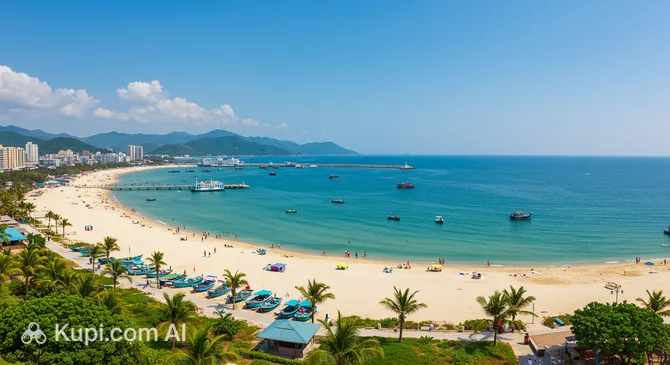
Welcome to Beihai, a captivating coastal city located in the southern part of the Guangxi Zhuang Autonomous Region of China. Known for its clean air and laid-back atmosphere, this seaside destination serves as a major port on the Gulf of Tonkin. With a population of approximately 1.85 million people, Beihai offers a perfect blend of bustling urban life and serene natural beauty, characterized by its subtropical climate which keeps the city pleasant and green throughout the year.

Beihai. Source: Kupi.Binoculars

The city boasts a rich cultural heritage as one of the starting points of the ancient Maritime Silk Road. Visitors can explore the history of Beihai by walking down the famous Beihai Old Street. This historic thoroughfare is lined with century-old arcade buildings that feature a unique mix of European and Chinese architectural styles, reflecting the city's past as an important trade hub.

For nature enthusiasts, Beihai is home to the renowned Silver Beach, often praised as the "First Beach under Heaven" for its fine, white quartz sand and gentle waves. A short boat ride away lies Weizhou Island, the largest and youngest volcanic island in the country, offering dramatic geological landscapes and crystal-clear waters ideal for diving and sightseeing.

Whether you are looking to indulge in fresh local seafood, soak up the sun on pristine sands, or wander through historic lanes, Beihai provides a delightful escape. It is a must-visit destination for travelers seeking a harmonious mix of relaxation, culture, and seaside adventure.

Weather Overview

Beihai enjoys a subtropical maritime climate, characterized by long, hot summers and short, mild winters. This coastal location ensures that the city remains relatively warm throughout the year, avoiding extreme cold. Travelers planning their visit can consult the detailed guide to the weather in Beihai to pack appropriately for the season.

During the summer months from June to August, the city is at its hottest and most humid. Average temperatures hover around 29°C, often peaking above 30°C. This is also the wettest time of the year; for instance, August sees significant rainfall with approximately 27 wet days. Travelers visiting in this season should be prepared for frequent showers and high humidity.

In contrast, the winter season from December to February is pleasant and dry, making it a popular time for escaping colder climates. Average temperatures range from 16.5°C to 17.7°C, with daily lows rarely dropping below 14°C. Precipitation is minimal during these months, with December seeing as few as 5 wet days. Overall, you can expect hot, rainy summers and mild winters with plenty of sunshine.

Interesting Facts

Beyond its sun-soaked beaches and historic streets, Beihai holds a treasure trove of ecological and cultural secrets waiting to be discovered. This coastal gem is famous not just for what lies on its shores, but for the unique life teeming within its waters and history.

  • The Hometown of Southern Pearls: Beihai has a pearl-farming history that spans over 2,000 years. The region is famous for its "Southern Pearls," which are celebrated for their exceptional luster and roundness. In ancient times, these precious gems were so highly valued that they served as exclusive tributes to the emperors of China.

  • A Sanctuary for "Mermaids": The coastal waters nearby host the Hepu Dugong National Nature Reserve. This protected area is dedicated to the dugong, a rare and gentle marine mammal often believed to be the real-life inspiration for ancient mermaid legends.

  • Forests in the Sea: The city is the gateway to the Shankou Mangrove Nature Reserve, one of the most significant ecosystems of its kind in the country. Known locally as the "Red Forest," these trees grow directly out of the saltwater, creating a stunning visual landscape and a vital habitat for thousands of migratory birds.

  • The Tanka "Sea Gypsies": Beihai is deeply influenced by the Tanka people, a unique ethnic group traditionally known for living their entire lives on fishing boats. They have preserved a distinct culture, including unique wedding ceremonies on the water and folk songs known as "Saltwater Songs."

How to Get There

Reaching this coastal destination is quite convenient thanks to its well-developed transport network. Whether you prefer flying directly or taking a scenic train ride, there are multiple options to suit your itinerary. You can find all ways to reach the city and detailed travel advice on our dedicated page.

The most direct way to arrive is via Beihai Fucheng Airport (IATA: BHY), which serves the city directly. Located approximately 19 km from the city center, it is a medium-sized hub that connects the region with major Chinese cities. A journey by taxi or airport bus to the downtown area typically takes around 50 minutes.

If direct flights are unavailable, you might consider flying into Nanning Airport (IATA: NNG) in the city of Nanning. As a large regional hub, it offers more extensive connections. However, it is located about 159 km away, so a subsequent transfer by road would take approximately 4 hours and 20 minutes. Another nearby option is Zhanjiang Airport (IATA: ZHA) in Zhanjiang, which is about 132 km from Beihai, with a transfer time of roughly 3.5 hours.

For clarity, here is a summary of the main airports:

Airport Name City Passenger Traffic Km from City
Haikou Airport Haikou Very High 220.7
Nanning Airport Nanning High 158.6
Zhanjiang Airport Zhanjiang Medium 131.8
Beihai Fucheng Airport Beihai Medium 19.1
Van Don Van Don Low 181.6

Travelers can also arrive by train at the Beihai Railway Station. This station is very conveniently situated just 3 km from the city center. Due to its close proximity, a taxi ride to the heart of the city is quick and easy, usually taking about 25 minutes.

Below is the information regarding the railway station:

Station City Passenger Traffic Km to Center
Beihai Railway Station Beihai 3.0

Main Attractions

Beihai is a treasure trove of natural wonders and historical sites, offering a diverse range of experiences for every traveler. From its world-famous sandy shores to its unique volcanic islands and architectural heritage, the city provides countless opportunities for exploration and photography. Here are some of the most captivating places to visit during your stay.

Beihai Silver Beach is arguably the city's most famous landmark, stretching over 24 kilometers along the coast. Often referred to as the "First Beach under Heaven," it is renowned for its exceptionally fine, white quartz sand that sparkles like silver in the sunlight. The beach is beloved by tourists for its gentle waves, clean water, and safe swimming environment, which is notably free of sharks. It is the perfect spot for sunbathing, beach sports, or simply enjoying a long, relaxing walk by the sea.

A trip to Beihai would be incomplete without visiting Weizhou Island, the largest and youngest volcanic island in China. Located south of the city, this geological marvel features dramatic landscapes created by ancient volcanic eruptions, such as the rugged cliffs of Crocodile Mountain Park. Beyond its geology, the island is a haven for divers and snorkelers who come to explore its colorful coral reefs. Visitors can also admire the historic Catholic Church, a stunning example of French Gothic architecture built using local coral and rock.

For a glimpse into the city's rich past, Beihai Old Street (Zhuhai Road) is a must-see destination. This historic street, which dates back to the 19th century, is lined with "Qilou" (arcade houses) that blend traditional Chinese and Western architectural styles. Walking down this 1.44-kilometer cobblestone path feels like stepping back in time, with its weathered colonial buildings, sculptures, and vibrant local life. It is also an excellent place to sample local snacks, such as shrimp cakes, and shop for souvenirs.

Families and marine life enthusiasts will find Beihai Underwater World to be a fascinating attraction. Located within Beihai Seaside Park, this large aquarium offers an immersive experience with its 360-degree underwater tunnel, allowing you to walk surrounded by sharks, rays, and schools of tropical fish. The facility is known for its diverse collection of marine species and entertaining shows, including underwater performances that showcase the beauty and mystery of the ocean depths.

Local Cuisine

Gastronomy in Beihai is heavily defined by its proximity to the Gulf of Tonkin, making it a true paradise for seafood lovers. The local cuisine emphasizes freshness and natural flavors, with ingredients often traveling from the fishing boats to the kitchen in a matter of hours. Dining here is not just about sustenance; it is a vibrant exploration of the ocean's bounty, ranging from high-end banquets to bustling street food stalls.

One of the most famous, albeit adventurous, local specialties is the Sandworm (Shachong). While its appearance might challenge the squeamish, it is considered a delicacy rich in protein and is typically served in a savory soup or stir-fried with vegetables. For a more accessible treat, visitors must try the Shrimp Cake (Xia Bing). These crispy, golden-fried discs are topped with whole fresh shrimps and are a staple snack found throughout the city, particularly along the historic streets.

Due to the city's history and location, there is a distinct Vietnamese influence on the food scene, best experienced in Qiaogang Town. This area is renowned for its fusion flavors, offering dishes such as Vietnamese-style spring rolls and savory crab noodle soups. It is also the perfect place to enjoy "Sugar Water" (Tong Sui), a category of sweet, soup-like desserts made with ingredients like mung beans, taro, or fresh tropical fruits, which provide a refreshing counterpoint to the savory seafood.

When it comes to beverages, the subtropical heat makes refreshing drinks a necessity. Locals often cool down with traditional Herbal Tea (Liangcha), believed to have cooling properties for the body. Additionally, fresh fruit juices are abundant, with coconut water and mango smoothies being popular choices to accompany a spicy or salty meal.

The food culture in Beihai is relaxed and communal, often centering around open-air night markets and seafood stalls. Beihai Old Street is a fantastic spot to wander and sample various snacks while soaking in the architectural history. For a more immersive dinner, the seafood restaurants on Waisha Island offer distinct dining experiences where you can select your own live catch from tanks before it is cooked to your preference.

Travel Tips

To ensure your journey to this coastal gem is as smooth and enjoyable as possible, we have compiled a list of essential travel advice. From navigating the local streets to understanding cultural nuances, these practical tips will help you experience Beihai like a savvy explorer rather than just a tourist.

  1. Clothing and Gear: Since Beihai has a subtropical climate, lightweight and breathable fabrics like cotton or linen are best for the long, hot summers. Don't forget high-SPF sunscreen, sunglasses, and a wide-brimmed hat, especially if you plan to spend time at Silver Beach. For winter visits (December to February), a light jacket or windbreaker is sufficient, as it rarely gets freezing. Comfortable walking sandals are a must for beach hopping.

  2. Transportation: The city does not have a metro system, so the best way to get around is by taxi or ride-hailing apps like DiDi (the local equivalent of Uber). Public buses are extensive and very affordable, costing usually just 1 or 2 RMB, but signs are mostly in Chinese. For a truly local experience, consider renting an electric scooter to cruise along the coastal roads; it is a popular and convenient way to see the sights at your own pace.

  3. Finances: The currency is the Chinese Yuan (RMB). While major hotels may accept international credit cards, most local shops, restaurants, and taxis do not. China is a nearly cashless society dominated by mobile payments; download Alipay or WeChat Pay and set up their international traveler features before you arrive. It is wise to carry some cash for small vendors, but don't rely on it exclusively. Tipping is not part of the culture and is generally not expected.

  4. Health and Safety: Beihai is generally a very safe city for tourists. Pharmacies are widely available and can be identified by a green cross sign, though you may need a translation app to describe your symptoms. Tap water is not safe to drink; always purchase bottled water or use a kettle to boil it first. Given the tropical environment, bringing mosquito repellent is highly recommended to prevent bites in the evenings.

  5. Communication: Mandarin is the official language, though locals often speak a variant of Cantonese (Baihua). English proficiency is relatively low outside of high-end hotels. It is crucial to download an offline translation app and a map app on your phone. To access western social media, email, or search engines, you will need a roaming plan or a pre-installed VPN, as many foreign websites are blocked.

  6. Local Etiquette: Politeness is valued, and a smile goes a long way. When dining, never stick your chopsticks vertically into a bowl of rice, as this resembles incense burning for the dead and is considered bad luck. If you are invited to drink tea or alcohol, it is polite to tap the table with two fingers as a gesture of thanks to the person pouring for you.

  7. What to Avoid: Be cautious when buying pearls, especially from street vendors who may offer "unbelievable" deals on the city's famous Southern Pearls. Unless you are an expert, stick to reputable, certified stores to avoid purchasing fakes. Also, avoid raising your voice or getting angry in public disputes, as causing someone to "lose face" is a serious social faux pas.

  8. Market Insight: For the freshest seafood experience, visit the Qiaogang Fengqing Street late at night. It transforms into a vibrant culinary hub where you can pick live seafood from tanks and have it cooked on the spot. It is lively, authentic, and offers a much better value than the tourist-heavy restaurants near the main beach entrances.

With these tips in hand, you are well-prepared to embrace the laid-back charm and vibrant culture of Beihai. We hope your adventure is filled with delicious flavors, stunning sunsets, and unforgettable memories by the sea!

Entertainment & Nightlife

Entertainment in Beihai reflects the city's relaxed coastal vibe, offering a nightlife scene that is vibrant yet distinct from the frenetic pace of China's larger metropolises. As the sun sets over the Gulf of Tonkin, the city cools down and wakes up, shifting its focus from sandy beaches to bustling night markets, open-air seafood feasts, and atmospheric bars. The nightlife here is heavily centered around socializing outdoors, enjoying fresh food, and soaking in the subtropical evening breeze.

The undisputed heart of Beihai's evening culture is Qiaogang Town. Located near the ferry terminal, this area was settled by refugees from Vietnam in the 1970s and retains a unique cultural flavor. At night, Qiaogang Style Street transforms into a pedestrian paradise teeming with locals and tourists. It is famous for its "night market" atmosphere where you can find endless rows of stalls selling Vietnamese specialties, grilled seafood, and the city's famous "sugar water" desserts. The crowd here is diverse and casual, with families, couples, and groups of friends gathering until late into the night.

For those seeking a drink with a side of history, Beihai Old Street (Zhuhai Road) offers a different kind of charm. While it is a sightseeing spot by day, by night the colonial-style arcade buildings are illuminated with warm lights, and numerous coffee shops convert into cozy bars and pubs. This is the best place to enjoy live acoustic music, craft beers, or cocktails in a setting that feels like a journey back in time. The vibe is laid-back and artistic, making it perfect for travelers who prefer conversation over loud club music.

If you are looking for a more upscale dining and drinking experience, Waisha Island is a prime destination. Connected to the mainland by a bridge, this small island is renowned for its high-end seafood restaurants that often feature outdoor seating overlooking the water. It is an excellent spot to start your evening with a luxurious meal before moving on to a lounge or simply enjoying a safe, scenic night walk along the promenade.

Practical advice for enjoying Beihai at night includes dressing comfortably; the dress code is almost universally casual, with shorts and sandals being perfectly acceptable even in bars. The action typically starts around 8:00 PM and winds down by 1:00 AM or 2:00 AM. Prices are generally affordable compared to cities like Shanghai or Beijing. For transportation, taxis and ride-hailing apps like DiDi are readily available and safe. The main nightlife districts are well-lit and secure, but as with any travel destination, it is wise to stay in populated areas.

While the nightlife is captivating, Beihai also offers daytime entertainment beyond the beaches. Culture enthusiasts can visit the Beihai Museum to learn about the region's maritime history and pearl farming heritage. For families, the Ocean Window of Beihai is another popular theme park featuring marine exhibits and 4D theaters, providing a fun, air-conditioned escape from the midday heat.

Parks & Museums

Beyond its shimmering beaches and bustling markets, Beihai offers a serene collection of green spaces and cultural institutions that provide a deeper understanding of the region's heritage. The city seamlessly blends its natural subtropical beauty with a rich history tied to the ancient Maritime Silk Road, inviting visitors to explore lush forests, unique ecosystems, and museums filled with centuries-old treasures.

For a perfect mix of mountain hiking and coastal views, Guantouling National Forest Park is a standout destination. Located at the western end of the Beihai Peninsula, this park features Dragon King Ridge, the highest point in the city, which offers panoramic views of the ocean and the surrounding cliffs. It is a favorite spot for watching the sunset, where the rugged rocks meet the crashing waves. Visitors can wander through dense forests, visit the small temple dedicated to the Dragon King, and enjoy the dramatic scenery that contrasts with the flat sandy beaches found elsewhere in the city.

Another ecological wonder is the Golden Bay Mangrove Ecotourism Zone. Unlike typical parks, this area protects a vital wetland ecosystem often referred to as an "ocean forest." A network of wooden boardwalks allows tourists to walk right above the tidal flats, observing the resilient mangrove trees that grow in saltwater. It is also a haven for birdwatchers, as flocks of white egrets and other migratory birds are frequently seen resting among the green canopy. The interplay of the tides and the dense vegetation creates a tranquil atmosphere perfect for nature photography.

To delve into the city's historical significance, a visit to the Hepu Han Cultural Museum is highly recommended. Although located in Hepu County (just outside the main city center), it is essential for understanding Beihai's role as a starting point of the Maritime Silk Road during the Han Dynasty. The museum houses an impressive collection of artifacts unearthed from local tombs, including exquisite pottery, bronze ware, and semi-precious stones that were traded across ancient seas. It provides a fascinating glimpse into the prosperity and global connections of this region over 2,000 years ago.

Within the city itself, the Former Site of the British Consulate stands as a testament to Beihai's more recent past as a treaty port. Located near the High School of Beihai, this well-preserved colonial building now serves as a museum showcasing the history of the city's opening to the West in the late 19th century. The architecture is a classic example of the European style prevalent during that era, and the exhibits inside offer context on the diplomatic and trade activities that shaped the modern urban landscape.

For an authentic local experience, try visiting the Beihai Botanical Garden early in the morning. While less famous than the coastal attractions, it is where you will find locals practicing Tai Chi, playing traditional instruments, or simply enjoying the shade of tropical banyan trees. It’s a quiet, genuine slice of daily life away from the tourist crowds.

Getting Around

Navigating Beihai is relatively simple and relaxed, reflecting the city's overall laid-back atmosphere. Unlike China's massive metropolises, this coastal city does not currently have a metro system. Instead, the public transport network relies primarily on an extensive bus system, complemented by widely available taxis and a culture that heavily favors electric scooters.

The public bus network is the most economical way to get around, covering all major tourist areas, including the downtown core, the ferry terminal, and the beach resorts. Buses are generally modern and air-conditioned. Specific "Tourist Lines" connect key attractions such as the Old Street and Silver Beach directly, making them very convenient for visitors. Operating hours typically run from around 6:00 AM to 10:00 PM, though some routes may stop earlier in the evening.

The payment system for buses is straightforward. Most routes operate on a flat-fare basis, usually costing 2 RMB per ride. You can pay using cash, but be aware that onboard fare boxes do not give change, so you must have the exact amount in coins or small bills ready before boarding. For a more seamless experience, the majority of locals use mobile payment apps like Alipay or WeChat Pay. Tourists can activate the "Transport Code" within these apps to scan a QR code upon entry, eliminating the need for physical currency.

For those seeking more comfort or speed, taxis are plentiful and can be hailed on the street. They are generally green or yellow and operate on a meter. However, for international travelers, using ride-hailing apps (such as DiDi) is highly recommended. These apps allow you to input your destination in English, see the estimated fare upfront, and pay automatically, bypassing potential language barriers with drivers.

A unique and highly popular way to explore the city is by renting a small electric scooter (e-bike). Because the terrain is flat and the coastal roads are scenic, many tourists prefer this method for hopping between beaches and markets at their own pace. Rental shops are abundant near hotels and major scenic spots, offering daily rates that are quite affordable. Additionally, shared bicycles are available on many street corners for shorter trips, unlockable via mobile apps.

Finally, water transport is a key component of the local system if you plan to visit the islands. The Beihai International Passenger Port operates large, high-speed ferries that transport passengers to Weizhou Island. Tickets for these ferries should be booked in advance, especially during peak seasons, as they are the only public link to the volcanic island.

Accommodation

Accommodation in Beihai caters to a wide spectrum of travelers, ranging from budget-friendly backpacker hostels to luxurious seaside resorts. As a developing coastal destination, the city offers excellent value for money compared to more established tropical hubs like Sanya. Whether you prefer waking up to the sound of waves or staying amidst the architectural charm of the historic district, there is something to suit every preference and budget.

For most tourists, the area surrounding Silver Beach is the top choice. This district is home to a high concentration of mid-range to high-end hotels and resorts, many of which offer stunning sea views and direct access to the sand. Staying here places you right in the heart of the holiday action, perfect for families and sun-seekers who want to spend their days by the water.

Travelers interested in culture and local life might prefer the Old Street (Zhuhai Road) and the downtown area. Here, you can find boutique hotels housed in refurbished colonial-style buildings, as well as numerous affordable hostels and business hotels. This location is incredibly convenient for exploring the night markets, sampling local snacks, and soaking up the city's historical atmosphere.

A unique aspect of visiting Beihai is the accommodation on Weizhou Island. If you plan to stay overnight on the island, expect a different vibe dominated by "Minsu" (homestays) and guesthouses rather than large chain hotels. These range from rustic, family-run spots to trendy, "Instagrammable" boutique lodges perched on cliffs. They offer a more intimate connection with the island's volcanic landscape and local fishing culture.

Booking Tips: While it is usually easy to find a room, booking in advance is highly recommended during the peak summer season (July and August) and major Chinese holidays like the Spring Festival and National Day. This is particularly critical for Weizhou Island, where ferry tickets and popular guesthouses can sell out weeks ahead of time.

In terms of pricing, Beihai is generally very affordable. Budget travelers can find comfortable hostels or guesthouses for a very low cost, while even luxury resorts are often priced more competitively than in other major global beach destinations. Most bookings can be easily made through major international online platforms, though downloading a local Chinese travel app can sometimes offer a wider range of options for smaller homestays.

Nearby Cities

For those looking to explore the surroundings, Beihai serves as an excellent base for day trips to several interesting nearby locations:

Zhanjiang: Located just across the border in Guangdong province, this coastal city offers a delightful mix of Cantonese culture and maritime history. Known for its deep-water harbor and French colonial architecture, Zhanjiang is a fantastic destination for seafood lovers and history buffs alike. Visitors can explore the unique volcanic landscape of Huguangyan National Geopark or stroll along the seaside promenade to enjoy the relaxed atmosphere.

Nanning: As the capital of the Guangxi region, Nanning is often called the "Green City" because of its abundant tropical foliage and beautifully landscaped parks. It serves as a dynamic cultural hub where modern skyscrapers stand alongside lush green spaces like Qingxiu Mountain. The city is also a great place to experience the diverse traditions of the region's ethnic minorities and sample a wide variety of local street food.

Yulin: Situated inland from the coast, Yulin provides a contrast to the seaside cities with its unique architectural and cultural landmarks. One of its most famous attractions is the massive Yuntian Palace, a colossal building housing intricate wood carvings and artistic treasures. The city is also a gateway to scenic rural areas and traditional villages, offering a glimpse into the agricultural heart of the region.

City Population Distance (km)
Zhanjiang 7,332,000 131
Maoming 6,313,200 188
Yulin 5,849,700 170
Guigang 4,409,200 187
Nanning 3,837,978 167

These nearby destinations offer a glimpse into the diverse culture and landscapes of the region.

Shopping & Souvenirs

Shopping

Shopping in Beihai offers a delightful mix of modern convenience and traditional coastal charm. While it may not rival the high-fashion metropolises of China in terms of luxury brands, the city excels in offering unique local specialties that reflect its maritime heritage. Visitors can expect a relaxed shopping experience ranging from bustling commercial pedestrian streets and modern malls to vibrant markets filled with the scent of the ocean. The city is particularly renowned for its pearls and marine handicrafts, making it an excellent destination for finding one-of-a-kind souvenirs.

The commercial heart of the city is centered around Beibuwan Square (Northern Gulf Square). This area serves as the main downtown hub where locals go for their daily needs. Here, you will find major department stores and bustling streets lined with clothing boutiques, electronics shops, and local retailers. It is a lively district perfect for witnessing the energetic pace of daily life and finding standard consumer goods.

For a more atmospheric and tourist-friendly experience, Beihai Old Street (Zhuhai Road) is the place to be. While famous for its architecture, it is also a prime shopping destination. The century-old arcade buildings house numerous shops selling everything from pearl jewelry and shell carvings to local snacks. Walking down this historic lane allows you to browse for gifts while soaking in the cultural ambiance of the old trading port.

Travelers looking for a contemporary shopping environment should visit Beihai Wanda Plaza. As in many Chinese cities, this large shopping complex offers a one-stop experience with international fashion brands, a wide variety of restaurants, a cinema, and a supermarket. It provides a comfortable, air-conditioned escape from the subtropical heat and is a reliable spot for purchasing branded goods or travel essentials.

Markets play a crucial role in the local shopping scene, particularly for food and traditional products. The Qiaogang Market, located near the town settled by returning overseas Chinese from Vietnam, is a vibrant spot to explore. Here, you can find a fascinating array of goods, including Vietnamese specialty products like coffee, candies, and tropical fruits. Additionally, the city's various Dried Seafood Markets are sights to behold, with stalls piled high with dried scallops, shrimp, squid, and sea cucumbers, which are prized ingredients in Chinese cuisine.

When it comes to souvenirs, the undisputed star is the Southern Pearl (Nan Zhu). Beihai has a history of pearl farming that dates back thousands of years, and these gems are famous for their smooth texture and brilliant luster. Jewelry ranges from affordable trinkets to high-end investment pieces. Other popular keepsakes include intricate shell carvings, which are crafted into landscapes or figures, and horn carvings. Foodies might want to bring back bags of premium dried seafood or locally produced sea-duck eggs.

Most shops and malls in Beihai operate from around 10:00 AM to 10:00 PM, though smaller street vendors and breakfast markets may open much earlier. Payment methods are heavily digital; international credit cards are rarely accepted outside of major hotels or large malls like Wanda Plaza. It is essential to have Alipay or WeChat Pay set up on your phone, as even small market stall owners prefer these mobile payment platforms over cash.

Regarding tax refunds, while China does have a Tax-Free system for international tourists in designated stores, it is not as widespread in Beihai as it is in major hubs like Beijing or Shanghai. Tourists should look for the "Tax Free" signage at the entrance of large department stores or within the Wanda Plaza, but it is best not to rely on this availability for general shopping. Always carry your passport if you intend to inquire about tax refunds for larger purchases.
Reached the end of the page?

That means the route is fully explored